
REVIEW · BIRMINGHAM
Birmingham Civil Rights Tour- Riding & Walking
Book on Viator →Operated by Red Clay Enterprises LLC · Bookable on Viator
Birmingham civil rights landmarks, made clear. This 3-hour Riding & Walking tour connects key stops like Kelly Ingram Park and the 16th Street Baptist Church to what really happened, with a small group and an air-conditioned vehicle between sites.
What I like most is the mix of short walks and ride time, so your body stays in the game even when it is hot. I also love that entrance fees are handled for you, so you spend your focus on people, not paperwork.
One consideration: you will walk about a mile in temperatures from 40 to 100F, so it is not the move if you cannot walk unassisted at a reasonable pace.
In This Review
- Key things you’ll notice on this tour
- Why This Birmingham Civil Rights Tour Beats a Solo Walk
- Getting Oriented Fast: 3 Hours, 9:45 Start, and a Simple Plan
- Kelly Ingram Park: Statues, Stubborn Courage, and What Marches Look Like
- 16th Street Baptist Church: The Church Bombing and Why It Still Matters
- Linn Park and Boutwell Auditorium: Where Power Met Resistance
- Smithfield and Dynamite Hill: Houses, Churches, and the Reality of Terror
- Historic Bethel Baptist Church and Rev. Fred Shuttlesworth
- Eddie Kendrick Memorial Park: The Black Business District Side You Might Miss
- John Herbert Phillips Academy: School Integration as a Fight, Not a Footnote
- The Freedom Riders Attack Site: A Stop You Shouldn’t Skip
- Comfort, Weather, and What to Pack for a 40 to 100F Walk
- Value Check: Included Entrance Fees, Air-Conditioned Rides, and Small-Group Time
- Who This Tour Fits Best
- Should You Book the Birmingham Civil Rights Tour?
- FAQ
- How long is the Birmingham Civil Rights Tour- Riding & Walking?
- How much walking is involved, and what if I have moderate fitness?
- What are the major stops on the tour?
- Are entrance fees included?
- How big is the group, and is it offered in English?
- What happens if the weather is bad, or if I need to cancel?
- Are service animals allowed, and do children need an adult?
Key things you’ll notice on this tour
- Small-group size capped at 14 keeps questions from getting lost
- Air-conditioned transport helps you stay comfortable between emotionally heavy stops
- No entrance-fee hassles since admission is included
- Stops cover multiple moments from marches to the Freedom Riders attack site
- Names and leaders get real context like Bull Connor and Rev. Fred Shuttlesworth
- A practical walking plan with short segments and frequent orientation
Why This Birmingham Civil Rights Tour Beats a Solo Walk
Birmingham can feel complicated at street level. A lot of the city’s most important civil rights sites are spread out, and it is easy to visit the right address without understanding why that address matters.
This tour solves that problem with a simple rhythm: you ride to keep distances reasonable, then you walk just enough to connect the dots. You also get guided narration that ties landmarks together into a cause-and-effect story, not a random list of plaques.
And I’ll be blunt: the subject matter is heavy. That is not a selling point, it is the reality. What makes the difference here is the tone. The guide keeps it respectful, explains what happened, and gives you enough context to follow along without feeling lost.
Getting Oriented Fast: 3 Hours, 9:45 Start, and a Simple Plan
The tour starts at 512 16th St N, Birmingham, AL 35203, with a 9:45am departure. It runs about 3 hours, and it ends back where you began. You’ll use a mobile ticket, and the whole experience is offered in English.
With a maximum of 14 people, you are not competing with a loud bus crowd. Instead, you can ask real questions, and the guide has room to answer clearly. That matters on this topic, because people often want to know how one event led into the next.
Logistically, the schedule is built around short stops. That means you do not get stuck in one place too long, but you also do not rush through everything. It is the kind of pacing that works for most visitors, as long as you can handle walking.
Kelly Ingram Park: Statues, Stubborn Courage, and What Marches Look Like
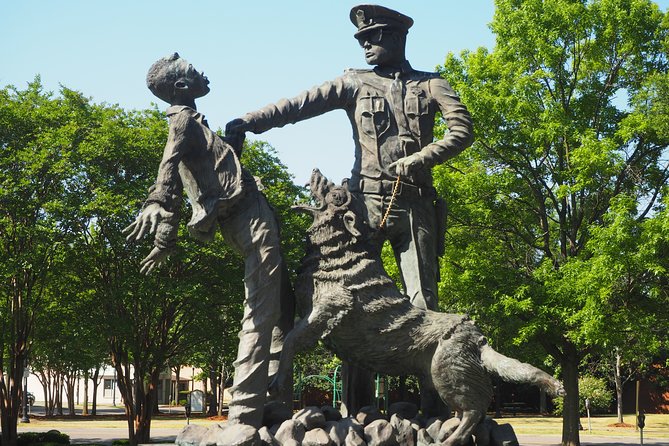
Kelly Ingram Park is where many first-time visitors feel the scale of the Birmingham movement. On this tour, you get an opening walk that doubles as a briefing. You are shown the area, then you start hearing how the civil rights story unfolded in Birmingham.
At the park itself, you spend time walking around the features and statues that represent people and moments tied to the fight for freedom. A key value of having a guide here is interpretation. From the sidewalk, it is not always obvious what you are looking at or why that location became so symbolic.
Practical note: this is an exterior stop, so weather matters. When the temperature is up around midday, you will want water and a hat. When it is cool, layers help, since the van ride will not heat you up like a long museum session.
16th Street Baptist Church: The Church Bombing and Why It Still Matters
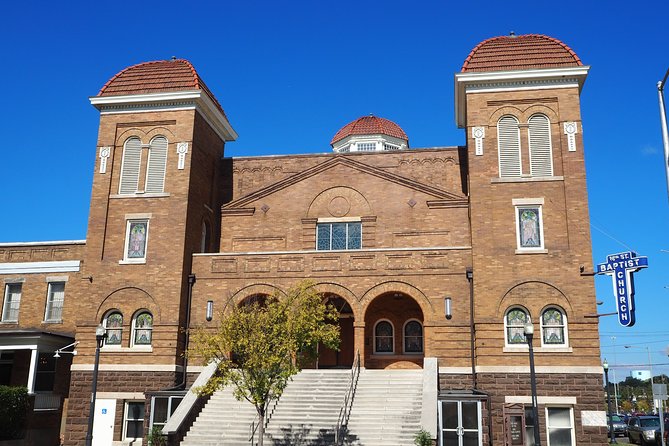
Next comes the stop at the 16th Street Baptist Church, including time to learn the role the church played during the civil rights movement in Birmingham. This is one of the most painful parts of the story because you are also hearing about the history of the church bombing that tragically killed four little girls.
A guided format helps here. Without context, a visitor can end up treating the site like a photo opportunity. With narration, you understand why the church mattered as a community center, organizing hub, and moral symbol.
One consideration: emotionally, this stop can hit hard. If you prefer light, low-stakes touring, this may feel like too much. If you want to understand the human cost and why people kept pushing anyway, this is the core of the tour.
Linn Park and Boutwell Auditorium: Where Power Met Resistance
After the church stop, the tour keeps moving through places tied to confrontation and political control.
At Linn Park, you learn about where march protests ended in Birmingham, and you hear about the groups that were fighting for civil rights in the city. This stop helps you understand that change did not happen through one march or one speech. It was pressure, planning, and persistence across different streets and groups.
Then you head to Boutwell Auditorium for what is often a turning-point topic: Bull Connor and the clashes between his administration and those fighting for civil rights. The value of a guided stop at an auditorium site is that the building itself is not the lesson. The lesson is what power tried to do, and how activists pushed back.
Possible drawback: these stops are short. If you are someone who loves to linger and read every sign, you may wish the time were longer. Still, the trade-off is that you leave this experience with a clear, connected timeline instead of scattered impressions.
Smithfield and Dynamite Hill: Houses, Churches, and the Reality of Terror
At Smithfield, you go to an area known as Dynamite Hill. This stop focuses on houses and churches that were bombed in Birmingham during the civil rights movement.
The reason this part matters is simple: it shows the extreme lengths some people were willing to go to stop integration and civil rights progress. It is not just protests and speeches. It is intimidation, violence, and the physical danger behind the headlines.
This stop also tends to be memorable because it forces you to see the story in lived-in places. You are looking at neighborhoods, not just monuments. The guide’s narration helps you connect those locations to the tactics used during that period.
One consideration: because this is tied to bombing and terror, the tone is serious. Come prepared for that. If you are traveling with kids, consider whether they are ready for those realities, even if the guide keeps the explanations appropriate.
Historic Bethel Baptist Church and Rev. Fred Shuttlesworth
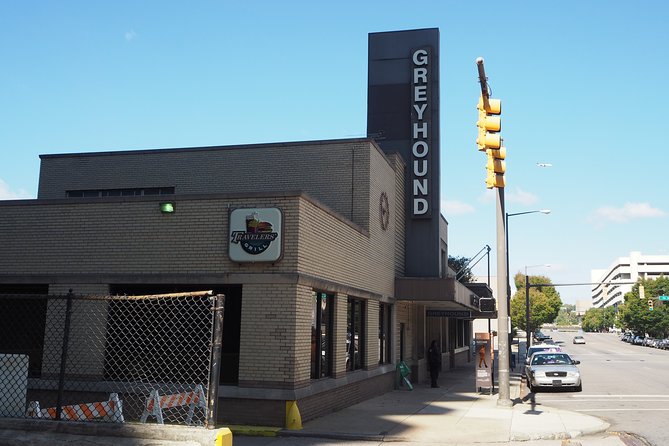
Then you move to the Historic Bethel Baptist Church. Here, the tour focuses on leadership, especially the role of Rev. Fred Shuttlesworth, who led parts of the movement from this church.
This is where you start seeing the movement as more than reactions. Leadership meant communication, organization, and a steady refusal to back down.
What I appreciate about this stop on a guided tour is that it prevents “name-only” history. If you hear about Shuttlesworth only in passing, he can feel like a footnote. In context, you see how leaders worked through institutions like churches to build resilience.
Eddie Kendrick Memorial Park: The Black Business District Side You Might Miss
At Eddie Kendrick Memorial Park, the tour shifts to the Black Business District and what Black life in Birmingham looked like during its heyday.
This stop is valuable because it broadens your perspective. Civil rights history is not just marches and conflict. It also includes community life, entrepreneurship, and everyday culture. When the guide frames the district as more than a backdrop, you start understanding what was at stake beyond politics.
This is also one of the shorter stops. The upside is that it keeps the tour moving. The downside is you may want more time to look around on your own after the tour ends.
John Herbert Phillips Academy: School Integration as a Fight, Not a Footnote
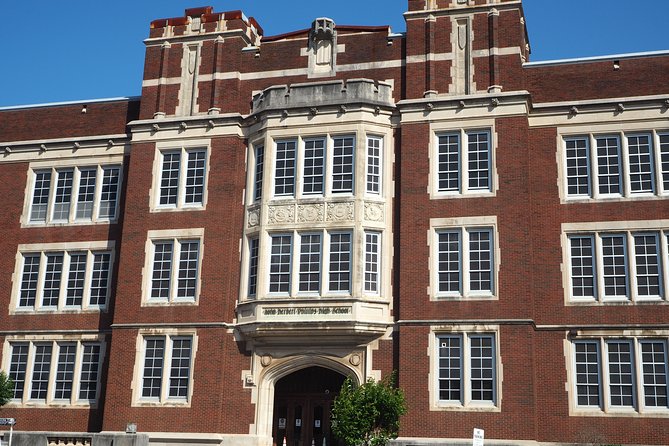
At John Herbert Phillips Academy, you see where Rev. Fred Shuttlesworth attempted to integrate schools in Birmingham.
This part matters because it shows civil rights as structural change. Integration was not an abstract idea. It was a direct challenge to how the city was organized, and it often brought intense resistance.
Having a guide here helps you connect the school topic to the larger movement you heard about earlier. The tour’s pacing means you do not have to make mental jumps on your own.
Practical note: this stop is on the shorter side, so it is best for visitors who want key context more than slow reading time.
The Freedom Riders Attack Site: A Stop You Shouldn’t Skip
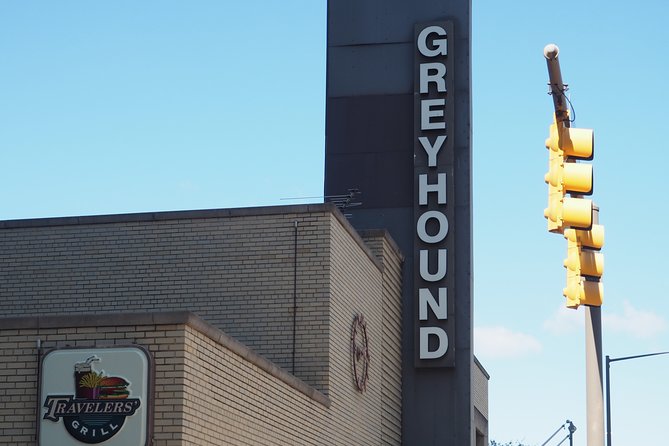
Near the end, you visit the Wells Fargo ATM area, which the tour uses to show the site where the Freedom Riders were attacked in Birmingham.
This is a powerful stop for a simple reason: it reminds you the civil rights movement involved many people and tactics, not only local marches. The Freedom Riders story is part of the national push for equal treatment, and Birmingham was one of the places where that effort met violent opposition.
If you only visit the famous church and park sites, you might miss this broader thread. This tour closes that gap by pointing you toward the attack location and explaining why it belongs in the Birmingham narrative.
Comfort, Weather, and What to Pack for a 40 to 100F Walk
The tour runs rain or shine. If there is significant weather like a hurricane, tornado, or ice, you’ll get the option of an alternative date or a full refund. And if rain becomes an issue, you still have transportation to keep things workable.
That said, you should plan for a real walking day. You will walk over a mile total, in temperatures that can range from 40 to 100F. The tour is not recommended if you cannot walk at least a mile, or if you are affected by cold or heat.
Bring practical stuff:
- Water and a way to stay hydrated
- Sunscreen and a hat in hot weather
- Layers in cooler temperatures
- Comfortable walking shoes, because you will be on foot in multiple spots
Also, keep in mind the emotional pacing. Short breaks can help you reset between heavy topics, and the guide typically keeps the route moving with an eye toward comfort.
Value Check: Included Entrance Fees, Air-Conditioned Rides, and Small-Group Time
This is one of those tours where the value comes from organization. You get air-conditioned transportation, which sounds basic until you are standing outside in heat while trying to learn history. On this route, that comfort adds up.
You also avoid hidden costs because all entrance fees are included. That matters because civil rights sites can have fees, and those add up fast if you are DIY-ing. Here, you can plan once and spend time learning.
The small group cap of 14 is not a trivia point. It’s what keeps the tour from feeling like a lecture. You get a more personal experience, and you can ask questions that pop up as you walk from one landmark to the next.
Finally, the guides’ storytelling style is a huge part of the experience. People describe Birmingham locals like Clay and Mike as strong narrators who handle tough topics with tact and compassion, and who explain events in a clear, chronological flow. If you want the history to make sense as you see each location, this format is built for that.
Who This Tour Fits Best
This tour is a great match if:
- You want to understand the civil rights movement in Birmingham with clear context
- You prefer a guide-led timeline instead of reading and guessing on your own
- You want to see the core landmarks without paying separate entrance costs
It may be less ideal if:
- You cannot walk about a mile unassisted
- You are sensitive to temperature swings between 40 and 100F
- You want a lighter, purely scenic outing
For families, the tour can work when kids can handle serious history. The guide’s approach is designed to be respectful and clear, but parents should still weigh how their children handle topics involving violence.
Should You Book the Birmingham Civil Rights Tour?
If you care about seeing Birmingham’s civil rights sites in the right order and understanding what each place represents, I would book this tour. It turns a scattered set of landmarks into a story you can actually follow, with comfortable van time, included access, and a guide who gives you context instead of just directions.
The main reason to hesitate is the physical requirement. If walking a mile in variable temperatures feels risky for you, skip it. If you can handle that and you are ready for serious, human history, this is one of the best ways to make your Birmingham stop feel meaningful and grounded.
FAQ
How long is the Birmingham Civil Rights Tour- Riding & Walking?
It runs about 3 hours. The tour time is an approximation, with stops ranging from about 5 to 30 minutes each.
How much walking is involved, and what if I have moderate fitness?
You will walk over a mile during the tour, and you should have moderate physical fitness. The tour is not recommended if you cannot walk unassisted at a reasonable speed.
What are the major stops on the tour?
You visit key civil rights locations including Kelly Ingram Park, the 16th Street Baptist Church, Linn Park, Boutwell Auditorium, Dynamite Hill in Smithfield, the Historic Bethel Baptist Church, Eddie Kendrick Memorial Park, John Herbert Phillips Academy, and the Freedom Riders attack site near a Wells Fargo ATM.
Are entrance fees included?
Yes. The tour includes admission and notes that entrance fees are included, with all taxes, fees, and handling charges covered as part of the experience.
How big is the group, and is it offered in English?
The tour has a maximum of 14 travelers and is offered in English.
What happens if the weather is bad, or if I need to cancel?
The tour runs rain or shine. If it is canceled due to significant weather such as a hurricane, tornado, or ice, you’ll be offered an alternative date or a full refund. Cancellation is free up to 24 hours in advance for a full refund.
Are service animals allowed, and do children need an adult?
Service animals are allowed. Children must be accompanied by an adult.