
REVIEW · ART INSTITUTE OF CHICAGO
Chicago: Art Institute of Chicago Fast-Pass Ticket
Book on GetYourGuide →Operated by Art Institute of Chicago · Bookable on GetYourGuide
Chicago’s top museum is built for big days. With the Art Institute of Chicago fast-pass ticket, I like that you trade waiting for gallery time and walk straight in through the Michigan Avenue security entrance. Two things stand out right away: you get access to the permanent collection plus non-ticketed special exhibitions, and you can use the museum’s free app for audio tours in English, Spanish, and Mandarin. One drawback to keep in mind: ticketed special exhibitions cost extra, and the museum doesn’t have a working checkroom, so you’ll want to travel light.
This is a museum that really rewards planning. You’ll see major highlights across Europe, the Americas, Africa, and Asia, with famous names like Monet, Van Gogh, Picasso, Dalí, Hopper, and O’Keeffe all showing up in one place. The other consideration is simple: the building is large, and one day can feel short unless you pick a few “must-see” anchors.
Key highlights that make this fast pass worth it
- Skip the general admission line and go directly to security at the Michigan Avenue entrance
- Permanent collection access + non-ticketed special exhibitions included in your fast pass
- See standout works spanning 5,000 years, from Egyptian objects to Asian art to modern icons
- Plan with the free multilingual app and audio tours (English, Spanish, Mandarin)
- Family-friendly moments: armor and the 68 Thorne Miniature Rooms
- Interactive options at the Ryan Learning Center and JourneyMaker gallery paths
In This Review
- Entering the Art Institute without wasting your morning
- Price and value: why $40 can be a smart trade
- Your one-day flow: how to structure the museum so it doesn’t overwhelm you
- The masterpieces that turn this museum into an all-timer
- How 5,000 years of art actually feels in real life
- Family-friendly stops adults often love too: Thorne Rooms and armor
- Ryan Learning Center, JourneyMaker, and the interactive twist
- Free tours and the kind of guide who makes you pay attention
- The museum app, audio tours, and using your time well
- Rules that affect your visit: pack light and skip the extras
- Getting there in Chicago: train, bus, and one block parking
- Is one day enough? My honest planning advice
- Should you book the Art Institute Fast Pass ticket?
- FAQ
- Where do I enter with my voucher?
- What does the fast pass include?
- Are ticketed special exhibitions included?
- How long is the ticket valid?
- Do I get audio guides with this ticket?
- What languages are available in the app?
- Is the museum checkroom available?
- What items are not allowed inside?
- Is the Art Institute wheelchair accessible?
Entering the Art Institute without wasting your morning
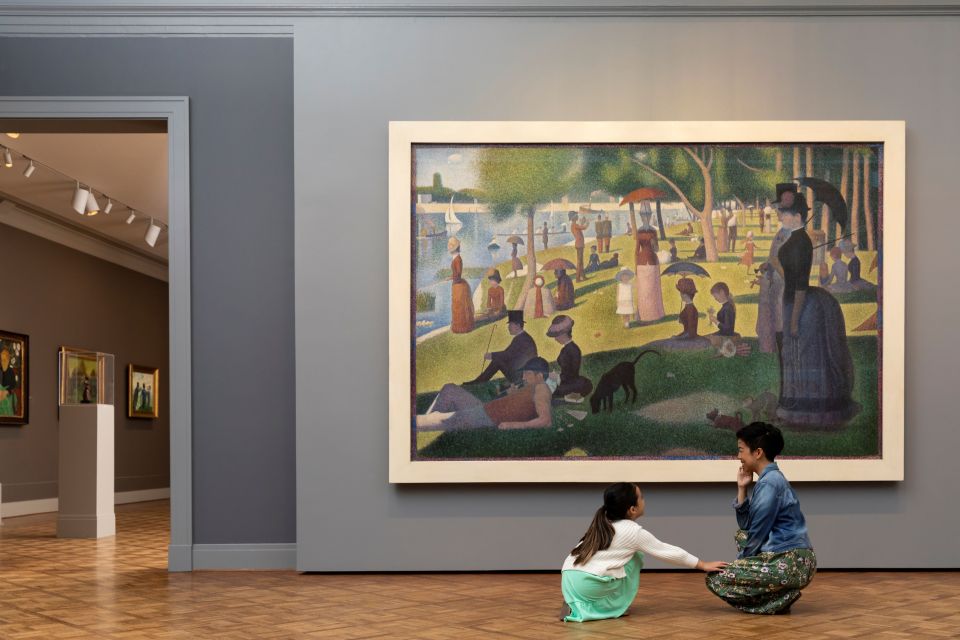
The biggest win with this fast pass is how calm it feels at the start. Instead of bunching up outside, you go in at the Michigan Avenue entrance, then head straight to the security desk and present your voucher. That small change matters a lot when the museum is busy, because you lose less time to “stand and shuffle” and more time to looking closely at paintings and sculpture.
It also helps to arrive with a simple plan. The museum covers a huge range, so I recommend treating the first hour like your scouting time: find your orientation, grab the app, and identify where your top works live. When you do that, the rest of the day gets easier.
Practical note: the checkroom is closed. So even if you’re tempted to bring a bag just in case, don’t. Pack lightly because larger bags and certain items won’t be allowed through security.
Price and value: why $40 can be a smart trade

At $40 per person for a 1-day pass, this isn’t a “small impulse” purchase. But it can be good value if you care about hitting key galleries without delays.
Here’s what you’re buying for that price:
- Fast access to the permanent collection and non-ticketed special exhibitions
- A free museum app for exploring and listening to audio tours
- Free Wi‑Fi once you’re in
So you’re not just paying to enter. You’re paying for momentum—especially useful if you only have one day in Chicago.
Now, the fair caution: one visitor noted they didn’t actually need the fast pass to get in smoothly. If you’re going at an odd hour when lines are short, the savings might be smaller than you’d expect. Also, the ticket doesn’t include ticketed special exhibitions, so if your dream plan depends on a specific paid exhibition, you’ll still want to budget for that separately.
Your one-day flow: how to structure the museum so it doesn’t overwhelm you
The Art Institute is the kind of place where you can lose an entire day and still feel like you missed half of it. With a 1-day fast pass valid from first activation, you’ll enjoy it more if you build a route instead of wandering randomly.
I like a two-phase approach:
1) Anchor galleries first (the works you’ll regret skipping)
2) Backfill with curiosity (everything else once you’re already oriented)
Start by using the app before you get tired. The free app gives you audio tours and also helps you figure out what to see next. Even if you end up changing your order in the galleries, having your “top 10” in mind keeps you from getting stuck in a loop.
Also, allow time for detours. The museum has special rooms and interactive stops that are easy to underestimate until you’re standing in front of them.
The masterpieces that turn this museum into an all-timer
This is where the fast pass earns its keep: once you’re in, you’re surrounded by paintings you’ve seen in textbooks, art classes, or posters for years.
Impressionists and Post‑Impressionists you’ll want to catch early
The museum is packed with major Impressionist and Post‑Impressionist work. You can plan your day around Monet, Van Gogh, and the classic Impressionist lineup. Highlights include more than 25 paintings by Claude Monet, several works by Van Gogh, plus celebrated works like:
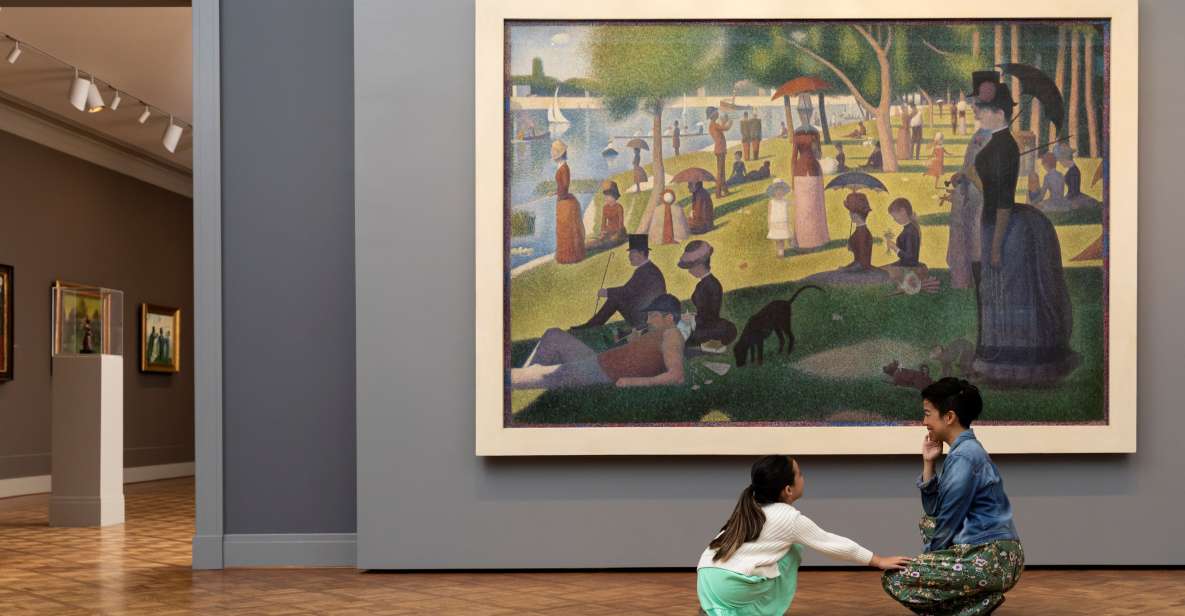
- Georges Seurat, A Sunday Afternoon on La Grand Jatte
- Pierre‑Auguste Renoir, Two Sisters (On the Terrace)
If your brain likes color and movement, this wing is the payoff. I’d prioritize these early because they tend to draw steady crowds, and you’ll get more enjoyment when you see them at a slower pace.
American icons that feel instantly familiar
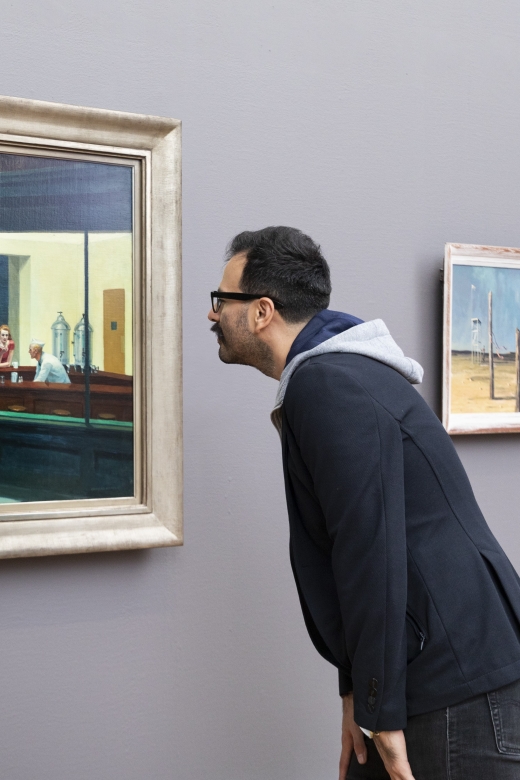
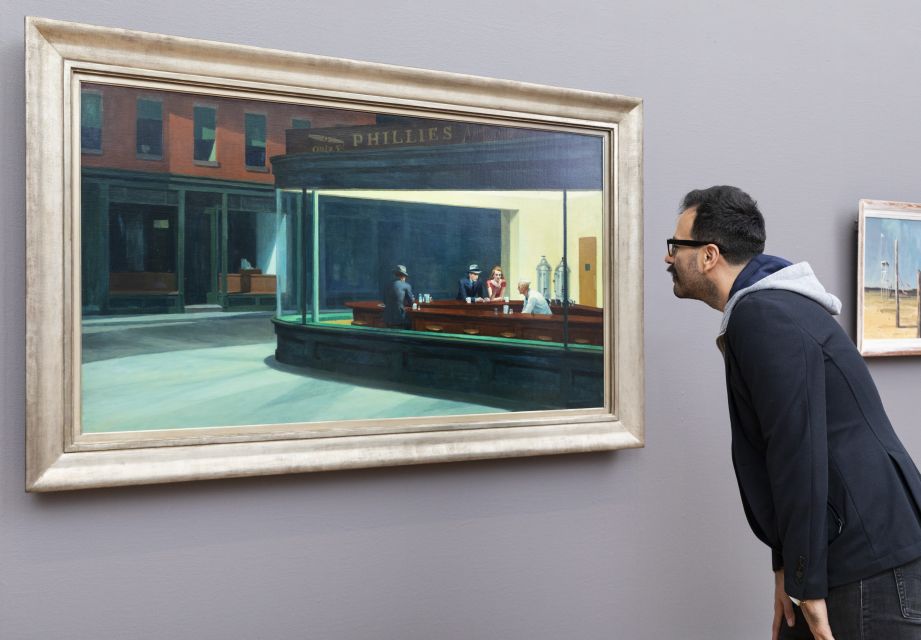
The Art Institute doesn’t treat American art like an afterthought. If you want an “I can’t believe I’m here” moment, Edward Hopper’s Nighthawks is the one that often does it. You can also look for:
- Grant Wood, American Gothic
- works by artists including Georgia O’Keeffe, Andy Warhol, and more modern names such as Cindy Sherman and Kerry James Marshall
The interesting part is how these pieces talk to older European styles while still sounding like American life. You’ll feel that shift in the room, even if you’re not an art expert.
Modern art punch, from Picasso to Dalí
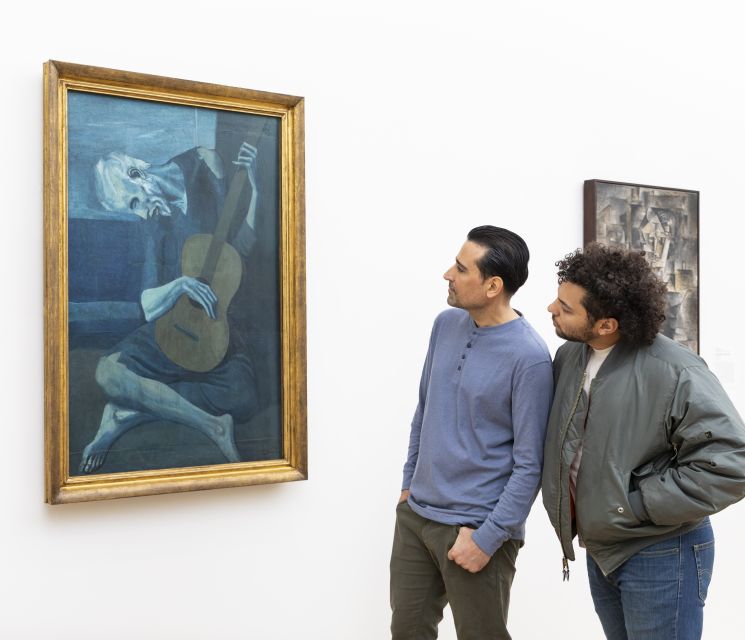
You’ll run into the big names: Pablo Picasso, Henri Matisse, and Salvador Dalí among others. The museum’s strength is not just that these artists are famous, but that you can move from one style to another without leaving the same building. It’s a fast way to train your eye.
One tip that helps: don’t force a “modern art only” path or an “old masters only” path. Mixing eras keeps you awake and makes the museum feel less like a checklist.
How 5,000 years of art actually feels in real life
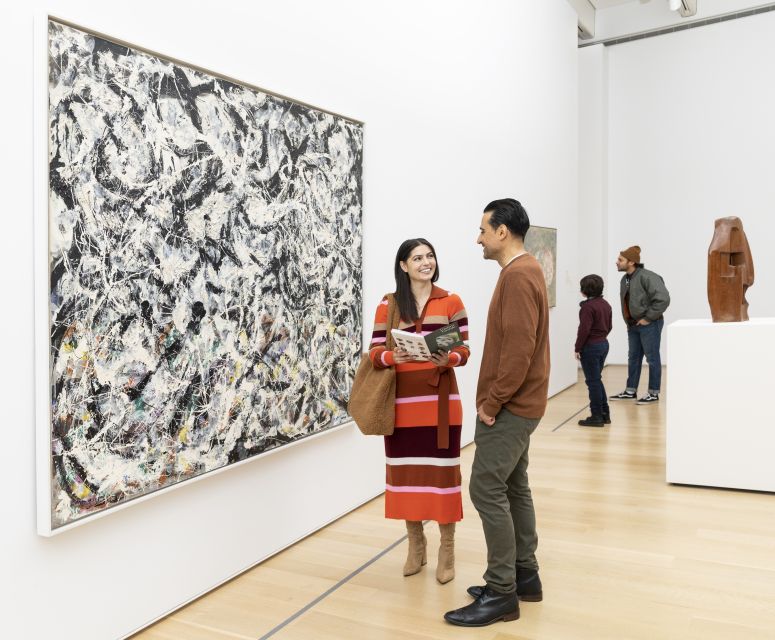
“5,000 years” sounds like a slogan until you walk into the galleries and realize the museum is built to move across time and geography without needing a separate ticket for every stop.
You’ll see major sections that span:
- ancient Egyptian objects
- thousands of years of Asian art
- works across Africa
- wide-ranging holdings of European and American art
Here’s the practical meaning: you can get whiplash—in a good way. One room can feel ancient and weighty, and then you’ll move to modern works that feel like they belong to the news. If you like connections, this is where the museum becomes more than a collection.
The museum also has places where the art meets hands-on learning. That’s not just for kids, either. Even as an adult, I enjoy seeing how the museum explains process, not just results.
Family-friendly stops adults often love too: Thorne Rooms and armor
If you think family-friendly means “boring,” you’ll probably be wrong here.
The museum’s 68 Thorne Miniature Rooms are on the lower level and are worth planning for. They are meticulously crafted and easy to miss if you never go looking. Once you’re there, you’ll slow down. People often end up spending longer than they planned because you want to inspect details.
Another standout for families and anyone who likes historical spectacle: the museum’s armored knights and armor collection. It’s the kind of display that makes history feel physical, not distant.
Even if you’re traveling as a couple or solo, these stops can break up the painting-heavy day and give your feet a chance to recover while still being wowed.
Ryan Learning Center, JourneyMaker, and the interactive twist

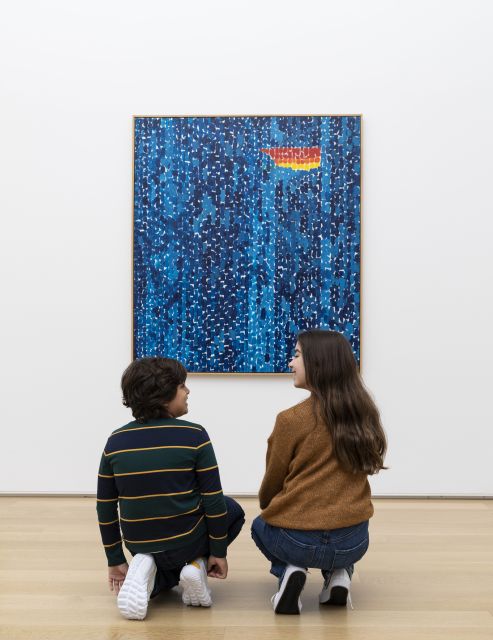
The Art Institute isn’t only about standing still. The Ryan Learning Center offers art-making activities. That’s a nice change of pace when you’ve been looking at framed art for hours.
Right nearby, JourneyMaker lets you create a custom tour through the galleries. This is useful even if you’re a confident planner, because it helps you steer toward a route that fits your mood—whether you want more paintings, more modern work, or a mix of time periods.
If you’re traveling with kids, this kind of interaction is a life-saver for keeping attention from drifting. If you’re traveling alone, it still works because it turns the museum into a choose-your-own-adventure.
Free tours and the kind of guide who makes you pay attention

This fast-pass experience includes access to the permanent collection and non-ticketed exhibitions, but it also pairs well with the museum’s free daily tours. Those guided walks can give your day a shape—especially if the museum feels overwhelming on arrival.
One guide name that shows up with strong praise is Philippe. If you see a tour led by someone like Philippe, I’d treat it as a priority. The best guides don’t just list facts; they help you notice what you’d otherwise skim past.
If you prefer self-guided time, no problem. The app-based audio tours let you go at your own speed.
The museum app, audio tours, and using your time well
The museum’s free downloadable app is a key part of why this fast pass feels efficient. You can use it to explore and listen to audio tours in English, Spanish, and Mandarin. And you’ll have free Wi‑Fi, which makes it easier to keep your route flexible as you move.
My practical advice: don’t try to listen to everything in order. Pick a few audio stops tied to your “anchor” works. Then use the rest of your time for looking, not reading.
Also, remember the museum’s audio options are there if you want them. Handheld audio guides aren’t included, though rentals are available. So use the free app first unless you prefer a dedicated device.
Rules that affect your visit: pack light and skip the extras
This is where you can save frustration. The Art Institute has a strict list of what isn’t allowed inside.
You should leave at home:
- food and drinks
- luggage or large bags (bags and purses larger than 13 x 17 x 4 inches won’t be allowed)
- backpacks
- selfie sticks
- flash photography, tripods, umbrellas
- video recording
- selfie sticks and other items the museum flags for safety or visitor comfort
Before you go, take a moment to check what you’re bringing. With the checkroom closed, you don’t have an easy “store it safely” option.
For strollers and wheelchairs: the museum says a limited number are available for free on a first-come, first-serve basis. So if you need one, don’t count on the last-minute availability—plan to get there earlier rather than later.
Getting there in Chicago: train, bus, and one block parking
The Art Institute is easy to reach by public transit. Buses and trains stop nearby, and many underground parking lots are only about a block away. That matters because the museum day is already busy; you’ll feel better if the ride-in and ride-out are simple.
If you’re walking from a hotel, I suggest using the Michigan Avenue entrance as your mental landmark. It’s also the exact entry you’ll use for your voucher, so you won’t waste time hunting for the right door.
Is one day enough? My honest planning advice
One day at the Art Institute can be both satisfying and frustrating. It’s satisfying because there’s so much to see that you’ll get your money’s worth in major ways. It’s frustrating because the collection is deep, and even a focused route can feel like sprinting.
A realistic expectation helps:
- If you focus on Impressionists, American icons, and one or two “systems” like miniatures and interactive learning, you’ll likely enjoy the day a lot.
- If you’re a slow museum walker who wants full context for everything, you may feel like you only sampled.
That’s why the fast pass is smart. It buys time at the start so you can spend the rest of the day on art, not waiting.
Should you book the Art Institute Fast Pass ticket?
Book it if:
- you want to maximize time with major highlights and hate ticket lines
- you’re going during a busy period or only have one day
- you’ll use the free app for audio tours and planning
Skip or reconsider it if:
- you’re flexible on timing and expect light crowds
- you’re laser-focused on a specific ticketed special exhibition that isn’t included
- you plan to bring a lot of gear and don’t want to pack down (because the checkroom is closed and bag rules are strict)
For most people—especially first-time visitors—the value is simple: fewer delays at the entrance means more looking time inside. And the Art Institute is the kind of place where that choice feels instantly worth it.
FAQ
Where do I enter with my voucher?
Enter at the Michigan Avenue entrance. Then proceed directly to the security desk to present your voucher.
What does the fast pass include?
It includes a fast pass ticket to the permanent collection and non-ticketed special exhibitions.
Are ticketed special exhibitions included?
No. Ticketed special exhibitions are not included with this fast pass.
How long is the ticket valid?
It’s valid for 1 day, starting from the first activation.
Do I get audio guides with this ticket?
You don’t get handheld audio guides included. You do get a free downloadable mobile app that includes audio tours.
What languages are available in the app?
The app’s audio tours are available in English, Spanish, and Mandarin.
Is the museum checkroom available?
No. The checkroom is closed, so you should pack lightly.
What items are not allowed inside?
Food and drinks are not allowed. Large bags and items like selfie sticks, flash photography, tripods, backpacks, umbrellas, and video recording are also not allowed.
Is the Art Institute wheelchair accessible?
Yes. The experience is wheelchair accessible, and the museum offers a limited number of wheelchairs and strollers for free on a first-come, first-served basis.