
REVIEW · FRENCH QUARTER
French Quarter Walking and Storytelling Tour
Book on GetYourGuide →Operated by Lucky Bean Tours · Bookable on GetYourGuide
Jazz and history share the same sidewalk. This 2-hour French Quarter walking and storytelling tour is built around real places and real characters, with music on many blocks and a guide who turns neighborhoods into scenes. I especially like the small-group feel, plus how stop-by-stop stories connect the Creole era to what you see today. One thing to plan for: the French Quarter sidewalks are uneven, so you’ll want sturdy shoes (or plan carefully if you’re using a wheelchair).
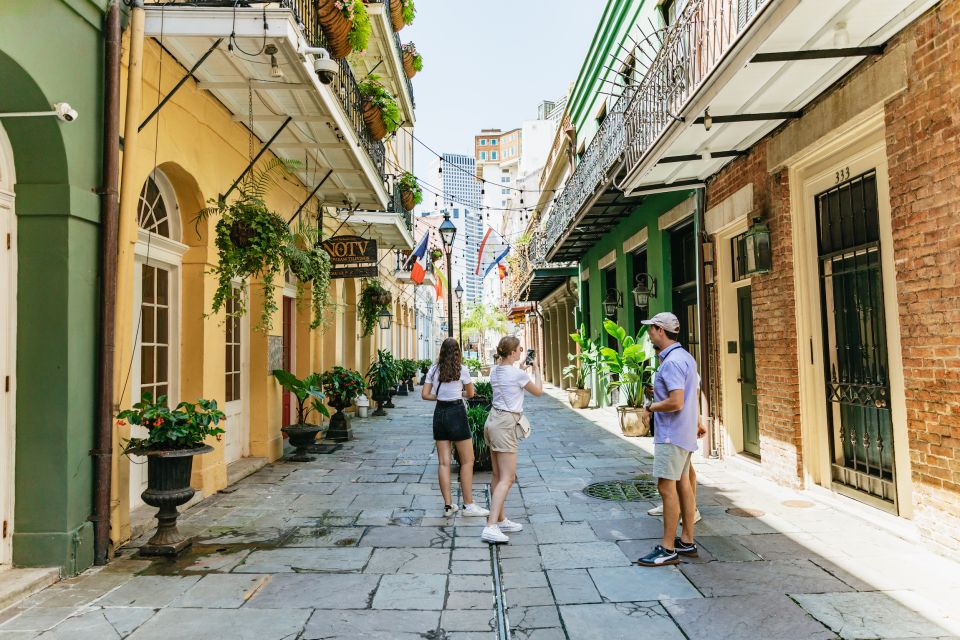
You start at the jazz fountain at Decatur and Dumaine, then work toward Jackson Square with landmarks like St. Louis Cathedral, plus stops many people walk past without noticing—like courtyards tucked behind older buildings. I also like the range of stories, from triumphant moments to tawdry ones, and the way your guide frames the French Quarter as the gumbo of ethnic groups that helped shape New Orleans. The possible drawback is simple: at this length, you’ll cover a lot of ground, so it’s not for slow, linger-everywhere pacing.
At $35 per person for a live guide and two hours of walking, it’s a strong value if you want a smart introduction that helps you explore after the tour. In reviews, guides such as Libby, Tim, and Scott get praise for great pacing and turning history into something you remember later. If you already know every corner of the Quarter, you might feel it’s more of an orientation than a replacement for deeper research.
In This Review
- Key points to know
- From the Jazz Fountain to Jackson Square: what the walk feels like
- French Quarter stories that connect the dots (1718 to today)
- St. Louis Cathedral and Jackson Square: iconic stops with sharper meaning
- French Market, courtyards, and an almost 300-year-old convent
- The Mississippi River angle: why the Quarter grew where it did
- Pace, comfort, and what to bring for uneven sidewalks
- Price and value: does $35 buy real payoff?
- Who this French Quarter tour suits best
- Book it or skip it? my honest take
- FAQ
- Where is the meeting point?
- How long is the tour?
- What sights will the tour include?
- What’s included in the price?
- Is the tour wheelchair accessible?
- What should I bring?
- Are pets allowed?
- Should you book a French Quarter walking and storytelling tour?
Key points to know
- Start at the jazz fountain (Decatur & Dumaine) and get your bearings fast with a local guide’s overview.
- Music on the walk makes the neighborhood feel alive, not like a museum.
- Landmarks plus lesser-known interiors: St. Louis Cathedral, Jackson Square, the French Market, courtyards, and an almost 300-year-old convent.
- Strong storytelling focus: Creole life, 1718 French colonial roots, and characters with both shine and shadow.
- Small-group pacing often means you can ask questions and set the tempo to your interests.
- Bring water—especially April through October—and wear shoes for uneven sidewalks.
From the Jazz Fountain to Jackson Square: what the walk feels like
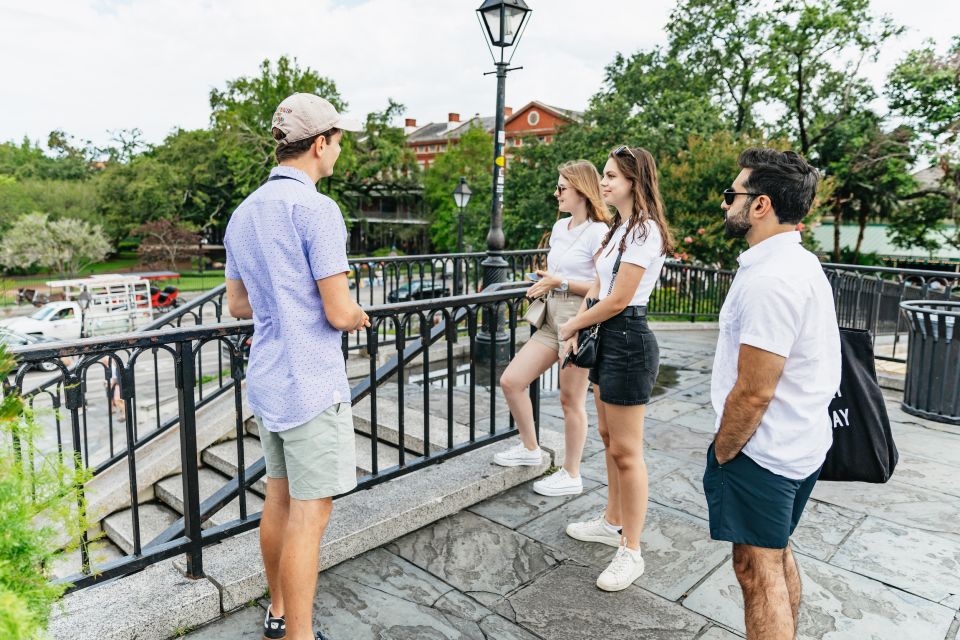
This is the kind of tour that gives you a plan without making you feel herded. You meet at the jazz fountain at the intersection of Decatur and Dumaine in the French Market area, then your guide sets the stage with a quick snapshot of New Orleans history. After that, you’re moving, listening, and looking at details you’d otherwise miss.
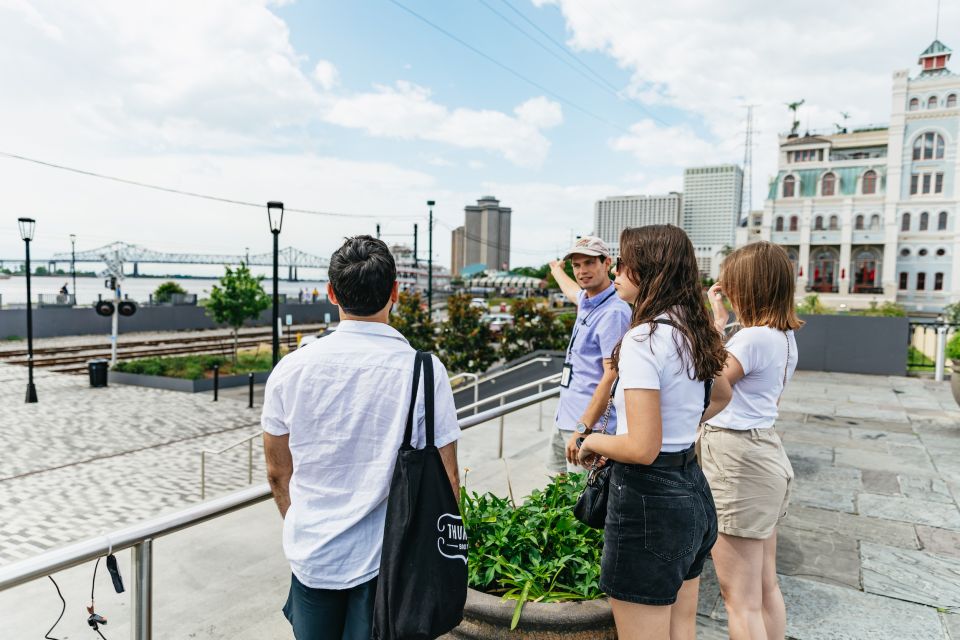
You’ll walk through the French Quarter’s oldest parts and keep hitting the emotional rhythm of the neighborhood. One highlight is that you’re not just looking at buildings from the outside—you’re learning what they meant to the people who lived, worked, worshiped, and hustled there. And because the tour is designed for a smaller group, the guide can slow down when you have questions, rather than racing everyone to the next photo spot.
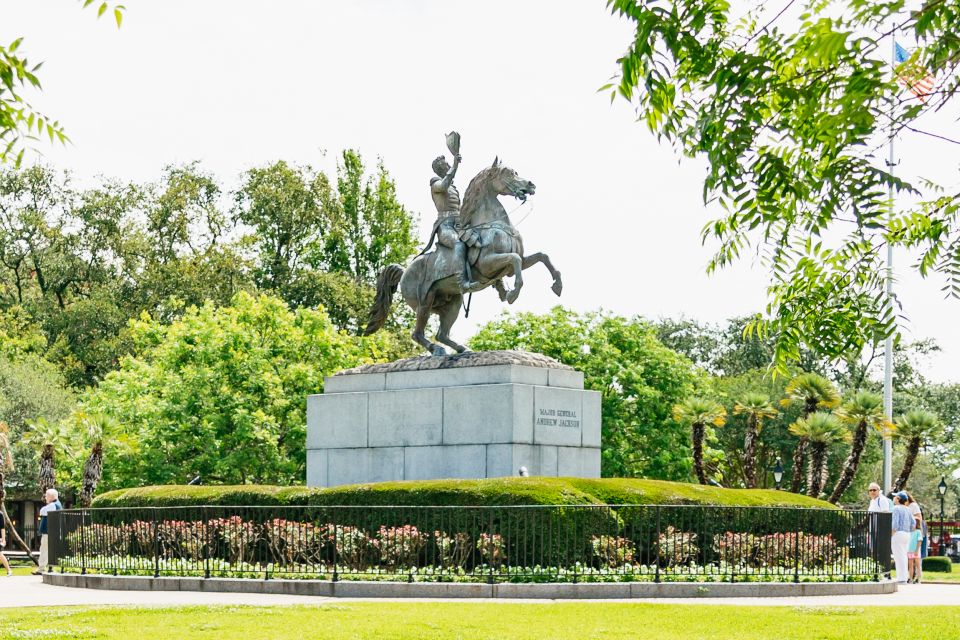
At the end, you’re in or next to Jackson Square. That’s a smart finish line, because it puts you where you’ll naturally want to wander afterward—coffee, jazz, souvenirs, and people-watching all sit close by. Your guide also shares recommendations so you leave with a short list of what’s worth your time next.
You can also read our reviews of more tours and experiences in French Quarter.

French Quarter stories that connect the dots (1718 to today)

The backbone of the tour is storytelling, but it isn’t random spooky talk. You get a clear arc: the French Quarter began as a French colonial outpost in 1718, and the people who showed up early were described as quirky, gritty, and fascinating—exactly the kind of characters that keep the Quarter interesting long after the original era ended.
A big theme is the Quarter as a living mix. Your guide explains the gumbo of ethnic groups that shaped New Orleans’ distinct vibe, and you’ll hear how that mix shows up in the music, the food traditions people associate with the city, and even the way the neighborhood is laid out. The “Creole heart” idea matters here: it’s not just a label, it’s a way of understanding why certain traditions cluster in this space.
The stories you’ll hear include both triumphant and tawdry characters, which is a good balance. New Orleans history isn’t tidy. It’s survival, celebration, rivalry, and reinvention—sometimes in the same block. Guides on this tour (including Libby, Tim, Lesley, and Yvonne in past tours) are praised for turning that complexity into something you can actually follow while you walk.
St. Louis Cathedral and Jackson Square: iconic stops with sharper meaning
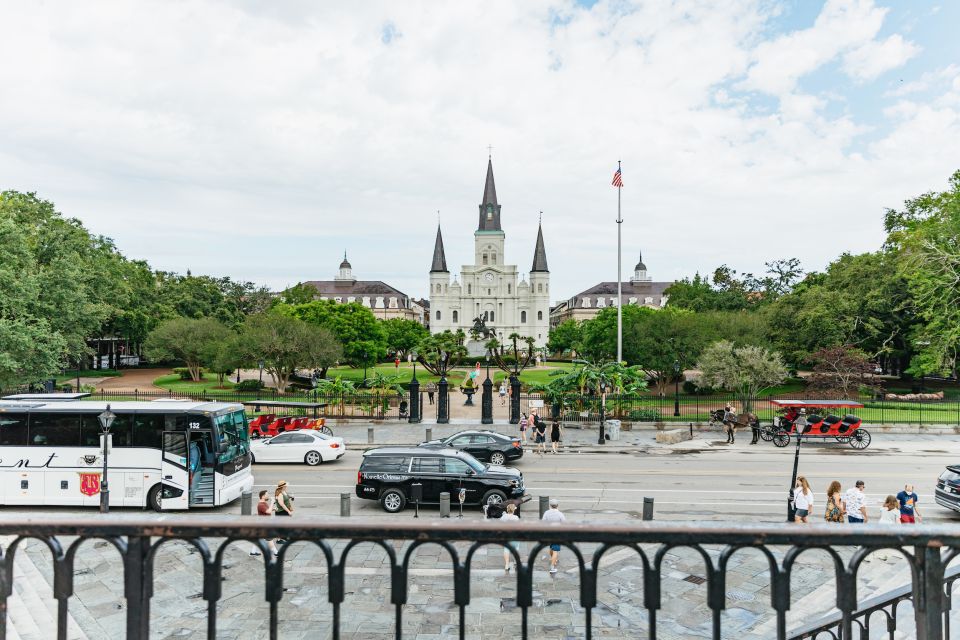
Two of the biggest magnets in the French Quarter are St. Louis Cathedral and Jackson Square. On a quick self-guided stroll, you might appreciate them visually and move on. On this tour, you’ll understand why they mattered and how they shaped daily life.
St. Louis Cathedral isn’t treated like a postcard only. Your guide uses it to anchor the neighborhood’s earlier identity—what religion and community space meant in the French Quarter’s working world. When you later reach Jackson Square, it’s not just a scenic plaza. You’ll have a framework for why it became such a central stage for public life.
This is also where the tour’s storytelling payoff shows up most. Because you’ve been hearing how the gumbo mix and Creole culture formed over time, Jackson Square stops being just a pretty “must-see.” It becomes a place with layers: commerce, gatherings, the arts, and the city’s habit of turning history into a living performance.
If you care about architecture, you’ll like how your guide points out details along the way. Even if you’re not a history person, it helps you look at the Quarter with a “why is it like this?” mindset instead of just a “look how it looks” vibe.
French Market, courtyards, and an almost 300-year-old convent
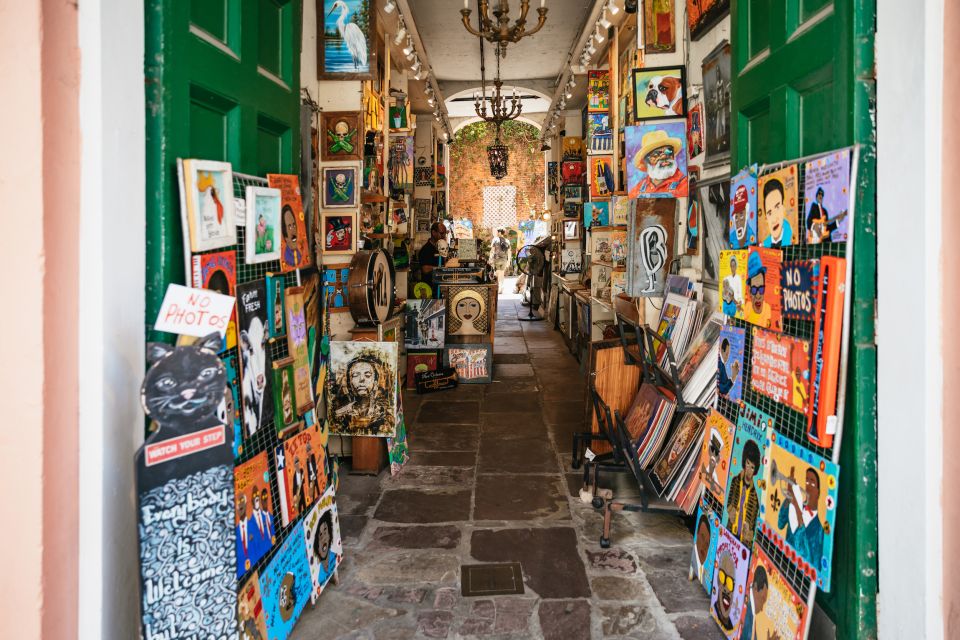
The French Market area is a strong reason to book a guided walk instead of doing everything solo. Here, you get more than famous facades—you learn how buildings hide their stories.
You’ll visit the French Market, plus areas linked to an almost 300-year-old convent and spaces behind older structures. One of the best surprises is the mention of courtyards tucked behind 18th and 19th century buildings. These are the kinds of spots that can feel invisible if you’re rushing for photos, but a local guide knows exactly where to point your attention.
This is the part of the tour that feels most like a “how did they do that?” lesson. The French Quarter’s layout includes private-feeling spaces and interior rhythms that don’t match the public streets. Courtyards and tucked-away building interiors help you understand how daily life worked—where people could gather, where they could keep life moving without everything spilling out onto the sidewalk.
And yes, landmarks matter, but these interior moments are where the tour earns its keep. They help you see that the French Quarter isn’t only about big streets and famous squares. It’s also about the private spaces in between.
The Mississippi River angle: why the Quarter grew where it did
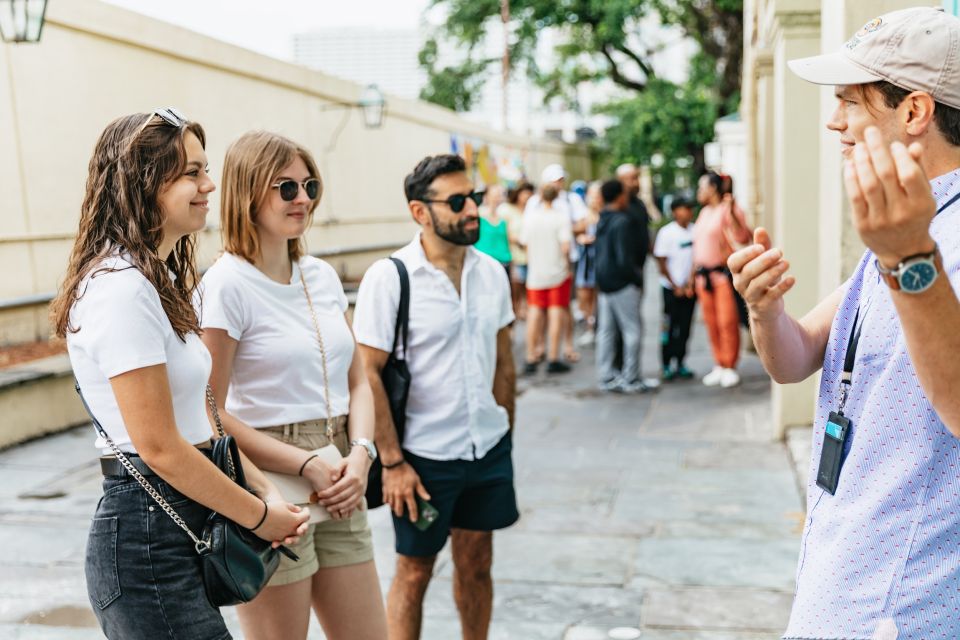
You’ll also get views or landmark stops connected to the Mississippi River. That might sound obvious, but guides don’t treat it as a geography checkbox. They use it to explain why this neighborhood became a central stage for trade, settlement, and the kind of constant motion that shaped New Orleans culture.
When you connect the river to what you see in the Quarter—streets, traffic of people and goods, the idea of arrivals and departures—the neighborhood starts to make practical sense. You stop thinking of it as a static historic set and start seeing it as a place that grew because people needed it.
If you like “big picture, small details,” this river context is a good payoff. It also helps your later walks across the city feel less random.
Pace, comfort, and what to bring for uneven sidewalks
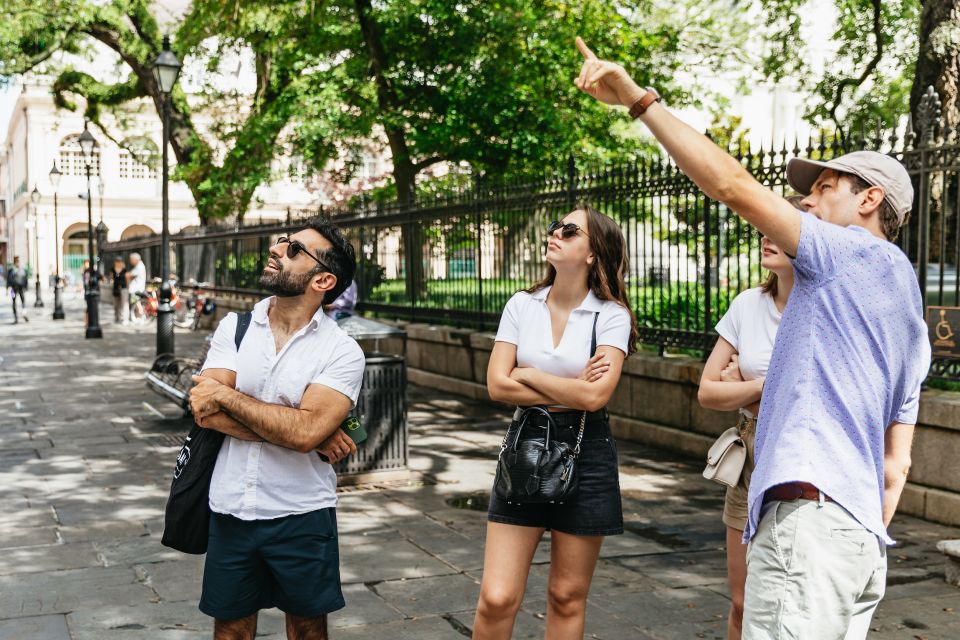
Let’s talk feet, because the French Quarter can be rough. The tour is wheelchair accessible, but the sidewalks are uneven and tough to walk along. So accessibility here doesn’t mean smooth pavement—it means the tour is designed to be possible, not effortless.
Bring water. It’s not included, and it matters more than you think in warm months. Also wear comfortable walking shoes with solid grip. You’re moving for two hours, and your guide may adjust pacing based on the group, weather, and what you want to know.
The best part of a good walking tour is when the guide keeps you comfortable without turning it into a long stop-and-wait. Past guides on this tour have been praised for keeping a pace that’s easy to follow and for managing heat with breaks in shade when needed. That’s the difference between “I survived this tour” and “I could do another one tomorrow.”
Also note what you can’t bring: no pets, no smoking, and no large bags or luggage. If you’re traveling light already, you’re set.
Price and value: does $35 buy real payoff?
$35 per person for a 2-hour, live-guided walk is a fair deal if you use it for what it’s best at: orientation plus meaningful context. The value isn’t that the tour replaces your self-guided wandering. It’s that it makes your wandering better.
A guided tour costs more than buying a map and winging it. But here you’re paying for:
- A local guide to connect what you see to what it used to mean
- A structured walk that hits major landmarks and key lesser-known interiors
- Storytelling that gives you names, themes, and context you can remember
In reviews, the strongest praise centers on guide quality and storytelling energy. People often say the two hours go fast and feel personal, especially when the group is small. Some groups have been very small—so you might get more attention, more question time, and a more tailored pace.
If your first day in New Orleans is packed, this is a smart “day-one” activity. It helps you spot what you want to revisit. If your schedule is loose and you like to wander, you’ll still benefit, because the tour gives you a framework for how the French Quarter fits into the larger city.
Who this French Quarter tour suits best
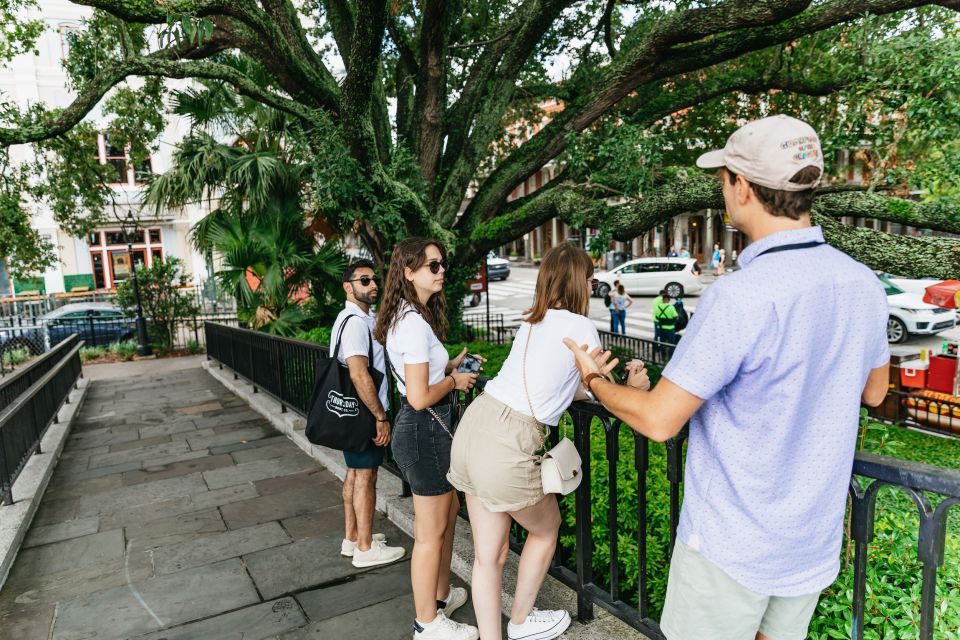
This tour is ideal if you want:
- A guided French Quarter walking tour that’s about history and culture, not just party stops
- A blend of big landmarks (St. Louis Cathedral, Jackson Square) and quieter details (French Market, courtyards, an almost 300-year-old convent)
- Storytelling that covers both the triumphant and the tawdry, so the Quarter feels real
You may get less out of it if you already know the French Quarter thoroughly and want specialized topics that go far beyond a two-hour overview. But even then, you might still enjoy the local guide’s eye for what to notice.
It also suits mixed travel groups. If one person loves architecture and another loves music, the tour can work for both. Many guides are praised for answering questions and tailoring the walk based on interests.
Book it or skip it? my honest take
I’d book this tour if you’re visiting the French Quarter for the first time and want to understand what you’re seeing without spending hours studying before you arrive. The best reason is simple: this is a fast, guided education that makes your later walks richer.
Skip it if you hate walking uneven streets, or if you only want landmarks without the story context. If you’re in the middle—curious, short on time, and eager to learn—this one is a strong start.
One last tip: after the tour ends near Jackson Square, don’t rush off. Use the guide’s recommendations, pick one or two follow-ups, and let the stories you heard guide where you go next. That’s how a two-hour walk turns into days of better exploring.
FAQ
Where is the meeting point?
You meet at the jazz fountain at the intersection of Decatur and Dumaine Streets in the French Quarter.
How long is the tour?
The tour lasts 2 hours.
What sights will the tour include?
You’ll see landmarks such as St. Louis Cathedral, Jackson Square, the French Market, and the Mississippi River, along with other areas like courtyards behind 18th and 19th century buildings.
What’s included in the price?
The price includes the 2-hour walking tour, storytelling, views of iconic New Orleans sights, and contact information for your guide.
Is the tour wheelchair accessible?
Yes, it’s wheelchair accessible, though the French Quarter sidewalks are uneven and can be tough to walk.
What should I bring?
Bring water, especially in warmer months.
Are pets allowed?
No, pets are not allowed.
Should you book a French Quarter walking and storytelling tour?
Yes, if you want an efficient introduction that helps you understand the French Quarter as a real neighborhood with layered stories. Bring water, wear sturdy shoes, and give yourself time to follow up around Jackson Square afterward. If you’re already an expert on New Orleans history, you might prefer a more specialized tour—but for most visitors, this is a well-paced way to learn while you walk.