REVIEW · TUSAYAN
Grand Canyon Village: Grand Canyon South Rim Airplane Tour
Book on GetYourGuide →Operated by Grand Canyon Airlines · Bookable on GetYourGuide
Grand Canyon from the air hits different. This South Rim airplane tour is interesting because you’re not just looking down at viewpoints—you’re gliding over big landmarks like the Zuni Corridor and the river confluence with built-in commentary in many languages. I especially love how the tour gives you panoramic, unobstructed viewing windows plus multilingual headset narration, so you don’t need a guidebook to understand what you’re seeing. One possible drawback: window frames and aircraft parts can slightly interfere with photos on certain angles.
From Grand Canyon Airlines – South Rim, you’ll depart near Grand Canyon Village and fly a route that spotlights the Kaibab National Forest and Plateau, Imperial Point, and the meeting of the Colorado and Little Colorado Rivers. With durations ranging from 40 to 165 minutes (typically morning and afternoon), it’s a good fit when you want a high-impact canyon experience without spending your whole day hiking.
In This Review
- Key things that make this flight worth it
- Why a South Rim airplane tour is the best fast pass to the canyon
- Meeting up at Grand Canyon Airlines near Grand Canyon Village
- Boarding: seats, windows, and how to plan for photos
- The flight route: Kaibab Forest, Kaibab Plateau, Imperial Point, and Zuni Corridor
- Kaibab National Forest and Kaibab Plateau
- Imperial Point
- Zuni Corridor
- The confluence moment: Colorado meets Little Colorado from nearly a mile up
- How the narration works (and what languages you’ll hear)
- Fixed-wing vs helicopter: what you gain from this kind of flight
- How long you should book: 40 minutes vs the longer flights
- Comfort, turbulence, and visibility: what to watch before you go
- Value check: is $189 per person a fair deal?
- Who should book this airplane tour
- Should you book this Grand Canyon South Rim airplane tour?
- FAQ
- How long is the Grand Canyon Village: Grand Canyon South Rim airplane tour?
- Where do I meet for this tour?
- Is there narration, and in what languages?
- Is there a live guide on the tour?
- What should I bring?
- Can I cancel and get a full refund?
Key things that make this flight worth it
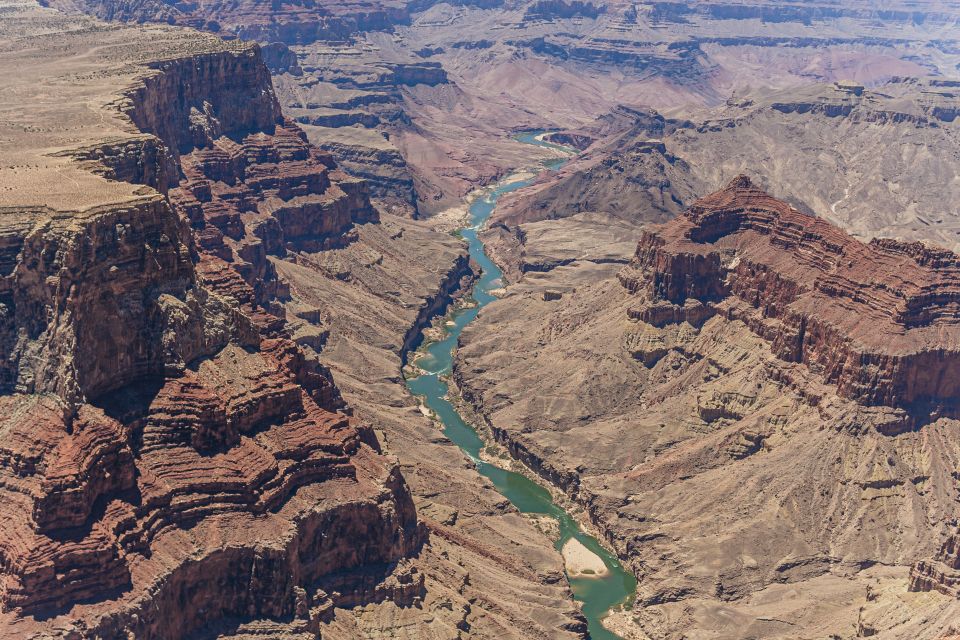
- Oversized windows on every seat help you shoot steady photos and scan the canyon in one sweep
- Multilingual audio narration lets you understand what you’re seeing, not just admire it
- A route packed with named landmarks means you get more than one “pretty overlook”
- Fixed-wing perspective can feel wider than a helicopter ride, since you cover more ground from the air
- Short time commitment (40 minutes) is great for first-timers and families who are time-limited
Why a South Rim airplane tour is the best fast pass to the canyon
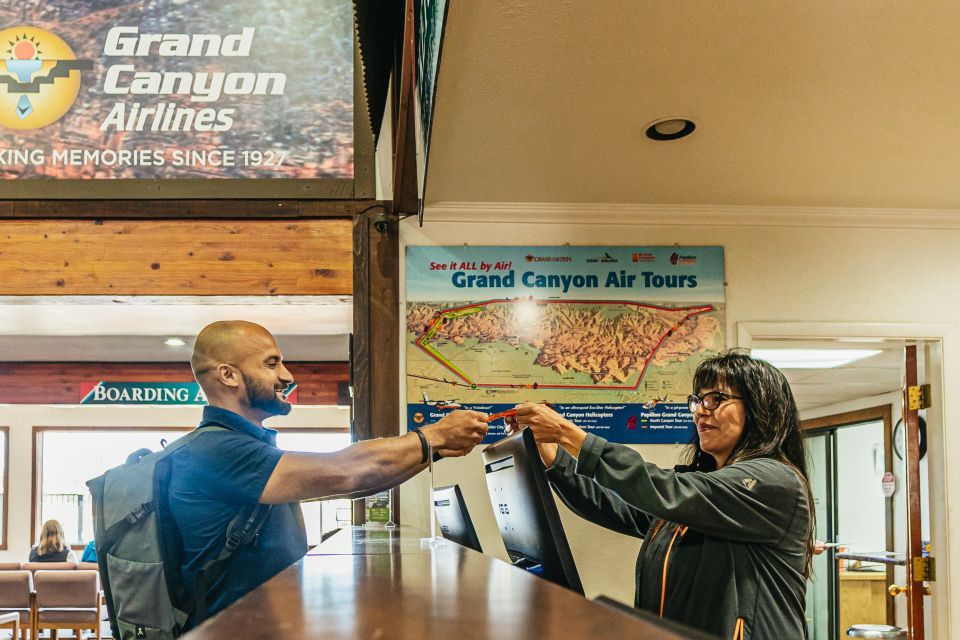
If you only have a few hours at Grand Canyon National Park, a flight can do something a parking-lot viewpoint never quite matches: it shows the canyon’s scale and shape in motion. On the ground, you can pick one angle and one trail. In the air, you get a moving panorama—so your brain finally understands how far things really are.
This specific tour is built around the South Rim and a route that threads through major canyon-adjacent landmarks: Kaibab National Forest and Plateau, Imperial Point, the Colorado/Little Colorado confluence, and the Zuni Corridor. That matters because it turns the Grand Canyon from a single famous postcard into a connected system of layers, corridors, and river cuts.
I also like that the experience is designed for real sightseers, not just aviation fans. The seats are set up for viewing through oversized windows, and the narration comes through an audio system in many languages. In other words, you can enjoy the flight without needing to study geology beforehand.
You can also read our reviews of more tours and experiences in Tusayan.
Meeting up at Grand Canyon Airlines near Grand Canyon Village
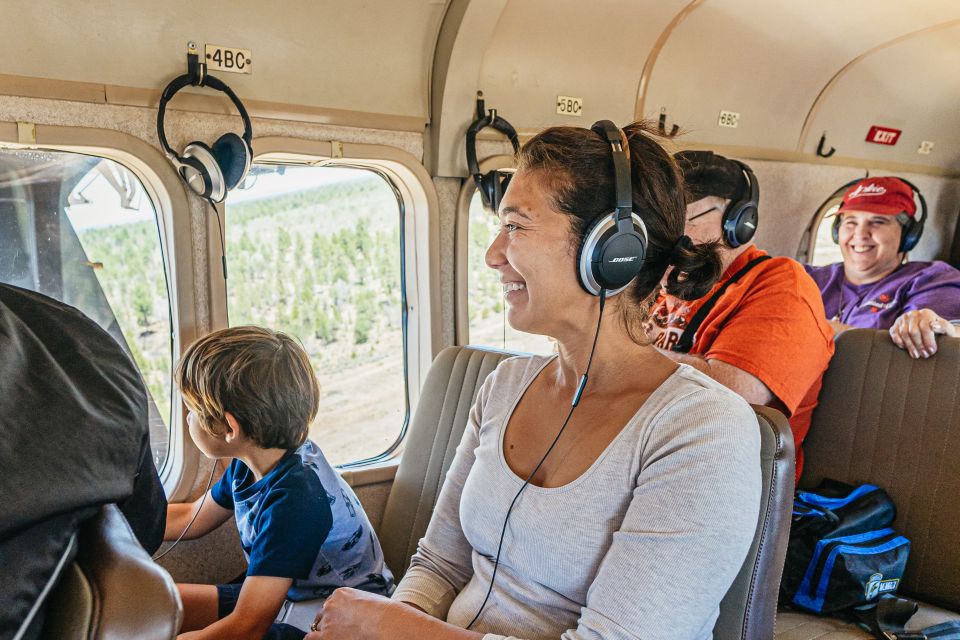
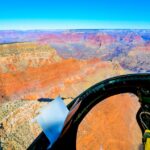
You meet at Grand Canyon Airlines – South Rim. This is one of those practical choices that makes the day easier: you’re starting right where most people base themselves when they visit the South Rim.
Once you arrive, the vibe tends to be smooth and organized. Based on feedback I’ve seen from past flights, you can expect straightforward check-in, a comfortable waiting space, and helpful pre-flight info (including a short video in the waiting area). That’s a big deal on travel days—especially if you’re flying with kids or you’d rather not burn time standing around.
Tip: plan to arrive early enough to settle, use the restroom, and get your camera ready. Once you’re in the plane, it’s all about timing and angles.
Boarding: seats, windows, and how to plan for photos
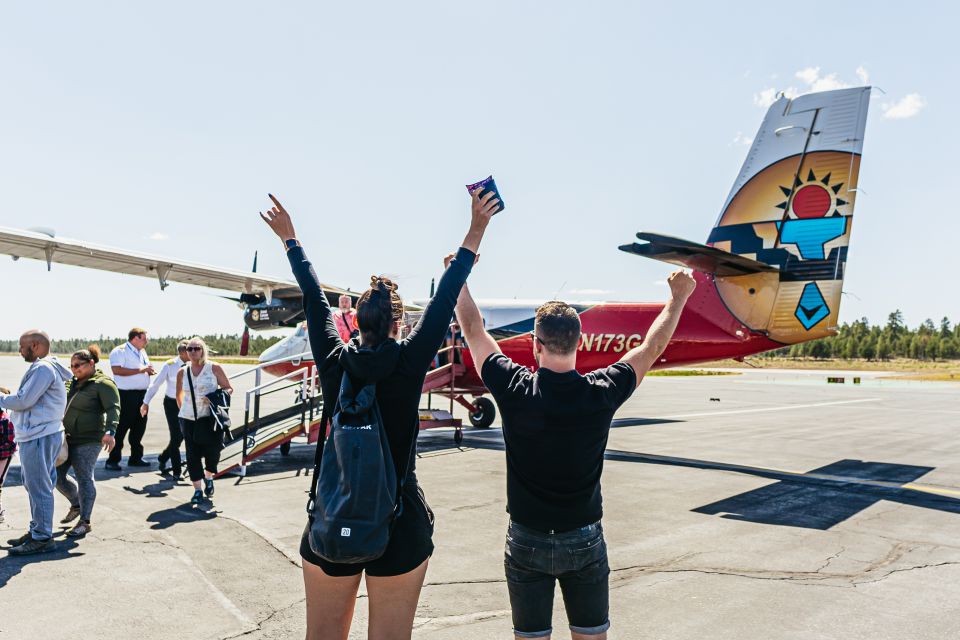
This is a fixed-wing airplane tour with panoramic windows and viewing from essentially every seat. You’ll want to treat the window like your “view finder.” Pick a window seat if you can, because the whole point of this trip is to see the canyon from above without obstruction.
A couple photo-related realities to keep in mind:
- Some window/aircraft elements can create minor obstructions depending on where you’re seated.
- Even with great windows, you’ll get clearer shots when you keep your camera steady and avoid leaning into the glass too aggressively.
Also, expect that the flight is short enough that you’ll want to stay ready. Don’t pack away your phone or camera right after takeoff. The best views tend to line up with the most recognizable landmarks on the route.
What to bring is simple: an ID or passport. The flight staff will confirm you’re cleared to fly, and that’s it.
The flight route: Kaibab Forest, Kaibab Plateau, Imperial Point, and Zuni Corridor
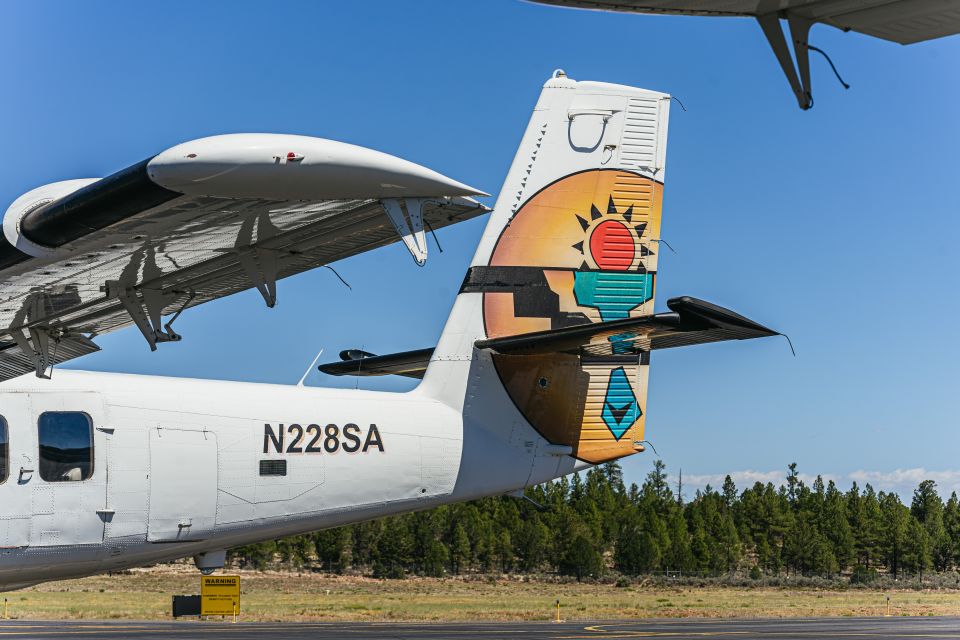
You’ll depart the Grand Canyon Airport near Grand Canyon Village and head over a route centered on the Kaibab National Forest and Kaibab Plateau. These names matter because they tell you what you’re seeing: more than just the canyon walls, you’re also viewing the surrounding high country that frames the canyon.
Here’s how to make sense of the landmarks while you’re up there:
Kaibab National Forest and Kaibab Plateau
From the air, forests and plateaus are where you can really spot the canyon’s “setting”—the elevated land that feeds into the cuts and river systems. Even if you’re not looking for labels, this is where you start to understand why the canyon looks so layered: you’re seeing both the carved interior and the terrain surrounding it.
Imperial Point
Imperial Point is one of the places that makes the canyon feel huge, fast. From above, you can grasp how overlooks relate to one another and why certain bends and openings look more dramatic when you’re not limited to a single trailhead.
Zuni Corridor
The Zuni Corridor is a standout for aerial perspective. A corridor reads differently from the sky than from the ground—think of it as a long pathway through which the land and water stories run. If you listen to the narration, you’ll get context for the named route segments as they come into view.
Practical tip: when the pilot or audio calls out a landmark, take the quick shot. Then keep scanning. The canyon rewards slow looking, but your best framing moment can be brief.
The confluence moment: Colorado meets Little Colorado from nearly a mile up
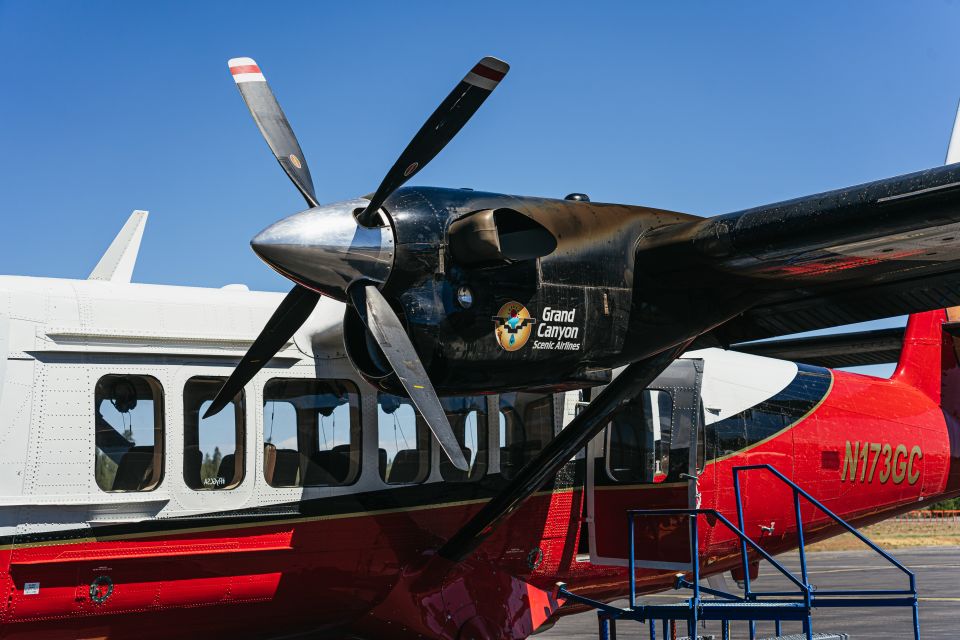
The headline feature of the route is the Confluence of the Colorado and Little Colorado Rivers. If you want one scene that makes the Grand Canyon feel real, it’s this.
The tour highlights the Colorado River nearly a mile below, and that distance is exactly why flying helps. On the rim, the river feels both close and unreachable. From the air, you can trace the river’s course with a level of clarity that’s hard to match on foot in limited time.
What you should watch for:
- The way two river paths appear to meet and merge in the canyon floor
- The sudden changes in terrain that suggest where the rivers have carved hardest
- The contrast between the canyon walls and the river route below
This is also where the narration earns its keep. The headset audio helps you connect what you’re seeing to the names and geography—so you’re not just looking at a pretty cut in the earth.
How the narration works (and what languages you’ll hear)
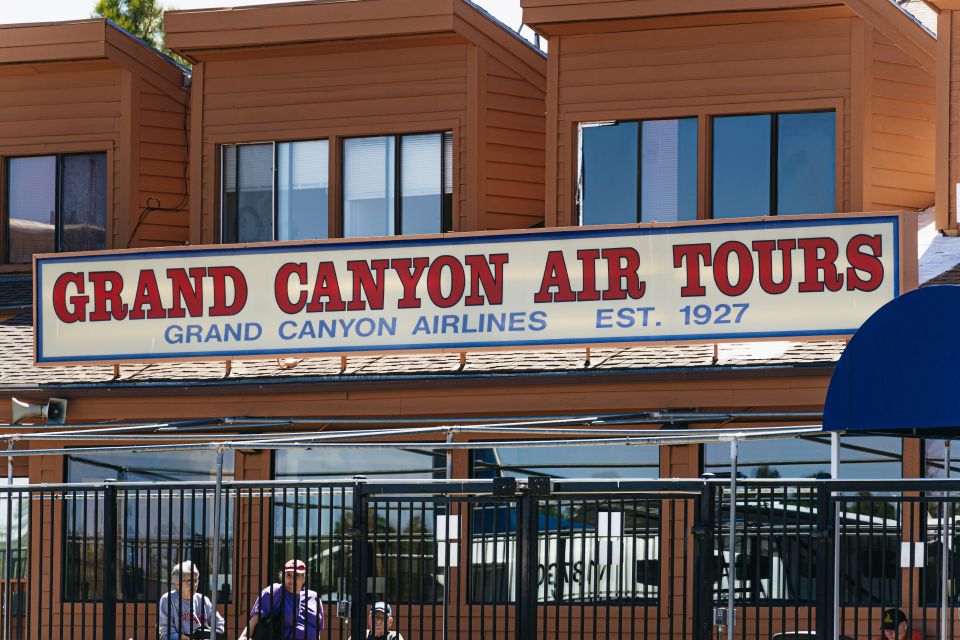
A big quality point is the included multilingual headset narration. The audio options listed include Spanish, Thai, Chinese, Dutch, English, French, German, Greek, Indonesian, Italian, Japanese, Portuguese, Russian.
That matters even if you speak English, because the narration pace helps you:
- time your photos to the right moments
- understand what’s coming next in the flight path
- avoid getting lost in the sheer scale
In some flights, you may also get extra explanation from the English live tour guide and from the pilots. Examples from previous flights include pilots such as Paul and Craig, Jacob, Ryan and Ian, Sam, Captain Jack, Chelsea, and Steven—and the common thread is that they help people feel comfortable and informed while the plane is in the air.
You’re in headphones, but it still feels like a guided tour. That balance is a big part of why this works so well for first-timers.
Fixed-wing vs helicopter: what you gain from this kind of flight
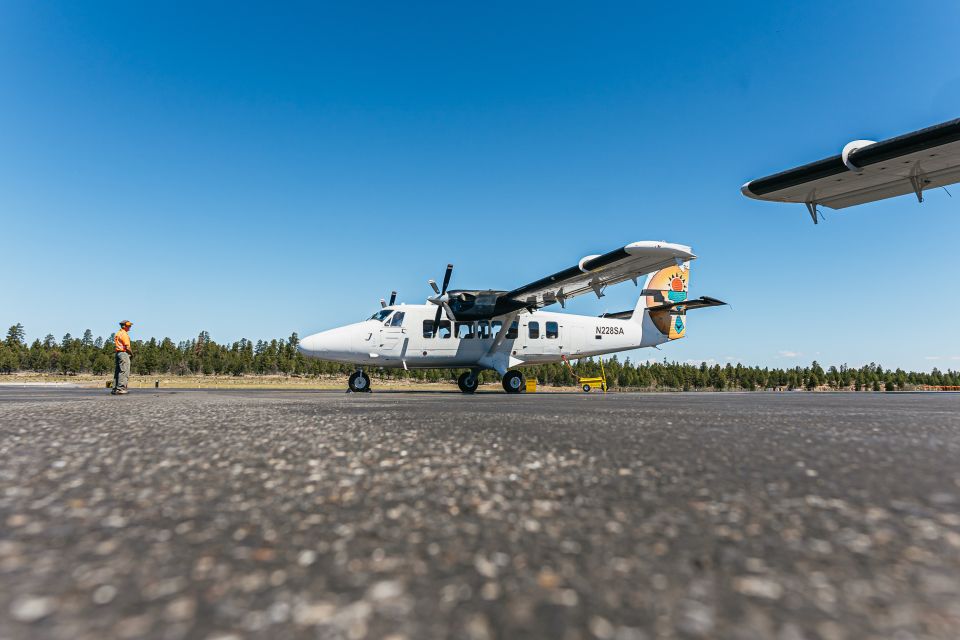
One review point that comes up repeatedly is that a plane can give you a broader sense of the canyon than some helicopter experiences. The tradeoff is simple: fixed-wing typically emphasizes distance and coverage, while a helicopter can sometimes offer a different style of closeness.
For your planning, that means this tour is a smart call if you want:
- a wide sweep of scenery
- time-efficient coverage of multiple named areas
- a “whole canyon in one go” feeling
If what you want most is hovering intimacy over one spot, then you might prefer a different style of flight. But if you want to understand the canyon’s layout quickly, this tour fits the goal.
How long you should book: 40 minutes vs the longer flights
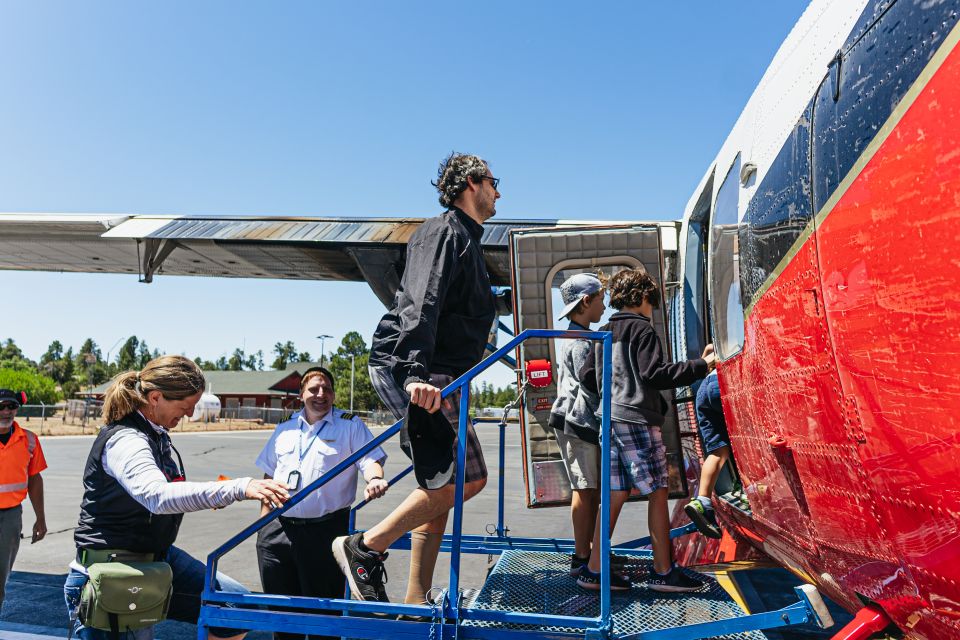
This tour runs 40 to 165 minutes. Usually you’ll find departures in the morning and afternoon, and the duration you choose changes how much you get to absorb.
Shorter flights (around 40 minutes) are ideal when:
- you have a packed itinerary
- you’re traveling with kids who need quick wins
- you want an aerial highlight before dinner
Longer options can be worth it if you:
- love photography and want more chances at different angles
- want extra time to really follow the route segments as they unfold
- are a group that prefers a more relaxed pace in the air
In general, pick the longest flight you can comfortably fit into your day. Even if you’re excited, being rushed inside a plane is no fun.
Comfort, turbulence, and visibility: what to watch before you go
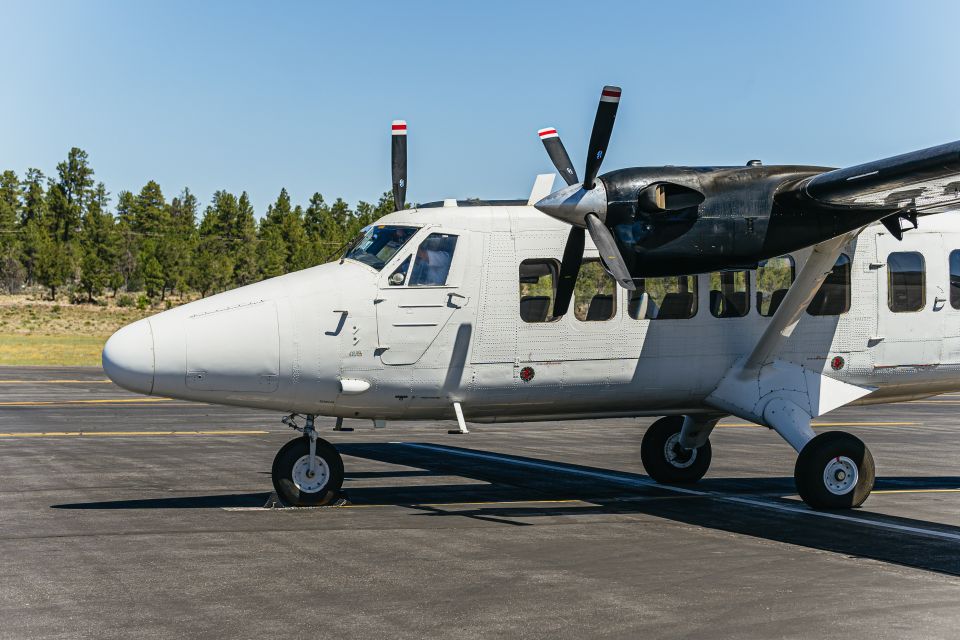
Most feedback describes the flights as smooth and safe, with pilots flying confidently. Still, you should plan for real-world conditions.
A few factors you should take seriously:
- Motion sickness risk: One set of comments warns that turbulence can feel rougher in a smaller aircraft, so if you’re sensitive, consider a motion sickness remedy.
- Weather and smoke: Visibility can be affected by things like smoke from fires on the North Rim, which can reduce clarity even if the flight is otherwise excellent.
- Photography limits: Even with great windows, you may get small obstructions from aircraft structure depending on your seat angle.
Also, the most common operational reality is that the company may adjust plans when conditions aren’t right. One review noted rescheduling due to wind, and the staff handled it without extra cost for that traveler. So keep your calendar flexible when possible.
Value check: is $189 per person a fair deal?
At $189 per person, this isn’t a bargain. But it can be very good value, depending on your goal.
Here’s why the price can make sense:
- You’re buying time compression. In under a couple hours, you’re getting an aerial overview that would take far longer to piece together on foot.
- The windows are set up for sightseeing and photography, not just “look out the window” luck.
- The experience includes headset narration in many languages, which turns the flight from sightseeing into understanding.
- The route covers multiple named areas, not just a single pass over one viewpoint.
One review phrased it bluntly: the flight is worth it when you think South Rim on its own is enough—then you see how different the canyon feels from the air. Another simply called it worth every penny.
The real question for you is this: would you rather spend a big chunk of your day hiking and driving between viewpoints, or would you rather lock in a high-impact aerial overview? If your answer is “overview,” $189 feels more reasonable.
Who should book this airplane tour
This tour is a strong fit if you:
- want a big-picture Grand Canyon experience without spending all day on trails
- are traveling as a family and want a shared wow moment that doesn’t require stamina
- have limited time at the South Rim but still want more than one angle
- like your sightseeing with narration and context (not just scenery)
It’s also a good choice for people who feel overwhelmed by the Grand Canyon’s scale on the ground. Flying helps you get your bearings fast.
Should you book this Grand Canyon South Rim airplane tour?
If your goal is to see the Grand Canyon’s main highlights quickly—Kaibab scenery, Imperial Point, the Zuni Corridor, and especially the confluence of the Colorado and Little Colorado Rivers—this is a yes for most people. The combination of panoramic windows, multilingual audio, and a route packed with named landmarks makes it easier to enjoy than a DIY plan.
I’d book it if:
- you have limited time
- you want an aerial overview more than one hiking route
- you’d rather trade trail time for a guided flight experience
I’d think twice if:
- you’re extremely sensitive to motion or you know you react to turbulence
- you’re expecting perfect, frame-filling photos from every seat (windows and aircraft elements can create photo challenges)
- you’re traveling during periods when smoke or bad visibility is likely (clarity can drop even when the tour goes ahead)
If you do book, my practical checklist is short: bring your ID/passport, choose a window seat if you can, and pack your patience for weather-driven changes. Then sit back and let the narration guide you through the canyon in one sweep.
FAQ
How long is the Grand Canyon Village: Grand Canyon South Rim airplane tour?
The duration is 40 to 165 minutes, depending on the specific flight option you book.
Where do I meet for this tour?
Meet at Grand Canyon Airlines – South Rim.
Is there narration, and in what languages?
Yes. The included audio narration is available in Spanish, Thai, Chinese, Dutch, English, French, German, Greek, Indonesian, Italian, Japanese, Portuguese, and Russian.
Is there a live guide on the tour?
There is a live tour guide in English, in addition to the included audio narration.
What should I bring?
Bring a passport or ID card.
Can I cancel and get a full refund?
Yes. Free cancellation is available up to 24 hours in advance for a full refund.