REVIEW · TUCSON
Historic Bike Tour in Tucson
Book on Viator →Operated by Tucson Bike Tours · Bookable on Viator
Tucson tells its story on two wheels. You’ll roll from landmark to landmark with a guide named Lorraine, mixing architecture, local legends, and real neighborhood character, including the diamondback-shaped Rattlesnake Bridge.
What I like most is how the tour stays easygoing while still feeling like you covered ground. You get short stops at major sights, and the pace is friendly enough for most people, not just confident cyclists.
One thing to plan for: Tucson can be hot. If you’re choosing an afternoon departure, afternoon heat and sun exposure matter more than on a morning ride.
In This Review
- Key things to know before you pedal
- Entering Tucson’s old streets by bike
- Start at 215 N Hoff Ave: bikes, helmets, and a quick safety fit
- The Rattlesnake Bridge crossing you’ll remember
- El Presidio and downtown landmarks: where the story shifts from streets to institutions
- Barrio Viejo streets, adobe homes, and El Tiradito Shrine
- Mercado San Agustin and the Santa Cruz River Trail moment
- How hard is the ride, really
- Price and value: why $83 can be a good deal
- Weather, timing, and Tucson sun tips that matter
- Should you book the Historic Bike Tour in Tucson?
- FAQ
- How long is the Historic Bike Tour in Tucson?
- What’s the price per person?
- Where does the tour start?
- Does the tour include the bike and helmet?
- Are there height and weight requirements?
- What language is the tour offered in?
- What is the cancellation policy and what if weather is bad?
Key things to know before you pedal
- Rattlesnake Bridge: a 28-foot-long crossing completed in 2002, shaped like a diamondback rattlesnake
- Barrio Viejo focus: colorful adobe homes, shrines, and stories about early settlers and outlaws
- Santa Cruz River views: you cruise by the river area along Barrio Kroger Lane and get a quick taste of the Loop trail
- Small group size (max 8): easier safety, more photo stops, and a calmer experience than big bus tours
- Guided equipment + helmet: you’re matched to a bike for your height, and safety starts right away
- Morning or afternoon departures: pick morning if you want more comfortable temperatures
Entering Tucson’s old streets by bike
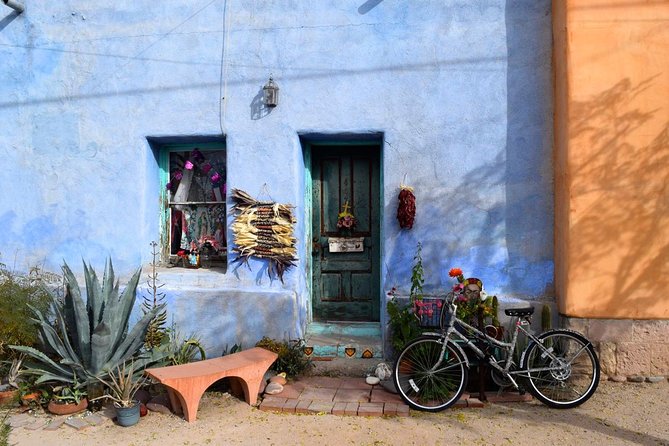
This is the kind of Tucson tour that helps you get your bearings fast. Instead of trying to cram the whole city into one day, you cover a tight, historic stretch with enough stops to understand what you’re seeing: the buildings, the neighborhoods, and the personalities that shaped the area.
The ride is also an antidote to vacation mode, where you rush past details. Here, you slow down on purpose. You stop at classic downtown landmarks, then drift into neighborhood streets where the vibe changes from civic and institutional to lived-in and artistic.
And yes, there’s a serious attention-grabber early on: the Rattlesnake Bridge. It’s not just a bridge you pass over. You pedal through the sculpture-shape of a diamondback, with your guide narrating the local stories as you cross. It’s the rare city landmark that feels like an experience, not just a photo spot.
Start at 215 N Hoff Ave: bikes, helmets, and a quick safety fit
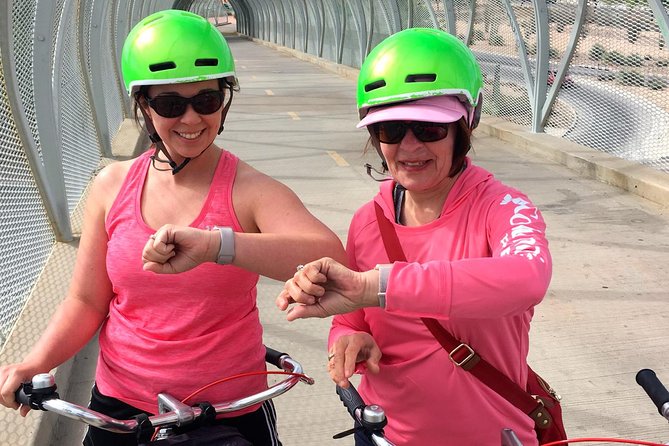
Your tour begins at 215 N Hoff Ave, then comes with the basics handled for you. You’ll get a bike sized for your height and a helmet, plus a short safety orientation from your guide before you roll out.
That equipment detail matters more than it sounds. Bike tours can fall apart when bikes are awkward or sizing is off. Here, the sizing is part of the setup, and the tour keeps group size small (up to 8). That combination tends to make it easier to follow directions without feeling stressed.
A couple practical notes for your day:
- Wear closed-toe shoes (no open-toed shoes), since Tucson biking means pedaling and walking between stops.
- Bring water and sunscreen, especially if you pick an afternoon departure.
- Expect there to be stops and regrouping, so arrive a few minutes early and you’ll start calmly.
Also, Tucson is spread out, and the meeting spot is near public transportation. If you’re driving, I’d still give yourself a little extra time to park and walk in. One common snag is that downtown parking can be a time-waster if you’re circling late or trying to find the perfect spot.
The Rattlesnake Bridge crossing you’ll remember
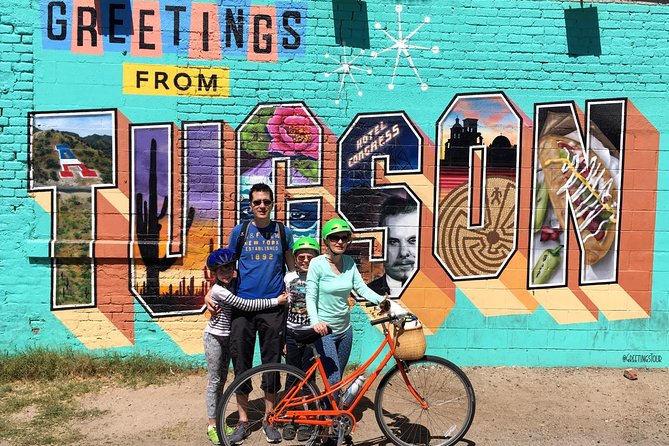
The highlight everyone talks about starts early: you ride over the 28-foot-long Rattlesnake Bridge, completed in 2002. The bridge is shaped like a real diamondback rattlesnake, so you don’t just cross a span—you cross a sculpture.
Your guide points out what you’re looking at as you pedal through the bridge’s body shape. The practical tip here is simple: keep both hands on the handlebars and stay focused on your balance as you move through the curves. It’s still a normal bike ride, just with a fun visual twist.
Why this moment works on a first visit to Tucson:
- It’s instantly recognizable and unusual enough to anchor your trip.
- It signals the tone of the tour: local history told with a sense of place, not a textbook voice.
- It breaks up the day so you don’t start with a long series of serious stops.
El Presidio and downtown landmarks: where the story shifts from streets to institutions
After the bridge, the tour heads into Tucson’s historic core, with quick stops that help you understand the city’s civic and spiritual landmarks.
One of your first short stops is near the Southern Arizona Transportation Museum, specifically the historic Southern-Pacific train station area. You get a chance to take in the station setting and the transportation heritage that shaped how people moved through the region.
Then you swing into the Tucson Museum of Art and Historic Block, in the heart of El Presidio. This is one of those spots where Tucson shows its layering: art and architecture in the same frame as the neighborhood’s story. You also get the benefit of a guide who points out what to notice, like how buildings and public spaces reflect different eras.
Next up is the Pima County Courthouse. This is a quick stop—just a couple minutes—but it’s chosen for a reason. Courthouses in older American towns are often among the most visually ambitious buildings around, and Tucson’s is a standout for its beauty and presence.
Right after that comes St. Augustine Cathedral, described as the spiritual hub of town. This is another fast stop, but it gives you a sense of how central religious institutions are in the city’s historic identity.
A nice aspect of the pacing here: it’s not a rushed sprint through six blocks. The guide keeps stops short so you stay fresh, then moves you on before you get bored or overheated.
Barrio Viejo streets, adobe homes, and El Tiradito Shrine
This is where the tour turns from downtown landmarks into neighborhood texture. You ride through Barrio Viejo, spotting colorful adobe homes and fascinating shrines as the stories shift from civic to community life.
One early Barrio Viejo landmark is the El Tiradito Shrine. Even though your stop is short, it’s exactly the kind of Tucson detail that helps the city feel real. Shrines like this aren’t decorative; they’re part of the neighborhood’s memory and daily landscape.
Your guide also weaves in the darker, more colorful Tucson legends—bank robbers and outlaws—along with the thread of early Spanish settlers. That blend might sound like a random mix, but it actually fits Tucson’s history: the city has always been shaped by migration, lawlessness, and the constant rebuilding of public life.
And for photos: this tour is set up so you can stop without feeling like you’re slowing down the group. Since the group is limited to 8, the guide can wait, reposition, and keep you safe while you grab shots of facades, murals, and shrines.
If you want authentic Tucson rather than a checklist of famous sights, Barrio Viejo is the section that does the heavy lifting.
Mercado San Agustin and the Santa Cruz River Trail moment
After Barrio Viejo, you transition into a couple of stops that feel less like monuments and more like place-making.
The Mercado San Agustin stop gives you a fun outdoor space to break up the ride. It’s brief, but it gives you a sense of where people gather and hang out. Even if you don’t plan to stop for a snack, it’s useful to see where locals would naturally spend time.
Then you head to the Santa Cruz River Trail for a short ride on the Loop bike path—part of a 55-mile system referred to as the Loop. This segment is valuable for two reasons:
- You get a change of scenery from streets to a dedicated bike-friendly corridor.
- You get a breath of motion after the cluster of stops.
You’ll also get closer views of the Santa Cruz River while riding through the area known as Barrio Kroger Lane. The river is one of the defining features of Tucson’s geography, and seeing it from the bike route helps it click as more than a line on a map.
How hard is the ride, really
The answer is: it’s built for people who want fun, not a fitness test.
The tour is described as having a relaxed pace and varied terrain, including quieter avenues and parts of university bike lanes. In practice, that means you’re moving through different kinds of road situations, but not in a way that makes the day feel like a stressful commute.
Bikes are cruiser-style and light-easy to handle, which makes a difference if you don’t ride much. The frequent short stops also keep you from burning out. And with a max group size of 8, the guide can keep things organized, check in on riders, and pause for photos without turning the experience chaotic.
Who this tour suits best:
- First-time visitors who want historic Tucson fast
- Couples and small groups who prefer guided walking-style narration but with better coverage
- Families who want an activity with a clear start/stop and enough rest breaks
- Anyone who likes history but doesn’t want museum fatigue
Who should think twice:
- If you hate heat and sun, choose the morning departure when possible.
- If parking hassles will stress you out, use rideshare or give yourself extra time to find a spot near 215 N Hoff Ave.
Price and value: why $83 can be a good deal
At $83 per person for about 2 hours 15 minutes, the value comes from how much is bundled into that price.
You’re paying for:
- a guided route through multiple historic neighborhoods
- bike sizing plus a helmet
- a tight group experience (max 8) that keeps the narration and safety practical
- multiple photo-worthy stops without the hassle of planning them yourself
If you try to DIY this, you’d likely spend time on figuring out where to park, then second-guessing safe bike lanes and the best order of sights. The tour gives you a logical flow: Rattlesnake Bridge early, historic downtown stops in sequence, then Barrio Viejo, plus the Santa Cruz River corridor for a change of pace.
Also, this tour is often booked about 13 days in advance on average. That doesn’t mean it sells out instantly, but it does mean planning ahead is smart—especially if you’re visiting in a popular season or you only want one departure time.
Weather, timing, and Tucson sun tips that matter
This experience requires good weather. If Tucson weather turns rough, you’ll be offered a different date or a refund. That’s important because biking in a sudden heat spike or dust/surge of wind can make the day less pleasant.
Timing tip based on Tucson’s rhythms: choose the morning tour if you’re sensitive to heat. The afternoon can be beautiful, but it also increases the chance you’ll feel the sun more between stops.
And one more small tip that pays off: pack for short stops. You won’t be out for a full half-day of roaming, but you’ll spend time waiting briefly for photo moments and regrouping. Water, sunscreen, and a hat are your friends.
Should you book the Historic Bike Tour in Tucson?
If you want an efficient way to get a real sense of Tucson—its neighborhoods, landmarks, and local stories—this tour is a strong yes. It’s especially good for first-timers who want more than a quick downtown drive-by, but don’t want a long day of constant walking.
Book it if:
- you like guided history that’s tied to real streets and buildings
- you want to cross a unique landmark like Rattlesnake Bridge on a bike
- you prefer a small group (max 8) with plenty of short stops
- you want an easy-to-moderate ride with a clear route
Skip it or switch departure times if:
- you’re only available for the hottest part of the day
- you’re very worried about downtown parking (plan ahead or use public transport)
Overall, this is one of those Tucson activities where you come away with better context and a few stories you didn’t know you’d remember.
FAQ
How long is the Historic Bike Tour in Tucson?
The tour runs about 2 hours 15 minutes (approx.).
What’s the price per person?
It costs $83.00 per person.
Where does the tour start?
You meet at 215 N Hoff Ave, Tucson, AZ 85705, USA. The tour ends back at the meeting point.
Does the tour include the bike and helmet?
Yes. You’ll be provided a bicycle appropriate for your height and a helmet, along with a short safety orientation.
Are there height and weight requirements?
Yes. Riders must be between 4’8″ and 6’6″ tall (142–198cm), with 5′ and over recommended. The maximum weight is 260 lbs.
What language is the tour offered in?
The tour is offered in English.
What is the cancellation policy and what if weather is bad?
You can cancel for a full refund up to 24 hours in advance. If it’s canceled due to poor weather, you’ll be offered a different date or a full refund.