REVIEW · ISLAND OF HAWAII
Kailua Kona: Night Manta Ray Adventure on the Big Island
Book on GetYourGuide →Operated by Hang Loose Boat Tours · Bookable on GetYourGuide
Manta rays, but at night. This Kailua Kona adventure turns the Pacific into a neon feeding zone, with manta rays close enough to feel surreal and a crew that keeps things safety-first (even when the water gets choppy). The possible drawback: if you’re prone to motion sickness, the boat ride can feel rough in places, and the ride back runs chilly.
What I like most is how structured it feels once you’re in the water. You hold onto the light boards while plankton pulls manta rays in, and the team helps you get comfortable fast—people even name guides like Vincent, Jordan, Aidan, Gary, and Noah for that calm, hands-on vibe. Still, this is a night ocean activity, so you should expect a wetsuit-top swim in the dark and plan to manage comfort (cold + sea conditions).
At $121 for about 150 minutes, you’re not just buying a ticket—you’re buying a guided boat trip, snorkeling gear, and the chance to see these gentle giants on their feeding circuit. If mantas don’t show, you’ll get another cruise free (no refunds), which is a big deal for a trip this weather-sensitive.
In This Review
- Key highlights you’ll care about
- Kona at night: why this snorkel feels different from day trips
- The manta moment: what the light boards do in the water
- From Kona to the manta sight: timing, boat ride feel, and comfort tips
- Gear and guidance: how you snorkel without feeling overwhelmed
- What you’ll actually see: close-ups, feeding behavior, and the “wow” factor
- Snacks, drinks, and the small things that keep the night easy
- Ride along option: a good choice if snorkeling isn’t your thing
- Price and value: why $121 can make sense here
- Who this night manta snorkel suits best (and who should skip it)
- Weather, sea conditions, and your best prep moves
- Should you book Hang Loose Boat Tours for Kona night mantas?
- FAQ
- How long is the Kailua Kona night manta ray adventure?
- Do I have to snorkel, or can I just watch?
- What snorkeling gear is included?
- What should I bring with me?
- What’s not allowed on the tour?
- What happens if manta rays aren’t spotted?
- Can I rent a GoPro during the activity?
Key highlights you’ll care about
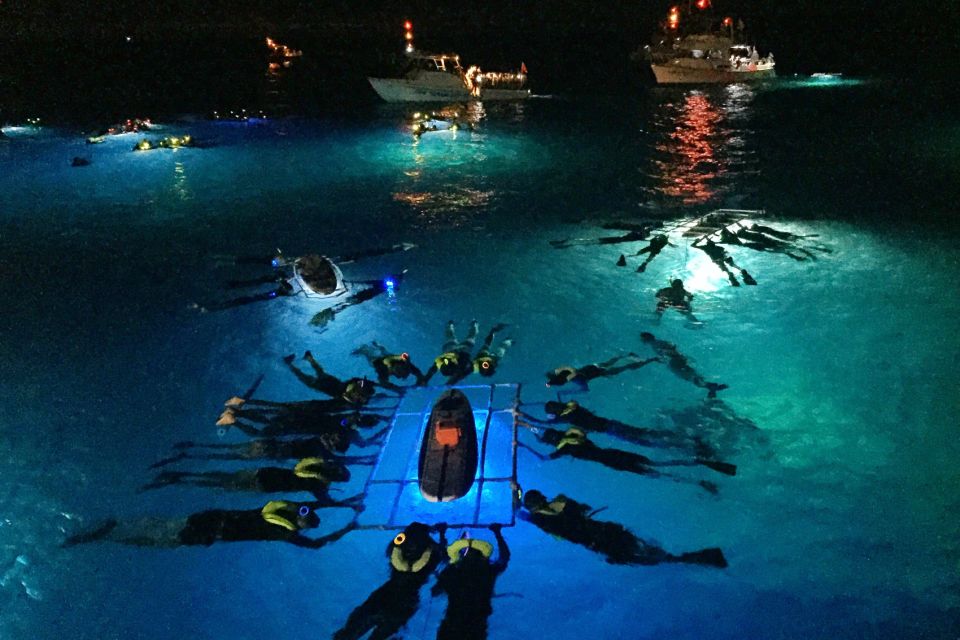
- Neon light boards attract plankton, which brings manta rays into the viewing area
- About 45 minutes in the water once the boat reaches the manta sight
- Snorkel gear + wet suit tops help you stay comfortable in cooler night water
- Floats and life vests are part of the setup, and the crew actively helps you
- Two snorkel levels of participation: swim with the team or use the ride along option
- Manta-ray tracking isn’t guaranteed, but the experience includes a free return cruise if they aren’t spotted
Kona at night: why this snorkel feels different from day trips
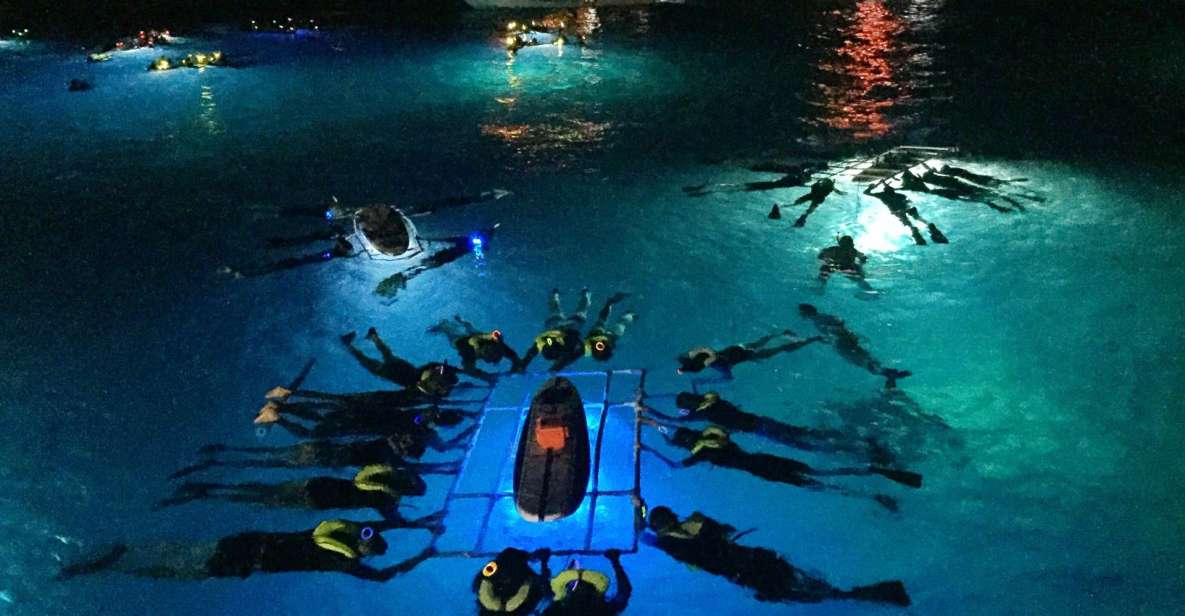
Kailua Kona is already a great base for the Big Island’s ocean stuff, but night changes the whole mood. During the day, you’re usually chasing clear visibility and reef life. At night, you’re joining a feeding moment the mantas already know about—one triggered by light, plankton, and timing.
The main hook is simple: you snorkel (or watch) in the dark while lights make the water glow and bring the food chain to the surface. That means the experience is less about “hoping you’ll see something” and more about being in the right place when the ecosystem does its thing.
Another thing I like: the guides don’t treat this like a self-guided swim. The crew sets you up, checks your comfort, and keeps you oriented. Names that come up often include Jordan, Aidan, Noah, and Gary. People also describe extra help getting out and back—so if you’re not the strongest swimmer, you’re not left to figure it out on your own.
One more reality check: this is still the open ocean. Even when the operation is well run, conditions can change. One person even said they saw an extra surprise animal (a shark), which tells you the water can feel lively—not always calm, not always predictable.
The manta moment: what the light boards do in the water
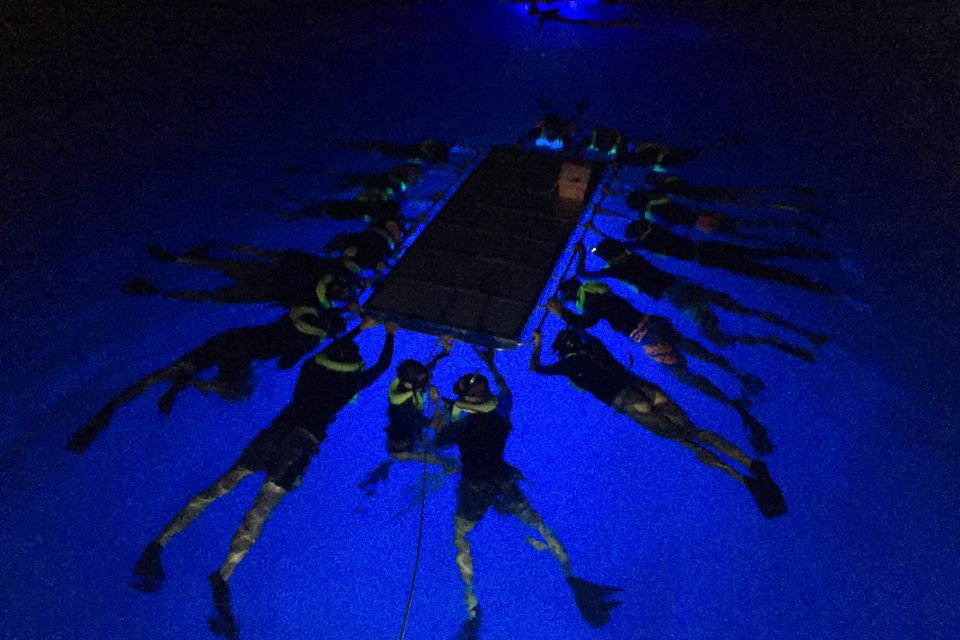
Here’s the part that makes night manta snorkels work. Once you reach the manta sight, the crew gets you ready to enter. Then you hold onto the light boards while you float and watch below.
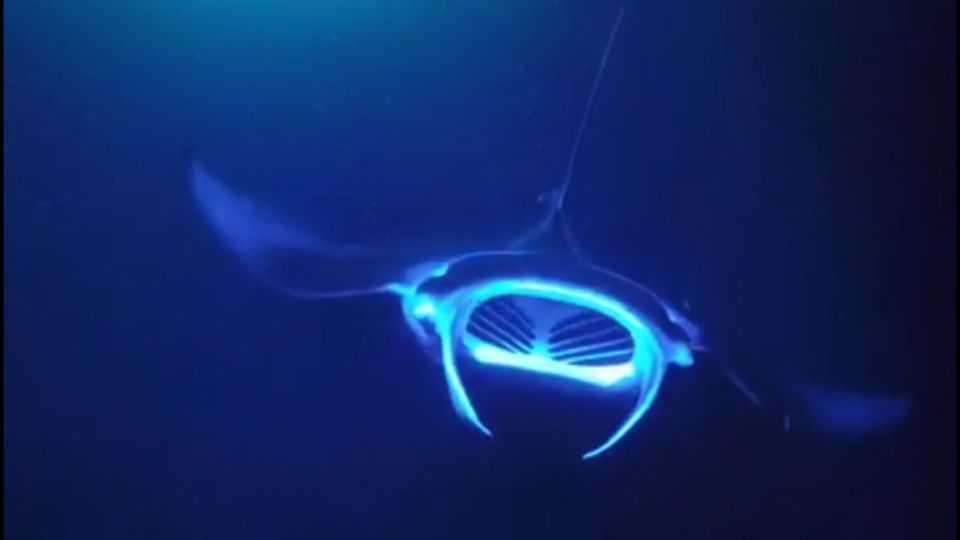
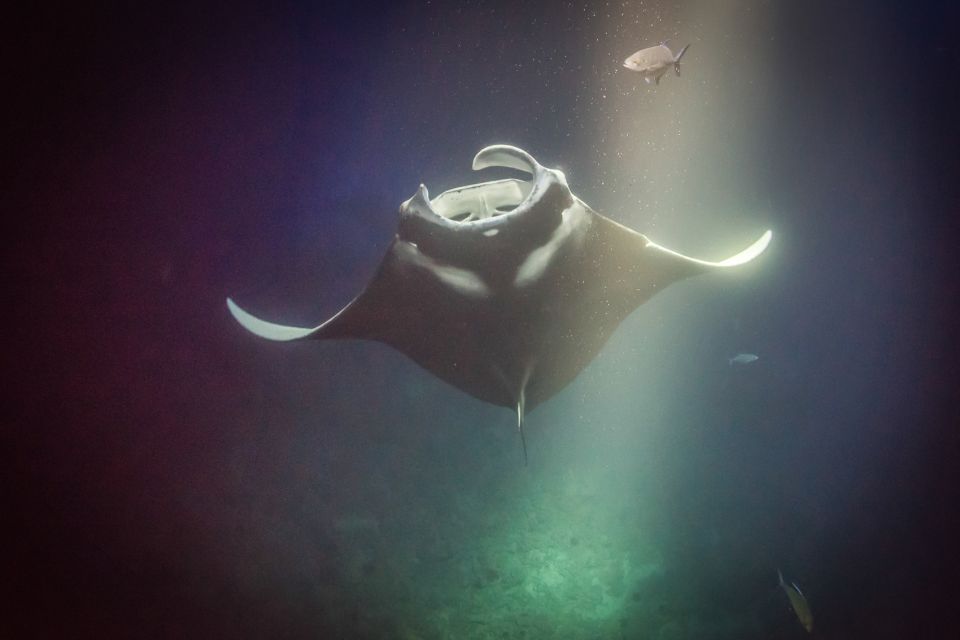
The lights aren’t just for your eyes. They attract plankton, which creates a feeding buffet for manta rays. Those gentle giants cruise in because the food is there, not because they’re being fed by humans (and importantly, the experience doesn’t involve feeding animals). When the rays arrive, they often glide in close, and you’re positioned to see them clearly and calmly as they move.
In practice, that setup can change how you feel in the water. Instead of constantly kicking and searching, you settle into a holding-and-watching rhythm. If you’ve ever tried snorkeling in open water and felt like you were fighting to stay steady, this structure can be a relief.
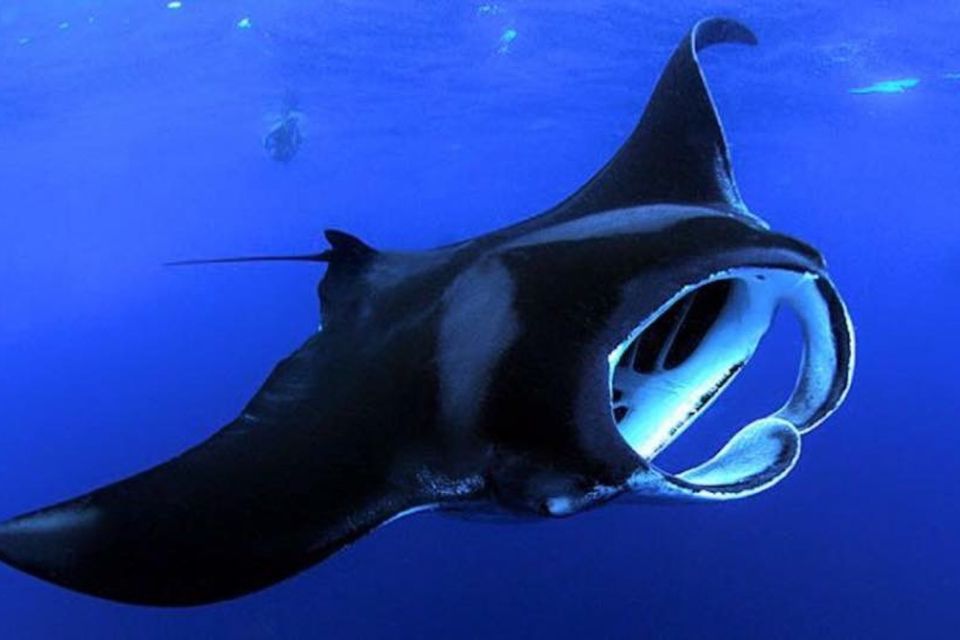
The closeness is the other big factor. Multiple people describe mantas swimming extremely near—so near that it can feel like you’re sharing space with the animal. One guest even said their eyelashes could reach the ray if their mask wasn’t on. That’s the kind of detail that tells you why this trip is so memorable: it isn’t a “from a distance” experience.
From Kona to the manta sight: timing, boat ride feel, and comfort tips
Your total time on the water is about 150 minutes, with a chunk of that spent on the boat cruise. The trip runs roughly like this:
- about 20–30 minutes boat ride out to the manta area
- about 45 minutes in the water watching and snorkeling
- then you turn around and cruise back, plus time for check-in and gearing up
That’s a workable pacing. You get meaningful time in the water without spending the entire night trapped on a boat. For most people, that’s the right tradeoff: enough time to enjoy the moment, without turning it into an endurance event.
Now the boat part that matters: water conditions can be choppy. One guest specifically noted choppy seas and advised motion sickness meds ahead of time, which lines up with the provided guidance. If you’re the type who gets queasy in a car on windy roads, take that seriously.
The tour guidance also recommends motion sickness medicine timed in a smart way: most effective when taken the night before and again about an hour before the scheduled tour. That’s not vague advice. It’s about using the body’s timing, so you’re not waiting for nausea to start before you act.
Comfort details to take seriously:
- Bring a jacket for the ride home (people mention chilly wind after)
- Pack a towel and change of clothes
- Consider sunglasses for the boat and night glare
- Wear a hat (sun isn’t the only concern—wind + salt can be rough)
Gear and guidance: how you snorkel without feeling overwhelmed
You don’t need scuba gear here. You’re snorkeling with equipment provided, plus wet suit tops to help with the cooler water temperatures.
The operation is designed to reduce stress. The crew gets you set up with snorkeling gear, then places you in a holding position at the light boards. If you don’t snorkel much—or you’re an iffy swimmer—expect help. Many people report life jackets and floats (like pool noodles) are available, and guides physically help you adjust and stay comfortable.
This is where the guide names start to matter, because their role is practical:
- Vincent is highlighted for helping guests in an uber-style way to and from the viewing area.
- Tamara’s experience notes life jackets and pool noodles, plus close crew assistance.
- Others name guides like Bryce, Noah, Simon, and Jordan as friendly, safety-minded, and actively supportive once people are in the water.
I take one key message from that: the tour isn’t “here’s your gear, good luck.” It’s “we’ll get you through the steps.” That’s why the experience ranks so high for first-timers.
What you should expect to do once you’re in:
- gear up with the snorkeling equipment you’re given
- enter the water holding onto the light board structure
- float flat and watch as the rays arrive
- keep your attention on the rays and the crew instructions (the crew is constantly checking that you’re okay)
Also remember the rules: touching marine life isn’t allowed, and weapons/sharp objects and large luggage aren’t allowed. This keeps the activity focused on viewing and safety.
What you’ll actually see: close-ups, feeding behavior, and the “wow” factor
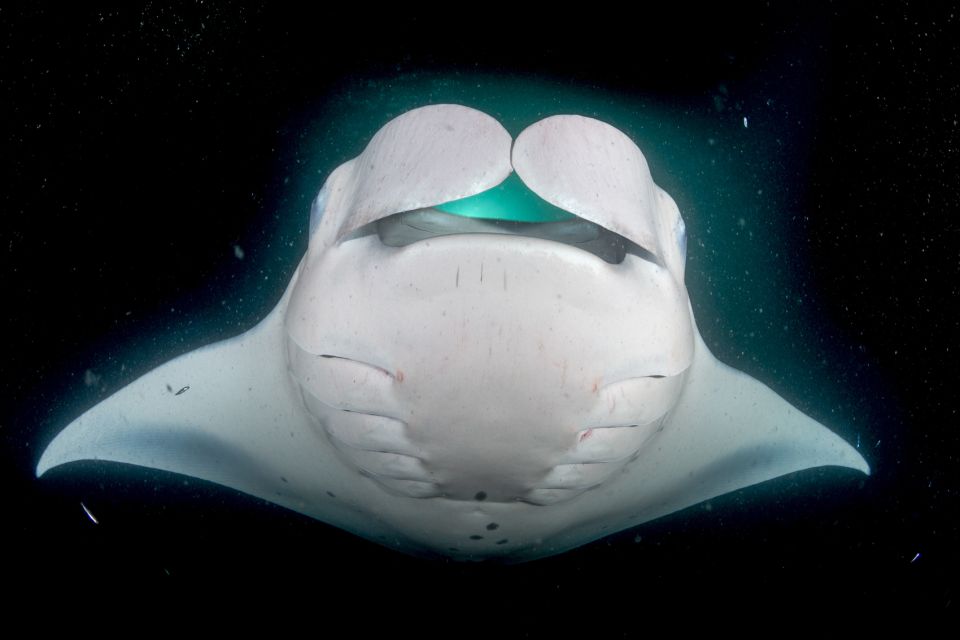
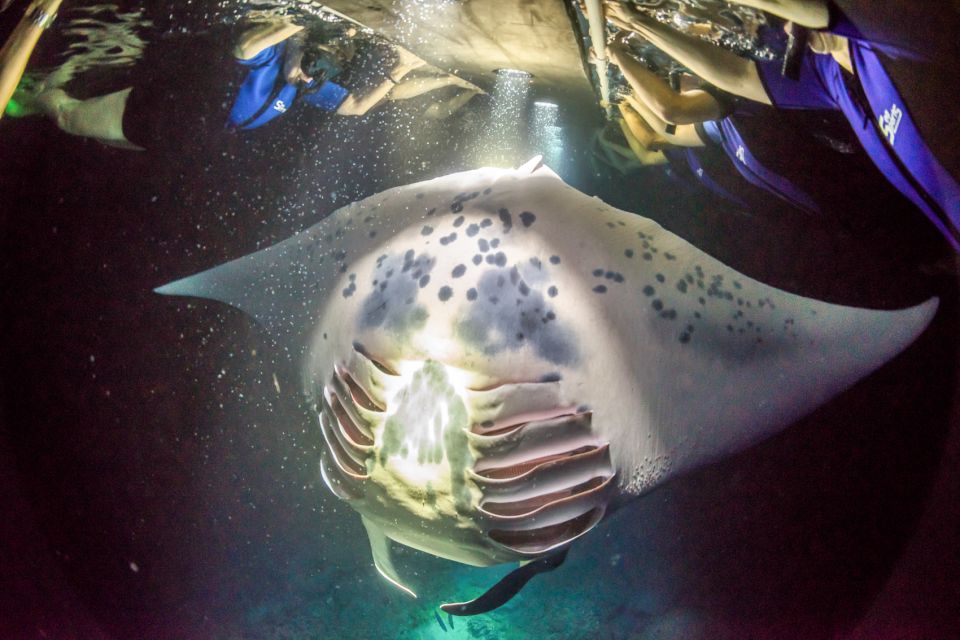
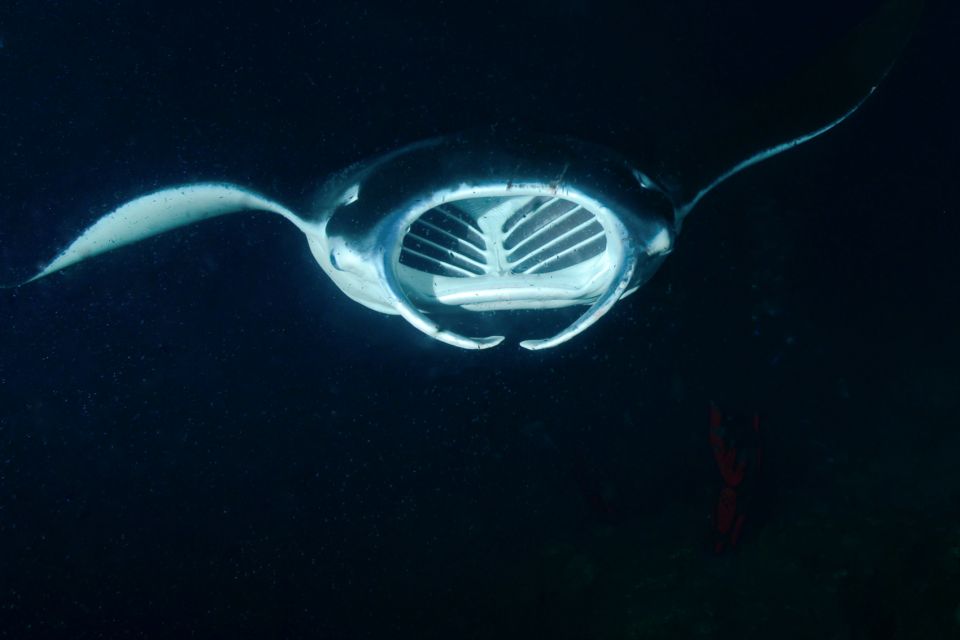
The goal is close-up manta ray viewing in their natural habitat. At night, they often look like they’re gliding through something invisible—then suddenly you realize the neon effect is making plankton visible and pulling the food chain close.
You may see multiple mantas. Many descriptions emphasize that you’re not just catching a glimpse. People describe rays arriving in a way that makes it feel like the water is alive around you, with several mantas sometimes in the viewing area at once.
And yes, you can spot other marine life. One guest noted a shark. That doesn’t mean you’ll see one every time, but it’s a good reminder that this is a real ocean ecosystem moment, not a staged animal parade.
The “wow” factor comes from proximity and timing. If manta rays swim within inches (not just meters), your brain has trouble processing scale. When that happens in the dark, with lights drawing everything up, it feels almost dreamlike. That’s also why the tour is described as spiritual or surreal by some guests—the setting does that to you.
Snacks, drinks, and the small things that keep the night easy
The tour includes snacks and beverages. While you wait for the light boards to go in and the mantas to arrive, you’re not standing around hungry.
Included snacks listed are:
- chips
- granola bars
- rice krispies
- fruit snacks
Drinks included:
- water
- juice
- ginger ale
That matters more than it sounds. Night tours can run on a schedule, and you might have eaten earlier in the day. Having calories and hydration onboard keeps energy steady, especially if you’re sensitive to motion or cold.
One additional comfort detail that came up: hot shower after returning to the boat. Not everyone will notice this the same way, but if you hate that “salt + cold = miserable” feeling, it’s a nice bonus reported by guests.
Ride along option: a good choice if snorkeling isn’t your thing
Not everyone wants to snorkel at night. Good news: there’s a ride along option for people who don’t want to enter the water.
This can be a smart call if:
- you’re nervous about snorkeling in the dark
- you’d rather watch than swim
- you want the manta experience but need to keep your comfort level high
You’ll still be out on the cruise and part of the experience, and the crew helps coordinate what you need. Some guests even described extra assistance getting to and from the viewing area in a more hands-on way, which can matter if you’re deciding between snorkel and watch.
Price and value: why $121 can make sense here
At $121 per person, this isn’t a bargain-basement activity. But it also isn’t paying only for the manta rays. You’re paying for:
- a guided night cruise from Kona
- snorkeling gear and wet suit tops
- floats/life-vest support as part of the experience setup
- snacks and drinks onboard
- a crew managing entry, safety, and the light-board setup
- and a contingency plan if mantas aren’t spotted: another cruise free (no refunds)
If you’ve ever priced out “boat + gear + guided safety + a chance at a rare wildlife event,” you’ll see how quickly the math adds up. The value is in the full package. The rays aren’t the only cost driver—the work of getting you there and keeping it safe at night is the expensive part.
Also, note the duration. This is long enough to be meaningful, but short enough that it doesn’t swallow your whole evening.
Who this night manta snorkel suits best (and who should skip it)
This works well if you want a guided wildlife experience that feels structured, not random.
You’ll likely enjoy it if you:
- can follow instructions and are comfortable floating
- want close-up manta viewing in their natural habitat
- don’t want scuba gear or a technical training setup
- appreciate a crew that helps with setup and comfort
It may be a poor fit if you have specific health limitations. The tour isn’t suitable for:
- pregnant women
- people with back problems
- people with heart problems
Also, it’s a nighttime ocean activity. If you’re very sensitive to motion sickness or cold, you’ll need to plan carefully (meds, jacket, towel, and a change of clothes).
One more practical thought: if snorkeling at night sounds scary, consider starting with the ride along option. You can still get the manta moment without the in-water pressure.
Weather, sea conditions, and your best prep moves
Night manta snorkels depend on conditions. You’re going out at night and relying on the manta feeding windows plus ocean conditions.
Your best prep is boring-but-effective:
- Bring a long-sleeve jacket or sweatshirt for after and for windy stretches
- Use sunscreen earlier in the day if you’re out in Kona daylight before the tour
- Pack a change of clothes and a towel so you can warm up quickly after
- If you get motion sick easily, take meds timed as recommended (night before and about an hour before)
Also remember what’s not allowed: touching marine life, weapons/sharp objects, large luggage, alcohol and drugs, and anything that could cause extra risk or mess in the water.
This isn’t about being strict for fun. It protects you and the animals, and it keeps the experience running on time so everyone gets their light-board viewing moment.
Should you book Hang Loose Boat Tours for Kona night mantas?
If your travel goal is a close-up wildlife moment with real structure, I’d book it. The combination of neon light boards, a crew that helps with gear and comfort, and the fact that you can sometimes see rays inches from you is exactly the kind of “only in the right place at the right time” experience that makes a Big Island trip feel complete.
Skip it if:
- you fall into one of the health categories listed (pregnancy, back problems, heart problems)
- you know you can’t handle night ocean conditions even with motion sickness support
- you’d hate being in cold salt air without the right towel-and-jacket plan
For most people, though, this is one of the most memorable ways to see Kona’s ocean up close. Just go prepared, listen hard during the safety briefing, and give yourself permission to relax while the lights do the work.
FAQ
How long is the Kailua Kona night manta ray adventure?
The tour duration is listed as 150 minutes. You’ll have about a 20–30 minute boat ride each way, plus around 45 minutes in the water watching/snorkeling.
Do I have to snorkel, or can I just watch?
There is a ride along option for people who do not wish to snorkel.
What snorkeling gear is included?
Snorkel equipment is included, and wet suit tops are provided. Floats/life jackets are also part of the setup described by guests.
What should I bring with me?
Bring a hat, swimwear, a change of clothes, a towel, sunscreen, and a jacket (also sunglasses are recommended). Motion sickness medicine is recommended for sensitive travelers.
What’s not allowed on the tour?
Weapons or sharp objects, oversize luggage, baby strollers, luggage/large bags, mobility scooters, alcohol and drugs, and touching marine life are not allowed. Diving is also not included/allowed.
What happens if manta rays aren’t spotted?
If manta rays are not spotted on your tour, you receive another cruise free. This is described as free replacement cruise without refunds.
Can I rent a GoPro during the activity?
Yes, GoPro rental is available at the site, subject to availability. You can also bring your own underwater camera.