REVIEW · LAHAINA
Myths of Maui Luau Dinner and Show
Book on Viator →Operated by Myths of Maui Luau · Bookable on Viator
Sunset plus fire knives is a Maui must. At Myths of Maui Luau, you get a shell lei greeting right up front and spend the night in an oceanfront setting with a show that finishes with a fire-knife finale. I like that the buffet has a proper kids option, so your whole group can eat before the dancing gets loud and nonstop. One drawback: dinner and drink service can feel crowded and fast if you show up late, so plan your timing.
If you’re choosing between regular and VIP, I can see why VIP front-section seating gets the love. VIP also brings priority buffet access and skip-the-line early entry at 5:30pm, plus a lei tailored by gender (fresh flower lei for women, Kukui nut lei for men). If your goal is a relaxed night with less queue stress, VIP is the easiest fix.
In This Review
- Key Things That Make Myths of Maui Worth Your Evening
- Oceanfront Luau Energy: What the Night Feels Like
- Dinner + Imu Ceremony: The Food Part You Actually Need
- What to expect from the buffet
- The Show: Multi-Island Dancing and Live Music
- Fire-Knife Finale and the Photo Moment After
- VIP Upgrade: Is Priority Seating Actually Worth It?
- Timing, Lines, and Drinks: How to Avoid the Common Friction
- Bring a layer
- Price and Value: $211.39 and What You’re Really Paying For
- Who This Luau Fits Best (and Who Might Prefer Another Option)
- Should You Book Myths of Maui Luau?
- FAQ
- How long is the Myths of Maui Luau?
- Where does the luau take place?
- What is included with admission?
- Is there a kids buffet?
- What is the VIP upgrade, and how does it change things?
- Does this price include parking?
- Is hotel pickup and drop-off included?
- What are the drink age rules?
- What is the dress code and weather plan?
Key Things That Make Myths of Maui Worth Your Evening
- Oceanfront sunset setting that turns the pre-show wait into part of the event
- Imu ceremony where the Kalua Pua’a roast pig is unearthed from the in-ground oven
- All-you-care-to-eat buffet plus a dedicated keiki (kids) buffet
- Polynesian music and dance spanning Hawaii, Tahiti, Samoa, and New Zealand
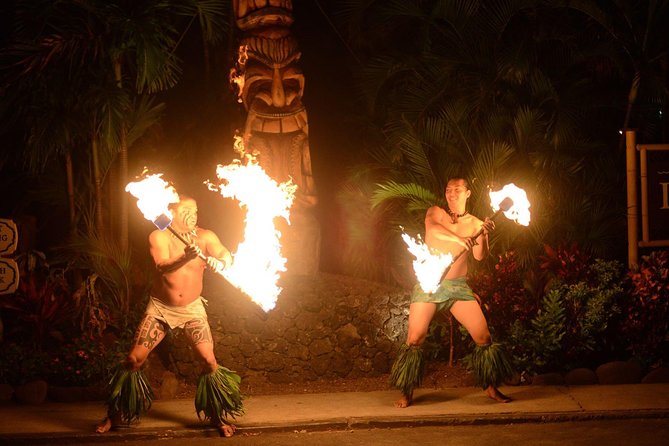
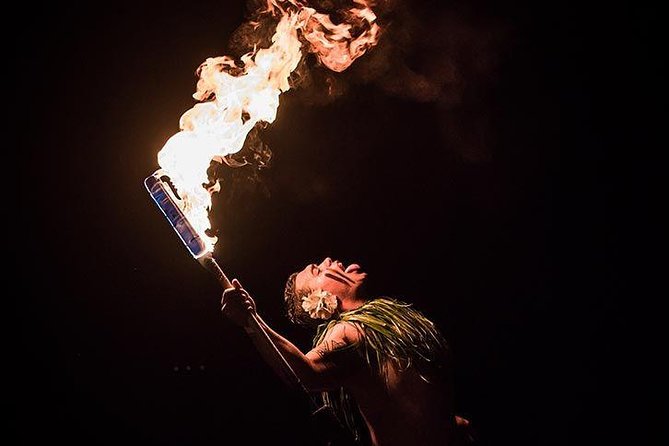
- Fire-knife finale that usually becomes the main headline of the night
- VIP upgrade perks: front-section seating and early entry at 5:30pm
Oceanfront Luau Energy: What the Night Feels Like
Myths of Maui is built like a classic luau evening: you arrive, get welcomed, eat first, then the show ramps up. The biggest difference here is the setting. You’re not stuck staring at a parking lot view. You’re out by the water, which matters because Maui sunsets make people happier while they wait.
Your first moment is also more than a ticket scan. You get a Shell Lei Aloha greeting, the kind of small touch that puts you in the right mood fast. After that, you settle into dinner while live Hawaiian music plays. It’s a good setup if you don’t want to spend the whole night crisscrossing locations or rushing between activities.
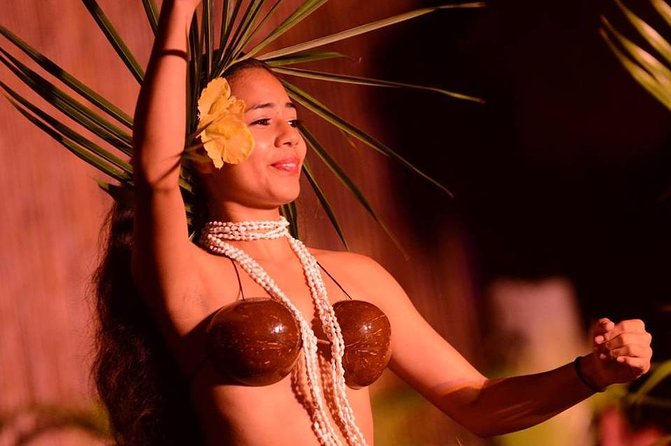
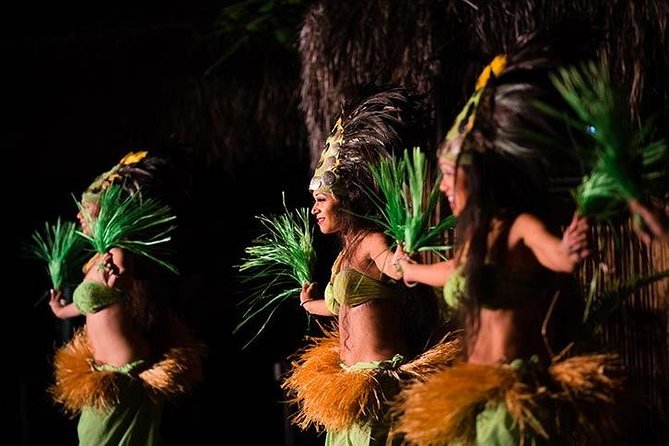
The show itself is staged as a multi-island performance. Expect dances from Hawaii, Tahiti, Samoa, and New Zealand, plus a fire-knife finale that brings the energy to a peak. This is one of those nights where the pacing stays moving. If you want a long, slow, cultural lecture style evening, you might not love the format. If you want live performance you can feel in your feet, it’s a good match.
You can also read our reviews of more tours and experiences in Lahaina.

Dinner + Imu Ceremony: The Food Part You Actually Need
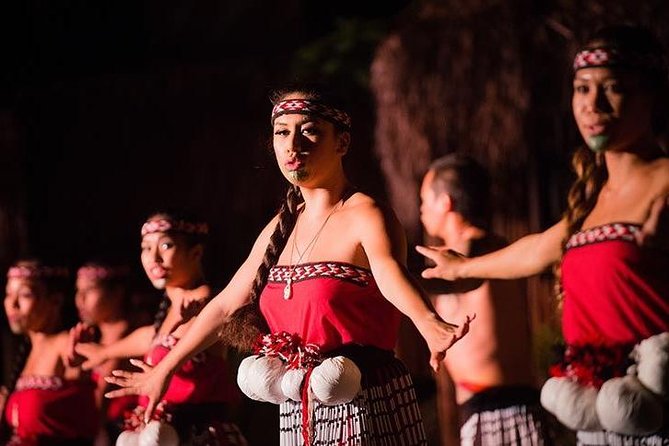
The dinner setup is straightforward: an all-you-care-to-eat buffet with traditional island fare. The menu includes a traditional pork dish (from the imu ceremony) and other vegetables and island staples. You’ll also find a Keiki dinner buffet option, which is genuinely helpful for families. Instead of hunting for plain food choices, kids get their own buffet meant to work with the schedule.
Right in the middle of the tradition talk is the imu ceremony. The program includes unearthing the Kalua Pua’a (roast pig) from the in-ground oven. That’s the heart of why luaus feel different from a normal dinner-and-dancing show. You’re watching a specific cultural practice presented as part of the evening’s story, not just a prop.
A practical note: even when the ceremony is real, it still may not feel like a full, slow-cook theater experience. One review theme was that the roast pig moment can feel more like unveiling than a long live cooking show. So set your expectations: you’re there for the ceremony moment and the food, not for a behind-the-scenes barbecue documentary.
What to expect from the buffet
- Expect multiple protein choices, including pork and fish options, plus chicken and other buffet favorites
- Desserts exist, and opinions vary. Some people think they’re fine; one person said the dessert was awful. You’re safer planning for the main meal, not treating dessert as your reason for going
- Some dishes get stronger love than others. One standout called out was ahi tuna, and others praised chicken and pork
If you have picky eaters or kids, go early to the buffet so you’re not stuck making choices from the last portions. That one move makes the whole meal feel smoother.
The Show: Multi-Island Dancing and Live Music
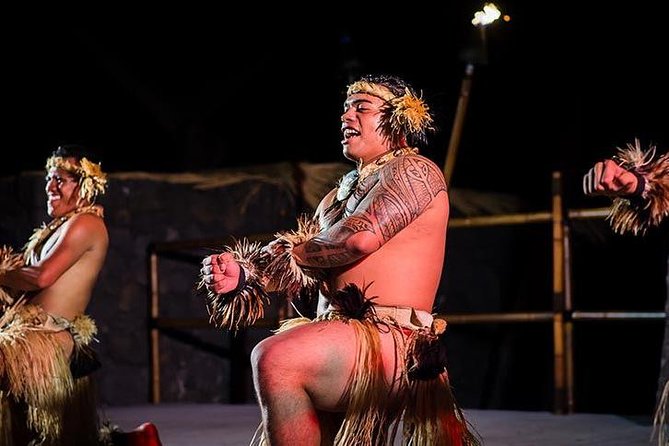
After dinner, the stage production takes over. This is where Myths of Maui earns its reputation. The highlight across a lot of positive feedback is the dancing. The performances are lively, and the costumes help you follow the shift between dance styles from island to island.
Live music runs through the evening, which helps the show feel like one continuous event. You’re not stuck waiting in silence between acts. The dancers and musicians are paired in a way that keeps the audience engaged and moving through the program.
A detail I really like for first-time luau fans: you don’t just get Hawaii-only. The show includes dances from Tahiti, Samoa, and New Zealand too. That makes the night feel like a wider Polynesian sampler rather than a single-region performance.
Some people also mentioned a two-stage setup. Even if you never clock the mechanics, it often means dancers can move around the performance space more dynamically. That can make the show feel less static, which matters when you’re sitting down for a while.
Fire-Knife Finale and the Photo Moment After
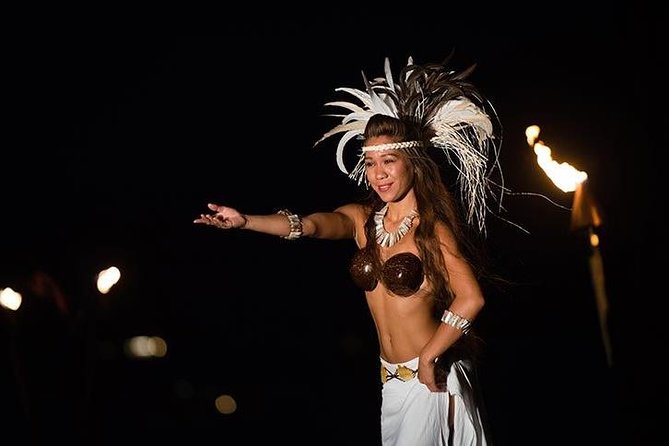
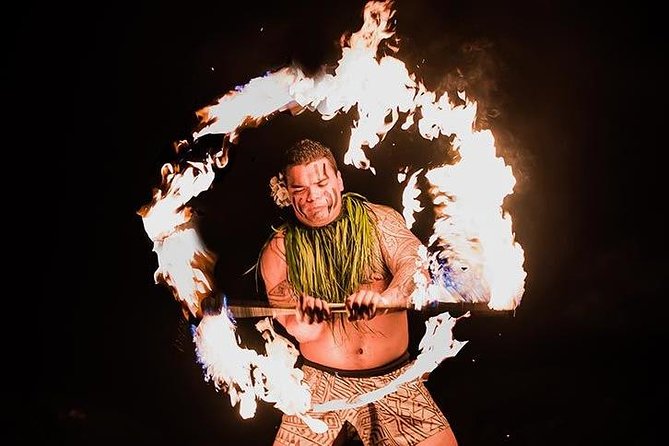
The night peaks with the fire-knife finale. This is the performance segment that usually pulls a crowd to their absolute peak attention. If you came to Maui for one big staged cultural spectacle, this is the part that tends to justify the ticket price all by itself.
After the show, there are free photo opportunities with the dancers. This is a strong perk because it’s not only about watching. You get a chance to interact, get a memory, and then move on with your evening.
Also keep in mind: souvenir photos are available to purchase. There’s typically a photo angle at the beginning of the experience that may be part of the upgrade sales funnel. One person said the early photo looked overexposed, but they still bought it for the memory. If you’re the type who hates spending extra on photos, go in knowing it’s available, then decide calmly.
VIP Upgrade: Is Priority Seating Actually Worth It?
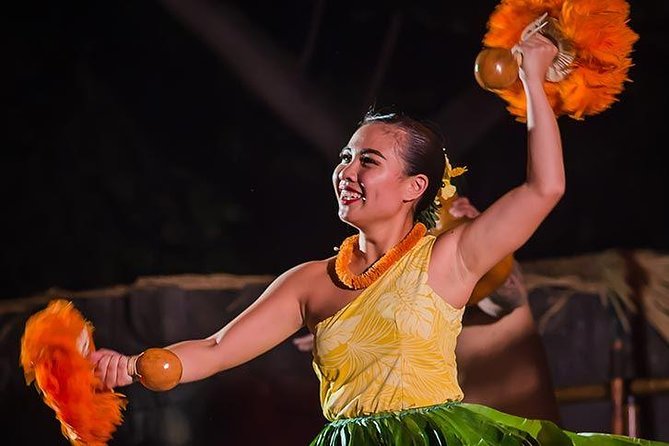
VIP here isn’t just a better seat in a marketing deck. It’s practical.
With VIP reservations, you get:
- Guaranteed premium front-section stage seating
- Priority dinner buffet access
- Skip the line early entry at 5:30pm
- A lei included by gender (fresh flower lei for women, Kukui nut lei for men), one free lei per paying adult
If you’ve ever done a luau where you spend half the night waiting, you’ll understand the logic. The biggest friction points tend to be around arrival and the buffet rush. VIP handles those.
From a value perspective, VIP makes sense if:
- You care about seeing the action close up
- You’re traveling with kids and want a calmer meal window
- You want less waiting and less crowd pressure during entry and drink ordering
It can also matter because the show keeps moving. Being closer can make the performance feel more personal, especially during the finale.
One review theme was that VIP seats put people near the front and made the night feel more special. Another theme was that early entry helps reduce stress and helps you get better seating if you’re choosing general admission.
Timing, Lines, and Drinks: How to Avoid the Common Friction
Most luaus run on a schedule, but this one has a few moving parts that can create bottlenecks.
Dinner starts the same time the venue starts to fill up. Then the show follows. If you arrive late, you can end up with a rushed meal and a long wait to order drinks.
Here’s what to plan for based on common on-the-ground patterns:
- Lines for alcohol can start quickly, especially early in the night
- Drink ordering may feel slow if servers are busy with photos and moving through the crowd
- If you want mixed drinks or non-alcoholic versions that match what you picture in your head, get your first orders in early rather than waiting
The good news: the experience includes complimentary cocktails, beer, wine, and a variety of non-alcoholic beverages. That should help you feel less nickel-and-dimed compared to a standard ticket where drinks cost extra.
But not everyone experiences drinks the same way. One family reported that unlimited drink expectations didn’t match their experience, and they also reported extra fees for a kid-style blended non-alcoholic drink request. So keep it simple: expect complimentary drinks, but don’t assume every custom request is free or immediate. If you’re sensitive to that, VIP can help because priority access often reduces time spent waiting.
Bring a layer
It gets chilly after sunset. Even if the weather is fine earlier, the outdoor seating can cool fast. Bring a light jacket or shawl. This isn’t a luxury item. It’s basic comfort.
Price and Value: $211.39 and What You’re Really Paying For
At about $211.39 per person, this is not a cheap activity. So you should ask: what does your money buy beyond a show and a buffet?
It buys four things at once:
1) A full production: music, dances across multiple islands, and a fire-knife finale
2) A meal experience: an all-you-care-to-eat buffet plus kids buffet options
3) A cultural moment: the imu ceremony with the roast pig component
4) A setting upgrade: oceanfront seating where sunset becomes part of the event
That combo is why people who rate it highly tend to talk about the overall experience, not just the food or the dancing alone. If you already ate a big dinner and only want entertainment, it may feel overpriced. If you want one scheduled night that checks lots of boxes, it can feel more justified.
Also, the venue can host up to 500 travelers. That’s big, but it’s not a stadium scale. The size likely supports better organization than you might fear.
My practical take: if you’re bringing a family or you strongly care about seating, don’t assume general admission is automatically the same value as VIP. VIP pays back in time saved and proximity to the stage.
Who This Luau Fits Best (and Who Might Prefer Another Option)
This experience is best for you if:
- You want one evening on Maui that combines dinner and a major show
- You’re bringing kids and want a dedicated Keiki buffet
- You care about seeing the performance closely enough that you feel part of it
- You’re a first-time luau person and want the classic “arrive, eat, dance, finale” flow
It might be less satisfying if:
- You dislike crowds and prefer very relaxed, slow-paced events
- You’re very picky about desserts and want them to be a main highlight
- You’re expecting the dinner pace to feel gentle and unhurried
- You’re the type who needs highly detailed cultural context rather than stage storytelling and performance
If you want something different, it’s worth comparing luaus for pace and food style. But if you want the big one-night production, Myths of Maui is a strong pick.
Should You Book Myths of Maui Luau?
Yes, if you want a well-packaged Maui night that mixes oceanfront sunsets, an imu roast-pig moment, and a real multi-island dance show with a fire-knife finale. The big decision is how much you hate line stress. If that annoys you, VIP is likely the smarter call because early entry at 5:30pm and front-section seating can transform the experience from busy to smooth.
Book it if this is your main luau for the trip and you want the full show experience. Skip or consider alternatives if you’re mainly there for a quiet dinner, or if you know you won’t enjoy an evening where service and seating move on a schedule.
If you do book, do two things: arrive early enough to eat without rushing, and bring a light jacket for after sunset. Those two moves alone make the night feel better.
FAQ
How long is the Myths of Maui Luau?
The experience runs about 2 hours 30 minutes to 3 hours.
Where does the luau take place?
It’s located in Maui, USA, with an oceanfront setting designed for enjoying Maui sunsets.
What is included with admission?
Admission includes a Shell Lei Aloha greeting, complimentary cocktails/beer/wine and non-alcoholic beverages, live Hawaiian music, the imu ceremony (unearthing Kalua Pua’a), an all-you-care-to-eat buffet with island cuisine, the keiki (kids) buffet, and free photo opportunities with the dancers after the show.
Is there a kids buffet?
Yes. There is a dedicated keiki dinner buffet.
What is the VIP upgrade, and how does it change things?
VIP includes guaranteed premium stage front section seating, priority dinner buffet access, skip-the-line early entry at 5:30pm, and an included lei (fresh flower lei for women and Kukui nut lei for men). One free lei per paying adult is included.
Does this price include parking?
No. The listed price does not include a $5 parking fee, payable at check-in.
Is hotel pickup and drop-off included?
No. Hotel pickup and drop-off are not included.
What are the drink age rules?
The minimum drinking age is 21.
What is the dress code and weather plan?
Dress code is resort casual. The event operates in all weather conditions, so dress appropriately.