REVIEW · SALEM
Salem Voodoo, Vampires, and Ghosts Guided Walking Tour
Book on Viator →Operated by Spellbound Tours · Bookable on Viator
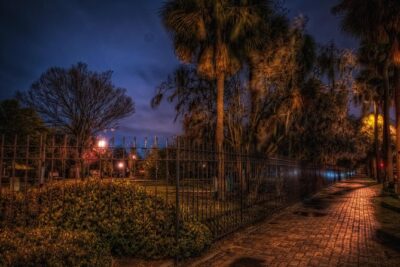
Salem gets dark fast. This walking tour strings together Salem Witch Trials history with voodoo, vampire folklore, and ghost-lore, all led by real historians and paranormal investigators. I like that the guides don’t play dress-up; they work from research and explanations you can actually repeat.
Two big wins for me: you learn the events behind the 1692 panic, and you also get hands-on photo checking for possible paranormal signs like orbs and apparitions. One thing to consider: some stops cover grim stories (torture, executions, and other ugly details), so if that kind of content spoils your mood, you’ll want to mentally brace a bit.
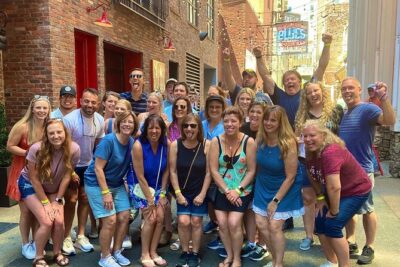
You’ll walk Salem’s historic center in about 90 minutes with a group capped at 40, which keeps things manageable and usually makes it easier to hear. Expect frequent photo opportunities at the cemeteries and the sites tied to the most intense legend-heavy moments.
In This Review
- Key Highlights to Know Before You Go
- How This Tour Works: Real historians, real investigations, real street walking
- Meeting at the Revere Bell: a simple start with a Salem-center route
- Witch Trials Reality Check: from trial streets to the dungeon
- What I’d watch for during the Witch Dungeon stop
- Old Burying Point: John Hathorne, the cemetery air, and Hawthorne’s orbit
- Tituba, Bridget Bishop, and the places where famous stories collided
- Photo Evidence Checks: how the tour turns your camera into a shared activity
- A simple tip so you don’t waste time at stops
- Vampire Legends on Derby Square: folklore, myths, and the town’s darker side
- Hocus Pocus, the Bell, and Houdini: pop culture locations with a historical backbone
- Other Grim Salem Stories: stranglers, Carl Panzram, and a haunted bar
- Peabody Essex Museum and Axelrod Walkway Park: artifacts and photos
- Night vs afternoon: when to pick your timing for mood and comfort
- Who Should Book This Walking Tour
- Should You Book Salem Voodoo, Vampires, and Ghosts?
- FAQ
- How long is the Salem Voodoo, Vampires, and Ghosts guided walking tour?
- Where do I meet the guide?
- Is the tour offered in English?
- Do we do anything with our photos during the tour?
- Is the Peabody Essex Museum included in the ticket?
- What is the cancellation policy?
Key Highlights to Know Before You Go
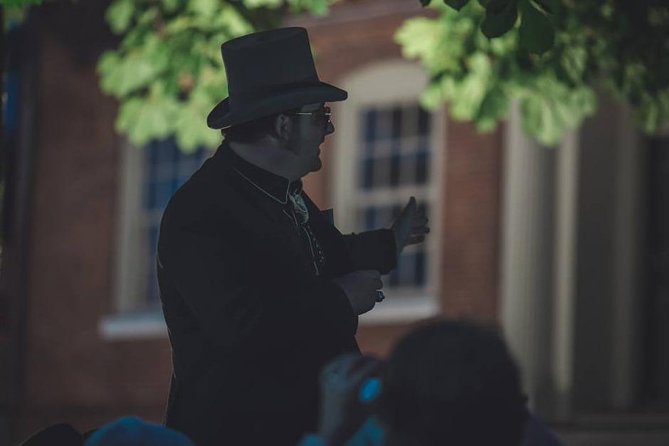
- Historian-plus-paranormal investigator format instead of actors or purely spooky theatre
- Photo evidence checks where your pictures get examined for possible ghostly activity
- Well-paced route with short stops at the key locations tied to the trials and Salem’s other legends
- The Witch Dungeon stop is a major focus for both history and paranormal claims, with extra time for photos
- Vampire folklore and modern blood-drinking myths keep the tour from being only witches
- A cemetery and artifact stops (Burying Point and Peabody Essex) add real historical weight
How This Tour Works: Real historians, real investigations, real street walking
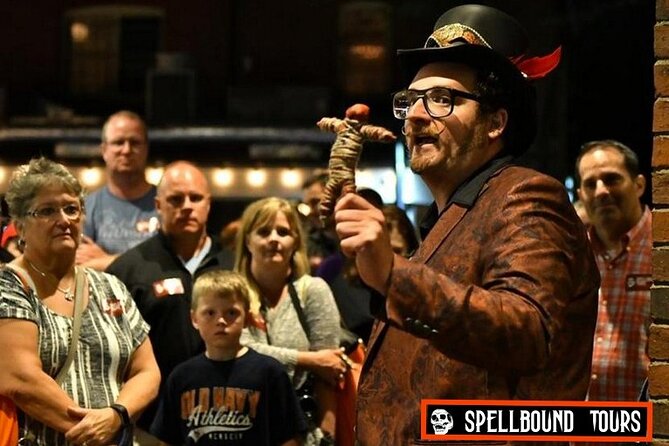
This is a guided walking tour where your guide wears the hat of both local-history interpreter and paranormal investigator. That matters because Salem has a lot of tours that either run full comedy or run full “facts-only.” Here, you get the history angle, then the paranormal angle, then an attempt to connect the two using the tools ghost hunters talk about today.
The guide is there to help you separate story from documented events, not just hand you folklore like it’s the same thing as a court record. You’ll still hear legends about voodoo, vampirism, ghosts, and strange sightings, but the structure is what keeps it from feeling like a gimmick.
Also, the tour is built for listening while walking. Most stops are only a few minutes, and the route is designed so you’re not stuck waiting around. With a maximum of 40 people, you’re not fighting for attention at every corner.
You can also read our reviews of more tours and experiences in Salem.


Meeting at the Revere Bell: a simple start with a Salem-center route
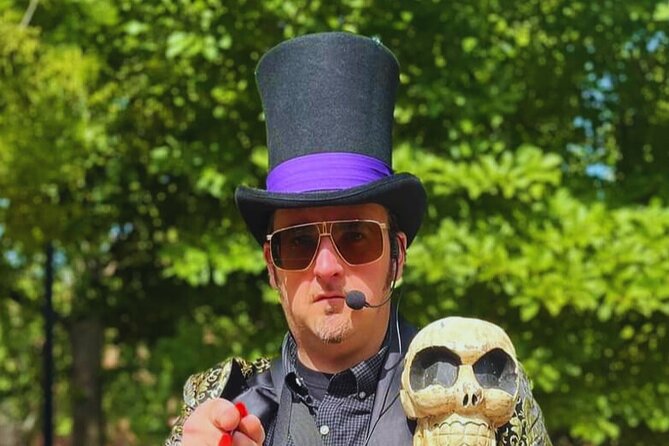
Meet at 2 New Liberty St, near the Salem Visitor Center, at the Revere Bell. That’s a good starting point because it puts you right in the thick of historic downtown without a long scramble for transit.
The walk itself is described as easy. That doesn’t mean zero uneven ground. Salem’s center has old sidewalks, curbs, and tight spots where foot traffic builds fast. If you’re visiting in cold weather, keep an extra layer handy. If it’s windy, your hands will freeze before your phone battery does.
Bring the one thing that the tour actively uses: your camera roll. The photo evidence part is a signature feature, and you’ll get the chance to have your own images examined for possible signs such as orbs, ectoplasm, or apparitions.
Witch Trials Reality Check: from trial streets to the dungeon
The route begins on haunted trial-era streets, and it quickly sets the tone: this is about the 1692 witch trials and the mechanics of fear. One stop takes you to 2 New Liberty St, where you’ll hear about the infamous witch trials taking place in Salem and how the story spread through town.
Then you move to 15 Federal St for Giles Corey’s story. This is the location believed to be where Corey was pressed to death after refusing to confess. The tour doesn’t soften this one. You’ll be standing where the legend and local tradition place the scene, and you’ll hear why the Corey case still lingers in Salem’s memory.
From there, you get a quick hit at a church graveyard on St Peter St. The time is short, so you’re there for atmosphere, location context, and a strong photo moment with antique gravestones. It’s also a good reminder that Salem’s history isn’t trapped in one famous street—it’s scattered through burial grounds and old institutions.
The emotional center of the walk is 10 Federal St: the dungeon where the accused witches were held and tortured while awaiting trial and execution. You’ll also hear about Tituba here, the enslaved woman tied into the witch-hysteria narrative and described as possibly connected to clandestine voodoo practices. This is one of the most active haunted-site claims on the tour, and you’re encouraged to take lots of photographs.
What I’d watch for during the Witch Dungeon stop
You’ll get the history and the paranormal angle mixed together. That can be fun, but it also means you should slow down enough to actually look at what’s in front of you, not just stare at your screen. If you want usable photos, brace your hands, switch off ultra-wide distortion if your phone offers it, and take a couple test shots before you commit.
Old Burying Point: John Hathorne, the cemetery air, and Hawthorne’s orbit
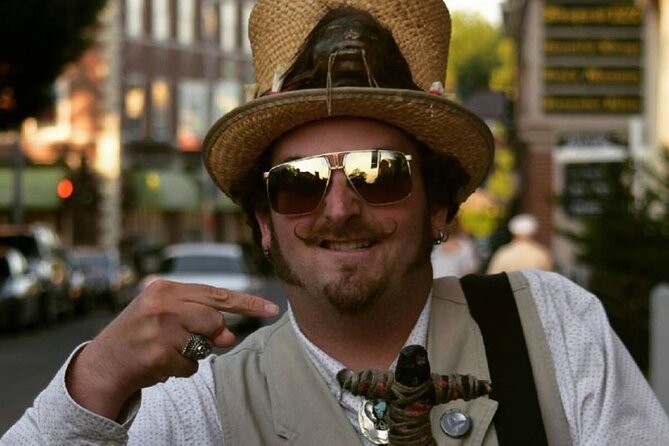
The Burying Point stop is where the tour earns its weight. It dates to 1636, and it’s one of the oldest cemeteries in the United States. You’ll visit the resting places tied to the witch trial era, including the trial judge John Hathorne’s tombstone.
This isn’t just a “spooky cemetery” moment. You get the sense of scale: these are people who lived through the ordeal, and the ground itself turns Salem into more than a themed Halloween town. The tour also ties in Nathaniel Hawthorne, noting that he hung out here during his life and that modern magical practitioners treat the site as a ritual location.
One practical note: cemeteries tend to be quiet, and the tour is moving in a small group. Keep your voice down, watch your footing, and be respectful when others are paying their own respects.






Tituba, Bridget Bishop, and the places where famous stories collided
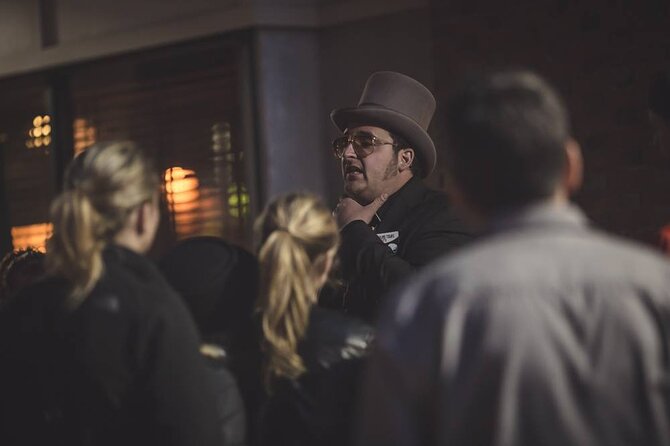
Some Salem stories keep showing up because they connect different parts of the hysteria: the accused, the accused’s cultural context, and how the town told the tale later.
You’ll hear about Bridget Bishop at Turner’s Seafood at Lyceum Hall, where the tour connects a well-known ghost-hunter TV style setting to her land and lingering spirit. People have reported weird physical manifestations of ghostly energy and taken striking pictures here.
At the same stop, you also get a curveball that makes Salem feel real and layered: Alexander Graham Bell demonstrated the telephone there for the first time before a mass audience. That’s a neat reminder that Salem’s history includes technology and public spectacle, not just fear and folklore.
You also get one more media-layer stop nearby later at Old Town Hall, but I like that Bishop’s story and Bell’s demonstration sit side by side. It stops the tour from being one-note.
Photo Evidence Checks: how the tour turns your camera into a shared activity
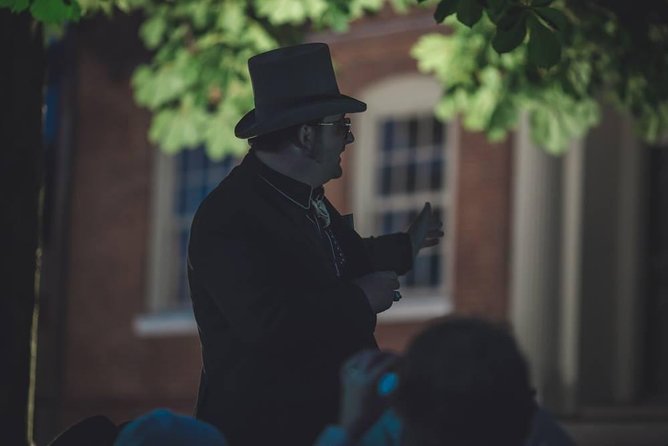
This tour’s photo section is hands-on, not “look at the screen and believe me.” You’ll get guidance on what ghost hunters look for and how they talk about scientific methods today. That doesn’t mean every orb is real. It does mean you’ll learn what kinds of things to watch for when you review your own pictures.
The tour specifically mentions signs people chase in paranormal photography: orbs, ectoplasm, and apparitions. If you’ve ever taken “mystery photos” and wondered what you’re even supposed to look for, this is where the guide tries to teach you the checklist.
A big thing you’ll notice: the tour isn’t asking for blind faith. It encourages you to think like an investigator for a minute. You’re not just hearing stories; you’re learning a process.
A simple tip so you don’t waste time at stops
Before the main haunted-photo spots, charge your phone or bring a portable battery. Dark streets plus lots of camera time can drain your battery faster than you expect. Also, take a few steady shots, then a few different angles. If your only photos are motion-blurred, you’ll end up with nothing to review.
Vampire Legends on Derby Square: folklore, myths, and the town’s darker side
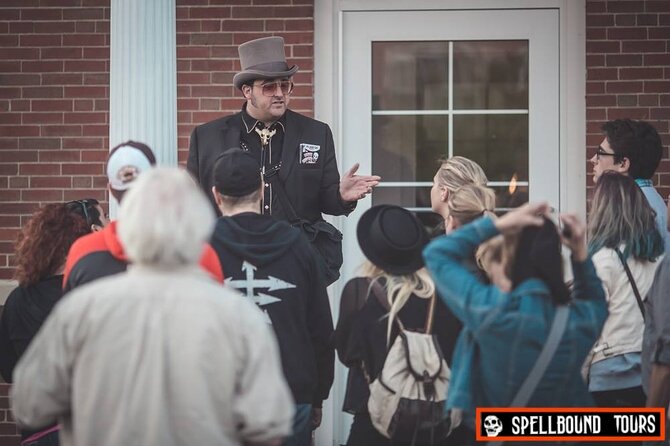
Derby Square is where the tour shifts gears into vampires. This is the part that keeps the tour from becoming only a witch-trials lecture with ghost frosting.
You’ll hear vampire folklore tied to New England and also stories described as more modern, including accounts of real-life blood drinkers. The tour frames these as shocking and “bloody” tales, so expect the vibe to turn darker and more sensational than the strictly court-history moments.
I like this section because it shows how Salem’s legend economy has expanded beyond witches. Vampires fit the Halloween mood, sure, but they also connect to Salem’s bigger theme: fear as a social story.
Hocus Pocus, the Bell, and Houdini: pop culture locations with a historical backbone
Salem has plenty of film and pop culture callbacks, but this tour uses them as a way to keep moving while still giving you local context.
Old Town Hall is one of the stops where the tour references the classic Hocus Pocus movie filming location for the moment tied to I Put A Spell On You. Next, you’re sent to Houdini Way for Harry Houdini’s dramatic escape performance location.
This is where the tour becomes playful without becoming empty. Even if you’re not a movie person, the Houdini stop gives you a break from the darker legends and a chance to reset.
Other Grim Salem Stories: stranglers, Carl Panzram, and a haunted bar
If you want the darkest mash-up of Salem, the route doesn’t stop at witch hysteria and vampires. You’ll hit Central Street for details tied to serial killing legends, including the Boston Strangler and Carl Panzram being executed in Salem.
Then you finish a chunk of the route at 300 Derby St, described as a haunted bar. This is a shorter stop, but it’s in the right tone: Salem’s ghost lore isn’t limited to churchyards and dungeons. It spreads into places where people gather and linger.
One downside to watch for: because these are short stops, the tour can’t give every grim story the same depth as the core trial sites. You’ll get the main location context and the most dramatic pieces, but don’t expect a long, slow lecture on each crime story.
Peabody Essex Museum and Axelrod Walkway Park: artifacts and photos
The Peabody Essex Museum stop (entry not included) is a nice soft landing between outdoors and something more curated. The tour describes it as an art museum that holds Salem’s darkest secret artifacts. Even if you don’t go deep, the stop is worth it as a pointer toward more material inside the museum.
The final photo-focused stop is Axelrod Walkway Park. Here, you’re shown ghost photographs captured during years of investigation. This is the last chance to connect what you heard earlier about orbs and apparitions to actual images the tour claims were collected over time.
If you’re the type who loves comparing what you saw outside to what’s in a photo later, Axelrod Walkway Park is a smart closer.
Night vs afternoon: when to pick your timing for mood and comfort
The tour offers daily evening tours and an afternoon option on weekends. I like the evening slot because Salem at night does something to your attention. You’re not just walking between sites—you’re listening with the weather and lighting working with the story.
That said, afternoon can be easier on comfort. Daylight makes it simpler to navigate sidewalks, find the exact spot for each corner photo, and avoid battery drain from low light.
Either way, wear shoes you can stand in for 90 minutes. Many stops are brief, but you’ll still be on your feet. Also, keep your camera settings consistent if you plan to compare photos later.
Who Should Book This Walking Tour
Book it if you want a Salem experience that balances witch trials context with paranormal investigation talk, and you specifically like the photo-evidence activity. It also fits well if you’re starting your Salem trip and want your bearings fast: the route covers major trial-era locations plus the town’s vampire and ghost-lore themes in a single loop.
You might skip it if you want only academic history, or if you don’t enjoy stories that include torture and execution details. This tour goes to the dark places on purpose.
If you’re a family group, the tour allows children with an adult. Just know the subject matter can be intense, so use judgment based on your kids’ comfort levels.
Should You Book Salem Voodoo, Vampires, and Ghosts?
I’d book it if you’re after variety: Salem Witch Trials sites, a dungeon-themed stop, vampire folklore, and a hands-on photo review. The fact that you’re guided by real historians and paranormal investigators (not costumed performers) keeps the experience grounded, even when the stories go far.
I wouldn’t book it if your ideal Salem day is only sunshine-and-scones history. This is street-level, story-heavy, and sometimes gruesome.
If you do book, do one smart thing: bring your best photos from the first haunted spot you stop at, not only your phone’s newest shots. The photo evidence process works best when you have real material to examine.
FAQ
How long is the Salem Voodoo, Vampires, and Ghosts guided walking tour?
It runs about 1 hour 30 minutes.
Where do I meet the guide?
You meet at 2 New Liberty St, Salem, MA 01970. The tour also notes meeting at the Revere Bell in front of the Salem Visitor Center.
Is the tour offered in English?
Yes, the tour is offered in English.
Do we do anything with our photos during the tour?
Yes. The tour includes helping examine your own photos for possible paranormal signs such as orbs, ectoplasm, and apparitions.
Is the Peabody Essex Museum included in the ticket?
Peabody Essex Museum is listed as an included stop, but admission is not included for that part.
What is the cancellation policy?
Free cancellation is available up to 24 hours in advance for a full refund. If you cancel less than 24 hours before the start time, the amount paid is not refunded.