REVIEW · MONTEREY AND CARMEL
4 Hour Whale Watching Tour From Monterey
Book on Viator →Operated by Discovery Whale Watch · Bookable on Viator
Whales off Monterey feel close enough to matter. This cruise uses a marine biologist/naturalist to help you spot migrating whales and other wildlife around the bay.
I especially like the way the crew gives practical photo guidance and keeps working the water until everyone has a fair shot at watching. One thing to plan for: the ride can get choppy, and even seasoned seasickness-takers sometimes feel it.
In This Review
- Quick reasons this cruise is worth your morning
- Monterey Bay whale watching: why this area keeps delivering
- Meeting at Fisherman’s Wharf: what “leave time” means for your day
- The naturalist onboard: what you gain from the narration
- Photo tips that actually help in choppy water
- What you’re likely to see: whales, dolphins, sea lions, and birds
- The rhythm of the morning: how the 3.5 hours usually feels
- Seasickness reality check: plan for comfort, not just weather
- What’s included vs what you should bring
- Price and value: is $85 a good deal?
- Who should book this cruise (and who might not love it)
- Practical packing list for Monterey’s morning on the water
- Should you book Discovery Whale Watch from Monterey?
- FAQ
- Where do I meet for the whale watching tour?
- What time does the tour actually depart?
- How long is the cruise?
- What’s included in the ticket price?
- What wildlife might we see?
- Do I need good weather for the tour to run?
- Is food or alcohol included?
- What should I do if I get seasick?
Quick reasons this cruise is worth your morning
- Naturalist narration from a marine biologist or naturalist, plus local bay context and conservation talk
- Photo tips on the fly, including when and where to point your camera as sightings build
- A small group (max 30 travelers), so you’re not lost in a crowd on deck
- More than whales: dolphins, sea lions, and birds are part of the normal “what’s out here” mix
- Scientific sighting data is collected during the trip for real research use
Monterey Bay whale watching: why this area keeps delivering
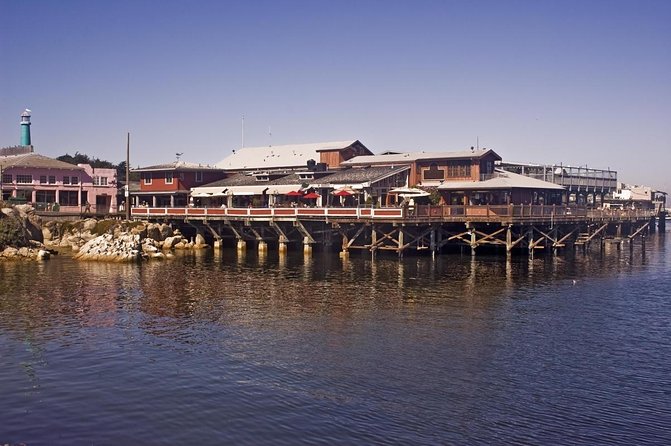
Monterey Bay is one of those places that works year-round for whale watching. The basic idea is simple: whales migrate, the food shows up, and the bay’s underwater conditions help concentrate marine life where you can actually look for it from the water.
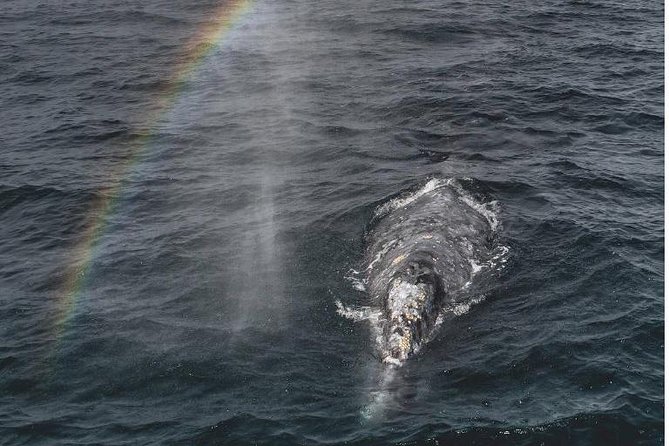
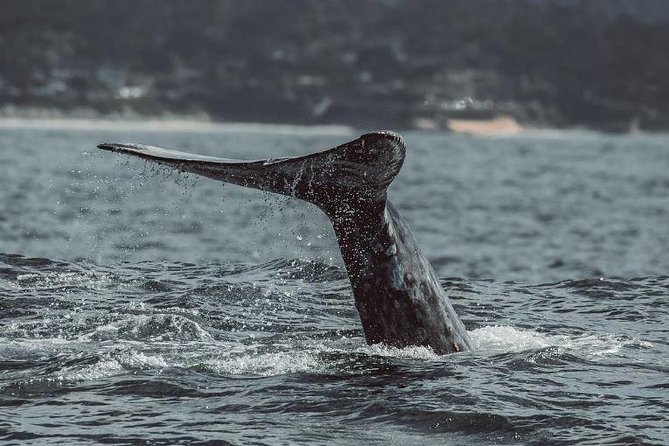
This tour is built around that reality. You head out to search for common sights like gray whales, but you’re also in the right zone to spot humpbacks and even blue whales when conditions line up. On top of whales, you’ll scan for dolphins, sea lions, and birds because the bay is a full-on food web, not a one-species show.
You’ll also get more than “look left!” narration. The naturalist uses the trip to explain what you’re seeing and why it’s there, including basic natural history of the local area and conservation issues affecting marine wildlife.
You can also read our reviews of more tours and experiences in Monterey and Carmel.
Meeting at Fisherman’s Wharf: what “leave time” means for your day
Plan to start at the classic spot: Old Fisherman’s Wharf at 66 Fishermans Wharf, Monterey. The tour starts with a 9:00am departure, but the key detail is that the listed time is when the boat leaves, not when you should stroll in.
Check in early by the operator’s guideline—30 to 45 minutes ahead—so you’re not rushing onto a rocking deck. This matters because, once you’re out, time gets spent on water and spotting, not waiting for late arrivals.
The cruise typically returns between 12:30pm and 1:00pm, making it a great half-day activity. It also keeps the rest of your day open for Monterey and Carmel without turning your whole trip into a single long excursion.
The naturalist onboard: what you gain from the narration
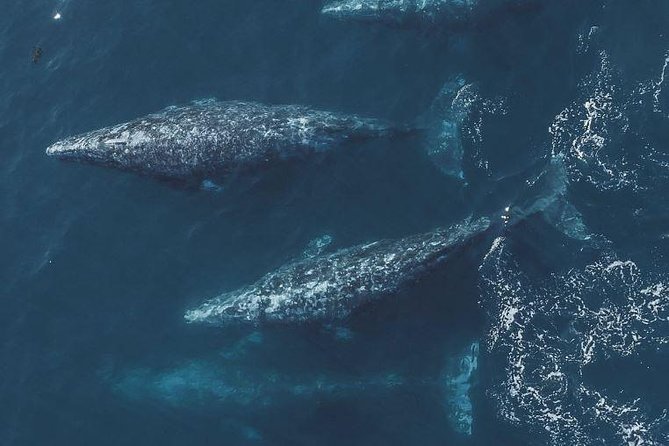
The experience is narrated by a marine biologist or naturalist (with a deckhand on hand). That combo is the heart of the value here, because a good guide changes whale watching from luck-based to pattern-based.
You’ll get help learning what you’re looking at—whale movement, surface behavior, and how marine life uses this stretch of ocean. The crew also talks about conservation, which adds meaning beyond the fun of the moment.
There’s another practical angle: the naturalists also help collect sighting data for scientific research while you cruise. You’re not just consuming an experience; you’re supporting the kind of fieldwork that helps people understand where whales are and how they’re doing.
If you’ve ever watched a wildlife doc and wished it included the “how they know” part, this is that missing piece in real time.
Photo tips that actually help in choppy water
I like that this tour doesn’t treat cameras like an afterthought. The crew gives photo op guidance for what to capture—timing, positioning, and what to watch for before a whale surfaces.
Even with those tips, recognize the reality: ocean viewing means motion. Several comments from riders mention choppier conditions, especially as certain seasons shift. If you’re prone to motion sickness, the best move is to plan for it before you board, not after.
A smart strategy for photos is also about placement on the boat. One consistent tip in the reviews is to avoid the most forward area if you get sick easily, since that’s often where motion feels worst. You’ll still have a solid view from other parts of the deck, and you’ll actually be able to keep your camera steady instead of white-knuckling the rail.
What you’re likely to see: whales, dolphins, sea lions, and birds
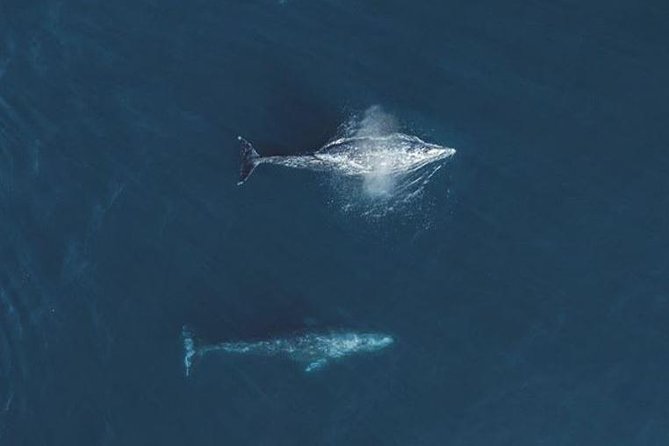
This cruise is designed as a search-and-find expedition, so you should go in with a flexible mindset. Gray whales are the most common target, and that’s a big reason Monterey stays on the short list for repeat whale watchers.
Depending on the day, the trip may include:
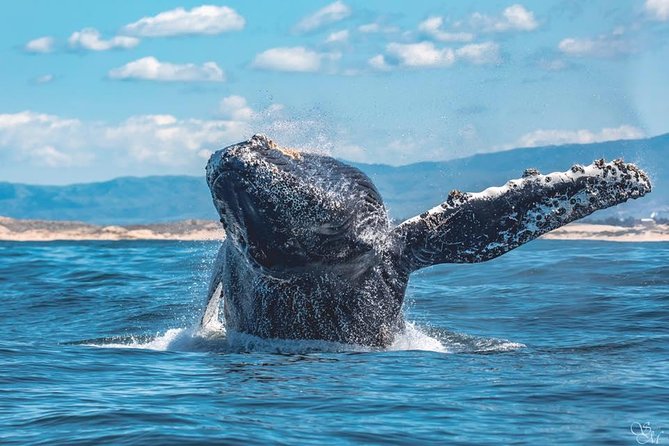
- Humpback whales (including feeding behavior and close activity near the boat, when conditions allow)
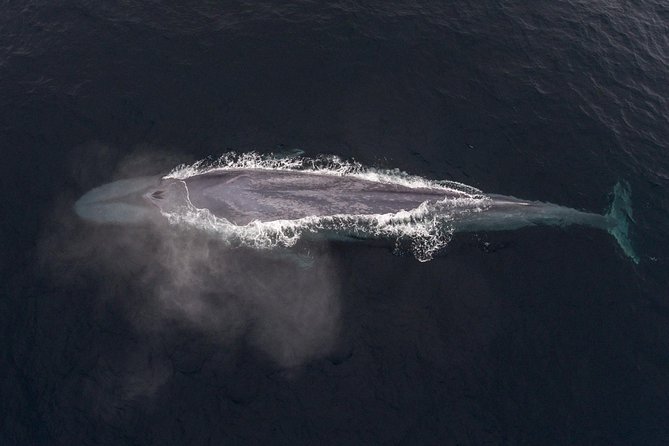
- Blue whales (less common, but possible in the area)
- Dolphins and sea lions
- Birds that help you read the ecosystem overhead
You can also get lucky with rarer highlights. Some riders report seeing orcas and Baird’s beaked whales. The exact lineup changes with the ocean, but the tour’s focus stays the same: find the wildlife, then stay with it long enough for everyone to have a decent look.
A note on distance: whale watching rules typically prevent you from forcing closeness. One rider wished for a closer view, so keep expectations grounded. You may see whales farther out one day and more satisfying “right there” views on another day, even if the effort and guide work are the same.
The rhythm of the morning: how the 3.5 hours usually feels
This is a 3 hours 30 minutes cruise (approx.), and it follows the natural pattern of whale watching: search, spot, pause, then reposition if the animals move.
Because you’re leaving from Monterey Bay early enough in the day, you start with the benefit of good morning visibility more often than later. That doesn’t guarantee anything, but it can help your odds when you’re scanning for blows and movement at the surface.
When whales do show up, the crew tends to slow down the chase and prioritize viewing quality. Several riders describe extended time with humpbacks, including feeding sessions. That’s exactly what you want: less “drive-by sightseeing,” more time for observation and photos.
The return happens back to the original meeting point between 12:30pm and 1pm, so you’re not left stuck at the dock for hours afterward.
Seasickness reality check: plan for comfort, not just weather
If there’s one theme that matters for your comfort, it’s motion. The operator explicitly advises taking precautions if you get motion sick, and they even sell motion sickness remedies in the shop.
In plain terms: don’t assume you’re immune. More than one rider mentions getting sick in choppy conditions despite trying medication like Dramamine. One person even suggests the forward of the boat can be rough if you’re sensitive.
So here’s your practical move:
- If you’re prone to motion sickness, choose your spot on the boat with comfort in mind, often toward the back
- Bring or pre-treat with what works for you before boarding
- Pack warm layers so you’re not fighting cold while you’re trying to enjoy the ride
The ocean is unpredictable. Your goal is to reduce the friction so you can focus on the wildlife.
What’s included vs what you should bring
This tour includes a few items that make the morning easier. You’ll get a marine biologist/naturalist and deckhand, plus coffee and/or tea. Everything else is mostly on you.
You’ll want to bring:
- Sun protection (it’s easy to underestimate how much sun you’ll get at sea)
- Water and snacks (food like chips, candy, soda, and water isn’t included)
- A camera and binoculars if you have them
- Warm layers, because it can cool down once you’re out on the water
Alcoholic drinks aren’t included. They’re available to purchase, and the minimum drinking age is 21. If you’re traveling with kids, that matters for the adults planning around a calmer morning.
Price and value: is $85 a good deal?
At $85 per person, you’re paying for a short, high-effort window on the ocean plus interpretation by a trained naturalist. A big part of the value is the “human layer”—spotting help, explanation of behavior, and conservation context.
If you’ve ever done whale watching where the crew mostly drives around and points, you’ll notice the difference here. The tour’s format includes active guidance on spotting and photography, and the naturalist narration ties the sightings to real natural history and conservation.
Is it a guarantee? No whale watch is. That said, the operator collects sighting data and works as a team to find the animals you came for. Also, the trip runs year-round in a region where whales can show up often, which helps with planning.
If you’re on a tight itinerary, you’ll also like the half-day timing. You get a meaningful wildlife outing without consuming the whole day.
Who should book this cruise (and who might not love it)
This fits best if you:
- Love nature and want guided wildlife spotting
- Want education while you watch (not just a boat ride)
- Are traveling with families or teens who enjoy being outdoors for a half-day
- Want a smaller group setting (max 30 passengers)
It may be less ideal if:
- You have very low tolerance for waves and can’t manage motion sickness
- You’re hoping for guaranteed close-up whale contact every time
One practical note: children must be accompanied by an adult. Service animals are allowed, and the tour calls for a moderate physical fitness level, which usually means you should be comfortable standing and moving around the deck.
Practical packing list for Monterey’s morning on the water
Keep your gear simple but effective. I’d treat this like “wind + sun + cold water air” weather, even when Monterey looks mild on shore.
Bring:
- Warm layers (especially a jacket you can keep on)
- Sun protection and sunglasses
- Camera and binoculars if you own them
- Water and a snack you like
- Anything that helps with seasickness for your own body
Also: expect the deck to be a place where you’re scanning the horizon a lot. If your phone camera is your main tool, consider a stable way to hold it, because motion and quick whale sightings don’t wait for perfect settings.
Should you book Discovery Whale Watch from Monterey?
If you want a strong chance to see whales in Monterey Bay with actual interpretation, I’d book it. The biggest wins are the naturalist-led narration, the hands-on spotting and photo tips, and the fact that the group is kept to 30 travelers.
My one caution is comfort: take motion seriously. If you’ve struggled with seasickness before, plan ahead and choose your spot on deck with that in mind.
If your schedule is flexible, booking earlier is smart. This tour is often reserved about 34 days in advance, and that’s a hint the good-weather window can get picked over.
FAQ
Where do I meet for the whale watching tour?
You meet at 66 Fishermans Wharf, Monterey, CA 93940 (Old Fisherman’s Wharf).
What time does the tour actually depart?
The meeting time is listed as 9:00am, and the operator notes that the listed time is when the boat leaves, so you should check in 30 to 45 minutes ahead.
How long is the cruise?
The duration is about 3 hours 30 minutes, with return to the meeting point between 12:30pm and 1:00pm.
What’s included in the ticket price?
Included is a marine biologist/naturalist and deckhand, plus coffee and/or tea.
What wildlife might we see?
You’ll be searching for whales that migrate through the Pacific off California, with gray whales being the most common target, and possible sightings including humpback and blue whales. The crew also looks for dolphins, sea lions, and birds.
Do I need good weather for the tour to run?
Yes. The experience requires good weather, and if it’s canceled due to poor weather you’ll be offered a different date or a full refund.
Is food or alcohol included?
Food and drinks are not included. Alcoholic drinks are available to purchase, and the minimum drinking age is 21.
What should I do if I get seasick?
If you’re prone to motion sickness, take precautions before you board. The operator also sells motion sickness remedies in the shop.