REVIEW · MONTEREY AND CARMEL
Monterey’s 17 Mile Drive Guided Electric Bike Tour, 3 hr
Book on Viator →Operated by Big Sur Adventures · Bookable on Viator
There is an easier way to ride 17-Mile Drive. This electric bike tour turns the coastline between Pacific Grove and Pebble Beach into a smooth, guided loop with photo stops, wildlife spotting, and real context from the road. I like that you get set up with the gear right away and get a plan for where to look, what to watch for, and when to slow down—without turning the day into logistics.
I also love how the tour balances big-name scenery with small, moment-to-moment nature cues. Along the way you pass places like China Rock, Bird Rock Vista Point, and the 250-year-old Lone Cypress, with built-in stops timed for sea otters, sea lions, and ocean views. Plus, the guides I’ve heard most about—Flo, Zane, Suzy, and Katie—show up as patient and safety-first, which matters a lot when you’re cruising near intersections and busy scenic roads.
One possible drawback: the exact route you’ll feel most depends on the tour version and conditions. If you book the intermediate style, you may ride one of the most scenic oceanfront chunks rather than every mile in the full loop, and a few viewpoint stops can close at times to protect wildlife or due to Pebble Beach events.
In This Review
- Key highlights I’d circle on your itinerary
- Where the tour starts: Big Sur Adventures and your first few minutes matter
- Why an e-bike is the smart way to see 17-Mile Drive
- The Pacific Grove beach start: warm-up miles and big ocean energy
- Spanish Bay to Bird Rock Vista: history, wildlife, and short photo stops
- Bird Rock Vista Point: the wildlife break you’ll be glad exists
- Lone Cypress and Cypress Point Lookout: the classic photo line, timed right
- Hole 16, Monterey Cypress canopies, and why the pace feels different on a bike
- Ghost Tree, Pescadero Point, and the scenic finish to Pebble Beach Market
- The return ride: Oceanview Boulevard and the point of having a guide
- Beginner-friendly family variant: Monterey Bay Recreation Trail and the John Denver/Lovers Point combo
- Built for kids (and adults who travel with kids): tandem rules that actually help
- Value check: what $59 buys you in time, gear, and peace of mind
- What to wear and know before you go
- Should you book the 17-Mile Drive guided e-bike tour?
Key highlights I’d circle on your itinerary
- E-bikes make the oceanfront route comfortable, so you spend energy on views, not fighting wind or hills
- Guides lead you to wildlife moments with help identifying what you’re seeing (sea otters, sea lions, and more)
- Icon stops with real stories, including Spanish Bay and the Lone Cypress mark for Pebble Beach
- A built-in snack and break stop at Pebble Beach Market with coffee, gelato, and time to relax
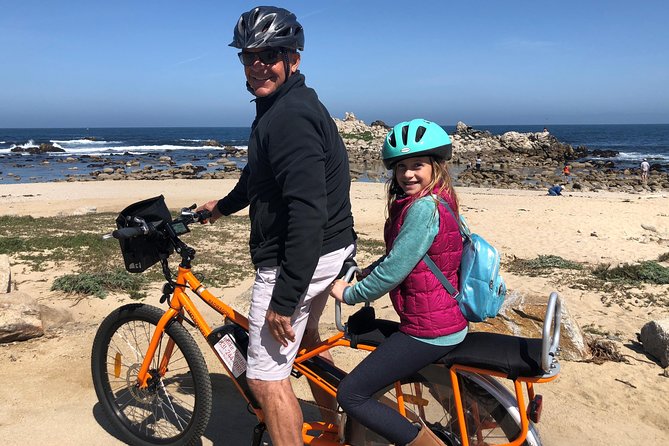
- Family-friendly tandem option so kids can ride without needing to pedal the whole coast
- Small-group pacing that keeps you from feeling rushed at scenic pull-offs
Where the tour starts: Big Sur Adventures and your first few minutes matter
The tour meets at Big Sur Adventures, at the 17 Mile Drive shop just up the hill from Asilomar State Beach. This is helpful because you start with a real coastal vibe right away—you’re not trekking across town before you get to the good stuff. Check in, get matched with your bike, and then get ready for the calm learning curve of an electric ride.
You’ll be handed a helmet and gloves, plus a free bottle of water strapped to the e-bike. That small setup makes a difference. You can focus on riding and photos instead of worrying about what you forgot.
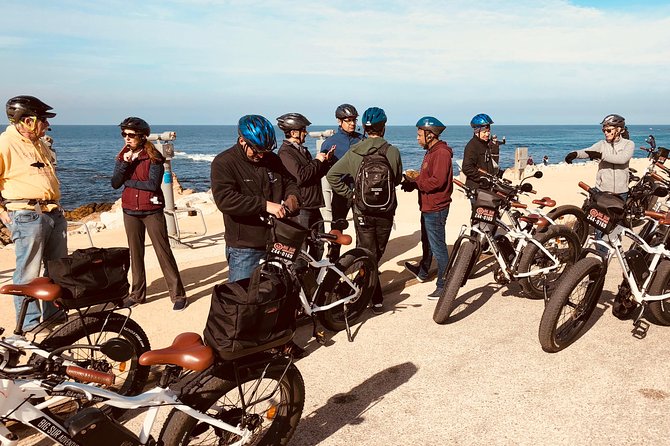
Once you roll out, your guide helps you get oriented before the route picks up. You’ll be asked to ride with awareness near turns and intersections, and the pacing is clearly set so everyone can feel in control.
You can also read our reviews of more tours and experiences in Monterey and Carmel.
Why an e-bike is the smart way to see 17-Mile Drive
17-Mile Drive by car is scenic, but it’s also a lot of stopping and re-starting while you scan for the next pull-off. On an e-bike, you keep moving while still having time to look. That means less time stuck between viewpoints and more time enjoying the in-between coastline smells, ocean sound, and that slow-motion feeling of cruising.
The big benefit is effort control. You can pedal as much or as little as you want. The motor helps smooth out the ride along oceanfront paths so the trip stays fun even if you’re not a regular cyclist.
And because you’re not burning energy just to keep going, you’ll likely enjoy the wildlife stops more. When your brain isn’t tired from pedaling, you actually notice what’s out there—then you get context from your guide about what you’re seeing.
The Pacific Grove beach start: warm-up miles and big ocean energy
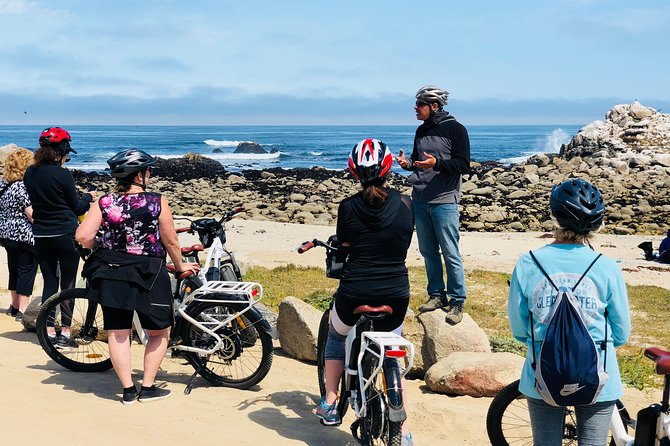
Early on, you’ll ride along the beach area with the ocean right beside you. Expect surfers, people soaking up sun, and nonstop wave views. It’s the kind of start that gets your camera out fast, but it also sets you up for what’s coming: a long run of oceanfront pathways where you want to stay relaxed and steady.
Before the route stretches into the most scenic ocean parts, there’s a bit of warming-up riding. The idea is simple: get comfortable on the bike first, then move into the highlights while your legs and balance feel ready.
You’ll pass a cluster of famous points along the way, including the Ghost Tree lookout area on the intermediate version and the coastal stretches that sit high enough to give wide Pacific views.
Spanish Bay to Bird Rock Vista: history, wildlife, and short photo stops
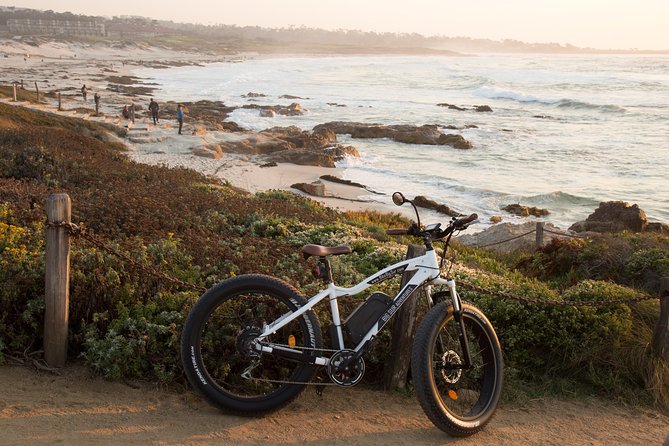
This part of the tour is built like a good coastal soundtrack—short moments, then a new view, then another animal cue. You’ll hit Spanish Bay with a quick stop at the white sand and a story about the early explorers who landed here. It’s brief, but it’s the kind of stop that helps the coast feel like more than a pretty drive.
Next is Restless Sea, where your guide encourages quick snapping moments and asks you to look for sea otters. After that, Point Joe gives you a straightforward look-out-view stop where the ocean does most of the talking.
Then comes China Rock, tied to what used to be an old Chinese fishing village. It’s quick—about a minute—but it adds human depth to a coastline that can otherwise feel purely visual.
Bird Rock Vista Point: the wildlife break you’ll be glad exists
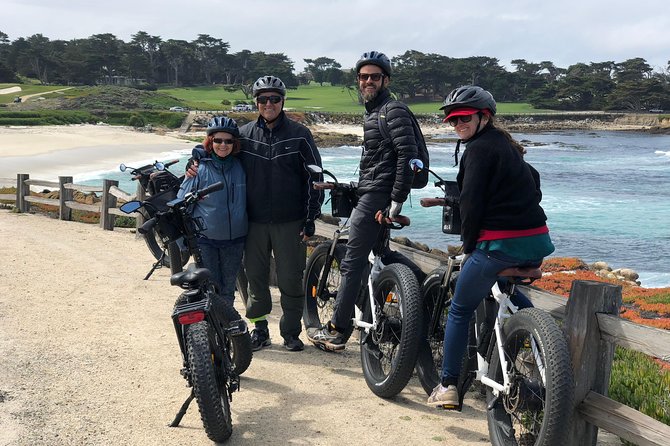
Bird Rock Vista Point is a key stop because it’s longer—about seven minutes—and it gives you a restroom break. That matters on a 3-hour tour. A quick body reset means you can stay engaged instead of counting the minutes until you’re done.
You’ll also get a wildlife-focused moment. Your guide helps you identify what you’re seeing and share facts about the rocks and animals in the area. This is one of the best times to slow down, look out over the water, and catch movement—especially if sea lions are near the waterline.
On some intermediate runs, you may also get an extra sea otter lookout stop afterward. If you’re traveling in spring, be aware that a nearby sea otter point can be closed to protect harbor seals during pup season. When that happens, your guide will adapt so you still get the best possible version of the route.
Lone Cypress and Cypress Point Lookout: the classic photo line, timed right
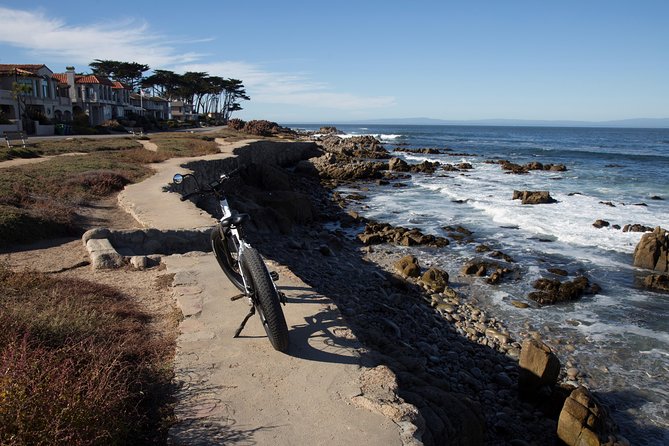
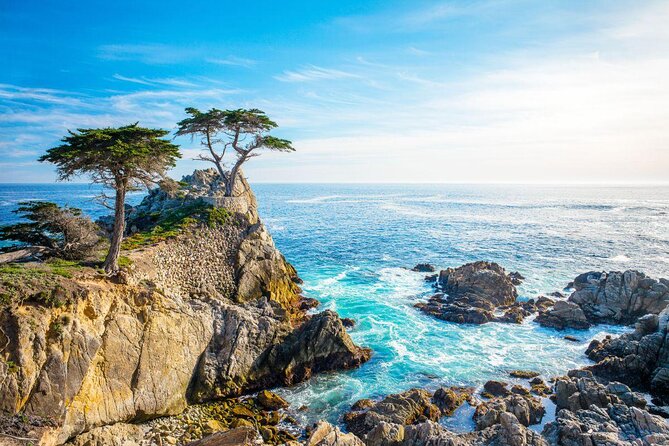
The Lone Cypress stop is famous for a reason: it’s a 250-year-old tree connected with the Pebble Beach brand story. You’ll likely see why it gets photographed again and again—standing off the coast with that perfect silhouette against the horizon.
From there, you can roll into Cypress Point Lookout on certain tour times (listed as 9:30, 12:30, and 3:30). This is another sea otter lookout moment, plus a chance to learn more about the Cypress Point Country Club area. On clear days, you can see as far as the Point Sur Lighthouse in Big Sur, which makes the viewpoint feel extra rewarding.
Timing can affect this stop. Sometimes it closes due to events at Pebble Beach, so you might get a different adjacent moment instead. The lesson for you: don’t plan your day around one single photo spot—this tour works better when you’re open to the ride adapting.
Hole 16, Monterey Cypress canopies, and why the pace feels different on a bike
If your tour version includes it, you may pass the famous Hole #16 green at the Pebble Beach golf course. Even if you’re not a golfer, the visual is wild—players driving over the Pacific to a small patch of grass surrounded by bunkers. Your guide gives the quick context so it makes sense fast.
Then you’ll cycle through curvy roads shaded by old Monterey cypress trees. This is less about a single viewpoint and more about how the ride feels. In that tunnel of trees, you get cooler air, calmer visuals, and a break from constant horizon scanning.
On faster-riding intermediate tours, this is also where the day can feel a touch quicker. The key is that your guide still manages intersections and slows down where needed so the group stays together.
Ghost Tree, Pescadero Point, and the scenic finish to Pebble Beach Market
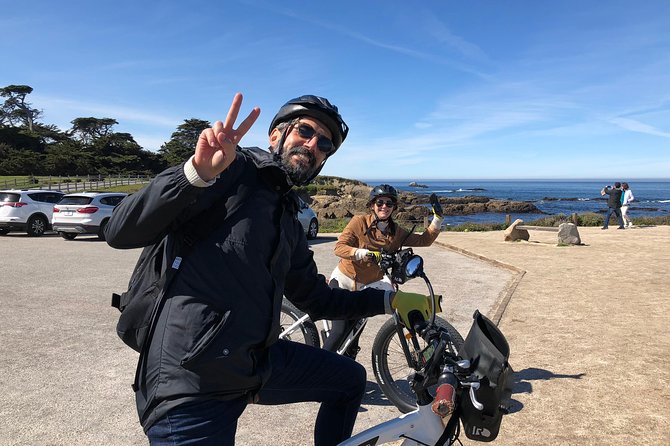
If your intermediate route includes it, Ghost Tree adds a bonus stop. It’s positioned for amazing views toward Point Lobos and Carmel Bay. It also feels like a reward stop—by the time you reach it, you’ve already built a rhythm of looking, listening, and learning.
If there’s time, Pescadero Point may come next, with a short walk-out option. On a bike tour, these little walkouts can be a big payoff because you get one more angle without adding a huge chunk of time.
Depending on timing, you may also ride past the Pebble Beach Lodge for a quick look at shops if there’s time.
Finally, you reach Pebble Beach Market, the tour’s “nurture” break with about 15 minutes to relax. This is where you can grab coffee or gelato and look out over Carmel Bay from the tables. It’s not just a food stop—it’s a reset button so you roll back feeling refreshed.
The return ride: Oceanview Boulevard and the point of having a guide
After the Market stop, you head back to the meeting point along Pacific Grove Oceanview Boulevard. The return ride is where a guide shines again. Even if you’ve seen a lot already, your guide keeps the group together and helps with safe riding decisions.
This is also where you’ll appreciate why the tour is structured. If you tried to DIY the full coast, you’d spend more time second-guessing where to go, what to skip, and how long each stop would take. Here, you get a smooth flow of viewpoints and breaks.
Beginner-friendly family variant: Monterey Bay Recreation Trail and the John Denver/Lovers Point combo
The tour also runs a beginner-friendly, family-friendly version that shifts the emphasis from long oceanfront cruising to easy coastal paths and easy “look and learn” stops. If you’re traveling with younger riders, this is where you’ll want to pay attention to the tandem setup and the softer pacing.
Instead of the intermediate oceanfront section, you’ll focus on riding bike lanes and ocean views with less intensity. One stop that fits the family vibe is John Denver Memorial, which ties the singer’s connections to the area and points to the story around his passing. You’ll then spot an oldest continually operating lighthouse on the west coast with a quick photo moment.
A bit later, Lovers Point becomes a signature scenic stop for ocean views. Then the ride can include Esplanade Park for a photo of Kissing Rock. From there, you keep cycling with the ocean to one side and golf course scenery to the other.
Built for kids (and adults who travel with kids): tandem rules that actually help
If you’re coming as a family, this tour has a practical feature: the tandem option. You can ride with a child tandem passenger as long as the child is up to 120 lbs (54 kg). The rules also set a clear maximum for combined tandem weight of 350 lbs, and a max rider weight of 350 lbs for solo riders.
Kids can’t necessarily ride solo immediately. The minimum age to ride solo is 12 years, while younger riders can join on tandem. The minimum age overall is 1 year, but the data also notes that a child rate applies only when riding tandem with a paying adult.
So if you’ve got kids who are excited about the scenery but not ready to pedal the entire coastline, this setup is one of the easiest ways to include them without turning the day stressful.
Value check: what $59 buys you in time, gear, and peace of mind
At $59 per person for about 3 hours, the value is in what’s included and what you avoid. You get the e-bike, helmet, gloves, guide, and bottled water—so you’re not hunting down rentals, extra gear, or trying to map your own 17-Mile stops from scratch.
For many people, the hidden value is the guide’s pacing and safety awareness. Several guides named in recent feedback—like Flo, Suzy, Zane, and Katie—are praised for being attentive and patient, especially for riders who are new to e-bikes. That can be the difference between a day that feels like a fun coast cruise and a day that feels like you’re constantly nervous.
If your goal is the scenery plus the context, guided is a strong choice. If your only goal is driving the coastline and you don’t care about timing or wildlife explanations, you might find a DIY approach works. But for most first-timers, the guide makes the whole route feel easier.
What to wear and know before you go
Dress for the ocean. It can be chilly along the coast, and you’ll want layers even if the rest of your trip feels warm. The ride is outdoors and open-air, so wind matters.
Bring your photo ID, and plan to sign a waiver. Service animals are allowed, and confirmation is provided at booking time.
Also, expect a small-group feel. The activity notes a maximum of 12 travelers, which usually keeps the group manageable for safety and stop timing.
Should you book the 17-Mile Drive guided e-bike tour?
Yes, if you want the best mix of iconic scenery and practical riding. This is a strong pick for couples who want an active but not exhausting way to see the coast, and it’s also a great fit for families because the tandem setup supports younger riders.
If you hate the idea of any route variation, or if you’re the type who wants every single mile in a loop, you may feel slightly frustrated. Some stops can close for wildlife protection or events, and the intermediate version may focus on the most scenic oceanfront segments rather than every stretch of the full drive.
My advice: book it if you want the coast with fewer decisions and more “turn here, look there” guidance. Bring layers, keep your camera ready, and let the guide do the heavy lifting of routing and wildlife spotting.