REVIEW · ATLANTA
Atlanta’s Black History and Civil Rights Tour
Book on Viator →Operated by Roundabout Atlanta Tours & Transportation · Bookable on Viator
Black history hits different when it moves. This half-day tour connects Atlanta’s key Black neighborhoods, Civil Rights landmarks, and major city sights in a small-group format. You get an air-conditioned ride, guided stops for selfies, and a route that helps you see both the famous names and the places people remember for generations.
I love how quickly it helps you get your bearings—from Downtown’s civic core to the Olympic-era attractions—without bouncing between apps all afternoon. I also like the balance of stops: photo-friendly moments like Tyler Perry Studios, plus real context at places tied to the Civil Rights era and the MLK story.
One consideration: the schedule is tight. If your group gets stuck in traffic or a stop runs behind, you may feel some moments are rushed—especially around the lunch/market time.
In This Review
- Key Things to Know Before You Go
- Why This Four-Hour Route Hits Hard (Without Feeling Like a Lecture)
- Meeting at Atlanta Marriott Marquis: The Easiest Start in Town
- Olympic-Era Atlanta: World of Coke to Skyline Views
- Sweet Auburn, Five Points, and the City’s Starting Line
- Olympic Cauldron Tower and a Hank Aaron Tie-In
- Tyler Perry Studios and Madea House: Great Photos With Real Entry Limits
- West End Historic District: Pro-Black Neighborhood Energy You Can See
- HBCU Loop and Film Locations at Atlanta University Center
- Art Streets, Local Flavor Stops, and the Castleberry Back Lots
- Civil Rights Landmarks: From Headquarters to Churches to Daily Newspapers
- Municipal Market Lunch Stop and Grady Hospital Area
- Martin Luther King Jr. National Historic Site: The Core Stops
- What $74 Buys You—and How to Get the Most From It
- Who This Tour Fits Best (And Who Might Want a Different Pace)
- Should You Book This Atlanta Black History and Civil Rights Tour?
- FAQ
- How long is the Atlanta Black History and Civil Rights Tour?
- What tour times are offered?
- Where do I meet the tour?
- What’s included in the price?
- Are any admission tickets required?
- Is lunch included?
- Is parking available near the meeting point?
- What should I bring for weather?
- What is the cancellation policy?
Key Things to Know Before You Go
- Air-conditioned, efficient route: less time in transit, more time out the door for photos and quick looks.
- 3–5 short stops for exploring: designed for photos, selfies, and brief on-foot moments rather than long museum hours.
- HBCU focus at Atlanta University Center: you’ll see several colleges in the same loop, plus film-location stops.
- Civil Rights landmarks plus art streets: you get both the major sites and the neighborhood signals like churches, murals, and historic districts.
- Free photo stops with real entry rules: Tyler Perry Studios access is limited by day/time, and you’ll stick to the welcome entrance area when applicable.
- Good value at $74 for a 4-hour guided run: bottled water is included, and a local driver guides you through tight geography fast.
Why This Four-Hour Route Hits Hard (Without Feeling Like a Lecture)
This is the kind of Atlanta tour that works because it’s built for your time. Four hours sounds short until you realize how far spread-out a lot of the landmarks are. Here, you’re using the vehicle to do the long stretches and saving the walking time for the moments that actually need it.
The best part is the mix. You won’t just sit at a single Civil Rights site for your whole afternoon. Instead, you connect themes across neighborhoods: Downtown civic buildings, the story neighborhoods like Sweet Auburn/Five Points area, the pro-Black West End district, the Atlanta University Center colleges, and then the MLK National Historic Site.
And since it’s a small group (max 27), you’re not stuck feeling like a seat-number in a line. You’ll have chances for selfies and quick photos at several stops, with guidance on what to look for.
You can also read our reviews of more tours and experiences in Atlanta.



Meeting at Atlanta Marriott Marquis: The Easiest Start in Town
Your pickup is at Atlanta Marriott Marquis (265 Peachtree Center Ave NE). It’s a practical choice: it’s in Downtown, easy for rideshare drop-offs, and convenient if you’re using MARTA.
Plan your timing like a local pro. Arrive 25–30 minutes early. It sounds like overkill until you’re trying to coordinate parking, finding the group area, and getting everyone together before the vehicle pulls away.
A few useful on-the-ground notes:
- Parking is available but not free, and lots/garages are about one block away with rates running $10–$30.
- The lobby has clean restrooms and a Starbucks, but it’s only listed as operating 6am–1pm only.
- Bottled water is included, so you don’t have to hunt immediately for hydration.
If you’re doing the afternoon tour, I’d still arrive early. These tours run on tight timing, and leaving “a few minutes” for settling in often turns into “we’re already moving.”
Olympic-Era Atlanta: World of Coke to Skyline Views
The tour kicks off around the Centennial Olympic area and the attraction hub. Think World of Coke and Georgia Aquarium territory, plus the big Downtown anchors like CNN and nearby landmarks you’ll see from the road.
What I like about starting here is how it sets up contrast. Atlanta’s modern identity shows up fast. Then the route keeps widening the context—so you’re not only seeing shiny big-city attractions. You’re also learning how Black Atlanta shaped the city’s story while Atlanta modernized around it.
As the driver moves through the Centennial Olympic sights, you’ll get views of major stadiums and arenas, including Mercedes-Benz Stadium, CNN Center, and State Farm Arena. Even if you’ve seen photos online, this is the moment where it turns into place: where you are, how the districts connect, and why certain areas matter.
Sweet Auburn, Five Points, and the City’s Starting Line
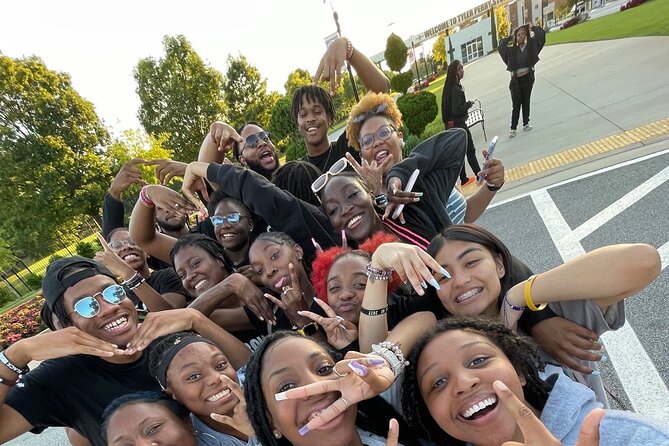
One of the most meaningful segments is the route through the area often described as where Atlanta began, including the Five Points District and the connection to the Birthplace of Coca-Cola.
This stop is valuable because it turns a tourist fact into a timeline. Coca-Cola might be the headline, but your guide can connect it to local Black community life and the growth of neighborhoods that became anchors for culture, business, and everyday history.
Then you head toward Downtown’s Government Center area, with major landmarks like Atlanta City Hall, Fulton County Courthouse, and Georgia Depot. This part matters because Civil Rights didn’t happen in isolation. It happened next to the civic systems—courts, offices, and institutions—where change had to be demanded, argued for, and enforced.
Olympic Cauldron Tower and a Hank Aaron Tie-In
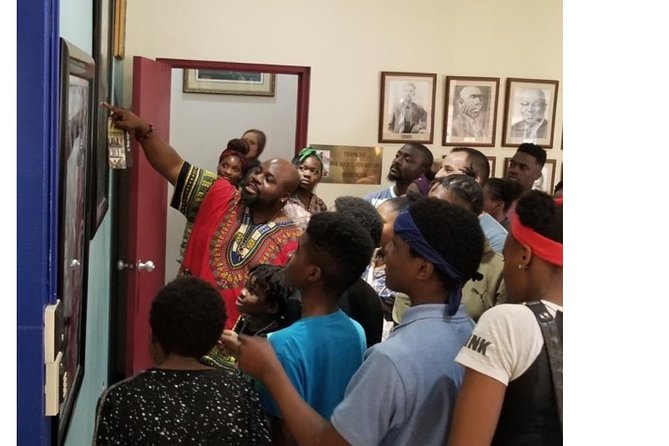
The tour includes the Olympic Cauldron Tower, plus the Olympic Stadium & Torch moment. The stop is short (about 5 minutes) and the ticket is listed as free.
Here’s what makes it more than a quick photo: the route also ties into Atlanta’s sports and community story. You’ll hear references including Fulton County Stadium, Hank Aaron, and Historic Summerhill. If you like history that’s connected to real people instead of only dates on plaques, this is the kind of stop that works.
Practical tip: keep your camera ready. These photo opportunities can be fast, and it’s easier to grab shots when you’re not digging for your phone at the curb.





Tyler Perry Studios and Madea House: Great Photos With Real Entry Limits
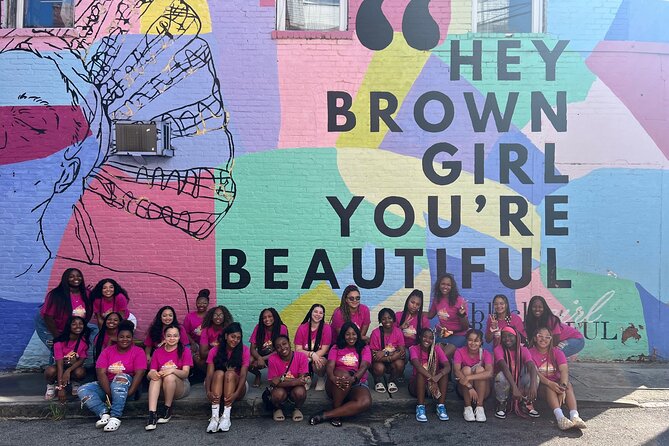
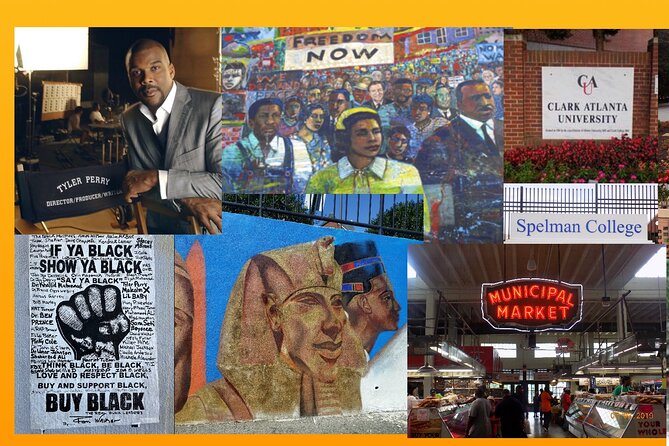
This is one of those sections where expectations matter. The tour stops at Tyler Perry Studios for selfies and group photos. Access is free, but entry is restricted: visitors are only allowed in the studio welcome entrance area after 5pm Friday, all-day Saturday and Sunday, and on holidays. Otherwise, you’ll likely stay in a viewing/photo-friendly area.
Then you get a quick stop at Madea’s House, described as the original house used in Tyler Perry films like Diary of a Mad Black Women and Family Reunion. It’s also a short stop (about 5 minutes).
If you’re going for photos, this is fun. If you’re going expecting a full studio walkthrough, you might feel a little let down. Your best move: treat these as photo-and-context stops, not a ticketed attraction.
West End Historic District: Pro-Black Neighborhood Energy You Can See
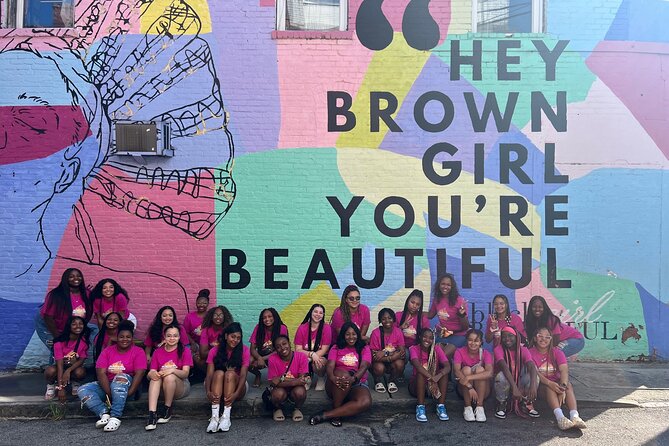
The tour spends time in West End Historic District, about 20 minutes. This is where the vibe turns from landmark sightseeing into neighborhood observation.
You’ll see:
- Beautiful Victorian homes
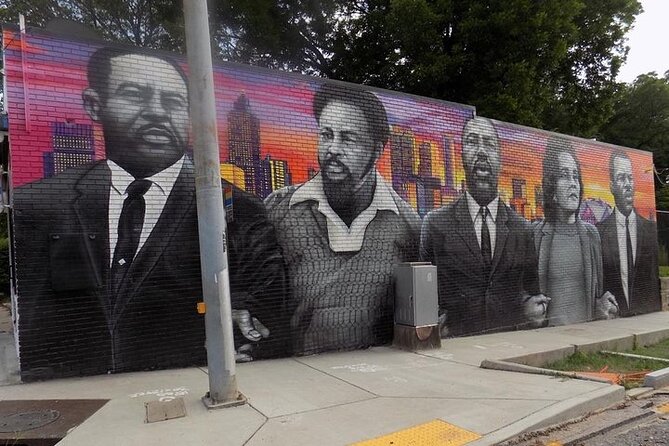
- Street art murals
- Local Black-owned businesses
I like this stop because it gives your brain something to compare against. Downtown is concrete and civic. The Olympic area is big-scaled. West End is lived-in, detailed, and human. It helps you understand Atlanta as more than a map of famous points.
HBCU Loop and Film Locations at Atlanta University Center
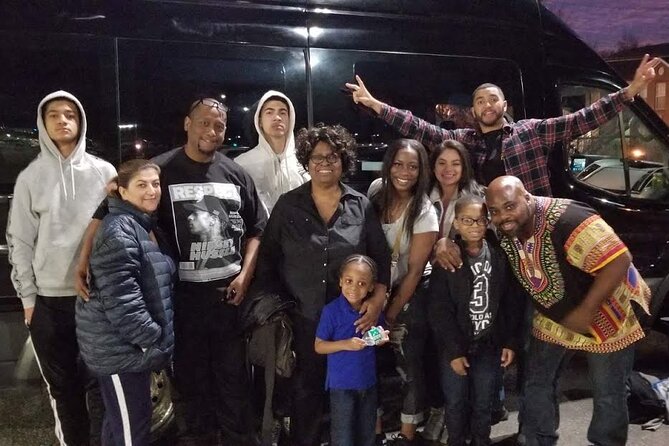
Another highlight is the Atlanta University Center—the consortium described as the largest in the country. Your route can include multiple colleges in the same sweep, including:
- Morehouse College
- Spellman College
- Clark Atlanta University
- Morris Brown College
- Interdenominational Theological Center
- Morehouse School of Medicine
The tour also notes famous film locations around this area. That combination works well for two kinds of travelers: the ones who care about education history and the ones who recognize Atlanta’s movie-set presence.
If you’re the type who loves to understand how places connect, this portion can stick with you longer than you expect. When you see several schools in one guided route, it’s easier to grasp how this campus cluster functioned as a hub for community life and change.
Art Streets, Local Flavor Stops, and the Castleberry Back Lots
Between Civil Rights landmarks and major institutions, you’ll also hit a stretch designed for relaxed enjoyment and quick photos. The tour lists a set of nearby stops and local spots such as:
- Paschal’s Restaurant
- Old Lady Gang (OLG) Restaurant
- The Glam Shop
- Frost Bistro & Bar
- Escobar Restaurant & Tapas
- The Castleberry filming back lot
This is the part that turns the tour from purely instructional into memorable. You’re not just looking at history; you’re seeing the places where people eat, shop, and hang out today. It also helps if you’re traveling with people who want learning but still need a few fun breaks.
One more thing: if your group includes people who like to take photos in front of recognizable places, this section gives you more chances to get them without feeling like you’re sprinting from stop to stop.
Civil Rights Landmarks: From Headquarters to Churches to Daily Newspapers
This tour doesn’t only point at one museum. It strings together multiple Civil Rights-linked places—schools, restaurants, businesses, Civil Rights headquarters, and even soldiers’ residences.
Then it moves into another set of major references, tied to areas described as historic and once extremely important for Black life in Atlanta. You may pass or stop near places such as:
- Woodruff Park
- Atlanta Daily World (noted as the first Black daily newspaper)
- Atlanta Life
- Apex Museum
- Royal Peacock
- SCLC Headquarters
- Historic Black churches
- Civil Rights art murals
- Famous movie locations
This is the section I’d recommend paying extra attention to. The theme is continuity: Civil Rights organizing showed up through institutions, media, churches, and community spaces—not only through speeches.
If you enjoy context, this tour format helps you connect the dots. It’s easier to remember the story when you see how it lived in different kinds of places.
Municipal Market Lunch Stop and Grady Hospital Area
At around the middle of the tour, there’s a stop at The Municipal Market (about 30 minutes). Lunch is optional, but this is a solid place to eat because the market setting makes it easy to choose something fast without hunting across town.
The tour lists lots of possibilities, including Soul food, BBQ, New Orleans-style options, seafood, West African and Asian cuisines, and herbs/spices. In other words, you can match your mood—spicy, comfort-food, or something lighter—without turning your lunch into a side trip.
This segment also includes nearby references such as Grady Hospital and Butler Street YMCA (listed with the stop). Even if you don’t go inside, seeing how these sites connect to the Civil Rights story can add weight to what you’ve already learned.
Practical advice: if you tend to get hungry faster than your group, eat before the tour. Some stops are short, and lunch time is only what it is.
Martin Luther King Jr. National Historic Site: The Core Stops
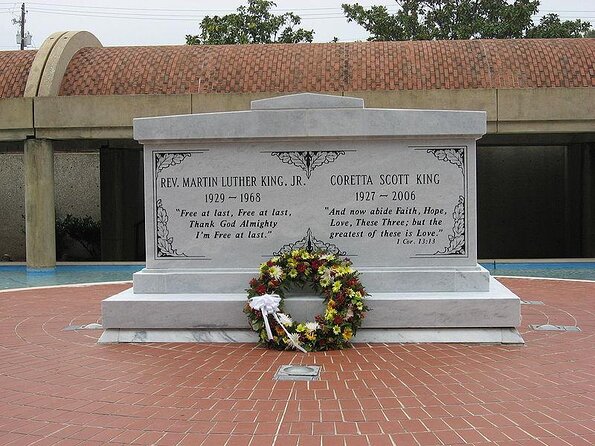
The final major anchor is the Martin Luther King Jr. National Historic Site, with about 30 minutes on-site. Ticket is listed as free.
You’ll see key places tied to MLK’s life and legacy, including:
- Ebenezer Baptist Church
- MLK’s Birth Home
- The King Center
- The Visitors Center and other listed areas
This segment matters because it brings the story back to its most recognizable center. After passing civic buildings, neighborhoods, HBCUs, and Civil Rights-linked areas, the MLK National Historic Site helps you make sense of why those earlier stops weren’t random—they were part of the same larger movement.
If you want one photo “keeper shot,” this is where you should slow down and take it. Don’t rush it. Give yourself a minute to read signs and take in the setting.
What $74 Buys You—and How to Get the Most From It
For $74 per person over about 4 hours, you’re buying three things: time saved, guided context, and efficient geography.
Here’s the value math in plain terms:
- Without a guided vehicle route, you’d likely spend more time in transit and more money piecing together rides between areas.
- You get an air-conditioned vehicle, bottled water, and guided stops with a plan (3–5 exploration/photo moments, plus lunch optional).
- The biggest “value” isn’t just seeing places. It’s understanding why those places connect, in a city where the story is spread across districts.
What can reduce value? The tight schedule. The tour is designed for short visits, so if you want long museum time or hours inside buildings, you’ll need additional independent time after.
Also pay attention to comfort basics. The tour runs in all weather, and a light rain recommendation includes bringing an umbrella or rain poncho. Extreme weather could lead to reconfirmation, so keep your voucher contact info handy.
Who This Tour Fits Best (And Who Might Want a Different Pace)
This tour is a great match if you:
- Are visiting Atlanta for the first time and want the story thread fast
- Want photo-friendly stops without giving up on context
- Travel with a mix of interests—history people and “show me where to take pictures” people
- Care about Civil Rights landmarks plus modern-day Black neighborhoods and institutions
It may be less ideal if you:
- Want a deep, hours-long focus on only one site
- Hate short stops and prefer one-location pacing
- Are counting on full indoor access at places with time-based entry rules (like Tyler Perry Studios)
Should You Book This Atlanta Black History and Civil Rights Tour?
Book it if you want a guided route that turns Atlanta into a connected narrative. In a few hours, you’ll get Downtown’s civic core, neighborhood landmarks, HBCU context, Civil Rights site references, and a strong close at the MLK National Historic Site.
I’d skip it only if you know you want long indoor time at museums, or if you strongly dislike tight schedules and quick stops. Otherwise, this is one of the best ways to get your bearings fast and leave with a clearer map of what matters and why.
FAQ
How long is the Atlanta Black History and Civil Rights Tour?
It runs about 4 hours.
What tour times are offered?
The morning tour is listed as 10:00am–2:00pm, and the afternoon tour is 1:30pm–5:30pm.
Where do I meet the tour?
Meet at Atlanta Marriott Marquis, 265 Peachtree Center Ave NE, Atlanta, GA 30303.
What’s included in the price?
Included items are an air-conditioned vehicle, a driver/local guide, 3–5 stops for exploring and selfies (with lunch stop optional), and bottled water.
Are any admission tickets required?
The tour notes free admission for certain stops, including the Olympic Cauldron Tower and the Martin Luther King Jr. National Historic Site. Other stops listed are also noted as free.
Is lunch included?
Food is not included. There is a lunch stop at The Municipal Market with many food options, and you can choose what to buy.
Is parking available near the meeting point?
Parking is available near Atlanta Marriott Marquis, but it isn’t free. Parking lots/garages are about one block away, with rates listed around $10–$30.
What should I bring for weather?
The tour operates in all weather. For light rain, bring an umbrella or rain poncho.
What is the cancellation policy?
You can cancel for a full refund up to 24 hours before the experience starts.