
REVIEW · ATLANTA
Martin Luther King Jr. History Walking Tour
Book on Viator →Operated by Unexpected Atlanta Tours & Gifts · Bookable on Viator
Follow King’s footsteps through Atlanta’s Sweet Auburn. This Martin Luther King Jr. themed history walking tour is a smart way to connect the Civil Rights movement to real places, with the Martin Luther King Jr. National Historic Site and the King Center as the emotional core. I especially like how the route keeps you moving through meaningful stops with story-driven pacing, and how the views from Jackson Street Bridge give you a sense of the city beyond the monuments. One catch: it’s still a long-ish walk (about 1.5 miles), and you’ll be standing for stretches, so plan comfy shoes and water.
You start in a neighborhood built for walking, and the size stays intimate, with a max group of 14. You’ll get a mobile ticket and English-only guiding, with the tour running rain or shine. If you’re hoping for every interior, keep expectations flexible—some national-park buildings can close at any time due to staffing.
In This Review
- Key Highlights That Make This MLK Walking Tour Worth Your Time
- Sweet Auburn Makes the Civil Rights Story Feel Close
- Start at Historic Ebenezer Baptist Church Exterior, Then Step Into the MLK National Historic Site
- Prince Hall Grand Lodge and Jackson Street Bridge: Institutions Plus Perspective
- Two Hours in Sweet Auburn: The Walk Is the Point
- King Center and the International Civil Rights Walk of Fame: Seeing Names Become Footprints
- Price, Timing, and What $40 Buys You in Real Terms
- Small Logistics That Make a Big Difference During Your Walk
- Who Should Book This MLK Tour (and Who Might Skip It)
- Final Call: Should You Book This Martin Luther King Jr. Walking Tour?
- FAQ
- How long is the Martin Luther King Jr. History Walking Tour?
- Where does the tour start and end?
- Is the tour entirely in the Sweet Auburn neighborhood?
- What sites and landmarks are included?
- Are admission tickets included?
- What’s the walking distance like?
- Does the tour run in bad weather?
- Is it available in English?
- Do I need transportation to get there?
- What if I cancel my booking?
Key Highlights That Make This MLK Walking Tour Worth Your Time

- Sweet Auburn route that ties together work, community, and legacy across the neighborhood
- Stops built around major landmarks like Ebenezer Baptist Church (exterior) and the King Center
- A strong “see and understand” flow, including time at the Jackson Street Bridge viewpoint
- The International Civil Rights Walk of Fame, where you connect names to footprints
- A guide-led storytelling format that keeps the walk from feeling like a checklist
- Small group energy (max 14) so questions and pacing feel manageable
Sweet Auburn Makes the Civil Rights Story Feel Close
This tour works because Sweet Auburn isn’t just a backdrop. It’s where you can mentally map how church life, politics, and community efforts collided—and then see how Atlanta’s version of the Civil Rights movement shaped national events.
The tour’s format helps, too: it’s a focused walking route rather than a car ride that rushes past key sites. That means you get time to slow down, look up, and connect details—like where offices were located, what buildings represented to the community, and why specific places mattered to Dr. King and other leaders.
Also, the guide component matters. When a guide brings the story into clear, human-scale moments, you stop treating these sites like “history stops” and start treating them like places where real people made real decisions under pressure. From what you’ll encounter on this walk, you’re not just learning dates—you’re learning why choices in Atlanta echoed far beyond Atlanta.
Who this suits best: first-time visitors who want context fast, and return visitors who want to see how the sites connect into a bigger narrative.
You can also read our reviews of more tours and experiences in Atlanta.



Start at Historic Ebenezer Baptist Church Exterior, Then Step Into the MLK National Historic Site
You begin at 450a Auburn Ave NE, and the tour starts with an exterior stop at Historic Ebenezer Baptist Church. That matters because the church isn’t just an architectural landmark here—it’s a cultural and political anchor. Even from the outside, you get the sense that this was a central meeting place and a megaphone for the community.
From there, you move to the Martin Luther King Jr. National Historic Site. The pacing is built for orientation: you get an overview, then a guided walk through different areas within the site.
A practical note: even if you plan your day carefully, national-park buildings can close at any time due to staffing shortages. So think of your time at this stop as “guided access to the site experience,” not a guarantee that every single room will be open. If something you expected to see is closed, a good guide will still help you connect what’s available to the larger story.
One of the best things about ending up here is the emotional stacking effect. Earlier stops give you context (leadership, community institutions, the setting), and the National Historic Site helps everything land. Guides on past tours have also helped people feel how the story continues beyond speeches—especially when the walk reaches the more solemn parts of the visit. If you’re the type who likes to reflect, this is where you’ll naturally slow down.
Prince Hall Grand Lodge and Jackson Street Bridge: Institutions Plus Perspective
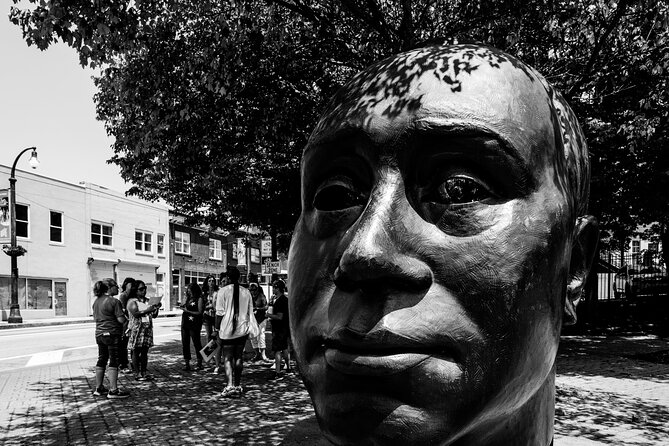
Midway through, you’ll stop near the Prince Hall Grand Lodge area. This is one of those moments where the tour earns its place on your schedule. You’re taking in an exterior view of the historic building that was associated with Dr. King and Congressman John Lewis’s offices, plus the presence of a historic Madam CJ Walker Beauty Salon.
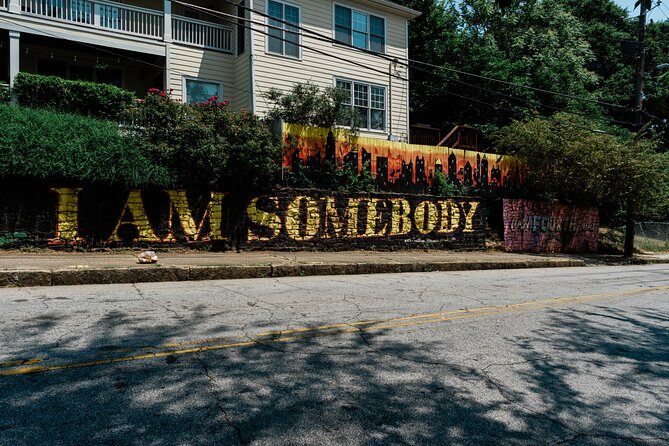
That mix is the point. This neighborhood story isn’t only about one figure—it’s about networks. You’re seeing how leadership lived side-by-side with organizing spaces and entrepreneurship. It’s also a reminder that Civil Rights work depended on more than marches; it depended on people building institutions, offices, and community power.
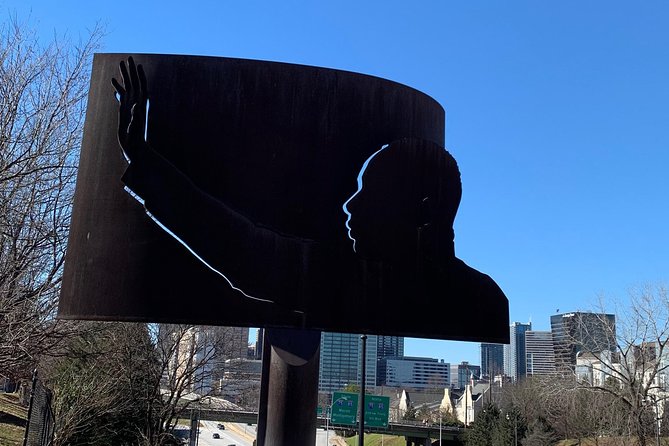
Next comes one of the most enjoyable segments: Jackson Street Bridge. This stop is short, but it’s timed well—10 minutes of city views that you simply can’t replicate as easily on your own without knowing where to stand. If you take photos, this is a good moment for them. The bridge gives you that “Atlanta in context” perspective, not just a look at one landmark at a time.
Practical expectation: like most city viewpoints, it’s best to dress for wind and sun changes. If it’s hot, this is also a place where you’ll appreciate the tour’s pace and the way guides keep the group together.
Two Hours in Sweet Auburn: The Walk Is the Point

A big portion of the experience happens in Sweet Auburn itself—about two hours of walking within the neighborhood, with multiple points of interest along the way. This is where the tour stops being “three attractions” and becomes a story you can feel in your legs.
You should expect a total walk of about 1.5 miles with small hills. In other words, this isn’t a flat mall stroll. It’s manageable for many people, but the right prep makes a difference:
- Wear comfortable shoes you’ve already broken in
- Bring a charged phone for photos and the mobile ticket
- If it’s warm, plan for brief stretches of sun (even when guides find shade when they can)
What makes this part valuable is the neighborhood rhythm. Driving would flatten the experience. Walking gives you time to notice street layout, distances between key spaces, and how a community moves through everyday life. The guide uses those cues to explain why certain locations mattered, and you end up understanding how the movement fit into everyday geography.
If you’re a curious traveler who asks questions, this portion is where those conversations usually pop up. Guides often keep the pace conversational, and the group size makes it easier to get answers without feeling like you’re interrupting.
King Center and the International Civil Rights Walk of Fame: Seeing Names Become Footprints
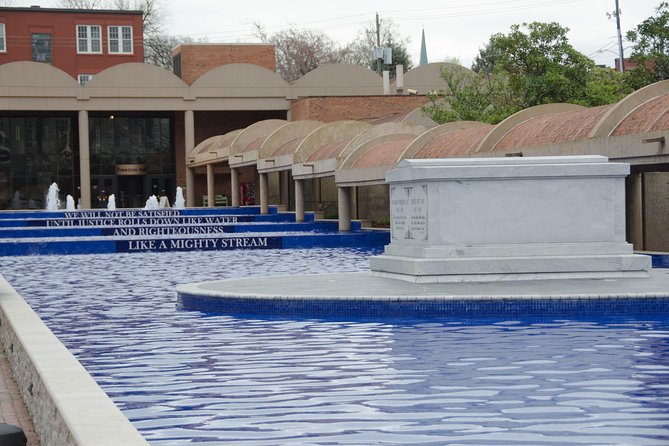
The King Center is a key stop, and it’s built into the plan with practical timing. The site operates 10–5, seven days a week. That’s useful if you’re visiting on a day where you don’t want to gamble on limited hours.
This stop tends to do two jobs at once. First, it grounds you in the legacy of Dr. King and Coretta Scott King. Second, it helps the earlier stops feel more complete—like you’re moving from “where leadership worked” to “how legacy was preserved.”
After that, you reach the International Civil Rights Walk of Fame. Here, the tour makes a clever connection: you see shoe prints tied to prominent Civil Rights leaders and link them back to the stories you learned along the route. This is one of those small-format tools that works surprisingly well. Your brain keeps the names, and your feet keep the memory of the place.
Guides have also used speech audio at meaningful points on the tour, which can make this section hit harder. Even if that moment varies by guide and timing, the effect is the same: you’re not just reading about history—you’re experiencing how the words and locations connect.





Price, Timing, and What $40 Buys You in Real Terms
At $40 per person for about 2 hours 30 minutes, this tour isn’t expensive for what you get. You’re paying for three things that add up quickly if you do them yourself:
- A guided narrative that links multiple sites into a coherent story
- Time-saving knowledge about what to notice and why it matters
- Included admission tickets for key stops along the route
And because the group is capped at 14, you’re not just buying access—you’re buying a more human pacing experience than big-bus tours.
Here’s the value perspective that matters most: you’re not only visiting landmarks. You’re learning how Atlanta’s Civil Rights movement operated through institutions, community spaces, and public leadership. That kind of understanding is hard to recreate from casual sightseeing, especially when you don’t know where to look or what to connect.
Small Logistics That Make a Big Difference During Your Walk
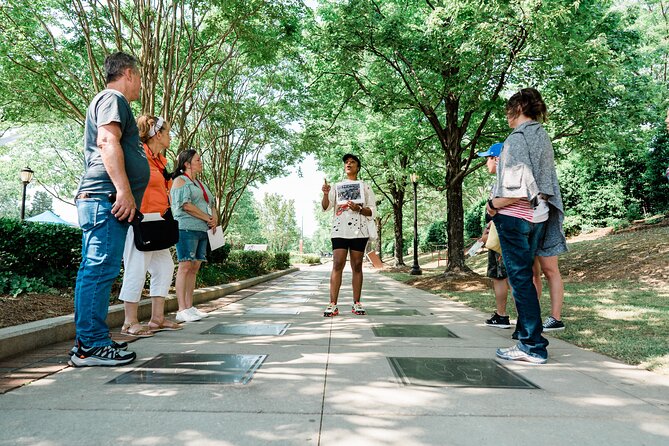
This tour runs rain or shine, so expect to walk through weather. Also, there’s no transportation provided to or from the tour. Plan to meet your group on foot or via public transit.
A few details to keep you comfortable and moving:
- Hydration helps: on past tours, guides have built in short breaks from heat and water moments
- Phone charge matters: you’ll want your mobile ticket ready and your battery for photos
- Check expectations on interiors: Ebenezer Baptist Church is exterior-only on this route, and National Park buildings may close
- Bring a question mindset: the best parts of this tour often come when you ask for clarification or context
For accessibility, the tour isn’t recommended if you can’t walk and stand for long periods. Service animals are allowed, and the start area is near public transportation.
Who Should Book This MLK Tour (and Who Might Skip It)
Book this if you want:
- A guided way to understand Dr. King’s Atlanta within the specific Sweet Auburn setting
- A walk that mixes major sites (National Historic Site, King Center) with context stops (Prince Hall Grand Lodge area)
- A short enough duration to fit into a busy Atlanta itinerary, but long enough to feel like real learning
You might skip it if:
- You hate walking or know you struggle with standing for stretches
- You want a fully interior, room-by-room museum style visit—this route is designed more around guided exterior context and site areas than guaranteed interior access
- You’re visiting with someone who needs constant step-by-step pacing changes
Final Call: Should You Book This Martin Luther King Jr. Walking Tour?
Yes, if you’re in Atlanta and want an MLK experience that connects places to people, not just places to postcards. This tour’s strength is its structure: it moves you through key landmarks, then uses the neighborhood walk to build context you’ll actually remember. At $40, it’s also a fair price for the admissions included and the guide-driven storytelling.
If you’re hoping for a relaxed, mostly flat walk with minimal standing, plan better or choose a different format. But if you can handle a couple of hours on foot and you care about understanding the Civil Rights movement in Atlanta’s real spaces, this is one of the clearest ways to spend your time.
FAQ
How long is the Martin Luther King Jr. History Walking Tour?
It runs about 2 hours 30 minutes (approx.).
Where does the tour start and end?
The tour starts at 450a Auburn Ave NE, Atlanta, GA 30312, and it ends back at the meeting point.
Is the tour entirely in the Sweet Auburn neighborhood?
Yes. The walk takes place entirely in the Sweet Auburn neighborhood.
What sites and landmarks are included?
You’ll have stops including the exterior of Historic Ebenezer Baptist Church, the Martin Luther King Jr. National Historic Site, the Prince Hall Grand Lodge exterior area, Jackson Street Bridge, the King Center, and the International Civil Rights Walk of Fame.
Are admission tickets included?
Yes. Admission tickets are included for stops listed on the tour (including the National Historic Site and other featured stops).
What’s the walking distance like?
The tour requires about 1.5 miles of walking with some small hills.
Does the tour run in bad weather?
It operates rain or shine. If it’s canceled due to poor weather, you’ll be offered a different date or a full refund.
Is it available in English?
Yes, it is offered in English.
Do I need transportation to get there?
No transportation is provided to or from the tour. You’ll need to make your own way to the meeting point. The start location is near public transportation.
What if I cancel my booking?
This experience is non-refundable and cannot be changed for any reason. If the experience is canceled because the minimum number of travelers isn’t met, you’ll be offered a different date/experience or a full refund.