REVIEW · CAPE MAY
Birding By Boat on the Osprey
Book on Viator →Operated by Cape May Back Bay LLC · Bookable on Viator
Salt marsh birds are easier when you’re on the water. In Cape May, New Jersey, I love how this birding by boat puts you right where migration traffic slows down in the salt marsh and backbay channels. You get wide sightlines into wetlands that most people only see from roads and distant overlooks.
Two things I really like: the close viewing you can get from a pontoon boat, and the way the guides help you spot what’s actually happening—on nests, mud flats, and along the marsh edges. If you’re into birds like ospreys, herons, and eagles, this tour is built for that kind of focused watching.
One possible drawback: this is a good-weather experience. If you hit fog, rain, or low visibility, birding can still be fun, but it may cut down on what you see clearly and what you can photograph.
In This Review
- Key takeaways before you go
- Cape May salt marsh birding from the water: why it’s special
- The 2-hour pontoon plan: what you do during the ride
- How the guide team finds birds (and makes you better fast)
- What you can realistically spot: ospreys, herons, eagles, and shorebirds
- Photos, binoculars, and the small choices that improve your view
- Timing details: April to October, plus longer weekend cruises
- Price and value: why $38 makes sense here
- Who should book this boat trip?
- Should you book Birding By Boat on the Osprey?
Key takeaways before you go
- A pontoon ride designed for wetland viewing, not a fast trip where you miss the small stuff
- Binoculars included so you can start watching right away
- Cape May migration country from the water, with chances at ospreys, herons, and even bald eagles
- Guides who put you at the right spots, helping you read marsh behavior instead of just naming birds
- Small group limits (up to 20), which keeps the boat experience relaxed
Cape May salt marsh birding from the water: why it’s special
Cape May is famous for migration, and the salt marsh is where the action gets slow enough to notice. From the shore, birds can look like moving dots. From the water, you get context—how birds use the edges, how they work the shallow water, and where they feed.
This boat tour runs through the coastal salt marsh behind Cape May and Wildwood. That matters because salt marsh habitat is layered: muddy margins for shorebirds, higher marsh edges for waders, and open-ish channels where raptors patrol. When you’re on a boat, you’re moving through that “bird map” instead of trying to guess it from land.
And yes, the osprey theme is real. Ospreys are often the kind of bird people come to see, and this route is exactly the kind of place where they hunt and where you may find nests.
You can also read our reviews of more tours and experiences in Cape May.
The 2-hour pontoon plan: what you do during the ride
The experience is about two hours and starts at 1212 Wilson Dr, Cape May, NJ 08204 with a 10:00 am departure. You cruise through the salt marsh and backbay and then return to the meeting point.
What that means for you in practice: you’re not stuck on a long transit day. You’re out on the water during a time window that can be great for active feeding and scanning, then you’re back in town with enough energy left to grab lunch or do another nature stop.
Your ride is on a pontoon-style boat. That type of boat helps in two ways: it keeps the ride steady for most people, and it gives you a stable platform for looking and photographing. Several people specifically noted the calm feel of the water compared with rougher boat types.
Along the way, the guide team focuses on wetland behavior: where birds pause, where they feed, and how they react to other species. You’ll also hear about marine life that lives in this habitat, though the emphasis stays on birds.
How the guide team finds birds (and makes you better fast)
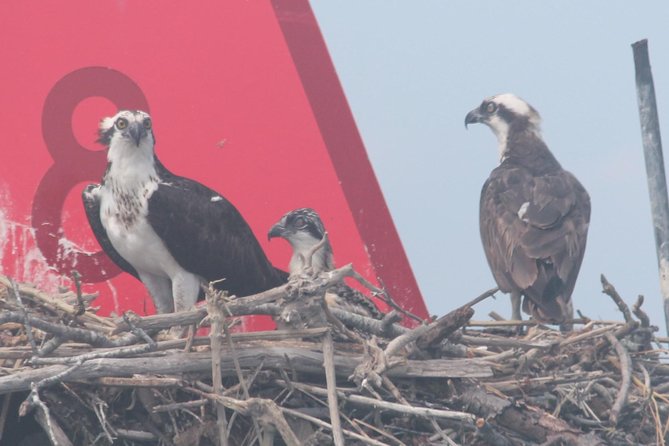
The biggest value isn’t just seeing birds—it’s learning how to see them. The captain and naturalist on board use location choices and bird behavior to help you make quick sense of what you’re looking at.
In this experience, you might sail with captains like Bob, and naturalists such as Patty. Another guide name you may hear is Chris. Each of them is part of the same goal: get you close enough to birds to matter, without pushing wildlife in the wrong way.
Here’s what the best guide moments usually feel like:
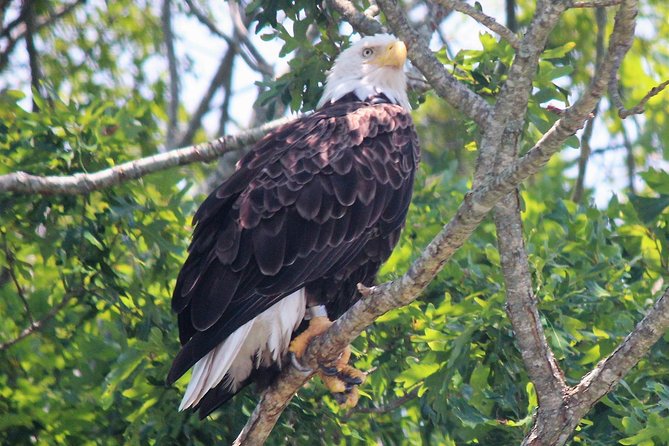
- The first bird of the trip can come fast, sometimes even right at the start—people have reported bald eagles early.
- The guide keeps pointing out what to look for: posture, movement, feeding style, and how birds use the marsh edge.
- Stops are chosen for viewing and for photos, not just “we’re passing by.”
If you’re new to birding, this is especially helpful. You don’t have to know species names in advance. You can learn the field marks as you go, because the guide is actively connecting birds to their habitat.
What you can realistically spot: ospreys, herons, eagles, and shorebirds
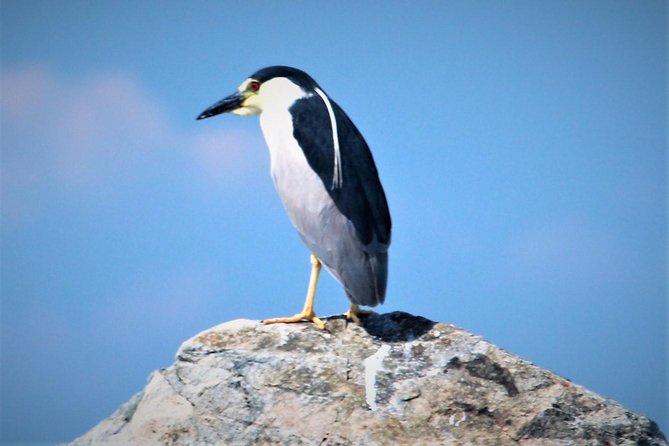
Cape May’s salt marsh is a mix zone. During your cruise, you’ll be scanning for shoreline birds and migratory visitors, plus the bigger raptors that patrol above.
Based on what people commonly report, here are solid examples of what you might see:
- Ospreys and their nesting areas
- Bald eagles (people have had major wow moments with one seen in natural habitat)
- Herons and egrets
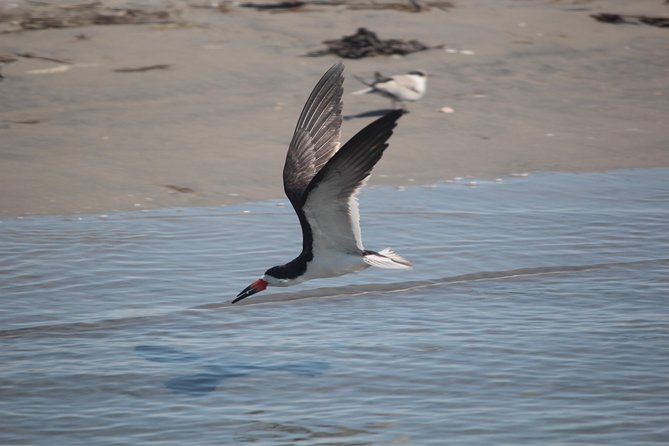
- Shorebirds such as greater yellowlegs and dunlin
- Other water birds like great cormorants
There’s also a human benefit to all of this. When you see a bird in the wild and you understand why it’s there, the experience sticks. That’s what this ride is built around: watching birds do normal bird things—feeding, resting, and moving along the wetland.
Just remember: bird sightings depend on timing and conditions. Even with excellent guidance, you can’t guarantee any single species. The tradeoff is that you’re in one of the best places to chase those odds.
Photos, binoculars, and the small choices that improve your view
The tour includes binoculars, which is a big practical plus at this price point. It means you can focus on learning and watching instead of hunting for your own gear or borrowing something that doesn’t fit.
Binoculars also help because marsh birds often sit at the distance where eyes can’t read details. Up close viewing from the boat can get you farther than typical roadside spotting, but it still takes optics to separate similar shapes and behaviors.
For photography, you’ll likely appreciate that the guide makes stops that support taking pictures. People have also mentioned that narration audio can vary depending on where you sit. If you’re serious about both birds and story, try to place yourself where you can hear clearly and still have a good viewing angle.
A simple tip: don’t only stare forward. Scanning is a cycle. Look across the marsh edge, then check the open water, then sweep back over the mud flats. Raptors often show up when you’re watching movement rather than only searching for still birds.
Timing details: April to October, plus longer weekend cruises
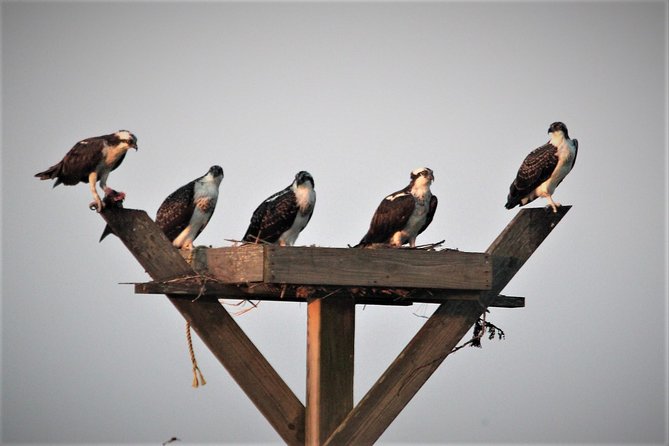
This tour runs daily from April through October. Most departures are about two hours, and you’ll be out in the salt marsh behind Cape May and Wildwood.
There’s also a longer option for Saturday, Sunday, and Monday mornings. Those trips are sponsored by the Cape May Bird Observatory, and they run longer—2.5 hours or 3 hours, depending on the season. The cost is higher on those specific mornings, but you get more time on the water to track more species and longer behavior patterns.
For your planning, this means you can choose based on your style:
- If you want an efficient nature hit, go for the standard two-hour ride.
- If you want extra time to scan, consider the weekend morning departure with the longer duration.
Price and value: why $38 makes sense here
At $38 per person for about two hours, the value is strong if you care about real bird viewing. The big reasons are simple:
- You’re paying for access to wetland viewing routes that you can’t easily replicate alone.
- The trip includes binoculars, which reduces what you need to bring.
- The guide work is focused on finding birds and helping you interpret what you see.
And the small group size helps. With a maximum of 20 people, you’re not fighting for space, and the guide can steer attention to what matters without turning into a loud lecture.
Is it expensive? No. Is it cheap? Also no. It’s a focused nature activity that works when you’re in town at the right season.
Who should book this boat trip?
This experience fits best if you want:
- A bird-first outing in a place that’s truly built for migration watching
- A guided way to see marsh birds that you’d miss from land
- A relaxed boat ride that many people find steady
You might also like it if you’re traveling with someone who isn’t a hardcore birder. Even people who were newer to birding have described the ride as a fast way to get hooked, because you’re seeing birds in context and learning along the way.
If you’re bringing kids, the binoculars and constant spotting chances can make the time feel like a wildlife game. For older visitors, the calmer pontoon style and shorter time commitment can make it more manageable.
Should you book Birding By Boat on the Osprey?
I think you should book this if Cape May is on your route during April through October and you’re excited by the idea of seeing birds in salt marsh habitat from close range. This is one of those activities where the setting does most of the work, and the guide team helps you notice what’s actually going on.
Do book with one caution: be ready for weather realities. If fog or rain rolls in, plan to enjoy the marsh setting and the species you still manage to spot, not a perfect checklist.
If your goal is to see ospreys and eagles—or to learn how to spot herons and shorebirds without guessing—this is a smart use of two hours in Cape May.