REVIEW · NEW YORK CITY
SoHo, Little Italy, and Chinatown 2-Hour Guided Walk
Book on GetYourGuide →Operated by ExperienceFirst · Bookable on GetYourGuide
Three neighborhoods, one tight walking loop. This 2-hour guided walk turns city blocks into a story of immigrant struggle and gang-era violence, moving from SoHo to Little Italy to Chinatown without wasting your time.
I also love the stop-and-look payoff in SoHo, especially the Cast Iron district and the way guides weave in fashion, film, and real addresses. One possible drawback: it’s still a walking tour, so if you need step-free routes, this one isn’t for you.
Bring comfortable shoes and weather gear. The best version of this tour is when you’re ready for sidewalks, traffic crossings, and lots of street-level storytelling.
In This Review
- Key things to plan around
- Why This SoHo–Little Italy–Chinatown Walk Works
- Starting Point at Spring Street Park: The Quick Set-Up
- SoHo: Cast-Iron Streets, the First Safety Elevator, and Celebrity-Watching Energy
- Greene and Spring Streets: The Manhattan Well Murder Stop
- From Old Police Station to Ravenite Club: Where NYC Crime Stories Live
- Little Italy on Mulberry Street: Food Culture Meets Big City Tragedy
- Umberto’s and Joe Gallo: Mob History by Address
- National Shrine Church of San Gennaro and Old Saint Patrick’s: Faith, Legend, and Continuity
- Chinatown’s Bloody Angle, Opium Den Stops, and Columbus Park’s Film Fame
- What the Guides Add: Arun, George, Filip, Angela, and Steve-Style Storytelling
- Price and Value: Is $39 Worth Two Hours of NYC?
- Pace, Comfort, and Who Should Skip This One
- Should You Book This SoHo, Little Italy, and Chinatown Walk?
- FAQ
- How long is the walk?
- How much does it cost?
- Where does the tour start and where does it end?
- What language is the guide?
- Is food included in the ticket price?
- What should I bring?
- Is the tour suitable for mobility impairments?
- Can I cancel or change plans?
Key things to plan around
- SoHo architecture plus pop-culture details (including the Cast Iron district and the E.V. Haughwout Building)
- True-crime style history in plain sight (Manhattan Well Murder, Ravenite Club, and Bloody Angle)
- Little Italy stops that mix food culture with hard history (Alleva Dairy and the Triangle Shirtwaist site)
- Chinatown corners tied to opium and gang conflict (including an opium den stop and Doyers Street)
- A guide who keeps the group engaged (many guides named in feedback are praised for humor, pacing, and Q-and-A)
Why This SoHo–Little Italy–Chinatown Walk Works
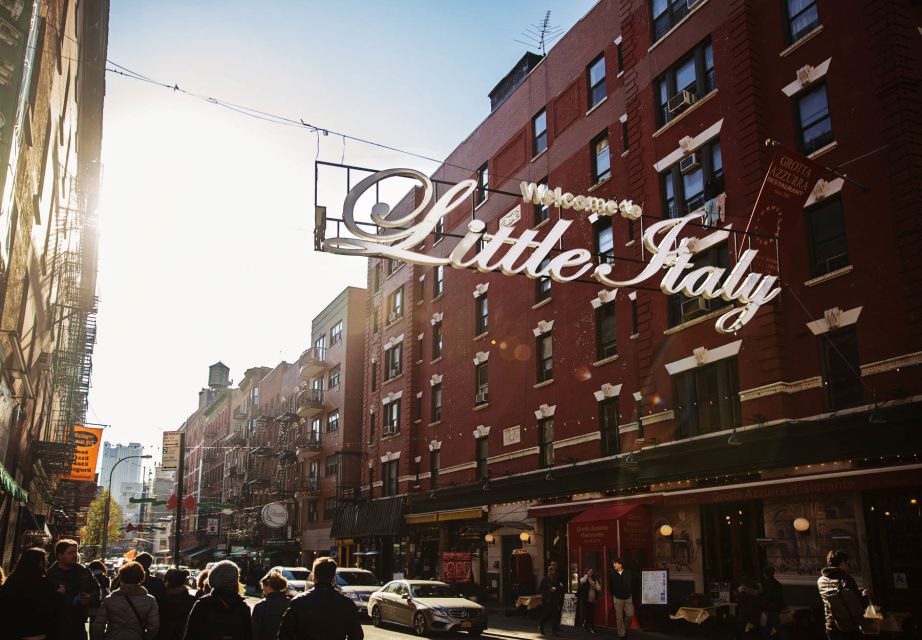
This is the kind of New York tour that helps you see the city instead of just passing through it. In about two hours, you get three neighborhood identities that feel totally different, even though they’re close enough to walk.
The real value is how the tour mixes eye-candy streets with heavier stories. You’re looking at famous blocks in SoHo, then shifting to immigrant-era struggle and gang violence around Little Italy and Chinatown.
It’s also built for first-timers who want context fast. If you only have a day or two in Manhattan, this route gives you a solid map of what shaped these neighborhoods.
You can also read our reviews of more tours and experiences in New York City.



Starting Point at Spring Street Park: The Quick Set-Up
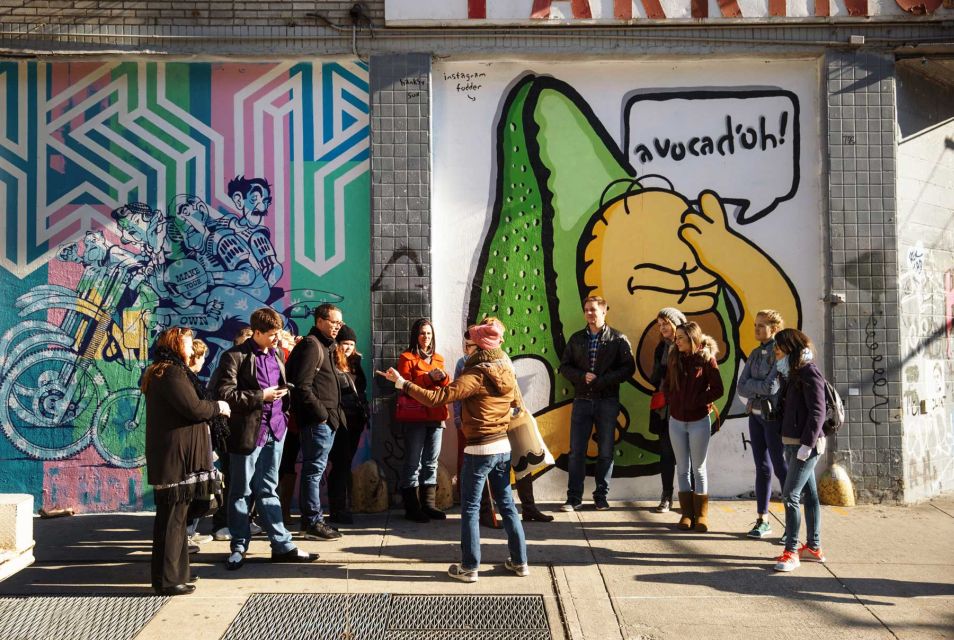
The walk starts in the Spring Street area, with Spring Street Park as one option. Since meeting points can vary by booking, make sure you arrive a few minutes early so you’re not guessing where the group is gathering.
Right away, you’ll get the kind of orientation that helps everything click later. Guides use the nearby streets as a reference point, so you’re not just hearing names—you’re learning how the city blocks connect.
If you’re the type who likes to ask questions, this is a good start. Multiple guides are praised for being friendly and open to questions, and that usually means better moments of clarification once you’re moving.
SoHo: Cast-Iron Streets, the First Safety Elevator, and Celebrity-Watching Energy
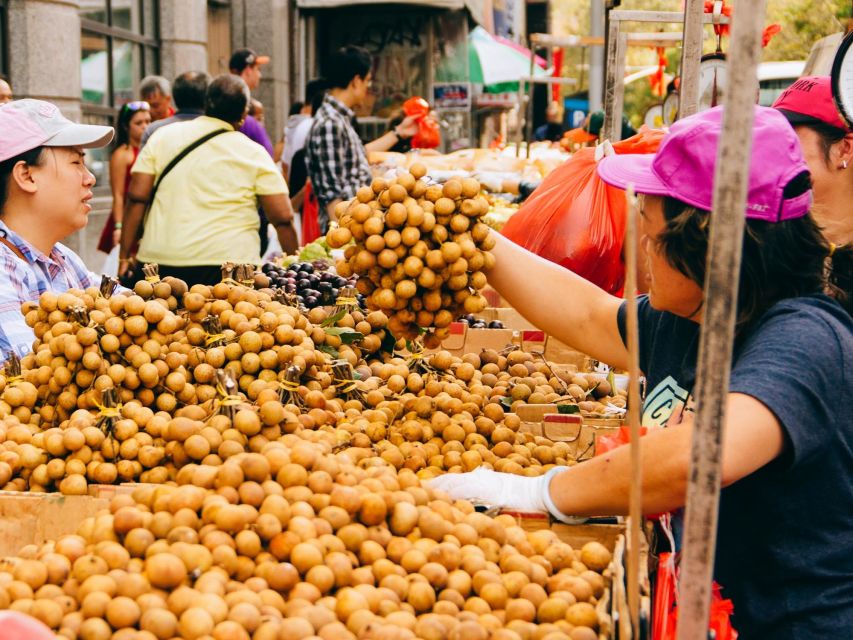
SoHo is where the tour gives you a visual reward. Think classic photo streets, distinctive building details, and lots of reasons to slow down and look up.
A highlight is time around the Cast Iron district, the area famous for iron-front facades and architectural charm. The tour leans into the idea that you might spot movie stars and fashion types here, so expect a bit of playful celebrity energy mixed with real architecture.
You’ll also hit the E.V. Haughwout Building, known for the first safety elevator. It’s a great stop because it reframes a big city myth: progress didn’t just happen in a lab. It showed up in specific buildings and specific engineering choices.
Then there’s the pop-culture layer. The tour includes 421 Broome Street, connected to the death of Heath Ledger, and it’s tied to the apartment story around Mary Kate Olsen. Even if you don’t know every detail, seeing the address helps you connect newsworthy events to real neighborhoods.
If you want authenticity over museum vibes, SoHo is your payoff. This part of the walk isn’t trying to be dramatic—it’s letting the streets do the talking.
Greene and Spring Streets: The Manhattan Well Murder Stop
This is one of the more startling story anchors on the route. The tour includes Greene and Spring streets, the site tied to the Manhattan Well Murder, described as the first recorded murder case in New York City.
This stop works because it turns a street corner into an entry point for what life was like back then. You’ll walk away with a better sense of how early New York recorded crimes and how the city’s growth affected safety and anonymity.
Just be ready: it’s not a light tale. The tour balances these heavier moments with architecture and lighter pop-culture references, but this is still part of the real history thread.
From Old Police Station to Ravenite Club: Where NYC Crime Stories Live
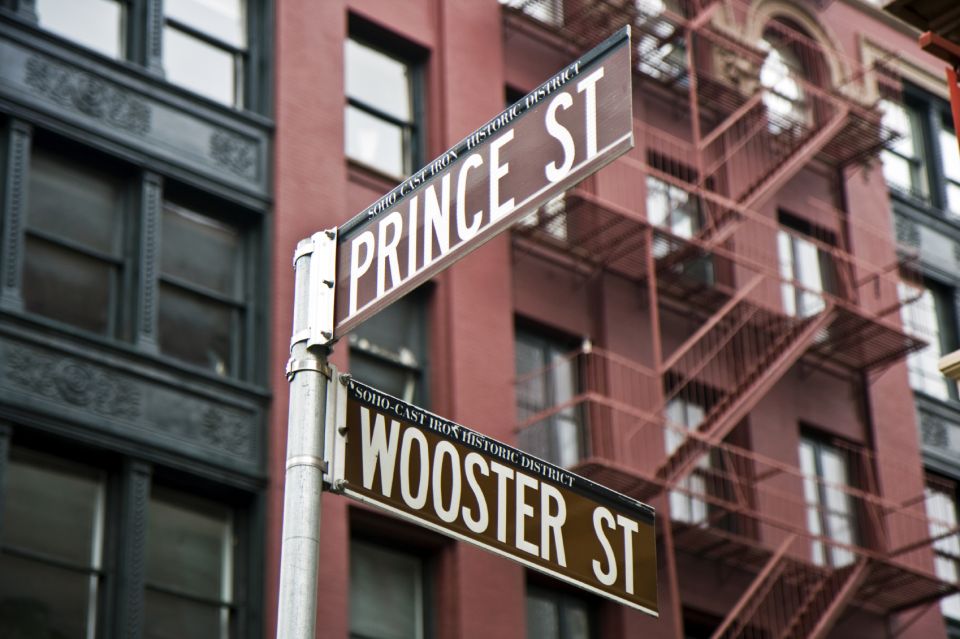
As the walk moves along, you’ll see how policing and organized crime show up in the physical city. One planned stop is the Old Police Station, a 1909 Beaux-Arts building now used as a residence.
It’s a strong contrast. You’re looking at a structure that once belonged to public order, now repurposed for private life. That’s one of the tour’s best reminders: the past isn’t gone. It just gets reassigned.
Then you’ll reach the Ravenite Club, tied to the story of John Gotti. If you’ve heard the Gotti name but never pinned it to an actual address, this is where it becomes real.
The tour also threads in other mob-era stop points, so the guide will likely connect these crime stories into a bigger pattern. That pattern is the point: the neighborhoods didn’t just experience crime; the crime shaped how people lived, moved, and protected their turf.






Little Italy on Mulberry Street: Food Culture Meets Big City Tragedy
Little Italy is where the route slows your brain down in a good way. It’s practical, sensory, and grounded in street life.
You’ll spend time around Mulberry Street, often considered the heart of Little Italy. This is the stretch where the neighborhood identity shows up instantly—language on signs, restaurant fronts, and the feeling that people come here for more than photos.
The tour includes Alleva Dairy, noted for making cheese for a hundred years. This matters because it’s not just about what you eat—it’s about continuity. When a food place has lasted that long, it’s a sign the neighborhood has held onto something real through waves of change.
You’ll also visit the Italian American Museum, tied to the Triangle Shirtwaist Factory fire. That’s a hard stop, but it’s valuable because it links the immigrant story thread to one of the most important industrial safety tragedies in U.S. history.
If you want to understand how working-class neighborhoods formed, events like Triangle help explain the why, not just the what. The tour’s style is to keep the stories human-sized, grounded in what could happen to a person in that era.
Umberto’s and Joe Gallo: Mob History by Address
Little Italy also includes a mob-related stop: Umbertos, connected to the mob hit on Joe Gallo. This isn’t treated like movie trivia. It’s placed in the context of how gang violence worked as power and pressure.
Seeing it as an address rather than a legend makes the whole thing feel more credible. You start to notice how gang territory and neighborhood identity overlap on a block-by-block level.
And if you’re wondering how the tour handles tone, the consistent feedback is that guides keep the pace easy and comfortable. They mix dark history with humor and practical direction so you don’t feel slammed nonstop.
National Shrine Church of San Gennaro and Old Saint Patrick’s: Faith, Legend, and Continuity
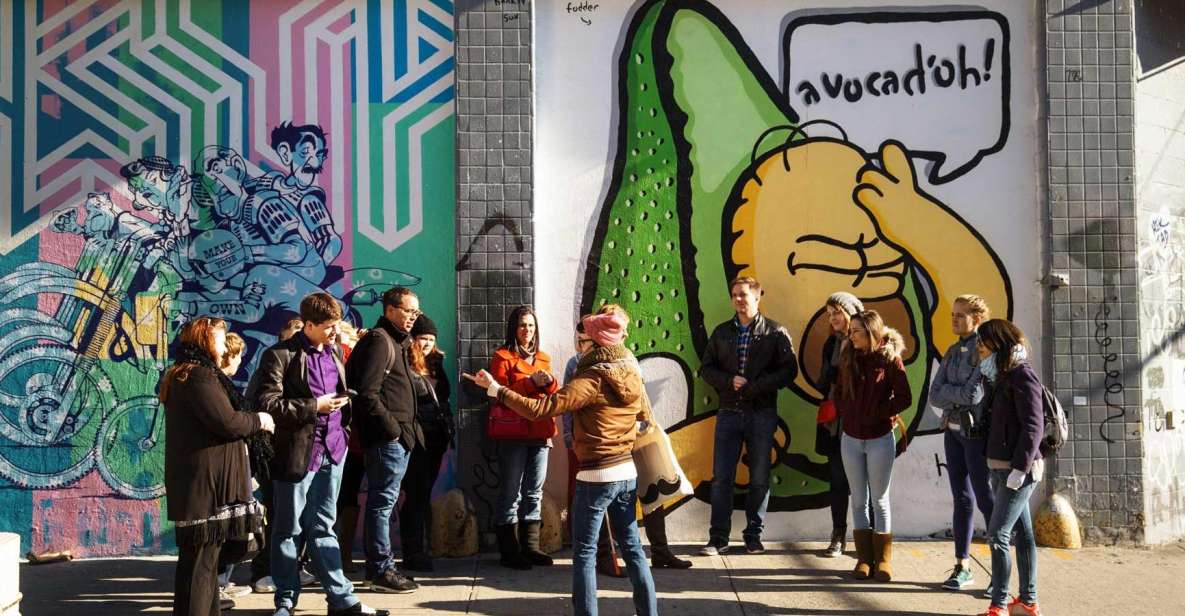
The walk includes National Shrine Church of San Gennaro, linked to the story of the liquefaction of the saint’s blood. Even if you’re skeptical, it’s a fascinating example of how tradition can become part of everyday neighborhood life.
Then there’s Old Saint Patrick’s, another included site. Stops like this add texture because they show how immigrant communities built public anchors—places where identity could be practiced, not just remembered.
I like this part of the tour because it balances the crime-and-tragedy thread. Yes, you’re learning about struggle, but you’re also seeing the endurance side of the same story.
If you’re taking photos, this is a great section. Churches and historic landmarks give you clean visual lines, and the guide usually tells you what details to look for.
Chinatown’s Bloody Angle, Opium Den Stops, and Columbus Park’s Film Fame
Chinatown brings the mood down in a way that still feels grounded. You’ll get stops tied to the darker side of 19th and early 20th-century life.
One included stop is an opium den. Another is Bloody Angle on Doyers Street, a site connected to gang violence. These stops are where the tour’s theme becomes most explicit: immigrant communities faced not just poverty, but violent conflict and exploitation too.
The tour also heads to Columbus Park, which is connected to the fame of the area from Gangs of New York. That reference is useful because it gives you a shortcut to understanding why the movie chose this kind of location—the neighborhood look and historic associations match the story tone.
This is also where you may get a good final wrap. You’ll likely have enough context by then to see how the same area could be portrayed in film and also lived in by real people.
Chinatown can feel like sensory overload on your own. With a guide, you get a framework so the streets feel readable instead of chaotic.
What the Guides Add: Arun, George, Filip, Angela, and Steve-Style Storytelling
The tour’s engine is the guide. And the feedback patterns are consistent: the best tours aren’t just facts—they’re pacing, clarity, and the ability to answer questions without turning the walk into a lecture.
Some guides specifically praised for style include Arun, George, Filip, Angela, and Steve. Arun and George are described as engaging and strong at tying in pop culture with history. Filip is praised for mixing true crime stories with practical food tips.
Angela is often mentioned for humor and a high-energy vibe, and Steve is highlighted for local familiarity and personal storytelling. That local angle matters more than you’d think because it makes the walk feel less like a script and more like the city as a lived place.
A few reviews also mention heat management and finding shade. That’s a real consideration because these neighborhoods are dense and sidewalks can be exposed. If it’s warm out, a guide who thinks about comfort will make the 2 hours feel easier.
So here’s the practical takeaway for you: this walk is worth your time if you show up ready to talk back. Ask about what you’re seeing. The guide’s job gets easier, and you’ll remember more.
Price and Value: Is $39 Worth Two Hours of NYC?
For $39 per person, you’re paying for three things: a timed route, an English-speaking guide, and curated stops packed into two hours.
That price starts making sense when you look at the density. The route includes major address-based stops tied to architecture, crime history, immigrant-era events, and neighborhood landmarks. Many other NYC walking options either focus on one theme or skim a theme too quickly.
Food costs aren’t included, but that’s normal for this format. The tour may include sampling ethnic food, but you should expect to pay for what you eat. Still, the food element adds a hands-on layer, not just sightseeing.
If you’re the kind of traveler who likes to understand why a neighborhood looks the way it does, this is a good value. If you only want pretty streets and don’t care about context, you might feel like the stories are heavy for a short walk.
My advice: book this tour early in your trip. You’ll use it as your mental map for the rest of your days.
Pace, Comfort, and Who Should Skip This One
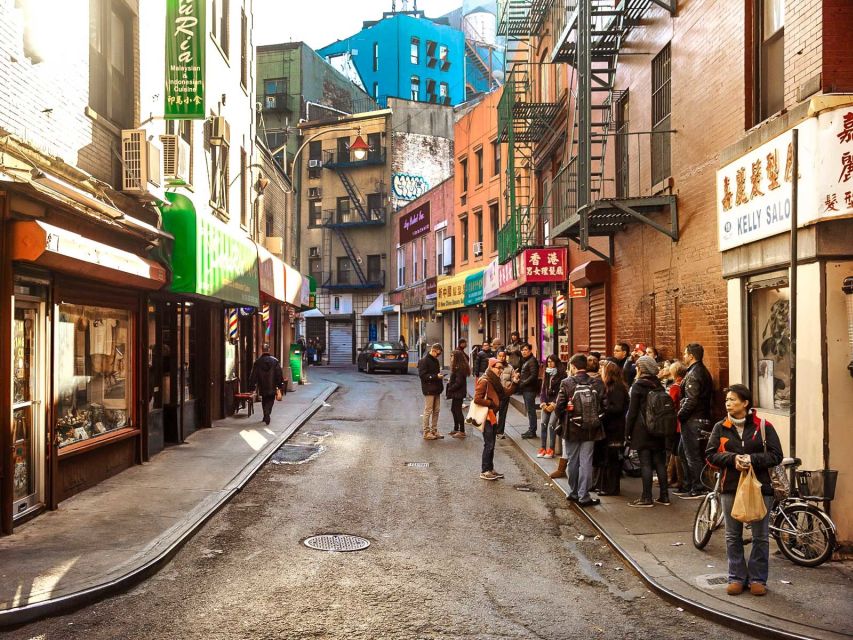
The tour is a walking experience broken into three guided blocks of about 40 minutes each. The pace is described as easy and comfortable by some people, which is encouraging if you’re not training for a marathon.
Still, you’re on city sidewalks. Bring comfortable shoes and weather-appropriate clothing. If it’s hot, cold, or rainy, plan to follow the guide’s lead on shade and safe crossing points.
One clear limitation: this tour is not suitable for people with mobility impairments. So if you need step-free access or limited walking, you should look at another option.
This tour suits:
- First-timers who want a smart intro to SoHo, Little Italy, and Chinatown
- Travelers who like street-level stories, not just skyline views
- Anyone who enjoys a mix of culture, food stops, and crime/history context
It may not suit:
- People who hate true crime or heavy topics
- Anyone who wants a quiet, photo-only stroll
Should You Book This SoHo, Little Italy, and Chinatown Walk?
I’d book it if you want your New York day to feel like more than a checklist. The tour is short, the route is focused, and the storytelling theme gives you context for streets you’d otherwise walk past without noticing.
I’d also book it if you care about two sides of the city at once: the beautiful architecture and the hard realities that shaped neighborhood life. SoHo gives you the visual charm. Little Italy and Chinatown give you the human struggle thread.
Skip it if you dislike walking, can’t handle mobility limitations, or want food fully included. Since food costs aren’t included, you’ll still be making decisions on the fly.
One smart move: choose a departure time that matches your energy level. When you’re not exhausted, these stories land better.
If you show up with good shoes and a curious mindset, this is the kind of tour that makes the neighborhood names feel real.
FAQ
How long is the walk?
It lasts 2 hours.
How much does it cost?
The price is $39 per person.
Where does the tour start and where does it end?
The starting point can vary by option booked, with Spring Street Park listed as one option. The walk drops off at Columbus Park.
What language is the guide?
The tour uses an English-speaking live guide.
Is food included in the ticket price?
Food costs are not included, even though you may sample ethnic food during the walk.
What should I bring?
Bring comfortable shoes and weather-appropriate clothing.
Is the tour suitable for mobility impairments?
No. It is not suitable for people with mobility impairments.
Can I cancel or change plans?
Yes. There is free cancellation up to 24 hours in advance for a full refund, and you can reserve now and pay later.