
REVIEW · NEW YORK CITY
New York City: American Museum of Natural History Ticket
Book on GetYourGuide →Operated by American Museum of Natural History · Bookable on GetYourGuide
Dinosaurs, space, and oceans in one long day. I love the T. rex presence and the new Richard Gilder Center for hands-on science that keeps kids busy. One catch: the biggest ticketed show experiences cost extra or need an upgraded option, so plan ahead if you want the full menu.
This museum sits just across from Central Park, and it really feels like a full-world assignment. You get all-day entry to permanent halls (think 30 million objects), plus onsite Wi‑Fi and the free Explorer App for turn-by-turn help.
The only real downside is scale. The building is huge, and if you show up without a simple plan, you’ll end up sprinting—or missing the highlights. Also note oversize luggage isn’t allowed, and lockers cost extra.
In This Review
- Key highlights at a glance
- What you actually get with a one-day AMNH ticket
- Entering fast: timed entry, your barcode, and avoiding the bottleneck
- Start smart: building a simple route through 40+ halls
- The dinosaur factor: T. rex and the world-class fossil collection
- Rose Center for Earth and Space: your calm middle of the day
- Richard Gilder Center: planetarium, biodiversity, and ocean life
- The ticketed exhibitions: what you should add (and what you can skip)
- Impact: The End of the Age of Dinosaurs
- Invisible Worlds (360-degree theater)
- Encounters in the Milky Way (NEW space show)
- Life at the Limits: Nature’s Superheroes
- LeFrak giant-screen film and the butterfly vivarium plan
- Giant-Screen Film in LeFrak Theater
- Davis Family Butterfly Vivarium
- Using the Explorer App and Wi‑Fi to reduce stress
- Breaks, lockers, and crowds: how to keep the day enjoyable
- Price and value: does $37 feel fair?
- Should you book this AMNH ticket?
- FAQ
- How long is the American Museum of Natural History ticket valid for?
- What is included with general admission?
- Are special exhibitions included with general entry?
- Can I use the museum app and Wi‑Fi?
- Are there lockers if I bring a bag?
- Is oversize luggage allowed inside the museum?
- Is the museum wheelchair accessible?
Key highlights at a glance
- 40+ museum halls and all-day entry so you can go slow without feeling guilty
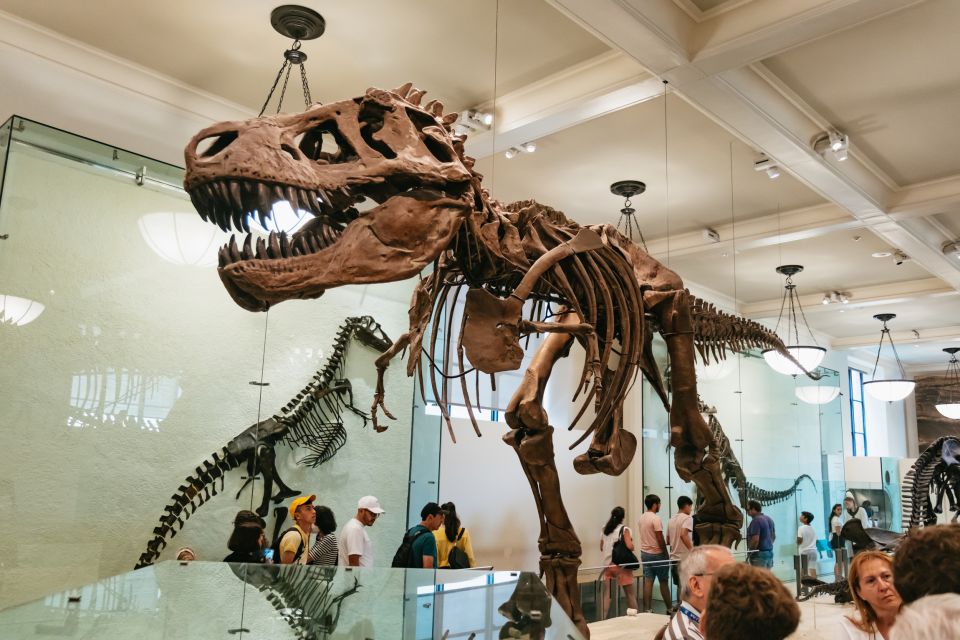
- T. rex skeleton plus the Easter Island head that ties to Night at the Museum
- Rose Center for Earth and Space alongside major science galleries
- Richard Gilder Center with planetarium, biodiversity, and ocean life exhibits
- Optional timed special exhibitions with upgrade choices (General Admission + One vs + All)
- Explorer App + Wi‑Fi to navigate and pull up stories while you wander
What you actually get with a one-day AMNH ticket
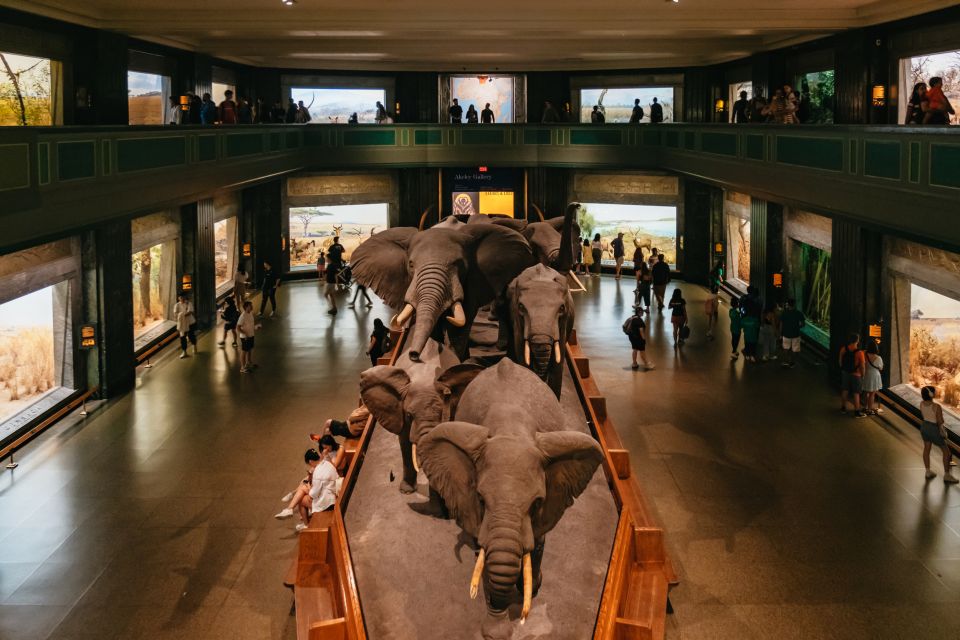
For around $37 per person, you’re buying access to a serious chunk of New York’s science and natural history world. The key word is all-day entry. This isn’t a quick hit. You can arrive, get your bearings, and spread your day across dozens of halls at your own pace.
Included with the ticket you’re reviewing:
- Access to permanent exhibitions across 40+ halls
- Entry to the Rose Center for Earth and Space
- Access to the Richard Gilder Center
- Onsite Wi‑Fi and the free Explorer App
- Timed entry to special exhibitions only if your booking option includes them (General Admission + One or General Admission + All)
What’s not included is equally important. General admission alone does not include the ticketed “extra experiences” such as Invisible Worlds (the 360-degree theater), the Davis Family Butterfly Vivarium, the giant-screen film, Impact: The End of the Age of Dinosaurs, and the Hayden Planetarium Space Show. If you want those, you pick the option that includes them.
Bottom line: this ticket is a strong value if you’re happy doing the museum’s core collections. If you want the special shows too, you’re still in good shape—just make sure you choose the right add-on so you’re not standing there thinking, Now I have to buy yet another ticket.
You can also read our reviews of more tours and experiences in New York City.



Entering fast: timed entry, your barcode, and avoiding the bottleneck
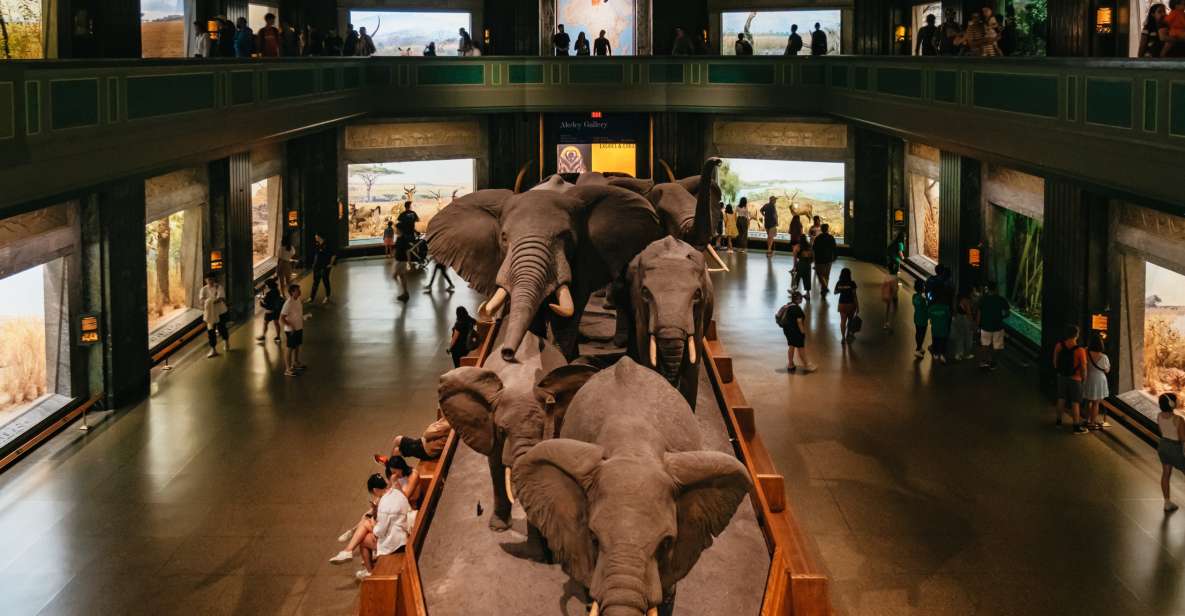
Even though this is a self-guided museum day, entry is built for crowds. The biggest practical win is choosing a timed entry slot and keeping your phone ready with your ticket barcode. That single step helps you get past the line faster and start moving toward the floors you care about.
Once inside, use the onsite Explorer App. It offers turn-by-turn navigation and helps you find popular exhibits without constantly stopping to study a paper map. It also includes behind-the-scenes stories and quizzes, which is great when you want your kids to stay engaged without turning into a full-time museum docent.
One small reality check: the museum is so big that it can still feel confusing even with maps and signage. I’d treat your first hour as an orientation block. Don’t try to conquer everything immediately. Get oriented, pick a route, then start “collecting” exhibits.
Also plan for bags. Oversize luggage isn’t allowed. If you’re bringing a large bag, budget for a locker on-site (lockers cost extra, but they keep your day smooth).
Start smart: building a simple route through 40+ halls
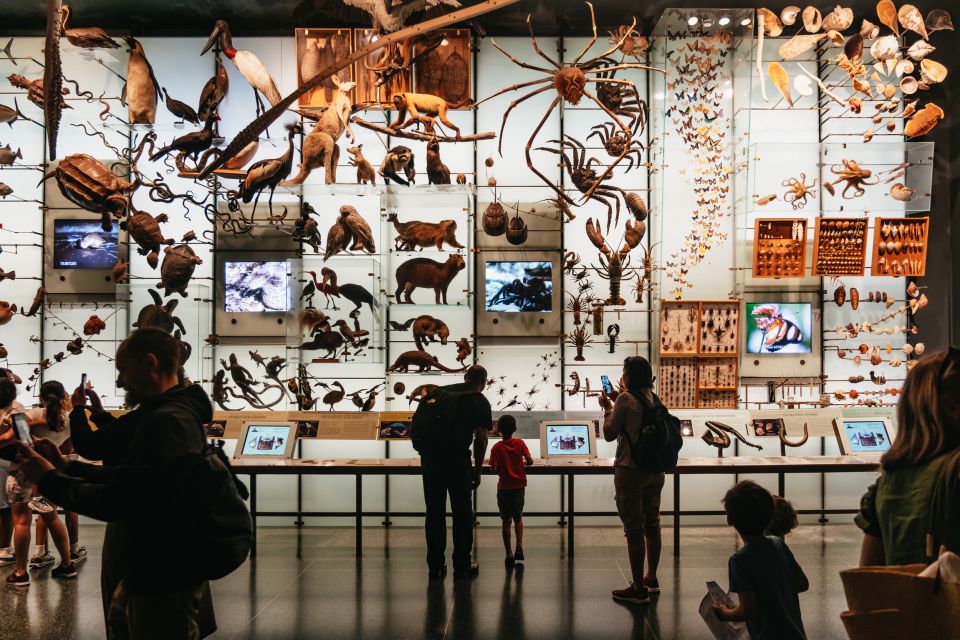
This museum can eat your entire day—especially if you’re the type who stops for every diorama, every fossil case, and every “one more minute” thought.
A practical strategy that works well here: decide what floor your day begins on, then work your way down. One helpful approach is to start at a higher level and move downward so you don’t backtrack as often. It also helps you keep momentum when you’re short on time.
To keep your day family-friendly (and not a constant game of Where are we going?), I like building the route around three anchors:
1) Dinosaurs and fossils (because you’ll want the biggest wow factor early)
2) Space/Earth galleries (easy to slip into after you’ve gotten moving)
3) Ocean life and biodiversity (great for shifting gears from fossils to living nature)
And then you fill the gaps with everything else. Diamonds, cultures from around the world, and hands-on science add texture to the day and keep it from feeling like only one theme.
If it’s cold or rainy, this is one of the best places in NYC for a full indoor day. But it still helps to arrive with a plan because the museum’s size means you’ll naturally miss something unless you choose.
The dinosaur factor: T. rex and the world-class fossil collection
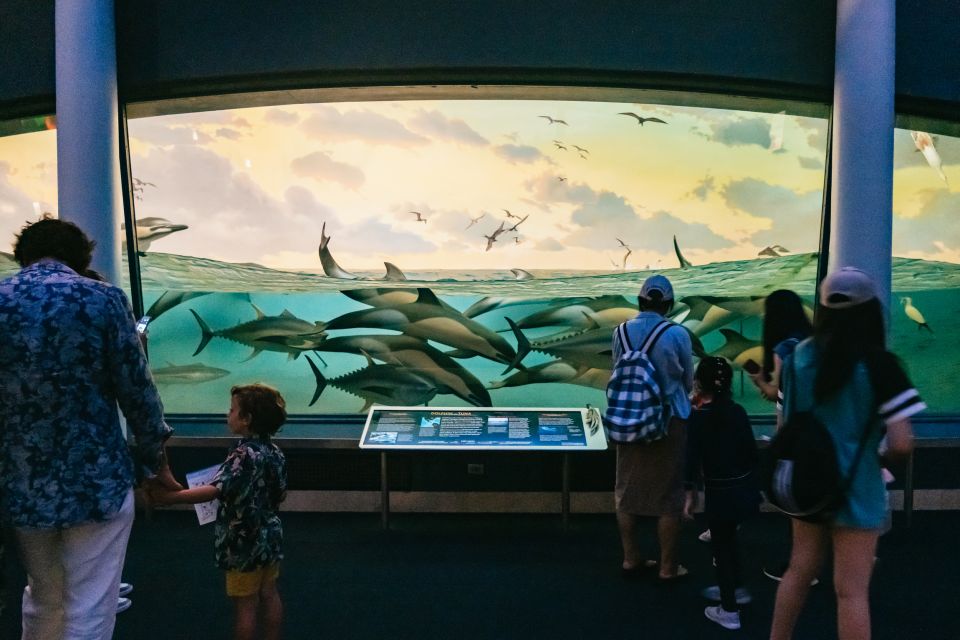
The world’s largest dinosaur fossil collection is the kind of claim you should treat seriously. This is where the museum earns its reputation fast—because the dinosaur galleries aren’t just about bones in glass. They’re about scale, story, and time.
You’ll see the iconic Tyrannosaurus Rex skeleton that so many people recognize instantly. If you’re a fan of Night at the Museum, you’ll also spot the Easter Island head that inspired characters in that movie. Even if you’re not, it’s still a fun “wait, I’ve seen this” moment.
What I like most about the dinosaur side is how it sets expectations for the rest of the museum. Once you’re oriented to deep time, the later exhibits—earth science, space, biodiversity—start to make more emotional sense. The museum stops being random rooms and starts feeling like one big timeline.
Time note: if dinosaurs are your priority, don’t schedule them for your last stop. Even if you think you can “fit it in later,” other sections will slow you down.
Rose Center for Earth and Space: your calm middle of the day
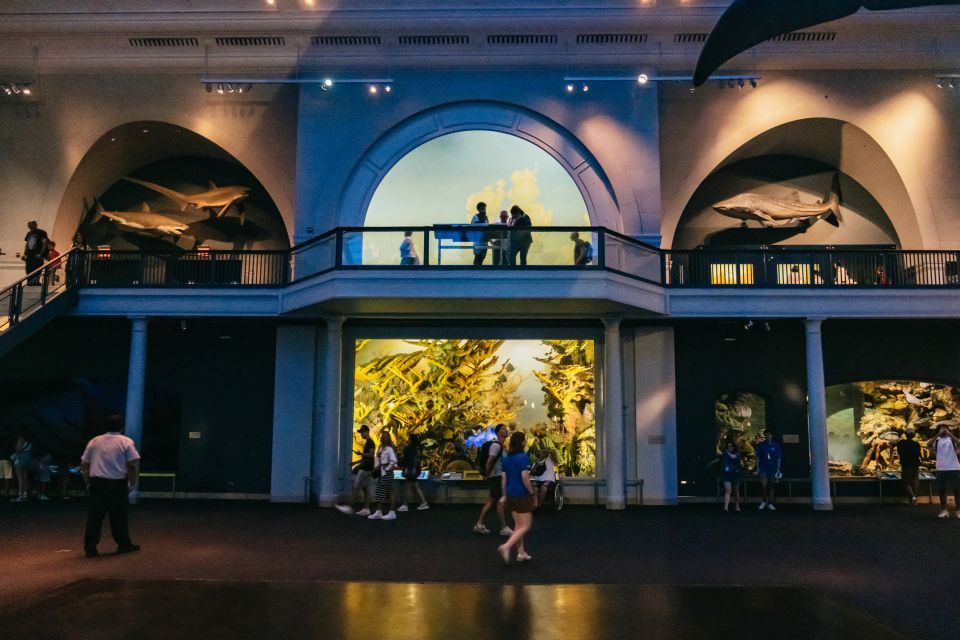
Right after fossils, I like switching to Earth and space. It’s a nice reset for your brain and your feet. The Rose Center for Earth and Space gives you that big-picture feeling, and it pairs well with the museum’s broader science mission.
Even without treating it like a formal show, you can spend time in the earth-and-space halls and get a clearer view of how the museum connects planet, environment, and life. It’s also a smart choice when you’re traveling with kids because it tends to be easier to “dip into” than the most crowded fossil rooms.
One thing to keep straight: some space experiences are ticketed extras. General admission includes Rose Center access, but space shows like the Hayden Planetarium Space Show are not included with general admission only. If space theater is a must, plan your option in advance so you don’t lose the moment.






Richard Gilder Center: planetarium, biodiversity, and ocean life
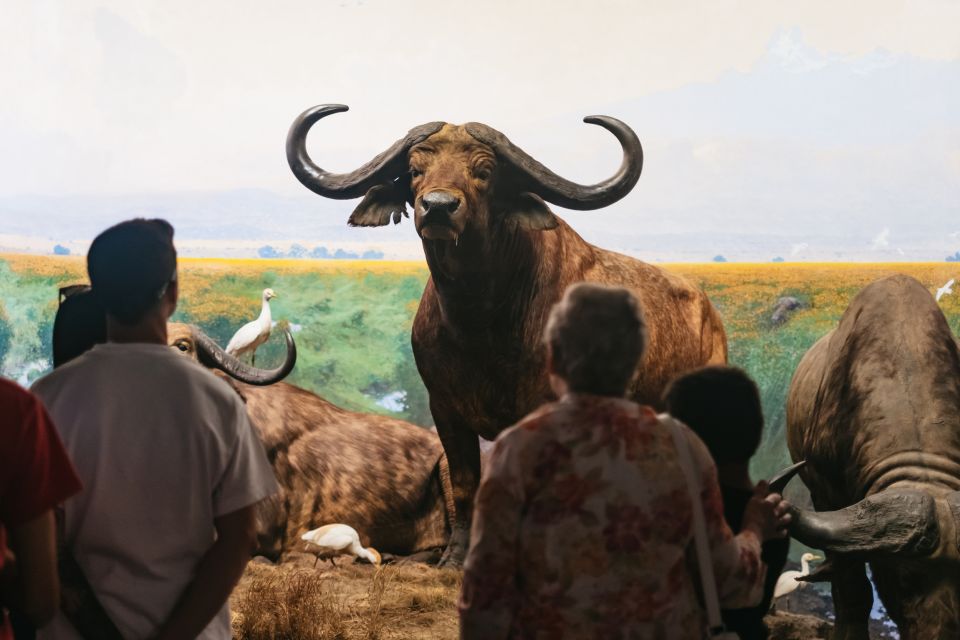
This is the modern science heart of the museum, and it’s easy to see why families keep coming back. The Richard Gilder Center for Science, Education, and Innovation is built for learning that feels active, not lecture-y.
Inside, you can move through:
- Hall of Biodiversity (a journey through how life changes and adapts)
- Milstein Hall of Ocean Life (some of the museum’s biggest living-nature moments)
- A planetarium experience as part of the center’s offerings
What makes the Gilder Center especially valuable is the pacing. It gives you a break from fossil heaviness and puts you back into “living systems” thinking. If you’ve got a child who gets restless after an hour of bones, this is often the zone where attention returns.
You’ll also find that the museum’s design helps you stay moving. It’s not one long hallway. It’s a sequence of “go in, get a wow, move on,” which matters when you’re planning a one-day visit.
One tip from real-world experience: if your day is tight, you’ll want to protect the Gilder Center time early enough that you don’t run out later. It’s easy to leave it for last and then discover you’ve used up your energy.
The ticketed exhibitions: what you should add (and what you can skip)
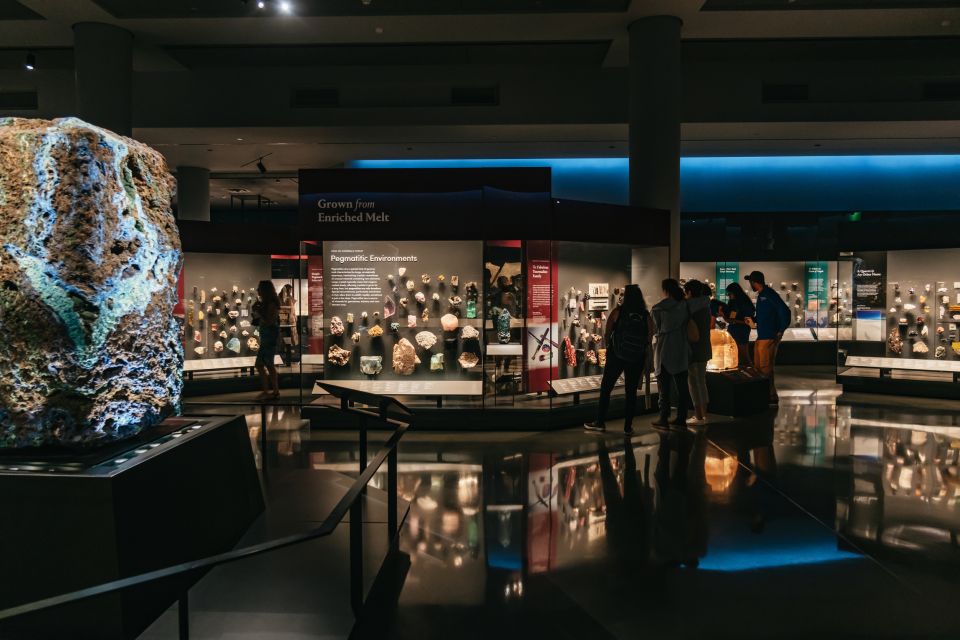
Here’s the decision point. Your base ticket covers permanent exhibits and the Gilder Center. The ticketed experiences are the “extra layers” that can turn your visit from excellent into unforgettable—if you pick the right ones for your group.
Impact: The End of the Age of Dinosaurs
This one is built around the asteroid collision story and the life that followed about sixty-six million years ago. It’s a strong pairing with the dinosaur galleries, because it gives the “why” behind the fossils. If your kids love dinosaurs, this is usually the show that makes the dinosaur day feel complete.
Invisible Worlds (360-degree theater)
This takes you into hidden nature realms—from ocean depths to DNA strands. It’s a great choice if you want the museum to feel modern and experimental, not just historical. It also offers a different learning style, which can work well for kids who get bored with glass cases.
Encounters in the Milky Way (NEW space show)
Narrated by Pedro Pascal, it’s a time-traveling journey about cosmic movements shaping our galactic neighborhood. If you’re doing any of the museum’s space shows, this is one to seriously consider because the narration element helps it land.
Life at the Limits: Nature’s Superheroes
This focuses on “superpowers” some organisms develop to survive in extreme conditions. I like this when you want a science story that feels human in spirit—tenacity, adaptation, and survival tactics.
LeFrak giant-screen film and the butterfly vivarium plan
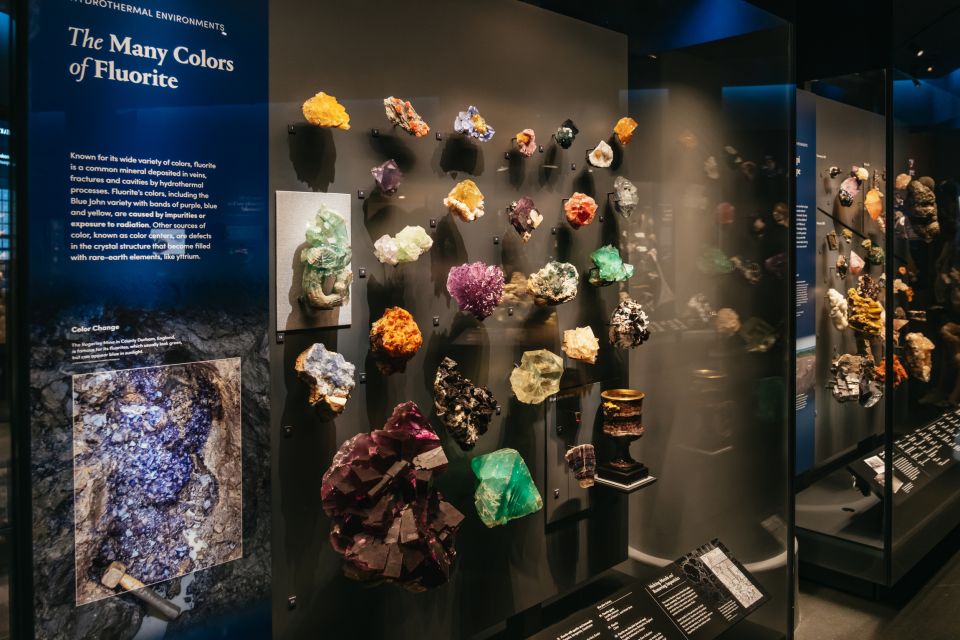
Two of the most kid-friendly add-ons are also some of the easiest to use as “anchors” inside your day.
Giant-Screen Film in LeFrak Theater
The theater has a 40-foot-high, 66-foot-wide screen and state-of-the-art digital sound. Films are nature-themed, and there are accessibility supports available such as captioning devices and audio description devices.
If you’re visiting with kids and the day is getting too big and too noisy, the giant-screen break can reset everyone. It’s also a clean way to spend time without worrying you’ll miss an exhibit detail.
Davis Family Butterfly Vivarium
This year-round exhibit lets you mingle with up to 1,000 free-flying butterflies. You might even get a landing. That’s exactly the kind of sensory experience that turns museum time into a memory your family talks about later.
One practical note: because these are timed and ticketed experiences, they can shape your schedule. If butterflies or the theater are on your must-do list, build your route around the showtimes so you’re not rushing.
Using the Explorer App and Wi‑Fi to reduce stress
You’ll save energy if you treat your phone as part of your museum plan, not a thing you keep forgetting in your pocket.
The museum provides Wi‑Fi onsite, and the Explorer App offers:
- Turn-by-turn navigation
- Behind-the-scenes stories about exhibits
- Quizzes
- Self-guided tours of popular collections
If you’re traveling with kids, quizzes can be a lifesaver. It’s also helpful when you’re tired and your feet want to stop moving, because the app helps you find the next “worth it” stop without wandering blindly.
Also, do yourself a favor: take one minute near the start to pick your first targets. That might be dinosaurs first, then earth/space, then ocean and biodiversity. The app helps, but the mental choice helps more.
Breaks, lockers, and crowds: how to keep the day enjoyable
This museum is popular, and it can get crowded. During busier holiday periods, you’ll feel it in the lines and the slower pace in key halls. The good news: even in crowd conditions, the museum’s size means you can usually find space to move if you change directions.
Build in breaks on purpose. For example, after a big fossil section, take time to reset before you switch to a show or a different gallery theme. It keeps the day from turning into one long sprint.
Don’t forget the practical side:
- Lockers are available on-site for an additional charge
- Oversize luggage isn’t allowed, so plan your packing
- The museum has support staff and useful amenities like cafeterias (so you can stop without feeling stranded)
If the museum map feels confusing at first, that’s normal. I’d rather be a little lost for ten minutes early than stressed for two hours later.
Price and value: does $37 feel fair?
At about $37 per person for a full-day museum visit, the value is strong if you:
- Plan to see lots of permanent halls
- Want the Rose Center and the Gilder Center included
- Are okay adding ticketed experiences only if they match your interests
The only way this feels expensive is if you arrive assuming that the big “wow” shows are included automatically. They’re not. General admission includes the core exhibits; the ticketed exhibitions are optional add-ons depending on the option you choose.
A smart value approach is to pick one or two ticketed experiences that match your family’s attention span:
- Dinosaurs + Impact for a cohesive dinosaur story
- Space show + planetarium for a science-to-space arc
- Butterfly vivarium + giant-screen film for a kid-friendly rhythm
That way you’re spending money where it changes your experience, not just collecting tickets.
Should you book this AMNH ticket?
Yes—if you want a one-day plan that gives you the museum’s best permanent collections, plus the Rose Center and the Gilder Center, at a price that’s reasonable for NYC.
Book it if:
- You’re visiting with kids and need a day that can flex from fossil drama to living nature
- You want the T. rex moment plus a modern science center
- You’re open to adding one ticketed exhibition if it fits your interests
Think twice if:
- You only care about the ticketed theater-type experiences, because general admission doesn’t include them
- You’re traveling with a lot of oversized luggage and don’t want to deal with lockers
If you do book, come ready to plan the day around a few anchors (dinosaur, earth/space, Gilder Center highlights). Then let the rest of the halls surprise you. That’s where the American Museum of Natural History wins.
FAQ
How long is the American Museum of Natural History ticket valid for?
The ticket is valid for 1 day, so you can plan an all-day visit.
What is included with general admission?
General admission includes access to permanent exhibits across 40+ museum halls, the Rose Center for Earth and Space, the Richard Gilder Center, onsite Wi‑Fi, and access to special exhibitions only if your selected option includes them.
Are special exhibitions included with general entry?
General entry does not include ticketed special exhibitions. To see them, you need to select the option that includes the corresponding timed special exhibitions.
Can I use the museum app and Wi‑Fi?
Yes. The museum offers onsite Wi‑Fi and the free Explorer App, which includes turn-by-turn navigation and other features.
Are there lockers if I bring a bag?
Lockers are available on-site for an additional charge.
Is oversize luggage allowed inside the museum?
No. Oversize luggage is not allowed, and luggage or large bags are restricted.
Is the museum wheelchair accessible?
Yes, the activity is wheelchair accessible.