
REVIEW · NEW YORK CITY
SoHo, Little Italy, and Chinatown Walking Tour in New York
Book on Viator →Operated by ExperienceFirst · Bookable on Viator
Three neighborhoods, one tight Lower Manhattan walk.
I like how this tour stitches SoHo, Little Italy, and Chinatown into a single route, so you can see three different New York moods without playing map-chess for hours. I also love that the guides focus on the details you’d miss on your own, like how the Cast Iron Historic District still shapes the look of SoHo today.
You’ll also get serious bang for your time. The pacing is built around short, focused stops—about 30 minutes in SoHo, then 45 minutes each in Little Italy and Chinatown—with a guide who keeps the group moving the smart way. And in the best runs I’ve seen, guides like Felipe and George manage to be both energetic and practical, with answers to questions as you walk.
One thing to consider: this is a packed schedule, and you should expect limited free time. A couple of people wanted more time to eat, take photos, or slow down in one neighborhood, so if that’s your travel style, plan on doing some extra wandering after the tour ends at Columbus Park.
In This Review
- Key highlights worth marking on your map
- SoHo’s Cast-Iron District: architecture you can actually point at
- Little Italy: immigration, gang violence, and what got remembered
- Chinatown by the senses: street life up to Columbus Park
- Pacing, group size, and what helps you enjoy it
- Price and what your $39 covers in practice
- Who should book this tour (and who should skip it)
- Should you book the SoHo, Little Italy, and Chinatown walking tour?
Key highlights worth marking on your map
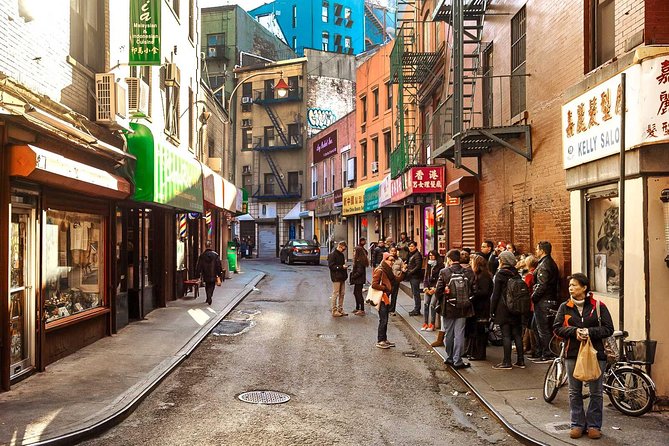
- SoHo’s Cast-Iron District (26 blocks, ~500 buildings), with street-level architectural clues you can actually spot.
- Mob and immigrant history in Little Italy, including stories tied to figures like John Gotti and what early arrivals faced.
- Chinatown on foot, with a focus on street atmosphere—sounds, smells, and daily life—right up to Columbus Park.
- Small-group feel (up to 25 people) and guide-friendly logistics so you can get your bearings fast.
- A guide-led route that’s designed to help you see more in less time, even when streets are crowded.
- Practical tips along the way, like where to grab local food after you finish.
SoHo’s Cast-Iron District: architecture you can actually point at
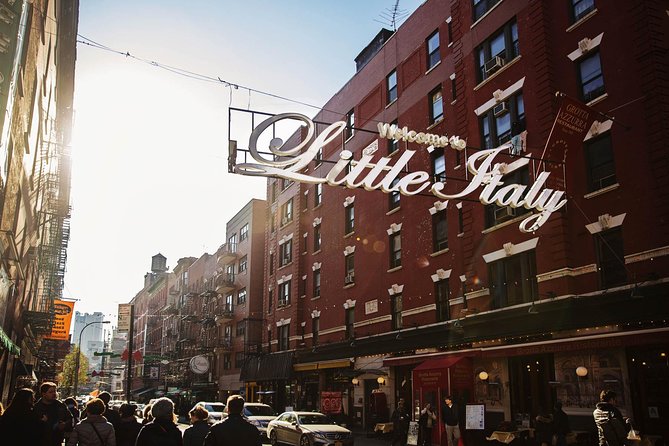
SoHo is the kind of place where you can spend a whole afternoon just staring at facades—and still miss what you’re looking at. This tour starts in the Cast-Iron Historic District, a defined area of 26 blocks and about 500 buildings, many with cast-iron elements. That matters because you’re not just walking through “pretty streets.” You’re learning a specific architectural story that’s baked into the neighborhood’s bones.
In this first stretch, you’ll see SoHo’s cobblestones and a mix of storefronts and historic architecture. The guide typically ties what you’re seeing to the early days of the district, when cast-iron construction became a way to get durable, detailed building fronts up quickly. It’s a great start because it gives you an anchor: once you know what to look for, you’ll notice details even after the tour moves on.
A couple extra practical notes. SoHo is also a celebrity magnet, and the tour tends to point out that angle—useful if you like the “watch the movies get made here” vibe. Also, the meeting point is at 161 6th Ave (near the start of the walk), so if you’re using transit, give yourself a couple of extra minutes to find the group.
What I’d watch for as a visitor: the tour time in SoHo is short. Some people want more time to pause for photos, linger in shop windows, or just breathe. If you’re a photographer, make note of your priorities before you start—SoHo is where you’ll likely want the most shots.
You can also read our reviews of more tours and experiences in New York City.



Little Italy: immigration, gang violence, and what got remembered
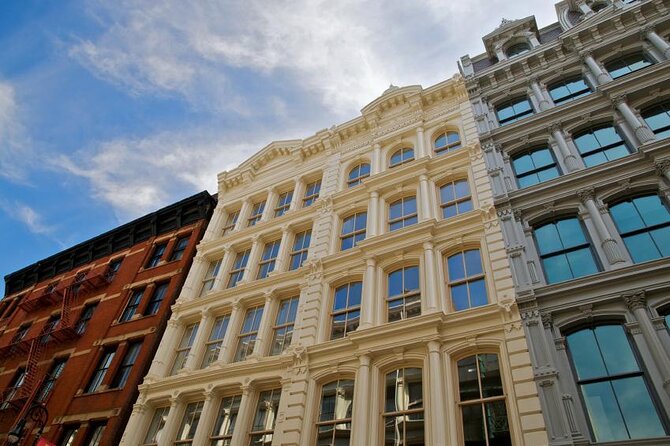
Then you pivot to Little Italy, and the tone shifts fast. You’re moving from architectural trends to human stories—especially the early immigrant experience and how the neighborhood became tangled with gang violence over time.
This is where the tour earns its value if you like context. The guide connects the streets you see with what happened when Italian immigrants first arrived, including the hardships and the social pressures that shaped community life. And the tour doesn’t shy away from the mob layer either, with stories that can include well-known names like John Gotti.
I like this stop because it helps you read the neighborhood like a timeline. You’re not just tasting the atmosphere; you’re learning how the community formed, what tensions surfaced, and how those stories became part of the neighborhood’s public identity.
One caution: this neighborhood is compact and crowded. You’ll be stopping to listen, then moving again. If you’re expecting long, slow downtime for meals, plan differently. The tour can include brief stops where you can purchase small bites, but there’s no sitting down for a full meal during the walk. So if your ideal Little Italy moment is a big lunch and a second dessert, treat this tour as the prelude—then go eat right after.
In fact, a lot of guide strengths show up here. I’ve seen guides like Angela and Joseph (and others) keep the group engaged with story energy, then follow it with real, useful suggestions for what to try next. That’s especially helpful if you arrive hungry and want to avoid wasting time guessing.
Chinatown by the senses: street life up to Columbus Park
By the time you reach Chinatown, the tour becomes about the sensory stuff you can’t download into a guidebook. This is one of Manhattan’s oldest neighborhoods and is described as home to one of the largest concentrations of Chinese people in the Western Hemisphere. On the ground, that shows up as density: food options, signage, everyday businesses, and lots of voices competing at once.
The tour format works well here because you’re not trying to “finish Chinatown.” You’re getting a walking introduction—about 45 minutes—with the guide helping you understand what you’re seeing without dragging it into a lecture marathon.
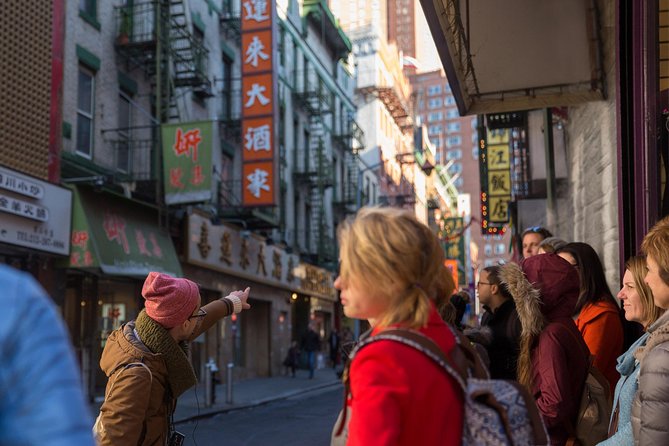
Expect the focus to land on the basics that make Chinatown feel like Chinatown: sounds, smells, street scenes, and the constant visual rhythm of shops and markets. Even if you’ve been to Chinatown before, it’s the kind of stop where a guide can point out small things—what streets are best for specific foods, what landmarks are worth noting, and where the neighborhood changes character as you approach the end.
The tour ends at Columbus Park, at the corner near Mulberry St and Baxter St. That’s a practical finish. It’s a natural place to reset, grab something to drink, and decide what you want next—whether you want to keep wandering on your own, or just call it a day with your feet still intact.
One timing tip: because this is the final stop, you’ll often feel your attention shift to food and photos. Keep that in mind as you listen earlier in the day. If you want pictures in Chinatown, have your phone ready during the stop moments, because a lot of the time is spent moving between viewpoints.
Pacing, group size, and what helps you enjoy it
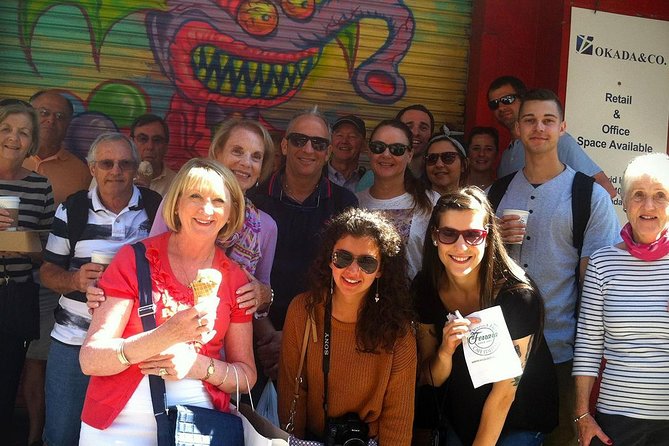
This is billed as a 2-hour walking tour with moderate pacing and about 2–3 miles of walking. It runs in all weather, so your outfit matters more than usual. Comfortable shoes aren’t a suggestion here—they’re the difference between enjoying the stories and spending the last half limping quietly.
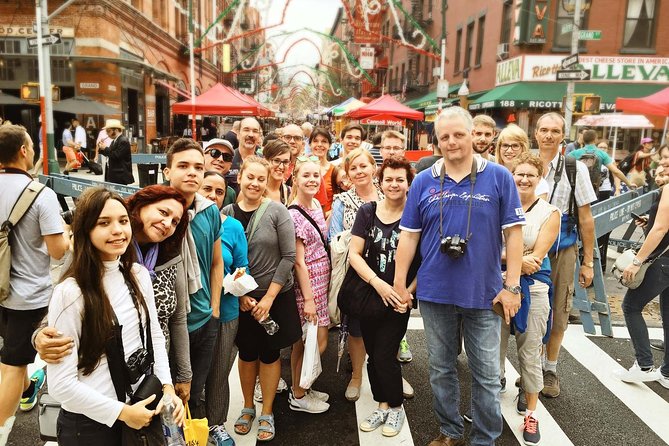
The group size stays capped at 25 travelers, which is big enough to meet people, but small enough that most guides can keep attention and direction under control. In a few of the best experiences I’ve seen, guides also use audio support (one guide used a fanny-pack voice amplifier), which helps when the streets get noisy or the group stretches out.
The biggest pacing lesson from past tours is that you shouldn’t count on major downtime. Some people are surprised by included breaks that feel short or too timed around snacks rather than a full “food break.” In other words: be ready to move, listen, and glance, not to park your brain and stay seated for ages.
Also, there’s no built-in shopping time. You’ll get window-shopping just by being in SoHo and Little Italy, and if you want to shop, you’ll need to do that after the tour ends. That’s not a deal-breaker, but it’s good to know so you don’t plan your best purchases around the walking schedule.
What I recommend you do before you go:
- Bring water (the walk is short, but it still adds up in heat or humidity).
- Have a loose plan for where you’ll eat after the tour ends.
- If photos matter, decide in advance what you’ll shoot most: SoHo architecture, Little Italy street scenes, or Chinatown storefronts.
Price and what your $39 covers in practice
At $39 per person for about two hours, this tour is priced for people who want guided context without committing to a half-day or a full-day plan. In NYC terms, that’s reasonable—especially because you’re getting a licensed-style local guide and covering three separate neighborhoods that are close, but still easy to mess up if you’re on your own.
Here’s what the price really buys you:
- A professional local guide in English
- A route designed to help you see more and get oriented
- Stops that connect what you’re looking at to what shaped the neighborhood—architecture in SoHo, immigration and mob history in Little Italy, and community life in Chinatown
Here’s what the price does not include:
- Food costs
- Any long sit-down meal
- Time for extended shopping
For most visitors, that trade-off is exactly right. You’re paying to get your bearings and earn context fast, then using the rest of your day to explore freely.
If you’re value-driven, I’d also think about what your alternative is. If you try to DIY this route, you’ll likely spend time figuring out where to stop and what each neighborhood “means.” Paying for a guide doesn’t just save steps—it saves confusion. And the stronger guides, like George, Steve, and Felipe (from past tour experiences), are the ones who can keep the story moving while still pointing out visible details.






Who should book this tour (and who should skip it)
This is a good fit if you like:
- Short guided walks that still teach you something
- Architecture and history that connects to street-level sights
- A plan that prevents you from wandering in circles
It’s also a solid option for first-time Lower Manhattan visitors who want a “best-of” route without committing to multiple tours. You’ll start in SoHo’s cast-iron zone, shift into immigration and mob lore in Little Italy, and end in Chinatown with a practical place to regroup at Columbus Park.
You might want a different format if you prefer:
- Deep, slow exploration of just one neighborhood
- Lots of shopping time built into the schedule
- Long photo sessions at each stop
Also, if you’re very sensitive to break timing, pay attention to your own style. Some people liked the mid-walk break and snack time; others wished there was more focused photo time or more time to eat. The tour is short by design, so your satisfaction will depend on whether you’re okay with that structure.
Should you book the SoHo, Little Italy, and Chinatown walking tour?
I think you should book it if you want a high-value, guided introduction to Lower Manhattan in just two hours. The main reasons are practical: you cover three major neighborhoods efficiently, and the guides tend to bring a mix of architectural detail (SoHo), immigrant and mob context (Little Italy), and street atmosphere (Chinatown).
If you do book, set your expectations in the right direction:
- Treat it as orientation plus stories, not a full food tour or a photography workshop.
- Wear comfortable shoes and plan to eat afterward.
- If you care about photos, plan to get your shots during stop moments and keep your phone ready during transitions.
One final note for planning your timing: the tour runs in all weather, and it’s designed to keep moving even when streets are crowded. If you’re flexible, that’s a plus. If you need a super slow pace, you’ll likely feel the pressure of the schedule.
If you want a smart way to understand SoHo’s historic look, Little Italy’s tough past, and Chinatown’s daily life—this is an easy yes.