REVIEW · NEW YORK CITY
Central Park Bike Rental New York City
Book on Viator →Operated by Unlimited Biking · Bookable on Viator
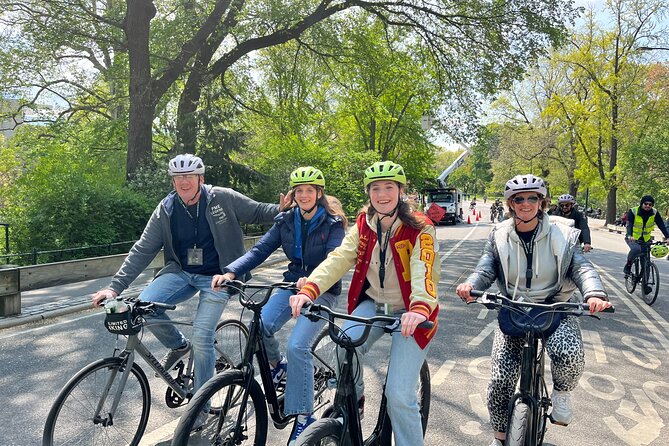
Central Park on a bike makes the whole park feel smaller. This rental is a straightforward way to hit the highlights on your schedule, using bike-friendly paths that crisscross 843 acres of scenery. I like that it’s flexible—rent for one hour or longer—so you can match it to your day in New York City.
Two things I really appreciate: the kit is ready from the start (helmet, lock, map, and bike bag are included) and the bikes are consistently described as well maintained and high quality. You also get staff support and a free park map, so even if you’ve never mapped Central Park before, you can still get a plan quickly.
One consideration: the experience can slow down at busy times. Lines for waivers and bike pickup show up in reviews, and that means your official rental time may not feel like the full time once you’re actually rolling.
In This Review
- Key things to know before you go
- Why a Central Park bike rental works (even if it’s your first time)
- Picking up your bike at 56 W 56th St (and how to make it smooth)
- The park rule that changes everything: where you can ride
- A realistic time plan: 1 hour vs 2–3 hours vs longer
- Conservatory Garden: your first “slow down” stop
- Belvedere Castle: views worth the detour
- Central Park Zoo area: easy entry to people-watching
- Imagine Mosaic: a quick modern photo break
- Central Park Carousel: the classic “NYC moment”
- Where the miles really happen: bridges, lakes, and long paved paths
- Bike quality and safety details that actually matter
- Price and value: what $6 really means
- Staff help: efficient, friendly, and sometimes a little tense
- Weather reality: riding rain vs planning alternatives
- Should you book a Central Park bike rental?
- FAQ
- How much does a Central Park bike rental cost?
- How long can I rent a bike?
- What’s included with the rental?
- Where do I meet to pick up the bike?
- How close is the pick-up location to Central Park?
- Do I need to bring ID or a credit card?
- Is a helmet required for children?
- What if the weather is bad?
Key things to know before you go
- Pick-up is a few blocks from Central Park at 56 W 56th St, so you won’t be stuck in the deep park logistics maze.
- You get the essentials included: helmet, lock, map, and bike bag, plus taxes and handling in the price.
- Central Park has bike rules that shape your route—you can’t treat every lane like a bike lane.
- Time is the real variable: some people report plenty of smooth operation, others report long queues.
- This is built for flexible pacing—quick loops or longer sightseeing, with stops whenever the views hit.
Why a Central Park bike rental works (even if it’s your first time)
Central Park is huge—843 acres—and it’s full of paths, lakes, bridges, gardens, and monuments. Walking is fine for short highlights, but biking lets you cover more ground without turning your day into an endurance test. You’ll also move with the park’s rhythm: slow near scenery, faster when you’re simply transferring between areas.
The core idea is simple: you rent, pick up the kit, and roll onto a network of bike-friendly routes that add up to over 47 miles (75 km). From there, you can steer toward the classic stops you’ve seen in photos, then wander when something catches your eye.
The best part is pacing. If you want a quick loop and a coffee break, you can do that. If you want time to linger by gardens and viewpoints, the longer rentals make more sense.
You can also read our reviews of more tours and experiences in New York City.


Picking up your bike at 56 W 56th St (and how to make it smooth)
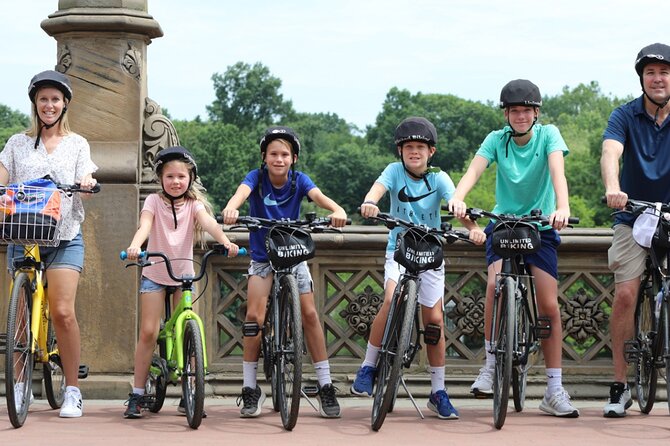
Your meeting point is 56 W 56th St, New York, NY 10019. The shop is described as just blocks away from the park, so you’ll be using street bike lanes to get from pickup to the entrance.
Here’s how to set yourself up for a calmer start:
- Go early if you can. Reviews mention long lines and it can take time just to sign waivers and get the bike allocated.
- Plan for time to start when you’re handed the bike. In at least one review, the rental clock felt like it started after check-in, leaving less time for actual riding.
- Bring the right documents. You’ll need a government-issued ID and a credit card deposit. The ID is held by the supplier for the rental duration and returned at the end.
Mobile ticket is part of the deal, which usually helps you avoid paperwork chaos. Still, busy days can mean waiting. If you show up on a tight schedule, you may feel rushed even if the check-in itself is efficient.
The park rule that changes everything: where you can ride
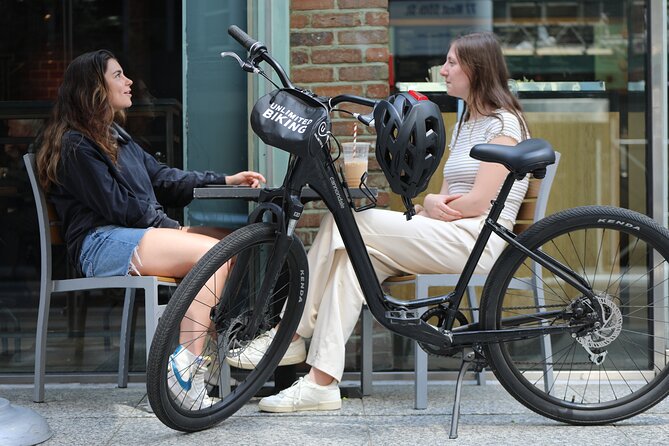
Central Park isn’t one single road system for bikes. Bikes are allowed only on certain paths and areas, and most walking-heavy zones are off-limits. That’s not a deal breaker—it’s normal for the park—but it does change how you plan your “route.”
Practical tip: treat your bike like a vehicle for the distances between highlights. When you want to get close up, take photos, or soak in a spot that isn’t bike-accessible, you’ll want to lock the bike and walk. That’s also when the park starts to feel like a place, not just a ride-through.
Also, be ready for mixed human energy at intersections and popular areas. One review warns about “crazy cyclists,” which is a polite way to say: ride defensively. Keep your speed under control, signal turns, and don’t assume everyone sees you.
A realistic time plan: 1 hour vs 2–3 hours vs longer
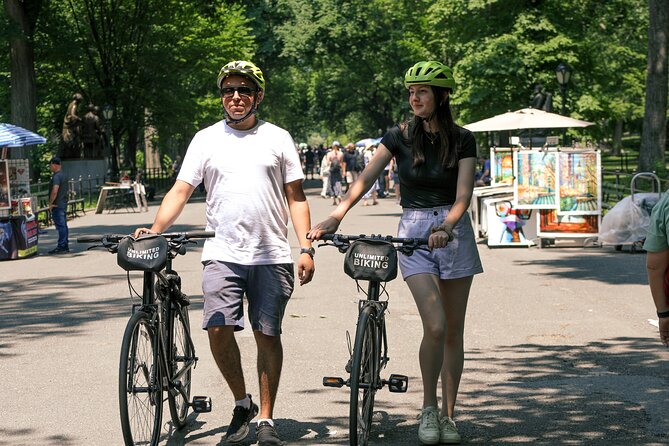
Central Park bike time is all about expectations. You can circle a lot quickly, but the park rewards pauses.
A helpful guide from reviews and typical park pacing:
- 1 to 1.5 hours can work for riding around with few major stops.
- Slow pace with a couple of sightseeing moments often lands closer to 2 hours.
- Stop-and-go sightseeing can push you to 3 hours or more—especially if you add a coffee break, photos, or extra walking.
One thing to remember: your rental time isn’t just riding time. It also includes the seconds you spend locking up, dismounting, and moving your way through areas where bikes aren’t permitted. If you want a relaxed day, plan to overestimate.
And don’t forget weather. The experience is described as operating in all weather conditions, but the cancellation terms also say it requires good weather. In heavy rain, you may get pressure to switch plans rather than ride.
Conservatory Garden: your first “slow down” stop
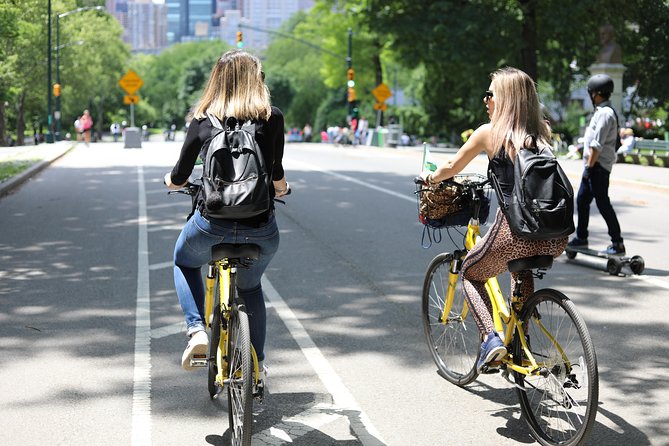
If you’re building a highlight-focused loop, the Conservatory Garden is one of the most satisfying places to slow down. It’s the kind of spot where biking helps you get there quickly, but walking is what makes it feel real.
What to do here:
- Aim to arrive with a bit of time budget, not as a “wham-bam photo stop.”
- Lock your bike if you’re heading into areas where biking isn’t allowed.
- Take your time with the details. Even a short stroll feels like a reset inside the city’s noise.
The tradeoff: this is one of those stops where you might think you’ll spend 10 minutes and then end up spending longer. That’s fine—just don’t do it when you’re trying to squeeze in a full loop before sunset.






Belvedere Castle: views worth the detour
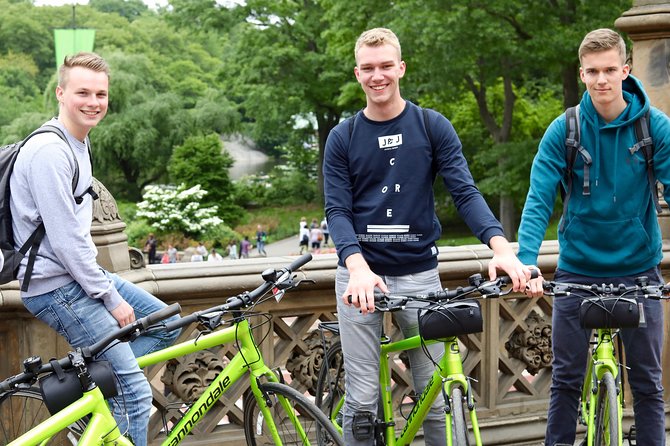
Belvedere Castle is another classic. Whether you’re here for the castle itself or for the sightlines out over the park, this is a strong “anchor highlight” in a Central Park biking day.
Why it’s a good bike stop:
- You can reach it fast enough that it still feels like a win compared to walking the whole park.
- It pairs well with a viewpoint mindset. You’ll want to stop, look around, and let the park’s scale sink in.
What to consider:
- Expect that you’ll need to dismount and walk through parts of the area. Bikes don’t belong everywhere, and this is exactly the kind of place where you’ll want to move at pedestrian speed.
Central Park Zoo area: easy entry to people-watching
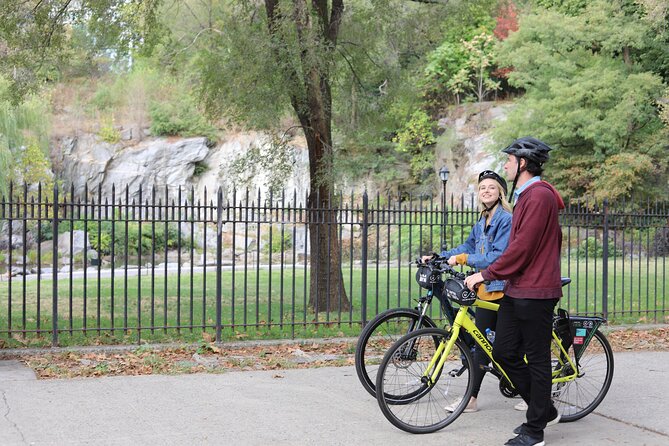
The Central Park Zoo area is a popular anchor, and it’s a nice choice if your group wants something familiar or more “urban famous” rather than purely garden scenery.
Best way to use it:
- Treat it like a waypoint. You don’t have to make it your entire plan.
- If you’re not going inside, you can still enjoy the energy and transition to other park scenes.
Drawback to keep in mind:
- If your route includes multiple “must sees,” the zoo area can steal time. It’s a good stop, but don’t stack too many long photo-and-walk moments back-to-back unless you planned extra hours.
Imagine Mosaic: a quick modern photo break
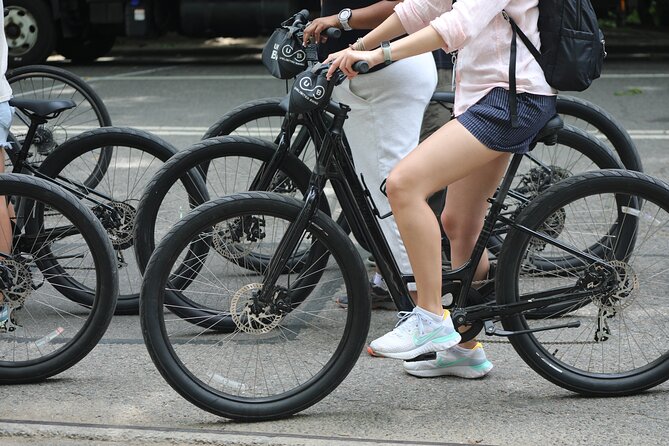
The Imagine Mosaic is one of those stops that adds variety to a day that can otherwise feel like it’s all classical landscapes. It’s ideal when you want a shorter stop to break up longer stroll zones.
How to fit it in:
- Use it as a photo pause between bigger sightseeing areas.
- Lock, snap photos, walk through the immediate area, then move on.
Time value: it’s often the kind of stop that doesn’t need a long time budget, which makes it helpful if you’re running a little behind.
Central Park Carousel: the classic “NYC moment”
The Central Park Carousel brings a more iconic, timeless feel to the park. If you want a “this is why people come” moment, it’s a strong pick.
Why it works on a bike day:
- It’s easy to reach because your bike covers the distance between major zones quickly.
- Once you’re there, walking and lingering match the vibe better.
What to consider:
- It can be a busy area. If you want fewer crowds, treat it as either an early stop or a later break after you’ve seen other sections.
Where the miles really happen: bridges, lakes, and long paved paths
Central Park’s magic isn’t just the famous sights. It’s the way the park threads through itself—open meadows, lakes, bridges, and memorial areas linked by paved routes made for moving.
This is where biking shines:
- You get the “wow, I’m in a park” feeling without spending all day walking.
- You can stop whenever you want, then keep going when you’re ready.
A practical riding note: your route will likely include gentle transitions where you’ll want to adjust speed. Ride smoothly and keep an eye on pedestrians stepping into your lane.
Bike quality and safety details that actually matter
Most praise centers on gear quality. Reviews call out bikes that are comfortable and well maintained, plus a braking system that feels responsive. That matters in a place with unpredictable pedestrian traffic and frequent stops.
The rental kit is also a real plus:
- Helmet included
- Bike lock included
- Bike bag included
- Illustrated map included
A couple of real-world safety checks for your day:
- If you’re not used to riding in a city, start slow for the first part of your loop.
- Practice locking quickly so you aren’t rushing when you want to walk and look closely.
- If something feels off—gears, brakes, wobble—address it immediately rather than pushing through. One review mentions a bike breaking down and another mentions gear issues, and those kinds of problems can turn a day into frustration fast.
Price and value: what $6 really means
At about $6.00 per person, this is positioned as a budget-friendly way to see a big slice of Central Park compared to many tourist-focused activities. The price being low is only half the story, though—the other half is what’s included.
Your rental includes:
- Use of bicycle
- Helmet
- Bike bag
- Bicycle lock
- Illustrated map
- All taxes, fees, and handling charges
That’s strong value. The big catch is that extras and friction can happen at the counter. One review describes being pressured to buy liability insurance and being unhappy with deposit handling. Another complaint notes charges above expectations. The data also says liability coverage is optional, and ID/card deposit are required as standard security steps.
My advice: go into it with a calm checklist mindset:
- Know what’s included.
- Ask what’s optional before you feel rushed.
- Expect to show ID and a credit card deposit.
Staff help: efficient, friendly, and sometimes a little tense
Most feedback is positive on staff. Many reviews mention friendly, efficient service and quick pickup/return. Some people describe staff giving tips and do’s/don’ts to get the best time in the park. One staff member named TJ is singled out in a review for helpful guidance.
That said, there are also negative experiences: rude interactions, pressure around insurance, confusion about time windows relative to closing hours, and long queues. If you hit a busy day, expect less patience and more checklists.
The good news: even when things aren’t perfect, the ride itself is consistently praised as a fun way to explore. Central Park on two wheels is the main event.
Weather reality: riding rain vs planning alternatives
Central Park is an outdoor experience, and the park weather can change quickly. The rental is described as operating in all weather conditions, but the cancellation terms say it requires good weather and if it’s canceled due to poor weather, you’ll be offered a different date or a full refund.
So what should you do?
- Dress for the day you actually have, not the forecast you hoped for.
- If it’s pouring hard enough that safety feels questionable, it may be safer to pivot than to “tough it out.”
One rain-related review reports a dispute about refunds and switching to an e-bike for a short period instead. That’s a reminder to ask early about what options are available if conditions turn.
Should you book a Central Park bike rental?
You should book if you want:
- A practical way to cover a lot of Central Park without turning your day into hours of walking.
- Included essentials that save you time hunting for gear on the spot.
- A flexible schedule so you can stop for gardens, photos, and the classic Central Park moments.
You might skip or plan differently if:
- You hate lines and arrive without extra buffer time. Busy periods can slow the check-in and pickup process.
- You’re expecting a guided ride. This is self-guided; the provided map and staff advice are your main support.
- You’re traveling in heavy rain or rough conditions. Even if biking is technically possible, the experience’s “good weather” requirement can matter.
If you go in with a time cushion, ride defensively, and plan to lock up and walk in the areas where bikes aren’t allowed, this is one of the simplest high-value ways to experience Central Park.
FAQ
How much does a Central Park bike rental cost?
The price is $6.00 per person.
How long can I rent a bike?
You can rent for as little as one hour, and you can choose longer options depending on your schedule (up to 24 hours or more, depending on availability).
What’s included with the rental?
You get a bicycle, helmet, bike bag, bicycle lock, and an illustrated map. Taxes, fees, and handling charges are included. A guide is not included.
Where do I meet to pick up the bike?
The meeting point is 56 W 56th St, New York, NY 10019, USA. The activity ends back at the meeting point.
How close is the pick-up location to Central Park?
It’s described as just blocks away from Central Park, and reviews mention the collection point is a couple of blocks south of the park.
Do I need to bring ID or a credit card?
Yes. A government-issued ID and credit card deposit are required. The ID is held during the rental and returned at the end.
Is a helmet required for children?
Yes. All children under age 14 must wear a helmet.
What if the weather is bad?
The experience requires good weather. If it’s canceled due to poor weather, you’ll be offered a different date or a full refund. Free cancellation is also available up to 24 hours in advance for a full refund.