REVIEW · NEW YORK CITY
Central Park Guided Pedicab Tours
Book on Viator →Operated by Peter Pan Tours of Central Park · Bookable on Viator
Central Park feels bigger at pedicab speed. A guided pedicab ride lets you cover serious ground without tiring yourself out, and your driver connects what you see to stories about the park’s design and highlights. I like that the tour is truly private, so you can ask questions and steer your pacing toward what matters to your group.
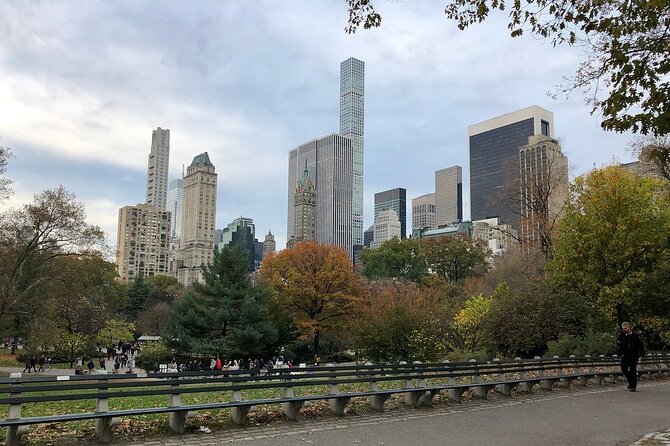
My favorite part is how often the guides turn “just a ride” into memorable photo stops and clear context—guides including Vitaly, Ali, Jon, and John are repeatedly praised for being fun with facts, and for taking time so you don’t feel rushed. The one real consideration is that in peak leaf season, trees can block sightlines, so you might not get crisp views of every building or statue from the pedicab.
In This Review
- Quick Hits Before You Go
- Why Pay for a Central Park Guided Pedicab Tour?
- Meeting at 1411 6th Ave and What That Means for Your Timing
- Picking the Right Duration: 1 Hour, 2 Hours, or the Full 3 Hours
- The Classic Central Park Circuit: Wollman Rink to Loeb Boathouse
- Bethesda Terrace and Fountain: Ornate Views at Human Speed
- Bow Bridge, Sheep Meadow, and the Movie-Ready Corners
- Upper Central Park Highlights: Cleopatra’s Needle to the Reservoir
- Gardens, Ravines, and the “Different Feel” Parts of Central Park
- How Guides Like Vitaly, Ali, Jon, and John Change the Ride
- Price, What’s Included, and What to Bring
- Should You Book This Central Park Pedicab Tour?
- FAQ
- How much does the Central Park guided pedicab tour cost?
- How long is the tour?
- Is the tour private?
- Where does the tour start and end?
- Are tickets or admission fees included for the stops?
- What weather conditions does the tour require?
Quick Hits Before You Go
- Private ride, not a cattle-call: it’s just your group on the pedicab.
- Pick the time that fits your day: 1 to 3 hours, with a 2-hour option available in warm months.
- Stops that mix beauty and story: fountains, bridges, gardens, and “wait—this was in a movie” places.
- Guides who work the photos: multiple guides are described as taking photos and helping with iconic angles.
- A weather-first operation: tours won’t run in rain or even small chances of rain.
Why Pay for a Central Park Guided Pedicab Tour?
Let’s talk value. At $65 per person, you’re paying for a mix of comfort, time savings, and a guide who points out what’s easy to miss when you wander on your own. Central Park can be a lot—big, curvy, and full of distractions—so hiring a driver-guide can help you see the “musts” and still feel relaxed.
You also get a smart trade: you give up some walking freedom, but you gain an efficient route that keeps you from zig-zagging around with no plan. Since the tour is built around key sights and short stops, you’re not spending your energy figuring out where to go next—you’re enjoying the park.
And the price makes more sense when you consider what’s included. You get a professional guide plus the pedicab tour, while the listed park sights are marked as free to view/enter from the outside in many cases. (You still may spend on your own food or personal items, but you’re not paying separate attraction tickets as part of the ride.)
You can also read our reviews of more tours and experiences in New York City.



Meeting at 1411 6th Ave and What That Means for Your Timing
The tour starts at 1411 6th Ave (New York, NY 10019) and ends back at the same meeting point. That matters more than you’d think in Manhattan. You’re not trying to line up another subway hop mid-tour; you can plan it like an easy block in your day.
It’s also near public transportation, which helps if you’re juggling other stops in the city. Plus, the tour uses a mobile ticket, so you’re not hunting for paper confirmations on a phone-heavy day.
One more planning note: this experience is commonly booked ahead (the average booking window is about 43 days). If your dates are fixed, I’d book early and then build your Central Park time around the tour.
Picking the Right Duration: 1 Hour, 2 Hours, or the Full 3 Hours
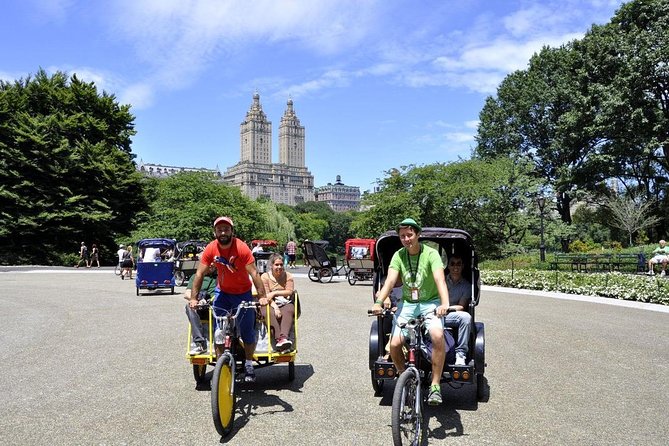
This is where you should get strategic. The shorter tours are built for “see the highlights fast,” while the longer route is for people who want more corners of the park without turning it into an all-day hike.
1 hour
Perfect when you want a quick orientation: a guided spin through famous Central Park spots, plus the kind of stop-and-photo moments that help the park click mentally. You’ll get major landmarks along the way, including several near the park’s water features and iconic structures.
2 hours (warm months only)
This option runs only in warm months, and it’s aimed at people who want a longer loop without going all the way through the entire park. It builds on the first-hour highlights and then adds more stops deeper into the park’s “signature” zones.
3 hours (the whole park)
If you can spare the time, the full ride is the one that best matches the idea of Central Park as a whole experience. You get a broader sweep of the park, including gardens and more varied sections that feel like different worlds inside one city block size.
If you’re deciding between 1 and 2 hours, think about your tolerance for walking after the tour. A pedicab doesn’t remove the beauty of lingering, but it can change what you have left in your legs for extra exploring.
The Classic Central Park Circuit: Wollman Rink to Loeb Boathouse
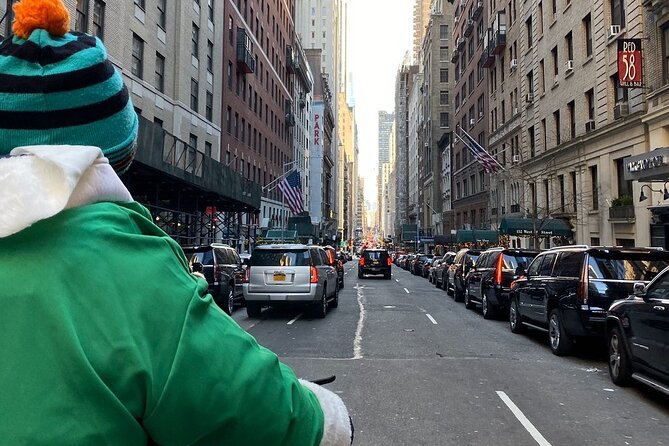
If your goal is to understand the park’s layout, the early part of the ride gives you that mental map quickly. You’ll roll past several “names you’ve heard,” even if you’ve never stood in front of them.
Wollman Rink
This rink is famous in both real life and pop culture, and it’s a great starting point because it sets the tone: Central Park isn’t just scenic—it’s entertainment history too. Depending on the season, it also helps you picture the park changing moods across the year.
Chess & Checkers House
A playful stop that’s a reminder Central Park was designed for more than serious sightseeing. The building itself (built in the early 1950s) signals a key idea: the park’s “kid-friendly” details are part of its identity.
Central Park Carousel (dating to the 1800s)
This is the kind of landmark where a guide’s narration can make a short stop feel satisfying. If you’re traveling with kids, it’s an easy win. Even if you’re not, it’s a visual reminder that Central Park has long been about everyday joy, not just postcard views.
The Dairy
Originally built as a refreshment stand, it’s a good example of how the park blends architecture with function. It can also work as a mental marker for where you are in the “heart” of the park’s classic design.
The Plaza
The Plaza is one of those Central Park-adjacent icons that shows you how the park touches New York’s broader luxury and film culture. It’s the sort of stop where a guide’s movie references can make the area feel oddly familiar.
Central Park Zoo
Even if you don’t plan to go inside, this stop helps connect the park to wildlife education and conservation. It’s also a reminder that Central Park is not just open space—it’s built-in institutions.
The Mall (American elms)
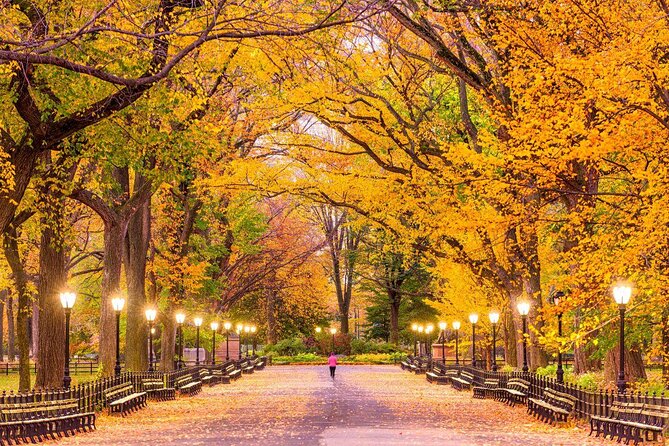
This is where the park’s design shows off. The elm-lined path creates a canopy effect, and it’s a favorite for fall color and summer shade. From the pedicab you may not see every exact detail, but you’ll get the overall “tunnel” feeling.
Balto
This is a surprisingly emotional stop for a park ride. Balto’s story about the 1925 relay to deliver antitoxin adds weight to what could have been just another statue moment.
Summer Stage
A good stop if you like the idea of Central Park as a performance venue, not just a background. It also helps explain why this park keeps showing up in modern media.
Conservatory Water model boats
This is one of those “only in Central Park” experiences. If you time it right, you’ll see the playful tradition of model boat sailing, and a guide’s context can help it land.
Lake and Loeb Boathouse
Lake is one of Central Park’s anchor features, and Loeb Boathouse is a common filming location. Even from a slow rolling stop, you can understand why people love coming back here—water views, promenades, and that classic New York contrast.
Bethesda Terrace and Fountain: Ornate Views at Human Speed
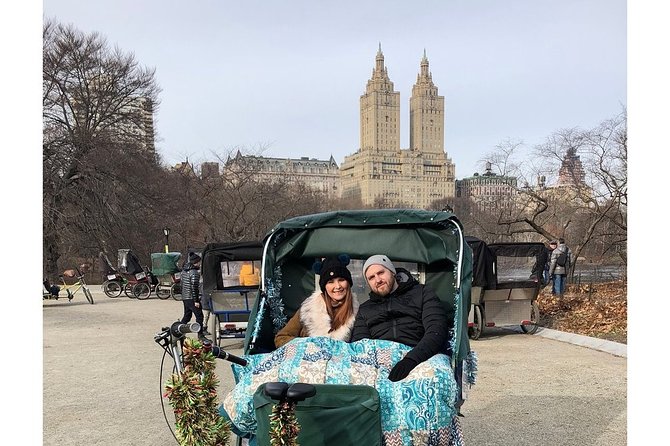
If Central Park is the big idea, Bethesda Terrace and Bethesda Fountain are the “main scene.” This section gives you ornate architecture paired with a central, easy-to-recognize focal point.
Bethesda Terrace
The terrace sits above the park’s pathways and offers a two-level view that feels grand without requiring you to climb a lot. The circular fountain area is a natural place to pause, look around, and take photos that feel like they’re framed by the park’s own design.
Bethesda Fountain
Right at the center, the fountain’s Angel of the Waters statue ties the park to the idea of clean water for the city. A guide can make this moment more than a photo stop by explaining why symbolism matters here.




Bow Bridge, Sheep Meadow, and the Movie-Ready Corners
This is where the tour starts to feel romantic and playful at the same time. The route threads through famous photo spots and places where you can picture New York scenes from movies and TV.
Cherry Hill
Named for cherry trees that bring pink blossoms in spring, this is a great viewpoint stop. The hillside feel gives you skyline sight lines over the lake area.
Bow Bridge
Cast iron, elegant, and made for photos. It’s also known for being featured in a long list of screen productions, which is exactly the sort of thing a good driver-guide can point out without turning the ride into a trivia contest.
The San Remo and The Dakota (from the outside)
These are your “New York skyline neighbor” moments. The tour can help you connect Central Park to the city’s residential icons, including a key Beatles connection tied to The Dakota.
Strawberry Fields
A calm memorial area for John Lennon that’s both personal and peaceful. It’s one of those stops where your group can slow down and absorb the mood.
Sheep Meadow
Once you hit the open lawn zone, the park’s role as a place for everyday living becomes obvious. Even if you don’t stretch out, you’ll understand why this is one of the most-used spaces in the park.
A note on atmosphere: In bright weather, this area can feel more “real life New York” than “attraction.” If your group wants breathing room, this is a good segment to aim for in your timing.
Upper Central Park Highlights: Cleopatra’s Needle to the Reservoir
When you move farther through the park, it starts feeling less like a straight route and more like a chain of distinct experiences.
Cleopatra’s Needle
A major historical marker, and a stop that tends to surprise people because it’s so ancient and so heavy with story. The monument’s long journey to get to New York gives the guide an easy entry point into Central Park’s construction-era thinking.
Great Lawn and Shakespeare in the Park connections
Even without catching a show, the Great Lawn stop helps you understand why this area matters culturally. It’s also tied to free performance traditions that bring people into the park in a way that feels both local and iconic.
Marionette Theater area (as part of the vibe)
If your group likes family-friendly charm, this is an easy moment to enjoy without needing a ticketed event.
Shakespeare Garden
This is the sort of stop you’ll remember later because it’s designed around literature. If you like English-style gardens or you’ve read Shakespeare, it’s more fun—though even if you haven’t, a guide can make the planting concept easy to understand.
Belvedere Castle
A Gothic-Romanesque style castle perched at one of the park’s higher points. Even if you don’t go far beyond the immediate viewing zone, it’s a strong “feel the elevation” moment, especially if your group wants panoramic perspectives over the park.
Turtle Pond
Simple, relaxed, and very Central Park. It’s an easy way to cool down after more architectural stops.
Jacqueline Kennedy Onassis Reservoir
This reservoir connects mid-19th century origins with modern recognition of the park’s importance. From here, you also get those Manhattan skyline views that help you remember you’re in the middle of the city while still in a park world.
Gardens, Ravines, and the “Different Feel” Parts of Central Park
The longer ride is where Central Park stops feeling like one park and starts feeling like several parks stitched together.
Conservatory Garden
A garden split into different styles—French, Italian, and English sections—so your photos don’t all look the same. It also highlights how seasonal changes can be the real attraction, not just the buildings.
Ravine and North Woods
This is the “nature-you-can-find-inside-the-city” zone. If you like contrast—formal design plus wilder, tree-heavy areas—this part of the route is satisfying. It can also change how much you notice wildlife and birdlife.
Glen Span Arch and the Loch
The arch is a quiet beauty stop where you can get that park-designed-meets-natural feeling. The Loch adds a winding-water, more naturalistic mood, and it helps you understand why Frederick Law Olmsted’s approach left space for nature-like scenes.
Harlem (as a neighborhood stop)
The tour includes Harlem, and it’s a big reminder that Central Park doesn’t sit in isolation. The area’s connection to the Harlem Renaissance and jazz culture gives the ride more depth than a pure sightseeing loop.
How Guides Like Vitaly, Ali, Jon, and John Change the Ride
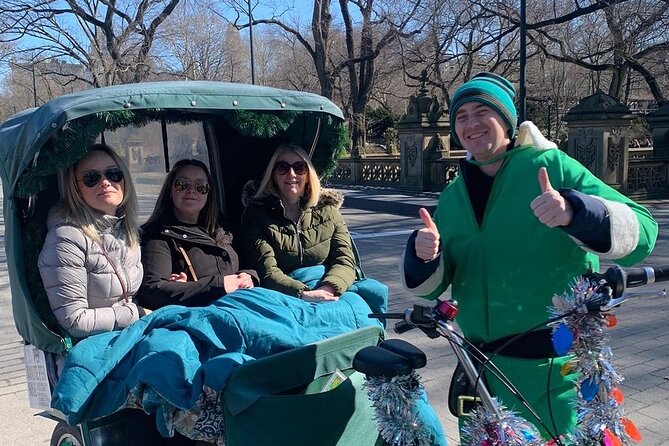
A pedicab tour lives or dies by the driver-guide. In the feedback you provided, the most praised pattern is consistent: people cite stops, stories, and a light, funny tone that keeps the ride from feeling like a lecture.
Names that come up often include Vitaly (sometimes called Elf), Ali (often praised for warmth, photo help, and comfort during chilly conditions), Jon, and John. Common themes in what works:
- They ask what you care about first, then adjust the route and pacing.
- They stop frequently for photos and help with angles.
- They weave in movie references without turning it into pure trivia.
- They stay calm if the weather threatens your plans, which matters because this tour won’t run in rain or even small chances of it.
If you want the tour to feel personal, this is a great sign. A private ride means your guide can shape the experience around your group, not around a scripted timeline meant for everyone.
Price, What’s Included, and What to Bring
Here’s the straightforward breakdown: you pay $65 per person and the included value is a professional guide and the pedicab tour. The listed stops are marked free, so you’re not buying admission to each sight as part of the ride.
What’s not included: tips (gratuities) and any private logistics like hotel pickup or dropping you somewhere other than the standard finish point.
What you should bring depends on the season, but the tour data is clear about one thing: dress warmly in winter months. Even if you’re not anticipating snow, pedicabs can feel colder because you’re moving slowly through open air.
Also, consider bringing a phone or camera with decent battery. The ride is designed around frequent stop points, and multiple guides are praised for taking photos or helping you get the shot.
Should You Book This Central Park Pedicab Tour?
If you want an easy way to see a lot of Central Park in a limited amount of time, I think you should strongly consider booking. This is especially smart if:
- you’re short on time and want a guided route through the park’s best-known landmarks,
- you’d rather ride and take short photo breaks than spend hours navigating on foot,
- you value clear stories, humor, and a guide who helps you get good pictures.
Skip it if your plan is mostly about wandering without structure and you don’t mind doing Central Park the slow, on-your-own way. Also keep an eye on timing: if you’re traveling during peak leaf season, tree cover can limit some sightlines from the pedicab.
FAQ
How much does the Central Park guided pedicab tour cost?
It costs $65.00 per person.
How long is the tour?
The tour runs about 1 to 3 hours, depending on which option you choose.
Is the tour private?
Yes. It’s a private activity, and only your group participates.
Where does the tour start and end?
The meeting point is 1411 6th Ave, New York, NY 10019, and the tour ends back at the same meeting point.
Are tickets or admission fees included for the stops?
The listed sights are marked as Admission Ticket Free, so you typically won’t be paying separate admission fees for the stops included in the tour route.
What weather conditions does the tour require?
The tour requires good weather. It is not conducted in rain or even small chances of rain, and if it’s canceled due to poor weather you can reschedule or receive a full refund.