
REVIEW · ROCHESTER
Corning Museum of Glass Admission Tickets
Book on Viator →Operated by Corning Museum of Glass · Bookable on Viator
Glass and light go together like peanut butter and jelly.
At the Corning Museum of Glass, you get a world-class look at 3,500+ years of glassmaking, from ancient vessels to modern design. I especially loved the Hot Glass Demo: molten glass turns into a finished object in front of you, with clear narration that makes the craft feel understandable. Second, I liked the museum’s hands-on spirit, especially the Glass Innovation Center where science topics like optics, vessels, and windows make visual sense. One catch: you’ll walk a lot, and the exhibitions are packed, so plan for breaks.
This is also a ticket that gives you breathing room. Your admission covers two consecutive days, so if you run out of energy or want a second pass at the galleries, you can come back instead of rushing. The main consideration for your trip is timing: live demos follow a schedule, and you’ll enjoy the day more if you build your visit around the shows you want to catch.
In This Review
- Key things to know before you go
- Corning Museum of Glass admissions: what you’re really buying
- First look: the museum layout and why it feels easier than it sounds
- Hot Glass Demo at the 500-seat Amphitheater Hot Shop
- Glass Innovation Center: where optics and windows stop being abstract
- The museum collections: from Ancient Rome to Venetian glass to modern design
- Contemporary Art + Design wing: a day-lit modern look at 25 years of glass
- Glass in Nature and paperweights: small objects, big attention
- Make Your Own Glass workshop: optional, fun, and worth budgeting for
- How to pace your two-day plan without losing your mind
- Food, gift shops, and the best time to shop
- Accessibility and practical comfort
- Who should book Corning Museum of Glass admission tickets?
- Should you book this admission ticket?
- FAQ
- How long does a typical visit take?
- What does the two-day admission ticket include?
- Do I need to pay extra for the Hot Glass Demo?
- Are there hands-on activities at the museum?
- Is food included with my ticket?
- What are the museum hours?
Key things to know before you go
- Two days of admission: you can spread a 3–4 hour visit into something calmer, then return the next day.
- Live Hot Glass Demo: a master glassmaker works at the 500-seat Amphitheater Hot Shop with narration.
- Glass Innovation Center: hands-on, science-forward exhibits focused on optics, vessels, and windows.
- Massive collection in a walkable layout: around 50,000 pieces across about a dozen galleries.
- Workshops are optional (and can get pricey): Make Your Own Glass ranges from $14 up to $150 depending on the project.
- A useful planning tool: check demo timing and museum highlights via GlassApp.
Corning Museum of Glass admissions: what you’re really buying
This isn’t a small, quick museum stop. With Corning Museum of Glass admission tickets, you’re essentially buying time plus access to a living craft show. The ticket is valid for two consecutive days, and a typical museum visit clocks in around 3–4 hours. In practice, that means you can do it in one afternoon if you’re fast, or split it into Day 1 for the big galleries and Day 2 for the demos and any exhibits you want to linger over.
If you’re choosing this as part of a Rochester-area plan, keep geography straight: the museum is in Corning, New York, not Rochester. From Rochester, it’s roughly a 1 hour 30 drive. So treat it like a day trip with a real destination, not a “pop over after lunch” situation.
First look: the museum layout and why it feels easier than it sounds
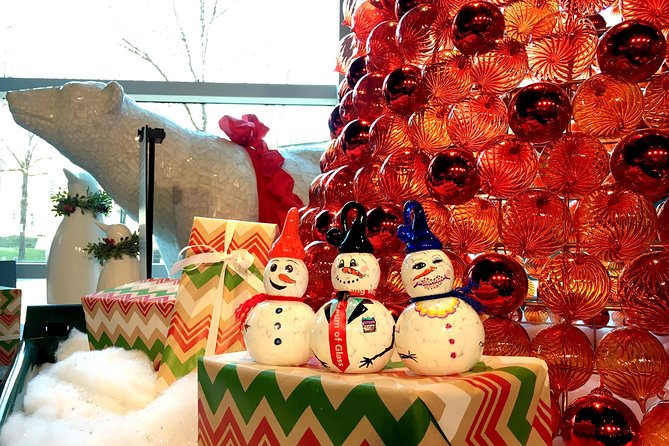
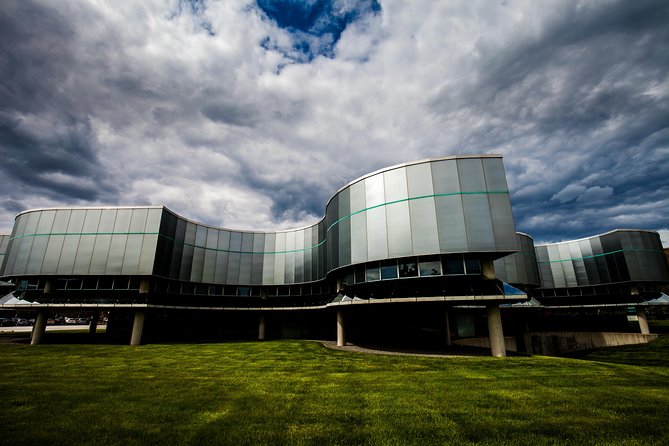
The building is designed around light. Galleries are described as day-lit, which matters because glass photography and glass viewing both improve when the lighting is even and bright. You’ll also notice that the museum doesn’t force you into one rigid route. You can self-guide at your own pace, and that flexibility is a big part of the value of the two-day ticket.
The best habit: arrive, grab whatever demo-time info you can, and then decide what matters most to you. The museum experience has a rhythm. You’ll be rotating between history galleries, contemporary design, and live craft moments. If you try to “power through” everything in one go, it can feel like a blur. If you take it in chunks, it becomes genuinely memorable.
Also, yes: you’ll do walking. One review noted they provide small stools for resting while you explore and wait for things. That detail is practical. Use the stools, use the seating, and keep your expectations realistic: this is an active museum.
Hot Glass Demo at the 500-seat Amphitheater Hot Shop
This is the moment most people come for, and for good reason. In the Hot Shop, you watch a master glassmaker create an object from a glowing gob of molten glass. It’s live, it’s narrated, and it helps you understand why the same material can become totally different forms depending on technique.
A useful tip: don’t assume every demo lasts the same length or feels identical. People who enjoyed the shows tended to recommend checking the schedule upon arrival and catching a later session when crowds are calmer. The museum runs demonstrations during the day, and you’ll see the Hot Shop program as one anchor point in your visit.
If you have strong opinions about viewing angles, I’d know this upfront: one visitor wished for a more dedicated viewing area to watch glass blowers at work. Still, the Amphitheater Hot Shop is made for you to watch the process, and the narration helps you follow what you’re seeing even if you don’t know glass terminology.
Glass Innovation Center: where optics and windows stop being abstract
If the Hot Glass Demo is the “watch it happen” part, the Glass Innovation Center is the “now I get why it matters” part. The focus is specifically on Optics, Vessels and Windows, which turns glass from a pretty material into something with real-world function.
What I like about this section for travelers is that it’s not just museum-speak behind glass. It’s built to make you think. You see how shape, thickness, and material properties affect performance. Even if you’re not a science person, you’ll probably walk out remembering a few cause-and-effect ideas you can apply in everyday life, like how lenses and window materials relate to light behavior.
This is also a good area to visit when you want a break from the heavier history galleries. It gives your eyes and brain a different job.
The museum collections: from Ancient Rome to Venetian glass to modern design
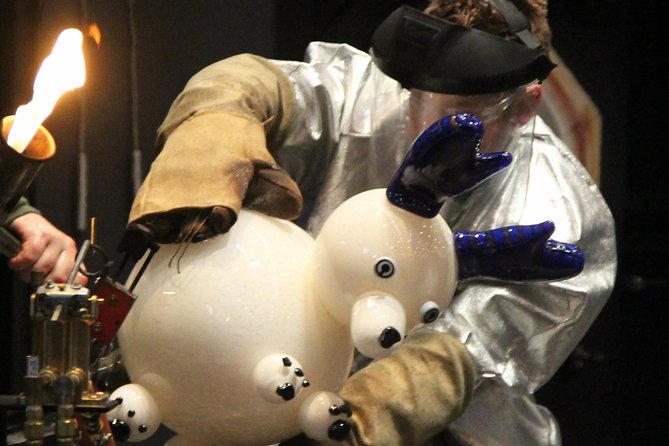
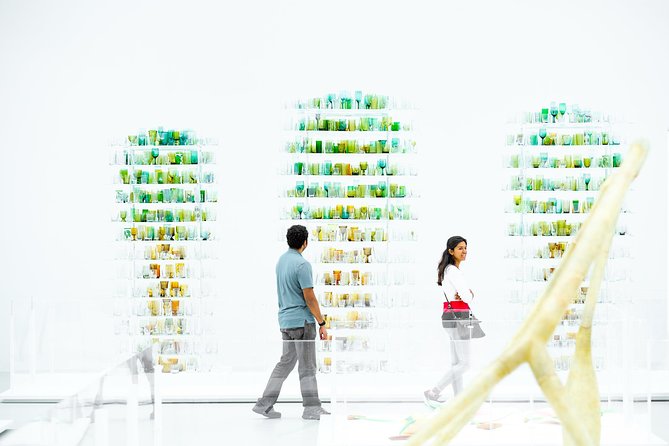
The Corning Museum of Glass collection is huge—about 50,000 pieces—spread across roughly a dozen galleries. That scale can intimidate you, but the upside is variety. You can bounce between practical objects and artistic ones, and you’ll keep finding glassmaking techniques across eras.
Here’s the kind of range you can expect:
- Ancient vessels (including works connected to Ancient Rome)
- Glass history that moves through later eras up to Colonial America
- Venetian glass from the Renaissance
- Major decorative and design pieces, including something as famous as a Tiffany window
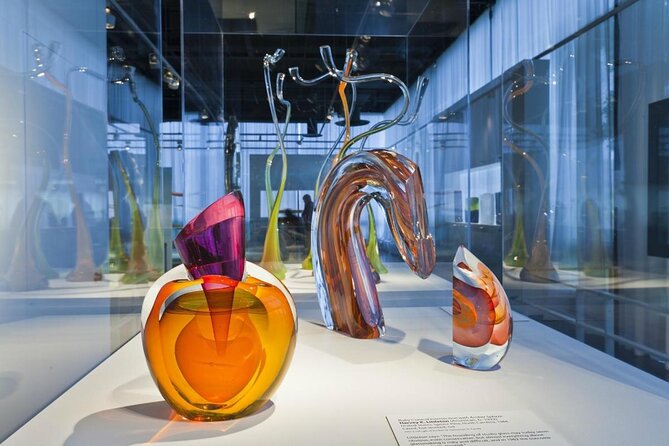
- The museum’s blend of classic and contemporary glass art
One of the most gratifying parts is that you’re not just looking at finished products. You’re seeing glassmaking as a craft that evolves: tools, methods, and tastes shift over time, but the material remains the center of the story.
If you like making connections, try this: look for recurring shapes (bowls, vessels, patterned surfaces) and ask how the look changes from one period to the next. That mental comparison is one of the easiest ways to get more out of a large museum.
Contemporary Art + Design wing: a day-lit modern look at 25 years of glass
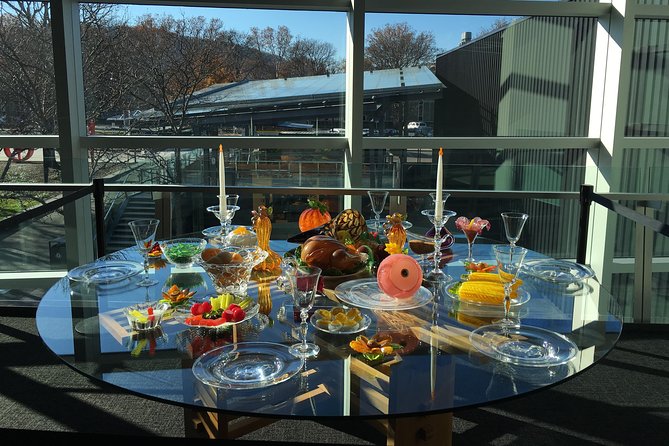
Don’t rush the Contemporary Art + Design wing. It’s described as a stunning day-lit area, and that design choice matters because modern glass art often depends on transparency, reflection, and color play.
This wing focuses on the best of the last 25 years, so it’s not just a “then vs now” museum trick. It’s a chance to see how glass artists today are using the medium for sculpture, design, and experimentation. If you like fashion-level attention to detail, you’ll probably spot those instincts in how objects are finished and presented.
When your brain needs a reset, this wing works well because it’s more about form and visual impact than historical context. If you’re visiting on Day 2, it’s also a great second-pass area when you have the energy to slow down.
Glass in Nature and paperweights: small objects, big attention
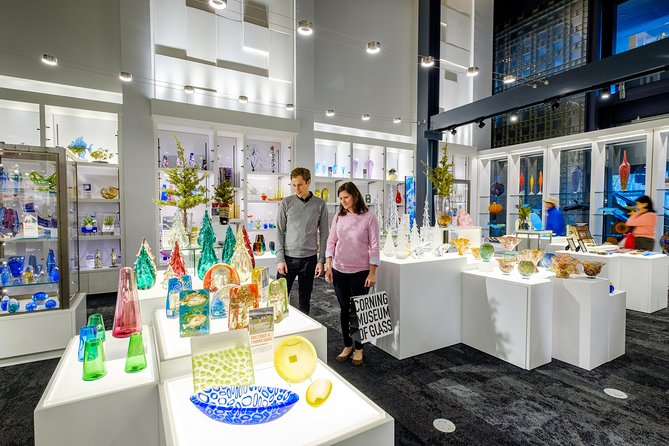
Two exhibits that stand out from the provided highlights are Glass in Nature and Paperweights. These are the kinds of sections that reward patience, because the objects can be small, detailed, and easy to overlook if you walk too fast.
Paperweights are especially good for families and couples, because they’re often more tangible and approachable than grand windows or sculptures. Glass in Nature also gives you a fun angle: instead of only thinking about human craft, you get to see how glass can mimic or interpret the patterns you associate with living things and natural forms.
If you’re the type who likes museum souvenirs that aren’t generic, this is where you’re more likely to feel that “I understand what this is and why it’s made” moment.
Make Your Own Glass workshop: optional, fun, and worth budgeting for
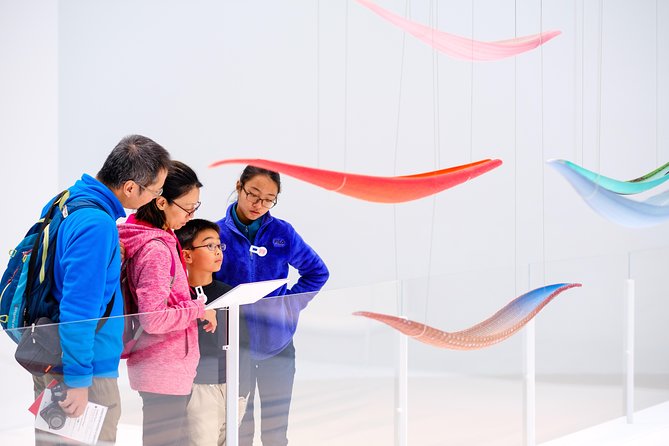
The admission ticket gets you into the museum. The Make Your Own Glass workshop is optional and comes with extra cost, typically ranging from $14 to $150 depending on the project.
I think this is the right kind of add-on because it turns observation into understanding. When you make something with your own hands (even a simple one), you start noticing details you’d otherwise glaze over. You also get to experience the “how” behind the beauty, which makes the Hot Glass Demo feel more meaningful.
Project options mentioned include:
- fused picture frames and suncatchers
- sandblasted drinking glasses
- flameworked beads
- pulled-glass flowers
- delicate blown ornaments
- seasonal projects (additional fee)
One practical note from the experience info: workshop experiences are described as available for different ages, including families. Still, the price range is wide. If you’re traveling with kids, consider picking one workshop you truly care about rather than stacking extras.
How to pace your two-day plan without losing your mind
With two consecutive days, you’re not locked into one sprint. I’d do it like this:
Day 1 (orientation + the big hits):
- Start with the Hot Glass Demo so you’re “in the mood” for the rest of the visit.
- Then hit the biggest history and design galleries while you’re fresh.
- Use the Glass Innovation Center as your mid-day mental break.
Day 2 (slow looking + hands-on):
- Revisit any gallery that grabbed you on Day 1.
- If you want a workshop, this is the day to schedule it.
- Make time for the smaller special exhibits like paperweights and Glass in Nature.
- Finish with the gift shops once you’ve already formed your taste.
This pacing also helps if you’re sensitive to walking. One review noted seniors appreciated that there were places to sit, and another mentioned the visit can feel overwhelming if you try to see everything at once. The two-day ticket is basically the museum’s answer to that problem.
Food, gift shops, and the best time to shop
You’ll find a Museum Cafe for food and drinks, but they’re not included in the ticket. It’s a good plan to build your day around the demo schedule, then use the cafe when you naturally hit a break point.
The gift shop gets strong praise, and for a reason: it’s large and full of unusual glass items. It can be hard not to browse. If you’re buying gifts, shop at the end of the day once you’ve seen enough to know what catches your eye for real.
Accessibility and practical comfort
Good news: the museum is described as wheelchair accessible throughout every level and generally easy to navigate. If you’re using a mobility aid, you should feel comfortable planning a full visit.
Comfort-wise, bring your “museum shoes” mindset. Glass museums are full of floors, galleries, and standing time near demo areas. The provided small stools can help you rest, but it’s still wise to expect real walking.
Who should book Corning Museum of Glass admission tickets?
You’ll love this if:
- you like art and craft but also want clear, understandable context
- you want a live demonstration that doesn’t require any prior knowledge
- you’re traveling with kids who do well with hands-on experiences and scheduled shows
- you enjoy science-adjacent exhibits like optics and how materials work
You might think twice if:
- you hate museums where you’re on your feet
- you expect every part to be a long, entertainment-style show (the live demo is a highlight, but the value comes from the full museum collection too)
- you don’t want to add on a workshop, since the optional studio experiences are where the most active fun happens
It’s also a strong choice for couples and solo travelers because the museum mixes stunning objects with a narrative that helps you make sense of them.
Should you book this admission ticket?
Yes, if you’re looking for a glass-focused museum where you can watch the craft in action and also explore the science and history behind it. The two-day ticket is the real advantage, because it turns a potentially rushed 3–4 hour visit into something calmer and more flexible.
I’d book it if you’re visiting Corning from Rochester (roughly 1.5 hours away), especially if you want time for the Hot Glass Demo and at least one other experience like the Glass Innovation Center or a workshop.
FAQ
How long does a typical visit take?
A typical museum visit is about 3 to 4 hours, but with the two-day ticket you can stay as long as you want and return the next day.
What does the two-day admission ticket include?
Your ticket includes admission to the Corning Museum of Glass and lets you enter on two consecutive days.
Do I need to pay extra for the Hot Glass Demo?
The Hot Glass Demo is part of the museum experience included with your admission ticket.
Are there hands-on activities at the museum?
Yes. The Make Your Own Glass workshop is optional and has an additional fee, with project options listed in the $14 to $150 range depending on what you choose.
Is food included with my ticket?
No. Food and drinks are available for purchase at the Museum Cafe, but they are not included.
What are the museum hours?
The museum is open daily from 9:00 AM to 5:00 PM.