REVIEW · CRYSTAL RIVER
Crystal River: Manatee Snorkel Tour w/ In-Water Photographer
Book on GetYourGuide →Operated by River Ventures USA · Bookable on GetYourGuide
Snorkeling with manatees is a rare kind of calm. This Crystal River tour sends you to Three Sisters Springs in a wildlife refuge, then gets you in the water with gentle manatees using a captain + in-water guide team. I especially like how much structure you get before you ever swim, plus the chance to pause and learn during the day. A real consideration: manatees are wild, so your sightings can’t be guaranteed, and cold water can be a factor depending on the month.
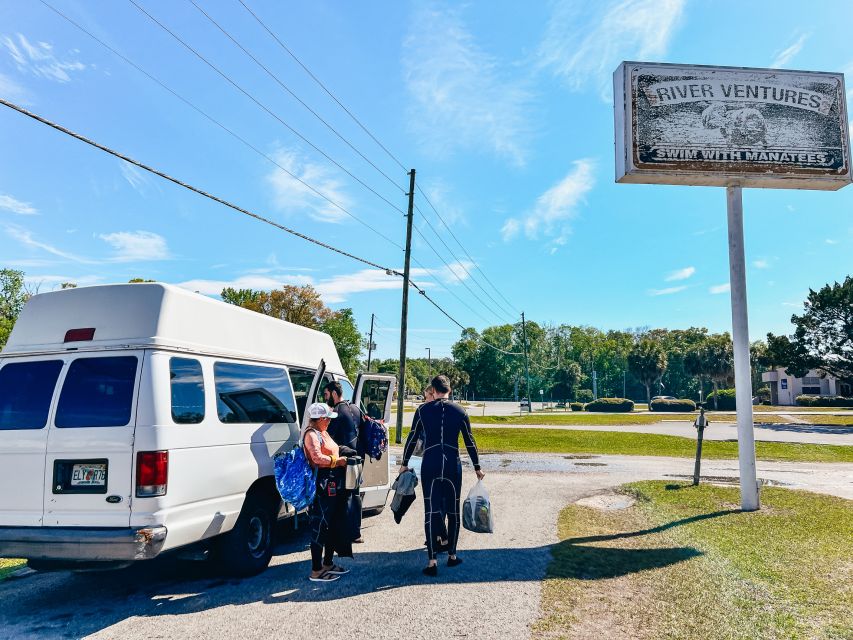
You’ll meet at River Ventures in Kings Bay (498 SE Kings Bay Dr), do a short safety lesson, and then spend most of your 3 hours on the water. The crew’s stated goal is respectful, low-stress contact—think passive interaction—so you get close without crowding the animals. My one warning is simple: if you hate being cold, plan for it. They provide wetsuits, but January water can still feel brisk.
In This Review
- Key highlights you’ll care about
- Three Sisters Springs is the real draw in Crystal River
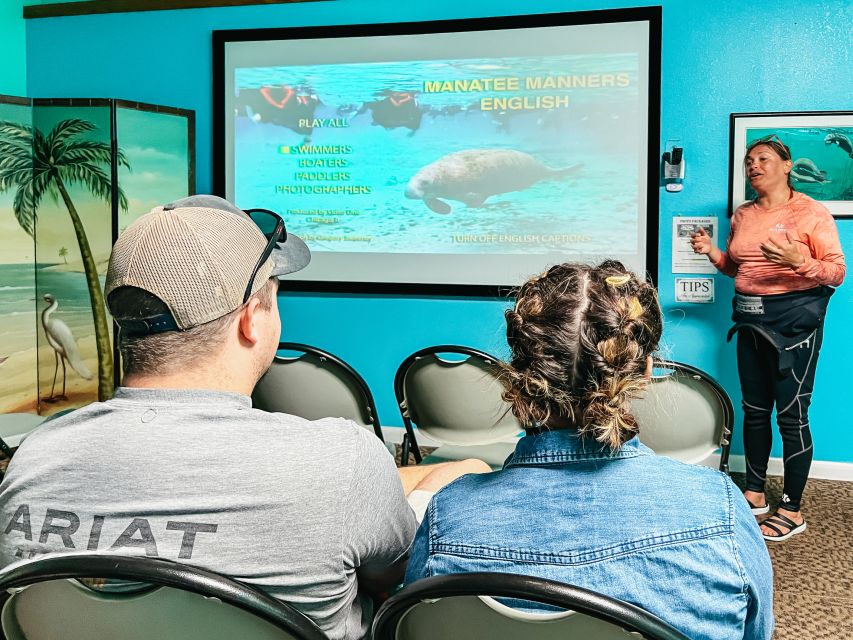
- The 25-minute briefing that makes the whole trip smoother
- Getting to the 600-acre refuge: more than a photo stop
- The covered pontoon cruise: warm springs, estuary water, and real pacing
- Manatee encounters work best when you keep expectations realistic
- In-water photographer: the moment capture part, without the pressure
- Price and value: what $87 buys in 3 hours
- Gear, wetsuits, and what to bring so you’re not miserable
- Boat time + gift shop: the wrap-up that helps you plan the rest of your day
- Who this tour fits best (and who may not)
- Practical tips that improve your chances and your comfort
- Should you book this Crystal River manatee snorkel tour?
- FAQ
- Where do I meet for the tour?
- How long is the experience?
- What’s included with the snorkeling gear?
- Do I need to bring a wetsuit or snorkeling equipment?
- What should I bring besides the gear provided?
- Is there an in-water photographer on this tour?
- Are there age limits for children?
- What group size is this tour limited to?
- Is the tour offered in English?
- FAQ
- What’s the cancellation policy?
- Is there a pay-later option?
- Are there any timing tips for seeing manatees?
- Where does the snorkeling take place?
- Are children allowed on the standard tour?
Key highlights you’ll care about
- Three Sisters Springs manatees: The tour targets the warm spring area where manatees often concentrate in cooler months.
- Small group size (10 max): Less jostling in the water means calmer viewing and safer handling.
- Coast Guard–certified captain and instructor: Safety briefing, boat control, and in-water guidance are built into the operation.
- Covered pontoon boat: You’re protected from sun and spray while you cruise to the next spot.
- In-water photographer option: You can capture the moment, and there’s a picture package available for purchase (not included).
- Good odds start early: Early tours tend to improve your chances of seeing more manatees.
Three Sisters Springs is the real draw in Crystal River
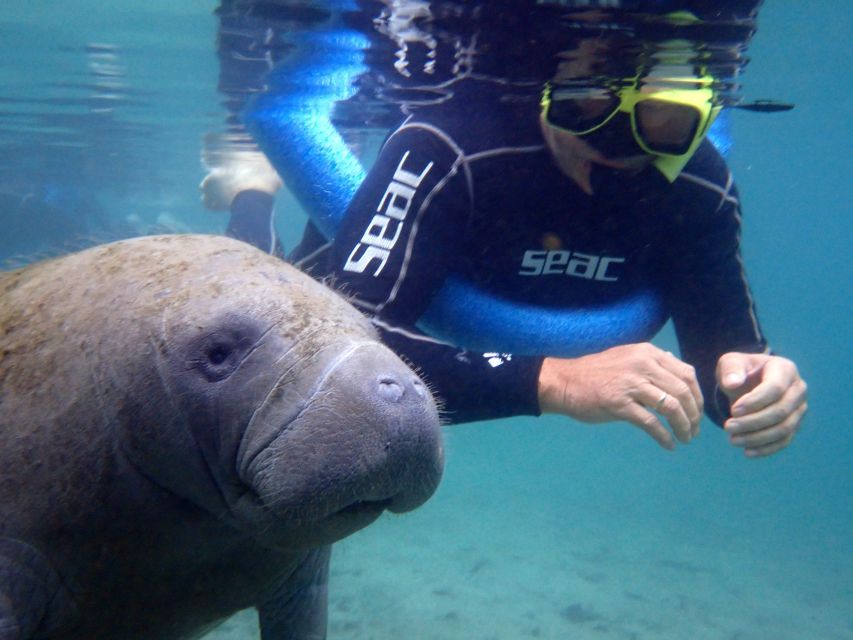
Crystal River’s manatees follow warmth. In winter, the animals gather where the water stays warmer—especially around spring-fed areas like Three Sisters Springs. That’s why this tour is built around getting you to the right place at the right time, not just putting you on any random stretch of water.
I like that the experience is designed around that natural behavior. Your guide’s job isn’t to force an encounter. It’s to read the conditions—water temperature, location, and timing—so you’re swimming where manatees are most likely to be present.
Also, you’re not just watching wildlife from afar. You’re in the water, with a wetsuit and a plan. That’s the difference between seeing manatees on a screen and having one drift past at arm’s length.
You can also read our reviews of more tours and experiences in Crystal River.
The 25-minute briefing that makes the whole trip smoother
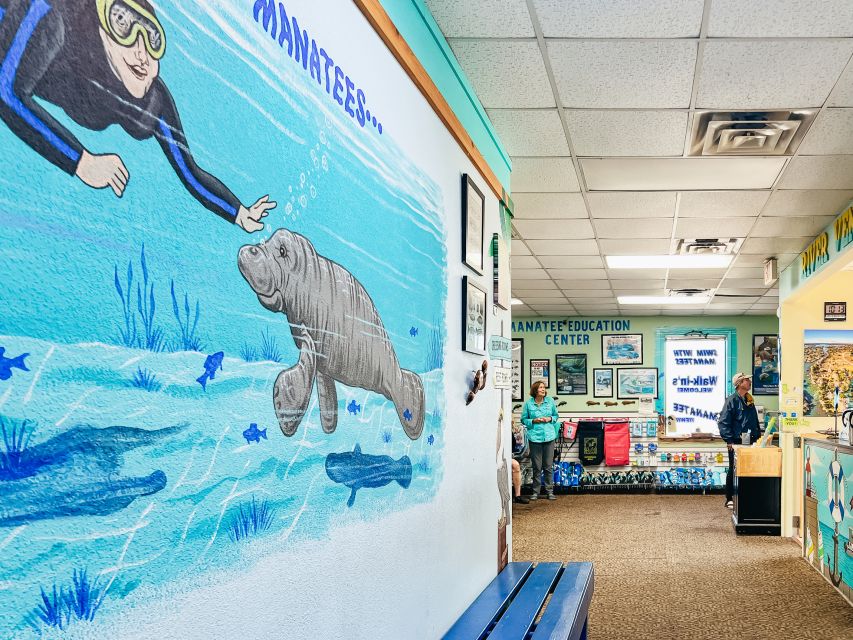
Before you ever touch the water, you get a class-style safety and education session. It’s short—about 25 minutes—but it matters because it sets your expectations and your behavior.
Here’s what that briefing is doing for you:
- It explains what a wild animal encounter looks like in real life.
- It teaches the snorkel approach and how to move so you don’t startle manatees.
- It introduces the idea of passive interaction, where the goal is to let the manatees choose the pace and distance.
I also like that it isn’t just rules. The crew gives you tips for your snorkel time, so you spend less effort guessing and more effort actually enjoying the water.
If you’ve snorkeled before, you’ll still benefit, because manatees aren’t fish you chase. They’re calm mammals with habits. The briefing keeps that in the front of your mind.
Getting to the 600-acre refuge: more than a photo stop
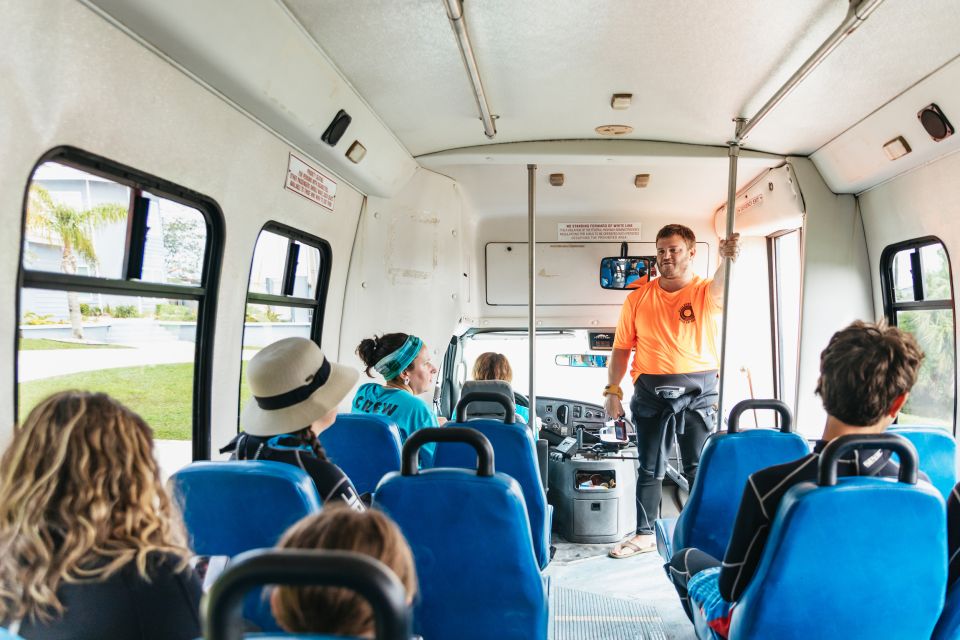
Once you’re suited and briefed, you head out on a short transfer (about 5 minutes) to the Crystal River National Wildlife Refuge area. There’s also time for a photo stop and a guided orientation on-site before you get in the water.
This part of the day is valuable because it bridges two things that don’t always mix well:
1) the excitement of seeing manatees
2) the reality of low visibility, changing water conditions, and wildlife behavior
Even when the water looks a bit cloudy, the crew’s planning helps you focus on where the springs influence conditions. In colder months, manatees often cluster around warmer water, and that’s where you want to be when you snorkel.
The drawback here is also simple: no matter how good the crew is, the water clarity and animal count can vary by day. People have mentioned that visibility can be less than crystal-clear, especially in cooler seasons or after weather impacts. You’re still there for the real encounter, not underwater Instagram perfection.
The covered pontoon cruise: warm springs, estuary water, and real pacing
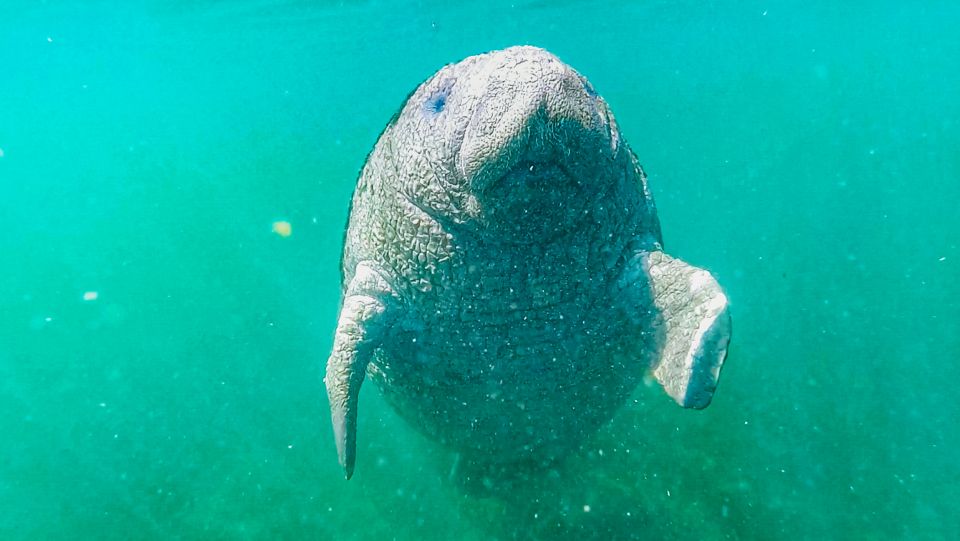
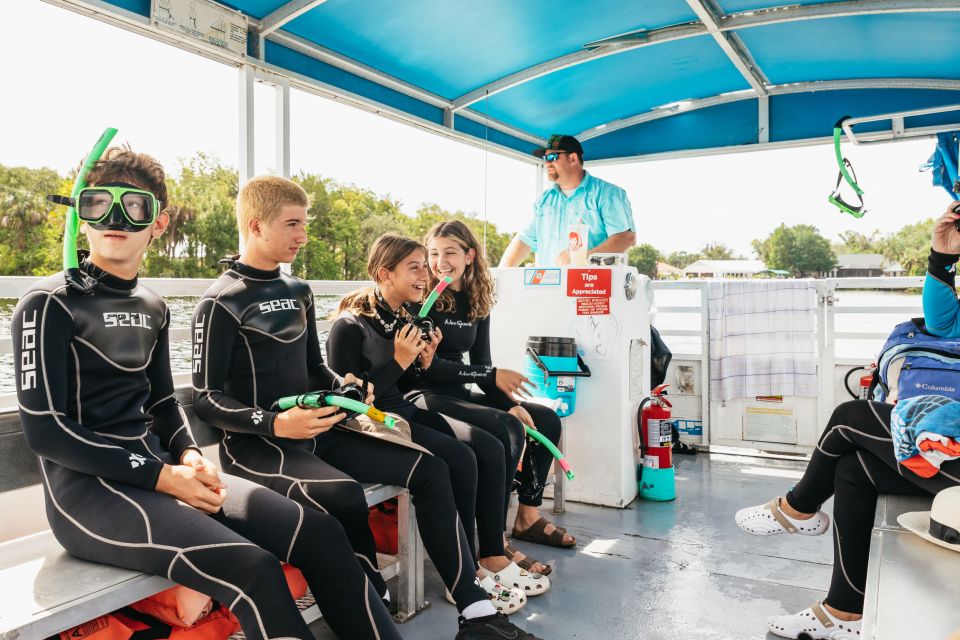
After the on-site orientation, you head out by covered pontoon boat to cruise through the area and reach the snorkeling locations. The tour highlights include both a boat cruise and swimming/snorkeling in the refuge and estuary zones.
The pontoon setup is more practical than it sounds. You get:
- shade and spray protection under the cover
- stable boarding points
- a calmer transition for first-timers and families
You’ll typically spend a big chunk of the tour time on the water platform and in the water itself—about 2.42 hours within the refuge/boat portion. That amount of time matters. With manatees, the best moments can happen slowly, with drifting, gentle curiosity, and long pauses.
If you come expecting a frantic swim session, you may feel a little impatient at first. If you come ready to float, watch, and wait, you’re going to love it.
Manatee encounters work best when you keep expectations realistic
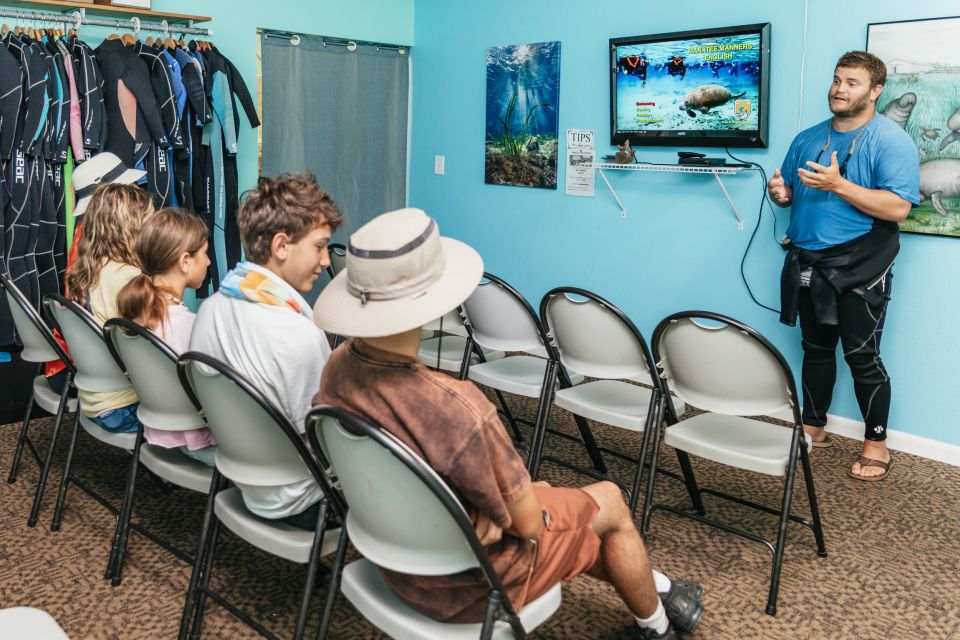
The tour sets a clear tone: you’re not controlling wildlife. The manatees migrate based on temperature and resources, not on schedules.
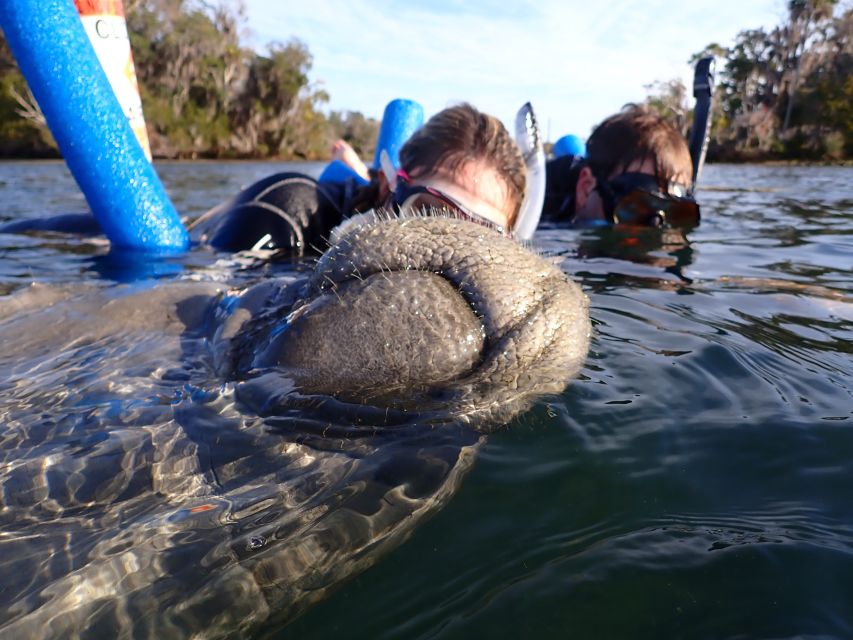
The crew encourages passive interaction, which is exactly what you want. That means the animal isn’t being chased, poked, or crowded. You’re there to share space and observe, not to test boundaries.
This also explains why early mornings often help. In practice, manatees tend to congregate in warmer springs, and the earlier start can give you calmer water plus a better chance to find them near those spring areas.
One more detail I’d take seriously: cold weather can mean more manatees in the area. Warmer weather can spread them out. So if your calendar is flexible, winter tours often have an advantage for sightings.
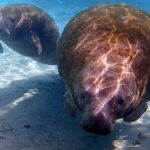
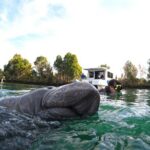
If you go in with the right mindset—gentle, quiet, and patient—you’ll notice manatees aren’t just present. They’re curious in their own way. People on the tour data describe everything from multiple adult manatees to even a baby and nursing pair, which shows why this can be more than a one-animal day.
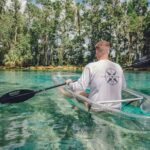
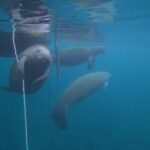
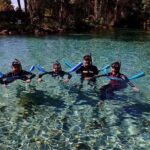
In-water photographer: the moment capture part, without the pressure
This experience includes an in-water photographer. That’s a big deal because the best manatee moments are short and slow at the same time—one drift by, one eye contact, one unexpected closeness.
You may see a preview option or a chance to purchase a picture package, but it’s specifically listed as not included in the base price. So build it into your budget only if you really want the professional photos/videos. If not, you can still rely on your own camera or phone, just keep it simple and secure in wet conditions.
What I like about having an in-water photographer is that it changes the vibe. You’re not constantly trying to frame shots while also managing buoyancy. The crew helps take some of that stress off your hands.
Price and value: what $87 buys in 3 hours
At $87 per person for about 3 hours, you’re paying for three things that add up fast when you price them separately:
- a guided classroom-style safety and education session
- Coast Guard–certified leadership on the boat and instruction support in the water
- snorkel essentials like mask, snorkel, and wetsuit, plus water and parking
So you’re not just renting gear and hoping for the best. You’re buying a managed wildlife encounter with a small group and a focused plan.
Is it expensive? Sure, compared to self-scheduling a “see manatees” day. But manatees are unpredictable, and the tour’s value is in reducing the guesswork: where you go, how long you’re there, and how you behave once you’re in the water.
The most honest drawback is the one that never disappears in wildlife: some days you might see more animals than others. The crew can work hard, but nature is nature.
Gear, wetsuits, and what to bring so you’re not miserable
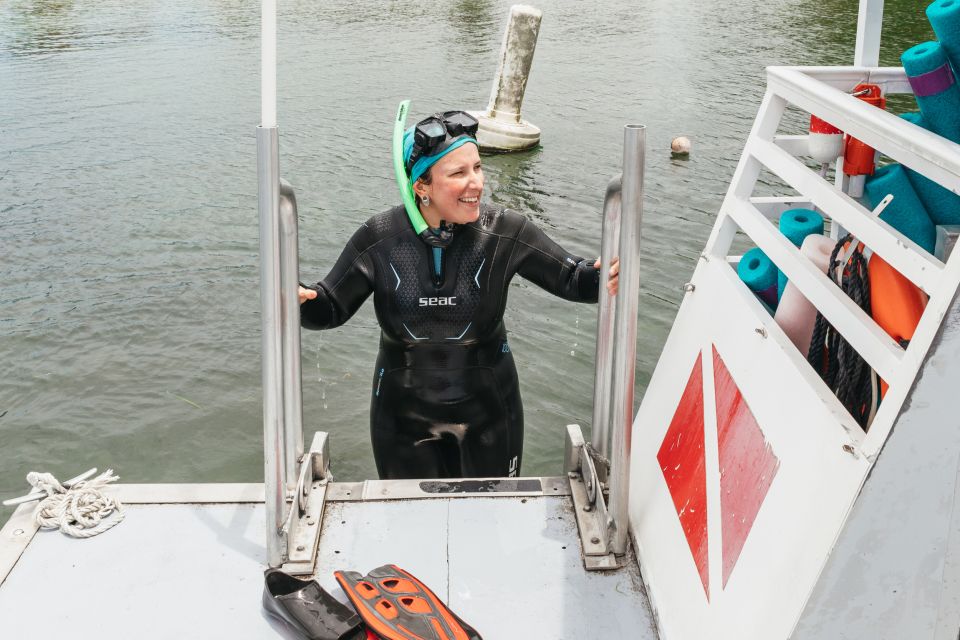
Included gear is a real plus here: mask, snorkel, wetsuit, bottled water, and parking. That reduces friction, especially if you don’t already own cold-water snorkel gear.
What you should bring:
- swimwear
- a towel
Wetsuits are available in all sizes, and there are extra supports like snorkel vests and flotation noodles if kids need help staying at the surface without swimming.
Cold is the main variable. People have described January conditions around the low-50s Fahrenheit range and still making the swim enjoyable thanks to the wetsuit. That tracks with how cold-water comfort works. You’ll feel the chill on the first moment in, then you adjust.
Practical tip: if you run cold easily, you’ll probably want to treat the wetsuit like the main event, not an accessory. Let it do its job.
Boat time + gift shop: the wrap-up that helps you plan the rest of your day
After the water time, you head back to the base, where you can warm up and regroup. The tour includes coffee and tea, plus shopping at the one-of-a-kind gift shop.
This stop is more than a souvenir grab. The staff also share tips and directions for what to do in the Kings Bay area, including restaurants and local attractions. That’s the kind of small guidance that saves you time when you’re trying to build a real itinerary after the tour.
If you’re the type who likes to turn one great activity into a full day, this is a helpful touch.
Who this tour fits best (and who may not)
This is a strong match if you:
- want a structured, guided manatee encounter at Three Sisters Springs
- can handle cool water and don’t mind snorkeling with a wetsuit
- value safety and respectful wildlife behavior
- like small group settings (10 participants max)
Families are a big part of this experience, but with clear boundaries. Unaccompanied minors aren’t allowed, and children under 18 must be accompanied by an adult. Very young children need to be calm and quiet to avoid startling animals.
Age-wise:
- Children under 3 aren’t suitable for standard group tours.
- If you have a child under 3, they’re allowed only on a private tour where you book the entire boat.
If you have a kid who panics in water or won’t keep still, this may turn stressful fast. Better to wait until your child can follow instructions and stay calm.
Practical tips that improve your chances and your comfort
A few small choices can make a big difference on a manatee tour like this:
- Go early when you can. The data points to mornings being best for spotting manatees near the springs.
- Expect slow. Manatees move gradually. The experience rewards patience more than speed.
- Treat visibility like a variable. Water clarity can change by conditions, season, and weather impacts. If visibility isn’t perfect, focus on movement and silhouettes near the warmer areas.
- Plan for cold first, comfort second. Wear swimwear that’s easy to get on/off and towels ready for quick drying.
- Let the crew manage the interactions. Passive interaction works when you follow the guide’s timing and positioning.
- If you use your own full-face gear, bring it only if it’s something you already know how to use. Some people like their own setup, but don’t experiment for the first time on a manatee day.
You’ll get the most enjoyment if you think like a guest in someone else’s habitat. Quiet, steady, and respectful gets you closer to the moment.
Should you book this Crystal River manatee snorkel tour?
If your goal is a guided, respectful Crystal River manatee snorkel tour focused on Three Sisters Springs, I’d say yes—with eyes open.
Book it if you want:
- a small group experience with Coast Guard–certified leadership
- wetsuits and snorkel gear handled for you
- a real education component before you enter the water
- the option of professional in-water photos (if you want to add the picture package)
Consider skipping or switching plans if:
- you can’t tolerate cold water even with a wetsuit
- you’re bringing very young kids who may not stay calm and quiet
- you want guaranteed visibility or a guaranteed number of manatees (that’s not something wildlife can promise)
If you’re flexible on timing, aim for a morning slot in cooler months for better concentration around warm springs. And come ready to float, watch, and wait. That’s when manatees turn a tour into a memory.
FAQ
Where do I meet for the tour?
You meet at the River Ventures tour center at 498 SE Kings Bay Dr.
How long is the experience?
The duration is 3 hours.
What’s included with the snorkeling gear?
Mask, snorkel, wetsuit, bottled water, and parking are included.
Do I need to bring a wetsuit or snorkeling equipment?
No. Wetsuits, masks, and snorkels are provided in all sizes.
What should I bring besides the gear provided?
Bring swimwear and a towel.
Is there an in-water photographer on this tour?
Yes, the experience is described as including an in-water photographer. Picture packages are not included.
Are there age limits for children?
Unaccompanied minors are not allowed. Children under 18 must be accompanied by an adult. Children under 3 are not suitable for standard tours, and a child under 3 is allowed only on a private tour where the entire boat is booked.
What group size is this tour limited to?
It’s a small group limited to 10 participants.
Is the tour offered in English?
Yes, the instructor language is English.
FAQ
What’s the cancellation policy?
Free cancellation is available up to 24 hours in advance for a full refund.
Is there a pay-later option?
Yes. You can reserve now and pay later, keeping travel plans flexible.
Are there any timing tips for seeing manatees?
Early mornings are typically the best time to find manatees, especially when they’re congregating around warmer springs.
Where does the snorkeling take place?
You snorkel in the Crystal River National Wildlife Refuge, with boat cruising to the area around Three Sisters Springs and the local waterways.
Are children allowed on the standard tour?
Children are allowed as long as they meet the stated age rules and are accompanied by an adult when required. Very young children need to be calm and quiet.