REVIEW · WASHINGTON DC
DC Memorials Night Tour: Glass-Roof Convertible Upgrade Option
Book on Viator →Operated by USA Guided Tours · Bookable on Viator
Floodlit monuments make DC feel cinematic. What I like most is the chance to get close, timed photo stops without the daytime crush, plus the option to ride the glass-roof bus when you want clean views and fewer sightline headaches. A strong guide really matters too; names like Deion and Dion show up in the guide lineup, and they seem to keep the energy high while connecting the sites to the stories behind them.
One thing to plan for: you’ll do some walking, including steps around the Lincoln/Korean War area, so bring comfortable shoes and expect a bit of a workout in a short window.
You start and finish at the US Navy Memorial Plaza, right by the tall navy flags, and the tour loops through the big-name memorials in a logical order so you’re not backtracking. With bottled water included and a group capped at 50, the whole format feels built for a first-timer or a repeat visitor who wants the highlights explained well.
Season can change the ride. In colder months, open-top seating often becomes a glass-top setup between October and March, so the “glass roof upgrade” is especially nice when you’re dealing with wind and chill.
In This Review
- Key points to know before you go
- Why DC at Night Feels Different From Daylight
- Price and What You Actually Get for $69
- Meeting at the US Navy Memorial Plaza: Find the Tall Flags
- Glass-Roof Upgrade: When It Improves the View
- The 3-Hour Route: What Each Stop Feels Like
- White House (outside only)
- U.S. Capitol (outside only)
- National World War II Memorial
- Jefferson Memorial
- Martin Luther King, Jr. Memorial
- Lincoln Memorial + the Korean War Veterans Memorial walking stretch
- Vietnam Veterans Memorial
- U.S. Marine Corps War Memorial
- Timing, Photo Stops, and How to Not Feel Rushed
- Comfort, Seats, and the Stuff You Should Bring
- Guides, Drivers, and Why the Best Part Is the Narration
- Who This Tour Suits Best (And Who Might Want Something Else)
- Should You Book This DC Memorials Night Tour?
- FAQ
- Where does this tour meet?
- What is the closest Metro stop?
- What time does the tour start, and when should I arrive?
- Is hotel pickup included?
- What is included in the tour price?
- Does the tour include a glass-roof option, and does it change by season?
Key points to know before you go
- Glass-roof upgrade for clearer photos when the bus switches from open-top to glass-top in colder weather
- Photo stop rhythm designed for quick angles at the Lincoln, Vietnam Veterans, and other major memorials
- A guide who sets the context fast, so you’re not just staring at statues in the dark
- Outside-only stops at the White House and U.S. Capitol, with time kept tight
- Short but active route, with walking concentrated around the Lincoln/Korean War Memorial area
- Start at the US Navy Memorial near Metro, and watch for common pickup confusion on the street
Why DC at Night Feels Different From Daylight
Daytime in Washington, DC is all effort: lines, crowds, and constant “where do we go next?” energy. This night tour flips that. The monuments are already lit up, so you spend less time searching for views and more time enjoying them.
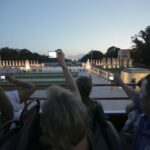
At night, the big sites also read differently. The memorials feel more human, less like a checklist. You’ll likely notice how the lighting changes the mood—especially at places like the Lincoln Memorial and Vietnam Veterans Memorial, where the scene can feel quieter and more reflective.
The best part is the guide narration. You’re not just driving past landmarks; you’re getting the story while you’re in the right spot. That turns a photo stop into something with meaning.
You can also read our reviews of more tours and experiences in Washington DC.


Price and What You Actually Get for $69

At $69 per person for about 3 hours, this is positioned as a cost-effective way to hit the core memorial cluster without building your own route and juggling parking. You’re paying for two things: transportation on a timed loop and a guide who helps you make sense of what you’re seeing.
Here’s what you get that keeps the value strong:
- A professional English-speaking guide (on and off the bus)
- Bottled water
- Several guided stops with time to look and take photos
What you don’t get (and should factor in) is hotel pickup, and there’s no luggage storage. Also, this is not a “museum deep dive” tour. It’s designed for exterior viewing and short, focused stops.
For first-timers, I think it’s a smart spend because it compresses a lot of DC’s most recognizable memorials into one night. For repeat visitors, it can still be worth it if you want the lighting + guide commentary combo instead of another independent walk.
Meeting at the US Navy Memorial Plaza: Find the Tall Flags
This tour starts and ends at the US Navy Memorial Plaza (701 Pennsylvania Ave NW). You meet in front of the memorial by the large fountain plaza and the tall navy flags, on Pennsylvania Avenue NW between 7th & 9th St NW.
Two practical tips that matter:
- Rideshares tend to drop people on the wrong side of the block, so follow the directions to the navy flags area.
- The closest Metro stop is right by you: Navy Memorial – National Archives on the yellow and green lines.
Arrive early. The tour departs promptly at 7:30 pm, and you’ll want a buffer for check-in. One review also flagged that the sign-in area can be hard to spot in the dark, so don’t show up at the last second.
Glass-Roof Upgrade: When It Improves the View
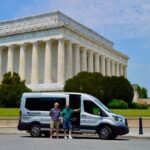
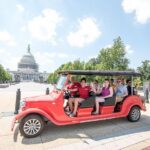
The tour is offered in a standard vehicle, and you can upgrade to a glass-roofed option. You’ll especially care about this if you’re the type of traveler who wants sharp, unobstructed shots.
A key detail: convertible buses switch from open-tops to glass-tops between October and March due to colder temperatures. That means the “glass roof” idea isn’t just a gimmick for summer sightseeing—it’s also part of staying comfortable in cooler months.
What this means for you:
- Better sightlines for photos when you’re seated inside the bus
- Less dealing with wind during colder evenings
- A more comfortable ride if you’re dressed for evening temps but not for open-air gusts
If you’re considering the upgrade, I’d treat it as a photography and comfort choice more than a “luxury” choice.
The 3-Hour Route: What Each Stop Feels Like
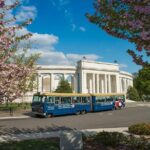
This tour runs a tight loop through major memorials. Most stops are about 15 minutes, with a longer stretch around the Lincoln/Korean War area. You’ll spend enough time to see, learn, and get photos—but not enough time to wander like you would on a self-guided afternoon.




White House (outside only)
You get a guided stop outside, about 15 minutes. This is more about the big-picture context than getting close up. It’s a good kickoff because your guide can set the tone—why this part of the city matters and how these memorials fit into the larger story of the nation.
U.S. Capitol (outside only)
Another outside-only stop, about 15 minutes. This one helps you orient fast. Even if you’ve seen the Capitol by day, nighttime lighting can make it feel more monumental, and the guide narration helps you notice architectural and historical cues you might otherwise miss.
National World War II Memorial
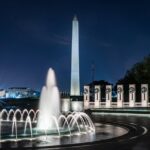
About 15 minutes here. This is one of the stops where nighttime lighting really changes the mood. You’ll have time for photos, and the guide’s commentary helps you connect what you’re looking at to the broader World War II story.
Practical note: depending on the crowd and timing, you may want to pick your photo angle early, then switch to a slower look once you’ve got the shot you want.
Jefferson Memorial
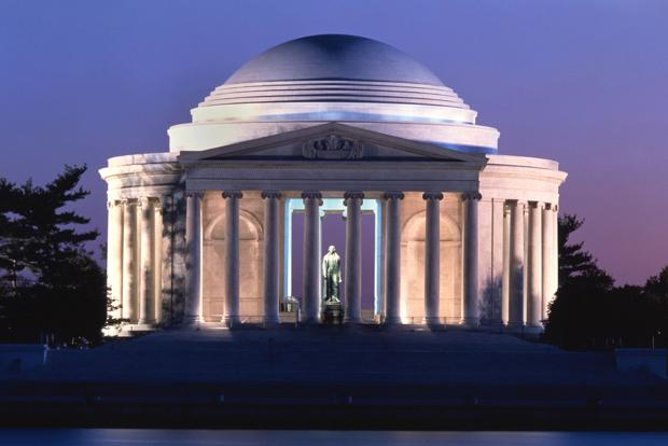
About 15 minutes with a guided stop. The Jefferson Memorial can feel stately at night—soft lighting, strong silhouettes, and a calmer feel than the midday rush. The guide narration is especially helpful at this stop because it gives you the “why” behind what you see.
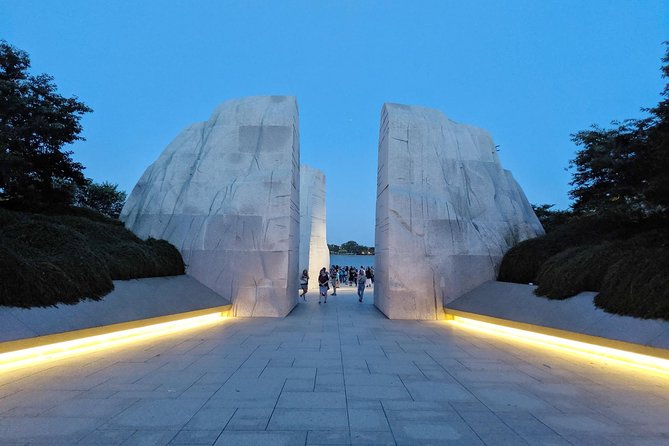
Martin Luther King, Jr. Memorial
About 15 minutes. This stop often benefits from a slower mindset, even though the tour moves briskly. If you care about getting the full meaning from sculpture and symbolism, use the guide’s narration as your “roadmap” and don’t rush your photos.
Lincoln Memorial + the Korean War Veterans Memorial walking stretch
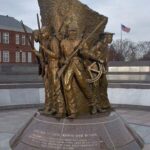
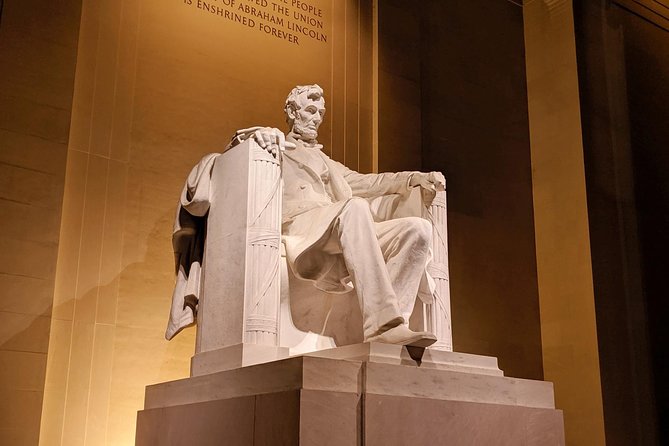
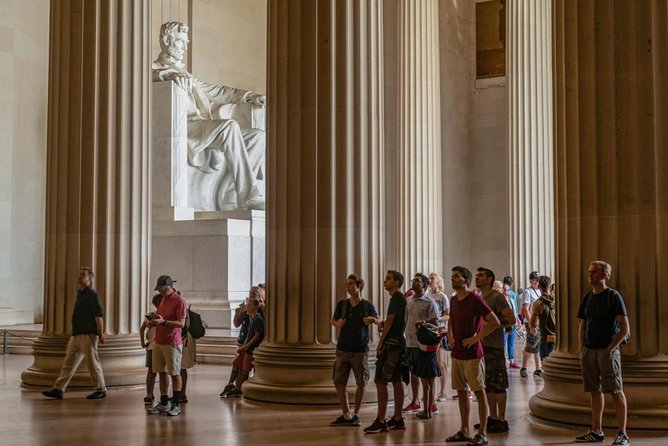
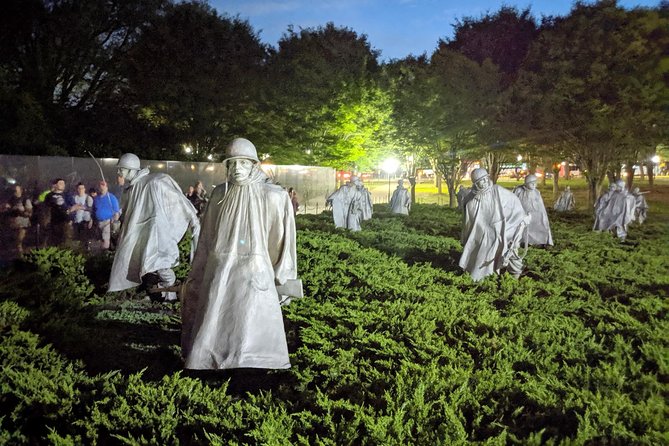
This is the most active portion of the itinerary. Lincoln has about 20 minutes and includes walking, and it’s described as conjoined with the next stop. In plain terms: you’ll be doing a bit of walking between the Lincoln Memorial area and the Korean War Veterans Memorial, so plan to move with purpose.
Why this stop is a big deal:
- The lighting at the Lincoln Memorial is dramatic in a way daytime photos often miss
- You’ll get a little time to step out, see the setting, and capture images with less daytime glare
One review mentioned ramps and steps. Another highlighted that you should wear good walking shoes. So yes—this is where footwear matters most.
Vietnam Veterans Memorial
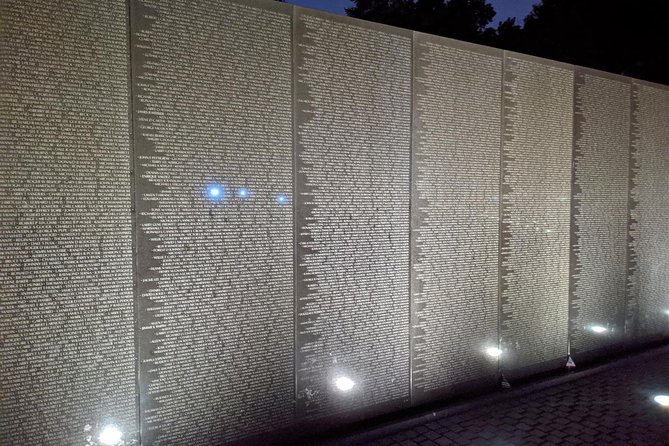
About 15 minutes. This is one of the stops where nighttime can make a strong emotional impression. The guide helps you understand what you’re looking at so the moment isn’t just visual.
U.S. Marine Corps War Memorial
About 15 minutes. Expect a quick guided look plus photo time. The lighting tends to make the shapes and text feel crisp, and the guide’s commentary gives you the context so you can focus on meaning rather than just memorizing names.
Timing, Photo Stops, and How to Not Feel Rushed
The tour is built around quick stops and short windows—most are about 15 minutes. The upside is you see a lot; the downside is you can’t linger like a self-guided walk.
What I’d do to avoid stress:
- At each stop, decide if you need a wide shot, a closer shot, or a low-light portrait angle. Then take it early.
- If you’re planning to take photos from the bus, choose your seat so you have the best window line before you start moving.
- Keep your phone battery charged. In a 3-hour run, time adds up fast.
One review also mentioned that it can be hard to take photos unless you’re seated by a window on the side where conversation and viewing happen. So if you upgrade (or even in the standard setup), choose your seat intentionally.
Also remember: no food is allowed on the buses. Snacks are fine, but keep it simple so you’re not juggling wrappers while you’re trying to see.
Comfort, Seats, and the Stuff You Should Bring
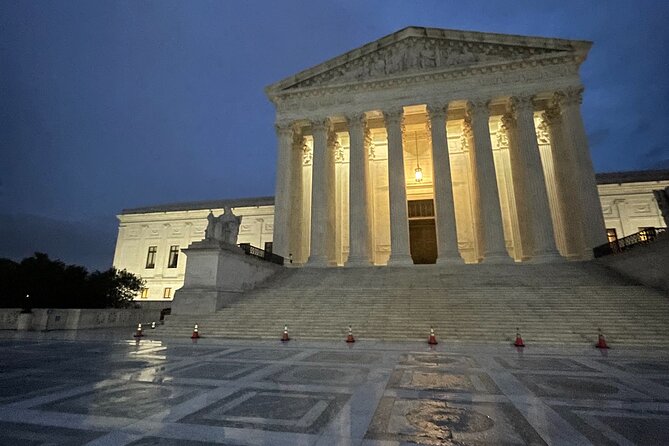
This is not an all-day walking tour, but it’s not a sit-and-stare either. You’re on and off the bus multiple times, and you’ll do steps and short walks at points.
Pack smart:
- Good walking shoes (especially for the Lincoln/Korean War stretch)
- A small carry-on is allowed, but travel light because bag checks can happen for security
- Dress for the evening. The bus setup can change seasonally, and the wind can be real along Pennsylvania Avenue
One practical safety note: DC memorials often have metal detectors at entrances, and the tour operator recommends you travel light to make sightseeing smoother. That’s another reason the night format can feel easier than a DIY itinerary.
Guides, Drivers, and Why the Best Part Is the Narration
The most consistent praise centers on the guide experience: people love guides who keep the story clear, fun, and moving. Names that came up include Deion, Dion, Jeff, George, Rocky, Reid, and others. The common thread is that they make the stops feel connected instead of random.
What you should look for in a good night guide:
- They explain what you’re looking at in plain language
- They give you enough context to understand symbolism fast
- They manage timing so you actually get photo chances
Some people like the guide to talk a lot; a few felt the narration volume or pace got too intense at specific stops. If you’re sensitive to long speeches in quieter areas, you can still manage it by focusing on your viewing during the narration and letting the guide’s key points land first.
Driver quality matters too. Multiple accounts praised smooth, safe driving and a comfortable ride.
Who This Tour Suits Best (And Who Might Want Something Else)
This tour is a strong fit for:
- First-time visitors who want the “greatest hits” of DC memorials in one evening
- People who don’t want to plan transport, routes, and parking
- Travelers who love photos but don’t want the daytime crowd battle
It may be less ideal if:
- You want a long, slow walk through each memorial with lots of time inside surrounding areas
- You dislike guided commentary for extended periods
- You’re expecting a museum-style tour with lots of indoor time (this is primarily outside stops)
The format works especially well if you’re pairing DC memorials with other daytime plans. One night like this can make the daytime visits feel easier afterward—because you’ll recognize the places and understand what they represent.
Should You Book This DC Memorials Night Tour?
If your goal is to see DC’s memorials with less stress and better timing, this is a solid choice. The value comes from the combination of guided context, photo stops, and a focused 3-hour route—not from trying to do everything at once.
I’d book it if you want:
- Floodlit monuments without daytime crowds
- A guide to tie the stops together
- A glass-roof upgrade if you care about comfort and unobstructed sightlines
I’d hesitate only if you strongly prefer silent, self-paced wandering—or if you need lots of indoor time. For most people, this is a smart, efficient way to experience what makes Washington DC memorable after dark.
FAQ
Where does this tour meet?
Tours start and end at the U.S. Navy Memorial at 701 Pennsylvania Ave NW, Washington, DC 20004. You meet in the front of the memorial at the large fountain plaza by the tall navy flags, on Pennsylvania Avenue NW between 7th & 9th St NW.
What is the closest Metro stop?
It meets directly outside the Metro station Navy Memorial – National Archives on the yellow and green lines.
What time does the tour start, and when should I arrive?
Tours depart promptly at 7:30 pm. Arrive 15 to 20 minutes early for check-in.
Is hotel pickup included?
No. Hotel pickup and drop-off are not included.
What is included in the tour price?
Included are a guided city tour, bottled water, and an English-speaking professional tour guide (on and off the bus).
Does the tour include a glass-roof option, and does it change by season?
Yes. You can upgrade to a glass-roofed vehicle. Convertible buses switch from open-tops to glass-tops between October and March due to colder temperatures.