REVIEW · LAS VEGAS
Grand Canyon West Bus Tour with Hoover Dam and Optional Skywalk
Book on Viator →Operated by Gray Line Las Vegas · Bookable on Viator
Glass walking, dam photos, and canyon awe all day. This Grand Canyon West Rim bus tour is interesting because it strings together Hoover Dam picture time, a desert drive, and then a long, structured visit to Grand Canyon West. I love that you get a focused block of about four hours at the rim, not just a quick stop.
I also like that your ticket can match your energy level. You can do the West Rim on foot, or upgrade to the Skywalk for the glass walkway moment—or go bigger with a short helicopter ride.
One possible drawback: this is a long day with lots of riding and a couple of built-in waiting points. If you choose the Skywalk, you’ll also be dealing with strict rules (no phones or cameras) and that can mean extra time planning for lockers and lines.
In This Review
- Key points to know before you go
- Las Vegas to West Rim: The real rhythm of the day
- Hoover Dam and the Memorial Bridge: Worth the quick photo stop
- The desert drive through Joshua Tree forest: Small moment, easy win
- Grand Canyon West: How that 4-hour window is supposed to work
- Eagle Point and Guano Point: Two views, two moods
- Hualapai Ranch and the wild west show: Culture is part of the ticket
- Skywalk upgrade: The glass experience, plus the rules
- Helicopter upgrade: Short flight, big perspective
- Tour logistics that can make or break your comfort
- Price and value: When the $85 makes sense
- Should you book this Grand Canyon West bus tour?
- FAQ
- How long is the tour, and how much time do I spend at the Grand Canyon West Rim?
- Does the tour include hotel pickup and drop-off?
- What are the main stops during the day?
- What optional upgrades are available?
- Is the Skywalk included with the basic tour?
- Are cameras and phones allowed on the Skywalk?
- Is lunch included?
- Can I cancel and get a full refund?
- Are service animals allowed, and can I bring pets?
- Are buses accessible for wheelchairs?
Key points to know before you go
- A real 4-hour West Rim window to hit Eagle Point, Guano Point, and the cultural stops without feeling glued to the bus
- Hoover Dam stop at the Memorial Bridge for photos and a quick leg-stretch before the desert drive
- Skywalk basics you must plan for: no personal phones/cameras and you’ll use lockers
- Helicopter upgrade is short but high impact with set ride timing and weather-dependent operations
- Lunch is tied to the Hualapai Ranch area and options can be basic, so having snacks is smart
- Group size capped at 56 which helps, but the day still includes multiple stops and potential delays
Las Vegas to West Rim: The real rhythm of the day
This tour works best when you treat it like a full-day road trip with a big payoff at the end. You’ll start with hotel pickup, then head out of the Strip area toward the Grand Canyon West Rim. The drive is roughly three hours each way, so the bus is a big part of your experience.
The bus itself is set up for comfort: climate controlled with reclining seats, panoramic windows, and an onboard restroom. That matters because the ride isn’t short, and the desert heat can build fast once you’re leaving Las Vegas behind. If you’re hoping to nap, this is one of the better parts of booking a bus tour instead of trying to self-drive.
The guide-driven commentary on the way helps you connect the dots—Hoover Dam’s role, the geography outside the canyon, and what you’ll see when you arrive. In recent trips, the tone of the day has depended a lot on who’s behind the mic, with guides like Terrence, Mike, Chris, Wayne, and Prince called out for making the flow feel organized (and funny). If your goal is “stress-free,” you’ll likely appreciate that.
You can also read our reviews of more tours and experiences in Las Vegas.


Hoover Dam and the Memorial Bridge: Worth the quick photo stop
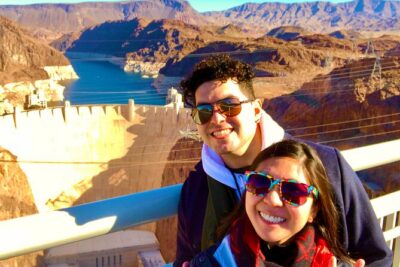
Before you reach the canyon, you get a 30-minute break at Hoover Dam’s Mike O’Callaghan–Pat Tillman Memorial Bridge area. It’s timed for photos and a chance to stretch your legs. This stop is also your first taste of scale: you’re seeing one of the biggest engineering projects in the Southwest, right before the natural engineering of the canyon takes over.
You’ll have enough time to step away from the bus, grab your pictures, and reset before the long drive continues. The main tradeoff is that it’s short. If you’re the kind of person who wants museum-level time at a site, you’ll need to do that separately. But for most people on a day tour, this is a good “see it, photograph it, move on” stop.
The desert drive through Joshua Tree forest: Small moment, easy win
Between Las Vegas and Grand Canyon West, the route includes a drive through Joshua Tree forest for about 10 minutes. It’s not a full stop where you roam around, but it gives you a quick change in scenery and a chance to grab a few photos from the road.
This section of the trip matters more than it sounds. It breaks up the monotony of highway miles and helps the day feel like an actual journey, not just transport. Also, if you’re the type who gets motion-sick, this is one of those parts where you’ll want to plan for comfort early—sit where you feel steadier and keep water handy.
Grand Canyon West: How that 4-hour window is supposed to work
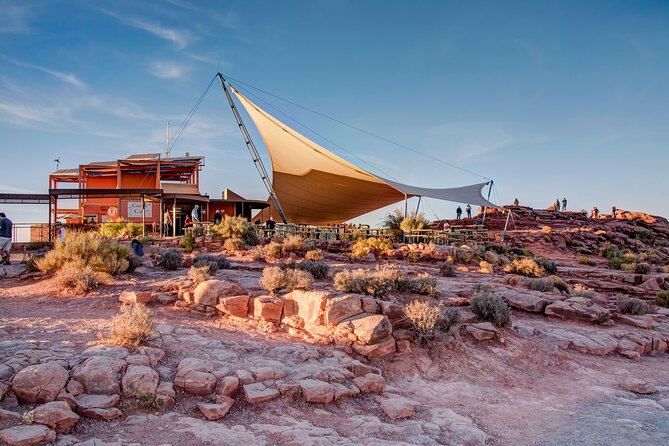
When you arrive at Grand Canyon West, you typically get about four hours to explore. That’s the core reason this tour can feel satisfying even though it’s bus-based. You’re not just looking from one point—you have time to walk, stop for views, and visit the Hualapai cultural area at the ranch.
That four-hour window is also long enough to match different travel styles:
- If you want scenic viewpoints and easy walking, you’ll focus on Eagle Point and Guano Point.
- If you want culture and show-style entertainment, you’ll spend time at the Hualapai Ranch area.
- If you chose upgrades, you’ll add Skywalk time (or helicopter time), which changes how you should pace yourself.
One thing to keep in mind: West Rim is popular, and lines can form. Even with a structured schedule, the timing can be affected by passenger volume and weather. You don’t need to panic, but you should plan to be flexible with your photos and walking pace once you’re there.
Eagle Point and Guano Point: Two views, two moods
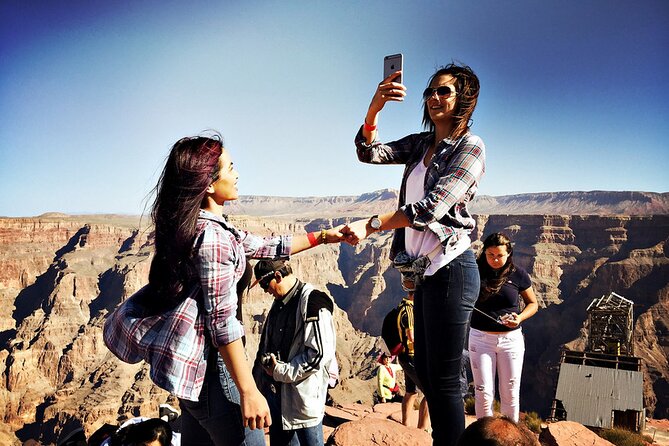
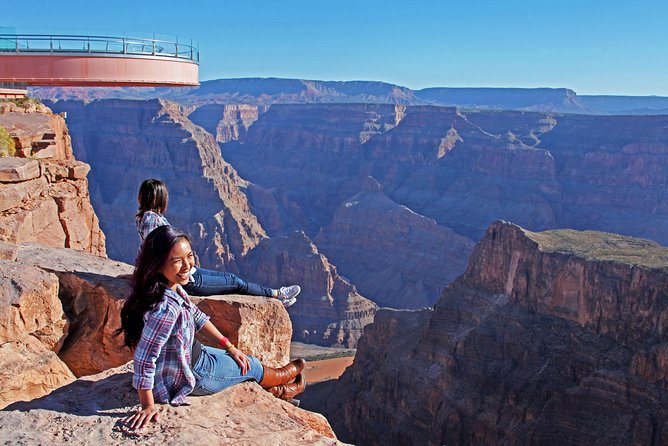
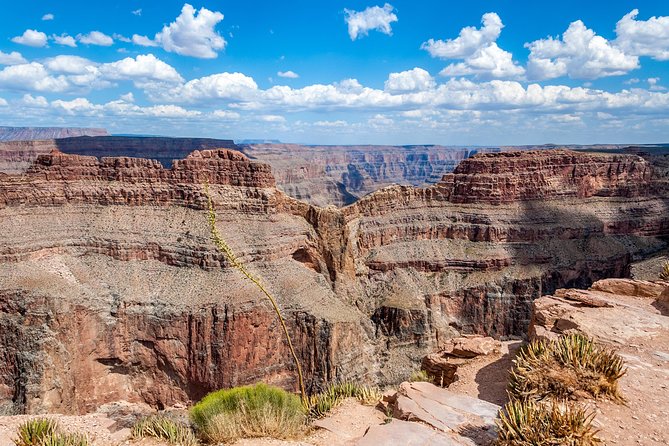
Eagle Point is one of the rim’s signature viewpoints. It’s named for a rock formation that resembles an eagle in flight, and it’s also where the Skywalk access area is located. From here, you’ll get classic West Rim perspectives—big edges, deep drop-offs, and the Colorado River far below.
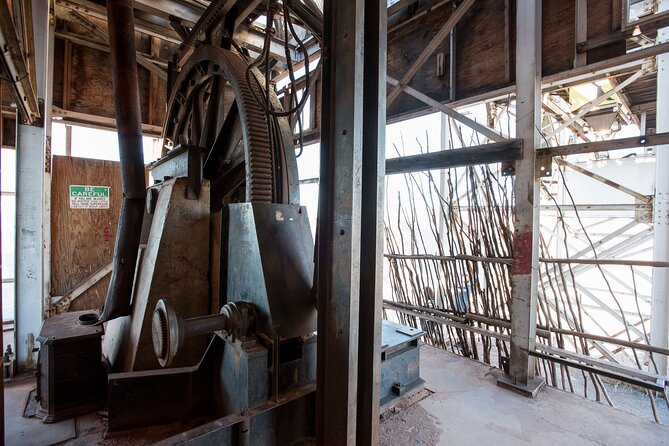
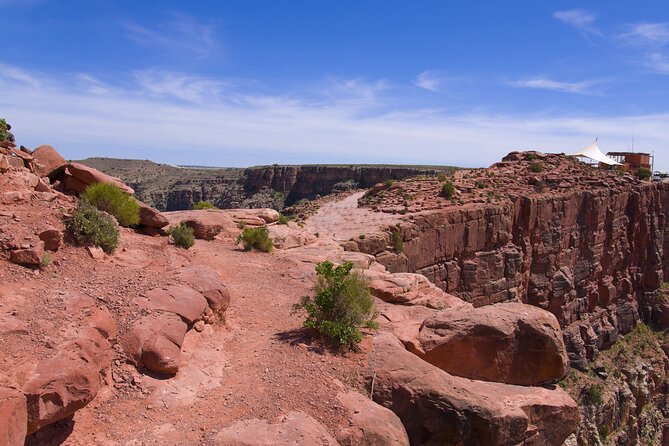
Guano Point gives you a different feel. It’s known for views over the river and the canyon walls, and it’s tied to an old guano mine history at the site. The walking here can be a little more purposeful than “just stand and stare,” so it’s a good option if you want to move around instead of staying planted.
My practical advice: pick your order based on the upgrade you chose. If you’re doing Skywalk, you’ll usually want to get your rim walking done first so you’re not rushing later. If you’re not doing Skywalk, you can take Eagle Point slower, then use Guano Point as your “bigger photo walk” before lunch.




Hualapai Ranch and the wild west show: Culture is part of the ticket
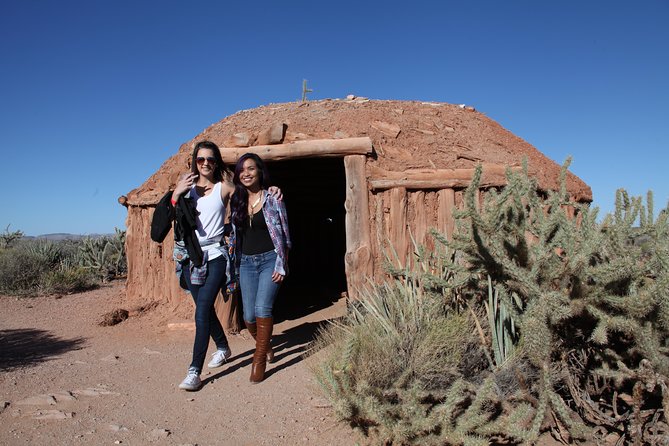
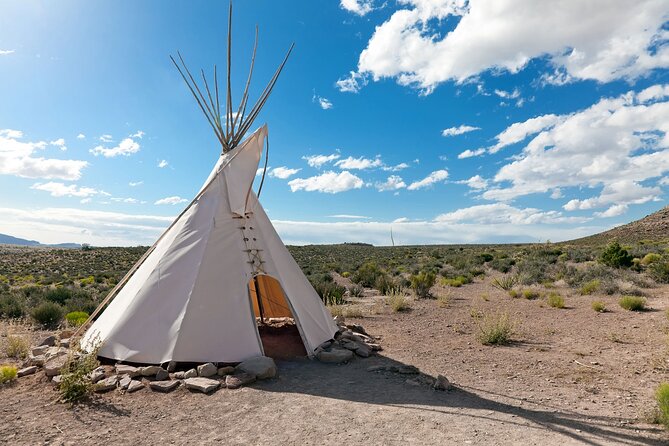
At the Hualapai Ranch, you’ll get access to a cultural experience tied to the Hualapai Native American community. Expect a western-style show component and on-site presentation from Hualapai Brand Ambassadors. The area is set up like a dusty streetscape, with exhibits and food service in the same zone.
Lunch is either included or available depending on the exact option you select, but it’s generally handled in this area. The food is widely described as decent but not everyone’s dream meal—some people found the choices basic, and a few wished they’d brought extra snacks. If you have a strong preference for what you eat, pack a plan: eat when offered, then supplement with snacks if you need something more filling.
This stop is valuable even if you’re not a “show person.” It gives context for the land you’re looking at. Without that, the canyon can feel like a postcard. With it, you start to understand why these specific viewpoints matter to the people who’ve lived with this terrain for generations.
Skywalk upgrade: The glass experience, plus the rules
If you upgrade to the Grand Canyon Skywalk, you’ll use the Eagle Point area as your starting point. The Skywalk is a glass bridge that extends out over the rim—about 4,000 feet above the canyon floor. It’s horseshoe-shaped and designed for that hands-on, look-down perspective.
Here’s the practical part you should know before you go: cameras and cell phones are not permitted on the Skywalk. You’ll use complimentary lockers to store personal items, and photographers may be available on the bridge to sell photos afterward.
Because of those rules, your Skywalk moment can be longer than you expect. Locker time adds up, and waiting for your turn is common when crowds stack up. If your main goal is the view, plan to enjoy it without rushing your storage process.
Also, remember that Skywalk is a queue-and-moment type of experience. You’ll get a burst of adrenaline and awe, but it’s not a long hangout. If you like to take your time at multiple viewpoints, you’ll want to keep your walking pace efficient so you don’t lose time to line management.
Helicopter upgrade: Short flight, big perspective
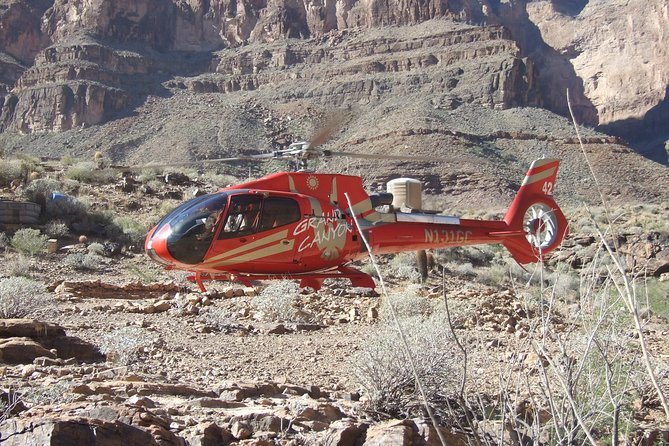
The helicopter upgrade is built for the “I want a different angle” crowd. The ride timing is structured: about 7 minutes descending, roughly 15 minutes to explore near the river area, then about 7 minutes back up. The landing near the Colorado River is the point, and you’ll walk around in that closer canyon environment during the explore time.
This option can be a huge value if flying is one of your vacation priorities. Even with the short duration, the view from above tends to make the canyon feel more 3D—like you’re seeing the canyon’s layers and scale in one gulp.
The big consideration is weather. Helicopter operations can get shut down when conditions aren’t right, which can also affect what time you have for the rest of the rim. If you’re visiting in a season with unpredictable storms or strong winds, keep your expectations flexible.
One more practical note from real trip stories: when helicopter weather problems hit, some people ended up with less time for other parts of their package. That doesn’t mean the experience is bad—it means you should treat the helicopter as weather-dependent bonus time, not the single guarantee of your day.
Tour logistics that can make or break your comfort
This is where bus tours either feel easy or feel stressful, and it usually comes down to timing. Pickup in Las Vegas requires you to confirm the exact pickup time and location with the supplier after booking. If you don’t, you risk missing the pickup and losing your money—so do that work early.
The tour route includes multiple stops and likely multiple pickups and drop-offs. Even with a well-run operation, this creates chances for delays. In feedback from past riders, some people reported late pickups or return timing changes, and a few mentioned that the driver didn’t drop them at the exact hotel they expected. Those aren’t universal issues, but they’re the kind of risk you accept when you choose a shared bus with a schedule.
Comfort can also vary by vehicle. The tour is described as a coach-style setup with restrooms, but some experiences have described bumpy rides or vehicle substitutions. If you’re sensitive to motion or heat, it’s smart to bring layers (for AC swings), and sit where you feel stable.
Finally, plan for waiting. On busy days, the Skywalk queue and general sightseeing volume can stretch your time. The tour can also involve walking between viewpoints. If you’re traveling with limited mobility, ask ahead about the lift-equipped vehicle availability, since lifts are based on availability.
Price and value: When the $85 makes sense
At $85 per person, the base price is mainly value because it bundles four things people usually have to solve separately:
1) Transport from Las Vegas (round trip)
2) A guided route and commentary through the drive
3) A meaningful Grand Canyon West block of time
4) A Hoover Dam photo stop plus lunch access depending on your option
For many people, the biggest “value decision” is what upgrade to choose, if any.
- If you want the canyon experience without extra spending, do the rim sightseeing and viewpoints. You’ll get Eagle Point and Guano Point, plus the Hualapai Ranch area.
- If you want one high-impact add-on, the Skywalk is the obvious choice. It’s a single moment, but it’s the one moment that turns “pretty view” into “I can’t believe I’m standing here.”
- If you’re willing to spend more for a totally different perspective, the helicopter is the most dramatic upgrade, with fixed timing for the flight and a short explore window near the river.
My take: the base tour is a solid value if you’re happy to trade time and independence (you’re on a schedule) for convenience. If your goal is maximum control over timing and viewpoints, you’ll likely prefer a more flexible plan. But for a first Grand Canyon trip out of Las Vegas, this one is built to keep things moving.
Should you book this Grand Canyon West bus tour?
Book it if you want a straightforward, full-day canyon hit with minimal planning. You’ll likely appreciate the four-hour West Rim window, the structured viewpoints (Eagle Point + Guano Point), and the added stops that make the day feel more than just a single destination.
I’d think twice if you have strict timing needs, because shared-bus tours can shift with traffic, crowds, and weather. If you’re set on getting every minute you paid for, the Skywalk and helicopter add-ons make timing even more important—queues and weather can affect how the day feels.
If you do book, do these two things and you’ll feel smarter on arrival:
- Confirm pickup details early so you don’t lose time to last-minute confusion.
- Plan your Skywalk or helicopter order so you’re not racing at the rim after you’ve dealt with lockers, lines, or flight timing.
FAQ
How long is the tour, and how much time do I spend at the Grand Canyon West Rim?
The tour runs about 12 hours total. You have approximately four hours to explore Grand Canyon West.
Does the tour include hotel pickup and drop-off?
Yes. Hotel pickup and drop-off are available at selected Las Vegas hotels, though some hotels may require pickup at a nearby central stop.
What are the main stops during the day?
You’ll depart from Las Vegas, stop at Hoover Dam near the Memorial Bridge, visit Grand Canyon West with time for Eagle Point and Guano Point plus the Hualapai Ranch area, and make a short drive-through stop in the Joshua Tree forest on the way.
What optional upgrades are available?
You can add the Grand Canyon Skywalk experience and/or a helicopter ride.
Is the Skywalk included with the basic tour?
Skywalk access is included only if you select that option. If you don’t choose it, you’ll visit the rim viewpoints without the Skywalk ticket.
Are cameras and phones allowed on the Skywalk?
No. Cameras and cell phones are not permitted on the Skywalk. Lockers are available, and photographers may take photos for purchase.
Is lunch included?
Lunch is listed as included if you select the lunch option. Food is associated with the Hualapai Ranch area during your Grand Canyon West time.
Can I cancel and get a full refund?
Yes. You can cancel up to 24 hours in advance for a full refund. If you cancel less than 24 hours before the start time, refunds aren’t provided.
Are service animals allowed, and can I bring pets?
Service animals are allowed on the bus. Pets are not allowed on board, and no animals are permitted on helicopters.
Are buses accessible for wheelchairs?
Wheelchair-accessible vehicles with lifts are available, but not all vehicles have a lift. If you need an accessible vehicle, you should request it in advance.