REVIEW · JACKSON WYOMING
Jackson: Grand Teton National Park Guided Wildlife Tour
Book on GetYourGuide →Operated by BrushBuck Wildlife Tours · Bookable on GetYourGuide
Wildlife waits at the Tetons sunrise. This Grand Teton wildlife safari is built around dawn or dusk activity, with a naturalist guide helping you spot animals you’d miss on your own. You ride through over 310,000 acres of Grand Teton National Park, then stop often enough to actually see what the guide is tracking.
I love that you get binoculars and a spotting scope included, so you can watch close-up behaviors without guessing. I also love the small-group feel, which makes it easier to get turns at viewing points and keep the pace comfortable. One drawback: on at least one tour, the vehicle loudspeaker created feedback, making it harder to hear the guide at certain moments.
In This Review
- Key Highlights You’ll Care About
- Entering Grand Teton with a Wildlife-First Safari Plan
- Home Ranch Meeting Point and Pickup Details That Actually Matter
- Open-Air Safari in Summer vs Heated Vehicle in Other Seasons
- How the 4-Hour Schedule Feels on the Ground
- 1) Getting set up at the start
- 2) Driving, spotting, and stopping safely
- 3) Optional short hike
- 4) Ending the cycle
- Wildlife Viewing That Uses Real Tools: Binoculars and the Scope
- What Animals You Can Hope to See (and Why Sightings Vary)
- Naturalist Guide Power: Geology, Ecology, and Plain Explanations
- Comfort, What to Wear, and How to Set Yourself Up
- The $159 Question: Is This Worth It?
- Timing Reality Check: Why Sunrise and Sunset Change Everything
- Small-Group Size: Better Viewing, Less Waiting
- Who This Tour Fits Best (and Who Might Skip It)
- Should You Book This Grand Teton Wildlife Safari?
- FAQ
- What animals might I see on the tour?
- How long is the Grand Teton wildlife tour?
- What vehicle will I ride in?
- Are binoculars and a spotting scope included?
- Is hotel pickup included?
- Do I need to pay for Grand Teton National Park entrance?
Key Highlights You’ll Care About
- Dawn or dusk start times for peak wildlife movement (timing shifts by season)
- Binoculars + spotting scope included, with frequent chances to look for far and near action
- Open-air safari in summer (blankets provided) vs heated, enclosed vehicle the rest of the year
- Stop-and-view strategy, including safe hop-outs and an optional short hike
- Biologist/naturalist guide focused on animals, plus geology and ecology in plain language
Entering Grand Teton with a Wildlife-First Safari Plan
Grand Teton works like a living classroom. You don’t just “go to the park.” You go to find animals, then you learn how the land and water shape what you’re seeing. That matters because wildlife viewing is partly luck, yes—but it’s also timing, patience, and knowing where to look.
This tour is priced as a focused, guided experience (4 hours, $159 per person). The value comes from the fact that you’re not driving, scanning, and second-guessing road pull-offs in unfamiliar territory. Instead, you’re watching for movement, then stopping safely when the guide calls it out.
The best part is that the tour is structured for the moments that make this park special: short windows when animals feel bold, and long stretches where your job is to pay attention. When you’re positioned well and looking at the right angle, even a “far-off” animal becomes a real moment.
You can also read our reviews of more tours and experiences in Jackson Wyoming.
Home Ranch Meeting Point and Pickup Details That Actually Matter
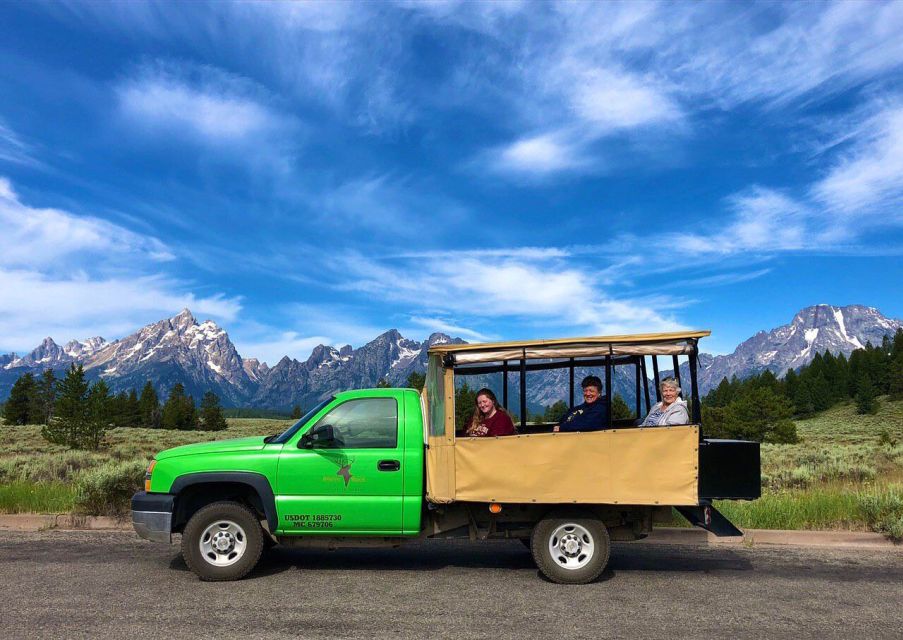
The tour starts at the Home Ranch Parking Lot. Parking is limited, so arriving early is not optional—you’ll want a buffer to check in and get ready before the drive begins.
Pickup is optional depending on the time of year. During winter months, you’ll get hotel pickup and drop-off in the approved Jackson Hole area. For May 1 to October 31, pickup location shifts to 210 N Cache St in Jackson. The exact pickup time is sent to you after booking, and it can change with sunrise and sunset.
Why this matters: this tour is built around active wildlife hours, so don’t plan to be late or assume the start time is fixed. If you’re staying in Jackson, Teton Village, or Wilson, it’s usually easier to let pickup handle the first leg.
Open-Air Safari in Summer vs Heated Vehicle in Other Seasons
Grand Teton doesn’t care about your comfort zone. You will, so this tour handles it with different vehicle setups by season:
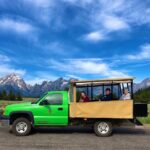
- June 1 to September 10: open-style safari vehicle (weather dependent), with blankets provided
- Other months: enclosed, heated (and air-conditioned) vehicle
In summer, the open-air design is a big deal. You see more—straight out of the sides—without the “window glare” problem that can ruin photos. In colder months, the enclosed setup helps you stay warm enough to keep scanning. This is especially important because wildlife sightings can be fast, and you’ll want your eyes working, not your hands shaking from cold.
If you hate sitting still, good news: you’re not stuck driving for four hours. The tour includes frequent stops for viewing, and you may also have a chance for a short hike depending on conditions and timing.
How the 4-Hour Schedule Feels on the Ground
You’re on a tight timeline, so the guide has to make every stop count. The tour is four hours total, and that time gets spent on two things: getting you to productive wildlife areas and giving you enough viewing time to actually understand what you’re looking at.
Here’s how the experience typically flows:
1) Getting set up at the start
You meet at Home Ranch Parking Lot, then the group boards the safari vehicle. This is also when you settle in for the day’s rhythm: scan, look, listen, stop.
Many guides are praised for hitting wildlife quickly. One common theme in the feedback is that the guide doesn’t wait an hour to start showing animals.
2) Driving, spotting, and stopping safely
During the drive, your naturalist guide is reading the park like a map. Expect frequent stops. Sometimes you hop out for a safe viewing moment close to the animal. Other times you stay in the vehicle and use the high-powered scope for far-off sightings.
This stop style is one reason the tour can feel more like a safari than a bus ride. You get multiple chances to re-focus your eyes. Plus, you’re not stuck staring at one spot until you give up.
3) Optional short hike
The tour description includes an optional short hike. That’s not guaranteed in every situation, so treat it as a bonus if it happens. If it does, it’ll likely be short—more about improving your viewing angle than about strenuous hiking.
4) Ending the cycle
Then you wrap up after four hours. You’ll leave with a lot more context than you started with, especially if you ask questions while you’re stopped.
Wildlife Viewing That Uses Real Tools: Binoculars and the Scope
If you bring nothing but curiosity, you’ll still be equipped. This tour includes quality binoculars and access to a spotting scope.
That combination changes how you experience Grand Teton:
- Binoculars help you track animals when you spot movement first, then need detail second.
- The spotting scope is for those “it’s out there, but I can’t quite place it” moments.
In multiple accounts, guides used scope setups that helped everyone see clearly, including letting people take turns. One person noted that a telescope camera helped them see distant animals much better than the naked eye—exactly what you want on a wildlife tour.
Practical tip: keep your camera ready. Wildlife sightings can be quick, and you’ll spend more time focusing on the animal than on fumbling gear.
What Animals You Can Hope to See (and Why Sightings Vary)
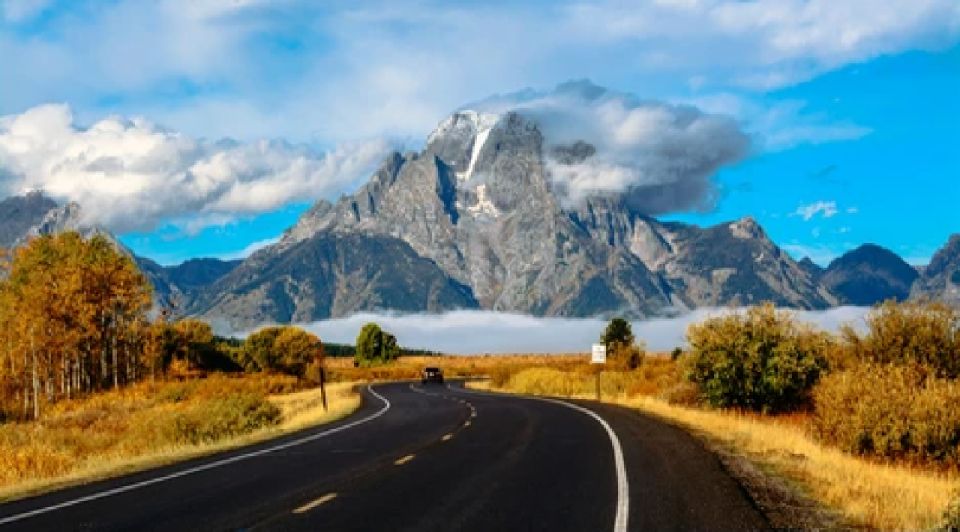
Grand Teton wildlife viewing is never a vending machine. Even with a great guide and prime timing, animals decide whether they want to show up.
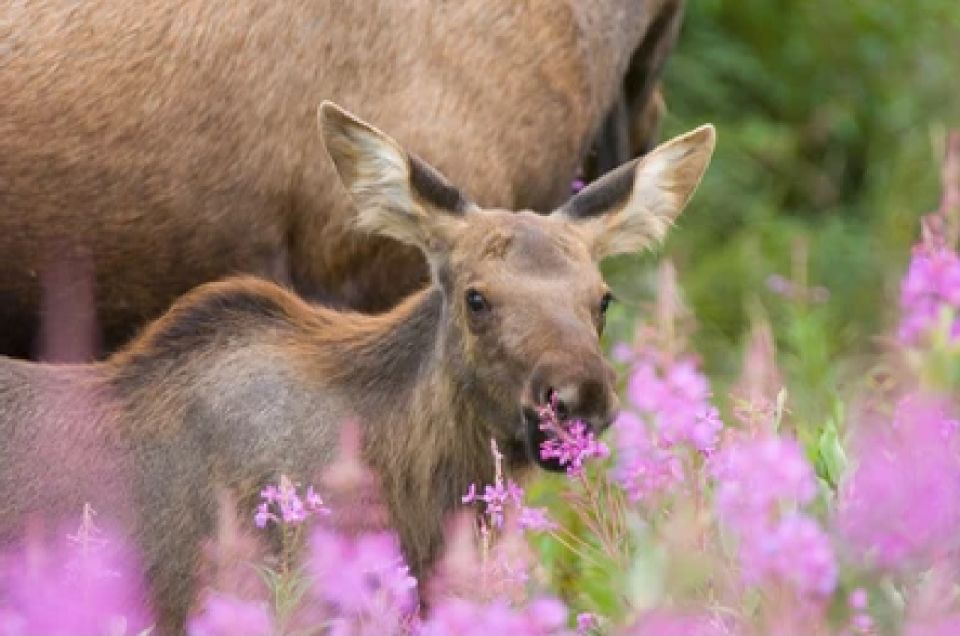
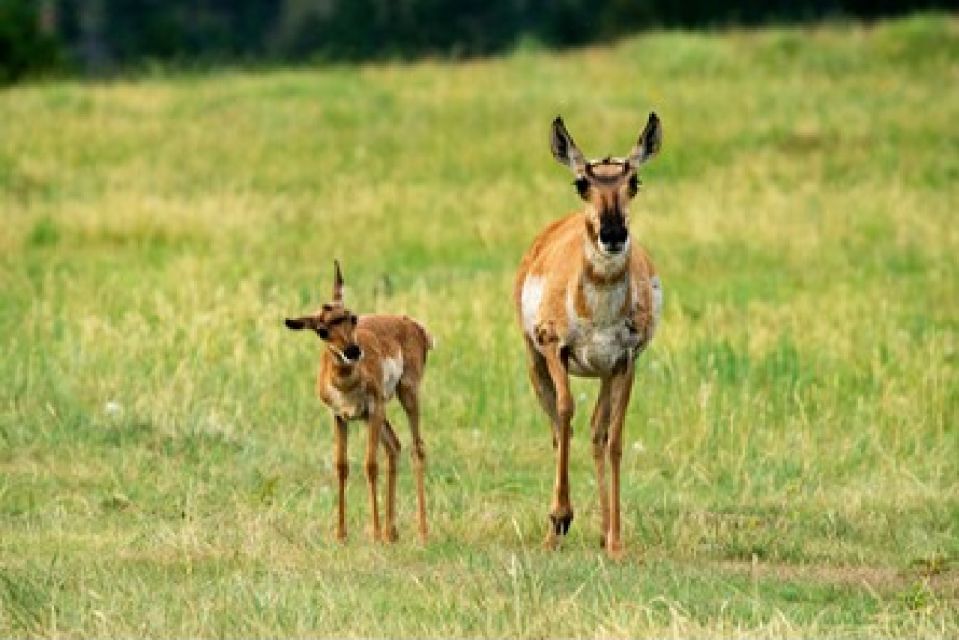
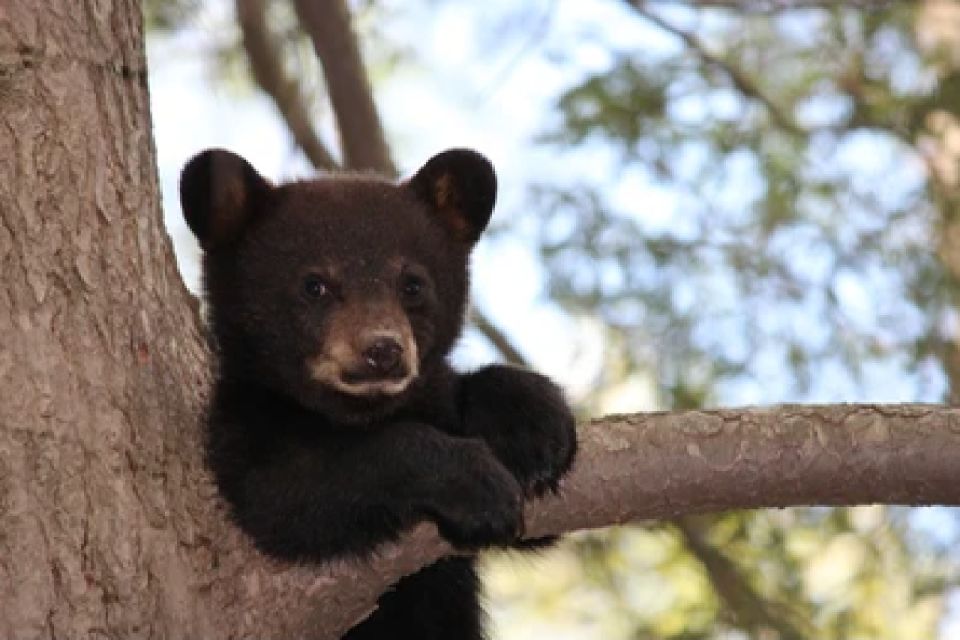
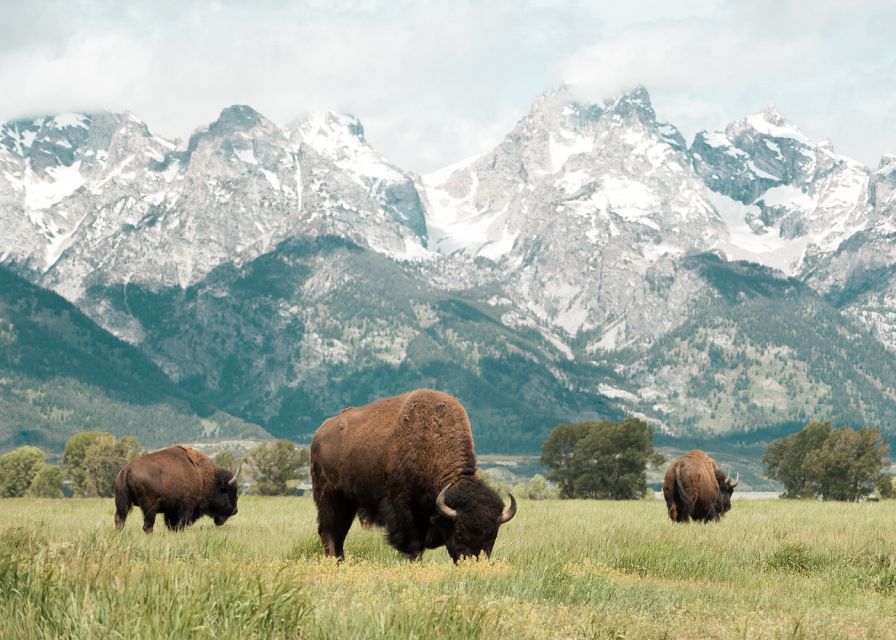
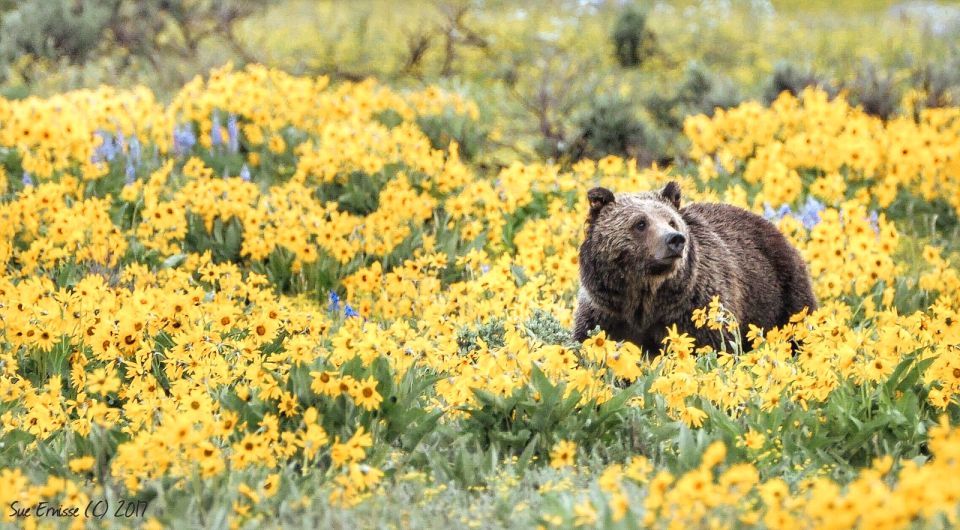
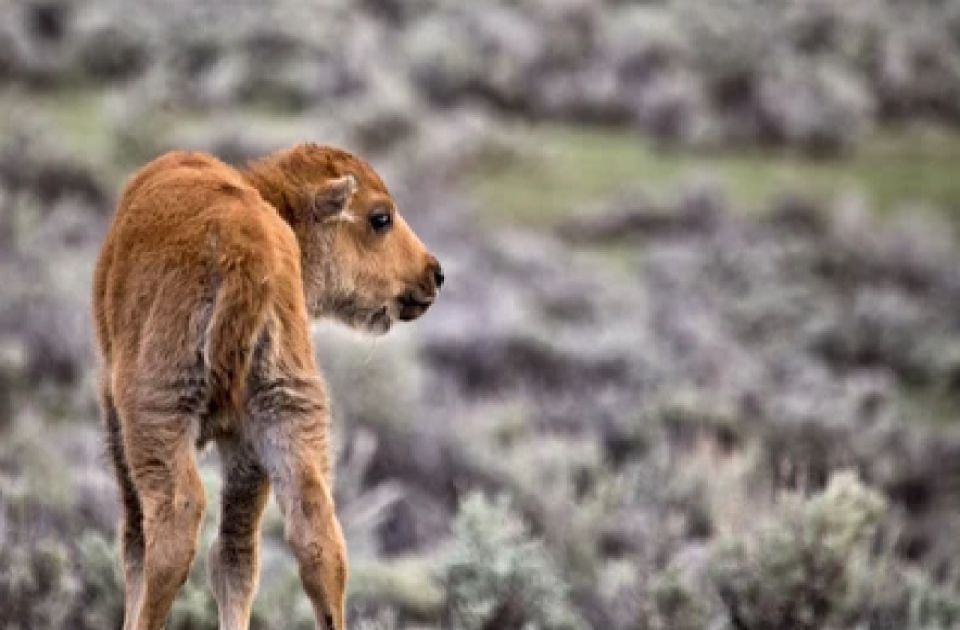
The tour highlights a wide range of possible sightings: elk, moose, bison, pronghorn, eagles, bears, wolves, and other wildlife. It also calls out birds like hawks, pelicans, grouses, and owls.
From the feedback, you can see how broad that range really is. People reported everything from moose to bears, plus wolves and grizzlies with cubs. Some tours ended with smaller surprises like river otter. Others included birds such as osprey, sandhill cranes, and white pelicans.
So what should you take from this? Don’t plan your day around one target species. Go in ready for a mix: big mammals, raptors overhead, and the occasional curveball.
Naturalist Guide Power: Geology, Ecology, and Plain Explanations
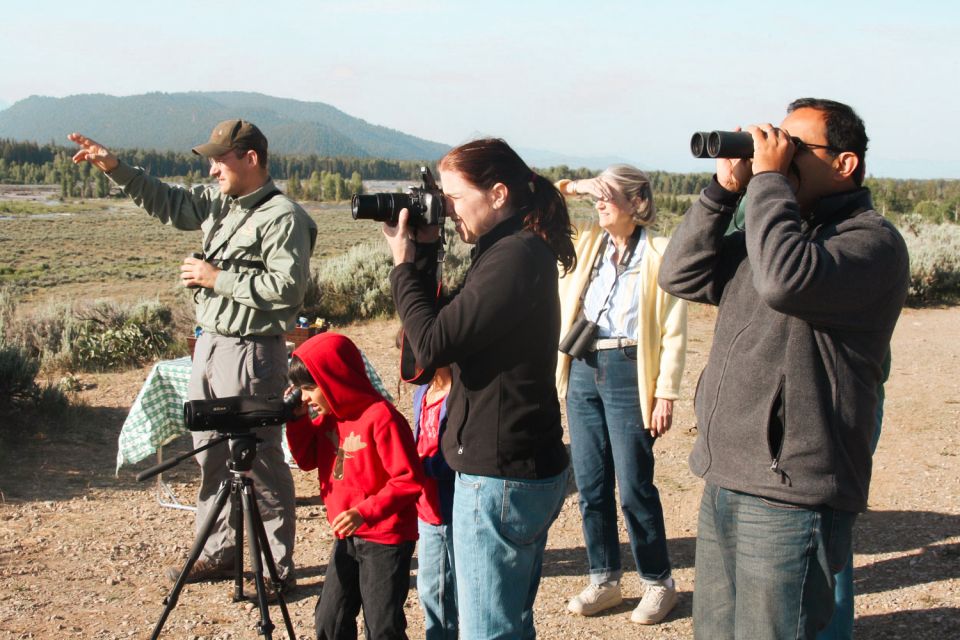
A good wildlife guide does two jobs at once. They spot animals, and they translate what you’re seeing into something you can carry home.
This tour uses a biologist/naturalist guide, and the themes in the experience are consistent: park history, regional geology, and ecology tied directly to the wildlife in front of you. That approach matters because animals aren’t random. They move in relation to habitat, water, and seasonal behavior.
You’ll also get a human touch. Multiple guides are specifically praised by name—Phil, Anthony, Diego, Kevin, Neil, Mark, Kyle, Jeff, Hayley, Cade, Ron, Patrick, and others. A couple of people highlighted guides who kept things professional while still bringing humor, and several mentioned that guides were eager to find wildlife and used strong viewing setups.
Some guides even shared photos or videos afterward, which is a nice way to compare what you saw with what you might’ve missed while tracking motion through the brush.
Comfort, What to Wear, and How to Set Yourself Up
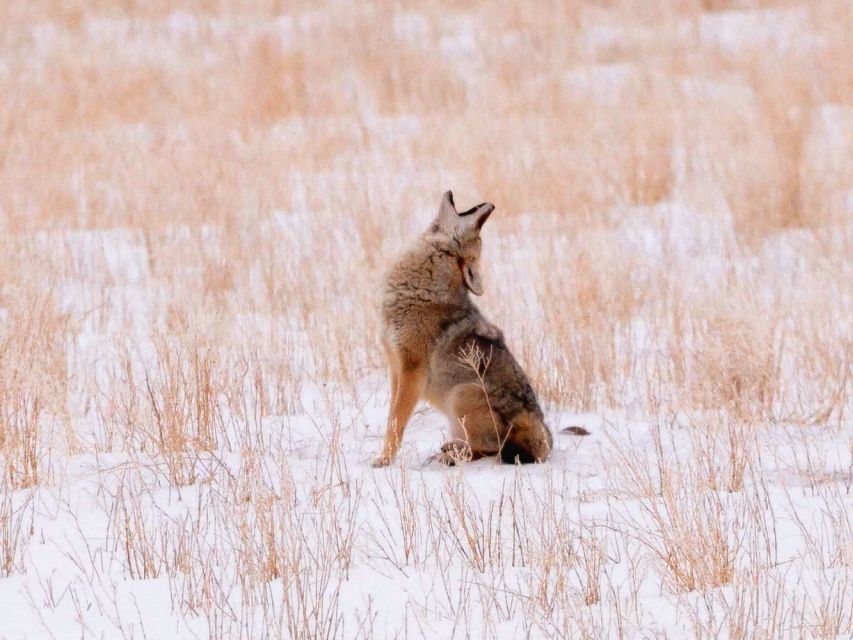
This tour is outdoors-first, so your clothing does real work.
What to bring:
- Jacket
- Long pants
- Closed-toe shoes
And if you’re doing this in cooler months, consider layers. The tour can include heated vehicle time, but you may be hopping out during stops. That mix of warm vehicle + cold air is exactly where people underestimate the weather.
In summer on the open-air safari, blankets are provided. That helps a lot, especially when the temperature drops near evening. Still, dress like you’ll be outside for the whole four hours, because you will be.
The $159 Question: Is This Worth It?
At $159 per person for a 4-hour guided tour, you’re paying for speed, access, and expertise—not just driving.
Here’s the value breakdown based on what’s included:
- Snacks and drinks (water and soda)
- Binoculars and spotting scope
- Naturalist/biologist guide
- Pickup/drop-off in winter months (approved Jackson Hole area)
What’s not included:
- National park entrance fee (purchased at the park entrance)
- Meals (eat before or after)
So is it worth it? I think it is when you fall into any of these categories:
- You want wildlife sightings with less stress than self-driving and scanning.
- You’re visiting the Tetons for the first time and want context, not just views.
- You’d rather spend time watching animals than figuring out routes and pull-offs.
If you’re an experienced hunter of your own routes who already knows the best spots and doesn’t mind doing the scanning yourself, you might not feel the need for a guide. But most people who spend money here do it for the combination of spotting help plus interpretation.
Timing Reality Check: Why Sunrise and Sunset Change Everything
This tour starts at dawn or dusk, when wildlife activity is typically stronger. The start times are approximate, and they change with sunrise and sunset throughout the year. Your exact pickup time comes by email after booking.
A simple way to think about it: the animals are moving, and your guide is matching that movement to road and viewing locations. If you sleep in and show up after the prime window, you can still see wildlife in Grand Teton, but you’re removing the time factor that this tour is designed around.
In adverse weather or seasonal conditions, you’ll travel in the heated/air-conditioned vehicle. That’s good. Wildlife doesn’t always cooperate with your calendar, and comfort helps you keep your eyes open.
Small-Group Size: Better Viewing, Less Waiting
This is described as a small group available tour. That tends to matter for wildlife viewing because stop-and-look moments are short. When the group is smaller, you’re less likely to feel like you’re being squeezed into a line.
In the feedback, people appreciated that guides helped everyone see through scopes and didn’t rush people at viewing points. That also helps with photos—everyone gets a turn.
If you prefer quiet and solitude, you might still feel that a group means some shared noise. But overall, the small-group format fits the nature of this park.
Who This Tour Fits Best (and Who Might Skip It)
This tour is ideal for adults and older kids who can handle early starts or late light, and who want wildlife viewing paired with naturalist explanations.
It is not suitable for:
- Children under 6
- People with mobility impairments
- Wheelchair users
Also, keep in mind that you may be out of the vehicle at stops. Closed-toe shoes and long pants are the baseline, not optional styling.
Should You Book This Grand Teton Wildlife Safari?
I’d book it if you want the practical version of Tetons wildlife time: guided spotting, real viewing tools, and a naturalist who connects animals to the land. The combination of binoculars + scope, frequent safe stops, and the dawn/dusk timing is where the tour earns its keep.
I’d think twice if you’re sensitive to cold or sound issues. The tour includes blankets and heated vehicles in many seasons, but you still want to dress for outdoor time. And if you’re someone who relies heavily on clear audio narration, note that one experience described loudspeaker feedback that made listening tricky.
If you’re aiming for an efficient, information-rich wildlife day without the hassle of driving and searching, this is a strong choice for Jackson Hole and the Grand Tetons.
FAQ
What animals might I see on the tour?
The tour highlights possible sightings of elk, moose, bison, pronghorn, eagles, bears, wolves, and other wildlife. Birds like hawks, pelicans, grouses, and owls are also mentioned.
How long is the Grand Teton wildlife tour?
It lasts 4 hours.
What vehicle will I ride in?
During June 1 to September 10, you ride in an open-style wildlife safari vehicle in summer (weather dependent). Outside that period, you travel in an enclosed, heated and air-conditioned vehicle.
Are binoculars and a spotting scope included?
Yes. Binoculars and use of a spotting scope are included.
Is hotel pickup included?
Hotel pickup and drop-off in the approved Jackson Hole area is included during winter months. Pickup is also optional in Jackson or Teton Village or Wilson WY, and pickup location changes May 1 to October 31 to 210 N Cache St, Jackson.
Do I need to pay for Grand Teton National Park entrance?
Yes. The national park entrance fee is not included and can be purchased at the park entrance.