REVIEW · JACKSON WYOMING
Jackson: Grand Teton National Park Guided Wildlife Tour
Book on GetYourGuide →Operated by BrushBuck Wildlife Tours · Bookable on GetYourGuide
Wildlife is the point here, not the scenery. A Grand Teton safari with a real naturalist guide gives you the best odds at dawn or dusk, when animals are most active and your views come without the guesswork. Morning or evening tours run 4 hours, with winter transfers from Jackson Hole and the right vehicle for the season.
Two things I like a lot: you get quality binoculars and a spotting scope, and you’re riding with a biologist/naturalist guide who can read the terrain and spot wildlife you’d miss from a car. The best part is how often the tour stops so you can watch safely up close, or use the scope when animals are farther out.
One drawback: sightings can be fast. Keep your camera close, and if you’re sensitive to cold or you have limited mobility, this tour isn’t a match (it’s not suitable for wheelchairs, and it’s not for kids under 6).
In This Review
- Quick hits before you go
- Dawn and Dusk Safari Timing in Grand Teton
- Getting There: Home Ranch Parking Lot and Jackson Hole Transfers
- Your Safari Ride: Open-Top Summer Jeep vs Heated Winter Van
- How the Wildlife-Spotting Stops Actually Work
- Binoculars and Spotting Scopes: Using Them Without Fuss
- Naturalist Guide Explanations That Make the Park Click
- Optional Short Hike: When You Step Out for Better Views
- Wildlife You Can Expect to See in Grand Teton
- What the $159 Gets You (and Where the Extras Are)
- Comfort, Rules, and Who This Tour Fits Best
- Should You Book This Jackson Grand Teton Wildlife Tour?
- FAQ
- How long is the Grand Teton wildlife safari?
- Is it a morning or evening tour?
- Where do I meet the guide?
- Is hotel pickup included?
- What should I bring?
- Do I need to pay the park entrance fee?
- Do you provide binoculars and a spotting scope?
- What vehicle do you ride in?
- Is there walking involved?
- Is the tour suitable for young children or limited mobility?
- Can I cancel for a refund?
Quick hits before you go
- Dawn and dusk timing boosts your chances with animals on the move
- Binoculars plus a spotting scope help you watch close and far without straining
- Open-top in summer, heated and air-conditioned in winter keeps comfort realistic
- Frequent safe viewing stops mean more time looking, less time driving
- Small-group format keeps questions and viewing turns easy
- Optional short hike gives you a chance to step out when conditions allow
Dawn and Dusk Safari Timing in Grand Teton
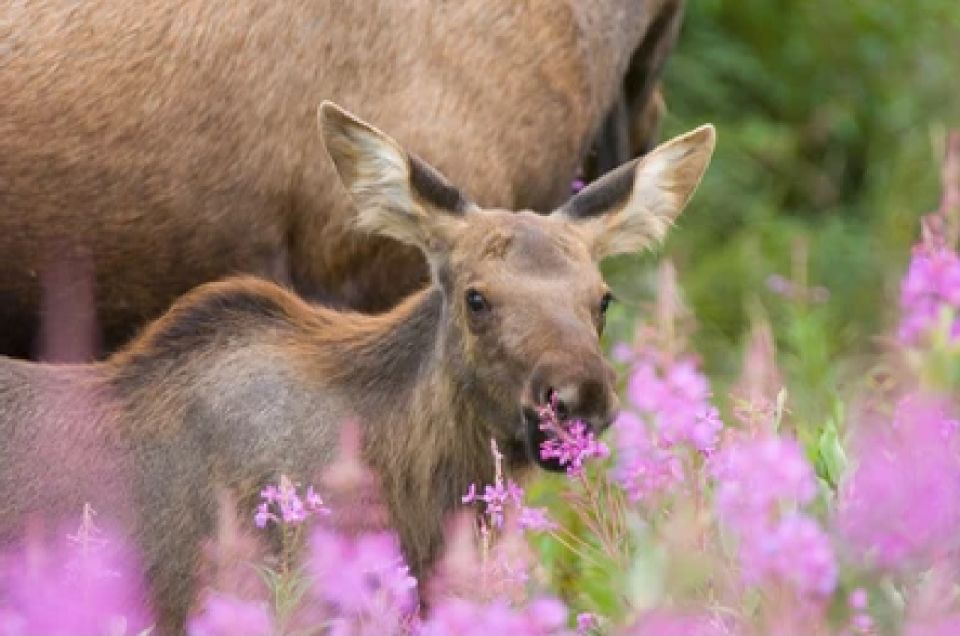
Grand Teton is huge—over 310,000 acres—and wildlife doesn’t act like it’s on a schedule. The tour’s big advantage is that it’s built around early morning or evening hours, when many animals feed, travel, and show more normal behavior. That’s when you’re most likely to see action like grazing, movement across roads, or a sudden stop that turns into a long watch.
You’ll also feel the rhythm of the park more at those times. Morning and dusk light can make fur, feathers, and distant shapes easier to pick out. Add a guide who can explain what you’re seeing in plain language, and the time stops feeling like a drive-through.
Keep expectations honest, too. You’re not buying a guarantee of moose, grizzlies, or wolves. You’re buying better odds plus expert help turning limited sighting time into actual viewing time.
You can also read our reviews of more tours and experiences in Jackson Wyoming.
Getting There: Home Ranch Parking Lot and Jackson Hole Transfers
The experience starts at the Home Ranch Parking Lot. Parking is limited, so arrive early and don’t treat the meeting time like a suggestion.
If you want pickup, it’s optional and depends on season. In Jackson or Teton Village or Wilson, WY, pickup can be arranged. For May 1 to October 31, the pickup location changes to 210 N Cache St., Jackson, and pickup times vary with sunrise and sunset.
Why this matters: dawn and dusk tours depend on timing. The tour company emails your exact pickup time after booking, so plan to be ready and waiting a bit earlier than you think you need to be.
Your Safari Ride: Open-Top Summer Jeep vs Heated Winter Van
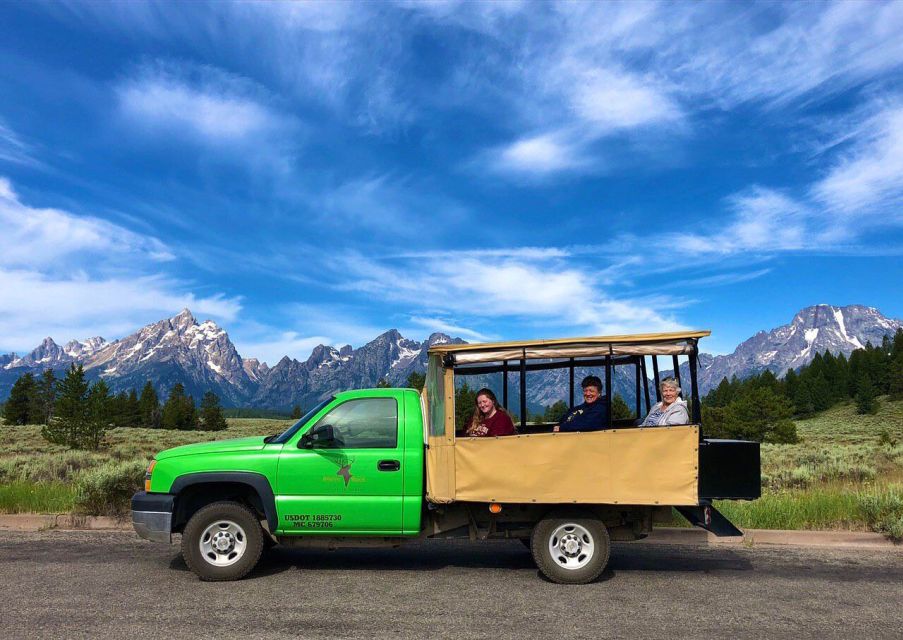
How you ride changes your whole comfort level—and the tour is set up for that. During summer (June 1 to September 10), you travel in an open-style wildlife safari vehicle when weather allows. Blankets are provided for warmth on cooler mornings and evenings, and you’ll want layers so you can adjust.
Outside that summer window—mid-fall, winter, and late spring—you get an enclosed, heated vehicle with air-conditioning. During adverse weather, you’ll also be in the heated/air-conditioned closed-top option.
Practical tip: whatever the season, dress for the moment you step outside. Wildlife watching often involves standing around at pullouts, waiting for the guide to confirm an animal is nearby. If you’re comfortable, you’ll enjoy the waiting part instead of counting minutes.
How the Wildlife-Spotting Stops Actually Work
This tour isn’t just a drive with occasional photo breaks. The flow is built around safe viewing stops, with frequent opportunities to hop out and look. When animals are close enough, you’ll pause so everyone can see what the guide spots.
When animals are farther away, you’ll use the spotting scope. That’s the difference between seeing a “maybe something” shape versus watching real behavior—head movements, feeding, posture changes, and the small clues that tell you what the animal is doing right now.
The guide also keeps things moving at the right pace. You want time to watch, but you don’t want to miss a brief window because you’re stuck in traffic or repositioning. The tour is timed around animal activity, so the driving and stopping feel like one continuous hunt rather than a checklist.
One more thing: keep your camera close. Wildlife sightings can be quick, and the tour’s value is in catching the moment you’d otherwise miss while fumbling with a bag.
Binoculars and Spotting Scopes: Using Them Without Fuss
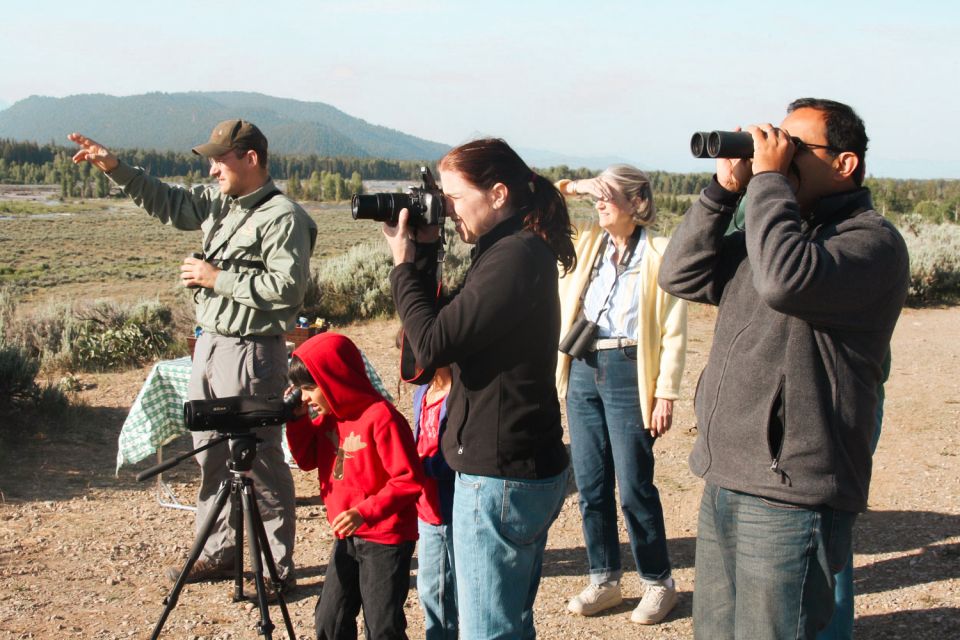
You’ll be given binoculars and access to a high-powered spotting scope. That’s a huge value-add, because Grand Teton wildlife often appears at the edge of your vision—on a slope, across a meadow, or in tall vegetation.
Use the binoculars the moment the guide signals. Don’t wait for the “perfect angle.” With binoculars, you can track motion even if your first sight is just a body shape at distance.
For the scope, expect shared viewing time. The goal is clear: everyone gets a turn and you’re not rushed. In a good wildlife tour, the hardest part isn’t seeing an animal—it’s keeping your attention long enough to see what it’s doing. The scope helps with that.
Naturalist Guide Explanations That Make the Park Click
A wildlife tour is only half about animals. The other half is understanding the system that supports them.
Your biologist/naturalist guide points out regional geology and ecology while you move through the park. That turns the whole experience into more than random spotting. You start to connect why certain areas hold certain species—how terrain, water, and seasonal conditions shape where animals go.
The guide also handles the human side of wildlife viewing. They’ll help you watch safely and understand what you’re seeing without turning it into panic. In the best moments, the guide’s enthusiasm turns your whole group into a focused set of eyes and questions.
You may ride with different guides, and the names you’ll often see paired with this tour style include Neil, Phil, Kevin, and Hayley. Across those guide experiences, the common thread is strong animal-spotting and clear explanations that keep you engaged.
Optional Short Hike: When You Step Out for Better Views
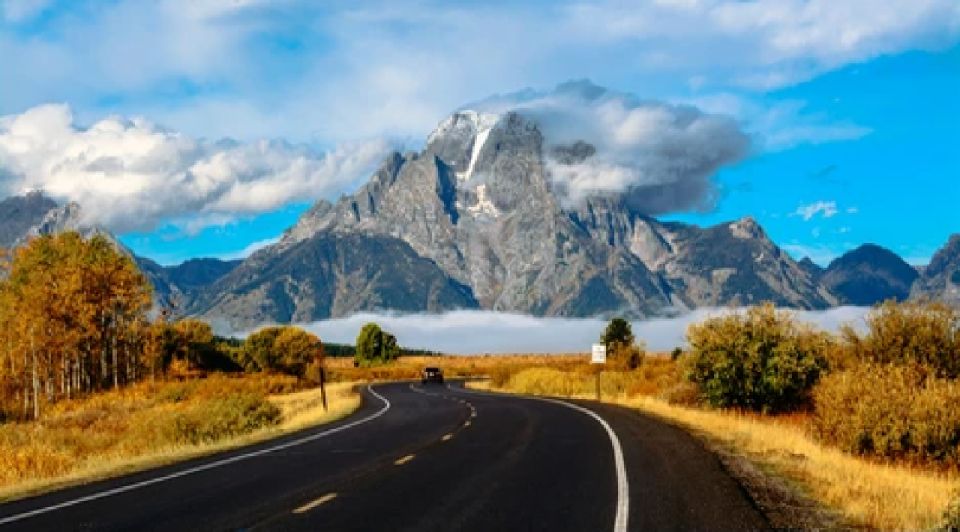
There’s an option for a short hike during the tour. The wording matters: it’s not the main event, and it’s probably condition-based, not a guaranteed trail march.
If you do step out, you’re usually looking for a better vantage point—one where movement is easier to detect and sight lines open up. Even a brief walk can change what you notice, especially with birds and small wildlife activity.
If you have mobility limits, don’t assume this is your plan B. The tour isn’t suitable for wheelchairs and isn’t designed for mobility impairments overall, so check your comfort level with standing and stepping out at pullouts.
Wildlife You Can Expect to See in Grand Teton
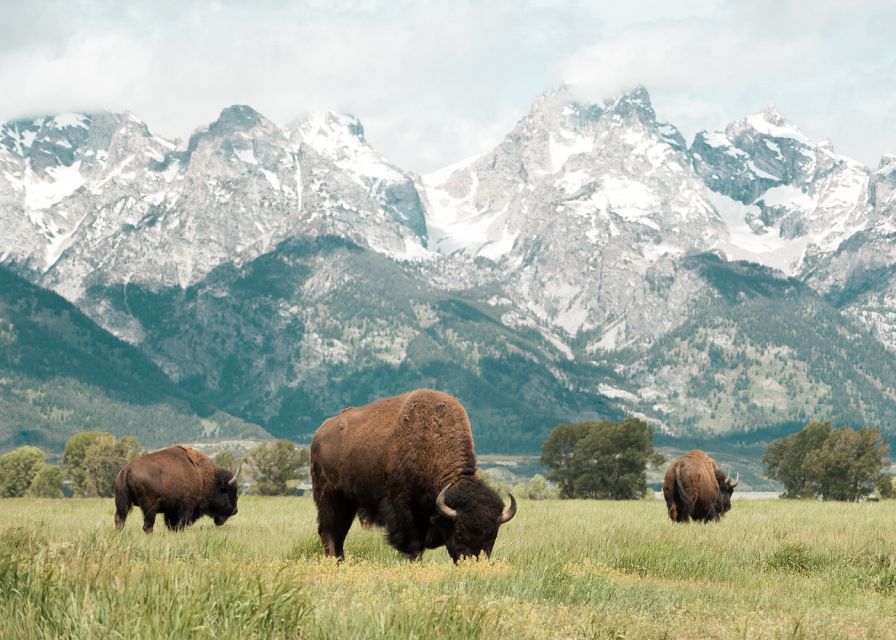
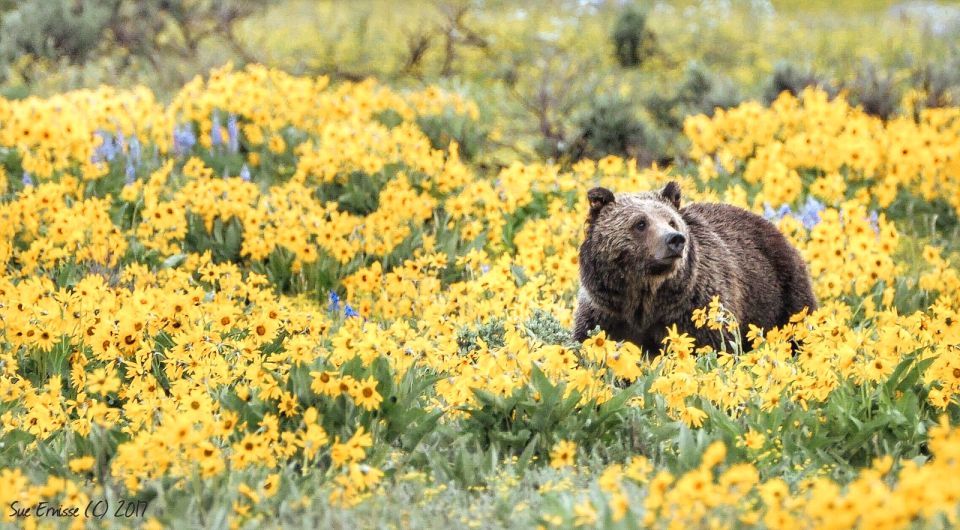
Grand Teton is home to a long list of large mammals and lots of birds. This tour is set up around the idea that you’ll spend time looking for the usual suspects and also the lucky surprises.
Here’s what the tour specifically calls out as possible sightings:
- Moose and elk
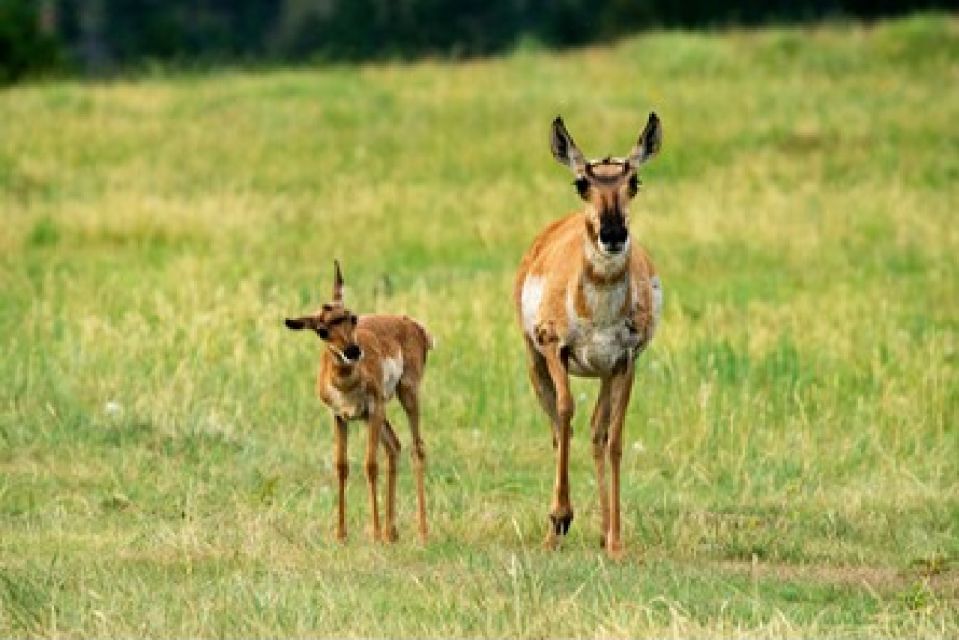
- Bison and pronghorn
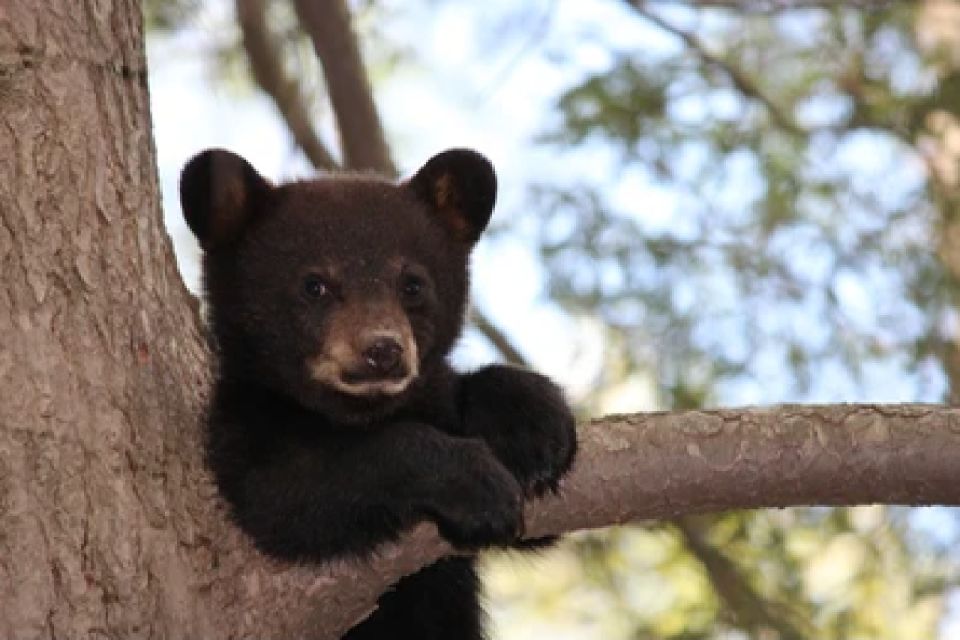
- Grizzly and black bears
- Wolves and coyotes
- Mule deer and bighorn sheep
- Eagles and other raptors
It’s also common to see a variety of birds beyond the “big icons.” You might spot species like hawks and owls, plus other water- and meadow-related birds depending on the season and where the guide is finding activity.
A realistic way to think about this: wildlife isn’t staged. Your best strategy as a participant is patience plus attention. If you listen when the guide explains what you’re seeing, you often get better sightings simply because you know what to look for.
What the $159 Gets You (and Where the Extras Are)
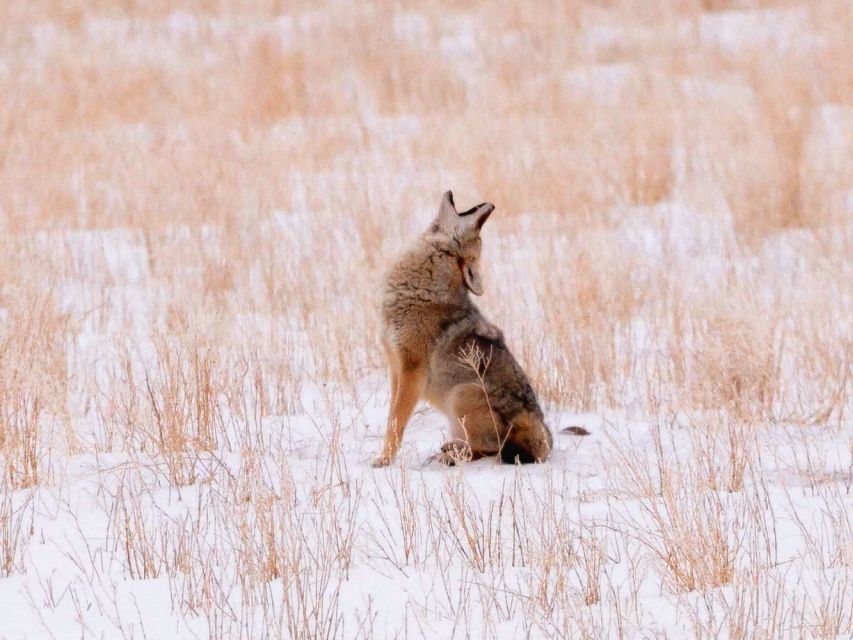
At $159 per person for about 4 hours, this safari isn’t the cheapest way to see Grand Teton wildlife. But it can be good value if you factor in what you’re paying for: expert spotting help, wildlife-focused time, and equipment you’d otherwise need to bring.
What’s included:
- Snacks and water/soda drinks
- Binoculars and use of a spotting scope
- A biologist/naturalist guide
- Hotel pickup and drop-off in the approved Jackson Hole area during winter months
- Small-group format
What costs extra:
- The national park entrance fee (you buy it at the park entrance)
- Meals (you’ll want to eat before or after)
To me, the value comes from reducing your effort. If you’re trying to self-drive, you’d need local knowledge, patience, and the ability to spot animals quickly without feeling like you’re always missing the moment. This tour buys you that guidance and gives you equipment that helps you see what’s really happening.
Also, you don’t waste the time you most need—your dawn/dusk hours. The tour’s structure is designed so you’re looking, not just traveling.
Comfort, Rules, and Who This Tour Fits Best
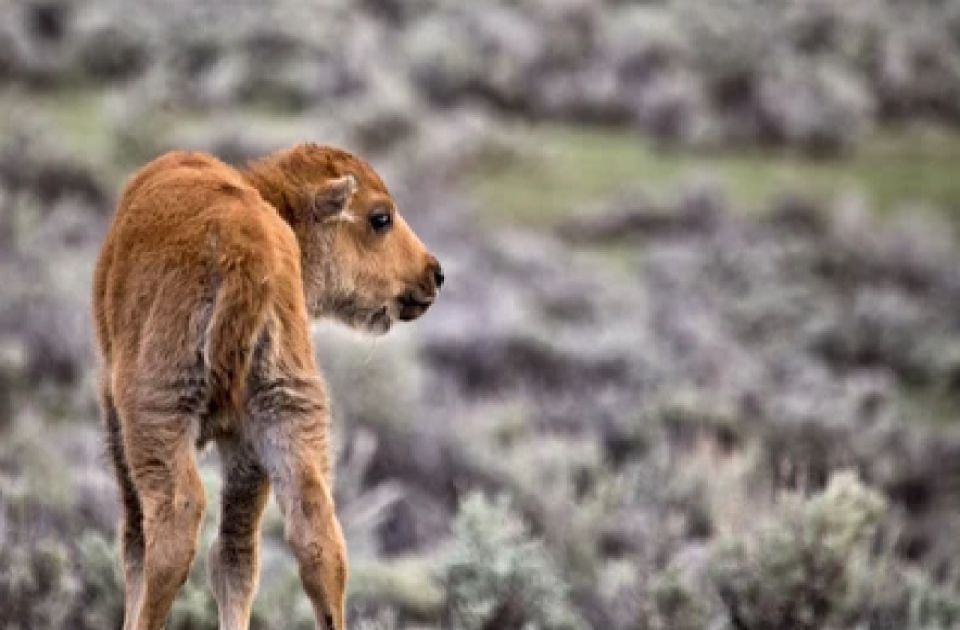
This is a small group safari, and that’s a real plus. Fewer people means more chances to ask questions, more time watching, and less stress around turns with the scope.
Bring:
- A jacket
- Long pants
- Closed-toe shoes
Weather can change quickly in the Tetons, and you’ll be outside at stops. Layers are your friend, even when the vehicle is warm.
Who it suits:
- Wildlife-focused first-timers who want better odds
- People who want a guide to connect sightings to ecology and geology
- Travelers who can handle a bit of waiting and quick repositioning
Who should skip:
- Children under 6
- People with mobility impairments
- Anyone using a wheelchair
If you fall into any of the “not suitable” categories, it’s better to choose a different style of tour where movement and vehicle access match your needs.
Should You Book This Jackson Grand Teton Wildlife Tour?
If your goal is big wildlife in Grand Teton—moose, bears, bison, wolves, eagles—and you’d rather ride with a naturalist than play guessing games in the dark, I think this is a smart booking. The best reasons are practical: dawn/dusk timing, frequent safe viewing stops, and the fact that you’re given binoculars and a scope so you can actually watch.
Book it when you’re ready for a real wildlife experience: cold air some mornings, quick sightings, and waiting that can turn into a “there it is” moment. Skip it if you need full accessibility support or if short walks and vehicle-style stops won’t work for you.
FAQ
How long is the Grand Teton wildlife safari?
The tour runs about 4 hours.
Is it a morning or evening tour?
Both morning and evening options are available, with start times tied to sunrise and sunset.
Where do I meet the guide?
You meet at the Home Ranch Parking Lot. Arrive early because parking is limited.
Is hotel pickup included?
Pickup is included during winter months in the approved Jackson Hole area. Pickup is also optional in Jackson, Teton Village, or Wilson WY, depending on the season.
What should I bring?
Bring a jacket, long pants, and closed-toe shoes. It’s also smart to keep your camera close because sightings can happen quickly.
Do I need to pay the park entrance fee?
No, the national park entrance fee is not included. You can purchase it at the park entrance.
Do you provide binoculars and a spotting scope?
Yes. Binoculars and use of a high-powered spotting scope are included.
What vehicle do you ride in?
During summer (June 1 to September 10) you ride in an open-style safari vehicle when weather allows. In fall, winter, and late spring you ride in an enclosed, heated, and air-conditioned vehicle.
Is there walking involved?
There may be an option for a short hike during the tour.
Is the tour suitable for young children or limited mobility?
It is not suitable for children under 6. It is also not suitable for people with mobility impairments or wheelchair users.
Can I cancel for a refund?
You can cancel up to 2 days in advance for a full refund.