REVIEW · PITTSBURGH
JUST THE TOUR – Double Decker bus sightseeing tour of Pittsburgh.
Book on Viator →Operated by The Pittsburgh Tour Company · Bookable on Viator
Pittsburgh looks different from a double-decker. This 2-hour-15-minute bus ride strings together the city’s biggest icons and a few smart stops for later so you can get your bearings fast. I love the live guide (no recordings) and the fact you’ll get two viewing options—open-air upstairs or air-conditioned downstairs with windows. One thing to plan for: the upper deck is sun-forward, so bring a hat and water if you’re on a warm day.
For $44.95, you’re not paying for museum tickets. You’re paying for time. That matters in Pittsburgh, where neighborhoods stack up along hills and rivers. If you want a relaxing overview that also tells you what’s worth a second visit, this bus loop is a very solid use of half a day.
In This Review
- Key things I’d circle before you go
- Getting your bearings on a 25-stop Pittsburgh loop
- Why the live guide matters (and how guides shape your ride)
- Upper-deck excitement vs lower-deck comfort
- South Side, inclines, and the steel-city opener (Stops 1–3)
- Stadiums, science, casinos, and the Strip District hit (Stops 4–10)
- Birds, kids’ culture, Warhol, and the bridge trilogy (Stops 11–15)
- Cultural District sights, Point State Park, and PPG icons (Stops 16–20)
- University of Pittsburgh, Phipps Conservatory, and botanical breaks (Stops 21–22)
- Natural history museum energy, a chapel stop, and the memorial hall finale (Stops 23–25)
- Price and value: is $44.95 a smart deal?
- Practical tips so your ride feels effortless
- Should you book this double-decker bus tour of Pittsburgh?
- FAQ
- How long is the Double Decker bus sightseeing tour of Pittsburgh?
- How much does it cost per person?
- Where do I meet, and does the tour end there?
- Is admission to attractions included?
- Is there a bathroom on the bus?
- Can I ride upstairs in the open-air section or downstairs with air conditioning?
- What if the tour is canceled due to weather, or I need to cancel?
Key things I’d circle before you go
- Live commentary, not recordings: you can hear real stories as you pass each neighborhood.
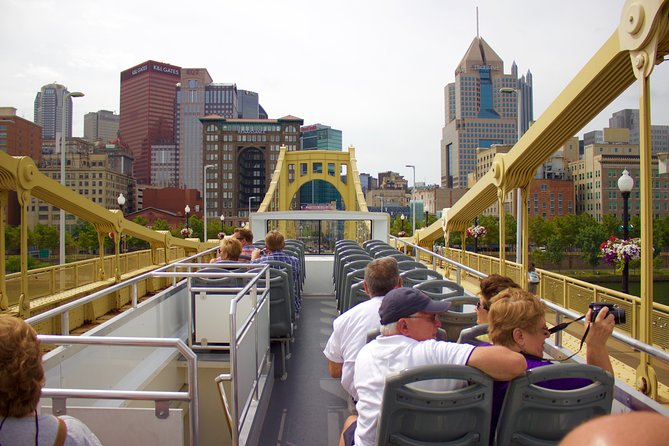
- Upper or lower deck: open-air views upstairs, or climate-controlled comfort downstairs.
- 25 stops in one packed loop: you’ll see the layout of Pittsburgh, not just a few postcard stops.
- Route map included: ideal for choosing where to return after the ride.
- Small-ish size: up to 65 travelers, so the guide can keep things moving.
- No bathroom on the bus: plan ahead so you’re not hunting a stop at the wrong moment.
Getting your bearings on a 25-stop Pittsburgh loop
This tour is built around one long sightseeing circuit, running about 2 hours 15 minutes and ticking off 25 major stops around town. You’ll pass things like the South Side bar scene, the Strip District, multiple bridges, and big-name museums and stadiums. The value here is scale: in one afternoon, you see how Pittsburgh connects through hills, rivers, and “oh wow” viewpoints.
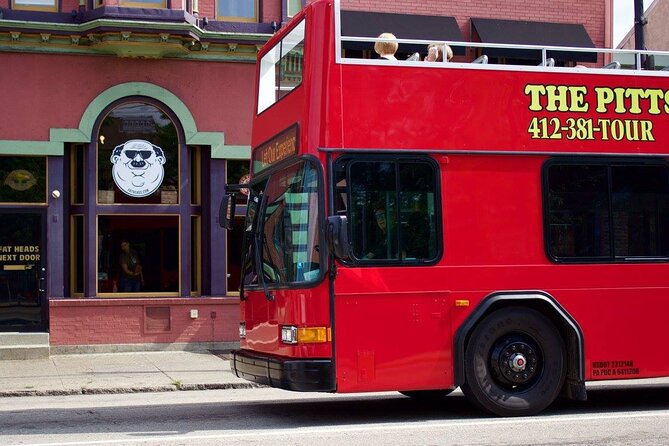
Transportation is a double-decker bus with an upper open-air deck and a lower climate-controlled deck. You’re not stuck staring out the same window the whole time. If you want the breezy top views, you can choose them. If the weather turns or you just want a break from sun and glare, head downstairs.
One practical note: every stop is listed as pass by in the route schedule, but the experience is designed around multiple sight markers. Some tickets and situations let you hop on/off at sites, which is great for lunch or quick photo breaks. If that matters to you, confirm the ticket type when you book.
You can also read our reviews of more tours and experiences in Pittsburgh.

Why the live guide matters (and how guides shape your ride)
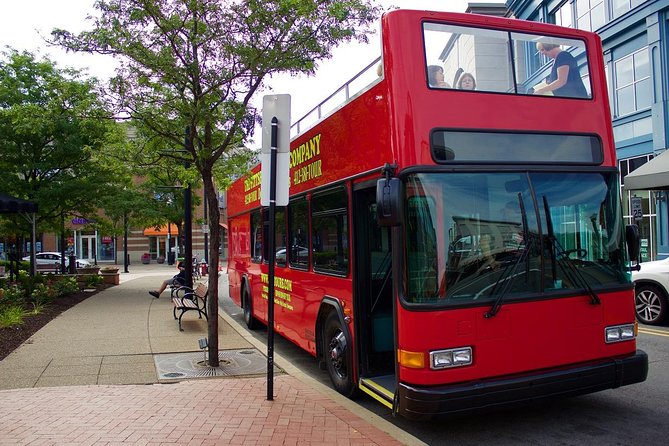
This is one of the few big-bus tours where the commentary is live—not pre-recorded audio. That changes everything. A live guide can adjust the pace, point out what you can actually see right now, and answer questions you didn’t know you had.
From prior rides, guides have included people like Vince and Frank, along with others such as John, Geo, Fred, and Logan. The common thread: they’re friendly and they talk in a way that keeps the bus awake without turning it into a lecture. Expect humor, city-history context, and a lot of “here’s what to look for” as you roll past neighborhoods.
If you’re the type who likes to understand why a place looks the way it does—rather than just collecting photos—you’ll get more out of a live guide than you would from headphones and silence.
Upper-deck excitement vs lower-deck comfort
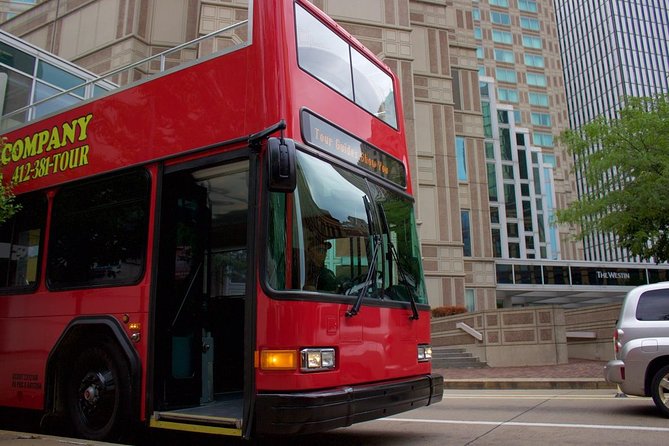
Choosing where to sit is your biggest comfort decision on this tour.
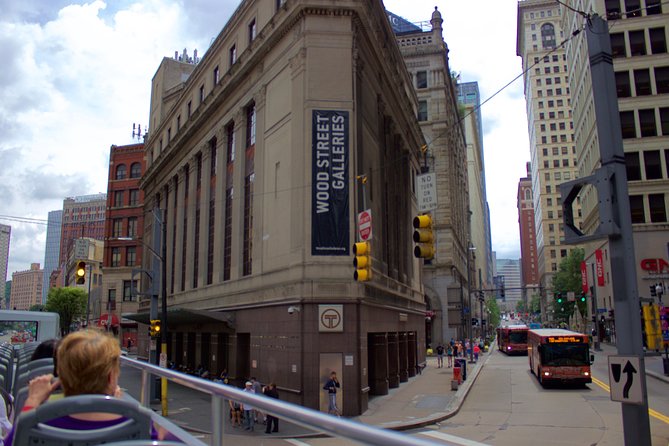
Upstairs is for people who want the full Pittsburgh feel: open air, direct views, and that skyline feeling when you’re higher up than the streets below. Reviews also call out summer realities: it can get extremely hot, and the sun can be relentless, especially on a bright day. Bring sunscreen, a hat, and water if you’re planning to stay up top.
Downstairs is your backup plan. It’s described as air-conditioned with windows, so it’s the move when it’s hot, cold, rainy, or you just want easier listening. One downside: some people find the narration harder to hear from inside compared with the open-air top. If sound matters to you, try to sit where you can hear clearly—often closer to the front or a speaker area.
Also plan for the simple fact: there’s no bathroom on the bus. For a 2+ hour ride, that’s worth considering before you board, especially if you’re traveling with kids or you’re sensitive to longer stretches.
South Side, inclines, and the steel-city opener (Stops 1–3)
The tour starts with Pittsburgh’s “right now” energy.
Stop 1: South Side (pass by). This is the neighborhood vibe: local bars, restaurants, shopping, and everyday street life. Even if you don’t get off here, seeing the area from the bus gives you a sense of where people actually go at night and how the city’s entertainment districts sit along the river.
Stop 2: Duquesne Incline (pass by). The inclines are one of the most Pittsburgh features on the map. From the road, you’ll get a view that helps you understand why people treat these rides like more than transportation.
Stop 3: Monongahela Incline (pass by). Pittsburgh has two surviving inclines, and this stop is the second one. If you’re the type who loves “how the city works,” this is one of the clearer moments to connect geography to daily life.
These first stops do a smart job: they set up why Pittsburgh is steep, river-driven, and built in layers. That context makes the rest of the tour make more sense.
Stadiums, science, casinos, and the Strip District hit (Stops 4–10)
Next, the bus rolls into a mix of big attractions and busy districts.
Stop 4: Station Square (pass by). You’ll see Gateway Clipper Fleet and Highmark Stadium. This area feels like where the city meets the water and where visitors often orient themselves before branching out.
Stop 5: Rivers Casino (pass by). It’s a quick pass-by, but it signals that Pittsburgh isn’t only museums and steel; it’s also entertainment and nightlife.
Stop 6: Carnegie Science Center (pass by). This is a key family-friendly stop. Even from the outside, you’ll know you’re near a place built for hands-on learning and fun.
Stop 7: Acrisure Stadium Tours (pass by). Football energy, right on the route. You’ll see the stadium and get a few facts about the team culture and the venue’s role in the city.
Then the tour turns toward some of the most “Pittsburgh-on-purpose” browsing.
Stop 8: Strip District (pass by). This is the stretch with local shops, restaurants, and sidewalk vendors. The ride-by helps you picture what the area feels like to walk through—especially if you’re the kind of traveler who likes markets, food stands, and people-watching.
Stop 9: PNC Park (pass by). The baseball stadium is one of those places that looks great from multiple angles. Even as a pass-by, it gives you a strong sense of how the city frames sports.
Stop 10: National Aviary (pass by). This is described as the nation’s only bird zoo. If you care about animals and conservation-style exhibits, this pass-by is a good cue for where you might want more time later.
If you only had one day in Pittsburgh, this chunk is the part that helps you decide what kind of city you want to explore next: nightlife, sports, family attractions, or food-and-shopping streets.
Birds, kids’ culture, Warhol, and the bridge trilogy (Stops 11–15)
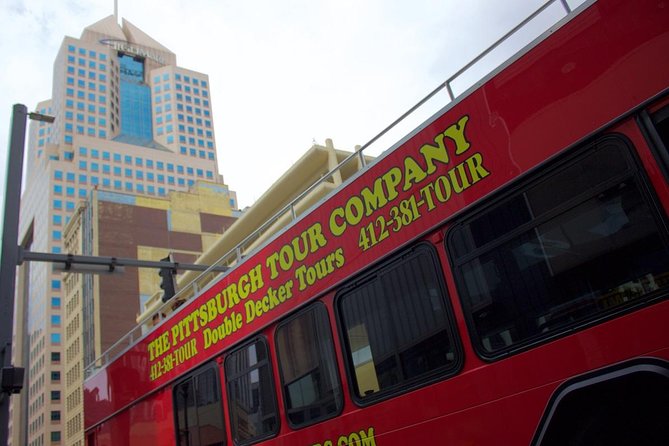
Now you get a shift from sports and markets to museums and city identity.
Stop 11: Children’s Museum of Pittsburgh (pass by). The architecture gets attention here, and the stop is a reminder that Pittsburgh invests in playful learning.
Stop 12: The Andy Warhol Museum (pass by). Warhol isn’t a side note in this city. This pass-by sets you up to connect Pittsburgh to modern art and the story of the artist.
Stop 13: Andy Warhol Bridge (pass by). This is one of those “look up and you’ll get it” moments. You’ll also see the Three Sister Bridges mentioned right around this area, which helps you understand how the city’s crossings became a signature.
Stop 14: David Lawrence Convention Center (pass by). Architecture lovers will appreciate this. It’s a big civic building that signals how the city hosts conferences and events.
Stop 15: Senator John Heinz History Center (pass by). This is your major history anchor of the ride. Even without entering, you’ll see it from the road and get the historical framing the guide provides.
This segment is also where the tour starts functioning like a planning tool. By now, you can tell what you might return for: art, history, kids’ exhibits, or “just walk the riverfront” time.
Cultural District sights, Point State Park, and PPG icons (Stops 16–20)
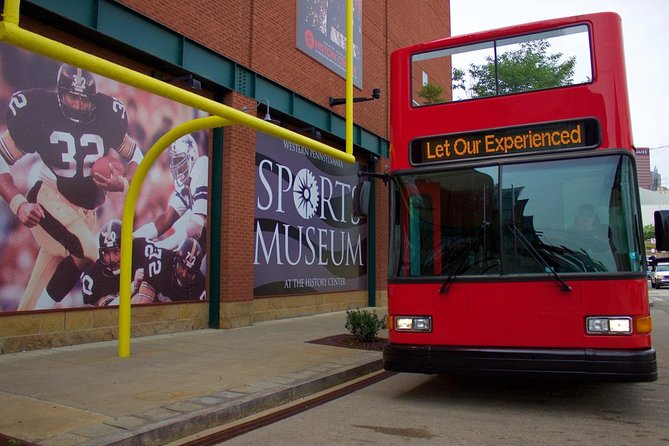
The bus rolls through Pittsburgh’s cultural core and sports-and-science surroundings.
Stop 16: Heinz Hall (pass by). This stop is your cue for live performance culture. It’s one of the big institutions the guide will tie to the district feel.
Stop 17: Point State Park (pass by). This is a true Pittsburgh “wow” moment: the place where the three rivers meet, and where a fourth river connection is referenced during the ride. Even a pass-by helps you grasp the geography that shapes the city’s skyline.
Stop 18: PPG Place (pass by). This is about striking glass architecture. When you’re riding, these buildings show you why Pittsburgh is so often photographed from across the water.
Stop 19: Allegheny County Courthouse (pass by). Another architecture-focused stop, with the guide pointing out what makes it worth noticing.
Stop 20: PPG Paints Arena (pass by). Hockey territory. You’ll see the arena and learn about the Pittsburgh Penguins connection.
If Point State Park is the city’s “why we’re built here” moment, Stops 18–20 are the “why it looks iconic on camera” section.
University of Pittsburgh, Phipps Conservatory, and botanical breaks (Stops 21–22)
After that core loop, the tour moves into education and gardens—two very different Pittsburgh flavors.
Stop 21: University of Pittsburgh (pass by). You’ll see Pitt and hear context that connects the campus to the city’s identity.
Stop 22: Phipps Conservatory and Botanical Gardens (pass by). This is your green pause. Even while you’re passing, the stop gives you a clear reason to think about a calmer, slower visit after the bus day.
This is great pacing. A city that’s all rivers and steel can start to feel heavy. This section reminds you Pittsburgh also cares about beauty you can step into.
Natural history museum energy, a chapel stop, and the memorial hall finale (Stops 23–25)
The back half of the tour leans into “take a longer look” places.
Stop 23: Carnegie Museum of Natural History (pass by). The ride sets you up for what this museum is about—natural history and art.
Stop 24: Heinz Memorial Chapel (pass by). This one is about architecture and atmosphere. Even without entry, it’s the kind of building you notice because it changes the mood.
Stop 25: Soldiers & Sailors Memorial Hall & Museum (pass by). The ride ends with a strong landmark finish—architecture plus the story behind the museum.
By the time you’re near the end of the route, you’ve seen the city’s major identities: neighborhoods, bridges, sports, science, art, nature, and civic memory.
Price and value: is $44.95 a smart deal?
At $44.95 per person, you’re paying for a guided overview that covers a lot of territory in a short window. Because attraction entrance fees are not included, this isn’t the option if you’re hoping to treat it like a full museum ticket day.
But it is good value if you want one of these outcomes:
- You’re short on time and want a map-in-motion introduction to Pittsburgh.
- You’re a first-timer and want to pick neighborhoods to explore later without guesswork.
- You like learning the “why” behind landmarks, not only seeing the “what.”
The included extras help justify the price: live guide, open-top double-decker, and a map of route and sites. That map is especially useful once you’re back on your own feet.
Where it might not be the best deal: if you already know you want to do a specific museum complex and don’t care about an overview loop, you might prefer spending that time in one place rather than riding past many.
Practical tips so your ride feels effortless
Here’s how I’d prepare to get the best experience from this tour:
- Pick your deck early. Decide if you want the open-air upstairs feel or the easier comfort downstairs with A/C windows.
- Dress for the sun. Especially in summer, bring sunscreen, water, and a hat if you plan to stay on top.
- Hear the guide. If sound is tough indoors, move a bit or sit closer to where you can listen comfortably.
- Use the included map. After the ride, mark where you want to return for deeper time.
- Plan for no bathroom on board. That’s not unusual, but it matters on a 2+ hour loop.
- Consider an open ticket if it’s offered to you. Some riders recommend it because it lets you get on/off at multiple sites, which is handy for quick photos or short breaks. If that option exists when you book, it can turn a great overview into a more flexible half-day.
The meeting point is 2720 Sidney St, Pittsburgh, PA 15203, and the tour returns you to that start area at the end.
Should you book this double-decker bus tour of Pittsburgh?
Book it if you want a guided “first look” that helps you choose what to do next. The combination of live narration, 25 major stops, and route planning support makes it an efficient, not-stressful way to understand Pittsburgh’s layout—rivers, bridges, hills, and all.
Skip it (or replace it) if you hate bus tours, you need tons of time at a single attraction, or you’re traveling only for one specific museum day. Also, if weather is questionable, this tour is described as requiring good conditions—so be ready to roll with rescheduling if needed.
If you’re the kind of traveler who likes to come away knowing where everything is, and why it matters, this is an easy yes.
FAQ
How long is the Double Decker bus sightseeing tour of Pittsburgh?
The tour lasts about 2 hours 15 minutes.
How much does it cost per person?
The price is $44.95 per person.
Where do I meet, and does the tour end there?
You meet at 2720 Sidney St, Pittsburgh, PA 15203, USA, and the tour ends back at the same meeting point.
Is admission to attractions included?
No. Attraction entrance fees are not included.
Is there a bathroom on the bus?
No. There is no bathroom on the bus.
Can I ride upstairs in the open-air section or downstairs with air conditioning?
Yes. You can choose the open-air upper level views or the climate-controlled lower level.
What if the tour is canceled due to weather, or I need to cancel?
This experience requires good weather. If it’s canceled due to poor weather, you’ll be offered a different date or a full refund. You can also cancel for a full refund up to 24 hours in advance.