REVIEW · SEWARD
Kenai Fjords National Park Glacier & Wildlife Cruise
Book on Viator →Operated by Major Marine Tours · Bookable on Viator
Glaciers up close, with wildlife on the side. This Kenai Fjords cruise is interesting because you sail roughly 100 miles round-trip through Resurrection Bay, then work your way toward an active tidewater glacier for dramatic calving. You’ll also get onboard explanations of what you’re seeing, so the trip feels like more than just scenery.
I especially like the combo of an onboard naturalist narration plus the chance at real wildlife sightings, from sea otters and puffins to whales and mountain goats. I also love that the cruise is built for comfort: a heated cabin, reserved seating, and binoculars are included, so you can focus on looking out the window instead of wrangling gear.
One drawback to plan for: wildlife, including whales, is never guaranteed. If you’re booking with the expectation of seeing a specific animal every time, you’ll want to set your sights more broadly on glaciers and the ecosystem around them.
In This Review
- Key points to know before you go
- Seward departure and the 6-hour glacier-and-wildlife rhythm
- Heated cabin, reserved seats, and your motion-sickness prep
- Dressing for Kenai Fjords: layers beat luck
- Resurrection Bay and the geology talk you’ll actually use
- Holgate Glacier vs Aialik Glacier: what calving looks like from your seat
- Chiswell Islands or Cape Resurrection: seabirds in huge numbers
- Wildlife watch: otters, puffins, whales, and mountain goats
- Lunch on the water: simple, included, and mostly satisfying
- Binoculars, cameras, and how to get sharp glacier shots
- Boat comfort, group size, and what the crew actually does
- Who should book this cruise (and who should set expectations)
- Should you book this Kenai Fjords Glacier & Wildlife Cruise from Seward?
- FAQ
- How long is the Kenai Fjords Glacier & Wildlife Cruise?
- Where does the cruise depart from?
- How much is the tour per person?
- What’s included in the ticket price?
- Are alcoholic drinks included?
- Will I see Holgate or Aialik Glacier?
- Does the cruise visit Chiswell Islands or Cape Resurrection?
- What should I do about motion sickness?
- What time should I arrive?
- What’s the cancellation and weather plan?
Key points to know before you go
- Holgate or Aialik Glacier: you’ll visit one of these for close-up viewing and active calving.
- Aialik Bay calving time: when conditions line up, you get a front-row feel for ice breaking off.
- Chiswell Islands or Cape Resurrection: the stop changes with weather, but the goal is the same—seabirds.
- Binoculars included: you don’t have to guess where to look for birds and distant wildlife.
- Heated cabin and reserved seating: comfort matters when it turns windy and cold.
- Bring motion-sickness prevention: the water can move, and the warnings are worth taking seriously.
Seward departure and the 6-hour glacier-and-wildlife rhythm
This is a straightforward half-day outing with a simple promise: go out from Seward, spend time in Kenai Fjords National Park waters, and come back with big sights and wildlife chances. The cruise runs about 6 hours, and it covers a lot of water for one outing—roughly 100 miles round-trip—which is exactly what you want in Alaska. You’re not just gliding past a postcard; you’re traveling deep enough to hit real glacier-and-bird territory.
The day also has a built-in pacing trick. You’ll spend time with the glacier focus (where calving steals the show), then shift to birds and wildlife as the boat moves through the park’s coastal areas. That rhythm helps you stay engaged even on a gray day. One moment you’re scanning for birds near islands; the next you’re staring at a moving wall of ice.
Finally, the trip’s timing matters because the scenery changes with wind, light, and visibility. If you go in thinking the weather is part of the experience (not a problem), you’ll enjoy it more.
You can also read our reviews of more tours and experiences in Seward.
Heated cabin, reserved seats, and your motion-sickness prep
If you get seasick easily, plan like an adult about it. This cruise runs in Gulf of Alaska conditions, and multiple people reported that those who skipped motion sickness prevention felt it hard. The simple fix is to take prevention ahead of time, not at the first sign of nausea.
Now for the comfort side: you get reserved seating in a heated cabin, plus water, coffee, and tea. That’s a real quality-of-life upgrade on a cold-water cruise. You can warm up, rest your legs, and still step out to the deck when it’s time to look for wildlife. The boat isn’t just a means of travel here—it’s part of your viewing experience.
I also like the practical advice that comes up again and again for camera users. If you’re bringing a telephoto lens, a monopod can help you steady shots when the boat rocks. Pair that with layers (more on that next) and you’ll spend less time fighting your gear and more time getting clean photos.
Dressing for Kenai Fjords: layers beat luck
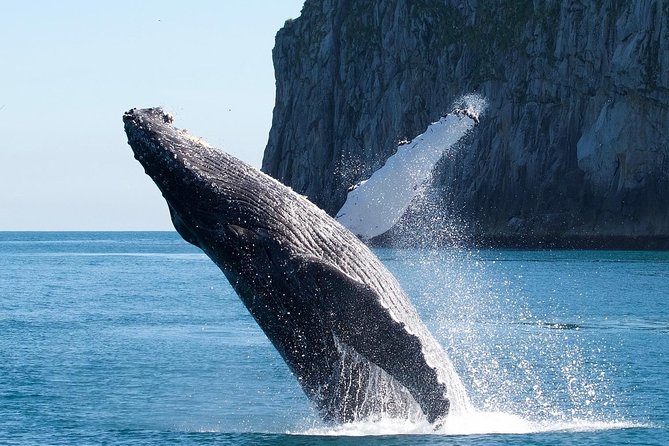
Even in good weather, it can swing fast—sunny and warm to windy and cold to raw and rainy. This cruise operates in all weather conditions, but that doesn’t mean you’ll be comfortable without the right clothes. Your job is to dress for the outdoor parts, because you’ll keep stepping out to watch glaciers and birds.
Use a layer system: a warm base, a real outer layer, and something rain-ready. Gloves and a rain hat can make a surprising difference when you’re standing near the waterline looking for calving and seabirds. One key thing people note is that it can feel especially chilly near the glacier areas, where wind and spray can jump up.
If you’re the type who only packs for one weather scenario, change that. This is a “bring layers or pay with discomfort” kind of day.
Resurrection Bay and the geology talk you’ll actually use
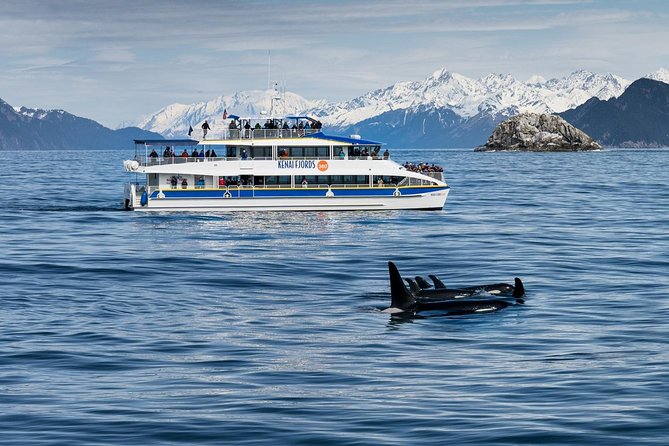
Before you ever see the glacier up close, the cruise starts putting the whole region into context. The captain and crew provide commentary on surrounding geology and wildlife as you sail through Resurrection Bay into Kenai Fjords National Park waters. This matters because glaciers can look similar from far away—but when you’re told what you’re looking at, you start noticing differences in how the ice moves, how it sits at the waterline, and what the setting means for animal life.
The narration also helps with bird and wildlife spotting. When someone points out what to look for and why (feeding behavior, where seabirds gather, what signals you’ll see before a whale surfaces), you spend less time scanning randomly and more time watching with purpose.
There’s no need to research beforehand because the onboard explanations do the heavy lifting. If you’re traveling with people who don’t want a “school trip” vibe, this is still friendly and engaging. The goal is to help you track the action, not to grade anyone on glacier trivia.
Holgate Glacier vs Aialik Glacier: what calving looks like from your seat
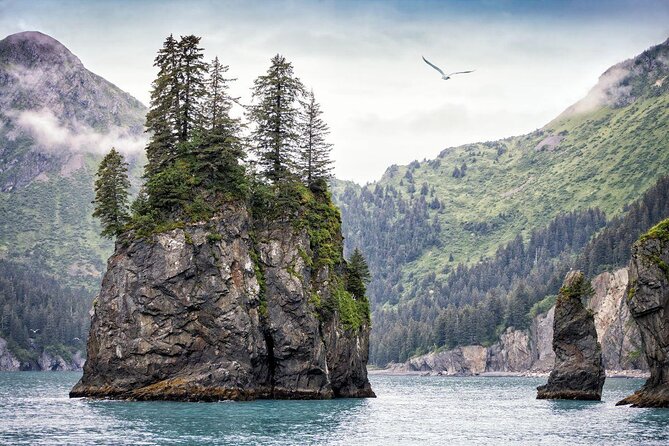
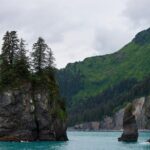
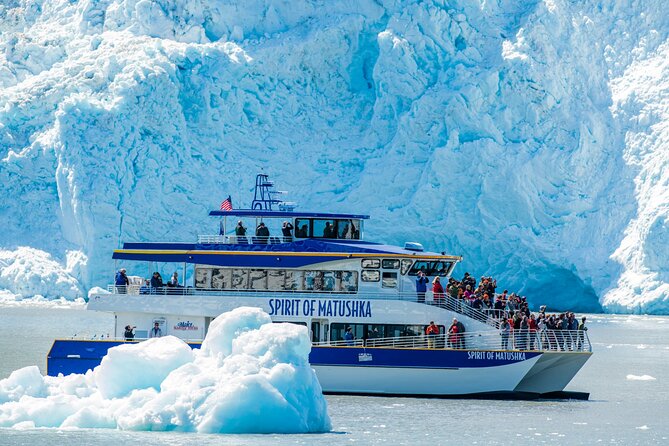
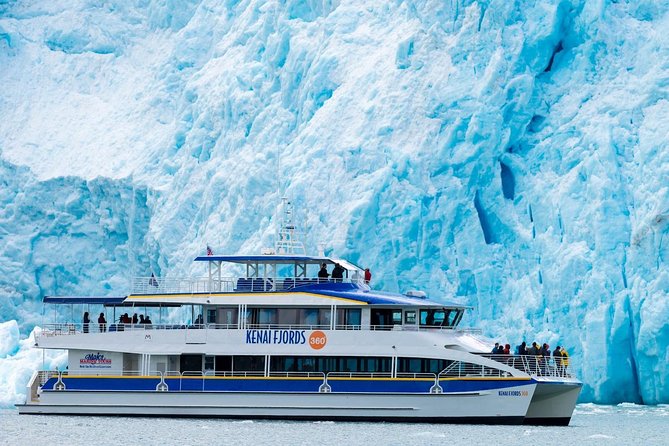
This is the main event, and the cruise will take you to either Holgate Glacier or Aialik Glacier depending on conditions. When you’re in the right spot, Holgate or Aialik gives you that rare close-up view of a tidewater glacier, where chunks of ice break off and crash into the water.
The glacier stop is where you’ll feel the difference between “watching ice” and watching a living, moving system. Calving isn’t a one-time event. It can happen repeatedly, and each break-off sounds different and looks different depending on the size and where it hits the water. If you’ve never seen it in person, it’s the kind of thing you understand with your eyes first—then the words on geology make sense afterward.
Aialik Bay gets special attention on this itinerary. When you head around Cape Aialik into Aialik Bay, you’re aiming for an active tidewater glacier experience. That’s also the area where people often remember the ice the clearest afterward, because it’s dramatic and close.
The tradeoff? Since the glacier choice depends on what the crew can do safely and effectively, you can’t pick your glacier like it’s a restaurant menu. You’re choosing a cruise, and the day decides which glacier you get to see up close.
Chiswell Islands or Cape Resurrection: seabirds in huge numbers
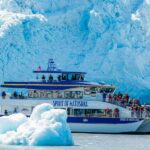
After the glacier focus, the route may include Chiswell Islands or Cape Resurrection, again depending on weather. This part is built for birds, especially nesting seabirds. You’ll approach these areas and get time to look for birds—often from the deck and with the included binoculars to spot activity you’d otherwise miss.
Why this stop is worth your attention: seabirds are easy to overlook until you’re staring at the scale of it. When conditions are right, there are thousands of birds in the area, and that turns “bird watching” into a full-on show. Even if you don’t identify every species, you’ll see patterns—taking flight, settling again, and moving around the waterline in a way that tells you where food is coming from.
Binoculars help you not just see birds, but track them. The difference between a vague speck and a recognizable shape is huge when the birds are moving and the boat is in motion.
Wildlife watch: otters, puffins, whales, and mountain goats
Wildlife watching is the reason most people book this cruise in the first place, and you do have real chances here. Keep your expectations flexible, but don’t be passive. Your best results come when you treat this like active wildlife watching: scan consistently, switch sides of the boat when prompted, and pay attention when the crew points out something happening.
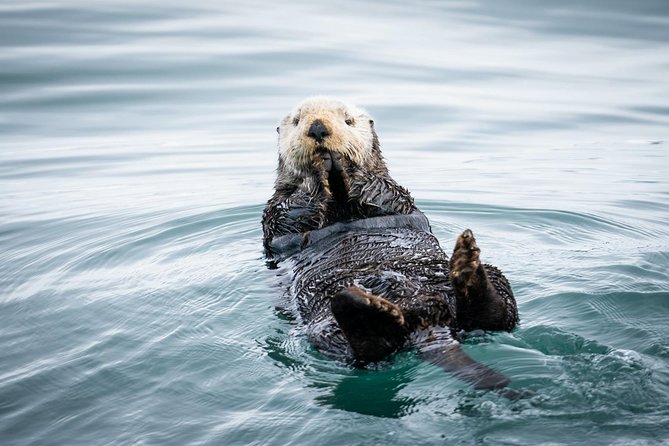
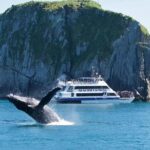
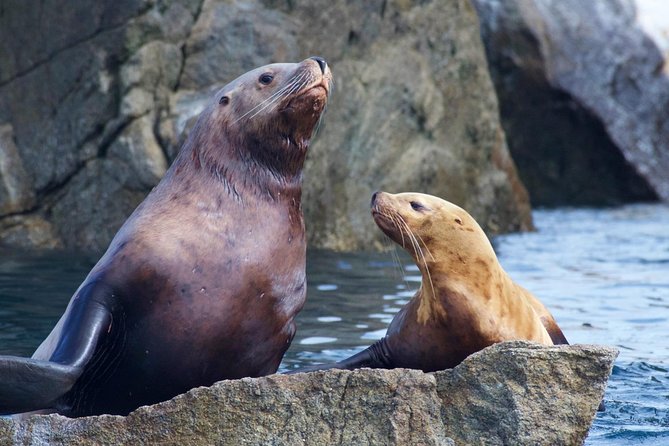
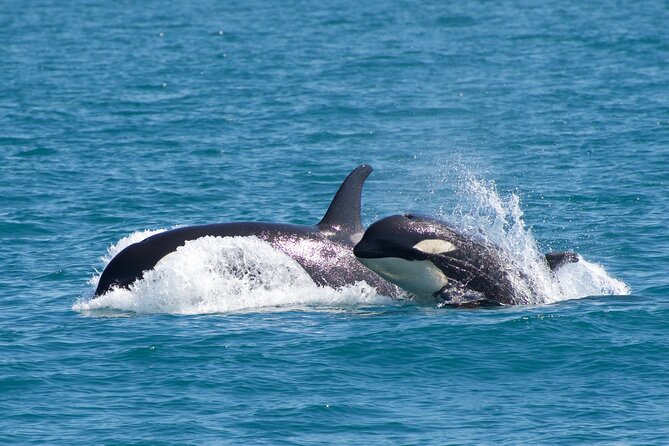
The wildlife possibilities listed for the cruise include sea otters, puffins, whales, and mountain goats. From the broader set of reported sightings on recent departures, you may also spot other marine life like sea lions, seals, and even eagles—plus sometimes multiple whale types. That variety is a good sign: the ecosystem here can support lots of animals.
About whales specifically: you can’t book a guarantee. One of the most honest downsides to plan around is that you might leave without whale sightings even if the glacier calving was spectacular. The cruise still delivers value through the glacier experience and the seabird stop, but if whale watching is your only mission, you’ll want to accept the natural odds.
If you are prone to motion sickness, staying inside for comfort might reduce how much deck time you get. That’s not a failure—it’s smart. Just know that your best wildlife odds often come from getting out when conditions are safe and visibility is best.
Lunch on the water: simple, included, and mostly satisfying
Included with your cruise is a complimentary brunch or deli lunch, plus water, coffee, and tea. The lunch options are turkey, roast beef, or vegetarian sandwiches. This is the “keep you going” kind of food, not a full restaurant meal. Expect something filling enough for most people, but not a gourmet destination.
One fair consideration: a few people felt the sandwich meal left them hungry near the end of the cruise. If you have a bigger appetite, pack snacks for yourself if that’s allowed by your departure rules, or at least be ready to purchase extra items if available on the ship. (Alcoholic drinks are available to purchase, so there’s at least some onboard extras if you want them.)
The good news is that your day has a built-in flow. You’re not eating for performance; you’re eating for stamina while you keep watching ice and wildlife the whole time.
Binoculars, cameras, and how to get sharp glacier shots
The cruise includes binoculars, which is a major help for birds and distant wildlife. Use them early, even before the action peaks. Get your eye trained to spot movement and then focus on shapes. That skill carries over when you’re watching glacier edges and calving zones.
For photos, stability is your friend. The boat can move enough that handheld telephoto shots can blur. A monopod is a practical fix people recommend. Also, consider your lens strategy: wider shots capture scale, and a telephoto lens helps for birds and wildlife when the boat can’t get right alongside.
For glacier photos, timing matters too. Calving events can happen quickly. If you stop scanning to adjust settings, you can miss the moment. It’s better to set your camera up for fast capture, then fine-tune after you see what direction the action is happening.
Boat comfort, group size, and what the crew actually does
This cruise caps at a maximum of 150 travelers, and people often comment that the boat doesn’t feel overcrowded. There’s also reserved seating in the heated cabin, so you’re not stuck playing musical chairs just to stay warm.
What I value most is the way the crew uses their time. The captain and crew guide you toward the best viewing opportunities, and the onboard naturalist narration keeps the viewing organized. Instead of everyone just wandering the deck, you get a sense of what the boat is doing and why—glacier location, bird islands, wildlife scanning.
Name-wise, Capt. Lara came up in one highlighted account, and crew members like Luis, Melody, and Sydney were mentioned as attentive and helpful. That’s the kind of detail that tells you this is more than a scripted tour. The staff seems to work the boat and the commentary with your sightlines and safety in mind.
Who should book this cruise (and who should set expectations)
This is a great choice if you want a single outing that combines glacier calving, seabird islands, and wildlife watching—all from Seward. You’ll love it if you enjoy active looking and you’re happy to stand out on the deck when the weather allows.
Book it even if wildlife is a bonus, not a guarantee. The glacier experience is the anchor, and the islands with seabirds add a different kind of excitement than whales alone.
You might reconsider if your ideal Alaska day is strictly a whale-watching-only mission. The cruise includes whale chances, and people do report strong results, but there’s always a reality check with ocean animals. Also, if you’re sensitive to noise, plan for a mixed passenger mix on a popular half-day cruise. A couple accounts mentioned the challenge of kids on board, which can affect calm viewing moments.
Should you book this Kenai Fjords Glacier & Wildlife Cruise from Seward?
If you want the best value for a half-day in Seward, I’d book it. For $265.23 per person, you’re getting more than transportation: you get heated cabin comfort, reserved seating, binoculars, water/coffee/tea, onboard naturalist narration, and a complimentary brunch or deli lunch. That’s a lot packed into a single outing, and it saves you from piecing together separate activities.
The biggest “yes, but” is weather and wildlife odds. The cruise runs in all weather conditions, yet it requires good weather for operation, and if it can’t safely sail, you’ll be offered another date or a full refund. You’re also not guaranteed whales, so plan your mindset around glaciers and seabirds as the surest highlights.
If that sounds like your kind of day—Seward departure, glacier calving up close, seabird islands, and wildlife scanning with a team guiding you—then this is an easy yes.
FAQ
How long is the Kenai Fjords Glacier & Wildlife Cruise?
It’s about 6 hours.
Where does the cruise depart from?
The meeting point is 1412 4th Ave, Seward, AK 99664, USA, and the activity ends back at the meeting point.
How much is the tour per person?
The price listed is $265.23 per person.
What’s included in the ticket price?
Reserved seating in a heated cabin, water, coffee, and tea, use of binoculars, all taxes and fees, lunch sandwich options (turkey, roast beef, or vegetarian), and onboard naturalist narration.
Are alcoholic drinks included?
No. Alcoholic drinks are available to purchase.
Will I see Holgate or Aialik Glacier?
You’ll see either Holgate Glacier or Aialik Glacier, depending on conditions.
Does the cruise visit Chiswell Islands or Cape Resurrection?
It visits Chiswell Islands or Cape Resurrection depending on weather.
What should I do about motion sickness?
The cruise operates on the Gulf of Alaska and can be choppy. If you’re prone to seasickness, take motion sickness prevention before the tour.
What time should I arrive?
Arrive 1 hour prior to departure.
What’s the cancellation and weather plan?
You can cancel for a full refund up to 24 hours in advance. If the experience is canceled due to poor weather, you’ll be offered a different date or a full refund.