REVIEW · MONUMENT VALLEY NAVAJO TRIBAL PARK
Monument Valley: Horseback Adventure Tour
Book on GetYourGuide →Operated by DD MTA HORSE TOURS · Bookable on GetYourGuide
You’ll feel Monument Valley on a horse. This short, small-group ride mixes Navajo horse culture with iconic buttes like Eagle Mesa and the Two Mittens.
I especially like the Navajo-trained horse approach and the way the guides match horses to your comfort level. Another big plus is the route includes named formations such as Bear & Rabbit and Sleeping Bear, with photo stops built into the ride.
The main consideration: it’s a quick 30 minutes to 1 hour, so you may not get as far onto every mesa as you’d like if you’re chasing the maximum viewpoint time.
Key things that make this ride worth your time
- Horse matching for all skill levels, from first-timers to advanced riders
- Navajo-trained horses raised by a ranching family tied to the land
- Iconic stops and named formations such as Eagle Mesa, Sleeping Bear, Sitting Hen, and the Two Mittens
- Small group size (up to 9 riders) keeps it calmer and easier to learn
- Safety comes first with guides trained annually in CPR and First Aid
- You can get a helmet by request and you’ll get help adjusting to the saddle fast
In This Review
- Monument Valley on horseback: what you’re really buying
- Meeting up and getting ready without turning it into a production
- The ride length: 30 to 60 minutes and how to make it count
- Eagle Mesa, Bear & Rabbit, Sleeping Bear: what each stop feels like
- Eagle Mesa: the first big-picture moment
- Bear & Rabbit: rock shapes you can spot faster from horseback
- Sleeping Bear and Sitting Hen: where the names turn into orientation
- The Two Mittens: the “wait, that’s it” formation
- Photo stops: getting the shots without the ride dragging
- How the horses change everything: trained, matched, and ready for beginners
- Guide style: history, safety, and real-world horse coaching
- Small group pacing: why 9 riders feels different
- Who should book this (and who might not love it)
- Price and value: is $74 a fair deal?
- Should you book this Monument Valley horseback adventure?
- FAQ
- How long is the Monument Valley horseback adventure tour?
- How much does the tour cost?
- Where does the tour start?
- What’s included in the price?
- What do I need to bring?
- Is the tour suitable for beginners?
- Are helmets provided?
- Are kids allowed, and is it suitable during pregnancy?
Monument Valley on horseback: what you’re really buying
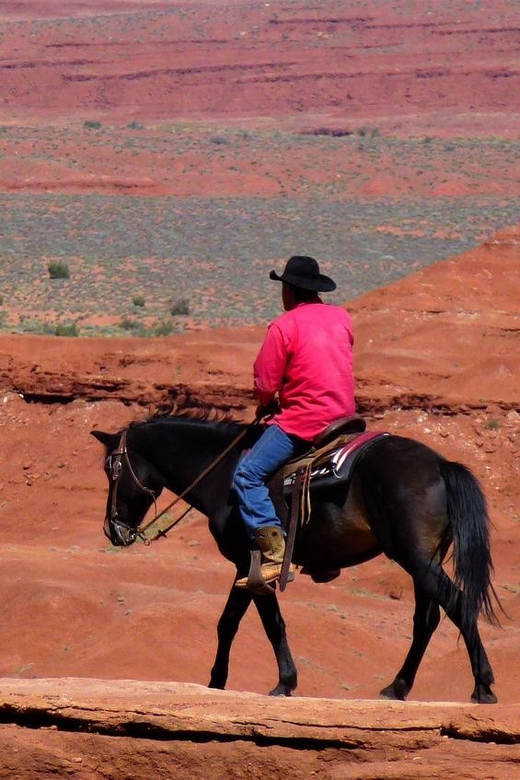
This is one of those tours where the “activity” is also the story. You’re riding through Monument Valley, but the point isn’t just scenery. The horses are part of the experience. They’re Navajo-trained and tied to a ranching family, which changes the tone from amusement-park riding to something more grounded.
The practical upside is that you’re not stuck in a one-speed, one-style ride. The team matches you with a horse based on your riding level, so beginners aren’t forced onto a spooky mount, and experienced riders aren’t saddled with something too calm to be fun. That horse matching matters because the valley is rugged and open. Your comfort level affects how much you can actually enjoy the views.
The other thing you’re paying for is time efficiency. At $74 per person and a ride length of 30 minutes to 1 hour, you get a concentrated hit of Monument Valley without eating your whole day. If you want a long, slow, all-afternoon horseback outing, this might feel short. If you want a real ride that fits into an itinerary packed with national-park stops, it’s good value.
Meeting up and getting ready without turning it into a production
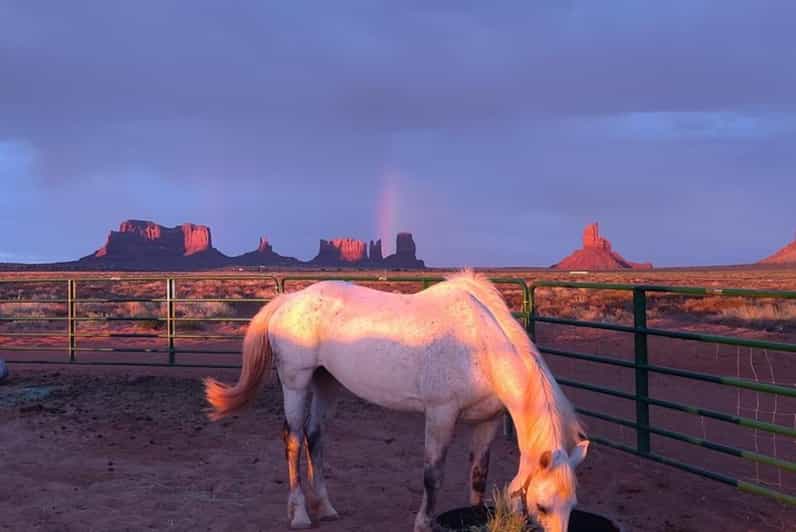
The tour starts at D/D MTA Horse Tours. When you arrive, you’ll want to plan for a relaxed meet-up moment—there’s a waiver to sign and a quick check of what you’re wearing.
Here’s what to bring so you’re not scrambling at the last minute:
- Comfortable shoes (you’ll be on uneven ground)
- Long pants
- A camera
- Comfortable clothes
- A signed waiver
A few “don’t do this” items are part of the rules: no bare feet, no food or drinks on the ride, and no alcohol or drugs. Also, the tour isn’t suitable for children under 8 and pregnant women. If any part of that affects your group, check before you show up in riding boots and good intentions.
If you’re nervous about getting on, take comfort in the setup: the guides teach basic riding and help you settle in. In the past, guides like Troy have been praised for giving clear basics right away. Another guide, Lewis, is noted for mixing riding support with landscape-and-formation explanations. Even if you don’t get either of those names, the guiding style is clearly aimed at making first-time riders comfortable.
You can also read our reviews of more tours and experiences in Monument Valley Navajo Tribal Park.
The ride length: 30 to 60 minutes and how to make it count
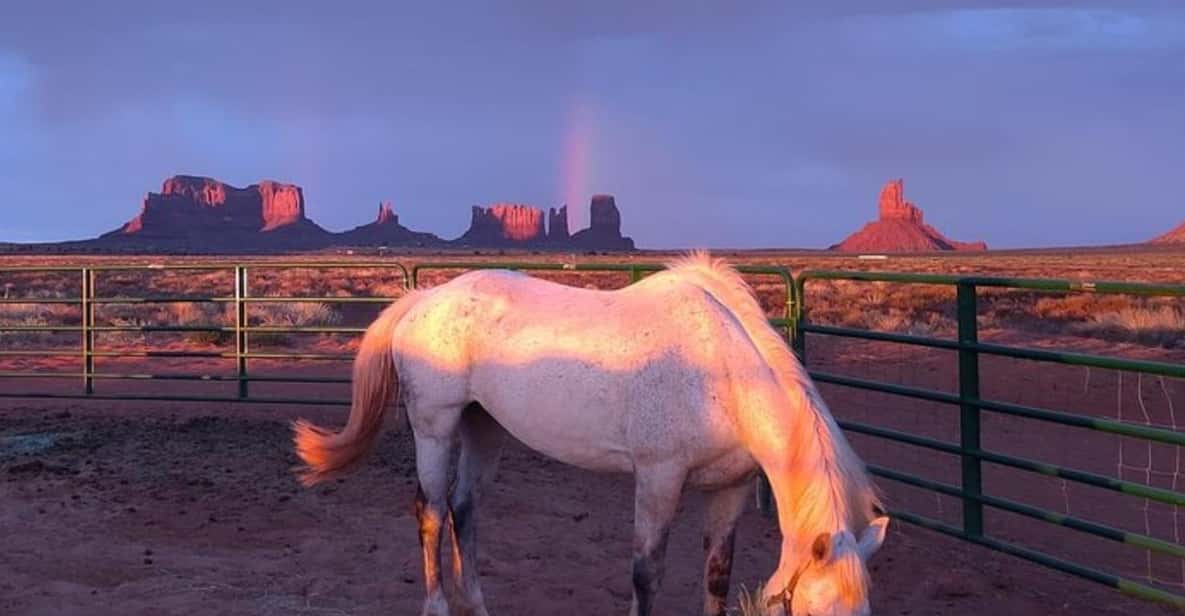
This is a short tour on purpose. From start to finish, you’re typically in the saddle for 30 minutes to 1 hour depending on the timing you book.
So how do you get the most out of it?
- If you want the best chance of seeing more of the “best angles,” pick the longer end of the time window. Many riders call out that an hour feels like the sweet spot.
- If your schedule is tight (or you’re RV touring and trying to keep moving), the shorter option is perfect. You still get the heart of Monument Valley: named buttes, wide sky, and a real horse under you.
One drawback that can come up: you might wish the route went even closer to a specific mesa viewpoint. That’s not a safety issue—it’s usually just the nature of a short guided route in open country. If your dream is maximum time at one specific viewpoint, you may want to pair this with another stop where you can linger.
Eagle Mesa, Bear & Rabbit, Sleeping Bear: what each stop feels like
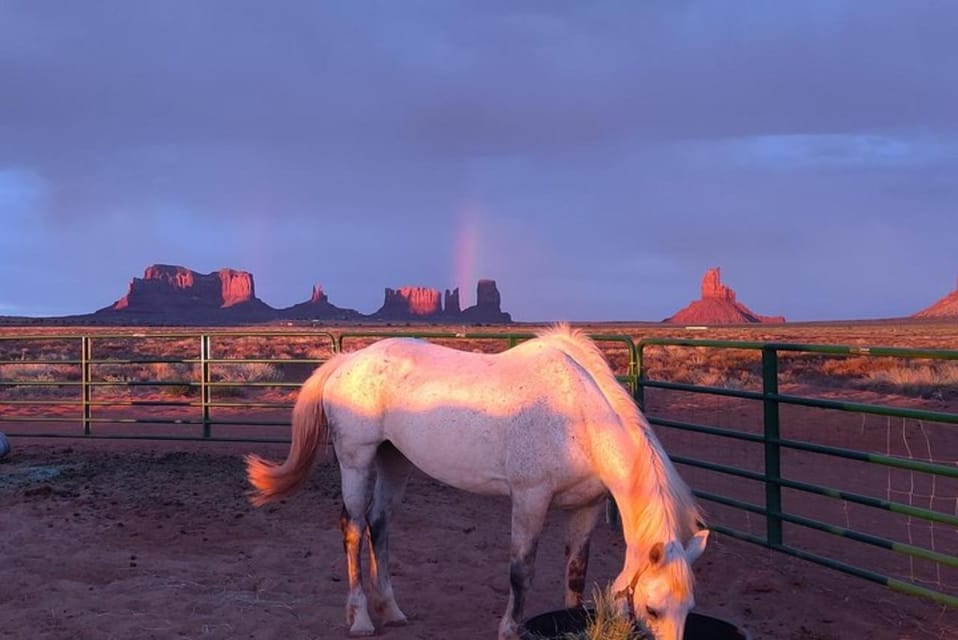
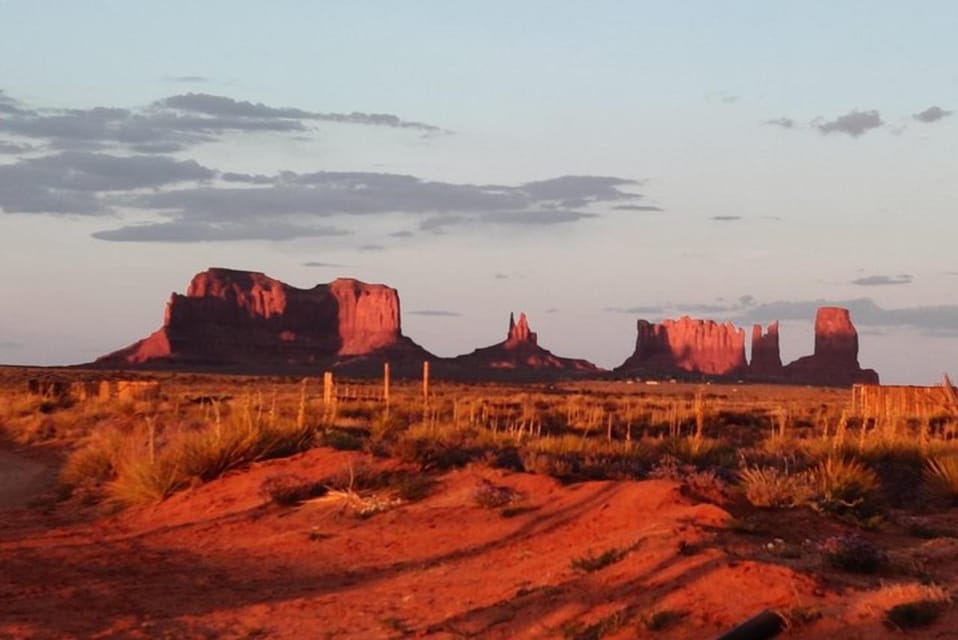
This ride takes you through some of Monument Valley’s most recognizable formations. Even if you’ve seen photos, being on horseback changes the scale. The buttes look taller. The colors look deeper. And the gaps between rock shapes become more obvious when you’re moving through them.
Eagle Mesa: the first big-picture moment
Eagle Mesa is one of the key stops. Expect the feeling of stepping into that classic Monument Valley panorama—high, open, and dramatic. This is often where the guide starts connecting names to shapes, which helps you “read” what you’re seeing instead of just staring.
If you’re the kind of person who likes knowing what you’re looking at, you’ll appreciate the guide’s explanations of butte names. Guides such as Troy have been singled out for breaking down the names of major formations during the ride, which makes Eagle Mesa more than just a photo stop.
Bear & Rabbit: rock shapes you can spot faster from horseback
Bear & Rabbit is exactly what it sounds like—two formation shapes that your brain starts seeing once someone gives you the reference point. On horseback, you tend to notice contours sooner because you’re moving at a steady pace. Instead of a static view, the shapes “arrive” from different angles.
This stop is also a good example of why horse matching matters. If you’re comfortable, you can look around and notice details. If you’re tense, you’ll focus on balance. The tour tries to solve that by pairing you with the right horse for your comfort level.
Sleeping Bear and Sitting Hen: where the names turn into orientation
Sleeping Bear and Sitting Hen are more than fun labels. They help you orient to the valley as you move through it. You get a sense of how the buttes relate to each other in space, not just how they look individually.
This matters because Monument Valley can be disorienting at first. From the ground, everything is huge and far away. Having named landmarks during the ride makes the valley feel navigable instead of overwhelming.
The Two Mittens: the “wait, that’s it” formation
You’ll also ride near the Two Mittens. This is one of those places where once you see it, it’s hard to forget. The formations are distinctive, and the view from horseback gives you a wider sense of how they sit in the valley.
Photo stops: getting the shots without the ride dragging
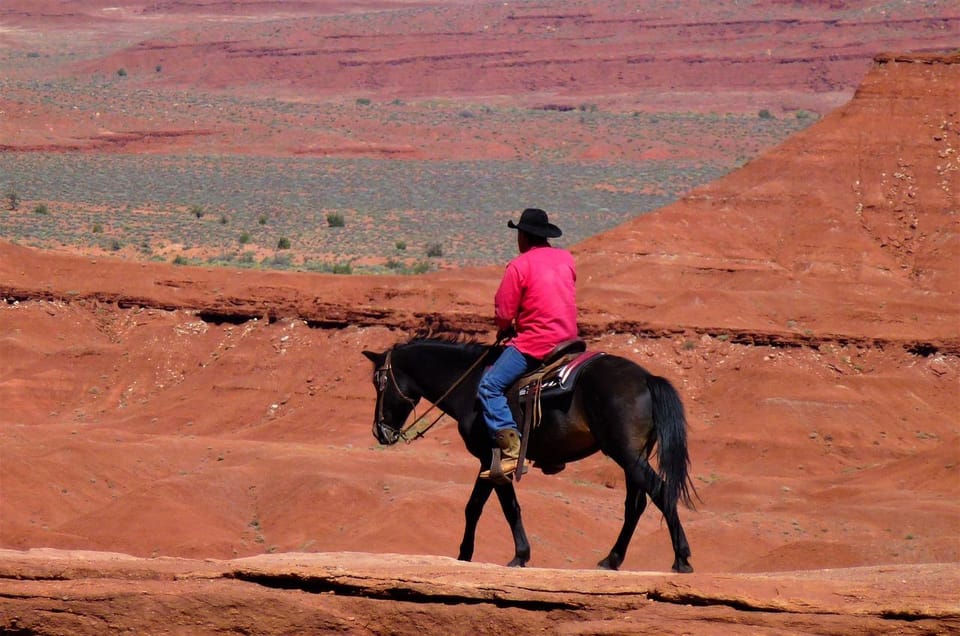
Photo time is built into the experience, and that’s a big deal. If you’ve done tours where you’re always waiting around, this one feels more efficient. The guides stop at good moments for pictures so you aren’t sprinting between viewpoints with a horse you can’t quite control.
The best photo stop moments happen when:
- The group stays calm (horse matching helps)
- The guide picks a spot with a clean view line to the buttes
- You’re not spending half the tour parked and untouchable
Helps too that the group is small—limited to 9 participants. That usually means fewer bottlenecks and more “everyone gets a look” energy.
How the horses change everything: trained, matched, and ready for beginners
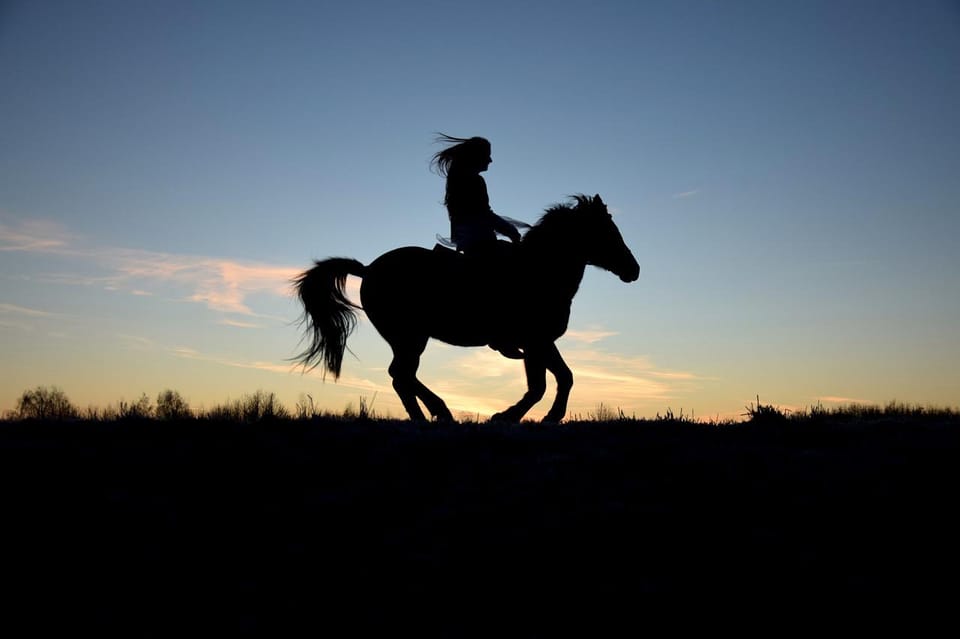
Let’s talk about the horses, because this tour lives or dies on them.
These aren’t random mounts. The horses are Navajo-trained and are raised by a Navajo ranching family. That matters for two reasons:
- The horses are used to guiding riders through open-country terrain and staying responsive.
- The experience is framed as respectful connection to the land, not just a costume ride.
What you’ll notice quickly is the range of rider levels the tour supports. First-time riders can do it, and experienced riders can still have a genuinely fun ride. A few riders have mentioned going beyond walking, including trotting, and some describe galloping depending on the horse and your comfort level. Your guide will calibrate the pace to you.
You might even get one of the horses referenced in past rides, like Gentleman Jim, Jc, Eva, or 4 socks. Even if you don’t see those exact names, the key point is that the operator does horse matching instead of throwing everyone onto the same mount.
Guide style: history, safety, and real-world horse coaching
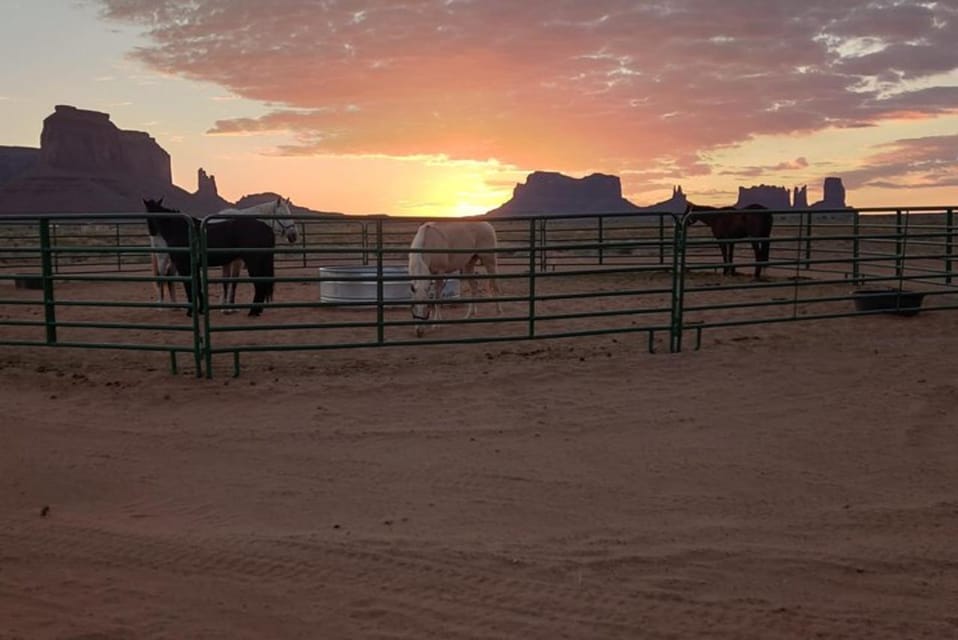
This is a live, English-speaking tour with native guides focused on the history and the meaning of the formations you see. Some riders have praised guides for being both helpful and informative, with a calm teaching style that makes you feel like you’re in good hands.
Two practical safety elements show up in the details you’re given:
- Guides are trained annually in CPR and First Aid
- Helmet support is available by request
Helmets are by request, so if you want one, plan to ask. Also, wear long pants and shoes that won’t slip easily. Horses may look like big friendly machines, but you’re still stepping and shifting your weight on real tack.
If you’re the type who worries about controlling the horse, you’re not being left alone with guesswork. Guides handle the basics and then help you ride to your ability.
Small group pacing: why 9 riders feels different
Group size can make or break horseback tours. Here, the group is limited to 9 participants. That smaller cap helps in a few ways:
- You get more attention during the start and any moments where you need adjustment.
- The ride doesn’t feel like a slow-moving line of people waiting to go.
- You can hear the guide without constantly turning your head away.
One rider even noted a more relaxed feel where you aren’t always stuck in strict single-file at the walk. That’s the kind of detail that makes the ride feel less like a conveyor belt and more like an actual outing.
The guide also controls the pace, which is important because Monument Valley isn’t a flat paddock. It’s open, exposed, and photogenic in a way that encourages you to look around. The small group size helps keep that safe and smooth.
Who should book this (and who might not love it)
This tour fits best if you want:
- A real horseback ride in Monument Valley, not just a photo op
- A guided experience that explains what you’re looking at
- A short activity that won’t swallow your whole day
- A ride that works even if you haven’t ridden before
It’s also great if you like authentic cultural context. The Navajo horse connection is a core part of the experience, not an afterthought.
You might skip this or reconsider timing if:
- You want a longer ride duration than 30 minutes to 1 hour
- You’re traveling with children under 8
- You’re pregnant (this tour isn’t suitable)
Price and value: is $74 a fair deal?
$74 per person is a straightforward price for a short guided horseback adventure, and the value comes from what’s included:
- Horse and saddle
- Helmet by request
- A native guide who shares the history and meaning of the monuments
What’s not included is also clear: no food or drinks, and no baggage handling. That’s not a problem if you treat this as a focused ride that fits between other Monument Valley stops. In practice, you’ll likely want snacks and water before or after.
The price also makes sense when you compare what you get: a small group, safety-trained guides, matched horses, and time in the middle of iconic formations. If the ride duration feels short to you, you’ll get the most value by choosing the longer end of available times when possible.
Should you book this Monument Valley horseback adventure?
Yes—if your goal is a real horseback ride through famous Monument Valley formations, with horse matching that helps you feel safe and in control. I’d especially recommend it if you’re a beginner or you want a short, high-impact activity that doesn’t derail your day.
Hold off if you’re craving a longer, more lingering ride where you can spend extra time at one viewpoint. Also double-check suitability rules for kids and pregnancy.
If you can, plan around good light and wear the long pants and closed shoes the tour asks for. Then show up with curiosity. This is one of those places where the right kind of guide makes the buttes start meaning something fast.
FAQ
How long is the Monument Valley horseback adventure tour?
The tour runs between 30 minutes and 1 hour, depending on the starting time you choose.
How much does the tour cost?
The price is $74 per person.
Where does the tour start?
The tour starts at D/D MTA Horse Tours.
What’s included in the price?
You get the horseback riding tour, the horse and saddle, and a native guide. A helmet is available by request.
What do I need to bring?
Bring comfortable shoes, comfortable clothes, long pants, a camera, and a signed waiver.
Is the tour suitable for beginners?
Yes. Horses are matched to your riding experience, so it’s suitable for riders at different levels.
Are helmets provided?
Helmets are provided by request.
Are kids allowed, and is it suitable during pregnancy?
Children under 8 are not suitable. The tour is also not suitable for pregnant women.