REVIEW · NEW ORLEANS
Small-Group Manchac Swamp Kayak Tour
Book on Viator →Operated by New Orleans Kayak Swamp Tours · Bookable on Viator
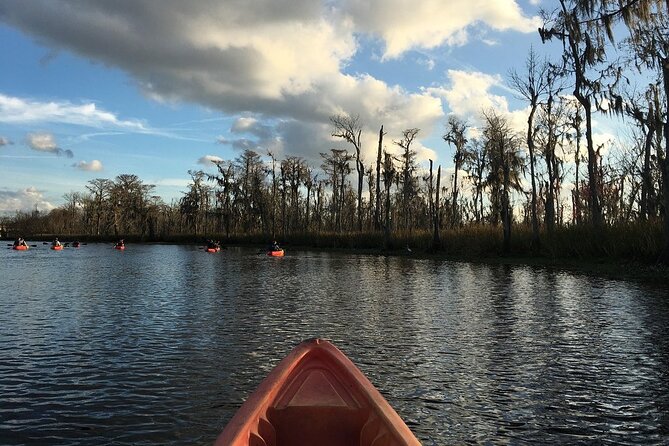
Cypress swamps beat city noise fast. This small-group paddle takes you beyond New Orleans to the Manchac and Maurepas swamps, where you glide through shallow, narrow waterways that motor boats can’t reach. You sit in a tandem kayak, get gear and a paddle lesson, then spend the afternoon hunting for alligators, turtles, owls, and other wildlife in tight, quiet channels.
Two things I especially like: the small group size (max eight) keeps the guide attentive, and the beginner-friendly setup with tandem kayaks means most first-timers can get moving without stress. The paddle can still be physical, and if you dislike mosquitos or wet weather, you should plan to be ready for that side of the bayou.
One possible drawback: you’ll need to keep pace with the group and listen to instructions. A couple of people reported that wind, rain, or distractions made it harder to hear, and in one case the tour felt uneven when the guide focused less on the newest paddlers.
In This Review
- Key Points Before You Go
- First Stop: From 740 N Rampart St to the Bayou Launch
- Tandem Kayaks on Cypress-Lined Water: How the Paddling Works
- Manchac and Maurepas Swamps: What You’re Actually Seeing
- Wildlife Spotting: Your Best Tactics for Alligators and Birds
- The Guide Makes or Breaks It: What to Look for in Their Teaching
- Timing, Duration, and Your Day Plan in New Orleans
- Packing List: What to Bring So the Bayou Feels Fun
- Weather and Comfort: When Wind and Rain Change Everything
- Who This Kayak Tour Is Best For (and Who Should Rethink It)
- Should You Book the Small-Group Manchac Swamp Kayak Tour?
- FAQ
- FAQ
- How long is the Manchac Swamp kayak tour?
- Is prior kayaking experience required?
- What’s included in the tour price?
- What is not included?
- Where does the tour meet?
- What should I bring?
- Is there an age limit?
- What’s the cancellation policy?
- Does the tour run in any weather?
Key Points Before You Go
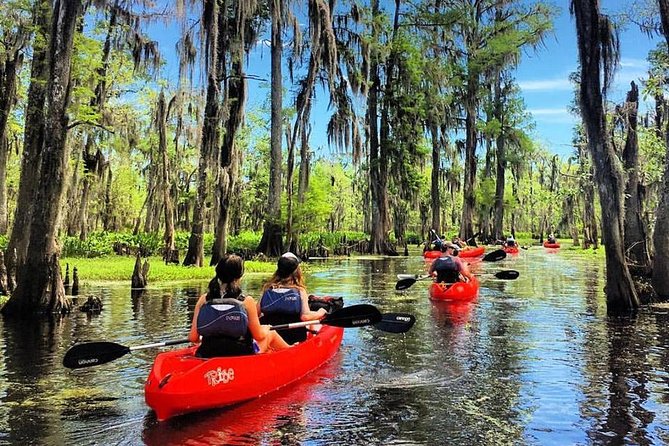
- Tandem kayaks + a real paddle lesson: you’re not thrown into the water cold.
- Small group (up to 8): more hands-on help when it gets tricky.
- Shallow, narrow routes: you get into the tight stuff that motorized tours can’t access.
- Wildlife chances: alligators, turtles, owls, herons, egrets, and more show up depending on conditions.
- Plan for bugs and weather: light layers and bug spray can make or break the day.
First Stop: From 740 N Rampart St to the Bayou Launch
The tour meets at 740 N Rampart St in New Orleans, right in the city’s orbit. If you’re staying near the French Quarter, you should expect an easy pickup route and a straightforward return to the same meeting spot.
Gear and instruction start before you’re out on the water. You’ll be given all necessary kayaking gear, and you’ll get a lesson so you understand how the kayak moves, how to hold your paddle, and how to stay comfortable in a tandem setup. That early coaching matters because you’re not just “paddling around”—you’re navigating narrow channels where smooth strokes keep you pointed in the right direction.
Also, think of the “2 hours 30 minutes” as your main on-water time, not your whole day. One schedule example from an afternoon departure had people picked up about an hour earlier, then back near the meeting point around early evening. So plan a loose dinner window back in town.
You can also read our reviews of more tours and experiences in New Orleans.



Tandem Kayaks on Cypress-Lined Water: How the Paddling Works
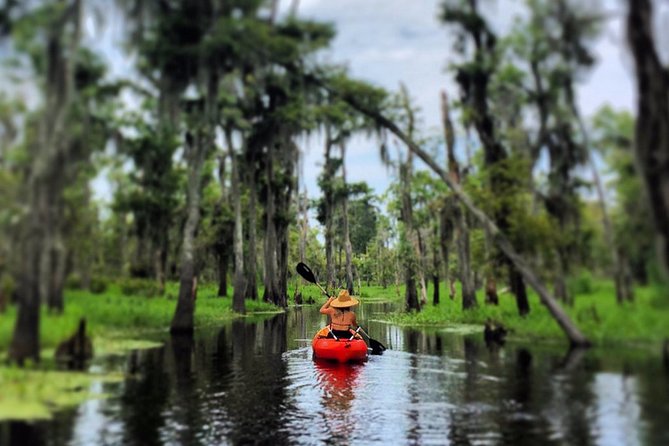
You’ll start in tandem kayaks, meaning you’re not paddling solo in a long line of water. That matters for first-timers. The guide teaches you what to do, then you practice while you still have confidence and calm.
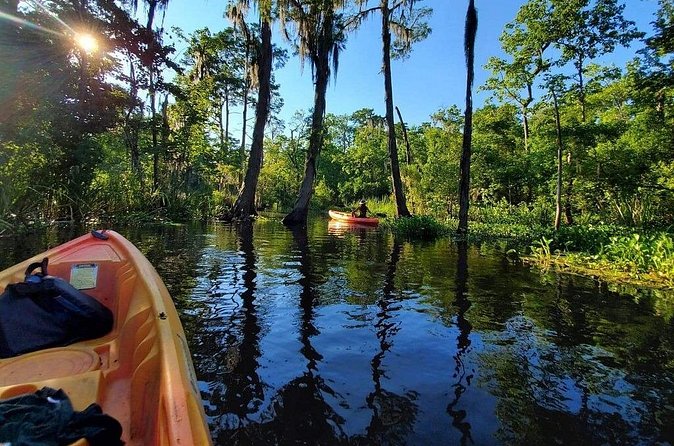
This route favors shallow and narrow waterways. That’s a big deal. In practice, shallow water means gentler currents and fewer “surprise” moments, but it also means you need to steer carefully and keep your strokes consistent. You’re often close to the cypress banks, where wildlife tends to hang out and where you may hear birds calling before you see them.
The paddling isn’t extreme. A lot of people describe it as a workout you can enjoy, not a training session. Still, the tour lists moderate physical fitness as a baseline requirement. If you can comfortably walk and maintain a steady pace, you’re in the right zone. If you’re used to very easy days only, plan to take breaks when your guide suggests them.
Manchac and Maurepas Swamps: What You’re Actually Seeing
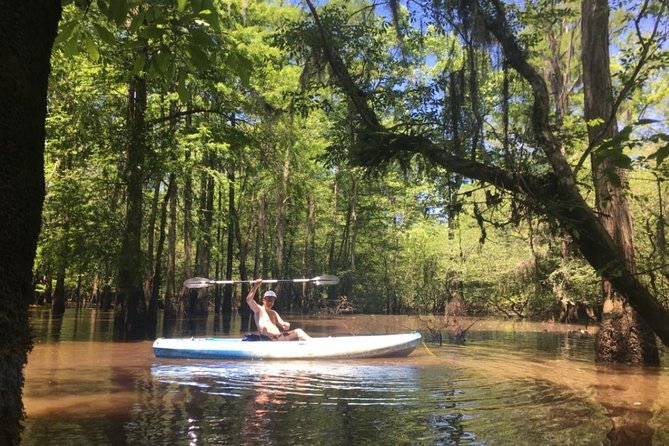
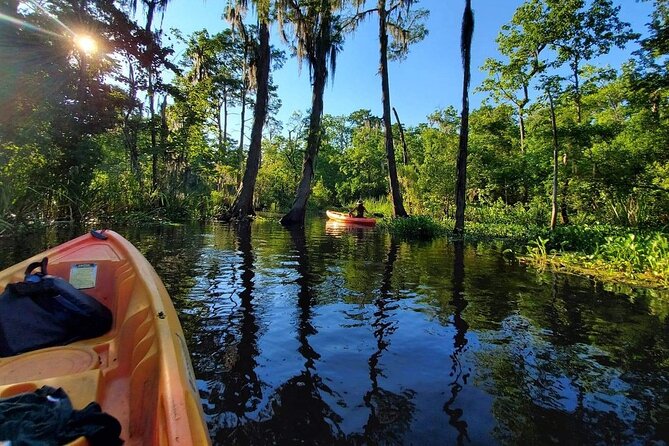
This is not a straight shot down a wide river. It’s swamp travel—quiet corridors through wetlands with cypress trees and slow, lazy water.
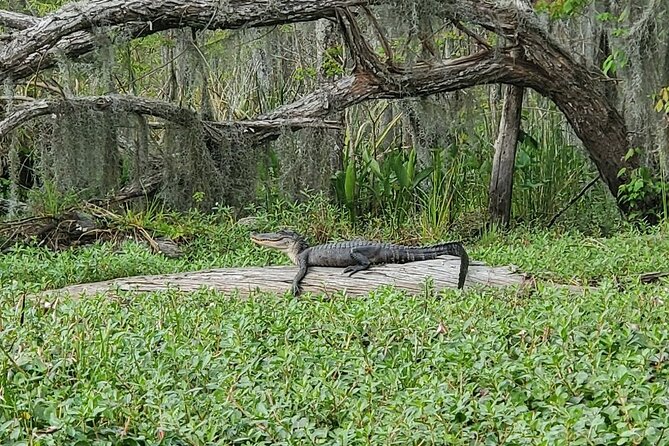
Along the Maurepas Swamp, you may spot wildlife along the cypress-lined banks. Expect a mix of reptiles, birds, and small movement in the water. A few reviewers specifically called out seeing turtles, and many mentioned alligators. Some accounts also mention owls—one person even noted an owl topic as a highlight of their guide talk.
In the Manchac area, the feel stays similar: you’re gliding through wetland edges and channels, and you’re close enough to notice how the swamp changes. Plants get part of the show here. People mentioned seeing things like bald cypress, water tupelo, spider lilies, and water hyacinths, including invasive growth. That’s a reminder that swamp life isn’t only about animals—it’s also about how plants shape the whole ecosystem.
One nice bonus: the guide often connects what you’re seeing to how the swamp functions. You might hear ecology explained through everyday observations—why certain trees matter, why specific birds show up, and what to look for at the water’s edge.
Wildlife Spotting: Your Best Tactics for Alligators and Birds
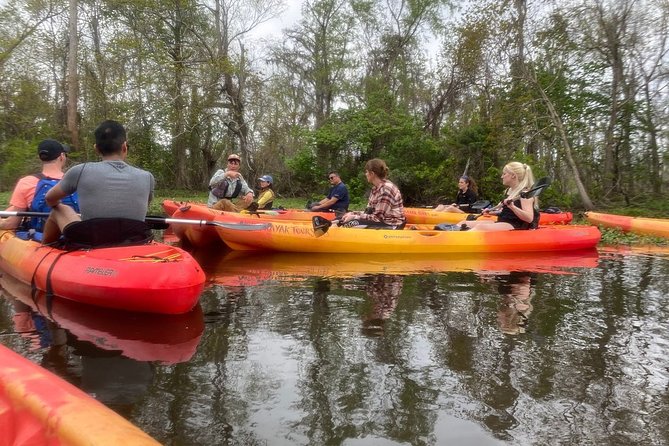
Your goal is simple: slow down your attention so the swamp can show itself.
Here’s how to improve your odds without turning this into a loud wildlife contest:
- Keep your eyes moving between the waterline and the cypress roots. That’s where motion shows up first.
- Listen as much as you look. Calls can lead you to birds before they’re obvious.
- When your guide points something out, pause your paddling. Wildlife tends to react to vibrations and movement.
Most wildlife sightings will be situational. Some groups report many alligator sightings. Others get fewer animals but still leave with strong bird and plant moments. If you’re hoping for a perfect checklist, temper expectations. Swamps are wild spaces, not a theme park.
A practical tip from repeat paddlers: bring binoculars if you have them. You’ll get more out of distant birds and perched owls when you can zoom in without leaning forward over the water.
And yes, you should expect mosquitoes. Even when conditions are great, you’ll be in insect country. Bug spray is a smart move.
The Guide Makes or Breaks It: What to Look for in Their Teaching
Small group trips rise and fall on the guide. The good news here is that this tour has a strong reputation for instruction and calm safety.
In the stories shared by different groups, guides including MJ, AJ, and Ali are repeatedly praised for being helpful and for making sure first-timers feel comfortable on the water. People also described guides like Nick, Simone, Chelsea, and Stephanie as patient, supportive, and quick to explain swamp facts in a way that sticks.
A good guide does two things at once:
1) Handles the water safely with clear cues.
2) Keeps the group oriented so you know where you are in the channel.
That second part is where it can vary. One person felt the guide spent less time with the newest paddlers early on, and the tour information didn’t feel equally shared. So if you’re a true beginner, go in ready to ask questions early and ask them again if anything feels unclear.


Timing, Duration, and Your Day Plan in New Orleans
Even though the kayaking time is about 2 hours 30 minutes, your full outing can stretch longer because of pickup, gear, instruction, and the return drive. Plan for several hours away from the city center.
If you’re trying to match this with evening plans, be realistic. One afternoon example had people on the water from around 2pm and back near the meeting point around 6pm. That’s a useful mental model: afternoon schedules can eat your whole late day.
Also, factor in restroom breaks and a quick stop on the way. One group described a gas station stop with food and restrooms before launch. You can treat that as a likely possibility, but don’t count on it as guaranteed in every weather situation.
Packing List: What to Bring So the Bayou Feels Fun
The tour gives you gear, but you supply comfort. The recommended packing list is spot-on if you want fewer annoyances.
Bring:
- Swimsuit or light layered synthetic clothing
- Windbreaker or fleece if it’s cooler
- Change of clothes and a towel
- Hat and sunglasses
- Sunglasses retainer (this is not optional if you hate chasing your glasses)
- Waterproof camera if you want photos without panic
- Water
- Waterproof bug protection (bug spray), since mosquitos are common in the swamp stories
A small comfort note: wear footwear you’re okay getting damp. Some people mentioned being fine with flip-flops or even going barefoot, but that’s a personal choice. If you’re not sure, choose something secure and water-friendly.
If weather turns iffy, you’ll still go out only when conditions make sense. The experience requires good weather, so you might reschedule rather than get a miserable paddle.
Weather and Comfort: When Wind and Rain Change Everything
Swamps are scenic in all kinds of weather, but your experience depends on how the day behaves.
Light rain may not ruin things, and one group described getting in just as the rain stopped. Still, wind can make it harder to hear instructions, and choppy conditions can feel like more work than expected even when you’re in calm swamp water most of the time.
If you’re sensitive to sound or get stressed when you can’t hear directions quickly, choose calm weather when possible. Also, layered clothing helps you adjust without overheating once you start paddling.
And yes—bugs. Even in a good day, you can’t outsmart mosquitoes with optimism. Bug spray is the move.
Who This Kayak Tour Is Best For (and Who Should Rethink It)
This tour fits people who want nature time with guidance and who don’t want to deal with equipment headaches.
It’s a good match for:
- Beginners who learn best with hands-on coaching
- Intermediate paddlers who like wildlife-focused routes
- Folks who want small-group pacing (max eight)
- People who like birding and ecosystem talk, including bald cypress and swamp plants
It might not fit as well if:
- You hate any physical effort at all (the paddling can be an arm workout)
- You struggle to keep pace with the guide’s group rhythm
- You’re uncomfortable in bug-heavy outdoor settings
- You want nonstop wildlife guaranteed on a schedule (swamps don’t run on checklists)
Minimum age is 6 years, so families with kids who can follow instructions and handle the kayaking pace may enjoy it. Just be honest about how quickly your child can adapt to a tandem setup and how long they can sit in a kayak comfortably.
Should You Book the Small-Group Manchac Swamp Kayak Tour?
If you want a true bayou outing without the stress of learning on your own, I think this is a smart booking. The tandem kayaks, paddle lesson, and small-group size make it easier to have a good time even if you haven’t kayaked before. Add the chance to see alligators, turtles, owls, and birds in cypress-lined channels, and you’re getting a lot of real nature for a short time.
I’d hold back only if you know you’ll have trouble keeping pace, if bugs ruin outdoor fun for you, or if you’re going to be upset when wildlife sightings don’t follow a perfect script. For most people, though, it’s the kind of New Orleans contrast you’ll remember: city energy in the past, quiet swamp water under your hands, and a guide who helps you notice what’s there.
FAQ
FAQ
How long is the Manchac Swamp kayak tour?
It runs about 2 hours 30 minutes.
Is prior kayaking experience required?
No kayaking experience is required. A guide teaches you, and you’ll paddle in tandem kayaks.
What’s included in the tour price?
Included: a guide, all necessary gear and equipment, a paddle lesson, and transportation from the French Quarter.
What is not included?
Food and drinks are not included.
Where does the tour meet?
The meeting point is 740 N Rampart St, New Orleans, LA 70116, USA. The tour ends back at the meeting point.
What should I bring?
Bring a swimsuit or light layered synthetic clothing, a windbreaker/fleece if it’s cooler, a change of clothes, a towel, a hat, sunglasses, a sunglasses retainer, a waterproof camera, and water. Bug spray is also a good idea.
Is there an age limit?
Yes. The minimum age is 6 years.
What’s the cancellation policy?
Cancellation is free. You can cancel up to 24 hours in advance for a full refund. If you cancel less than 24 hours before the experience’s start time, the amount you paid is not refunded.
Does the tour run in any weather?
The experience requires good weather. If it’s canceled due to poor weather, you’ll be offered a different date or a full refund.