REVIEW · NEW ORLEANS
New Orleans: French Quarter Food History Walking Tour
Book on GetYourGuide →Operated by Doctor Gumbo Tours · Bookable on GetYourGuide
French Quarter food walks hit different. This guided 3-hour stroll ties what you eat to where it came from, with tastings that range from rustic Cajun gumbo to classic Creole sweets. I especially like how the route keeps moving through real Quarter storefronts instead of turning into a food court.
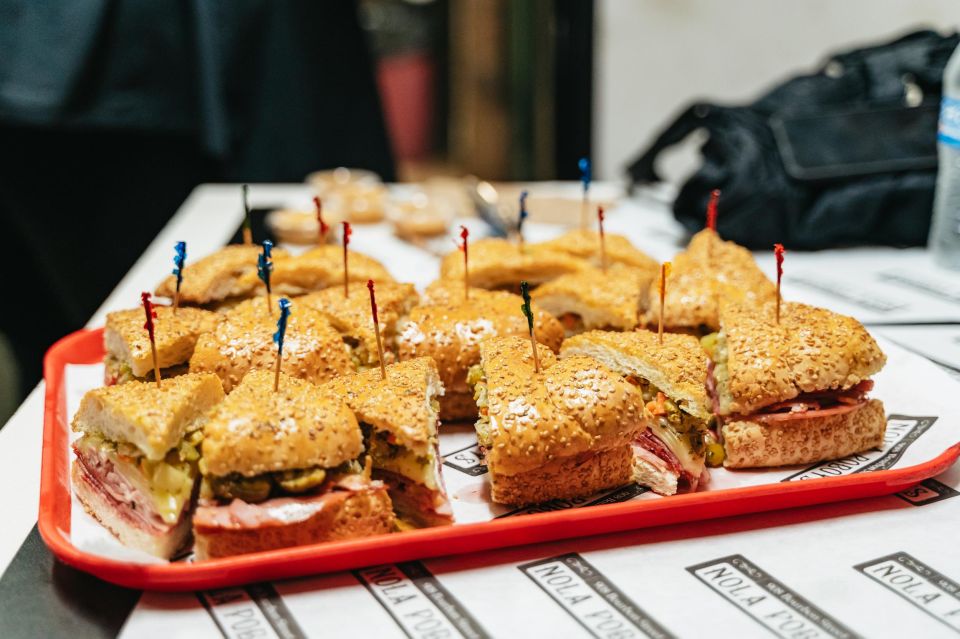
I also love the way the tour treats sandwiches like a lesson: you’ll hit both of New Orleans’ heavy hitters, po-boy and muffuletta, so you can taste two cultures that share the same street corners. You’re not just sampling random bites; you’re comparing styles and ingredients as you go.
One thing to consider: it’s a set menu, and there are no gluten-free, dairy-free, vegetarian, or pork-free options noted. If you’re vegan or vegetarian, or if you need strong dietary swaps, this may not fit well.
In This Review
- Key highlights worth planning for
- French Quarter starts at 316 Chartres St, then the food history begins
- SoBou gumbo and the Commander’s Palace connection
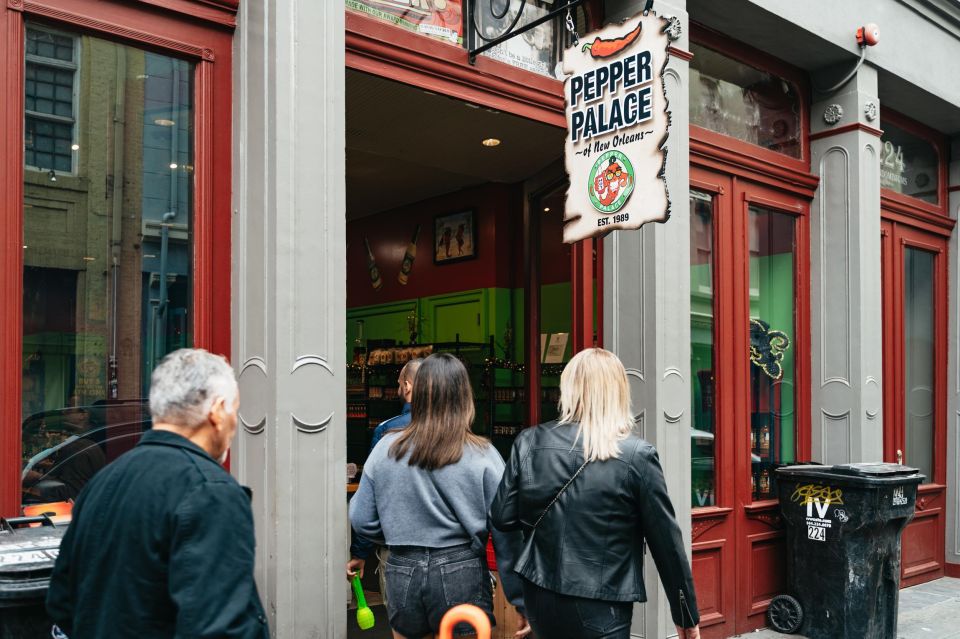
- The hot sauce bar stop: where you learn to taste heat
- Leah’s Pralines and the sweet side of Creole
- NOLA Poboys: catfish po-boy and the seafood tradition
- Muffuletta and boudin balls: two more ways to understand New Orleans
- Creole Cookery and red beans and rice comfort
- Bananas Foster bread pudding to close strong
- Price and value: why $85 often feels fair
- Pacing, walking, and what to know before you go
- Who this French Quarter food history walk is best for
- Should you book this French Quarter food history tour?
- FAQ
- Where do I meet the guide?
- How long is the tour?
- How many tastings do you get?
- What kinds of food will I try?
- Is the tour kid-friendly?
- Can I drink alcohol on the tour?
- Is the tour wheelchair accessible?
- What dietary options are available?
- Does the tour run in bad weather?
- When and where does the tour end?
Key highlights worth planning for
- Up to 9 food samples in about 3 hours, so you actually get full on variety.
- Both New Orleans sandwich icons: po-boys and muffulettas on the same tour.
- SoBou Cajun-style gumbo with warm potato salad, tied to local food roots.
- A hot sauce stop where you can try dozens of fiery varieties.
- Creole classics plus sweets, finishing with bananas Foster bread pudding.
French Quarter starts at 316 Chartres St, then the food history begins
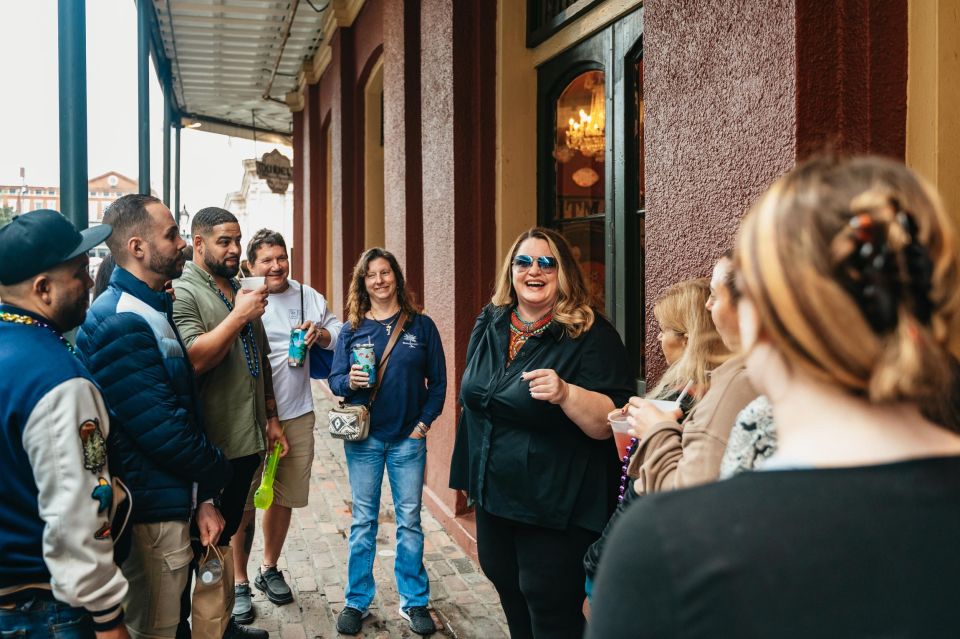
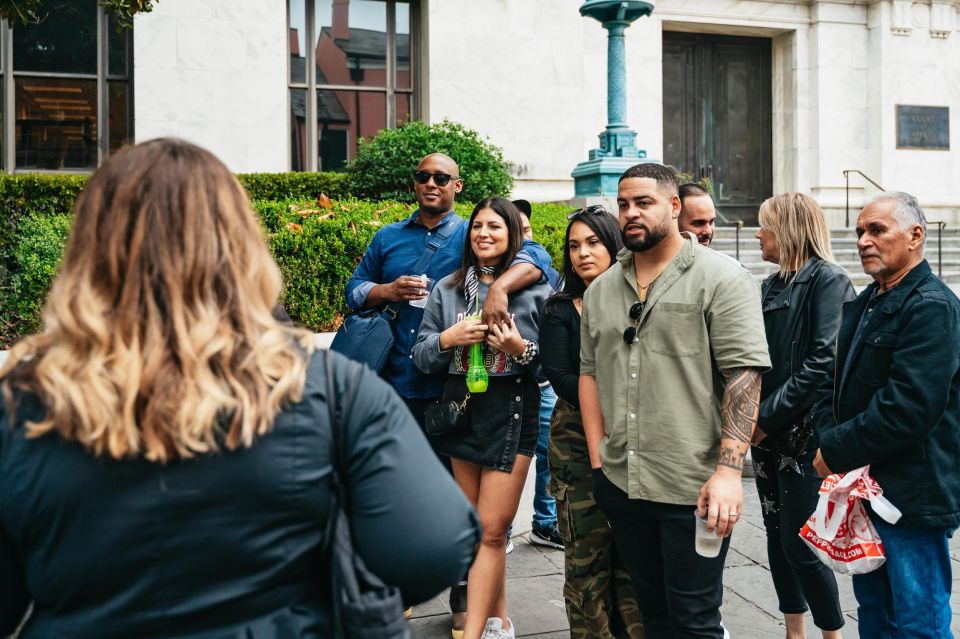
This tour is built for people who want the French Quarter beyond postcard photos. You meet your guide inside the 3rd Block Depot restaurant at 316 Chartres St. From there, you’ll cross the lively Vieux Carré (Old Square) and start stacking tastings alongside stories about Creole and Cajun influences.
The format is simple: you’ll walk between stops, then pause to taste. In most places, you’ll also find fully stocked bars, so if you want a cold drink with your bite, you’ll likely have the option to buy it on site.
I like that the guides lean into context, not just trivia. In past departures, the tour has been led by guide names like Beth, Mike, John (also called Professor), Gary, Kat, and Dylan (Dr Gumbo), and the common thread in their styles is clear connections between each dish and the people who shaped it.
You can also read our reviews of more tours and experiences in New Orleans.


SoBou gumbo and the Commander’s Palace connection
Your first major tasting is at SoBou, part of the Commander’s Palace enterprise. This matters because it sets the tone early: you’re tasting something local and comforting, but it’s presented with real culinary confidence.
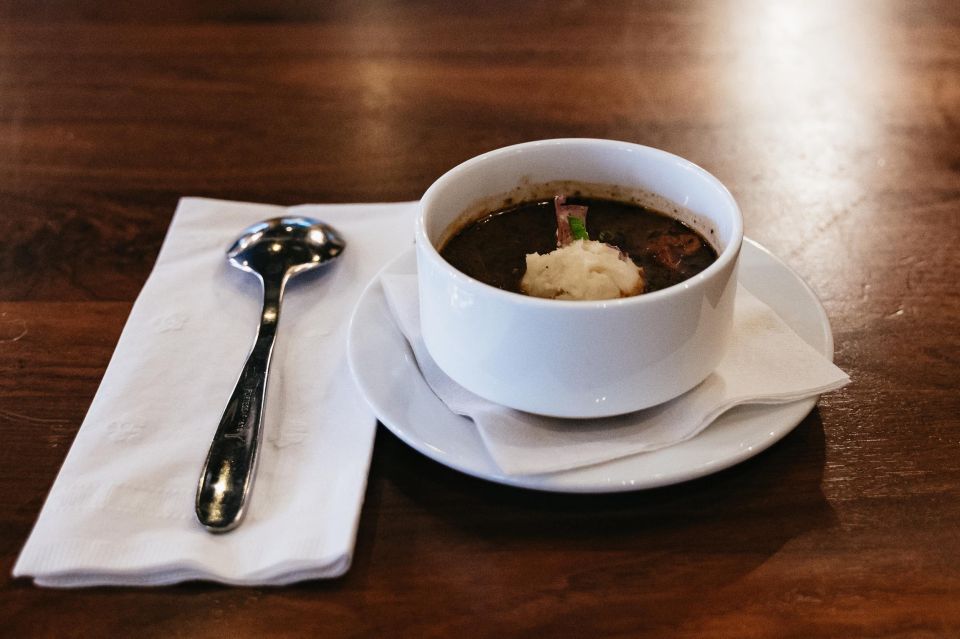
What you’ll get here is a rustic, Cajun-style gumbo served with warm potato salad. Gumbo in New Orleans is more than a bowl of stew; it’s an edible history class. Expect the flavors to reflect the city’s mix of ingredients and traditions, and expect the guide to explain why the dish shows up the way it does in the Quarter.
A practical tip: gumbo is filling. If you’re the type who saves appetite for later, you may still want to pace yourself at stop one so you don’t hit the sweets too full.
The hot sauce bar stop: where you learn to taste heat

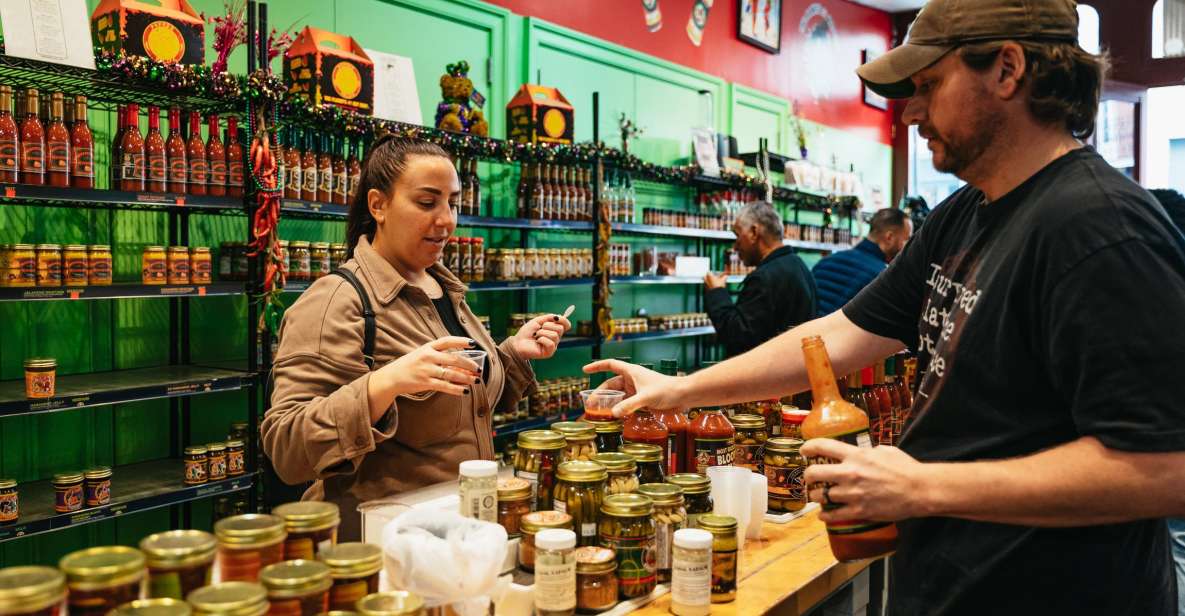
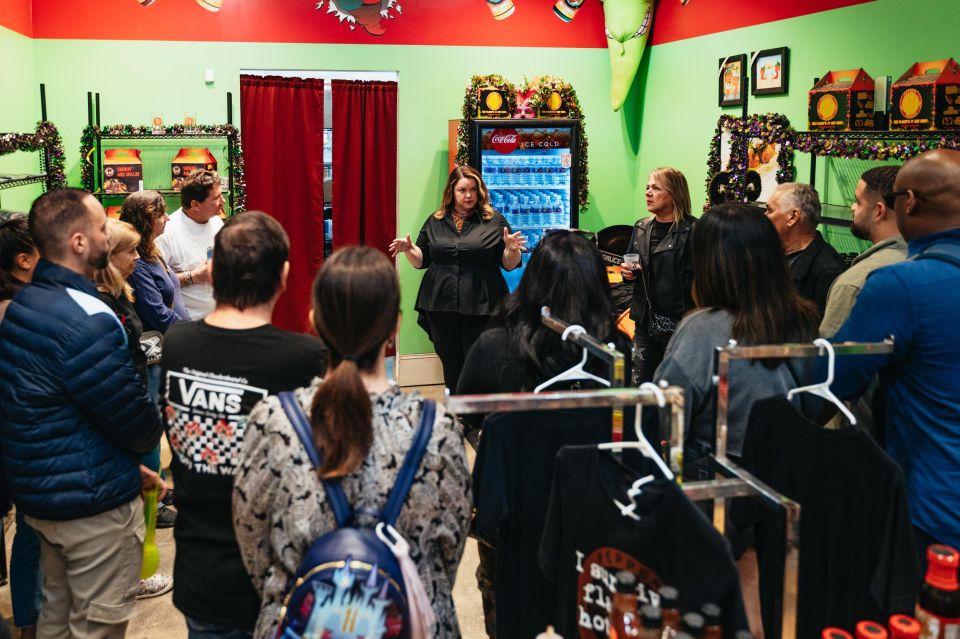
Next comes a stop built around a simple idea: New Orleans heat has range. You’ll visit a popular hot sauce bar where you can sample dozens of fiery varieties.
This is one of the most fun parts of the tour because you can control your pace. If you want to go all in, try a small amount of multiple sauces. If you know you get overwhelmed by spice, stick to the milder ones first and save the bolder tastes for the end.
And yes, this is where you’ll learn quickly that spicy food can hit hard in a room full of other diners. I’d plan to drink water during the tastings and consider buying a cold beverage at the bar if you need it. Water is included, but alcohol and soda aren’t in the package.
Leah’s Pralines and the sweet side of Creole
After the heat, the tour turns sweet at Leah’s Pralines. This is where you’ll sample a typical Creole classic, plus something newer that keeps the stop interesting: bacon pecan brittle.
Pralines are the kind of New Orleans dessert that make sense even if you’re not usually a sweets person. The flavors are thick, nutty, and buttery-sweet, and they help you understand how Creole cooking often blends comfort with “party table” energy.
The bacon pecan brittle adds a layer of contrast. It’s not a typical tourist dessert, and that’s the point. You’re seeing how local candy shops play with flavors that still feel tied to the city’s culinary habits.
If you’re easily thrown off by sweet-and-savory combinations, start with a smaller sample and let your guide steer you. They’ll likely give context about what makes it feel authentically New Orleans rather than just experimental.
NOLA Poboys: catfish po-boy and the seafood tradition
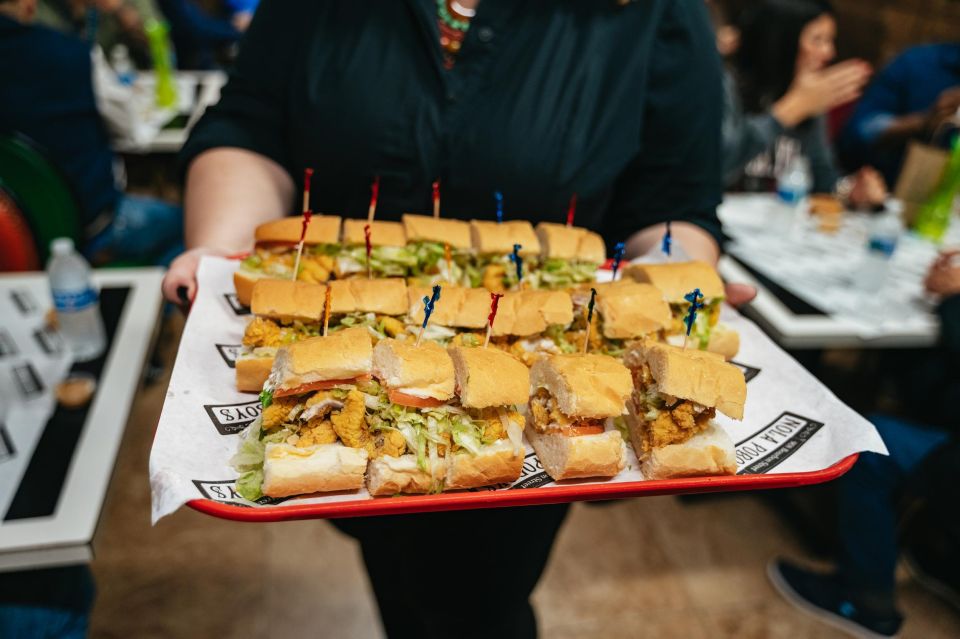
Then you’ll head to NOLA Poboys to learn about the seafood tradition in Louisiana. The tasting here is a freshly fried catfish po-boy.
A po-boy is simple on paper—bread, filling, crunch, sauce—but the differences between places are huge. Catfish is a classic Louisiana choice, and fried catfish brings a texture that’s hard to fake. You’ll taste how the batter, seasoning, and bread handling all come together.
This is also a useful stop if you’re deciding what to eat on your own later. After trying one po-boy here, you’ll have a baseline for what “good” feels like: crispness, balance, and how heavy the sandwich is.






Muffuletta and boudin balls: two more ways to understand New Orleans
New Orleans keeps testing your expectations with each sandwich stop. You’ll also get to experience a muffuletta, described as meaty, plus boudin balls.
The muffuletta is the other big sandwich identity of the city. If the po-boy is built for crunch and simple satisfaction, the muffuletta tends to lean into hearty fillings and bold flavors. Tasting both on the same tour gives you a fast way to compare two local sandwich philosophies without spending a full dinner on experimentation.
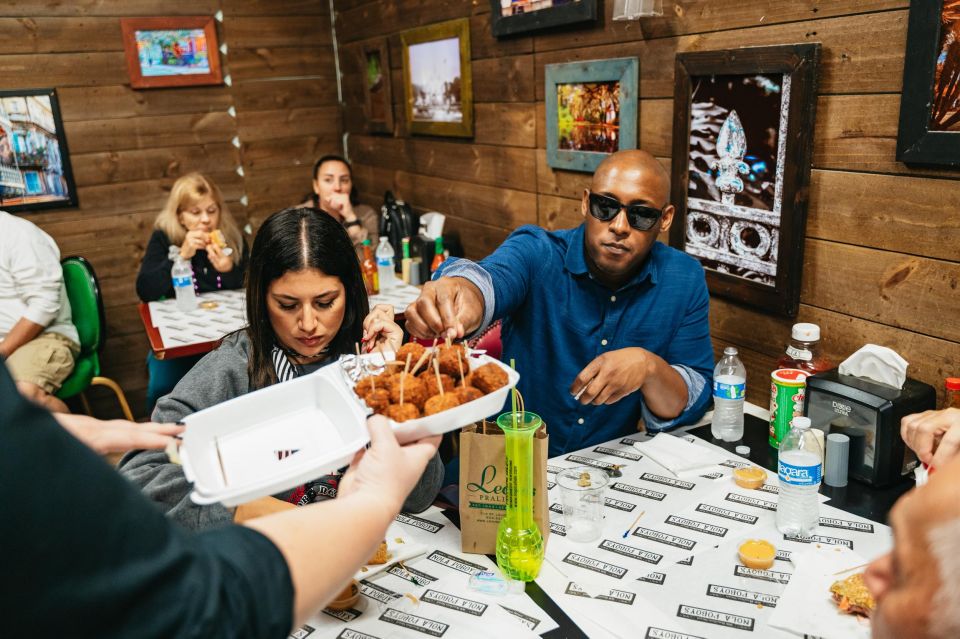
Boudin balls add a totally different texture and vibe. Boudin is tied to the region’s sausage traditions, and turning it into bite-sized fried snacks makes it perfect for a walking tour. Expect flavor depth and a savory punch that keeps you ready for the next stop.
If you’re watching spice levels, use your guide’s advice here. Some parts of the route are spicy by nature, and this is a good moment to slow down if you already went heavy at the hot sauce bar.
Creole Cookery and red beans and rice comfort
Next is a stop at Creole Cookery, where you’ll tuck into red beans and rice. This dish is the kind of comfort food that reads like everyday life in Louisiana—filling, flavorful, and made for repeated meals.
Red beans and rice also connects to the broader theme of the tour: food doesn’t only show up because it’s delicious. It shows up because it works—economically, logistically, and culturally. The guide should help you connect ingredients and preparation traditions to what the dish represents in New Orleans.
Portion-wise, this stop can feel like the halfway point where you start realizing the tour isn’t just “light bites.” By now, you’ll likely be turning into your own spice-and-sandwich critic.
Bananas Foster bread pudding to close strong
You end on a sweet note with bananas Foster bread pudding. Bread pudding is one of those New Orleans desserts that can taste both nostalgic and deeply indulgent, and bananas Foster brings warm caramel-leaning flavors into the mix.
This finish is timed well. After savory tastings and the sandwich comparisons, the dessert gives your palate a clean landing. It’s also a strong way to end the story arc: the tour doesn’t just cover savory staples; it includes how the city treats sugar like a craft.
If you have room after bread pudding, you’ll probably be in the minority. Plan your dinner plans accordingly.
Price and value: why $85 often feels fair
At $85 per person for about 3 hours, this tour is priced for a certain kind of day: you want guidance, you want tastings, and you want history tied to food. The value depends on whether you’ll actually eat your way through the Quarter instead of buying a few small snacks on your own.
Here’s what justifies the price in practical terms:
- You’ll get up to 9 food samples, not counting water.
- The stops include both sit-down-style tastings and street-style bites, so you’re sampling different eating habits in the same outing.
- Tips to servers and waitstaff are included, which saves you the small budgeting hassle mid-tour.
- A live English-speaking guide helps you connect the food dots while you’re walking, so you’re not just eating in silence.
If you’re the kind of traveler who likes to do one “big eat” early in your trip, this can set you up for better choices later. You’ll know the difference between a po-boy and a muffuletta, and you’ll know how serious the city is about hot sauce.
Pacing, walking, and what to know before you go
This is a walking tour that runs rain or shine. You should expect a steady pace with short on-foot segments between tastings. The good news is that the route is designed around nearby French Quarter landmarks and storefronts, so it stays focused.
Diet matters here. The tour uses a set menu and notes no gluten-free, dairy-free, vegetarian, or pork-free option. It’s also marked as not suitable for vegans and not suitable for vegetarians. If your needs are allergy-related, you should notify the provider when booking, since the data specifically says allergies (not aversions or other restrictions) should be communicated.
Accessibility is listed as wheelchair accessible, but there’s also a note that it’s not suitable for people with mobility impairments. That combination tells me to be careful: if you have mobility limits, send a message to the operator and ask what the walking route and stop surfaces look like on the day you plan to go.
Finally, alcohol isn’t included, but many stops have bars where you can buy cold drinks. Bring a realistic plan for hydration, especially because there’s a hot sauce bar in the middle of the route.
Who this French Quarter food history walk is best for
This tour is ideal if you:
- Want to understand Creole and Cajun food through what you actually taste.
- Like a guided route so you don’t spend your first day hunting for places.
- Want to leave full but not locked into a single long restaurant meal.
- Are excited by classic items like gumbo, po-boys, pralines, red beans and rice, and bananas Foster bread pudding.
It may be less ideal if you:
- Need vegetarian/vegan options or gluten-free/dairy-free accommodations.
- Have mobility limits that make standing and walking difficult for an extended period.
Should you book this French Quarter food history tour?
If you’re planning a first or second day in the French Quarter and you want your food choices to feel informed, I’d book it. The pairing of gumbo, hot sauce tasting, pralines, both po-boys and muffulettas, boudin bites, red beans and rice, and a bananas Foster finish is a lot of payoff for one guided 3-hour outing.
Just go in with two expectations: this is a set-menu experience, and it’s a walking tour where spicy flavors can be intense. If that fits your appetite and your dietary needs, you’ll get exactly what you came for—an easy way to taste the French Quarter and learn what shaped it.
FAQ
Where do I meet the guide?
Meet your guide inside the 3rd Block Depot restaurant at 316 Chartres St.
How long is the tour?
The tour lasts about 3 hours.
How many tastings do you get?
You’ll have up to 9 food samples during the walk.
What kinds of food will I try?
You can expect Louisiana staples such as gumbo, boudin (including boudin balls), po-boys (including a catfish po-boy), muffuletta, pralines, red beans and rice, and bananas Foster bread pudding.
Is the tour kid-friendly?
The tour description does not provide an age guideline. If you’re bringing kids, you might find it helpful to ask the provider about pacing and how spicy tastings are.
Can I drink alcohol on the tour?
Alcoholic beverages aren’t included, but most stops have fully stocked bars where you can purchase drinks during the tour.
Is the tour wheelchair accessible?
Wheelchair accessibility is listed, but there is also a note that it’s not suitable for people with mobility impairments. If this affects you, check with the provider for details on the route and stops.
What dietary options are available?
The tour uses a set menu and does not have gluten-free, dairy-free, vegetarian, or pork-free options. It’s also not suitable for vegans and not suitable for vegetarians. You can notify the provider of food allergies when booking.
Does the tour run in bad weather?
The tour runs rain or shine.
When and where does the tour end?
The itinerary indicates the tour ends on Toulouse St in New Orleans, LA 70116.