REVIEW · NEW ORLEANS
New Orleans: Whitney Plantation Tour with Transportation
Book on GetYourGuide →Operated by Gray Line New Orleans · Bookable on GetYourGuide
Slavery gets told in a way most tours skip. Whitney Plantation from New Orleans uses a self-guided audio tour focused on enslaved people’s first-person narratives, not plantation bragging rights. I especially like the mix of memorial artwork and restored outbuildings, so the site feels like a working place where lives were forced into the plantation economy.
The one thing to plan for: it’s self-paced, so if you don’t download the Whitney app (or keep your device charged), you can lose momentum. Also, the time you spend walking the grounds can feel tight if you stop often to read everything up close.
In This Review
- Key things to know before you go
- Whitney Plantation hits hard, in the right way
- Getting to the tour: the Steamboat Natchez dock routine
- The bus drive: more than just transportation
- Whitney Plantation: self-guided audio done right
- The museum exhibits and memorial artwork
- Restored buildings and historic outbuildings
- The Big House, framed differently
- Timing on site: you can’t see everything if you don’t choose
- Accessibility and physical reality on the grounds
- The optional Manchac Swamp upgrade: boats, wildlife, and Cajun context
- The real value of the $89 price tag
- Who this tour is best for
- A few practical tips to make your day easier
- Should you book the Whitney Plantation with transportation?
- FAQ
- How long is the New Orleans Whitney Plantation tour?
- What’s included in the Whitney Plantation experience?
- Is the Whitney Plantation tour guided or self-paced?
- Do I need to bring anything for the audio tour?
- What does the optional swamp tour include?
- Is food included on this tour?
- Where do I meet for the tour?
Key things to know before you go
- Self-guided Whitney audio with first-person slave narratives (14 stops on the walking trail is common)
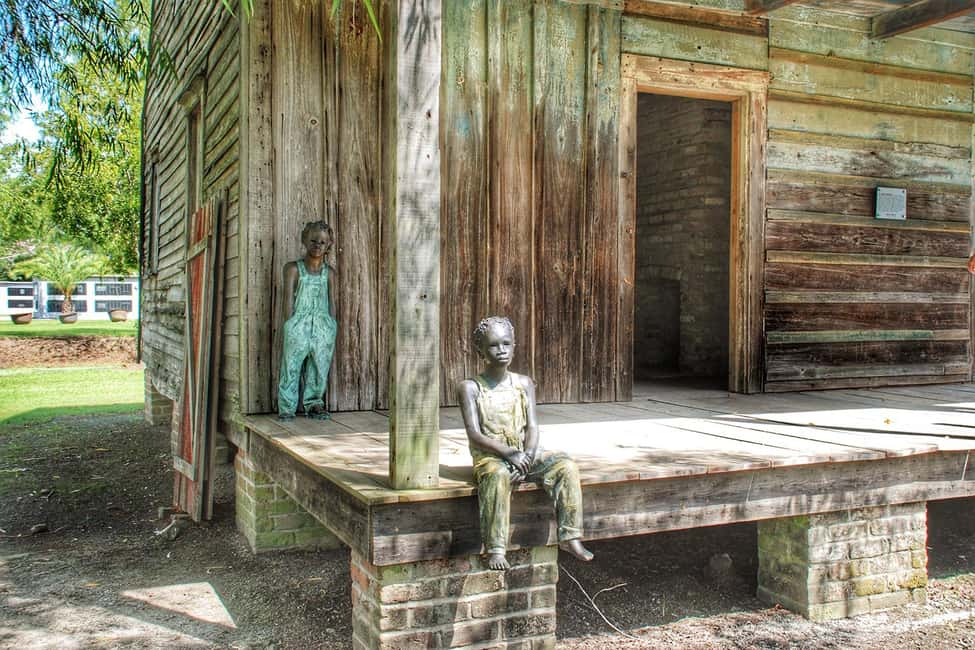
- Memorial-first design: exhibits, memorial artwork, and restored buildings guide your route
- Big House details: a Spanish Creole raised cottage example, framed by the people who were enslaved
- Real plantation outbuildings that show how Louisiana’s working plantation evolved over time
- Optional Manchac Swamp upgrade: 90-minute covered pontoon boat with local captain and alligator spotting
Whitney Plantation hits hard, in the right way
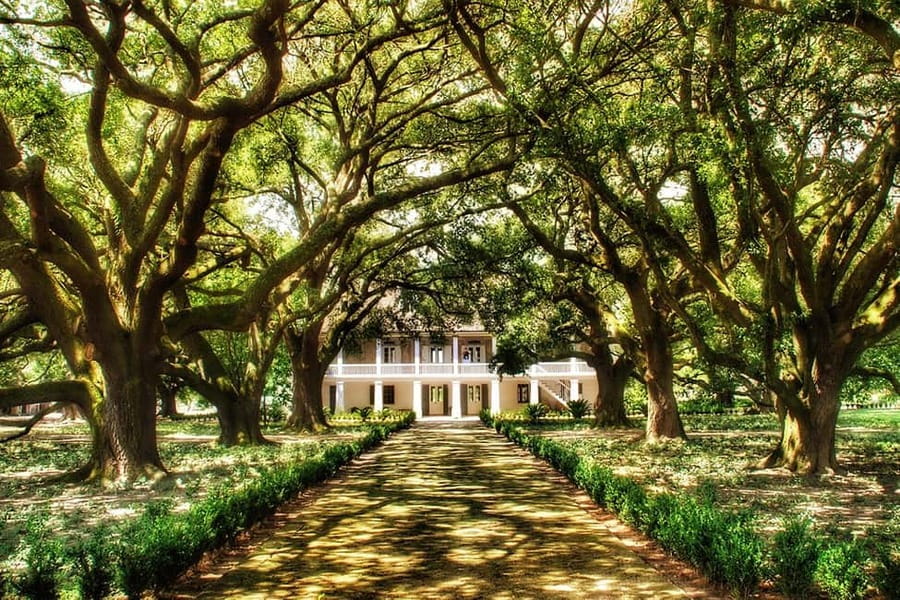
Whitney Plantation is not a glossy “plantation tour” where you mostly admire architecture and shrug at the human cost. This museum is built around slavery and remembrance, with the physical grounds and the audio experience doing most of the heavy lifting for you.
What makes this tour work for me is that it gives you structure without taking away your pace. You move along the 272-year-old site using the audio tour, and you can pause when something lands emotionally. If you’ve ever walked through a museum and wished it would slow down for you, this is that.
And because it’s paired with round-trip transportation from New Orleans, you don’t have to fight traffic or figure out how to get out to the river-and-plantation corridor. The day feels focused from the start.
One caution: this is a sobering visit. If you’re hoping for a fun, breezy day trip, you may find it heavier than you expected.
You can also read our reviews of more tours and experiences in New Orleans.



Getting to the tour: the Steamboat Natchez dock routine
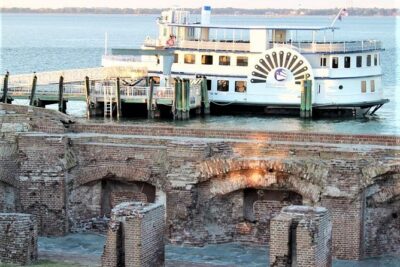
Your day begins at the Lighthouse Ticket Office at Toulouse St. and the Mississippi River. Tours depart from the Steamboat Natchez dock area, directly behind the JAX Brewery, at 400 Toulouse Street, New Orleans, LA 70130.
Plan to arrive about 15 minutes early and show your barcoded voucher at the ticket office. I like this setup because it’s straightforward. You’re not guessing where to stand or who to look for.
From there, you’ll ride out past several famous plantation properties. Even when you’re not stepping onto those sites, the bus drive helps you understand the geography and why these plantations were positioned where they were. You also get context about Louisiana life beyond the main “big house” stories—things you’ll feel more clearly once you’re standing at Whitney.
The bus drive: more than just transportation
The transport component is more than a ride. A big part of the value here is that the guide on the way out and back provides local context, and you’ll often get connections between the region’s history and the wider New Orleans story.
In real life, you may hear drivers give extra color—like passing comments that connect the area’s geography and major events such as Hurricane Katrina, plus practical tips for what you’ll see when you arrive. Many people call this portion out because it sets expectations for the day: where you’re going, why the region matters, and what to watch for along the river corridor.
There’s also a simple comfort angle. People mention the buses are clean and comfortable, with some departures noting amenities like restrooms onboard. Long day trips work better when you’re not stressed about the ride.
Whitney Plantation: self-guided audio done right
When you arrive, you’re not herded. Whitney is a self-guided tour built around an audio experience—meaning you’ll walk the grounds, and the content meets you where you are.
You’ll need the Whitney Plantation app on your phone, tablet, or iPad for the audio tour. If you’re traveling with a low-battery device, make it a priority to charge before you leave. This museum is designed so the audio is part of the route, not an optional extra.
You’ll likely follow a route with multiple stops (many visitors report 14 stops along the trail). A key detail: the experience is built around first-person narratives and a shift in perspective. The story isn’t told to make the plantation owners look romantic; it’s told to confront what enslaved people were forced to endure.
The museum exhibits and memorial artwork
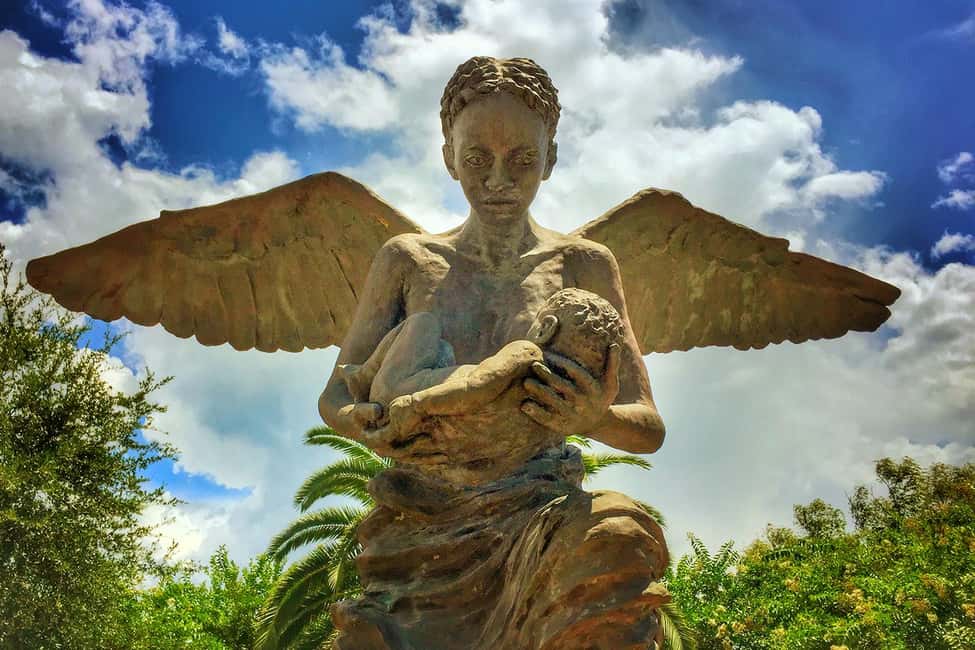
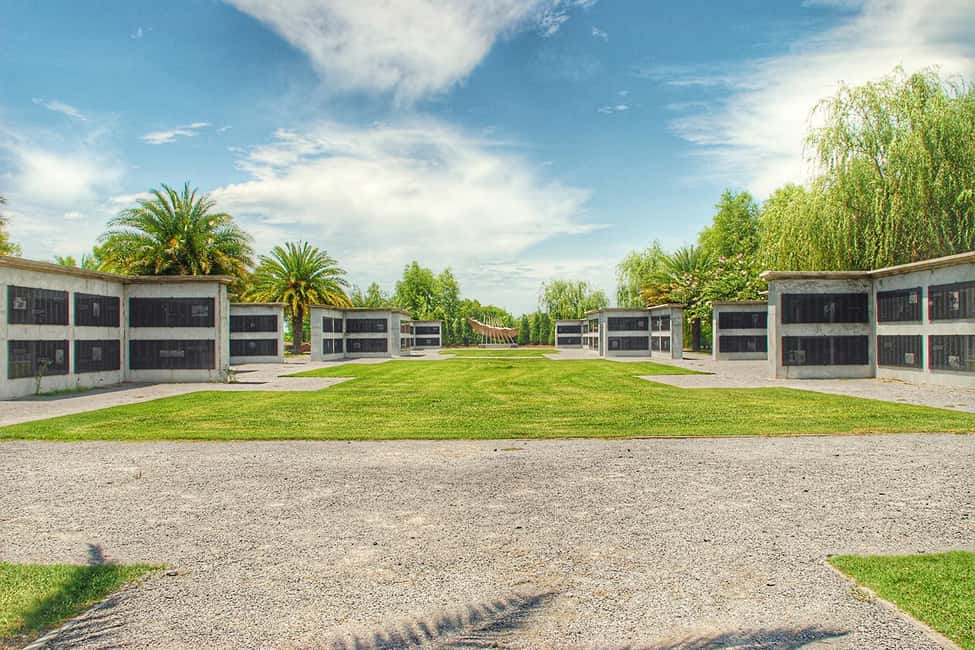
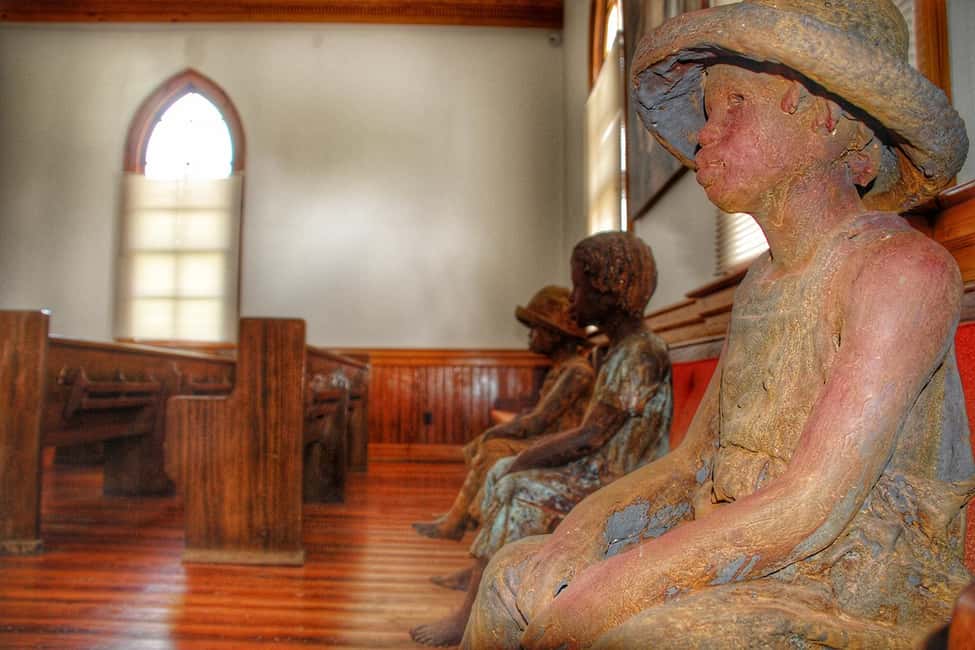
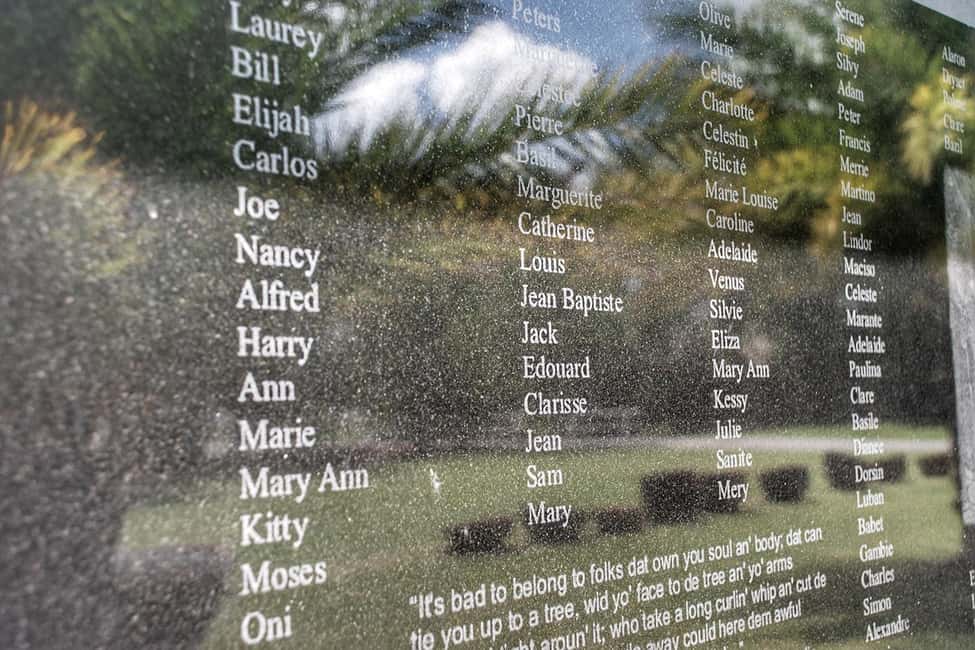
Inside the museum and around the grounds, you’ll encounter exhibits and memorial artwork that frame the history as something to remember, not something to aestheticize.
This is where the emotional tone becomes clear. Instead of treating slavery as background texture for a pretty view, Whitney places memory at the center. You’re guided to see the site as a record of people who were denied basic humanity.




Restored buildings and historic outbuildings
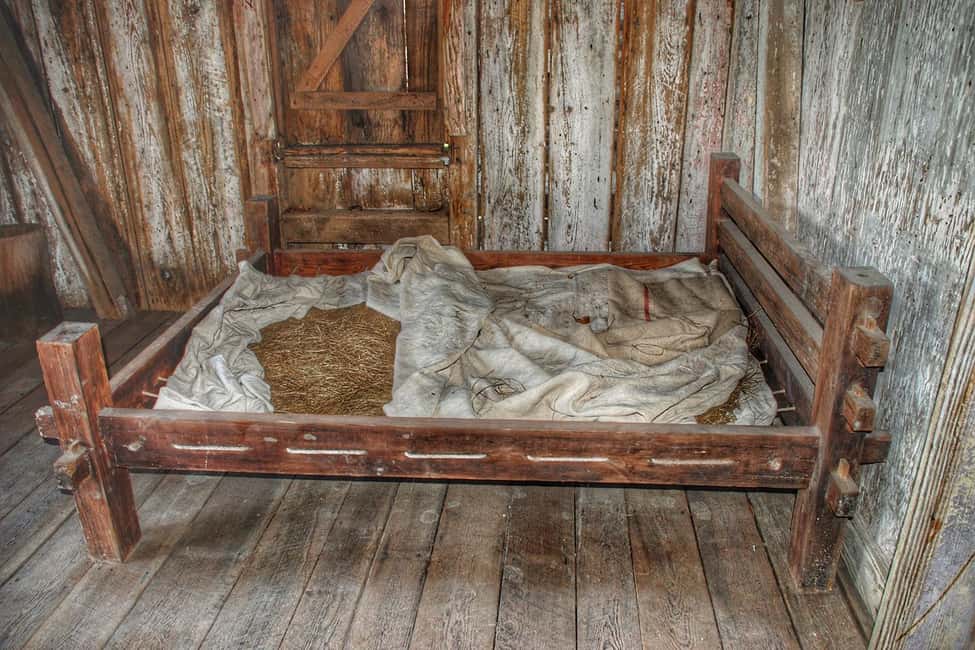
One of Whitney’s strongest points is the number of restored historic outbuildings and the way they help you understand what a Louisiana working plantation required day to day.
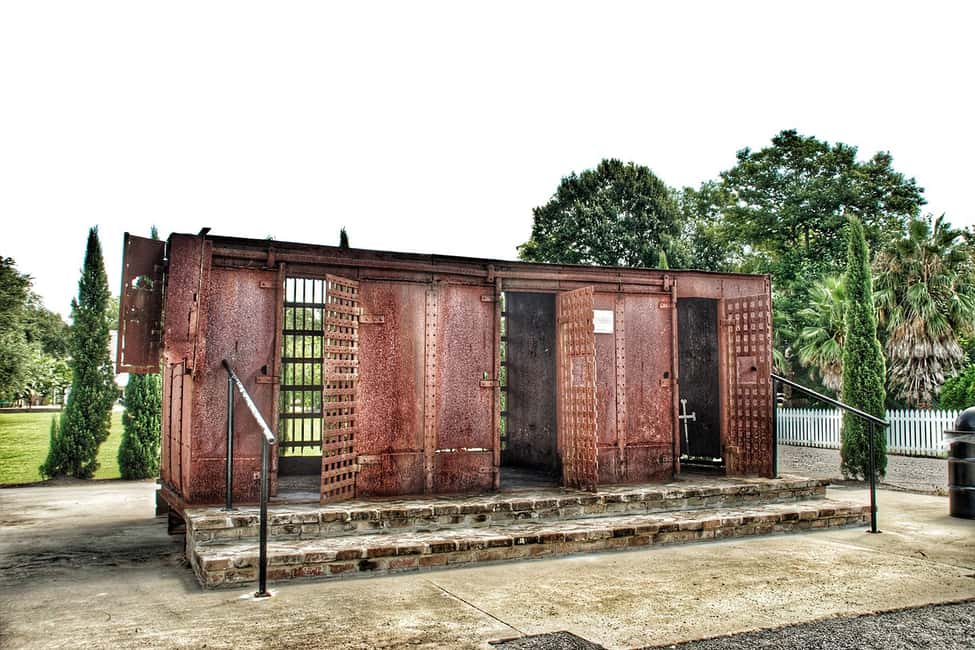
You’ll see structures that offer a sense of scale and function—how labor moved through the plantation system, and how the plantation economy depended on coercion. For me, this is where the site gets educational in a practical way: you can almost map tasks and time periods just by looking at buildings and their placement.
The Big House, framed differently
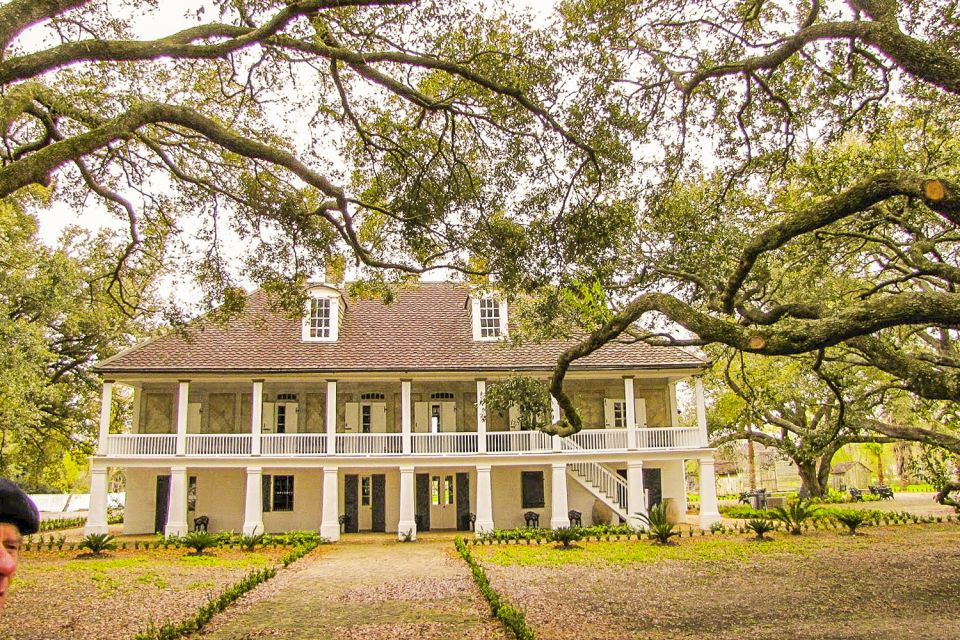
Yes, you’ll learn about the Big House. It’s described as one of the finest surviving examples of Spanish Creole architecture, and one of the earliest raised Creole cottages in Louisiana.
But here’s the important part: Whitney doesn’t use the Big House to sell you an architectural fantasy. It uses the setting as context for the reality of the plantation system and the people who were enslaved there. So you’re not just learning a building style—you’re learning how power worked in that physical space.
Timing on site: you can’t see everything if you don’t choose
Most departures give you a couple of hours on the grounds. That can be enough if you use the audio stops as your backbone.
If you want to read every wall and sit quietly at memorial points, give yourself extra mental space for pacing. A few people mention feeling slightly rushed toward the end. My advice is simple: do the outdoor trail first, then finish inside where you can slow down without heat and sun.
Also, pick what you want most from your visit:
- deeper listening at fewer stops, or
- broader coverage of every stop.
Either approach is valid here. The main thing is not trying to speed-run the emotional impact.
Accessibility and physical reality on the grounds
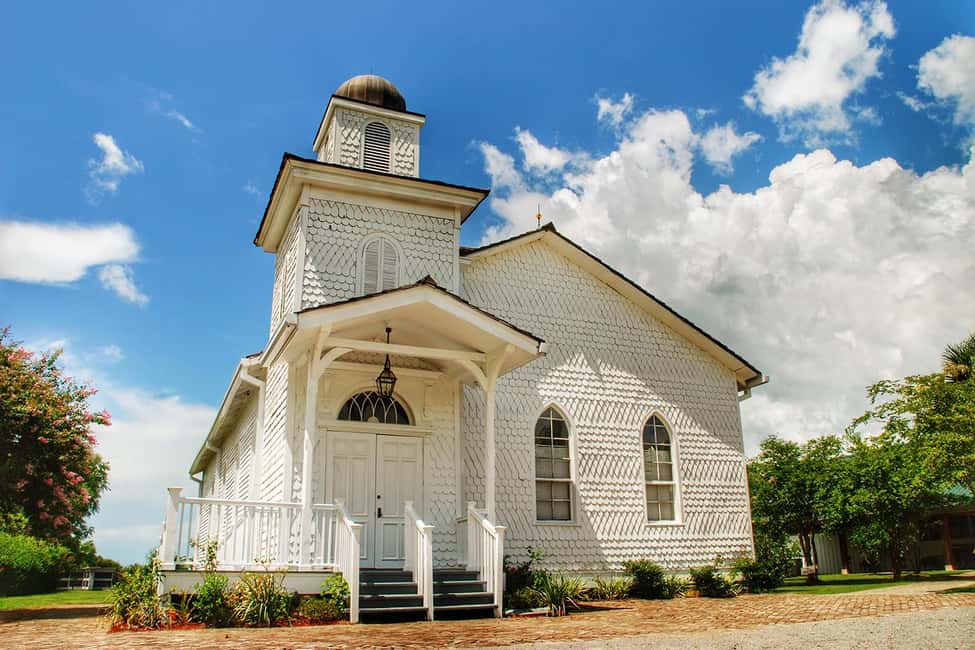
Whitney grounds are accessible, and there’s access to the gift shop and restrooms. That said, the paths can be uneven gravel, and some areas—like entering the slave quarters—may not be possible for wheelchair visitors.
The museum does sound designed to make sure you can still see a lot of what matters, even if you can’t enter every structure. If you’re traveling with mobility needs, it’s worth planning for uneven surfaces and choosing a route pace that feels comfortable.
The optional Manchac Swamp upgrade: boats, wildlife, and Cajun context
If you upgrade, you add a 90-minute Manchac Swamp pontoon tour after Whitney. It’s a short ride to the Manchac Swamp area, where you’ll cruise through a privately-owned wildlife refuge.
You’re in a comfortable covered pontoon boat, driven by a local captain. This part of the day often feels like a reset, because you’re switching from museum memory to natural scenery and local storytelling.
What you’ll learn focuses on Frenier and Cajun culture tied to fishing, hunting, and trapping. And yes, this is the part where you keep your eyes up for alligators—one of the highlights described for the experience.
For me, the value of pairing Whitney with the swamp is timing. You get time to process the museum content on the ride there and while you walk. Then the swamp gives you a different kind of Louisiana context before you head back to New Orleans.
The real value of the $89 price tag
At $89 per person, you’re paying for more than a ticket to a site. You’re paying for:
- round-trip transportation from New Orleans, and
- a structured audio experience at Whitney, and
- access to the full museum-and-grounds flow without having to plan driving logistics.
That price can feel high if you think you’re only buying the audio tour. But once you factor in the bus ride out, the guided framing on the journey, and the convenience of not coordinating transport yourself, the cost makes more sense.
And if you add the swamp upgrade, you’re essentially buying a second guided experience—this time in the form of a covered boat cruise with a local captain—so your day isn’t just “transport to one museum and back.”
One honest consideration: food isn’t included. You’ll want to plan snacks or a meal strategy around the tour day so you don’t end up hungry while you’re listening to heavy content.
Who this tour is best for
This works especially well if you:
- want plantation history that focuses on enslaved people, not just architecture,
- like audio tours because you can control your pace, and
- appreciate a smooth day-trip structure with transportation handled for you.
It may not be ideal if you want a relaxed vacation day with little emotional weight. Whitney is beautiful, but it doesn’t soften the story. If that’s what you came for, you’ll likely feel grateful you made the trip.
A few practical tips to make your day easier
- Charge your phone before you head out; you’ll rely on the Whitney app for audio.
- Wear shoes that handle uneven gravel. This is not a museum floor tour.
- If you can choose your mental goal, go for listening quality over sprinting through stops.
- Bring a plan for food. Since meals and drinks aren’t included, you’ll want something ready before or after your time on site.
- If you’re doing the swamp upgrade, save your energy. The boat portion is easier physically than long walking, but it still takes a solid chunk of the day.
Should you book the Whitney Plantation with transportation?
Yes, if you want a meaningful visit that’s honest about slavery and still practical to pull off from New Orleans. The combo of round-trip transport plus a self-guided audio route is a strong value—especially when you don’t want to spend your day navigating roads and parking while trying to keep your attention on the museum.
If you’re sensitive to heavy historical content, go in with clear expectations. This is designed for reflection.
And if you’re the type who gets restless after a museum, consider the Manchac Swamp upgrade. It gives your day a natural break: memory first, then wildlife and Cajun stories, all with transportation handled.
In short: book this when you want substance, good pacing, and fewer logistics headaches.
FAQ
How long is the New Orleans Whitney Plantation tour?
The tour duration is listed as about 5 hours.
What’s included in the Whitney Plantation experience?
It includes round-trip transportation, a self-guided audio tour of the plantation site, museum exhibits and memorial artwork, restored buildings, and historic outbuildings. You also pass several nearby plantations from the bus.
Is the Whitney Plantation tour guided or self-paced?
Whitney Plantation is self-guided, using an audio tour you access through the Whitney app (phone/tablet/iPad).
Do I need to bring anything for the audio tour?
You should download and use the Whitney Plantation app on your device to listen to the audio tour.
What does the optional swamp tour include?
The upgrade includes a 90-minute Manchac Swamp pontoon boat cruise through a privately-owned wildlife refuge, led by a local captain, with a focus on local Cajun culture and alligator spotting.
Is food included on this tour?
No. Food and beverages are not included.
Where do I meet for the tour?
Check in is at the Lighthouse Ticket Office at Toulouse St. and the Mississippi River. Tours depart from the Steamboat Natchez dock behind the JAX Brewery, at 400 Toulouse Street, New Orleans, LA 70130.