
REVIEW · NEW ORLEANS
New Orleans City and Cemetery Sightseeing Tour
Book on Viator →Operated by Cajun Encounters Tour Co. · Bookable on Viator
New Orleans works best when you get your bearings fast, and this 2-hour to 2.5-hour mix of bus rides and short walks does that. You’ll see French Quarter streets, Tremé, and the Garden District mansions, then cool off onboard an air-conditioned mini-coach on the way to one of the city’s most unforgettable stops: St. Louis Cemetery No. 3. I especially like the way the route compresses big-name sights into a tight schedule, and I like that the guide doesn’t treat voodoo as a costume—stories come with context and respectful explanations.
The one thing to weigh is time. You’ll walk inside the cemetery, but it’s not a free-form, spend-all-day situation. If you want long, self-paced exploring, or you’re sensitive to stops that feel more like shopping or a quick commercial break, you may wish the schedule had more time elsewhere.
In This Review
- Key highlights worth planning around
- French Quarter views from the mini-coach, then up close around Jackson Square
- Shotgun homes, courtyards, and voodoo-adjacent storefronts without the circus vibe
- Tremé and the Garden District: where the scenery changes and the stories follow
- Entering St. Louis Cemetery No. 3: why it feels different right away
- Finding Marie Laveau’s tomb and the spiritual meaning behind the stone
- Price and value: what $62.57 buys you (and where it may not)
- Comfort, group size, and how to pack for the weather
- Guides that make or break the experience: what to expect from the storytelling
- Should you book this New Orleans city + cemetery tour?
- FAQ
- How long is the New Orleans city and cemetery sightseeing tour?
- Where does the tour pick up and drop off?
- Does this tour include admission to the cemetery?
- Is the tour mostly walking or mostly riding?
- What should I wear for the cemetery and outdoor stops?
- Is this tour family-friendly?
Key highlights worth planning around
- French Quarter orientation on the move: architecture and street-level history, without getting stuck in slow foot traffic
- Stop-and-stare details: courtyards, shotgun homes, and the kind of everyday storefronts that guidebook photos miss
- Tremé to Garden District pacing: you get the “where jazz comes from” context and then the postcard mansions
- Lake Pontchartrain Causeway views: a major landmark appears in transit, not as a separate detour
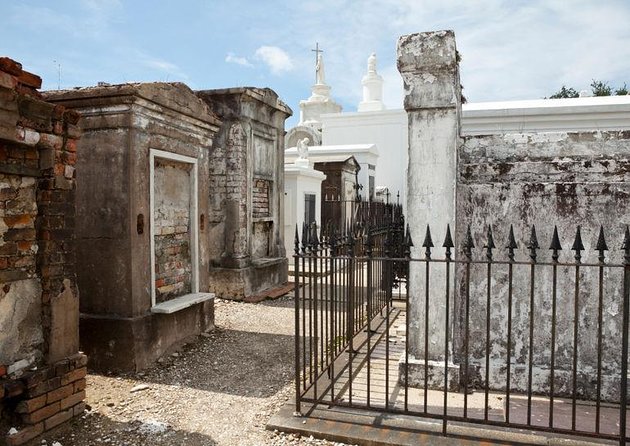
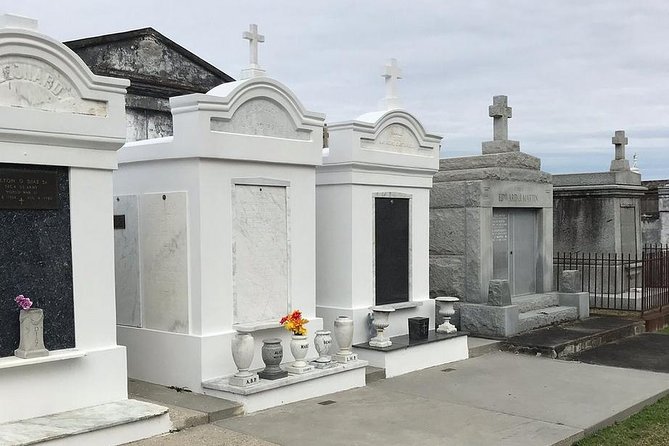
- St. Louis Cemetery No. 3 walk: above-ground tombs plus the stories behind the burial tradition
- Marie Laveau’s tomb: you’ll have help finding it in the mausoleum maze
French Quarter views from the mini-coach, then up close around Jackson Square
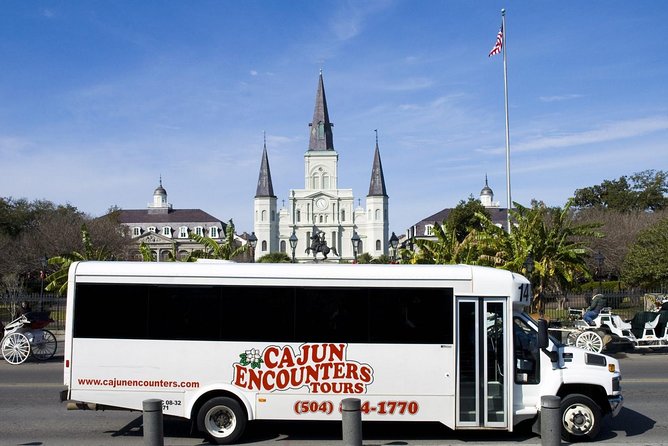
Your tour starts in central New Orleans at the Homewood Suites French Quarter (317 N. Rampart St.). From there, you board a mini-coach with air-conditioning, which matters more than it sounds. New Orleans heat can turn a “quick walk” into a long slog. Here, the coach does the heavy lifting between key areas, and you still get some time off the bus to actually look.
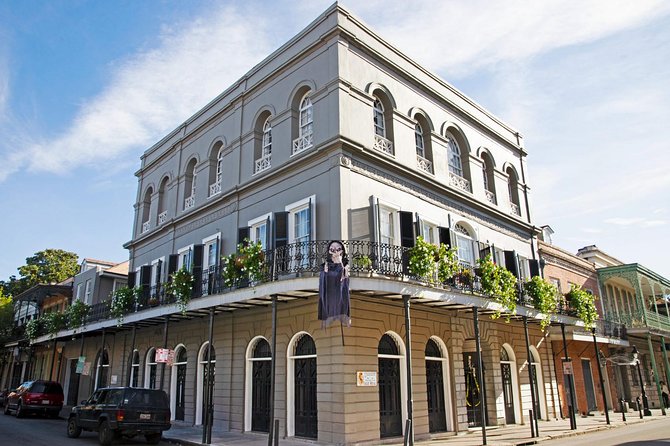
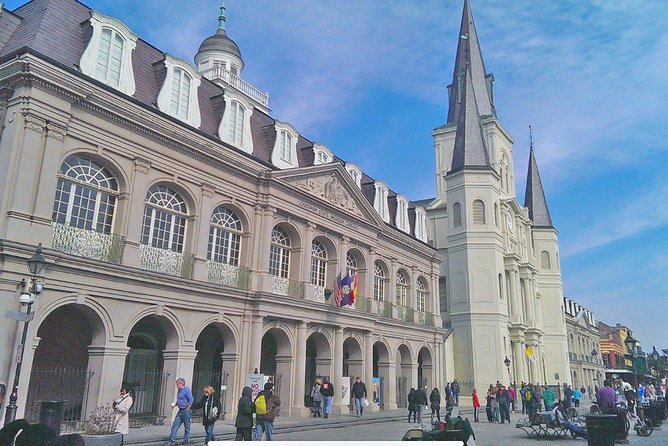
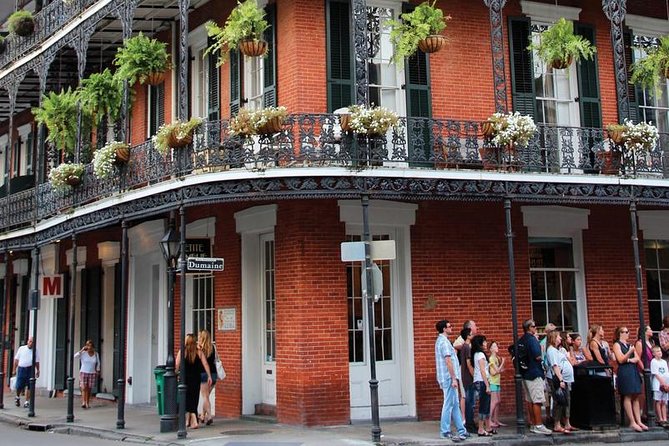
The French Quarter segment is built for first-timers. You glide past French and Spanish-inspired buildings, Creole townhouses, and shotgun homes—those long, narrow houses made for airflow and practical street life in the 1860s. The guide points out details you’d otherwise miss while you’re scanning the street for balconies, wrought iron, and the next photo spot.
One of the best payoff moments is Jackson Square. It’s more than a scenic landmark; it’s a focal point that helps you understand how the Quarter organizes public life around important civic space. You don’t need to be a history nerd to feel the difference. The square gives you a mental anchor for the rest of what you’re seeing.
Timing note: the French Quarter portion is long enough for meaningful impressions, but short enough that you can keep your expectations realistic. Think orientation plus a few moments to absorb street texture, not a full day of unhurried wandering.
You can also read our reviews of more tours and experiences in New Orleans.



Shotgun homes, courtyards, and voodoo-adjacent storefronts without the circus vibe

New Orleans has a talent for blending the sacred and the street, and this tour leans into that. One of the more interesting parts of the ride is how the guide frames voodoo in everyday city life rather than as spooky entertainment.
As you travel, you may spot small shops selling items used in ritual work—things like herbs, candles, oils, and amulets. Whether you’re curious, skeptical, or somewhere in between, these storefronts help explain why voodoo isn’t just a museum topic here. It’s part of the cultural fabric that shapes how people talk, shop, and remember.
The guide then shares stories about New Orleans voodoo history and why the religion is often misunderstood. I like this approach because it keeps the tone respectful. It also gives you a better baseline for what you’ll see in the cemetery later. If you go into St. Louis Cemetery No. 3 with only fear or only Hollywood myths, you’ll miss the point. Here, you get a bridge between street-level cues and the spiritual meaning of the site.
A quick heads-up: if you’re hoping for a deep, academic lecture, this isn’t that. It’s practical storytelling with enough context to make the cemetery stop click.
Tremé and the Garden District: where the scenery changes and the stories follow

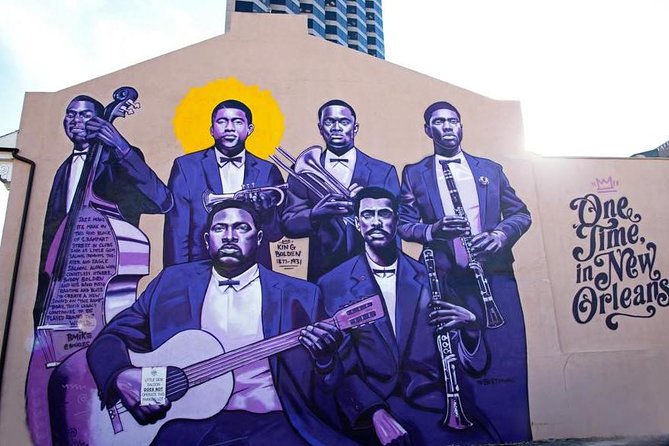
After the Quarter, you head through Tremé, a neighborhood known as a cultural melting pot and a jazz hotspot. It also connects to modern pop culture in a specific way—Tremé has been used as a setting for the HBO series with the same name. That detail helps you place what you’re seeing: not just pretty buildings, but a living neighborhood identity.
Then comes the Garden District, and the mood shifts fast. This is where you see a preserved collection of antebellum mansions and orderly gardens. The contrast is part of the value. New Orleans isn’t one story. It’s a stack of stories layered across neighborhoods that look like they belong in different cities.
In transit you also get a major landmark view: the Lake Pontchartrain Causeway, described as the world’s longest bridge. You’re not doing a separate bridge outing. You’re catching it as a moving panorama, the kind of view that works well with this format. It helps you understand the geography of the city and gives you something big and modern to remember, even though the rest of the tour stays historical.
Also watch for the Pontalba Apartments, called the oldest apartment buildings in the United States. That’s the kind of fact that makes architecture stop being trivia and start being a clue. You start seeing how the city built itself upward and outward, not just in single-family homes.
Entering St. Louis Cemetery No. 3: why it feels different right away
Now for the main event. St. Louis Cemetery No. 3 is the oldest and most famous cemetery in New Orleans, and it shows. The tour takes you there for a guided walking experience inside the grounds.
The standout feature is above-ground burial—thousands of tombs and mausoleums from the 18th and 19th centuries, ranging from simple to extravagant. The guide explains the reason for above-ground burial using theories behind this unusual custom. Even if you already know the broad idea, the guide’s explanation helps you connect the tradition to local conditions and the logic of how people planned for the long term.
Here’s what you’ll feel as you walk: it’s not like a typical cemetery visit where the goal is quiet and quick. This site is more like a neighborhood of stone rooms. Family plots stack close together, names appear where you expect them, and mausoleums create a maze-like effect. It’s fascinating in part because it’s physical. You’re not just hearing about history; you’re walking through it.
One more practical point: cemetery walks are a different kind of sightseeing. Wear shoes you trust on uneven stone paths and plan for warm weather. Even with the coach doing the long stretches, you’ll still spend real time on foot here.
Finding Marie Laveau’s tomb and the spiritual meaning behind the stone
At some point in the cemetery walk, you’ll get help locating the tomb of Marie Laveau, the city’s most revered voodoo priestess. This is the moment most people come for, and it helps that the guide knows how to point you toward it without making you wander in circles.
The cemetery layout makes that important. It’s easy to get disoriented when tombs and mausoleums start looking alike from every angle. The guide’s job is to keep you oriented so the experience stays magical rather than frustrating.
This stop also matters because it turns a story you might’ve heard in a song or on a tour ad into something concrete. You’re standing at a specific place with a specific meaning for people who treat it as spiritual destination, including visitors who come from around the world.
You’ll also hear more context about famous residents and stories from New Orleans’ past. I like when a tour treats legends as cultural history, not just shock value. The tone here seems built for that balance.






Price and value: what $62.57 buys you (and where it may not)
At $62.57 per person, you’re buying three things:
1) A guided route that saves your energy
Two to two-and-a-half hours can feel short in New Orleans, but the mini-coach cuts down the time you’d waste locating things across neighborhoods.
2) Built-in context
French Quarter architecture is easy to photograph. It’s harder to understand quickly. The guide adds facts and insight that help you connect neighborhoods to each other.
3) A cemetery walk with interpretation
Self-guided visits can be good, but having a guide explain above-ground burial theories and point out the Marie Laveau tomb makes the visit more complete.
Where value can feel uneven is around extra stops. Some people have mentioned that a bar or distillery stop can feel like a quick detour that doesn’t add much compared to the cemetery time. If your priority is purely French Quarter plus St. Louis Cemetery, keep that in mind. If you like a short comfort break and don’t mind a commercial stop, you’ll probably shrug and enjoy the main show.
Comfort, group size, and how to pack for the weather
This tour caps at 35 travelers, so it’s not a giant bus crush. That matters in two ways: you can hear the guide better, and you’re less likely to feel like you’re stuck behind people when you’re trying to see details.
A big plus is the air-conditioned vehicle. When you’re bouncing between neighborhoods in warm months, comfort stops being a luxury. It’s part of the quality of the sightseeing.
Packing tips are straightforward: during hotter months, wear light-colored clothing, and consider caps/hats and umbrellas. Even if the schedule is tight, you’ll still spend enough time outside to feel sun exposure.
If you’re the kind of traveler who hates carrying snacks, plan ahead: food and drinks are not included. Bring water if you think you’ll need it, especially for the cemetery walk.
Guides that make or break the experience: what to expect from the storytelling
The strongest versions of this tour live or die on guide style. The guides named in guest experiences include people like Derek, René, Karen, Butch, Steve, and Darius Brown. The common thread is storytelling that’s funny, respectful, and fast on local context.
You should also know that accents and speaking styles can vary. A small number of comments mention difficulty understanding a guide’s pronunciation, so if you’re sensitive to that, consider picking a time when you feel the sharpest and bring patience.
Also, pay attention to pacing. Several comments highlight that stops are timed well, and that the tour gives a good overview plus helpful tips for what to do next. I agree with that goal: the best “city intro” tours help you decide where to go later, not just where to stand for photos.
Should you book this New Orleans city + cemetery tour?
Book it if you want a high-value overview that covers major neighborhoods in one go and ends with a genuinely memorable walk through St. Louis Cemetery No. 3. It’s especially smart for your first or second day because it helps you map the city and figure out what you want to see in more depth afterward.
Skip it or adjust your expectations if:
- you want lots of unstructured time in the cemetery
- you’re not interested in any quick commercial-style stops along the route
- you strongly prefer private, slow walking tours over a guided schedule
FAQ
How long is the New Orleans city and cemetery sightseeing tour?
The tour runs about 2 hours on average, with the main French Quarter time around 1.5 hours and about 1 hour in St. Louis Cemetery No. 3.
Where does the tour pick up and drop off?
Pickup and drop off are outside Homewood Suites French Quarter at 317 N Rampart St, and the tour ends back at the meeting point.
Does this tour include admission to the cemetery?
Yes. The cemetery entry is included in the tour.
Is the tour mostly walking or mostly riding?
It’s a mix. You ride between neighborhoods on an air-conditioned mini-coach, then you do a guided walking portion in St. Louis Cemetery No. 3.
What should I wear for the cemetery and outdoor stops?
In warmer months, wear lightly colored clothing. Bringing a cap/hat and umbrella is also suggested.
Is this tour family-friendly?
It’s described as a general sightseeing and cemetery tour, and the tone is focused on history and the cemetery experience. It may not be the best fit for kids who want shorter, simpler stops, based on how the experience is typically set up.