REVIEW · NASHVILLE
Nashville: Country Music Hall of Fame and Museum
Book on GetYourGuide →Operated by Country Music Hall of Fame and Museum · Bookable on GetYourGuide
Country music hits you fast here. The museum turns songs into artifacts, sounds, and stories in one easy walk-through. I love how the exhibits mix classic and modern country so the timeline feels alive.
Two things I especially like: the hands-on listening stations and the way the galleries use photos, costumes, and instruments to explain why the music looked and sounded the way it did. You are not stuck reading long panels the whole time.
One drawback to plan for: it can get busy and warm inside, so if you hate crowds or heat, pick a calmer time and build in breaks. You may also need to be okay with rules like no outside food and no large bags.
In This Review
- Key highlights I’d prioritize
- Your 1-day plan: walking the museum in a smart order
- Starting inside the museum: where you get your bearings
- Gallery time: how the museum explains country’s evolution
- Interactive listening stations: the fastest way to get it
- Photo archives and films: where the genre gets human
- Taylor Swift Education Center: included, and sometimes more than just exhibits
- American Currents: tying tradition to what’s next
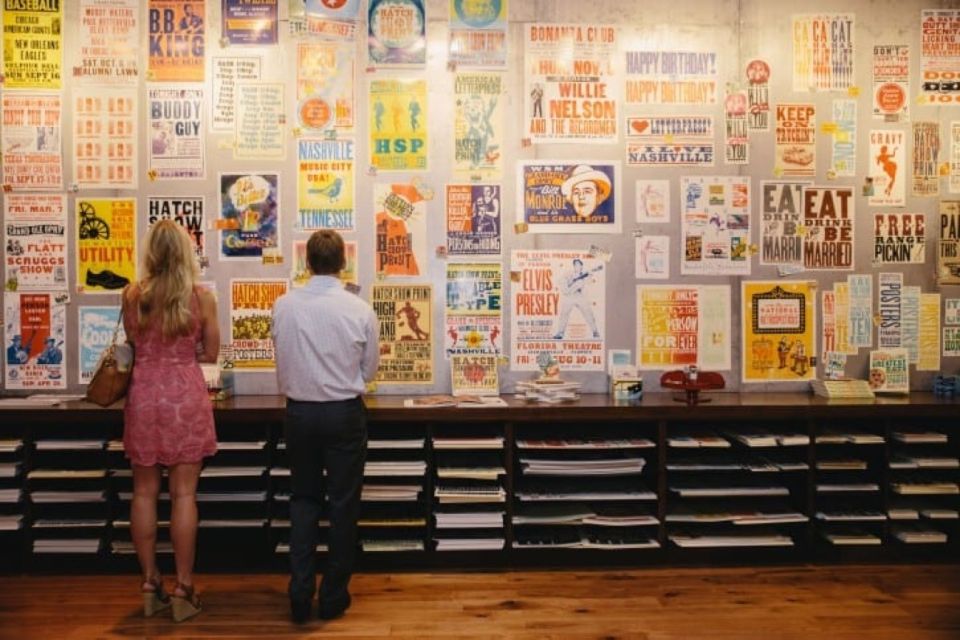
- Hatch Show Print Haley Gallery: posters and graphic style
- Hall of Fame Rotunda: the payoff moment
- Crowd, heat, and pacing tips that actually help
- Value check: is it worth about $31?
- Who should book this museum visit?
- Should you book the Country Music Hall of Fame?
- FAQ
- How long does the Nashville Country Music Hall of Fame and Museum take?
- Is this museum visit self-guided?
- Where do I meet for the visit?
- What is included with admission?
- Are food and drinks allowed?
- Can I bring luggage or large bags?
- Is the museum wheelchair accessible?
- Does the Taylor Swift Education Center have programs?
- What languages are available?
- What is the cancellation policy?
- How long is the ticket valid?
Key highlights I’d prioritize
- Self-guided flow lets you linger at the photo archives, listening stations, and short films without waiting on a group.
- Taylor Swift Education Center is included, and weekend programming can add extra instrument and songwriting experiences.
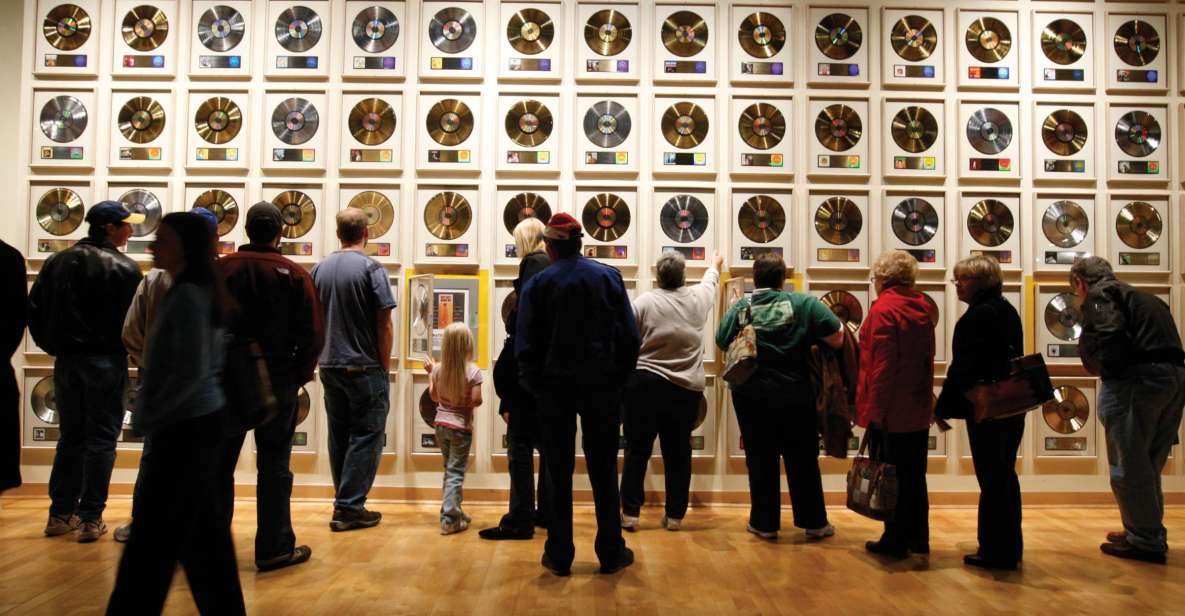
- Hall of Fame Rotunda closes the loop with the artist plaques, including the museum’s top honor wall.
- American Currents exhibit helps connect country traditions to what is happening now.
- Hatch Show Print Haley Gallery brings a different creative angle through show-poster style art.
Your 1-day plan: walking the museum in a smart order
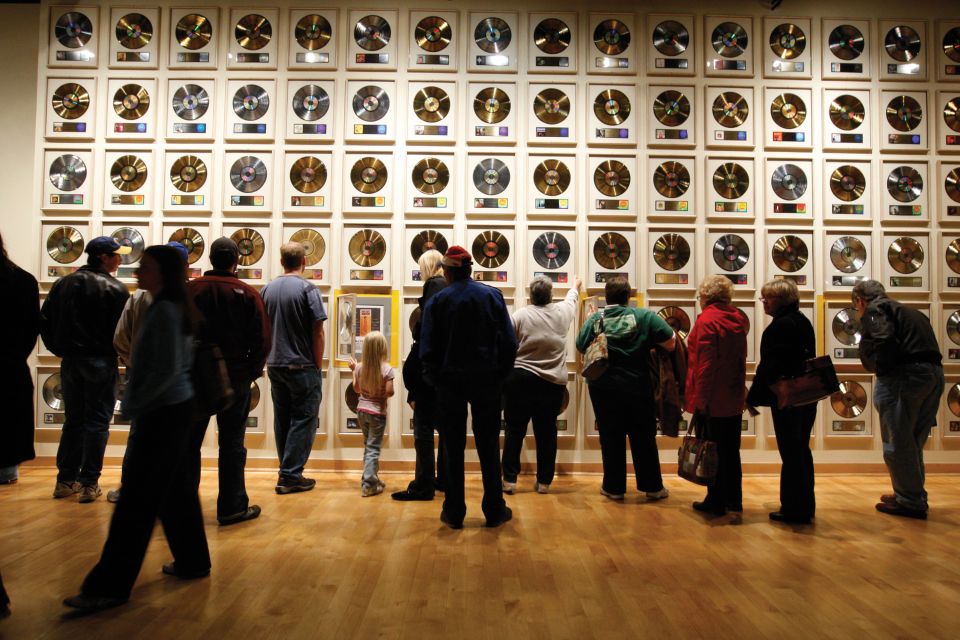
You can do the Country Music Hall of Fame in one day because the whole point is a self-guided museum route. That also means you control your pace. If you want to race, you can. If you want to stop, zoom in on details, and replay audio clips, you can do that too.
I recommend planning on about 3 to 4 hours if you want the full experience without feeling rushed. Some people can finish quicker, but the museum is large and there are interactive stops that reward slowing down. If Nashville is your first trip and you only have one day for this, start early in your day so you are not walking in peak crowd hours.
Also remember two practical constraints: no food or drinks inside, and no luggage or large bags. If you are coming from a long day traveling, pack light and keep what you need on you. Wear comfortable shoes. You will walk.
You can also read our reviews of more tours and experiences in Nashville.



Starting inside the museum: where you get your bearings
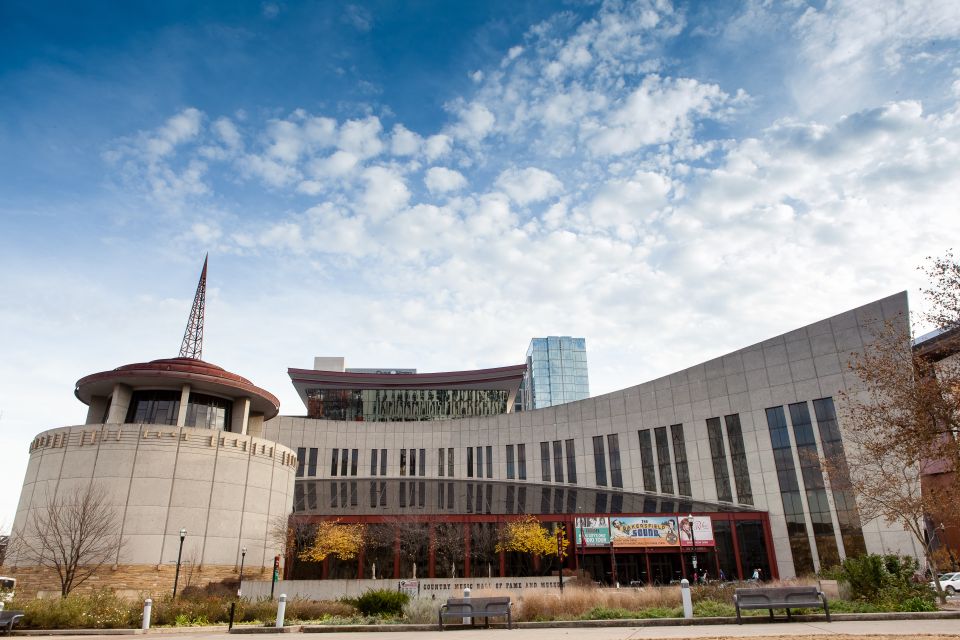
Your meeting point is inside the Country Music Hall of Fame at the information desk, 222 Rep John Lewis Way S, Nashville, TN 37203. This is where you want to get your bearings fast. Even though it is self-guided, it helps to orient yourself before you commit to a route.
What makes this start feel easier than a lot of museums is that the walkthrough is built like a progression. You move between display types—photo archives, artifact cases, text panels, audio listening points, and films—so your eyes never get bored in the same format for too long.
If you like a clear structure, aim for this mental checklist:
- First pass: get the big timeline and main themes.
- Second pass: go back to the exhibits that made you pause.
- Final pass: save the emotional payoff for the end in the Hall of Fame Rotunda.
Gallery time: how the museum explains country’s evolution
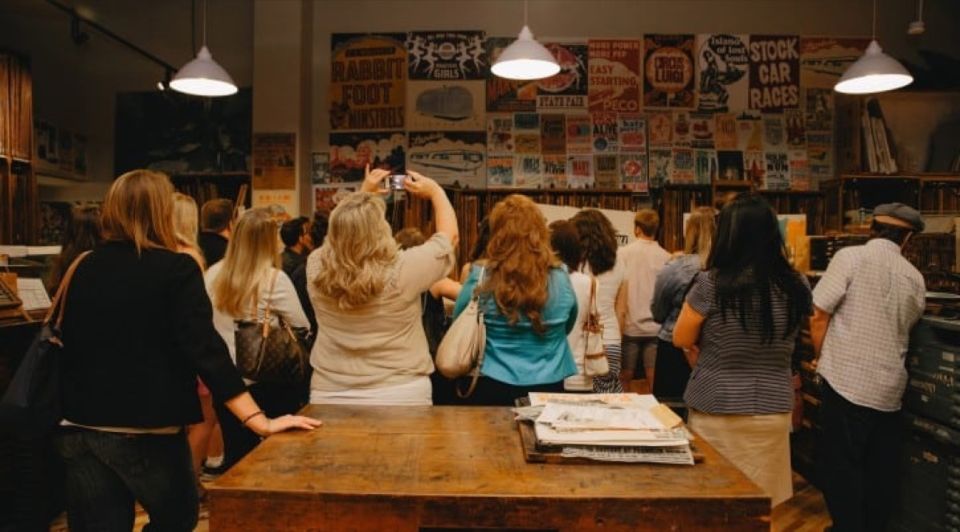
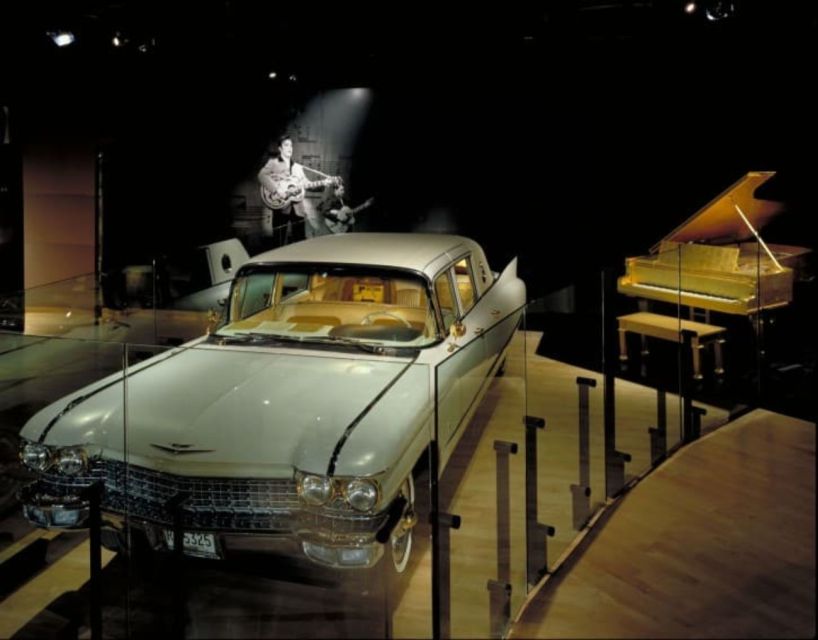
The heart of the museum is the way it teaches country music through objects and sound, not just names. You will see how lyrics, instruments, and fashion shaped the genre. That matters more than it sounds. Country is not only music—it is storytelling and identity. Clothes, performance style, and recording choices all helped define what people recognized as country.
As you move through the galleries, the museum uses a mix of:
- Photographs and archival images that show artists, scenes, and era-specific details.
- Artifacts and costumes that help you picture what performers wore and used.
- Text panels that anchor the meaning behind the objects.
- Recordings and listening areas so you can hear the changes, not only read about them.
- Short films that connect the dots with visual context.
A nice side effect of this format is that it works for both music fans and first-timers. If you already know the big hits, the exhibits help you spot patterns. If you do not, the museum gives you enough grounding to understand what came next.
Interactive listening stations: the fastest way to get it

If you only do one “extra” thing beyond reading panels, make it the listening stops. The museum is set up so you can move between visual displays and audio. That makes the museum’s timeline feel less like a textbook and more like a set of moments.
What I like here is that sound is the argument. You can see the era, then you can hear it. You can also compare how styles shift without needing to know musical theory. Even if you are not a super-technical listener, you will still notice differences in voices, instrumentation, and production.
Give yourself time at the stations instead of treating them like background audio. Stand close enough to hear clearly, then pick one or two moments to pay attention to. You will get more out of a couple of focused listens than out of skimming everything.
Photo archives and films: where the genre gets human
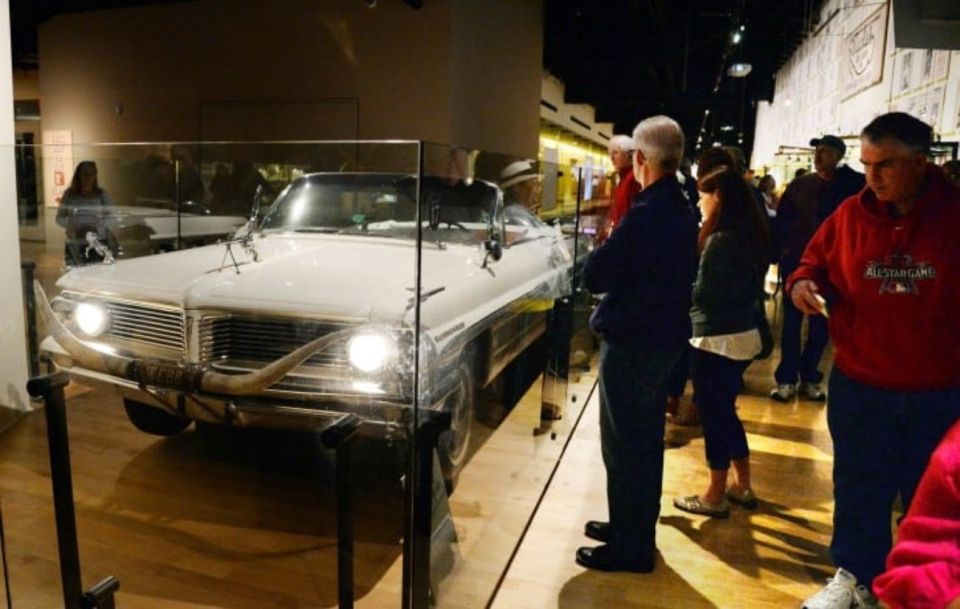
The museum keeps returning to the people behind the music—artists, writers, performers, and the culture that shaped them. Photo archives help because they give you faces and places. When you pair that with films, the stories feel more grounded.
Look out for sections that show country music across generations. One of the best parts of this museum visit is that it is not only about the earliest days or only about what is topping streaming charts right now. The museum tries to show continuity and change at the same time.
Plan one longer stop where you watch the relevant film completely. The best part is letting it finish, because the storyline is usually building toward the museum’s larger themes.






Taylor Swift Education Center: included, and sometimes more than just exhibits
The Taylor Swift Education Center is included with admission to the main exhibits, so you do not need a separate ticket. It is designed for learning through music making—instrument and songwriting experiences are the core idea.
On weekends, the museum may offer special programming at this center, including opportunities to play an instrument and songwriting programs, plus panel discussions. Even if you do not catch a weekend session, you’ll still find the center’s educational approach useful because it explains the craft behind the songs.
If you are visiting with kids, this is also the section that can convert museum interest into hands-on energy. If you are visiting solo or as a couple, it is still one of the best stops because it connects country music history to how songs get built today.
American Currents: tying tradition to what’s next
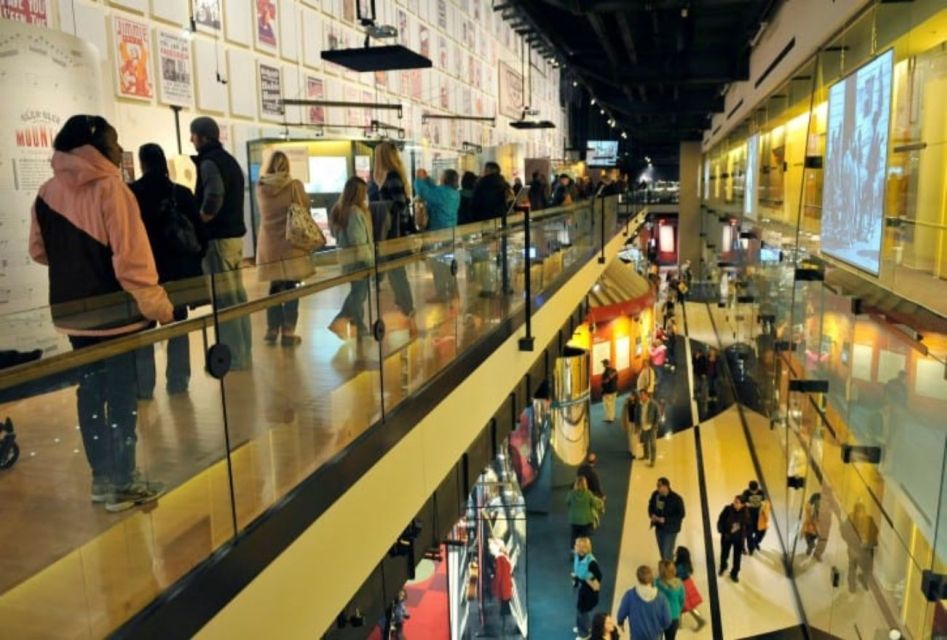
The American Currents exhibit is also included, and it helps you see country as part of a larger present-day musical conversation. This is the part that answers an obvious question: where does country go from here?
I like American Currents because it prevents the museum from feeling like a locked-in nostalgia display. Even if you are mostly there for classic country, this section helps you understand why the genre keeps changing while still honoring roots.
If you tend to get stuck in “old vs new” thinking, this is the exhibit that can soften that. It shows how modern artists work within traditions, and it makes the history feel more like a living system.
Hatch Show Print Haley Gallery: posters and graphic style

Not every music museum gives you a visual side of performance culture. The Hatch Show Print Haley Gallery does. You’ll see a different way to understand country: through show-poster style art that reflects promotion, artistry, and the look of live performance eras.
This stop works well if you care about design, typography, or the way music branding evolves. It also gives you a break from heavy audio listening and long reading—good for pacing.
Hall of Fame Rotunda: the payoff moment
By the time you reach the Hall of Fame Rotunda, the museum has built up context. This final space is where you see the artist plaques who have earned Country Music’s highest honor.
I find this section satisfying because it is not just a list. The plaques land harder after you’ve walked through the exhibits explaining how artists shaped the genre through songs, sounds, fashion, and performance choices.
If you want the emotional impact, do not rush this last room. Look at the plaques, take a moment to connect the names to what you saw earlier, and let the awards feel earned rather than random.
Crowd, heat, and pacing tips that actually help
One practical thing the museum experience depends on is timing. At busier times, you might find it harder to stand at listening stations and films without feeling squeezed. Indoors can also get warm, so plan to take short refresh breaks between sections when you can.
Your best strategy is simple:
- Start with the main galleries first while you still have energy.
- Let the interactive stations come next.
- Save the Rotunda for the last leg.
- If you hit a bottleneck, move to the next section that has fewer line-style slowdowns.
Also, keep your bag rules in mind. Since large bags and luggage are not allowed, make sure you travel with a small pack or just essentials. That reduces stress and keeps you from constantly managing storage.
Value check: is it worth about $31?
For around $31 per person for a 1-day visit, this museum is strong value if you are even a casual country music fan. The price gets you a self-guided tour through major galleries plus access to the Taylor Swift Education Center, the American Currents exhibit, and the Hatch Show Print Haley Gallery. You also get entry into the Hall of Fame Rotunda.
What makes the cost feel reasonable is the variety. You get artifacts and photo archives. You get listening stations. You get films. Then you get a “final room” experience with plaques. Many attractions only do one of these well. Here, you get several formats in one ticket.
If you are only interested in one tiny corner of country music, you might feel more selective. But if you want history that connects to today’s artists, it is a solid use of time and money in Nashville.
Who should book this museum visit?
You should strongly consider booking if:
- You love country music, from classic radio favorites to newer artists.
- You like museums that teach with sound, not only text.
- You want a self-guided plan that lets you go at your own speed.
- You are traveling with teens or kids who may need a more interactive format than traditional galleries.
You might want to think twice if:
- You dislike crowds and indoor heat.
- You hate any rule about food and bag restrictions.
- You only want a short stop and do not plan to spend a few hours.
Should you book the Country Music Hall of Fame?
Yes—if you want a museum visit that feels like you are hearing the genre change in real time. I would book it if you are in Nashville for one day or if country music is a key part of your trip theme. The included stops—especially the Taylor Swift Education Center and the Hall of Fame Rotunda—make it more than a standard history walk.
If you can, time your visit so you are not fighting peak crowd surges. Bring comfortable shoes, keep your bag small, and give yourself enough hours to actually use the listening and film areas. Do that, and you’ll leave with a clearer sense of how country music became what it is.
FAQ
How long does the Nashville Country Music Hall of Fame and Museum take?
It is listed as a 1-day experience. In practice, you should plan for a few hours to see the galleries and interactive stops at a comfortable pace.
Is this museum visit self-guided?
Yes. You do a self-guided tour through the museum galleries and move through exhibits on your own schedule.
Where do I meet for the visit?
The meeting point is inside the Country Music Hall of Fame at the Information Desk, 222 Rep John Lewis Way S, Nashville, TN 37203, USA.
What is included with admission?
Admission includes a self-guided tour through the museum galleries, entrance into the major exhibition areas such as the Taylor Swift Education Center, the American Currents exhibit, the Hatch Show Print Haley Gallery, and entry into the Hall of Fame Rotunda. It also includes access to special museum programming such as instrument and songwriting programs and artist interview opportunities.
Are food and drinks allowed?
No. Food and drinks are not allowed.
Can I bring luggage or large bags?
No. Luggage or large bags are not allowed.
Is the museum wheelchair accessible?
Yes. The experience is wheelchair accessible.
Does the Taylor Swift Education Center have programs?
The included information notes that weekends may feature instrument and songwriting programs, along with panel discussions. Program availability depends on the day and schedule.
What languages are available?
The languages are not detailed beyond the cancellation language being stated as cancel up to 24 hours in advance for a full refund.
What is the cancellation policy?
You can cancel up to 24 hours in advance for a full refund.
How long is the ticket valid?
It is valid for 1 day from first activation.