REVIEW · PAGE ARIZONA
Page: Lower Antelope Canyon Entry and Navajo Guided Tour
Book on GetYourGuide →Operated by National Park Express · Bookable on GetYourGuide
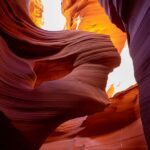
Lower Antelope Canyon turns photos into proof of wonder. This guided walk brings you into Hasdeztwazi, the Navajo name for Spiral Rock Arches, where water and wind carved the sandstone into smooth, rippling curves that catch the sun as it moves.
I especially love the way the guide works as a photo partner, not just a lecturer. I’ve learned a lot just by watching guides like Ben, Ala, and Troy point out exact angles you’d miss on your own, then pause so you can step into position without feeling like a cattle drive.
The main thing to plan for is the physical part: a short walk plus stairs on uneven ground. If you have limited mobility, balance issues, or heart problems (or if you’re pregnant), this tour is not a good fit.
What you’re really paying for: an entry ticket plus the Navajo permit fee included in the price
Photo timing matters: light shifts fast as the sun moves through the canyon
Guides get specific: you’ll be guided to photo spots and to better phone settings
It’s tighter than it looks: stairs and uneven surfaces make the hour feel active
No big equipment allowed: selfie sticks, tripods, and pro cameras are off limits, by design
Small groups, but not private: expect a manageable group size, with a few bottlenecks at popular spots
In This Review
- Lower Antelope Canyon, Hasdeztwazi: what you’re walking into
- The 1-hour Lower Canyon walking tour: what to expect minute by minute
- Where the tour starts and how to find your group fast
- Stairs and uneven sand: the part people forget to plan for
- Photo rules you should know before you pack
- Light, timing, and why the first group can feel smoother
- Navajo-guided meaning: more than geology
- Price and value at $78 per person: what you’re getting
- Weather closures and what to do if conditions change
- Who this tour is best for
- Should you book the Lower Antelope Canyon entry and Navajo guided tour?
- FAQ
- How long is the Lower Antelope Canyon guided tour?
- What is included in the $78 per person price?
- Is flash photography allowed in the canyon?
- What should I wear and bring?
- Are selfie sticks, tripods, or professional cameras allowed?
- Can I get a refund if my plans change?
Lower Antelope Canyon, Hasdeztwazi: what you’re walking into
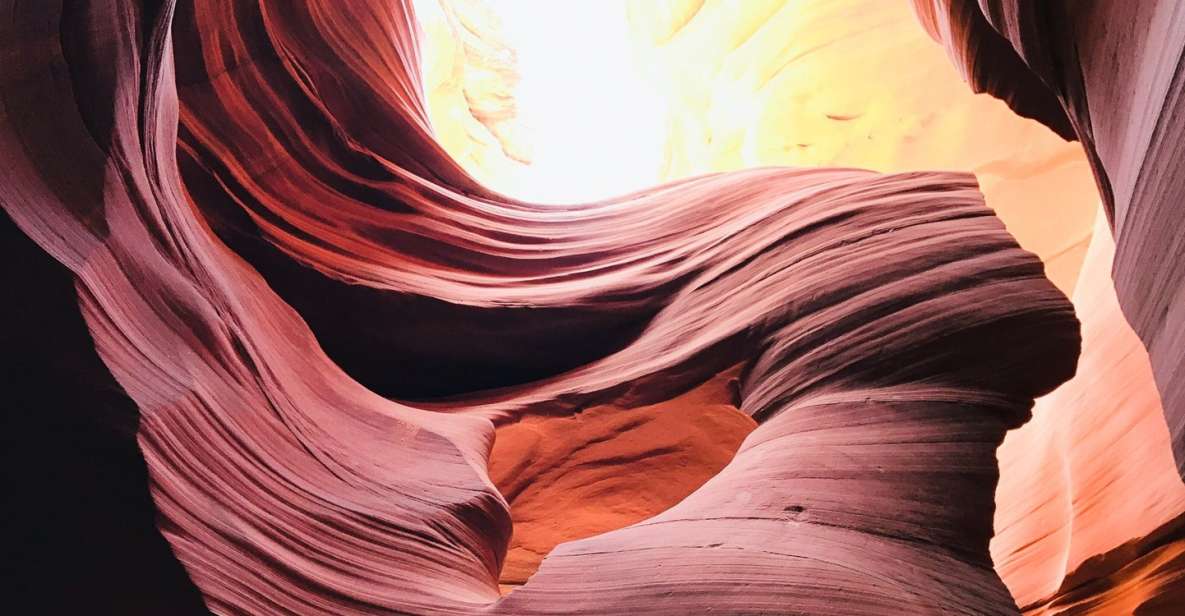
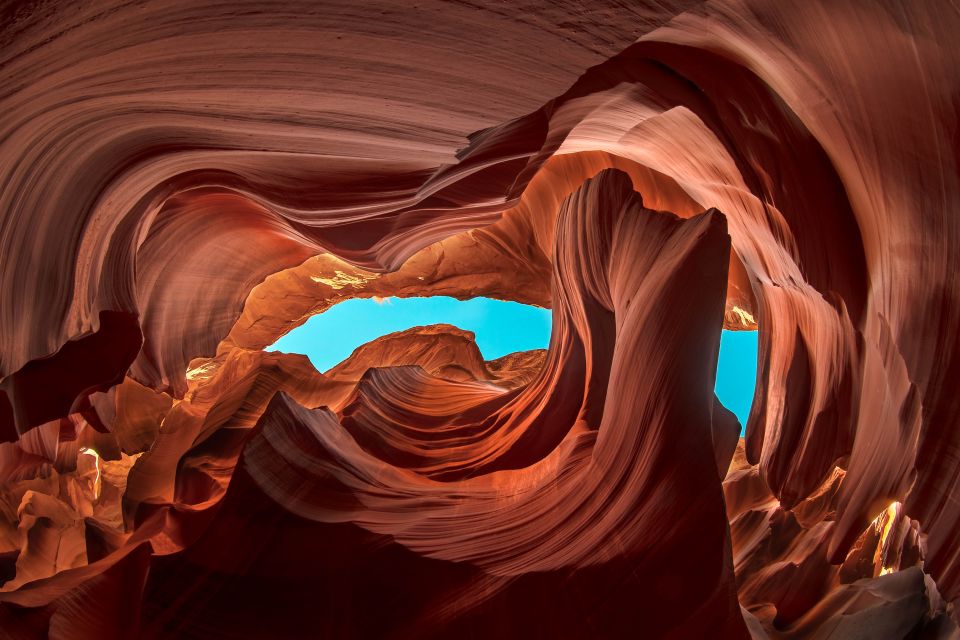
Lower Antelope Canyon, also known as Hasdeztwazi (Spiral Rock Arches), is one of those places where the canyon itself feels like the main character. The walls look sculpted on purpose. They weren’t. They were shaped over thousands of years by water and wind, slowly carving the sandstone into repeating patterns, textures, and narrow corridors that pull your eye forward.
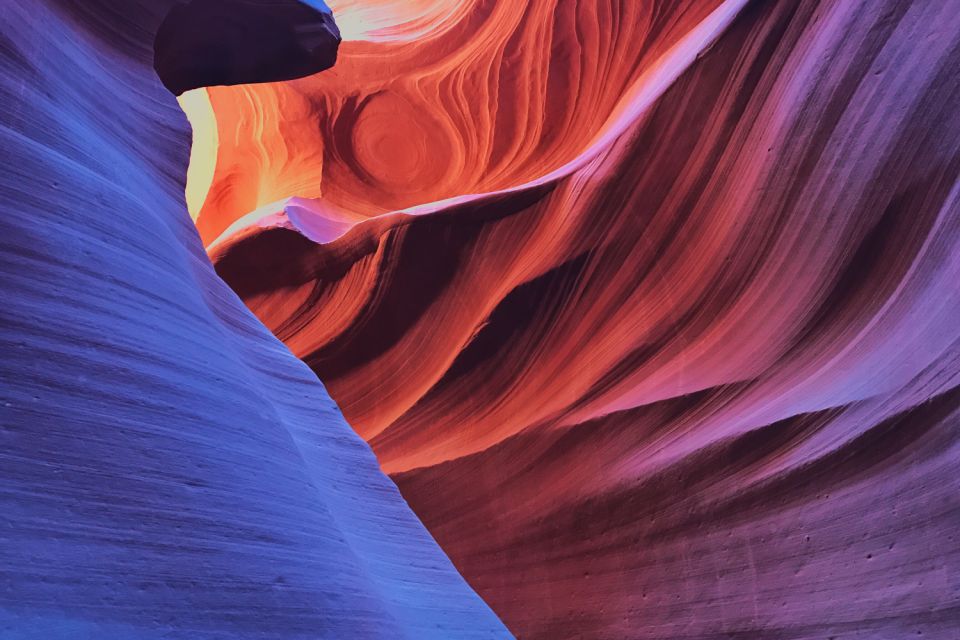
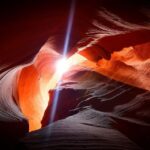
What makes Lower Antelope Canyon so famous is the light. As the sun angle changes during the morning and day, the canyon walls go from shadow to glow to something like soft flame—color and contrast shift constantly. The canyon is narrow enough that you feel those changes right away. One turn looks dark and moody; the next one lights up, and suddenly the same rock has different tones and edges.
If you like photography, you’ll understand fast why people bring their whole day around this canyon. If you don’t, you’ll still enjoy it. The guide walk keeps you from just staring. You learn what you’re seeing—how the canyon formed, why the curves look that way, and where the light hits best.
The 1-hour Lower Canyon walking tour: what to expect minute by minute
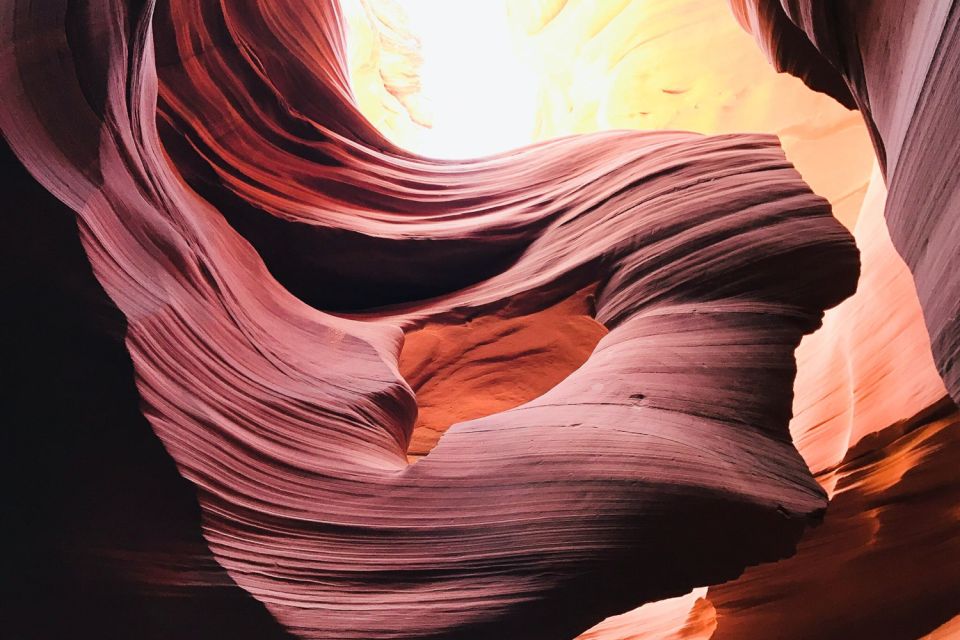
This is a short tour on purpose. In about 60 minutes, you go through the core Lower Canyon sections with a local Navajo guide and get time for photo stops along the way. The pace is steady. It isn’t a slow stroll where you can linger in one spot forever, but it also isn’t a sprint.
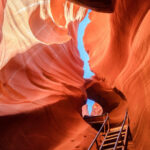
Before you even reach the sandstone, you’ll have some “getting there” time: roughly a 10-minute walk to the canyon entrance. Once you’re in, you’ll do a guided walk that includes stairs. Those stairs matter because the canyon is often reached and viewed from slightly different levels, which changes your angle to the walls. That’s how you end up with photos that look like you’re standing in a totally different place than you were 30 seconds earlier.
Many guides also weave in cultural and formation stories as you move. Names you might hear from guide teams include Lakresha, Ben, Ryan, Jerry, Omar, and Ala, and each tends to run the tour with their own personality. The common thread is the same: they point out what to look for, then help with where to stand so you get the canyon in frame.
A small word on expectations: the canyon is popular. So even when your guide keeps things organized, you may occasionally wait for the line ahead of you to clear a narrow passage. That’s normal here, and it can actually help if you think of it as giving you time to set your phone and compose.
You can also read our reviews of more tours and experiences in Page Arizona.

Where the tour starts and how to find your group fast
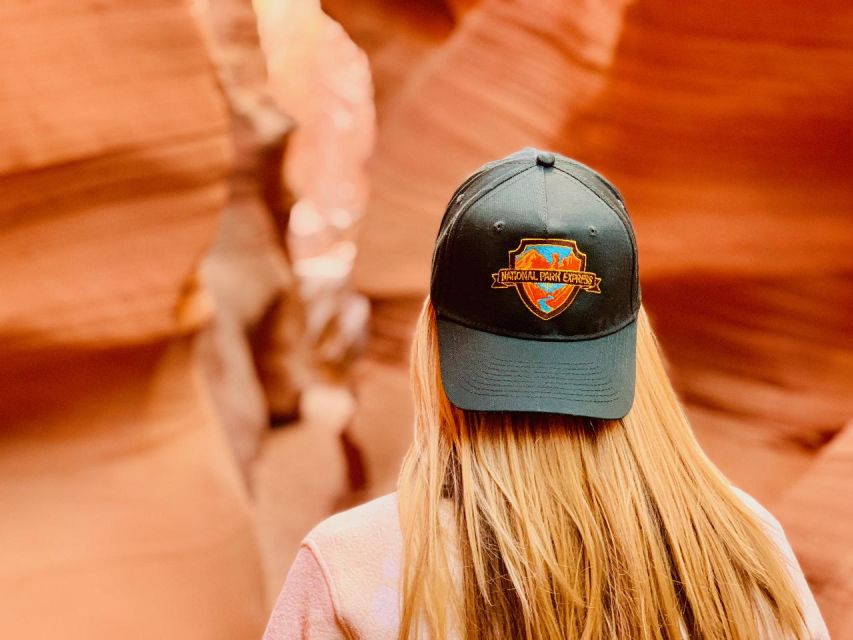
Your meeting point can vary depending on the option you book, and there are multiple starting location choices. You may see options such as Ken’s Tours Lower Antelope Canyon or Dixie’s Lower Antelope Canyon Tours. Because the exact pickup spot can differ, treat the meeting time as important. Plan a bit of buffer so you’re not rushing around with cameras already in mind.
The good news: once you’re with the group, the flow is predictable. You walk together to the entrance, you move through the stairs as a unit, then you follow your guide’s stops in the canyon.
If you’re traveling solo, I like this setup. You’re not trying to navigate entry logistics on your own, and the guide helps you get your bearings in minutes.
Stairs and uneven sand: the part people forget to plan for
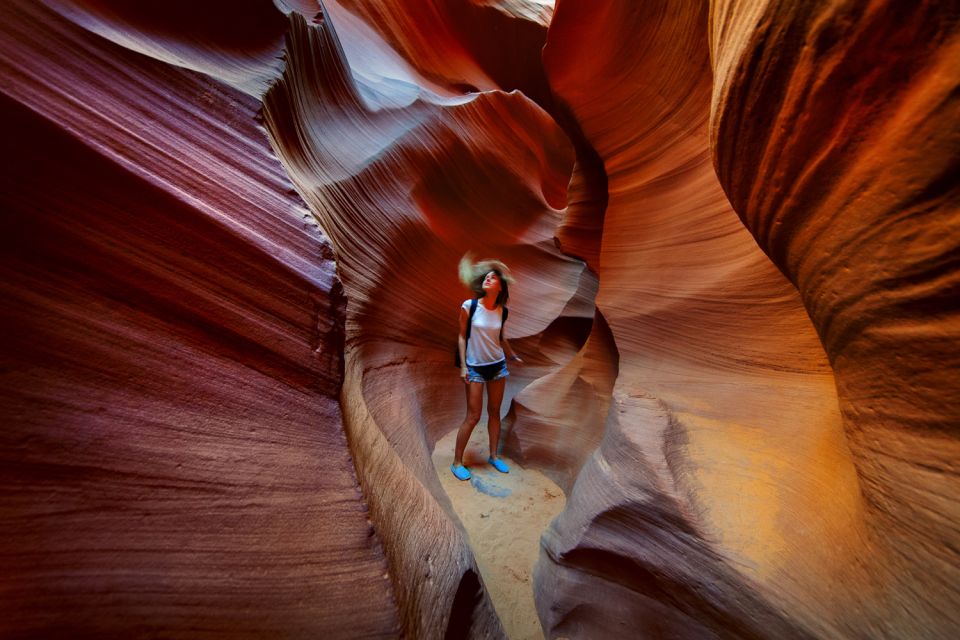
Lower Antelope Canyon is not flat. Even if you’re reasonably fit, you should expect uneven surfaces and elevation changes. The canyon entrance approach includes stairs ranging from about 3 feet up to stretches around 25 feet long. Handrails are available on stairs longer than about 8 feet.
The practical takeaway is this: wear closed-toe shoes with solid grip. Closed-toe isn’t just a rule. It’s protection. You’ll be stepping down and up on uneven ground, sometimes with sand that can shift under your foot.
Also, the tour is not suitable for wheelchair users, and Antelope Canyon does not allow mobility scooters, canes, walking sticks, walkers, or wheelchairs. You also need to be able to walk unassisted. If you have unsteady balance or you’re worried you might stumble, it’s worth considering a different activity.
From the way people talk about the stairs, the difficulty isn’t usually the length—it’s the mix of steps, sand footing, and brief pauses in narrow areas. Your guide can’t make the canyon kinder to physics, so your best move is simple: slow down, hold the handrails when offered, and keep your eyes on your footing before you think about the shot.
Photo rules you should know before you pack
Here’s the deal: this tour is built around keeping the canyon passage safe and low-disruption. That means a lot of camera-related items are not allowed, including:
- Selfie sticks
- Tripods
- Flash photography
- Professional cameras
- Video recording
- Backpacks and other large bags
You also shouldn’t bring items like pets or large luggage. The rules are strict about carrying gear, and the canyon experience can get slowed down if people bring the wrong stuff.
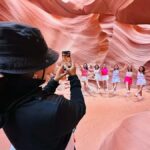
So how do you still get great photos? You use the guide’s pacing and the canyon’s changing light. Many guides help with phone settings. I’ve seen first-hand how a good guide will tell you when to shoot, where to stand, and how to get the canyon texture to pop without overdoing brightness.
Also, note the tour includes a permit fee and entry ticket components depending on the option. That matters because it keeps your experience inside the regulated access system that makes Lower Antelope Canyon possible for visitors.
One practical tip: if you want your best photos, don’t fight the rules by trying to “outsmart” the gear list. Instead, focus on clean composition and timing. When the canyon turns golden, you’ll feel it, and your camera will just have to keep up.
Light, timing, and why the first group can feel smoother
Lower Antelope Canyon is sensitive to both weather and time of day. Even small changes can affect color. If it’s raining on and off, the canyon light can look flatter. That doesn’t make it ugly. It just changes the mood.
Timing also affects crowd flow. The canyon passages are narrow, so groups move in a rhythm. Some people love starting early, because it can mean fewer people in the first moments and smoother movement through the most popular photo sections.
Your best bet is to choose the time slot that fits your schedule but also keeps you from feeling rushed. If you know you’re a slow shooter, pick an earlier slot if you can. If you want to get in, out, and on with your day, any slot works as long as you respect the pace and keep moving when your guide says it’s time.
Group size is typically not tiny. One guide can handle a small group, but you might still be around a dozen or so people in your group. That’s enough to get photos without a tour bus vibe. It can still mean waiting briefly when the line ahead bunches up.
Navajo-guided meaning: more than geology
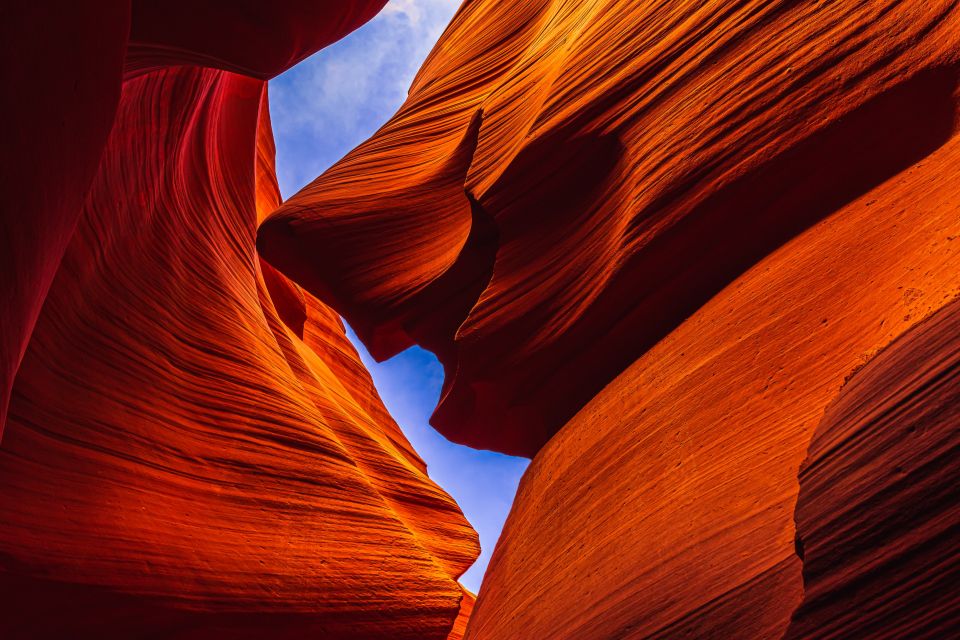
Lower Antelope Canyon isn’t just sandstone. A good Navajo guide helps you connect the canyon to the people who know it. The guide will explain how the canyon was formed by water and wind and what you’re looking at as you walk. But you’ll also hear stories that put the place in a broader cultural context.
People tend to remember the human moments as much as the rock. Guides like Jerry and Ala are known for being patient, and several guides are also proud photo-takers—helping you with both angles and settings, and sometimes even taking photos with your camera or phone when you’re in position.
One thing I appreciate: a guide can point out formations that look obvious only after someone names them. A curve becomes a landmark. A spiral-like bend becomes a story about formation and time. You start to look instead of just watch.
There’s also a lively side to the experience. Some guides bring humor into the walk, which helps when the canyon forces everyone into the same small space at the same time.
Price and value at $78 per person: what you’re getting
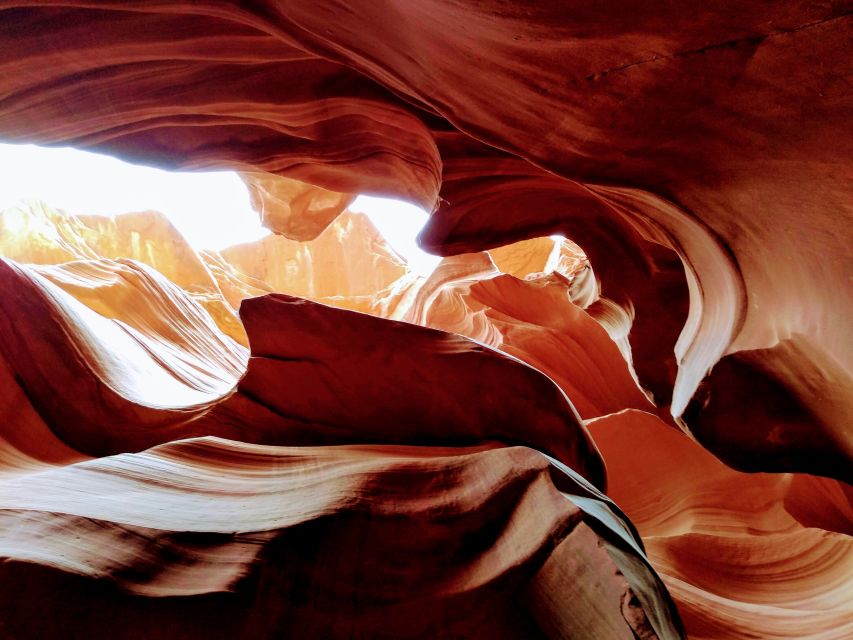
At about $78 per person for roughly one hour, this isn’t a bargain deal. But value here isn’t based on time alone. It’s based on access, guidance, and the fact that you’re seeing a top-tier slot canyon in a controlled, safe way.
Your price includes:
- The Lower Antelope Canyon walking tour (about 60 minutes)
- A local Navajo guide
- The Navajo national permit fee (listed as $8 per person)
- Entry ticket if that option is selected
That permit inclusion is more than a line item. It supports the access system that keeps the canyon open for visitors while managing the impact of crowds.
You’re also buying the “how to see it” part. Left on your own, you’ll still see the canyon. You won’t necessarily see the best angles, the best light moments, or how to move through stairs and narrow passages without wasting time.
If you’re the kind of person who wants to plan carefully, this tour tends to feel worth it. You show up, you walk in, you get guided photo stops, and you get a story while you’re doing it.
Weather closures and what to do if conditions change
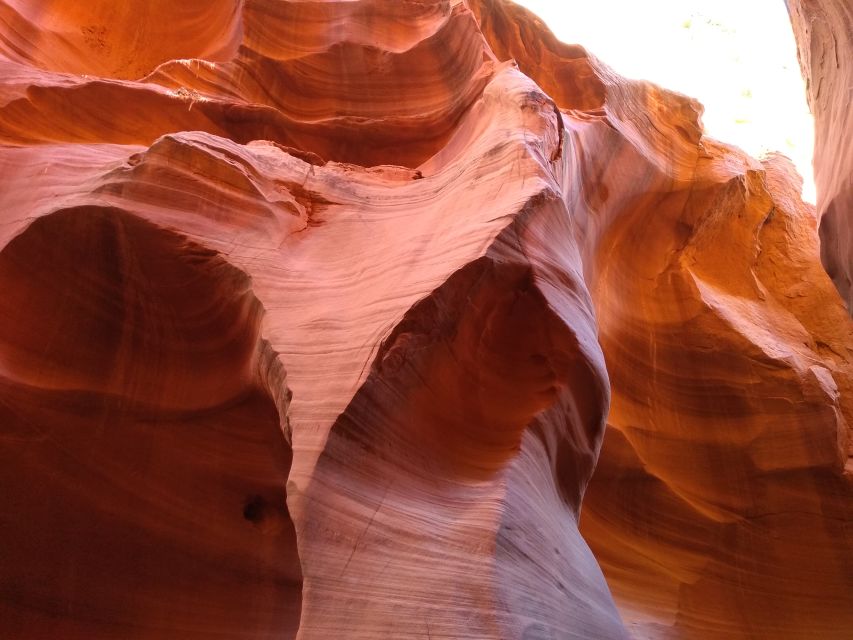
Antelope Canyon can close due to bad weather. That’s not a scheduling trick. Slot canyons are sensitive to storms. If weather is uncertain, check conditions and keep your expectations flexible.
On the day you go, you’ll feel how weather affects the canyon’s look. When it rains on and off, the colors can soften and lose contrast. Still, the forms remain. You’ll just get a different mood than the crisp, bright photos people chase online.
If you’re the kind of traveler who packs around forecasts, this is one of those times you’ll be glad you did. Bring weather-appropriate clothing so you’re not cold and distracted mid-walk.
Who this tour is best for
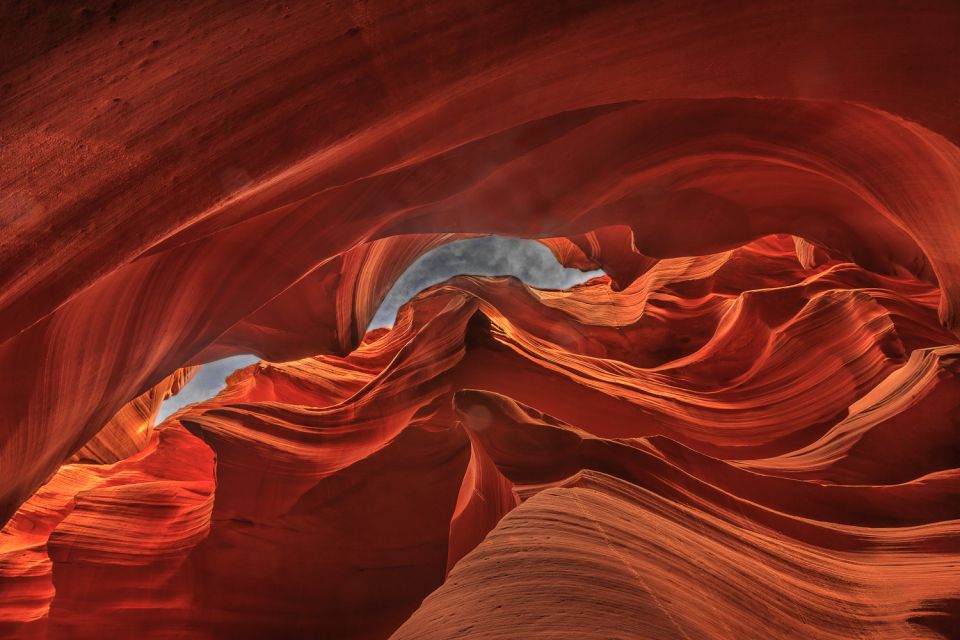
This guided tour is ideal if you want:
- A one-hour slot canyon experience with clear photo stops
- A Navajo guide who explains the canyon and helps with viewing angles
- A structured route where you don’t have to figure out everything yourself
It can be a poor match if you:
- Need wheelchair accessibility
- Have mobility impairments or balance problems that make stairs tough
- Have heart problems
- Are pregnant
And it’s not built for heavy equipment. Leave tripods, selfie sticks, and pro camera gear behind. The canyon experience here is hands-free by design.
If you can walk unassisted on uneven ground and you’re comfortable using handrails, you’ll get a lot out of this hour.
Should you book the Lower Antelope Canyon entry and Navajo guided tour?
I’d book it if you’re aiming for the classic Lower Antelope Canyon experience with a guide who helps you see the canyon’s best sides and get photos without breaking the equipment rules. The price is high for one hour, but the permit inclusion and the photo-focused guiding make it feel like a “do it right” purchase.
I’d skip or choose a different option if you’re worried about stairs, uneven sand, or if your health or mobility needs make walking unassisted a stretch. This tour isn’t built for slow, careful crawling. It’s built for safe movement through a narrow, step-based canyon.
If you’re going soon, pre-booking is smart. Also pick the time slot that best matches your comfort with crowds and your tolerance for waiting in line for tight passages. When you get that right, the canyon really does deliver.
FAQ
How long is the Lower Antelope Canyon guided tour?
The tour duration is 1 hour, including the guided walking time in the canyon.
What is included in the $78 per person price?
The experience includes a Lower Antelope Canyon walking tour (about 60 minutes), a local Navajo guide, and a Navajo national permit fee ($8 per person). The entry ticket is included if you select the option that includes it.
Is flash photography allowed in the canyon?
No. Flash photography is not allowed.
What should I wear and bring?
Wear weather-appropriate clothing and closed-toe shoes. Avoid bringing items that are not permitted, like large bags.
Are selfie sticks, tripods, or professional cameras allowed?
No. Selfie sticks and tripods are not allowed, and professional cameras are also not permitted. Flash photography is prohibited as well.
Can I get a refund if my plans change?
Yes. You can cancel up to 4 days in advance for a full refund.