REVIEW · PAGE ARIZONA
Page: Upper Antelope Canyon Entry Ticket and Guided Tour
Book on GetYourGuide →Operated by National Park Express · Bookable on GetYourGuide
Light acts differently in Upper Antelope Canyon.
This guided tour takes you into a slot canyon where sandstone walls form natural art from water and wind, then hands you the best angles for photos inside the famous red-rock corridors.
I especially love the Navajo guide component—geology plus living culture, told in plain language as you walk. I also like how much photography help you get for phones and cameras, including guidance on where to stand for the canyon’s dramatic light.
One thing to plan for: the canyon experience has strict rules and not everyone can handle it. If you use a wheelchair, need mobility support, or need to bring items like tripods or selfie sticks, this tour won’t work as written, and you’ll feel that right at the start.
In This Review
- Quick Hits on Upper Antelope Canyon (What You’ll Feel Immediately)
- Your 80–90 Minutes Start With a Scenic Ride Into the Dry Wash
- Price and Value: What $126 Includes (and What Adds Up)
- Entering Upper Antelope Canyon: Sandstone Art in Pigmented Layers
- The Guided Walk Itself: What Makes One Hour Matter
- Light, Color, and Photo Spots: How the Canyon Becomes Camera-Friendly
- Navajo Guide Stories: Geology, Culture, and Current Issues
- The Rules Inside: What You Can’t Bring (and Why You Should Pack Light)
- Comfort and Safety: Who Should Skip Upper Antelope Canyon
- Should You Pair Upper Antelope Canyon With the Lower Tour?
- Should You Book This Upper Antelope Canyon Tour?
- FAQ
- How long is the Upper Antelope Canyon guided tour?
- What does the ticket price include?
- Is there an extra fee for the tour?
- Do I need to pre-book?
- What time should I arrive?
- When are the famous light beams most likely to happen?
- Are flash photography, tripods, or selfie sticks allowed?
- Can I bring a backpack or walking sticks?
- Is this tour suitable for wheelchair users or people with mobility impairments?
- What happens if the canyon closes due to weather?
Quick Hits on Upper Antelope Canyon (What You’ll Feel Immediately)
- A short guided walk through the slot canyon, timed for the best views without dragging it out
- A scenic ride that includes paved road and a bumpy stretch through the dry wash
- Light beams in the right season: mid-day April to September
- Your guide handles photo strategy, including phone/camera settings tips
- A protected Navajo reservation setting, with cultural context from a local guide
- Rules are strict (no flash, no tripods, no selfie sticks, no backpacks)
Your 80–90 Minutes Start With a Scenic Ride Into the Dry Wash
The tour begins with a scenic ride to the canyon, and it’s more than just transportation. You’ll spend about 10 minutes on a paved road, then about 10 minutes driving within the dry wash of Antelope Canyon. That second part can feel rough—some people even call it very bumpy—but it also helps you get the right sense of the desert setting before you step into the rock.
While you ride, your guide explains what you’re going to see. Expect talk of canyon formation, plus cultural history and current issues that affect the area. It’s smart pacing: you get the big-picture story first, then the details become obvious once you’re walking.
Also, plan for comfort in the van. One theme that pops up in guide feedback is that the ride can be hot, and having air conditioning matters when Arizona temperatures hit.
You can also read our reviews of more tours and experiences in Page Arizona.
Price and Value: What $126 Includes (and What Adds Up)
The headline price is $126 per person, and that buys you the Upper Antelope Canyon entry and the guided walking tour. You also get a local Navajo guide, plus free parking for non-commercial vehicles.
Then comes the add-on you should budget for: a Navajo permit fee of $15+tax, listed as $16.05 per person. So your realistic total comes out to about $142 per person, before any optional extras you might buy on-site.
Is it worth it? For me, the value rests on two things you can’t fake with self-guided hiking: (1) the guided route inside Upper Antelope Canyon and (2) the guide’s real-time help with photo spots. The canyon is gorgeous, but tight walls and changing light make it easy to miss key angles if you’re just following your own instincts.
Entering Upper Antelope Canyon: Sandstone Art in Pigmented Layers
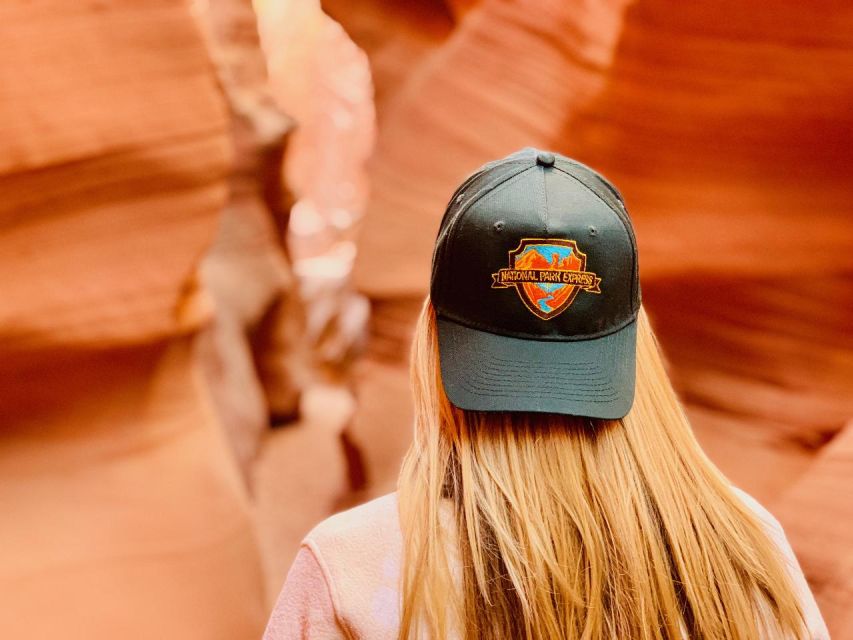
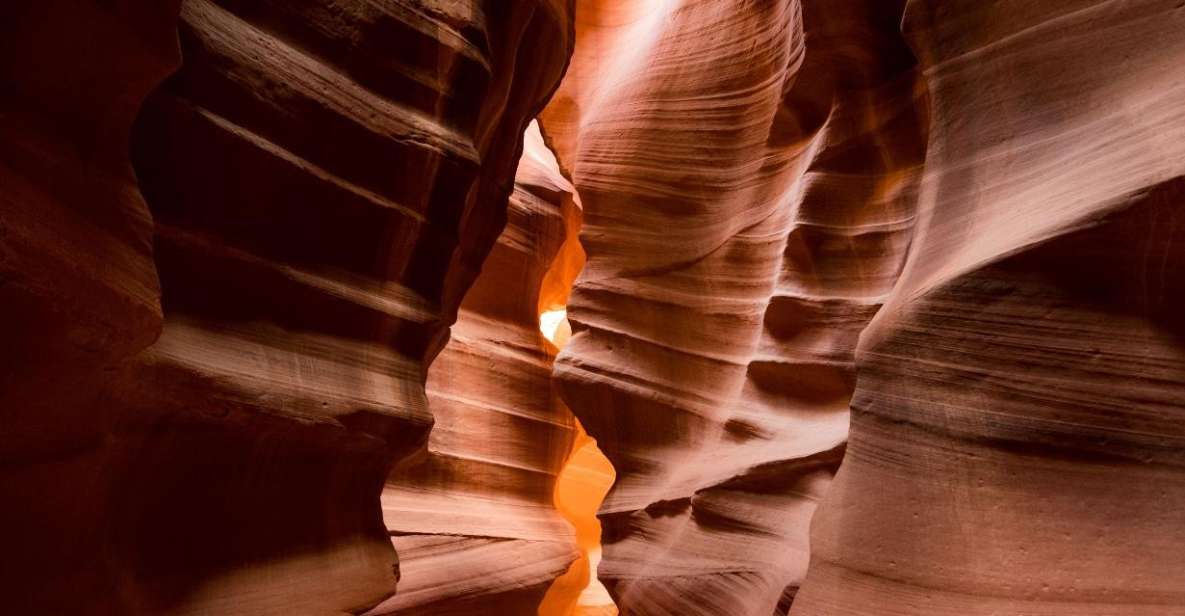
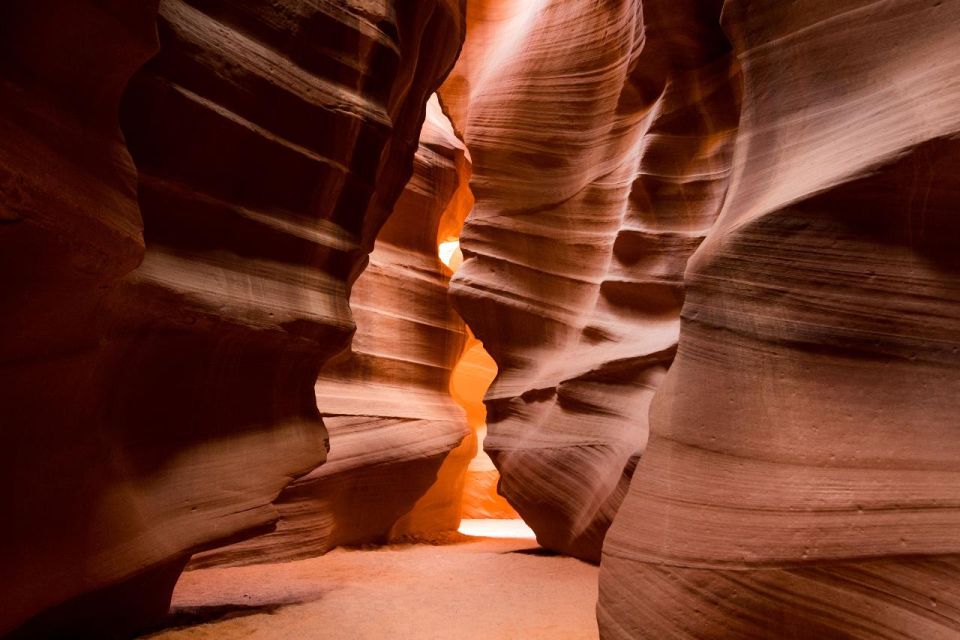
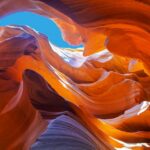
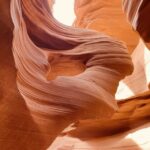
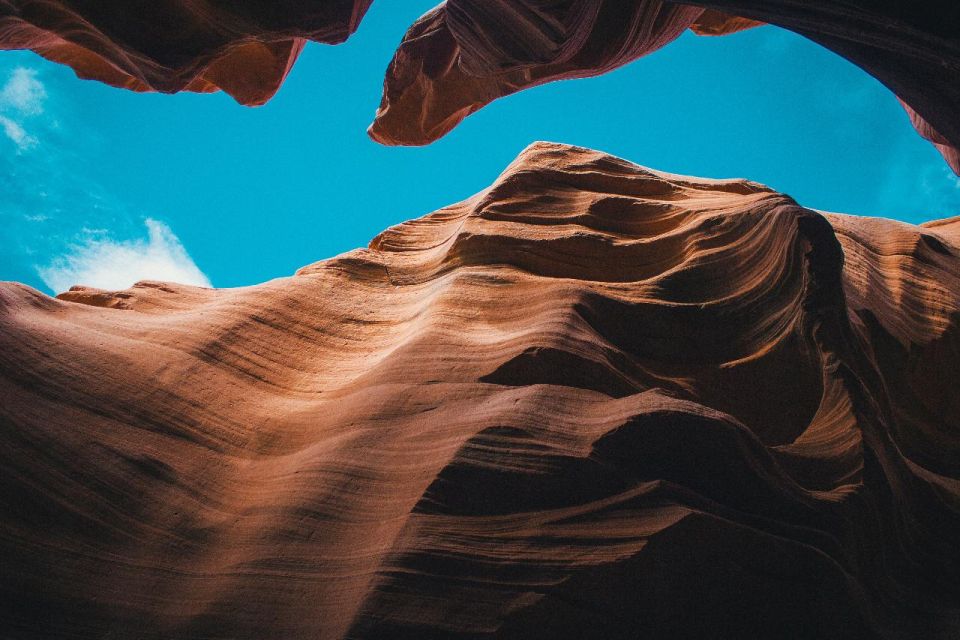
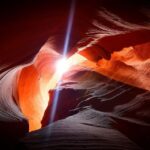
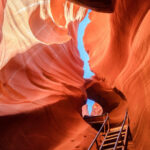
Once you step out of the desert air and into the canyon, you understand why this place gets so much attention. Upper Antelope Canyon is famous for sandstone walls carved and shaped by years of water and wind, plus naturally pigmented layers that create that red, rust, and warm-gold look.
Your guide will bring you along a route that lets you see the canyon’s shape change as you move. The light shifts fast, and you’ll feel that in your eyes as you go from wider views to tighter, deeper-looking sections.
Timing matters. With morning and afternoon light, many people get those deeper tones that feel almost 3D. And if you’re visiting from April through September, mid-day is when the famous light beams can appear—when sun reaches the opening in just the right way. If you show up outside that window, you’ll still see the canyon’s colors and textures, but you shouldn’t expect those beams at every time slot.
The Guided Walk Itself: What Makes One Hour Matter
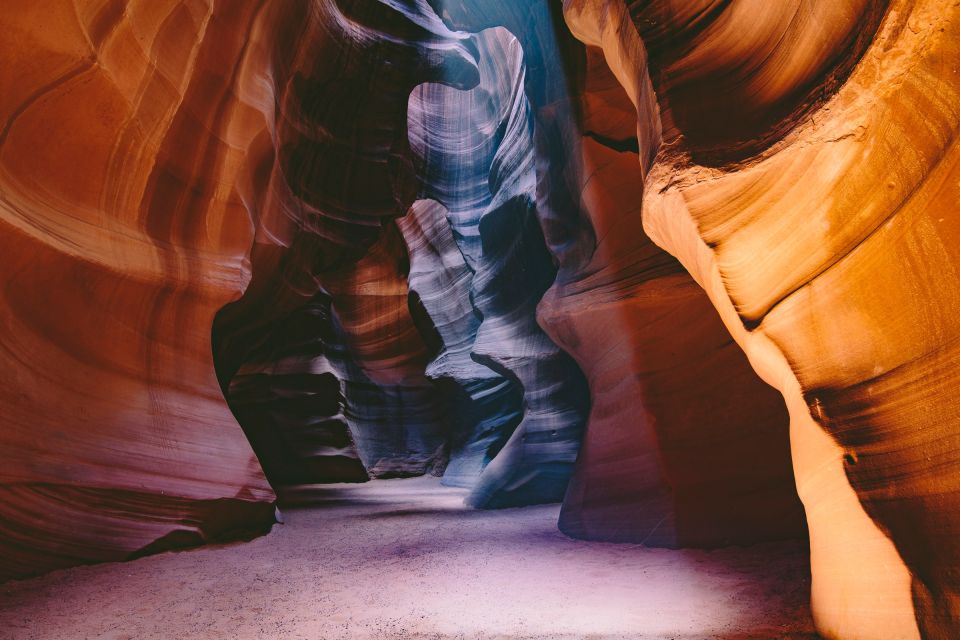
The walking portion is about one hour inside Upper Antelope Canyon, within a total trip length of 80–90 minutes. That time window is the key trade-off: you get enough time for meaningful photos and explanations, but you don’t get an all-day wandering experience.
That’s good news if you want a clear plan. A slot canyon can feel confusing without guidance. A guided route also helps keep the group moving at a pace that fits the canyon’s narrow passages and the need to share space.
The main practical “watch-out” is that you’ll need to follow movement instructions. You’ll hear where to stand, where to look, and when to hold your shot. The best results come when you listen, not when you multitask.
Light, Color, and Photo Spots: How the Canyon Becomes Camera-Friendly
Upper Antelope Canyon is a photographer’s playground, but it’s also a trap for common mistakes. Your tour is designed for exactly this: proper exposures and the right positioning.
You’re not allowed to use flash, and tripods and selfie sticks are prohibited. That rule set sounds limiting until you realize it pushes you toward smartphone-friendly techniques and quick positioning instead of gear setups. Many guides help you adjust your phone or camera settings so you can capture the canyon colors without fighting the bright-to-dark contrast.
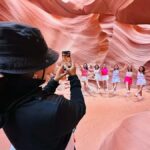
One standout detail from guide stories is that some guides go beyond directions and actually help by taking photos for you. People also report that guides guide them to the best angles and even help set up phone shots so the image comes out sharp and bright.
You’ll also learn the canyon formation story in a way that makes the visuals click. When your guide explains how the canyon was shaped and what to look for in the rock layers, you start noticing patterns you’d otherwise miss—like how color bands line up with how light hits the stone.
One cultural note: in at least one guide experience, the guide added a traditional flute performance with a native song composed for the moment. That’s not guaranteed with every guide, but it shows the kind of personal touch you might experience when your guide brings more than just facts.
Navajo Guide Stories: Geology, Culture, and Current Issues
A huge part of what makes this tour more than sightseeing is the guide’s role as a local interpreter. Your guide explains canyon geology and cultural history, plus modern issues affecting the area.
You’ll also spend time within a protected Native American reservation setting. That matters because it changes the tone of the visit. Instead of feeling like a theme park stop, it feels like an active, lived place with boundaries and responsibilities.
What I like is the balance: you get natural science (how the canyon forms) plus human context (what the canyon means and why it’s managed). Even if you’re not a history person, the canyon’s physical structure makes the explanations easier to absorb.
The Rules Inside: What You Can’t Bring (and Why You Should Pack Light)
This tour comes with clear restrictions, and you’ll want to follow them from the start. Items that are not allowed include selfie sticks, flash photography, tripods, backpacks, walking sticks/canes/walkers, video recording, and even certain forms of luggage or large bags. Smoking is also not allowed, and pets are prohibited.
Strollers are not allowed either. Wheelchairs are not allowed, and unaccompanied minors aren’t allowed.
If that sounds strict, it is—but the purpose is practical. Slot canyons are narrow, and added gear or devices create safety and crowding problems. Also, equipment like tripods and flash can disrupt others and can be hard to manage inside tight spaces.
Bring weather-appropriate clothing. That’s the only “bring” item listed, but in real life it helps to dress for desert conditions and temperature swings. If it’s hot, you want breathable layers. If it’s cooler, a light layer keeps you comfortable while you wait and walk.
Comfort and Safety: Who Should Skip Upper Antelope Canyon
This tour is not suitable for people with mobility impairments, wheelchair users, people with heart problems, people with pre-existing medical conditions, and pregnant women. That’s not small print—it’s core to how the canyon walk is structured.
Even though the walk is short, slot canyon routes require steady footing and you may need to move through tight areas on the guide’s timing. If your doctor has told you to avoid exertion or you know you need frequent resting, take that seriously.
Safety also comes down to the guide and operation. One tour experience included an unexpected medical situation handled calmly and quickly by the guide, with support arriving fast and helping the person back to the vehicle. It’s a reminder to take your own needs seriously, and it also supports the idea that the staff knows how to respond when things change.
Should You Pair Upper Antelope Canyon With the Lower Tour?
If you’re visiting Page and considering both Upper and Lower Antelope Canyon, plan timing with light in mind. One strong tip that came up is that Upper can feel darker earlier or later because it’s taller and narrower at the top openings, while Lower can allow more light at different times.
So if your goal is light beams, aim for mid-day in season. If your goal is warm canyon color without chasing beams, morning or afternoon can still be dramatic—just not necessarily the same beam effect.
Should You Book This Upper Antelope Canyon Tour?
Book it if you want a guided experience that turns a short walk into a story you can actually follow: sandstone layers, Navajo context, and photo coaching that helps you get images you’ll keep.
Skip it if you need mobility accommodations, use a wheelchair, or have health constraints listed as not suitable. The restrictions on what you can bring (no tripods, no selfie sticks, no backpacks) also mean you’ll need to travel light and be ready to adapt quickly.
If your priority is photos, this is one of the best ways to do it in Page because the canyon’s light and angles are hard to get right on your own. Pay attention to the season for light beams, dress for Arizona conditions, and trust the guide’s positioning instructions once you’re inside.
FAQ
How long is the Upper Antelope Canyon guided tour?
The total experience runs about 80 to 90 minutes, with a one-hour walking tour inside Upper Antelope Canyon.
What does the ticket price include?
It includes the Upper Antelope Canyon walking tour entry ticket, the guided walking tour, a local Navajo guide, and free parking for non-commercial vehicles.
Is there an extra fee for the tour?
Yes. There is a Navajo permit fee of $15+tax (listed as $16.05) per person, which is not included in the base price.
Do I need to pre-book?
Yes. You’re expected to pre-book your admission ticket to Upper Antelope Canyon.
What time should I arrive?
The time on your voucher is your mandatory check-in time. Tour times are based on local Arizona times.
When are the famous light beams most likely to happen?
Light beams can occur mid-day from April to September.
Are flash photography, tripods, or selfie sticks allowed?
No. Flash photography, tripods, and selfie sticks are not allowed.
Can I bring a backpack or walking sticks?
No. Backpacks and walking sticks (including canes and walkers) are not allowed.
Is this tour suitable for wheelchair users or people with mobility impairments?
No. The tour is not suitable for wheelchair users or people with mobility impairments.
What happens if the canyon closes due to weather?
Closures due to weather come from the Antelope Canyon operators and/or Navajo Parks, and the activity provider has no control over these closures.