REVIEW · SAN DIEGO
San Diego Whale Watching & Dolphin Cruise
Book on Viator →Operated by San Diego Whale Watching LLC · Bookable on Viator
Whales on the horizon keep you watching. You’re out past the Mission Bay jetties in about 10 minutes, so the trip doesn’t waste time before you’re scanning the blue for whales and dolphins. I also love the fast, on-the-fly wildlife searching led by the captain and onboard naturalists, plus real-time landmark spotting that keeps your eyes moving.
My favorite part is the human touch: clear commentary and the feeling that the crew is actively working for your sighting. In particular, I’d expect strong narration from guides like Jennifer and naturalists like Allison, based on how guests describe their onboard hosting. One consideration: on some sailings, the microphone and speaker system can be hard to hear over deck noise, so pack patience—and layers, because it can get cold out on the ocean.
In This Review
- Quick hits to know before you book
- Mission Bay to the open Pacific: why this route works
- Price and value: what you’re really paying for at $71
- Where you meet: 1617 Quivira Rd and the easy start
- The scenic pass-bys: Mission Beach, Ocean Beach pier, Sunset Cliffs
- Out in the open: how spotting is handled on deck
- What animals you might see (and why some days feel different)
- Onboard comfort: layers, seating, and restrooms
- Binoculars, boarding upgrades, and what helps your chances
- If the day is slow: the whale and dolphin guarantee
- Who this San Diego cruise is best for
- The one thing I’d double-check before you go
- Should you book this San Diego whale watching cruise?
- FAQ
- How long is the San Diego Whale Watching & Dolphin Cruise?
- Where does the cruise depart from?
- What is the price per person?
- What animals can I expect to see?
- Is there a restroom on board?
- Can I buy food or drinks during the cruise?
- Do I need to bring binoculars?
- What if I don’t see whales or dolphins?
- What should I wear?
- Is cancellation free if weather is bad?
Quick hits to know before you book
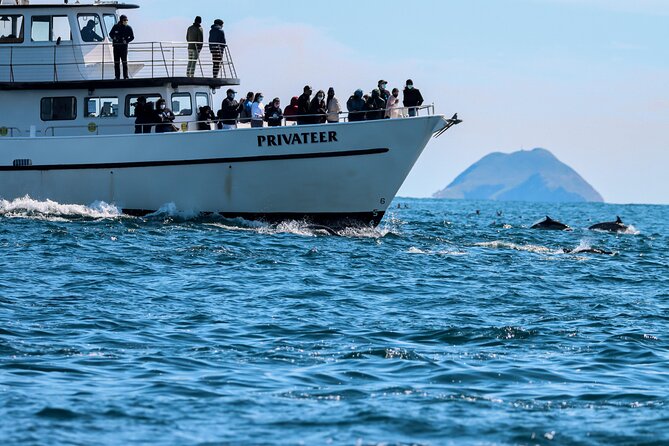
- Mission Bay departure moves fast: you’re facing open water quickly, not stuck cruising the bay for long.
- Onboard experts call out wildlife in real time so you know what you’re looking at when something surfaces.
- Big-picture views from the trip itself: Mission Beach sights, Ocean Beach pier moments, and Sunset Cliffs pass-bys.
- No-frills logistics that still help: restroom onboard and free parking at Quivira Road.
- Sightings can vary: some trips are whale-heavy, others are dolphin-heavy, and a few have slow days.
- Bring your ears: crowd noise can drown narration, even though the crew usually tries hard.
Mission Bay to the open Pacific: why this route works
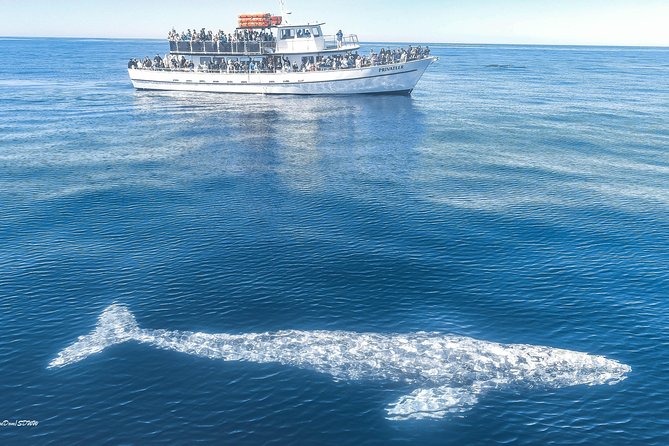
This cruise is built around a simple idea: if you want whales and dolphins, you need to reach open ocean quickly. The boat leaves from Mission Bay, then passes through the jetties and heads out into the Pacific at a pace that makes the whole ride feel purposeful.
Along the way, you get a steady stream of coastline landmarks that help you orient fast. You’ll see Mission Beach activity early, get a view toward Ocean Beach’s Dog Beach area and pier, and then slide by the Mission Beach Boardwalk and Belmont Park as you angle outward.
That matters for your experience because it turns the cruise into two things at once: a scenic ride and a wildlife hunt. If you’re the type who gets restless on long “maybe we’ll see something” tours, this one is usually easier to enjoy because the boat is always doing something—moving, turning, pointing, and scanning.
You can also read our reviews of more tours and experiences in San Diego.

Price and value: what you’re really paying for at $71
At $71 per person for roughly 2 to 3 hours, you’re paying for three main things: time on the open ocean, expert spotting help, and a guided experience that uses audio and real-time calls.
You’re not paying for a luxury package. There’s no promise that you’ll get a private-style viewing. It’s a 100-person max cruise, and that’s big enough to create energy and noise on deck. Still, the overall value tends to hold up because the boat time is short and the crew focuses on increasing your chances of sightings rather than treating the trip like sightseeing filler.
On top of that, you can buy snacks, drinks, and food onboard from the galley. Alcoholic beverages are available for purchase after the boat has gone about 3 miles, so it’s not an open bar situation, but you can still plan an easy onboard break.
If you want the best shot at spotting and you’re the kind of person who likes being ready early, there’s also an optional priority boarding upgrade. And if you don’t bring binoculars, rentals are available for a small add-on.
Where you meet: 1617 Quivira Rd and the easy start
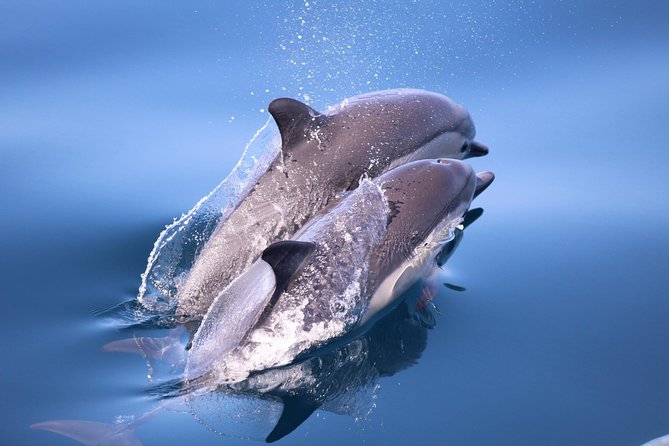
You’ll start and end at the same place: 1617 Quivira Rd, San Diego, CA 92109. The departure is set up so you can find the dock area without a maze of transfers. The tour is also listed as near public transportation, which is helpful if you’d rather not drive.
The other practical win is parking. You get free parking on Quivira Road, but you should still expect you may pay elsewhere if you park outside the free area.
Plan to arrive 30 to 45 minutes early. That extra time helps you get settled, grab a drink if you want one, and avoid rushing when the boat is ready to leave. One small weather tip matters here too: the ocean air is 10°–15° cooler than the bay, so what feels fine on land can feel chilly fast on deck.
The scenic pass-bys: Mission Beach, Ocean Beach pier, Sunset Cliffs
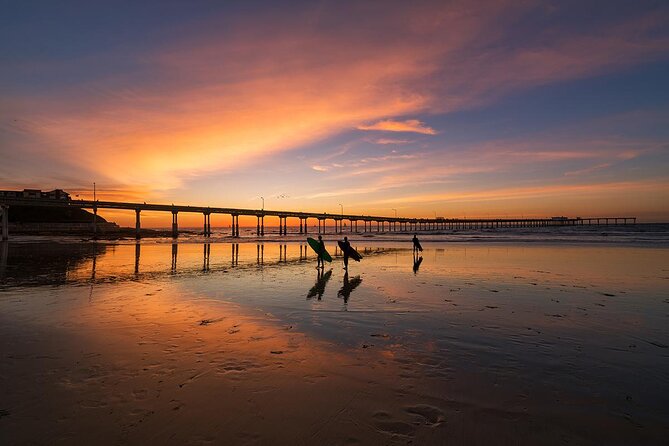
Before the open-ocean searching really kicks in, you’ll enjoy a string of shoreline moments. Think of this like your “warm up your eyes” section, because it gets you watching the water early.
Right after departure, you pass the Ocean Beach side views, including a look toward the famous Ocean Beach Pier and the Dog Beach area. Then you slide by the Mission Beach Boardwalk area—where you might catch surfers, skaters, and the Belmont Park coaster in your peripheral vision.
Later, you get a pass-by view of Sunset Cliffs. Expect golden sandstone bluffs and sea caves, plus surfers out below. Even if wildlife sightings are slower at first, these pass-bys keep the cruise from feeling like you’re stuck waiting for something to happen.
The drawback is that on busy days, deck attention can spread out. If you’re chasing a specific view (like where a crew member points), you might want to pick a comfortable spot early and stay put instead of constantly drifting. The boat tends to do the work, but your best sightings often come when you’re ready for the captain’s turns and the naturalist’s quick calls.
Out in the open: how spotting is handled on deck
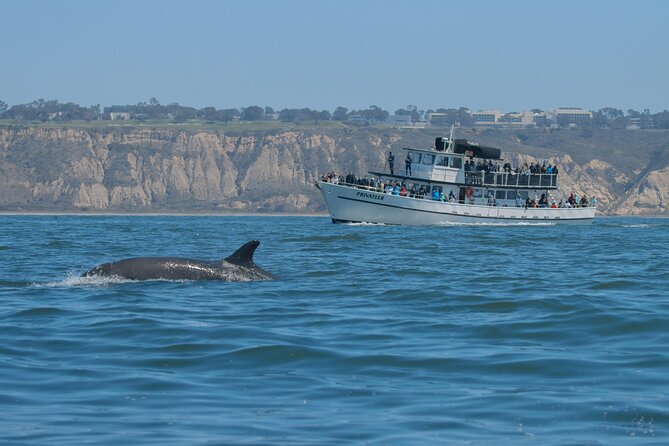
Once you’re in the open Pacific, the tour becomes a wildlife search with constant scanning. The main tools are the captain’s navigation, the onboard naturalists’ live calls, and your own patience while you watch for spouts, movement, and surfacing patterns.
What helps: the crew identifies wildlife and landmarks in real time over the microphone, and they point things out while the boat is still positioned to give people a view. That’s why the audio matters—even when you can’t hear every word, being able to catch the key alerts can make the difference between seeing a “random splash” and realizing it’s a whale or dolphin.
You should also know that sightings can vary a lot by day. Some trips run whale-heavy, with long periods following one animal. Others turn into dolphin-focused cruises, where you might see many dolphins and less whale action.
Either way, the best results tend to come when you follow crew guidance. If they tell you to look to one side, don’t debate it. Just turn your attention that way and keep watching. The payoff can be quick.



What animals you might see (and why some days feel different)
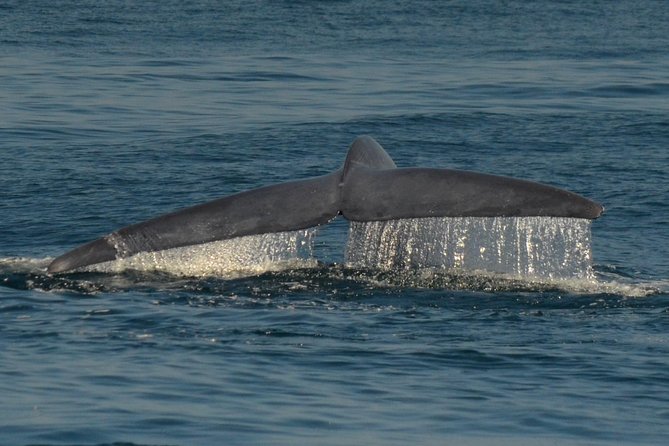
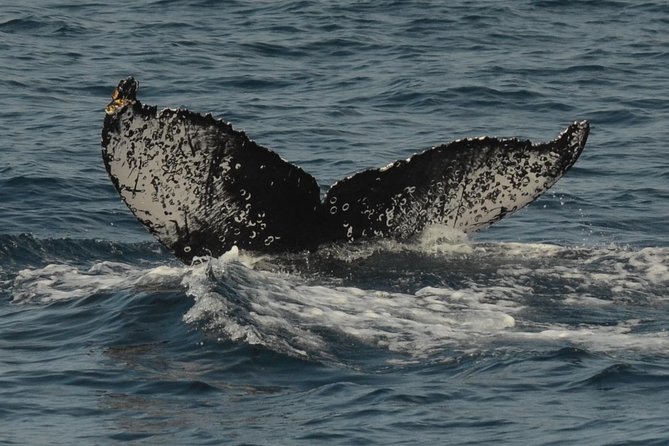
The tour is designed around whales and dolphins, with other marine life possible. Based on what people describe, you might encounter animals like gray whales, humpback whales, dolphins (including common dolphins), and sea lions. Different species and different behavior patterns mean different kinds of sightings.
For example, some whales may be visible at a distance and need time to show spouts or movement cues. Dolphins can be more “active on the surface,” which can lead to faster, more frequent sightings—even when whale sightings are limited.
That’s why two trips can feel totally different even if they follow the same general route. If you come expecting one guaranteed kind of excitement, you’ll be disappointed on the slow day. If you come flexible and ready for “what the ocean gives today,” you’ll usually enjoy it more.
Also, sound system quality can shape how connected you feel to the experience. On some sailings, guests report that the microphone can be hard to hear over deck noise. If you’re the type who likes to understand every detail, it’s worth mentally switching your expectation to partial audio during noisy moments.
Onboard comfort: layers, seating, and restrooms
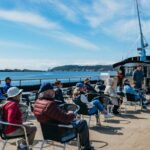
This is a boat cruise, so comfort is mostly about readiness. Smart casual is the dress code, but the bigger issue is temperature. The ocean is 10°–15° cooler than the bay, and wind off open water can turn a mild day into a cold one quickly.
Bring layers you can shed or add fast, and consider a windbreaker if you run cold. Some people say they felt freezing by the end when they didn’t plan for the ocean chill.
Good news: there’s a restroom on board, so you’re not stuck counting time between sightings. There’s also space on board that tends to work well for viewing, especially because the crew tries to make sure both sides of the boat get opportunities when animals show up.
One more comfort note: the boat has a galley with food and drink for purchase. If you want water, snacks, or coffee, that’s easy. It’s not free, so if you’re budget-conscious, plan on what you’ll buy and when.
Binoculars, boarding upgrades, and what helps your chances
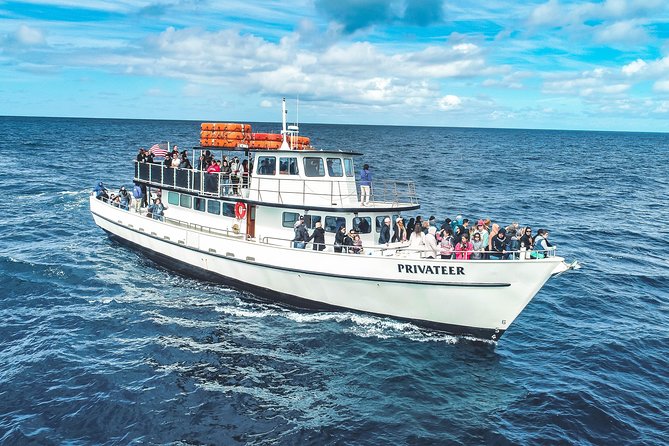
If you don’t have binoculars, you can rent them onboard for $6 a pair. I like this option because it’s simple—you don’t have to travel with gear, and you can use the rental only if sightings require it.
If you really care about getting the best viewing setup, the priority boarding upgrade for $10 per person can help you settle sooner. That’s not about making you VIP; it’s about giving you time to choose a viewing area before the deck fills and people start clustering where they think the animals will be.
The tradeoff is obvious: you’re still on open water with changing animal positions. Upgrades don’t rewrite nature. They just reduce hassle.
And if sightings are far away, binoculars can make you feel like you’re participating instead of watching from a distance. Even a small spout can become a real whale moment when you can zoom in.
If the day is slow: the whale and dolphin guarantee
Here’s the most reassuring part of the whole operation: there’s a whale sighting guarantee. If you don’t see any whales or dolphins on your trip, you’re offered a return pass to come back and try again.
That won’t help if you only have one day in town and can’t return. But if your schedule is flexible, it turns a gamble into a more manageable risk.
You can also shift your mindset. Some trips focus heavily on whales, others are more dolphin-forward, and some are just quieter in general. On slower days, the fun often comes from staying engaged with the crew’s searching pattern, watching for sea lion activity, and enjoying the coastline ride while the captain positions the boat.
Who this San Diego cruise is best for
This tour fits a wide range of people because it’s short, focused, and easy to join. “Most travelers” can participate, and service animals are allowed.
It’s especially good if you:
- want a quick wildlife outing without a full-day commitment
- like having expert guidance calling out what you’re seeing
- want a mix of scenic coastal views plus ocean spotting
It’s also a solid couples choice, since the pace is calm and the boat ride doesn’t feel rushed. Families can do it too, but note that children 15 and under must be accompanied by an adult.
If you’re traveling during a cold season, plan your clothing carefully. The ocean chill is real, and it hits harder when you’re standing or sitting near the wind.
The one thing I’d double-check before you go
Check how much you care about audio. The microphone narration is a big part of the experience, and the crew’s calls help you spot animals faster. But some guests have reported that the sound system can be difficult to hear at times due to deck noise.
If you’re hard of hearing or you rely heavily on spoken commentary, consider bringing hearing support devices if appropriate—or at least prepare to use your eyes first and treat audio as helpful, not guaranteed.
This isn’t a reason to skip the tour. It’s just a way to set expectations so you’re not frustrated if the ocean day gets lively on deck.
Should you book this San Diego whale watching cruise?
Yes, if you want a focused, time-efficient whale-and-dolphin outing with real-time help from the captain and onboard naturalists, and if you’re ready to dress for the ocean chill. At $71, you’re paying for a short open-water hunt with clear guidance, restroom access, free parking at Quivira Road, and the chance to see wildlife in its natural environment.
I’d say don’t overthink it, but do plan smart:
- pack layers for 10°–15° cooler ocean air
- bring binoculars or rent them for $6
- arrive early so you can pick a good viewing spot
- stay flexible about what you’ll see that day, since dolphins and whales can show up differently
If your schedule is tight and you absolutely cannot return, then accept one more reality: wildlife sightings aren’t controlled. That’s the deal with ocean tours. Still, this one is set up to maximize chances fast, with a crew that works the ride instead of just giving you a slow cruise and hoping for the best.
FAQ
How long is the San Diego Whale Watching & Dolphin Cruise?
It runs about 2 to 3 hours.
Where does the cruise depart from?
It departs from Mission Bay, and the meeting point listed is 1617 Quivira Rd, San Diego, CA 92109.
What is the price per person?
The price is $71.00 per person.
What animals can I expect to see?
The cruise focuses on spotting whales and dolphins, and it also notes other marine life may be seen.
Is there a restroom on board?
Yes, there is a restroom on board.
Can I buy food or drinks during the cruise?
Yes. Food and drink options are available for purchase in the galley, and alcoholic beverages are available for purchase after about 3 miles. Soda/pop and snacks are also available for purchase.
Do I need to bring binoculars?
You don’t have to. Binocular rentals are available for $6 per pair.
What if I don’t see whales or dolphins?
There is a whale sighting guarantee. If you don’t see any whales or dolphins on your trip, you’re offered a return pass to come back and try again.
What should I wear?
Dress in smart casual. The ocean is between 10° and 15° cooler than the bay, so plan for cooler, windier conditions out on the water.
Is cancellation free if weather is bad?
Cancellation is free. The experience requires good weather; if it’s canceled due to poor weather, you’ll be offered a different date or a full refund.