REVIEW · SEWARD
Seward: Kenai Fjords National Park Catamaran Cruise w/Lunch
Book on GetYourGuide →Operated by Major Marine Tours · Bookable on GetYourGuide
Kenai Fjords feels bigger from the water. This high-speed catamaran outing turns Resurrection Bay into a moving wildlife deck, with a captain who talks you through what you’re seeing and why it matters. Two big wins for me are the comfortable ride plus the deli-style lunch onboard. One heads-up: on choppier stretches, the cruise can get rough and it can be hard to hear the captain if you’re standing outside on the deck.
If you’re short on time but still want whales, sea birds, and a real tidewater glacier, this 6-hour loop is a strong fit. You’ll spend the first part scanning the protected water for species like sea otters, puffins, seals, and more, then you’ll go looking for glacial calving where ice crashes into the sea.
Go ready for the weather. You can bring your hopes for whales, but whale sightings are never guaranteed, even in peak season (mid-May to early August), and cold spray is part of the deal.
In This Review
- Key things to know before you go
- Kenai Fjords on a catamaran: why this cruise works
- Getting on board in Seward: check-in timing and what to wear
- Resurrection Bay wildlife hunt: what you’ll actually look for
- The tidewater glacier stop: calving you can’t fake
- Lunch on board: deli-style comfort in the cold
- Captain narration and crew help: the difference between good and great
- Comfort on a high-speed boat: motion, sound, and where to stand
- Value for $250: what you’re paying for and what you’re getting
- Who this cruise is best for (and who should look elsewhere)
- Should you book this Kenai Fjords catamaran cruise?
- FAQ
- What’s the duration of the cruise?
- Where do I check in for the Seward departure?
- Is lunch included, and what are the options?
- Are alcoholic drinks included?
- What wildlife might I see?
- What should I bring?
- Are drones or large bags allowed?
Key things to know before you go
- Resurrection Bay scanning time: You’re out in protected water, not just cruising past scenery.
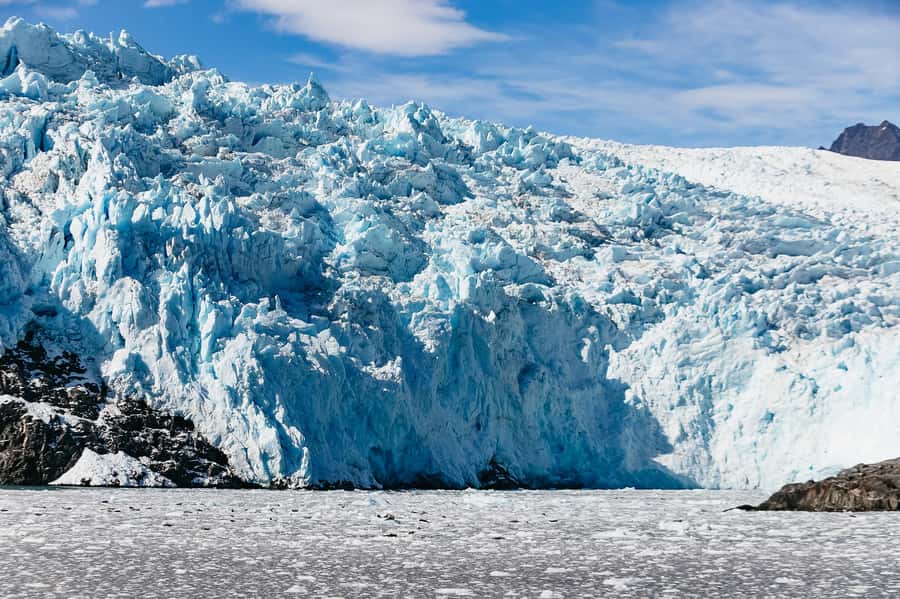
- Tidewater glacier stop: You’ll get a real chance to see calving, when conditions allow.
- Wildlife variety is the point: Expect sea otters, puffins, seals, and possible whales and porpoises.
- Lunch is built in: Turkey, roast beef, or vegetarian deli sandwiches, plus coffee/tea/water.
- Catamaran speed means motion: It’s stable, but you should still plan for some chop.
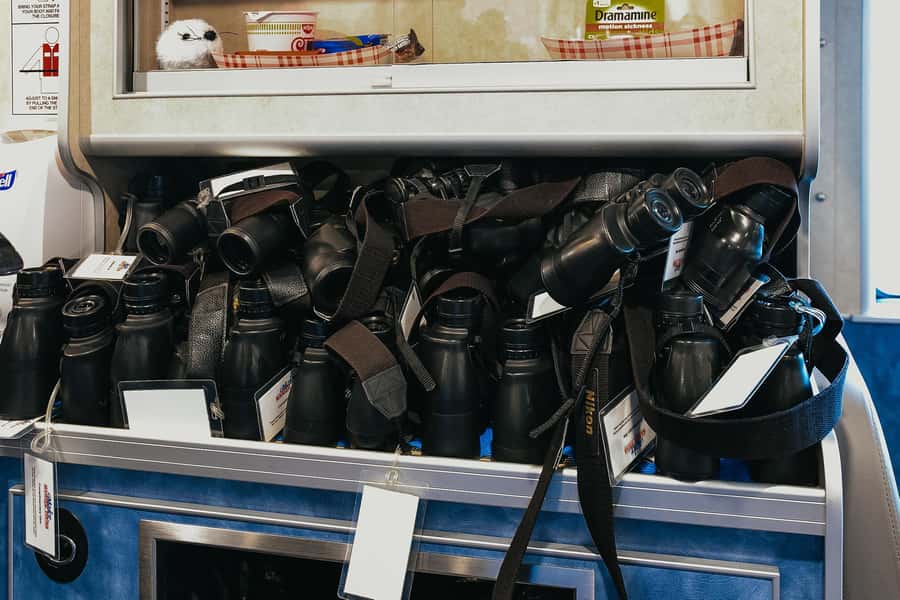
- Binoculars come with the ticket: Helpful for spotting puffins and seals at the right moments.
Kenai Fjords on a catamaran: why this cruise works
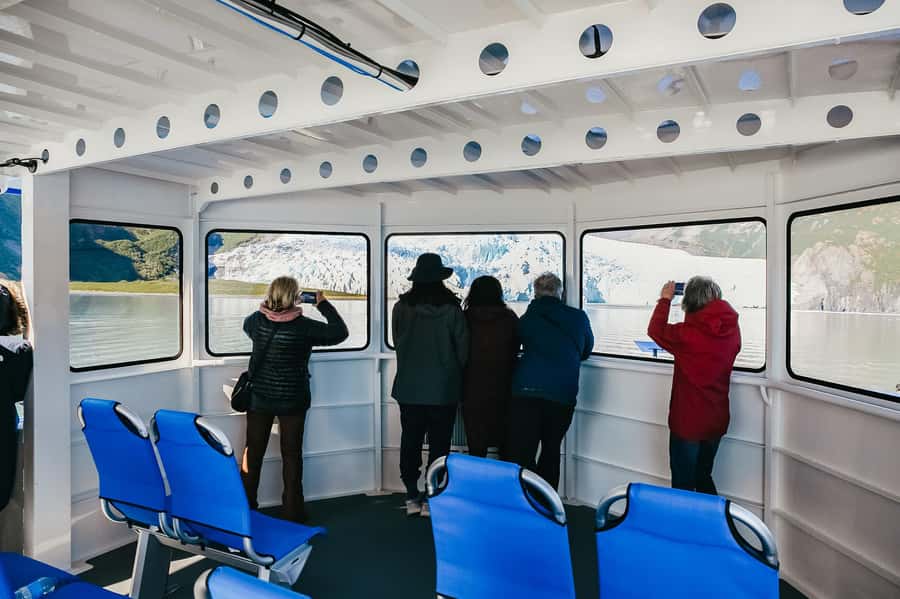
Kenai Fjords National Park is the kind of place that looks dramatic from a road viewpoint. From the water, it’s in a different category—fjords, cliffs, and tidewater glaciers keep changing as you move. That’s why a catamaran is such a good match here: fast enough to search widely, stable enough to keep you comfortable while you scan.
I like that this isn’t a silent scenic cruise. The captain guide provides commentary and regional context as you head out of Seward, so your stops feel purposeful instead of like you’re just passengers on a route.
Also, this timing is practical. A full-day trip is great, but if you’re trying to stack Alaska days without losing your whole schedule to boats, a 6-hour format can be the sweet spot.
You can also read our reviews of more tours and experiences in Seward.
Getting on board in Seward: check-in timing and what to wear
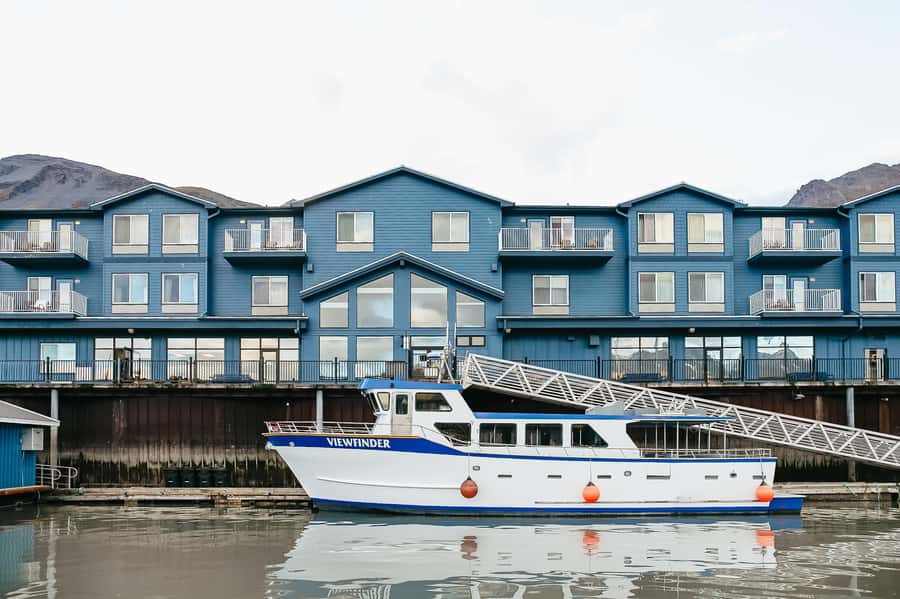
You meet back at the Harbor 360 Hotel area. Plan to check in 1 hour before departure at the tour desk inside the Harbor 360 Hotel lobby. The cruise ends back at the meeting point, so you’re not stuck figuring out transport at the end of a long cold day.
For clothing, think layers and wet-proofing. You’ll want warm clothing, gloves, a hat, and closed-toe shoes, plus a waterproof jacket—even if the sky looks friendly at check-in. Cash is also recommended, since alcohol is available for purchase onboard.
Practical tip: on cold marine days, your hands and ears get tired fast. Gloves help a lot, and a hat keeps you from feeling miserable while you’re standing still to spot wildlife.
Resurrection Bay wildlife hunt: what you’ll actually look for
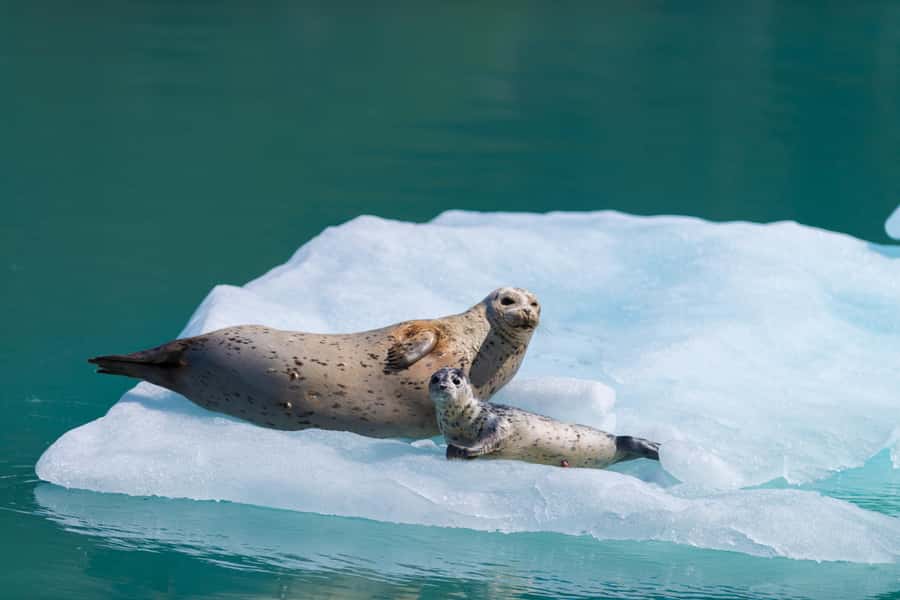
The cruise starts with searching the protected waters of Resurrection Bay in the Gulf of Alaska. This is where the “moving safari” feeling kicks in. Your captain will guide you to good areas and point out what to watch for, so you’re not just staring into gray-blue water and guessing.
Here’s what you may see, and it’s worth planning your expectations around variety rather than one big guarantee:
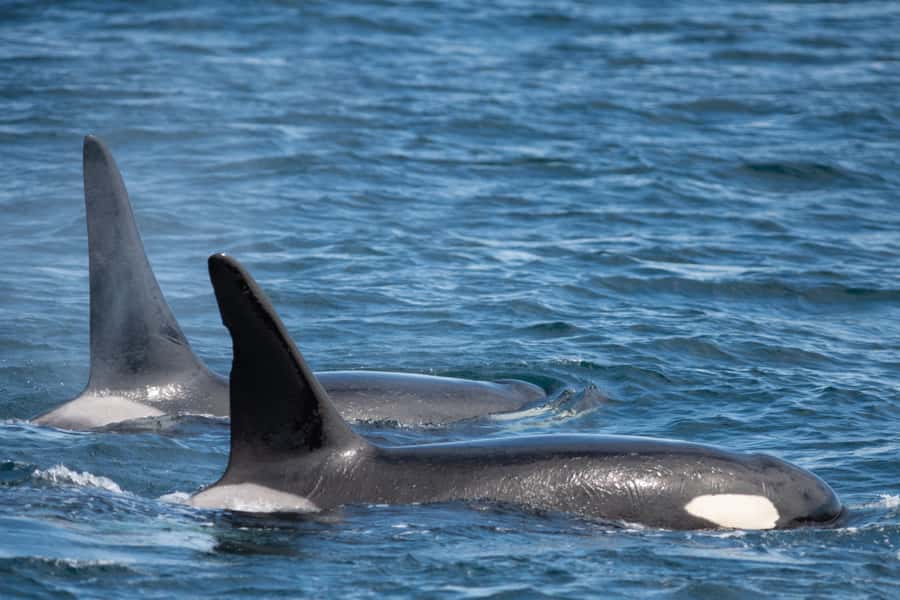
- Whales like orcas and humpbacks (sightings aren’t promised)
- Dall’s porpoises
- Steller sea lions and other seals
- Sea otters
- Seabirds such as puffins and more
- Shoreline wildlife you can spot from the water
One thing I appreciate about this style of cruise is the time spent looking. On better days, the captain and crew actively work a sighting—slowing down or adjusting course so you get real viewing time, not a quick drive-by.
If you’re hoping for big whale moments, it helps to know what “chance” looks like here. Peak whale season is mid-May to early August, but weather and animal movement decide what you get on the day. Your best strategy is to go in wanting multiple smaller wins: birds, otters, and seals can be almost as satisfying as a whale surface.
The tidewater glacier stop: calving you can’t fake
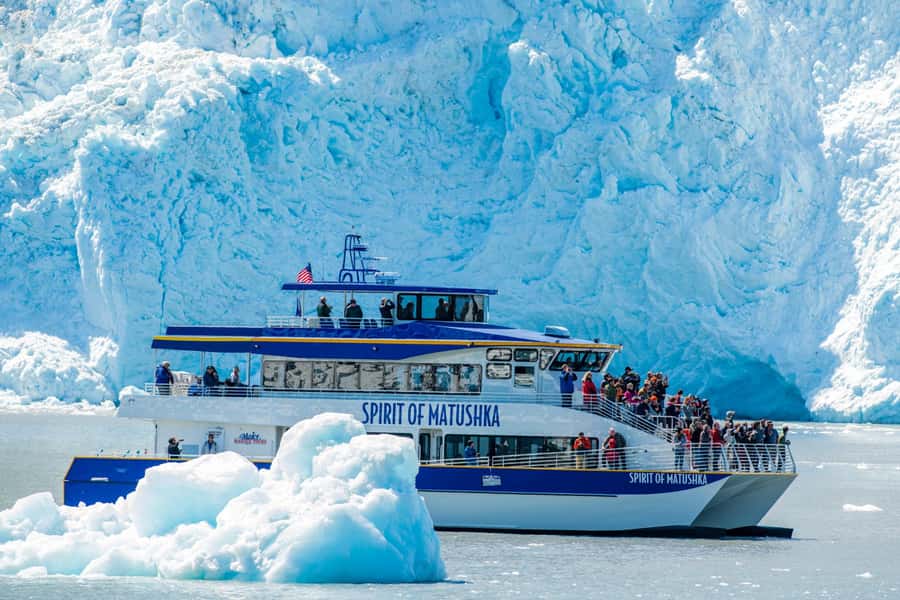
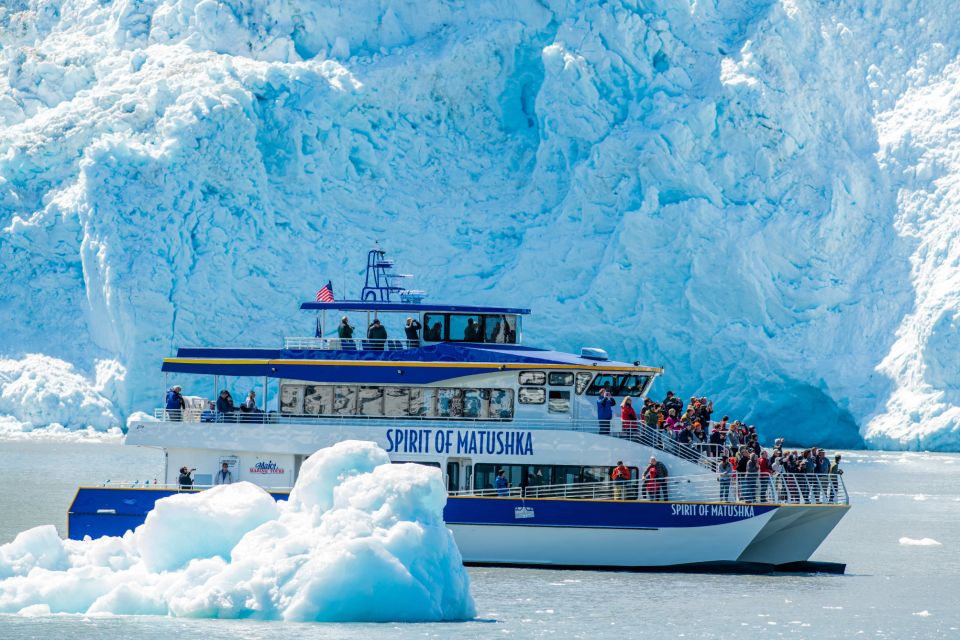
The glacier is the dramatic punctuation mark of the trip. At some point, you’ll stop to admire a towering tidewater glacier, where chunks of ice can break off and crash into the water.
This is the part you can’t fully predict. Calving depends on the glacier face, temperature, and conditions on the day. Sometimes you’ll get a front-row moment. Sometimes you’ll get a beautiful view with less action than you hoped for. Either way, you’re seeing a true Gulf of Alaska tidewater system, not a distant photo angle.
A nice bonus here is perspective. When you watch calving from the water, you see how wide the ice field is and how the ocean shapes it. It makes the glacier feel alive and immediate.
If you’re pairing this with other Alaska plans, keep expectations realistic: this is not a guarantee that the glacier will put on a show every minute. But it’s absolutely one of the experiences that makes this route worth doing by boat.
Lunch on board: deli-style comfort in the cold
Lunch is simple and practical: a deli-style sandwich while you’re out on the water. You can choose turkey, roast beef, or vegetarian. On top of that, the cruise includes coffee, tea, and water.
This matters more than it sounds. Weather at sea can turn chilly fast, and eating something warm-ish and filling keeps you from spending the afternoon in survival mode. It’s also one of those “I’m glad this is included” details for a cruise that otherwise could feel like nonstop spotting and standing.
On the bar side, alcohol isn’t included. If you want local beer or a cocktail, you can buy it onboard. In cold weather, I’d still prioritize warm layers and water first—then enjoy the drink if you want it.
Captain narration and crew help: the difference between good and great
What makes this cruise feel high quality is the human layer. The captain guide isn’t just reading facts. They’re watching the water, pointing out animals, and steering so you get viewing opportunities.
You’ll also feel it in the crew behavior. In past departures, captains like Laura, Nicole, and Chris have been praised for knowledgeable, actively guided spotting. Crews named Peyton, Michaela, Jack, and others have also stood out for being helpful and engaged with passengers.
That kind of service matters on a catamaran. Wildlife spotting is easier when someone helps you understand what you’re seeing—puffins vs. other seabirds, or what to scan for when you spot a floating “dot” that turns into a seal.
Comfort on a high-speed boat: motion, sound, and where to stand
Even with a stable catamaran, this is still a fast boat in open waters. The most common comfort issue is that parts of the ride can be choppy, especially when the crew moves quickly to reach the best areas.
This is where you can plan smarter:
- If you’re motion sensitive, consider motion sickness meds ahead of time and keep an eye on your comfort. Some passengers recommend Dramamine.
- If things get rough, staying seated and holding onto stable spots helps.
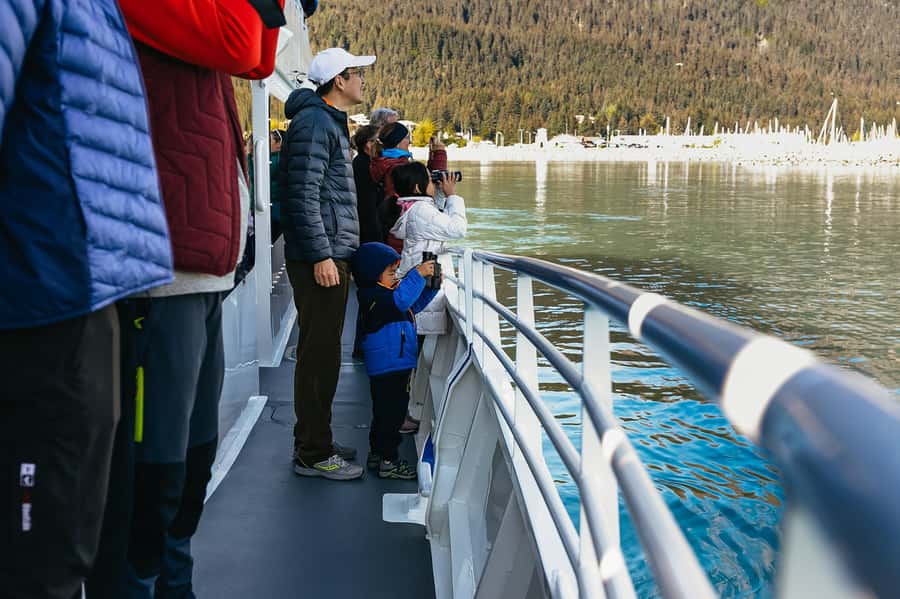
- If you want the best viewing, you’ll still probably step outside, but consider that the captain’s voice can be harder to hear from the deck if you’re farther out.
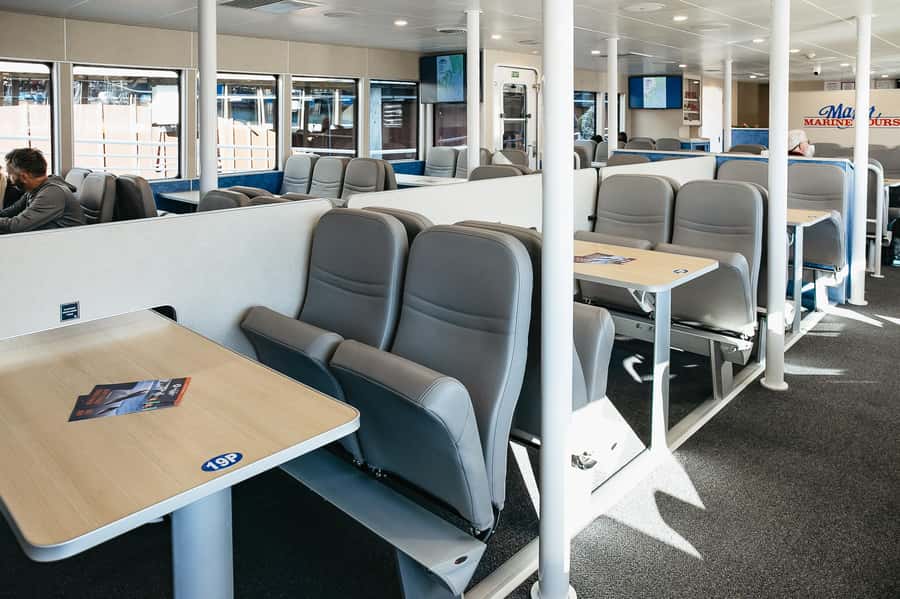
One more comfort note: indoor seating can be a lifesaver. There’s an option for indoor seating, and some people like it because you can get a break from the cold while still staying in the action.
Value for $250: what you’re paying for and what you’re getting
At around $250 per person, you’re paying for three things at once:
- Access to Kenai Fjords areas that are only realistic by boat
- A high-speed catamaran experience that can search for wildlife
- Onboard inclusions that keep you fed and warm
You do get built-in extras: binoculars, a captain guide, and drinks like coffee/tea/water. Lunch is included too, with set sandwich choices. For many people, that pushes the “value” from expensive to reasonable, because you’re not constantly buying snacks or arranging separate meals during the trip.
Is it a bargain? No. But in Alaska, wildlife-spotting cruises are rarely cheap. For the price, you’re buying time on the water in the right places—Resurrection Bay plus a glacier stop—and the chance to see multiple species in one trip.
Who this cruise is best for (and who should look elsewhere)
This is a good match if you:
- Want wildlife and a tidewater glacier without spending all day commuting or on multiple tours
- Like the idea of active searching, not just a slow scenic route
- Enjoy learning from the captain guide as you go
- Want lunch and warm drinks included
It may not be the best match if you’re extremely prone to seasickness or you hate the idea of standing outside in wind and spray. The cruise can be choppy at times, and it’s not a quiet, always-comfortable boat ride.
If you want maximum whale odds, keep in mind that sightings aren’t guaranteed. This tour gives you strong chances, but the ocean decides the schedule.
Should you book this Kenai Fjords catamaran cruise?
I’d book it if your priority is one efficient, high-impact day: wildlife hunting in Resurrection Bay plus a real tidewater glacier stop, with lunch already handled. The combination of included binoculars, guided narration, and onboard food turns it into a full experience instead of a pay-to-sit-there deal.
Don’t book it assuming you’ll definitely see whales. Plan to be happy with sea otters, puffins, seals, and the glacier moment, and you’ll feel like you won even on a gray day.
If you’re reading this thinking comfort and sound matter, dress for cold, and decide ahead of time how long you’re willing to stay outside on deck when it gets windy. Get that part right, and this cruise becomes one of the most memorable ways to experience Seward and Kenai Fjords.
FAQ
What’s the duration of the cruise?
The cruise is listed as 6 hours.
Where do I check in for the Seward departure?
Check in 1 hour before departure at the tour desk located inside the Harbor 360 Hotel lobby.
Is lunch included, and what are the options?
Yes. Lunch is included and is deli-style, with options of turkey, roast beef, or vegetarian.
Are alcoholic drinks included?
No. Alcoholic beverages are not included, but they are available for purchase onboard.
What wildlife might I see?
The chance exists for orcas, humpbacks, Dall’s porpoises, Steller sea lions, harbor seals, sea otters, seabirds, and more. Whale sightings cannot be guaranteed.
What should I bring?
Bring comfortable shoes, warm clothing, a hat, gloves, closed-toe shoes, thermal clothing, and a waterproof jacket. Binoculars are also suggested (binoculars are included, but you may want your own). Cash is recommended.
Are drones or large bags allowed?
No. Drones, tripods, and luggage or large bags are not allowed. Baby strollers are also not allowed, and smoking is not allowed.