REVIEW · HOUSTON
Space Center Houston Admission Ticket
Book on Viator →Operated by Space Center Houston · Bookable on Viator
Houston has a real mission control vibe. This full-day Space Center Houston admission ticket is interesting because it mixes big, kid-friendly hands-on learning with serious NASA history, including the famous public view of moon rocks and lunar samples. I also like how the ticket includes the NASA Tram and key indoor stops like the Mission Briefing Center and Starship Gallery, so your day doesn’t rely on finding extras. The main drawback to plan around: some tram and program spots (especially training-style add-ons) can be tough to secure unless you show up early.
This is a self-guided experience, so you set the pace. You’ll start by making your own way to the center at an entrance time that works for you, then move between exhibits, movies, and interactive areas without a fixed-group schedule. The mobile ticket is convenient, and the whole setup makes it easy to stay for as little as you want—or commit to a full day if space has you hooked.
One more practical heads-up: food and a few popular add-ons cost extra, and the on-site food area can get busy. If you’re budgeting, plan for lunch at the Food Lab (or bring snacks if that’s allowed by the venue) and expect souvenir photos and simulator-style attractions to raise the total.
In This Review
- Key Highlights You’ll Want to Time Right
- Space Center Houston Admission: Flexible Entry, Self-Guided Pace
- The NASA Tram Experience: Your Best Shortcut to Seeing More
- Mission Briefing Center: Hands-On Space Science That Works for Everyone
- Starship Gallery: Great Storytelling, Not Always “Old Gear” Heavy
- Lunar Samples and Moon Rocks: The Main Reason People Keep Talking
- Planning the Day: How Long to Stay and What to Schedule First
- Optional Add-Ons and Paid Experiences: Where Extra Money Might Be Worth It
- Food, Photos, and Shopping: The Budget Reality Check
- Who Should Buy This Admission Ticket
- Should You Book This Space Center Houston Ticket?
- FAQ
- What does the Space Center Houston admission ticket include?
- Do I need to join a group tour?
- How long should I plan to spend?
- Are food, parking, and simulator rides included?
- Is the ticket mobile?
- Is an audio guide included?
- What if I need to cancel?
Key Highlights You’ll Want to Time Right
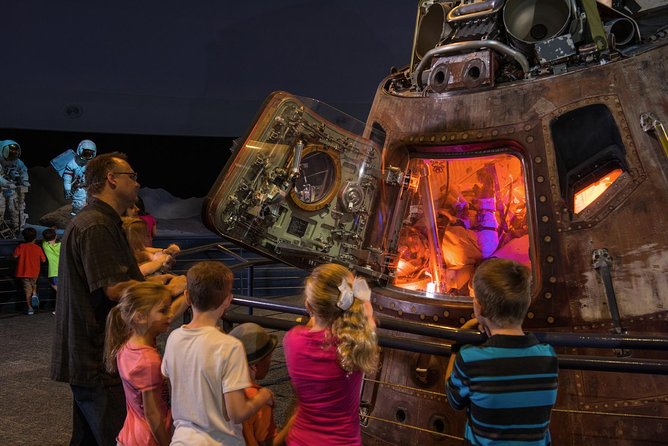
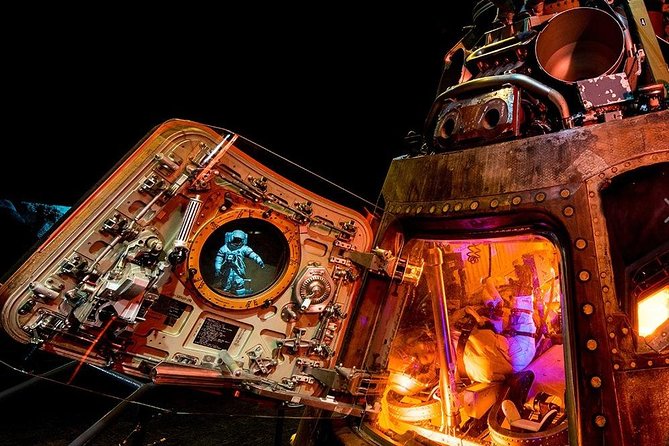
- World-class lunar samples on display: a huge public collection of moon rocks and lunar specimens
- NASA Tram included: a guided-style route that helps you connect the dots around the site
- Mission Briefing Center stops your walk cold: interactive, mission-focused learning for all ages
- Starship Gallery adds hands-on and big-screen storytelling: good for mixing with tram time
- Optional tours can sell out fast: especially anything that feels like astronaut training
Space Center Houston Admission: Flexible Entry, Self-Guided Pace
This ticket is built for independence. You choose an entrance time during operating hours and then explore at your own speed. That matters because Space Center Houston is not the kind of place where every room is a quick hit; some areas reward lingering, reading labels, watching short films, and looping back when you realize you missed something.
I like that the included package is structured. You’re not wandering aimlessly hoping to find the “real” stuff—you have anchored stops like the Mission Briefing Center and Starship Gallery, plus the NASA Tram ride. In practical terms, that means you can plan a day that feels complete even if you don’t add on every paid attraction.
If you’re traveling with kids, the self-guided format is a quiet win. You can pause for hands-on displays, let them run with an activity for a few minutes, then regroup. If your group includes adults who want deeper NASA context, you can spend longer in the mission-focused areas and still keep things fun for younger visitors.
You can also read our reviews of more tours and experiences in Houston.


The NASA Tram Experience: Your Best Shortcut to Seeing More
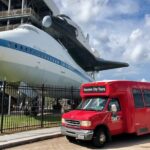
The included NASA Tram ride is the move that helps you turn a long visit into a coherent one. Without it, you’d still get plenty of exhibits, but the tram adds context and flow by connecting key parts of the complex in a way that feels like a guided route.
Here’s the catch: while the tram ride is included with admission, some tram-related reservations for specific programs can be harder to land. The consistent advice is simple—arrive early and check the day’s schedule as soon as you’re on site. People who wanted astronaut-training-style experiences have run into sold-out situations when they delayed.
To make this easier, treat your first hour as planning time. Ask staff at the information points about the next available tram slots and any time-based talks or films. Then fit the rest of your day around that. It’s the difference between feeling rushed and feeling like you’re steering your own visit.
Mission Briefing Center: Hands-On Space Science That Works for Everyone
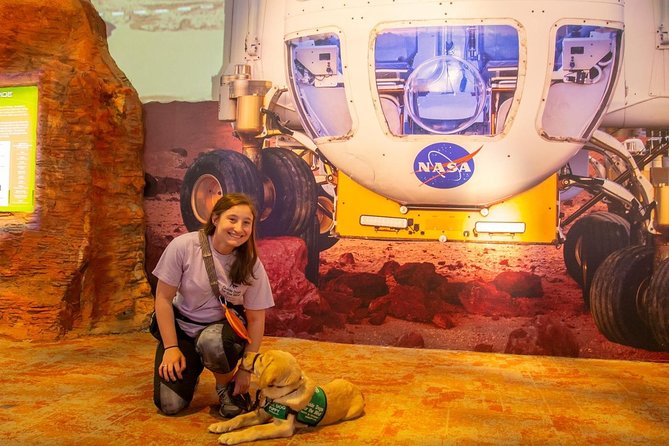
The Mission Briefing Center is where the visit becomes more than just display cases. The vibe is mission-focused and designed for adults and kids alike, with interactive elements meant to get you thinking like a flight team—what you’d do, what you’d check, and why missions are hard even when they go well.
This is also a good area if you’re traveling with mixed ages. You can let younger visitors focus on interactive displays while adults can spend time absorbing mission context. If you’re the type who likes to watch short films, the center’s programming structure helps you build a mini itinerary inside your day.
A practical tip: don’t try to cram every room back-to-back. After you hit the Mission Briefing Center, give yourself a breather before heading to the Starship Gallery or back to tram areas. The content is engaging, but you’ll get more out of it if you pace your energy.
Starship Gallery: Great Storytelling, Not Always “Old Gear” Heavy

The Starship Gallery is an important included stop, and it’s worth your time for the storytelling and the way it connects space themes to what you can imagine next. It’s also a useful “reset” space if your group needs something indoors, or if you want a break from moving between exhibits.
That said, some visitors feel the gallery is more about modern presentation than older equipment. If you’re hoping for a lot of classic hardware close-up, you might find that the tram and other areas are where the most tangible pieces show up.
Still, for most people, the Starship Gallery is a solid anchor. Plan it after your first tram segment so you’re already warmed up on NASA history and can follow the narrative with less mental switching.
Lunar Samples and Moon Rocks: The Main Reason People Keep Talking
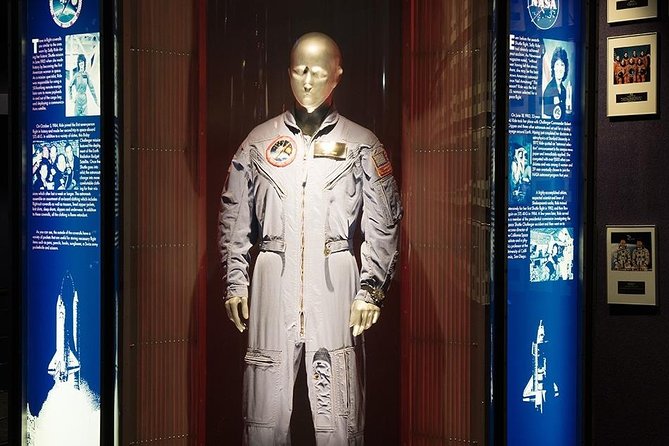
If there’s one thing that makes this admission ticket feel genuinely special, it’s the moon rocks and lunar samples. Space Center Houston is known for having an enormous public collection, and it’s the kind of exhibit where the time you spend pays you back.
When you’re standing there, take a beat before you read everything. First, look for the big story: these aren’t just rocks. They’re physical evidence from missions, and they help explain how scientists analyze the moon and what we learned from those missions.
Then do the slow part: read labels and notice how the samples are displayed with context. This is where you’ll start connecting the dots between what you saw in mission areas and what the samples mean in the real world. It’s also a good spot to break for photos without making the whole visit feel like a photo shoot.
If you only have a few hours, this is where I’d prioritize your time.

Planning the Day: How Long to Stay and What to Schedule First
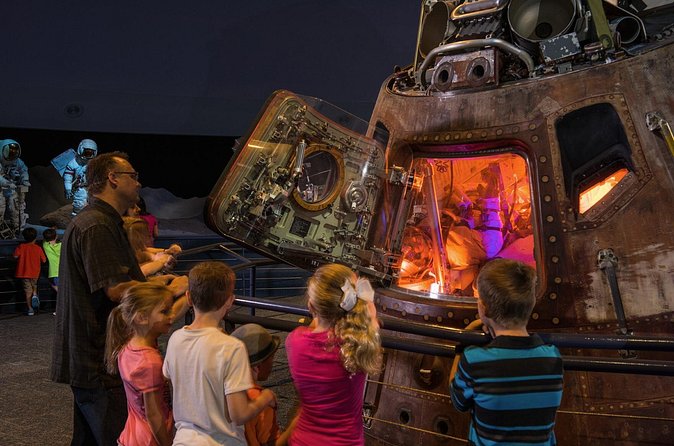
A full-day visit is the best fit for this ticket. Some visitors recommend at least 4+ hours, and the people who spent from opening until close tended to leave happier because they didn’t feel like they skipped half the fun.
Start your planning around three time-based things:
- Tram availability and any included routes that you want to catch early
- Showtimes for films and talks (these can shape your flow through the day)
- Any paid add-ons you choose to include, especially if they involve time slots
One helpful mindset: build a “core day” first. Your core is the included admission with the NASA Tram, Mission Briefing Center, and Starship Gallery, plus self-guided time in the exhibits and lunar samples. Only after that should you add paid experiences like simulator rides.
Also, if you’re the type who gets frustrated by moving schedules, take a screenshot of posted or shown time listings when you arrive. Schedules can change, and screens can move fast.
Optional Add-Ons and Paid Experiences: Where Extra Money Might Be Worth It
Your ticket covers all exhibits and attractions that come with admission, but a few high-demand experiences cost extra. Based on what’s available on-site, here’s what to consider:
- Simulator rides: available for purchase
- Souvenir photos: available for purchase
- Historic Mission Control Tour: can be booked on-site for an additional cost
- Audio guide: available in English and Spanish for an additional fee
- On-site food: available for purchase (so budget for it)
If you want the “next level” NASA access, the biggest value add-ons are the tours and training-style experiences that run on specific schedules. Those can sell out, which is why early arrival matters. Some people also recommend checking guest services for extra tour tickets related to training facilities and nearby rocket-themed spaces.
If you’re a space nerd, plan to budget time and money for at least one extra experience beyond the included stops. If you’re simply space-curious, you can skip the extras and still feel like the day was solid.
Food, Photos, and Shopping: The Budget Reality Check
On-site food is handled by the Food Lab, and it’s convenient because it keeps you from losing hours commuting or hunting down meals. But it’s not cheap, and it can be busy. If your group is hungry at noon, show up with patience and give yourself time to order.
Photo packages and simulator add-ons can also push costs up fast. Souvenir photos aren’t included, and the pricing for photo options can feel steep. The gift shop is another place where spending can creep—so decide early what you’ll buy (if anything) and set a small cap.
My practical advice: bring a plan for hunger and photos. That way, money doesn’t leak out of your day in the moments you’re least thinking straight.
Who Should Buy This Admission Ticket
This ticket fits best if you want a flexible, high-value day focused on NASA history and hands-on learning. It’s especially good for:
- Families who need a day that entertains kids without boring adults
- Couples who like science content but want an easy-going schedule
- Groups that want a strong core experience without locking into a guided tour format
It also works well for mixed interests. You can spend time in the mission-centered areas, then mix in the big visual storytelling and the lunar sample exhibit. Add-ons are there if you want them, but you’re not forced into paying for everything.
If you want English or Spanish audio guidance, that’s available for an extra fee. Service animals are allowed, and most people can participate.
Should You Book This Space Center Houston Ticket?
Yes, if you want a full-day, self-guided NASA learning experience with real anchors built in: the NASA Tram, Mission Briefing Center, and Starship Gallery, plus top-tier lunar samples. At around $32.63 per person, the value is strongest if you plan to actually spend time there—think several hours minimum, not a quick stop.
Skip it (or keep expectations tighter) if you’re only looking for classic “old hardware” close-ups or you’re trying to squeeze in every timed program. Some time-based experiences sell out quickly, and if you miss them, the day can feel more like an exhibit tour than a once-in-a-lifetime training day.
If you book, do yourself a favor: arrive early, check showtimes fast, and build your day around the included core first. Then decide what paid add-on is truly worth your money.
FAQ
What does the Space Center Houston admission ticket include?
The ticket includes entry to Space Center Houston and access to the included exhibits and attractions, including the NASA Tram, Mission Briefing Center, and Starship Gallery.
Do I need to join a group tour?
No. This is a self-guided experience. You can explore at your own pace once you enter.
How long should I plan to spend?
Plan for a full day or at least several hours. Many visitors recommend giving yourself 4+ hours, and the ones who stayed from opening to close got the most out of the day.
Are food, parking, and simulator rides included?
Food and drinks are not included (available for purchase at the Food Lab). Parking costs extra, and simulator rides are available for purchase.
Is the ticket mobile?
Yes. The experience is listed as a mobile ticket.
Is an audio guide included?
An audio guide is available in English and Spanish, but it’s an additional fee.
What if I need to cancel?
This experience is non-refundable and cannot be changed for any reason. If it’s canceled due to poor weather, you’ll be offered a different date or a full refund.