REVIEW · KAUAI
Waimea Canyon Downhill Bike Ride
Book on Viator →Operated by Keko Adventure Tours · Bookable on Viator
You ride downhill fast, but it’s the stops that make it special. This Waimea Canyon downhill bike ride is built around a van climb for views and then an 11.7-mile paved coast where you can actually feel the canyon air. You’ll hit major overlooks and also get time in quieter spots with guides who know where to look.
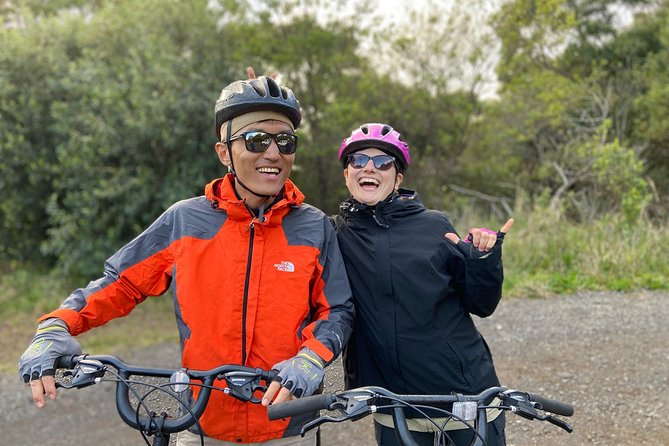
What I really liked: the hybrid bikes plus safety gear (helmet and gloves are provided) make this feel approachable even if you’re not a hardcore cyclist. The other standout for me is the guidance from Ernesto and Tom, with lots of local history and ecology talk, plus frequent photo moments that help you come away with real keepsakes.
One thing to consider: you’re riding as a group on public asphalt roads with wind and bends. If you get car sick in vans or you’re nervous about bike control on open roads, plan carefully (and tell your guide on day-of).
In This Review
- Key highlights worth planning for
- Why this Waimea Canyon ride feels different from typical tours
- Timing and group size: your 4 hours will move
- The van ride up: more than transport, it’s your orientation
- The downhill on public asphalt: thrilling, but safety is the rule
- A caution on what safety can change mid-ride
- Stop-by-stop: what each place adds to the ride
- Waimea Canyon State Park: the big canyon first
- Na Pali Coast State Park: canyon meets ocean drama
- Kokeʻe State Park: a pause that sets up the rest
- Niʻihau, the forbidden island: the view is the point
- Awaawapuhi Trail and Waimea Canyon Trail: the day gets more specific
- Kekaha Beach: the finish line and the photo moment
- What you get for $154.97 and why it feels fair
- How to prepare: closed-toe shoes are non-negotiable
- Who should book this downhill bike ride (and who shouldn’t)
- Should you book the Waimea Canyon downhill bike ride?
- FAQ
- How long is the Waimea Canyon downhill bike ride?
- What’s included in the price?
- Where do we meet for the tour?
- Is hotel pickup included?
- Is this mountain biking or riding on paved roads?
- What should I wear?
- What fitness level do I need?
- Are there weight, height, and age limits?
- How many people are in the group?
- What happens if the weather is bad?
Key highlights worth planning for
- Van-assisted Waimea Canyon climb with multiple photo stops and breaks before the bike portion
- 11.7-mile paved downhill with average speeds around 17–20 mph and a chance to go quicker if you feel confident
- Small group size (max 10) for better pacing and more attention from the guides
- State-park entry fees included across Waimea Canyon, Kokeʻe, and Na Pali Coast State Wilderness Park
- Sunset at Kekaha Beach, timed for golden light (with a small reality check on the exact sunset view)
Why this Waimea Canyon ride feels different from typical tours
This isn’t a slow, stop-and-stare canyon tour. It’s a two-part experience: you build the story and get oriented from the van, then you fly downhill on a bike along smooth pavement. The contrast is what makes it memorable.
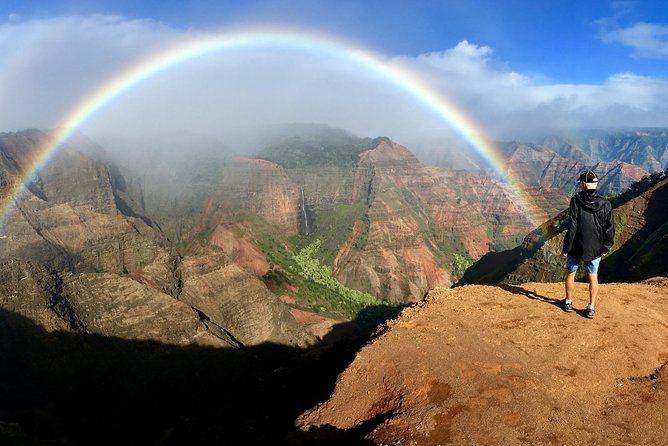
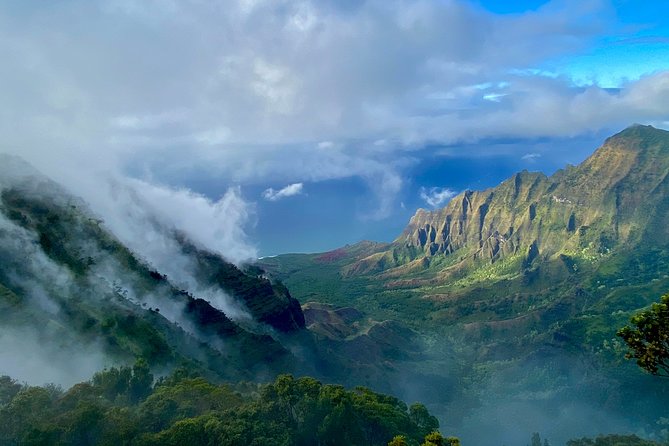
What you’re chasing is the real “Grand Canyon of the Pacific” feeling, with deep canyon walls, dramatic drops, and ocean views in the distance. Then you connect that to Niʻihau, the so-called forbidden island, and finish near Kekaha for Pacific light and wave sounds.
You also get something most people don’t get: a guided experience that mixes big viewpoints with calmer angles. That matters on Kauaʻi, where the best moments are often about where you stand—not just that a place exists.
You can also read our reviews of more tours and experiences in Kauai.
Timing and group size: your 4 hours will move
The whole outing is about 4 hours. Most of the day’s “work” happens early: you start by meeting in Hanapepe at Paco’s Tacos, then you head up in the van. Expect a fair bit of riding time in motion, especially on the climb, because you’re stopping along the way.
Group size is capped at 10. That small number changes everything: you’re less likely to get lost in the shuffle, and the guides can keep an eye on spacing when the road gets windy. It also helps with confidence if you’re a newer rider, because the group moves at a controlled pace.
On the bike itself, the downhill takes about 45 to 55 minutes. Guides pace the ride so the group stays comfortable, and you’ll have a second stretch where confident riders can pick up speed.
The van ride up: more than transport, it’s your orientation
The van portion is part scenic drive, part briefing. You’ll stop at panoramic lookouts and hidden spots along the way up, then you get the local context before you ever touch the pedals.
This is where you learn how to read the terrain you’ll be biking later. You also get a mental map: where the canyon walls open, where wind tends to hit harder, and how the road curves. That makes the downhill feel less like a surprise and more like a planned route.
One practical note from real rider experience: the van ride can be long enough that motion sickness is possible for some people. If you’re prone to it, consider taking medicine ahead of time, and don’t wait until you feel sick.
Also, the van portion includes breaks, and some people have noted restroom stops on the way up. That’s not just comfort—it helps you start the downhill feeling steady instead of rushed.
The downhill on public asphalt: thrilling, but safety is the rule
Once you’re at the top, you switch to a hybrid bike and start the main event: a nearly 12-mile downhill along smooth paved roads. You’ll feel the pace because average speeds are around 17–20 mph, and the wind can add extra intensity.
This is not mountain biking. That’s a big difference for your expectations. You’re on public asphalt with real traffic conditions nearby (even if you may see lighter traffic at that time of day). It’s also a road with curves, so your job is control and awareness, not jumping or technical riding.
What I appreciate is how the tour is structured around group riding at moderate speed. You’re expected to feel comfortable riding in a group on winding, windy public roads. If you’re anxious about that, this tour is likely to stress you out rather than thrill you.
Helmet and gloves matter here, and they’re provided. The guides’ safety focus is part of why this has a huge rating. They also adjust attention based on how the group is riding, because one rider’s issue can become a problem for everyone quickly.
A caution on what safety can change mid-ride
There’s a real-world possibility that a guide may pause a rider and move them to the van if they can’t safely continue (for example, if they lose control). That’s not the vibe you book for, but it’s part of how risk management works on a paved downhill with speed. If you want to ride all the way, be honest with yourself about your control skills and stay fully focused once you start.


Stop-by-stop: what each place adds to the ride
The itinerary is built so you’re not just getting viewpoints—you’re getting context. Here’s how the stops matter and what to watch for.
Waimea Canyon State Park: the big canyon first
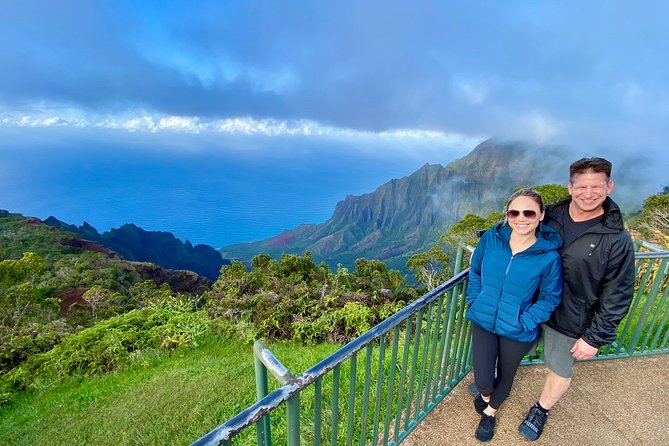
Waimea Canyon State Park is the opening chapter. This is where you lock in the scale: canyon walls, depth, and those classic Pacific-blue glimpses. It’s also where you start to understand why this area is such a famous signature of Kauaʻi.
The upside of starting here is that the later downhill feels connected. You’re not biking through random scenery—you’re moving through a place you’ve already seen from above.
A small drawback: because you’re spending time acclimating and looking around, this isn’t the kind of tour where you just want to get on the bike immediately.
Na Pali Coast State Park: canyon meets ocean drama
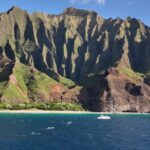
Next comes the Na Pali Coast State Park area, where the canyon look and the coast view start to blend. This is the part that makes the ride feel “wide,” like you’re getting more sky and ocean into the frame as you descend.
This is also where your guide’s stories land. You’ll hear about the land and what it means, not just dates and facts. When guides like Ernesto and Tom talk about what you’re seeing, the canyon stops feel more personal.
Kokeʻe State Park: a pause that sets up the rest
Kokeʻe State Park is a key transition point. It’s not just scenery; it’s about getting your group oriented as the day continues.
If you’re the type who likes to take photos steadily, you’ll appreciate the structure. If you hate stopping and restarting, you may wish the pace was more constant—but that’s the tradeoff for seeing the good angles without rushing.
Niʻihau, the forbidden island: the view is the point
Niʻihau is often described as the forbidden island, and on this day it’s about what you can see from the overlooks. You’re not doing a boat trip or a landing here—you’re getting the perspective from up high.
That makes it a good add-on, because it ties the canyon to the wider island chain story. It also helps break up the mental monotony of just descending.
Awaawapuhi Trail and Waimea Canyon Trail: the day gets more specific
You’ll stop along trails connected to the canyon area, including Awaawapuhi Trail and Waimea Canyon Trail. These breaks are useful because they give your legs and brain a reset.
Even when you don’t walk far (the tour structure keeps you moving), trail stops help you see how the terrain transitions. And they’re a reminder that the canyon is more than a single viewpoint—it’s a system.
Kekaha Beach: the finish line and the photo moment
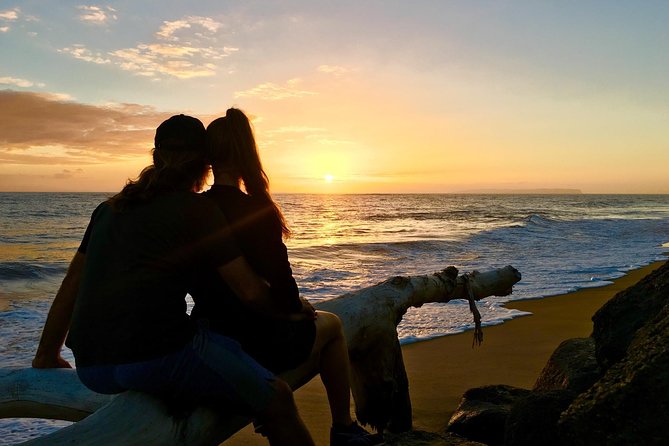
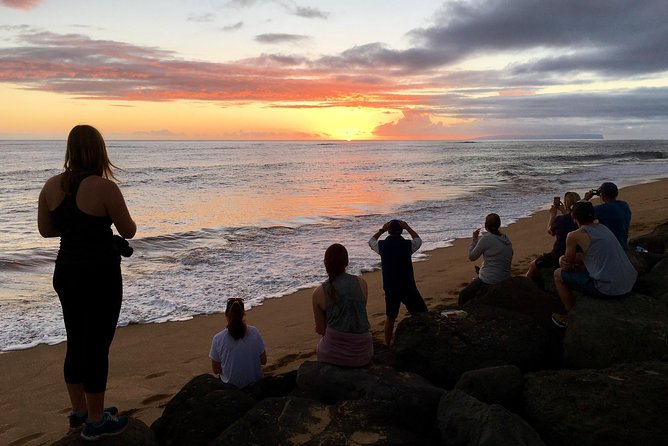
The tour ends with sunset at Kekaha Beach. This is a real highlight because the Pacific light can turn waves into something cinematic, especially right around golden hour.
That said, here’s the reality check: the exact sunset view depends on where you end up on the beach and how the sun lines up that week. One rider noted the sunset view from the finish spot wasn’t the best for them. You’re still getting a great beach atmosphere, but if you’re planning your trip around the perfect sunset framing, keep your expectations flexible.
What you get for $154.97 and why it feels fair
At about $155 per person, this tour doesn’t feel like a cheap “just ride a bike” deal. But you’re paying for a lot that would cost extra on your own.
Here’s the value side that matters:
- Bicycle, helmet, and gloves are included
- Water and juice are included
- State park entry fees are included
- You get an experienced local guide for both the van stops and the downhill routing
- The ride uses a controlled setup with a small group size (max 10)
The money mostly buys guidance and safety structure, not just access to a road. And in a place like Kauaʻi, where getting the timing right can make or break your day, that’s a smart way to spend.
What’s not included is also worth noting. You’ll want to bring basics like sunscreen (and you’ll need it even near clouds), sunglasses, and a rain layer if weather looks iffy. Cameras aren’t included either, so plan on using your own phone or camera.
How to prepare: closed-toe shoes are non-negotiable
You must wear closed-toe shoes. No sandals, no water shoes, and no exceptions. That rule is strict because you’ll be in control mode for speed and group positioning.
Closed-toe shoes also help with grip and comfort when you’re riding on paved surfaces and occasionally needing quick balance. If you’re renting shoes or packing lightly, treat footwear as a top priority.
You also need to be comfortable riding as part of a group at a moderate speed. The tour is not recommended if you have physical limitations or if you don’t feel at ease on winding public roads. That’s not the time for bravado. If you’re unsure, be the person who says so before you start.
Comfort matters in another way too: the van ride to the start can feel long for some people. If you’re the type who gets car sick, plan ahead and bring what you need.
Who should book this downhill bike ride (and who shouldn’t)
This tour is a strong fit if you want a classic Kauaʻi highlight day without needing to plan route logistics. It’s also a great choice if you’re a basic-to-intermediate bike rider who’s comfortable controlling speed and staying aware around others.
I’d especially recommend it if you like tours where guides are part entertainer and part storyteller. Riders repeatedly named Ernesto and Tom for making the day fun while still prioritizing safety. If you want more than scenery, this format delivers.
You might want to skip it if:
- you’re worried about wind, curves, and public-road biking
- you have trouble with group riding
- you get motion sickness easily on vans
- you’re looking for a slow, casual ride with minimal adrenaline
It also has clear rules: minimum age is 14, and there’s a height range of 4’11” to 6’5″, plus a weight limit of 250 lbs and a minimum weight of 95 lbs. No pregnant travelers. That’s all about bike safety and fit.
Should you book the Waimea Canyon downhill bike ride?
I think you should book it if you want one of Kauaʻi’s best “up top first, then ride down” days, with park access built in and a guide who keeps the experience safe and fun. The small group size and the guided van stops make it more than a simple ride—you get the canyon story and the downhill payoff in the same afternoon.
Skip it if public-road cycling on windy, curving asphalt sounds like stress for you rather than challenge. And if sunset is your main goal, know that the exact beach finish spot may not give the same perfect sunset framing for everyone.
If you’re comfortable with the riding basics and you like guided viewpoints, this is a very good use of a half day on Kauaʻi.
FAQ
How long is the Waimea Canyon downhill bike ride?
The total experience is about 4 hours, with the downhill portion taking roughly 45 to 55 minutes.
What’s included in the price?
You get a hybrid bicycle, helmet and gloves, bottled water plus local juice, state park entry fees, and an experienced local guide.
Where do we meet for the tour?
The meeting point is Paco’s Tacos Authentic Mexican Food at 4505 Puolo Rd, Hanapepe, HI 96716. The activity ends back at the same meeting point.
Is hotel pickup included?
Hotel pickup and drop-off are not included. The tour starts at the meeting location in Hanapepe.
Is this mountain biking or riding on paved roads?
This is riding on public asphalt roads. It’s not mountain biking.
What should I wear?
Closed-toe shoes are required, and sandals or water shoes are not allowed. No exceptions.
What fitness level do I need?
You should have moderate physical fitness and feel comfortable riding as a group at a moderate pace on windy public paved roads.
Are there weight, height, and age limits?
Yes. The maximum weight is 250 lbs and the minimum weight is 95 lbs. Height must be between 4’11” and 6’5″. The minimum age is 14, and pregnant travelers are not allowed.
How many people are in the group?
This tour is limited to a maximum of 10 travelers.
What happens if the weather is bad?
The experience requires good weather. If it’s canceled due to poor weather, you’ll be offered a different date or a full refund. You can also cancel for a full refund up to 24 hours before the start time.