REVIEW · SAN JUAN ISLANDS
Whale Watching Tour from Anacortes
Book on Viator →Operated by Outer Island Excursions · Bookable on Viator
Orcas can show up fast in Anacortes. I like how this naturalist-led cruise focuses on finding resident orca and reading what the whales are doing, not just snapping photos. I also love the small, high-speed boat vibe, where you can actually move with the hunt and spend real time watching.
Your main trade-off is the weather. Even in shoulder season, the Pacific Northwest can be cold and windy, so you’ll want layers and wind protection, or you’ll feel it more than you want to.
In This Review
- Key points to know before you go
- Anacortes orca watching: the “real” San Juan Islands cruise feel
- Getting aboard: Skyline Way and a fast start on the water
- How the whale hunt usually plays out (and why the boat type matters)
- Where you go: Anacortes out into the San Juans (and toward Canada)
- The wildlife menu: orcas, humpbacks, and gray whales plus the extras
- The guides onboard: how Captain and naturalists shape the experience
- Comfort and timing: what to pack for a 3–4 hour chill session
- Price and value: is $119 worth it for Anacortes whale watching?
- Who this tour is best for (and who should reconsider)
- Should you book this Anacortes whale watching tour?
- FAQ
- Do I need a ferry to do this whale watching tour from Seattle?
- How long is the whale watching cruise?
- Is it likely we’ll see whales, or is it hit-or-miss?
- What animals might we see besides whales?
- What should I wear for the trip?
- What happens if weather is poor?
Key points to know before you go
- High chances of whales: Whale sightings are reported on 98% of trips, with orca, humpbacks, and gray whales targeted.
- Resident orca focus: This is built around the local killer whale world, including pods that may be found quickly on some departures.
- Small, faster vessels: Up to 49 travelers, and the boat can chase conditions without the slow-tour feeling.
- More than whales: Expect seals, sea lions, porpoises, sea otters, and plenty of seabirds along the way.
- Guaranteed sightings season: Sightings are guaranteed from April through early September.
- You can warm up: Several reviews highlight interior seating when the wind bites.
Anacortes orca watching: the “real” San Juan Islands cruise feel
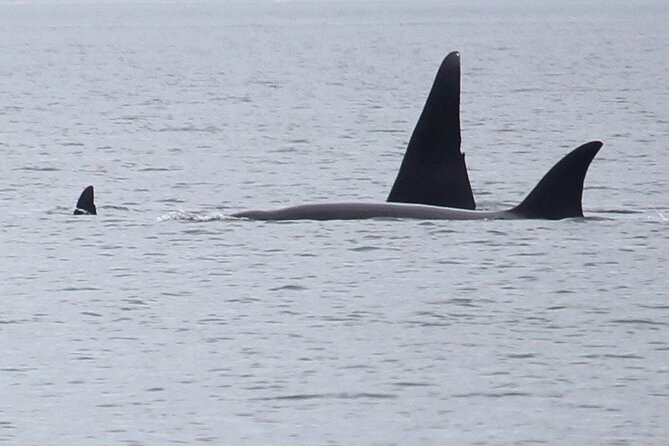
If you want the San Juan Islands at their most alive, this is a smart way to do it. You’re not stuck in a big sightseeing ship with a long intro speech and zero flexibility. Instead, you’re on a smaller Blackfish fleet vessel designed for speed and repositioning as wildlife moves.
The big reason I’d choose this type of cruise is simple: marine life doesn’t wait for schedules. On this outing, the hunt is the point. The crew looks for orca, humpbacks, and gray whales while you also scan for the smaller stars of the show, like sea otters bobbing and surfacing, and seals working the water like they own the place.
Also, Anacortes matters. It’s the home port for San Juan trips, and it keeps your day efficient. You get on the water without the ferry shuffle that can eat time (and patience).
You can also read our reviews of more tours and experiences in San Juan Islands.
Getting aboard: Skyline Way and a fast start on the water
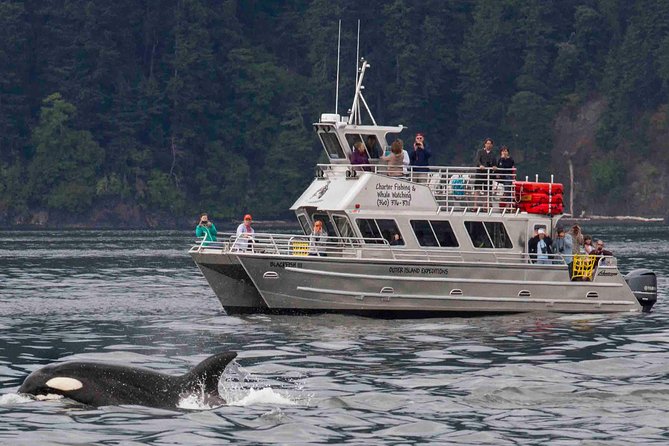
You meet at 2201 Skyline Way, Anacortes, WA 98221. The tour runs about 3 hours (often stretching closer to 3–4 hours depending on what the crew finds and how long they can safely watch).
The biggest practical win here is that you’re already in the action. Anacortes is about 90 minutes north of Seattle, and also a fairly straightforward drive from the Bellingham area. That means you can build your day without planning a ferry connection.
You’ll also get a mobile ticket, so plan to have your phone charged and ready. With a max of 49 travelers, it still feels like a shared expedition rather than a cattle-car day.
Many people like that the boat has both outdoor and interior seating. When it’s chilly, you can hop inside and still keep an eye on what’s happening outside.
How the whale hunt usually plays out (and why the boat type matters)
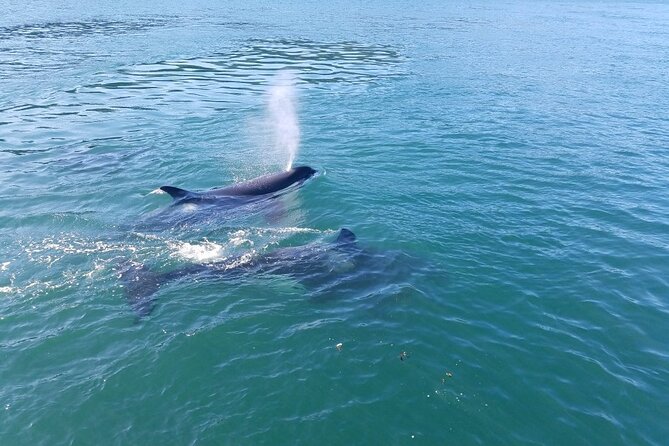
This isn’t a loop where you passively drift past scenery. The goal is to find whales, then spend time with them while following distance rules. The operator targets multiple species: resident orca, humpbacks, and gray whales. In practice, that often means the crew adjusts the route as soon as they see signs.
Some departures are quick. One review described seeing orcas within minutes. Others mention following pods for a long stretch, including times when you may track the same group for an hour or more.
You should expect the search to feel active: scanning, repositioning, and then slowing down when the crew finds something real. That “move when needed” style is exactly why a high-speed vessel matters. On slow boats, by the time you reach the spot, the whales are already gone.
And yes, you can get lucky with a feeding frenzy or close pod encounters. But the more reliable reason to book this tour is that the hunt is treated like work, not hope.
Where you go: Anacortes out into the San Juans (and toward Canada)
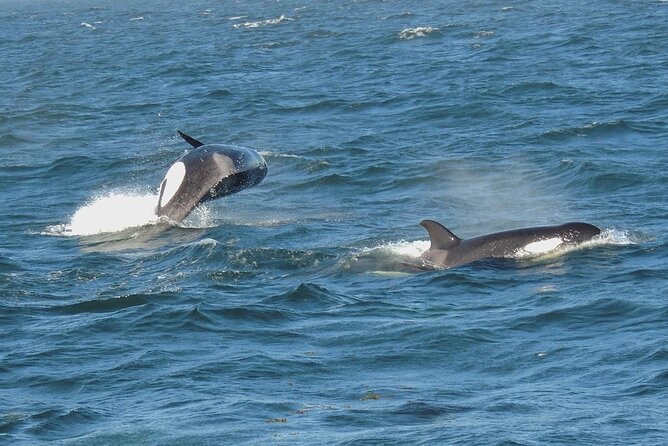
After you leave Anacortes, you’ll head through the San Juan Islands and Canadian Gulf islands in search of whales and wildlife. You’re looking at a patchwork of islands, channels, and open water that makes the whole day feel like a living map.
This is also why the scenery isn’t just a bonus. Even if whales take time to show, the route gives you lots of chances to spot seabirds riding the wind, and marine animals moving through different stretches of water.
A few reviews mention the thrill of seeing Canada from the water. That’s not something you get from a roadside viewpoint. It turns the cruise into a small geographic adventure as well as a wildlife one.
The wildlife menu: orcas, humpbacks, and gray whales plus the extras
Orca are the headline. This cruise is built around resident killer whales, and it’s common to hear about multiple pods and repeat sightings during the same trip.
You may also see humpbacks, including times where the whales are clearly engaged in feeding behavior. Gray whales are another target species, which matters if you want something beyond the typical one-species day.
Then there’s the supporting cast, and honestly it can steal the show:
- Seals and sea lions often appear while the crew is repositioning.
- Porpoises can pop up in the middle of the action, usually fast enough that you’ll want to be alert, not just watching the horizon slowly.
- Sea otters are a favorite for many people because they’re lively, small compared to whales, and often easier to notice when they surface.
- Birdlife is constant. If you enjoy spotting, you’ll likely stay busy even during whale pauses.
One thing I appreciate is that the crew doesn’t treat the smaller animals like filler. They help you connect what you’re seeing to how the ecosystem works.
The guides onboard: how Captain and naturalists shape the experience
The quality of the day often comes down to the people who explain it, and this tour leans hard into interpretation. Many trips include naturalists and captains who talk through what’s happening as you search.
Names that appear across departures include Captain Matt, plus guide-naturalist Drew and crew members such as Tiffany, Hannah, Brooke, Andy, Becca, Sam, Isabelle, Sean, and Thomas. Another skipper mentioned is Trevor, with crew members Bruno and Sean. Exact staffing can vary, but the pattern is consistent: you’re not left staring at water with no context.
What I like about this kind of guiding is that it makes the sightings feel less random. When you understand why whales move where they do and what behaviors signal feeding or travel, you watch differently. You also get better at spotting subtle clues before the big moment arrives.
And safety is part of the vibe. Reviews mention staying patient, respecting distance, and still getting great viewing angles. If you’re hoping to get right up against the animals, keep expectations grounded. The goal is long-term wildlife viewing, not risky closeness.
Comfort and timing: what to pack for a 3–4 hour chill session
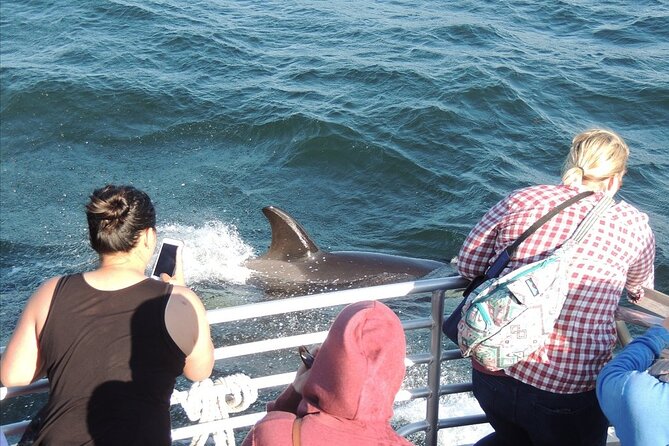
This tour can be cold and windy. That’s not a warning label; it’s just Pacific Northwest reality. In October, for example, one family noted they needed multiple layers and a raincoat to stay comfortable.
So pack like you’re going to be outside the whole time, because you might be. A few straightforward ideas that match what people reported:
- Windproof outer layer (not just a thin jacket)
- Gloves or warm layers if you run cold
- Sunglasses (glare off the water can be intense)
- Binoculars if you have them (people specifically recommend them)
- A rain layer even on partly clear days
The good news: the boat can help. Interior seating is available, and that can save you when the wind cuts through. You’ll still see plenty from inside, and you can rotate between warm cabin time and outside spotting.
Timing-wise, it’s an afternoon-style outing for many visitors. The exact start time isn’t listed here, so check your confirmation, but plan for a block of time where you can be flexible. Whale time is not stopwatch time.
Price and value: is $119 worth it for Anacortes whale watching?
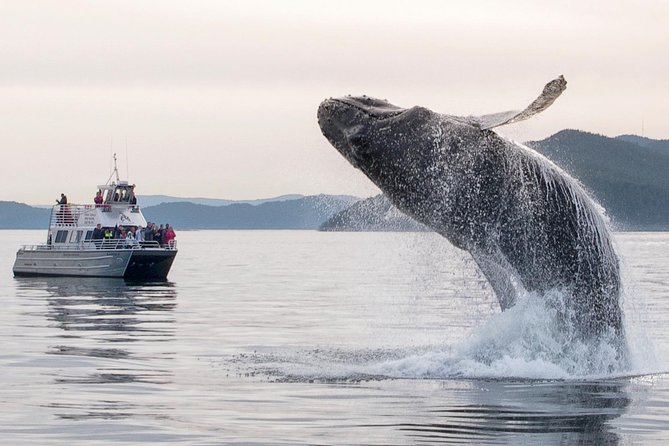
At $119 per person (plus Washington State sales tax and applicable fees), this isn’t a bargain. But it can be good value if your priority is real sightings and a guided hunt.
Here’s how I’d weigh it:
- You’re paying for the search effort. High-speed repositioning and naturalist spotting isn’t cheap, and it’s the whole point of maximizing your chance.
- Whale sightings are reported as very high. The operation reports whale sightings on 98% of trips, which is a strong odds signal for a first-time whale watcher.
- There’s a season guarantee. Sightings are guaranteed from April through early September, which is a big deal if you’re traveling with a narrow weather window.
- The experience includes wildlife variety. You’re not only chasing whales. The day can include sea lions, seals, sea otters, porpoises, and seabirds, which helps if a specific whale species takes longer.
If you already know you’ll be thrilled by whales and you’ll handle a cold wind, this price starts to look fair. If you’re the type who gets miserable on the water and hates waiting for nature to show up, you might feel the cost more than the payoff.
Who this tour is best for (and who should reconsider)
This is a great fit if you:
- Want a strong shot at resident orca and other whale species from Anacortes
- Prefer a smaller vessel over huge boats
- Enjoy learning what you’re seeing while you watch
- Don’t mind packing for cold and wind
It also works well for mixed groups. The max size (under 50) keeps it social, and the cruise isn’t so long that everyone burns out.
I’d reconsider if you:
- Have trouble with cold outdoor time and can’t comfortably dress for wind
- Want strictly guaranteed closeness to animals (viewing distance is respected and legally guided)
- Are looking for a purely scenic boat ride with no wildlife emphasis
Should you book this Anacortes whale watching tour?
If your goal is a guided, high-odds shot at orca plus a day of real marine wildlife, I’d book it. The mix of a smaller high-speed boat, naturalist focus, and reports of quick or repeated sightings makes this feel like a practical choice, not a gamble dressed as tourism.
Book it especially if you’re traveling during April through early September, when sightings are guaranteed. And if you come prepared for wind and cold, you’ll enjoy the hunt more and freeze less.
FAQ
Do I need a ferry to do this whale watching tour from Seattle?
No. This tour departs from Anacortes, and the description notes that no ferry is needed. Anacortes is about 1.5 hours from Seattle.
How long is the whale watching cruise?
It runs about 3 hours (approx.), with some trips running a bit longer depending on conditions and sightings.
Is it likely we’ll see whales, or is it hit-or-miss?
Whale sightings are reported on 98% of trips, and sightings are guaranteed from April through early September.
What animals might we see besides whales?
You may also see seals, sea lions, porpoises, sea otters, plus many types of birds.
What should I wear for the trip?
Plan for cold and wind. Reviews recommend bringing warm layers and wind protection, and sometimes a raincoat, especially in cooler months.
What happens if weather is poor?
This experience requires good weather. If it’s canceled due to poor weather, you’ll be offered a different date or a full refund.