
REVIEW · PETERSEN AUTOMOTIVE MUSEUM
Los Angeles: Petersen Automotive Museum Admission Ticket
Book on GetYourGuide →Operated by Petersen Automotive Museum · Bookable on GetYourGuide
A day at the Petersen Automotive Museum moves fast. This LA car museum stacks historic vehicles, interactive play, and even racing-style experiences into one ticketed stop. I really like the way it covers automotive change across eras, from early classics to what feels like the future.
I also love the hands-on stuff that works for mixed-age groups. Kids can play with toy races, and you can paint or personalize virtual cars and characters while adults get real engineering context.
One thing to keep in mind: if you’re chasing The Vault, this general admission ticket may not be enough. A few people mention you can pay extra at the museum counter to access the lower-level car collection, which can change the value equation.
In This Review
- Key Points Before You Go
- Arrive at the Petersen: One Ticket, Three Floors of Automotive History
- The Main Collection: 100+ Cars, Motorcycles, and the Engineering Behind Them
- Hot Rods & Customs: Where the Energy Gets Loud
- The Family-Friendly Zone: Cars Mechanical Institute and Virtual Car Play
- Forza Motorsports Experience and the Eight Themed Options
- Planning Your Visit: How Much Time You Really Need
- Price vs Value: The $22 Ticket and the Stuff That Can Cost Extra
- What to Expect on the Ground: Layout, Signage, and Photo Spots
- Who This Visit Fits Best (and Who Might Want Another Option)
- Quick Practical Tips for Making This Day Feel Worth It
- Should You Book the Petersen Automotive Museum Admission?
Key Points Before You Go
- 100+ vehicles across 3 floors and 25 galleries makes it easy to find your favorite era
- Hands-on family exhibits help kids enjoy the museum without getting stuck reading labels
- Cars Mechanical Institute inspired by the animated film adds story and quick mechanical explanations
- Hot rods & custom collection scratches the itch for flashy, built-for-the-street cars
- Forza Motorsports racing experience and eight themed experience choices give you a taste of speed
- The Vault is often treated as an add-on if you want the museum’s biggest stockpile of cars
Arrive at the Petersen: One Ticket, Three Floors of Automotive History
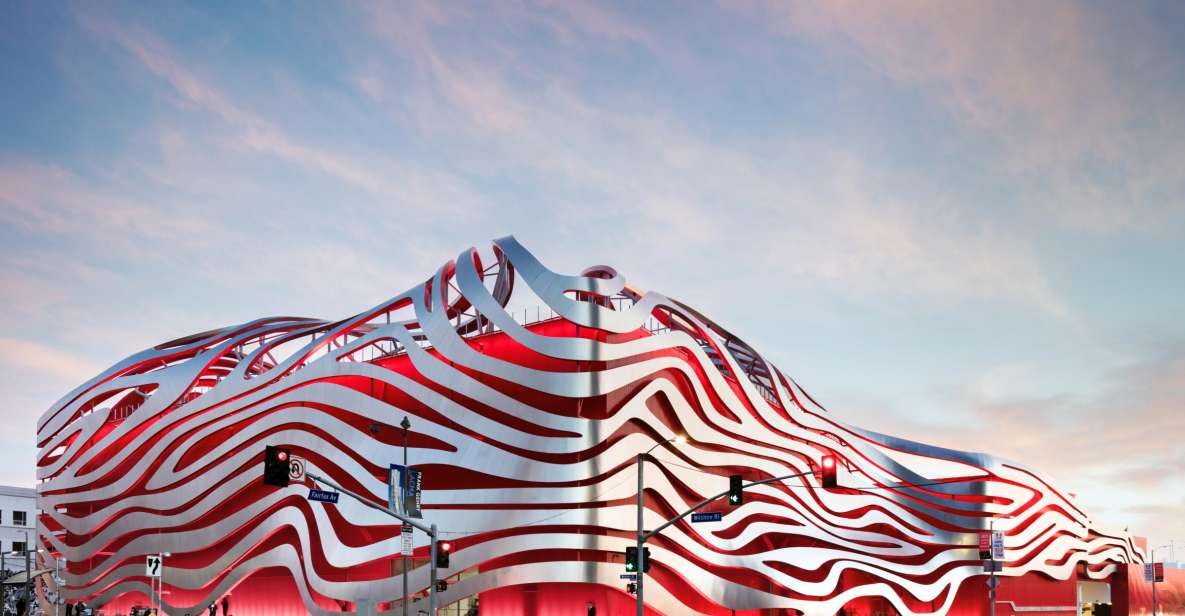
The Petersen Automotive Museum sits at 6060 Wilshire Blvd in Los Angeles, an easy address to plug into your day’s plans. For about $22 per person you’re buying general admission to a major car-and-motorcycle collection, and it really feels like one place to see the whole automotive story arc.
I like that you’re not forced into a single theme. You can jump from early vehicles to modern sports cars, then hit hot rods and customs without feeling like you’re stuck in one narrow lane. The museum is set up so you can browse at your pace and still feel like you covered something big.
Plan for a “move your feet” visit. With three floors and 25 galleries, it’s not a sit-still museum. It rewards people who like wandering, comparing, and slowing down for photo moments.
The Main Collection: 100+ Cars, Motorcycles, and the Engineering Behind Them
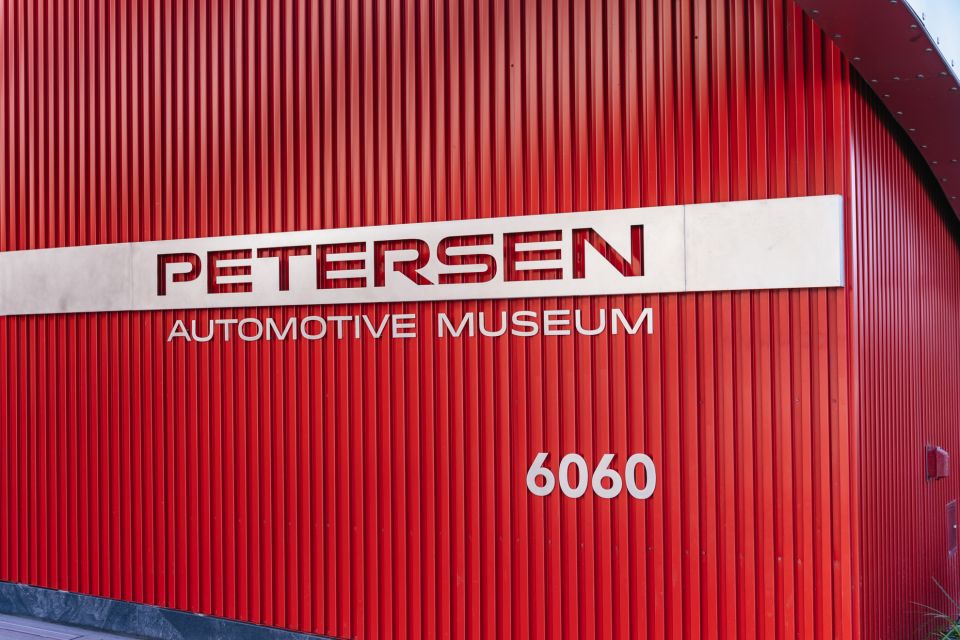
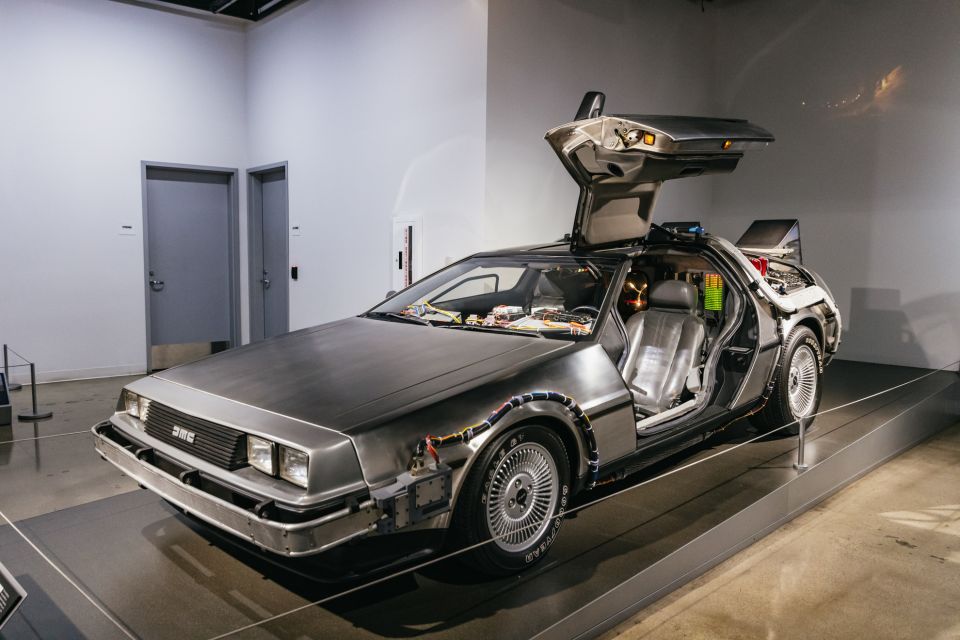
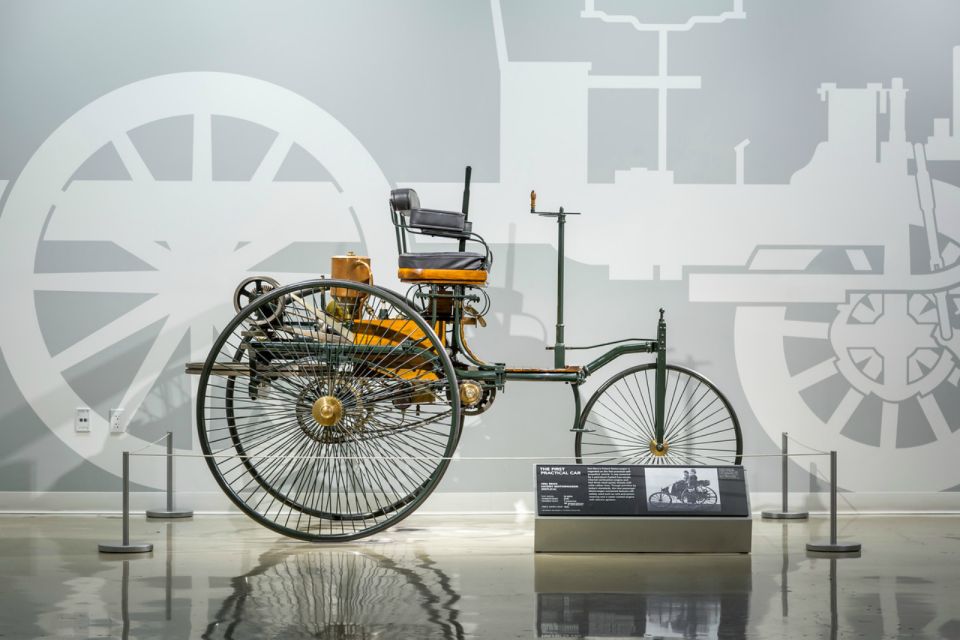
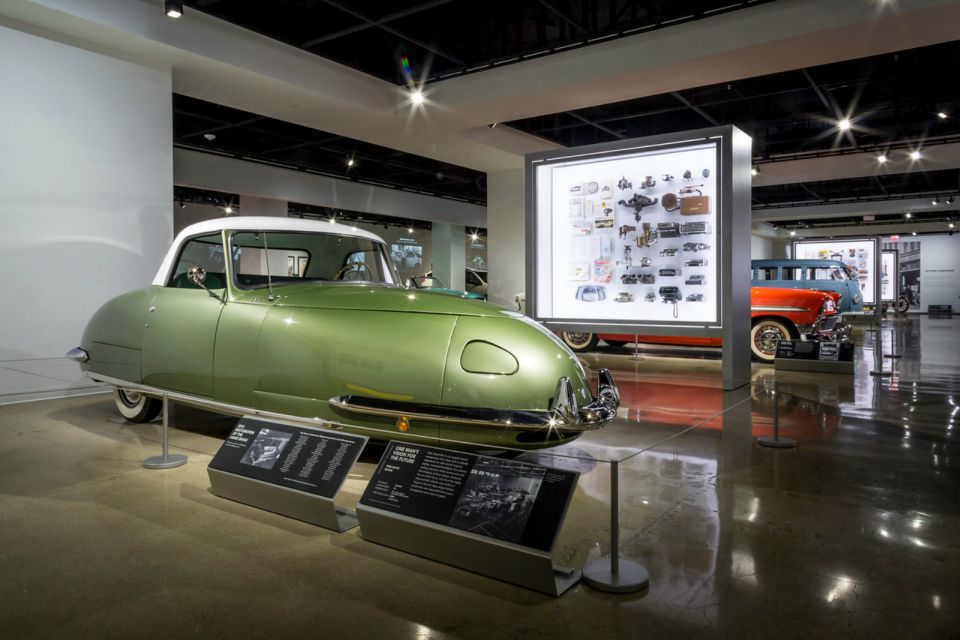
The headline is straightforward: you’ll see over 100 vintage cars, trucks, and motorcycles, displayed across three floors. The range runs from the 1880s up to present day, which is exactly what makes this museum more than just a lineup of pretty cars.
What I like most is the focus on automotive innovation, not only styling. Many of the displays come with information that connects the look of a vehicle to how it works, which helps even non-car people stay interested. The museum also tends to spotlight different regions of car culture, so one room can feel like design history while the next feels like mechanical problem-solving.
If you love variety, you’ll probably have a good time even when your favorite brand isn’t front and center. One review notes a Ferrari F40 wasn’t on the floor, but it was balanced by another standout: Michael Schumacher’s Formula 1 car. That’s a good example of how this museum builds attention around the big story of performance, not just a shopping list of dream cars.
Hot Rods & Customs: Where the Energy Gets Loud
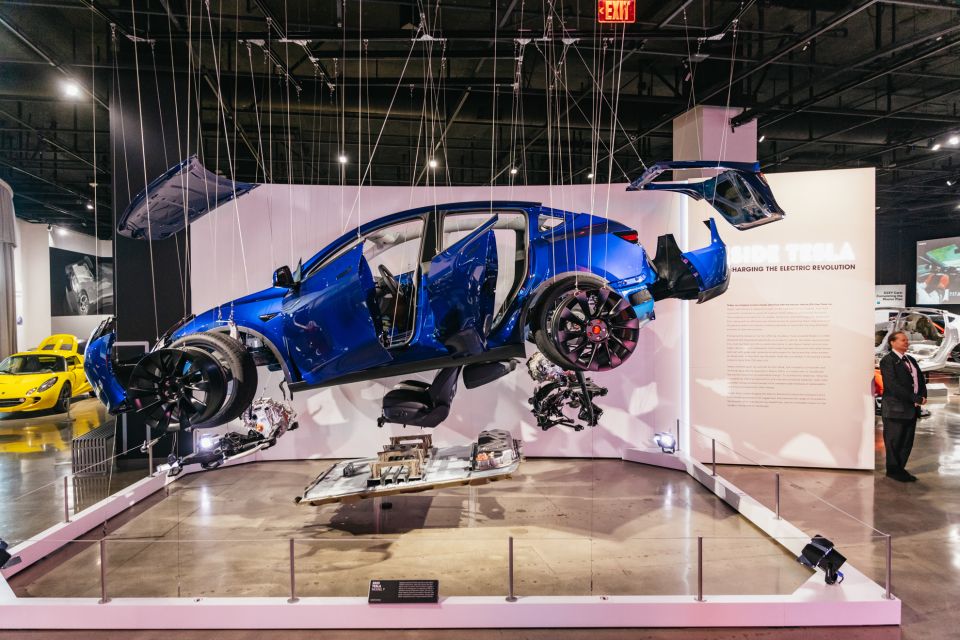
The museum gives you a clear path toward the hot rods and custom collection, and this section is often where the visit turns from “history lesson” into “I want to see it again.” Hot rods can feel like engineering plus attitude, and here that vibe shows up in the style and presentation.
Even if you’re more into restoration-era cars or modern supercars, the hot rod displays give you a different kind of context. You start to see what people value when they build for character, sound, and speed rather than strict stock authenticity.
Tip: don’t rush this area just because it’s farther toward the fun side. Give yourself a few minutes to look closely. The craftsmanship matters, and the museum’s label style makes it easier to understand what you’re seeing.
The Family-Friendly Zone: Cars Mechanical Institute and Virtual Car Play
This is a car museum with serious kid appeal, and that’s not a small detail if you’re traveling with a family. There are interactive exhibits built to keep attention moving, including experiences tied to the Cars Mechanical Institute concept from the animated film.
The idea here is simple: kids get a story, and the museum uses that story to explain real mechanical concepts. Adults can enjoy the same information at a different pace, because it’s framed in a way that’s easier to remember than a dense text wall.
You can also do creative play: people can paint and personalize virtual cars, then race and color a character and take that experience with them. If your kids like games more than galleries, this is where the museum earns its place in the itinerary.
For smaller kids, there’s also a toy-style activity where you can zoom toy cars around a racetrack. When a museum has that kind of distraction-free fun, everyone relaxes. That matters, because it lets you enjoy the rest of the floors without constant negotiation.
Forza Motorsports Experience and the Eight Themed Options
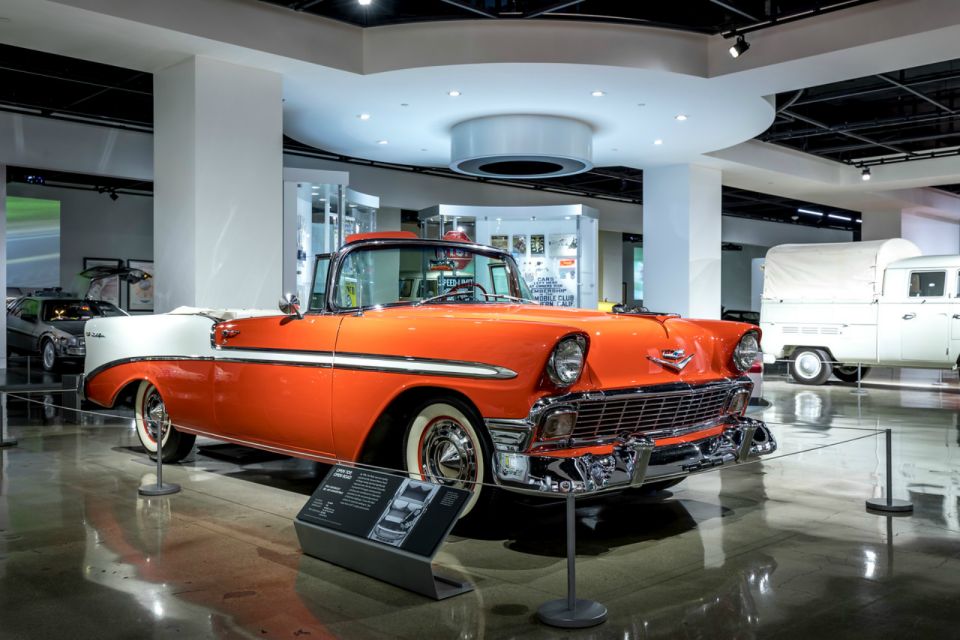
If you want speed without leaving the building, the museum delivers with a Forza Motorsports Experience. It’s a virtual chance to get behind the wheel of a race-style scenario, which is a fun match for the museum’s performance focus.
In addition, the museum offers eight curated experience options (the theme varies by choice). The promise of these experiences is that you’ll feel like you’re burning rubber on a track, which is the kind of sensory hook that works well for teens and adults who might otherwise find a museum too slow.
One practical thought: don’t treat these as a single checkbox. If you have time, pick the experience that best fits your group. If your group likes gaming, go for the racing slot. If you’ve got a mixed-age crowd, choose the one that has the easiest setup and biggest wow factor first, then move on to the cars while energy stays high.
Planning Your Visit: How Much Time You Really Need
A one-day ticket sounds simple, but your actual time at the Petersen can vary a lot. Some people say they spent around an hour and a half and still felt like they covered a lot, while others say they needed more time and wanted to return.
Here’s a practical way to plan. If you’re aiming to see the main floors and at least one interactive area, give yourself 2 to 3 hours. Add more time if you’re a photography person or if you plan to linger in multiple rooms.
Also, you’ll want to save room for the racing-style experiences if they interest you, because those can break up your flow in a good way. The museum’s layout makes it easy to hop between floors, so you can spend time where you’re most curious.
And do this: don’t skip the parts you’re unsure about at first. One review called out a low ride area, and that kind of lower viewpoint often changes how you see the cars. Even if you think you’ll just walk past, those spots can turn into the best photos of the day.
Price vs Value: The $22 Ticket and the Stuff That Can Cost Extra
Let’s talk value, because this is LA and costs add up fast.
At $22 per person, the general admission ticket is a solid buy for what you get: 100+ vehicles, three floors, 25 galleries, and interactive elements. The museum also runs as a place families can afford, and multiple reviews specifically note how families and kids fit in well.
But there are two add-on realities to plan for.
First, parking can be expensive in the area. One review mentions paying $17 for parking, so if you’re driving, budget that into your day.
Second, The Vault can be a deciding factor. Several reviews say the ticket doesn’t include access to The Vault, where you can see 250+ cars described by the museum. People mention an extra fee—one review cites $25 at the counter—and opinions split. Some say it’s worth it, but at least one person felt the extra cars are stacked closely together with less breathing room, and that it wasn’t worth it compared to the main museum floors.
My take: if your goal is a quick, high-quality browse plus hands-on fun, the general admission ticket is usually enough. If your goal is collecting as many vehicles as possible into your photo folder, then you should ask yourself whether The Vault is part of your must-do list before you commit.
What to Expect on the Ground: Layout, Signage, and Photo Spots

The Petersen is one of those museums where layout matters. Reviews mention it’s well laid out, with posted info at displays that makes walking each floor feel more meaningful. The labels help you connect the cars to the engineering ideas behind them, and that makes it easier to move from one exhibit to the next.
Photo lovers should also plan to slow down. Multiple reviews call out photo opportunities, and it’s easy to see why: cars are displayed with enough presence to shoot from different angles, and the mix of eras gives you variety in your shots.
Staff tone also shows up in reviews: people mention friendly and helpful museum staff. That matters if you have questions like where to find the racing experience or which floor has the kinds of cars your group will enjoy most.
One more small planning note: because food and drinks aren’t allowed inside, you’ll want to plan your day around that rule. If you’re coming from sightseeing or you’ll be there for hours, have a plan for snacks before or after your visit.
Who This Visit Fits Best (and Who Might Want Another Option)
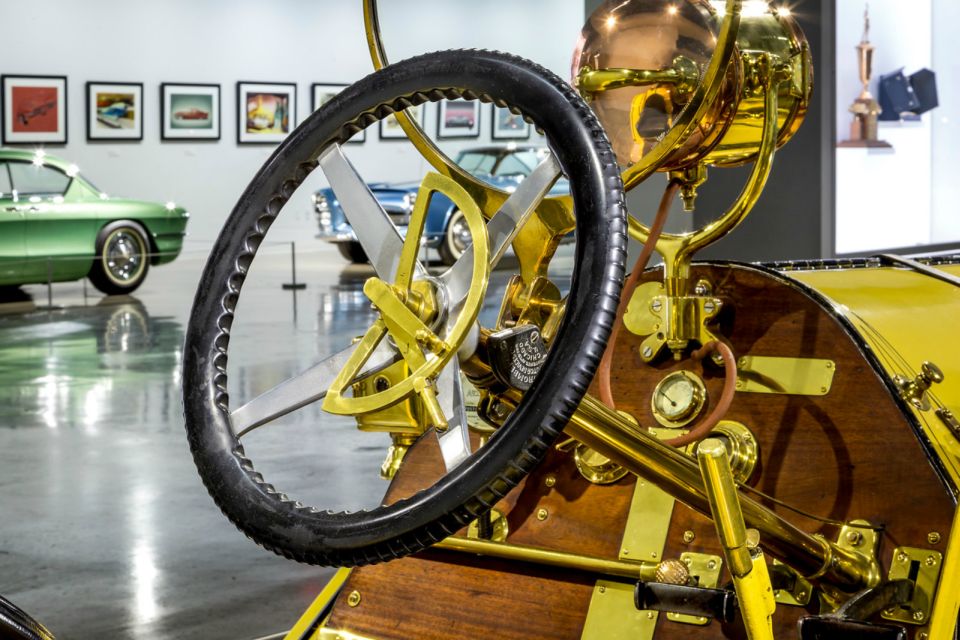
This museum fits best if your group likes variety and attention spans can handle movement. I’d call it a strong pick for families because the interactive sections are built into the experience, not tacked on at the end.
It also works well for non-experts. Even if you don’t know a carburetor from a camshaft, the museum’s approach—engineering context with story cues and interactive play—helps you enjoy the cars without needing car-school knowledge.
For hard-core car collectors, the main floors will likely satisfy you, but they may also push you toward The Vault if you want sheer volume. If the thought of stacked cars isn’t your style, then general admission might feel more comfortable.
If you hate crowds or you only want the most famous brands, you might find some gaps—one reviewer notes missing personal favorites like the Ferrari F40. Still, the museum tends to swap that kind of absence for other high-profile pieces, like Schumacher’s F1 car.
Quick Practical Tips for Making This Day Feel Worth It
Here are the choices that tend to make the visit feel smoother:
- Start with what your group cares about most: either the main collection floors or the interactive areas, then work outward.
- Don’t skip the hot rods and customs section even if you think you’re there for classics.
- If you’re driving, treat parking as part of the budget, not an afterthought.
- If The Vault is on your radar, decide early whether you want to pay the extra fee and then plan your time accordingly.
Also, remember the museum rules: no food and drinks indoors and no smoking indoors. It’s an easy rule, but it affects how you pace the day.
Should You Book the Petersen Automotive Museum Admission?
Yes, I think this is a great booking if you want a one-day Los Angeles activity that mixes real automotive history, family interactivity, and fun tech like a racing experience. The $22 general admission feels fair for the scale—especially if your group includes kids or a mix of interests.
Book with a “maybe add-on” mindset only if you’re chasing maximum car volume. If The Vault is your top priority, you should expect the possibility of an extra cost at the museum counter, and consider that the presentation may feel more tightly packed than the main floors.
If your goal is to enjoy a smart, fun museum day with plenty of variety under one roof, this one is a strong yes.