REVIEW · BOSTON
Freedom Trail Walking Tour 250
Book on Viator →Operated by Tour of the Freedom Trail · Bookable on Viator
Boston history, delivered street level. This costumed Freedom Trail walk turns famous names into real people, with quick stops that connect founding stories to the exact corners you’re standing on. I like that it’s a tight route (about 1.2 miles/2 km) and that you get a guide who stays in character rather than reading from a script.
I also like the practical format: multiple start times, a guided group cap of 50, and a route designed to fit in about 1 hour 45 minutes. That means you can get your bearings fast and still have energy left to explore Boston on your own.
One drawback to keep in mind: the experience leans theatrical and story-driven, so if you want strictly dry history, jokes and personality can be a deal-breaker.
In This Review
- Key Highlights You’ll Feel From the First Minute
- Why This Costumed Freedom Trail Walk Is Worth $26
- Tour Pace and Group Size: Easy Walking, Tight Stops
- Weather, Start Times, and Getting Ready to Walk
- Stop-by-Stop: The Story Route Through Historic Boston
- The Current Massachusetts State House (Your Big Picture)
- Park Street Church: A Song Debuts
- Granary Burying Ground: Founders at Rest
- King’s Chapel: Early Anglican Boston
- Boston’s Oldest English Burial Ground: Another Cemetery Moment
- Boston Latin School: The First Public School
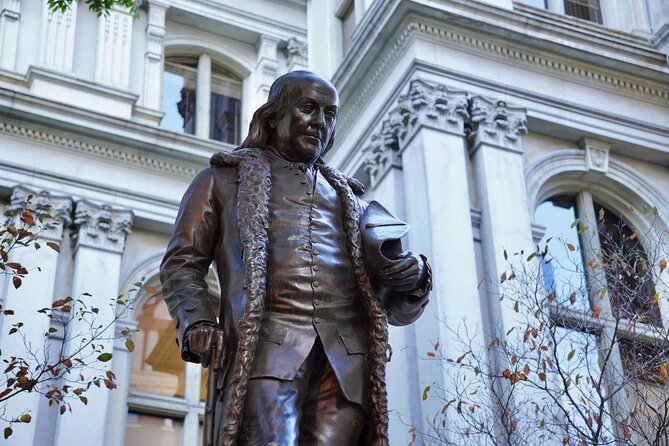
- Benjamin Franklin Statue: A Tight, Focused Lesson
- Old Corner Bookstore: Printing the Revolution
- Old South Meeting House: The Tea Party Happened Here
- The Oldest Standing Government Building in Boston
- Boston Massacre Site: A Protest That Became a Battle Cry
- Sam Adams Story: A Founding Father Thread
- Faneuil Hall Marketplace: Ending on a Loud, Public Place
- The Guide Makes or Breaks It: What to Expect From the Storytelling
- Practical Tips That Improve Every Stop
- Who This Tour Fits Best
- Should You Book This Freedom Trail Walking Tour?
- FAQ
- How long is the Freedom Trail Walking Tour 250?
- How much walking is involved?
- How much does it cost?
- What’s included in the price?
- Is admission included for every stop?
- What language is the tour offered in?
- What’s the cancellation policy?
Key Highlights You’ll Feel From the First Minute
- Costumed guide storytelling that ties the Revolution to real street corners
- About 1.2 miles total across major sites, in roughly 1 hour 45 minutes
- Free admission at many stops, keeping your cost down
- Spotlight on key figures like Benjamin Franklin and the Adams family
- Tea Party history at Old South Meeting House, with admission not included
- Smallish group size (up to 50), though prime stops can still feel busy
Why This Costumed Freedom Trail Walk Is Worth $26
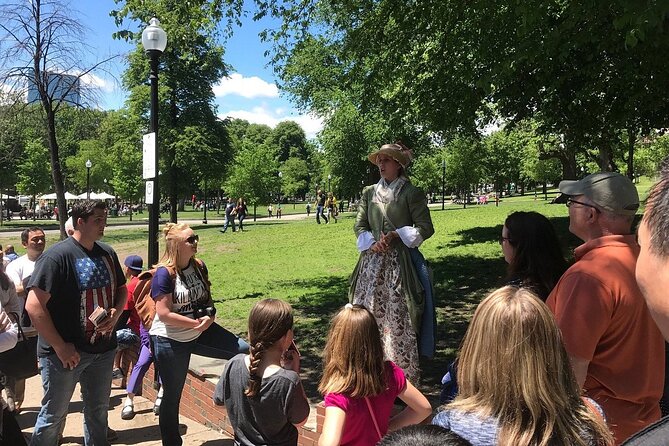
You’re paying $26 per person for a guide, a plot, and a route. That might not sound flashy, but it’s smart value in Boston. Sites like the Granary Burying Ground, Faneuil Hall Marketplace, and King’s Chapel are spread out, and it’s easy to wander past details that make them matter.
This tour does the opposite. It gives you a guided sequence where each stop explains why that place is important, then moves you on. And because the guide is in costume, the stories land with a little theater energy instead of just facts. If you learn best by listening while you walk, this format works well.
Two other value boosters: it’s offered in English, and it’s built to run in all weather. Boston weather can change fast, so it helps that the experience expects that reality instead of canceling at the first cloud.
You can also read our reviews of more tours and experiences in Boston.



Tour Pace and Group Size: Easy Walking, Tight Stops
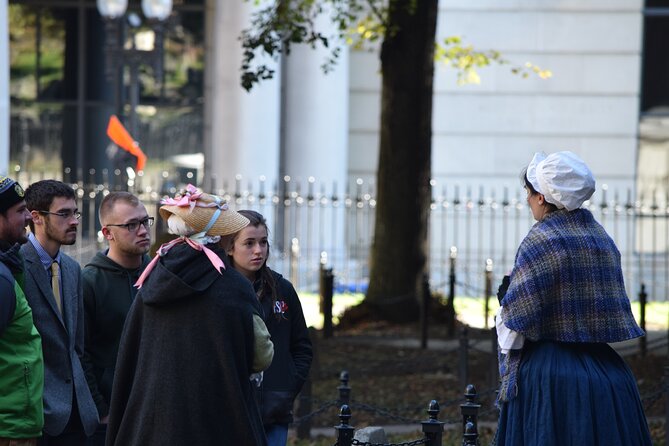
Expect a steady walking pace and short stop times—often only 5 to 10 minutes per stop. The total walking distance is about 1.2 miles (2 km), which is manageable for most people. You’ll still want comfortable shoes, because Boston sidewalks add up when you’re weaving around other pedestrians and groups.
Group size is capped at 50 travelers, so you shouldn’t feel like you’re packed in shoulder-to-shoulder like some larger tours. Still, key sites can get busy. Churches, meeting houses, and cemeteries tend to attract multiple tour groups, so you may have moments where you shift position to hear your guide.
What I’d do if you hate waiting for people to catch up: stand near the middle or front of your group during the longer stops, especially in cemetery areas. It’s not about being brave—it’s about hearing the story without craning your neck through gaps.
Weather, Start Times, and Getting Ready to Walk
This tour runs in all weather, so dress for the day you get, not the forecast you want. If you’re visiting in winter, Boston can be wet and sharp; bring layers, gloves, and something that handles wind. Since the stops are short, you don’t want to spend the entire tour adjusting your clothing or wishing you had better traction.
You’ll also have a choice of a few start times. That’s useful if you want to plan around breakfast, lunch, or other timed tickets. I’d pick the start time that gives you the most relaxed day after, because once you’ve gotten the founding-era storyline, you’ll likely want to keep wandering.
One small practical plus: the tour is near public transportation, so you can arrive without building a big transit plan around one exact street corner.
Stop-by-Stop: The Story Route Through Historic Boston
Here’s how the tour unfolds, and why each stop matters. I’ll note what each location does best, plus what you should watch for.
The Current Massachusetts State House (Your Big Picture)
You start at the Massachusetts State House area, which is a good way to set the tone. Even if you don’t go inside, it anchors your walk in the idea that politics and public life have been on these streets for generations.
I like this opening because it frames what’s coming: you’re not just seeing old buildings. You’re seeing the physical setting where political arguments became real action.




Park Street Church: A Song Debuts
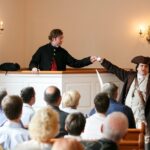
Next is Park Street Church. This is where My Country ’Tis of Thee was first performed. That detail gives you a shortcut into how revolutionary-era culture spread: music, public gathering, and shared identity all moved together.
This stop is brief, so don’t expect a long talk. Instead, listen for the guide’s thread: how a “national” song connects to people trying to define a country in the middle of change.
Granary Burying Ground: Founders at Rest
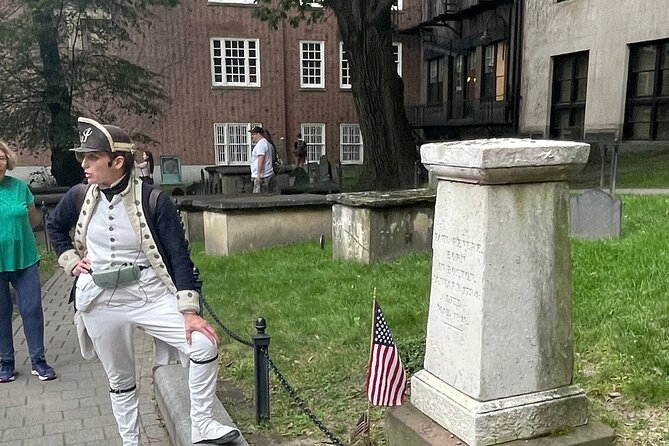
Granary Burying Ground is one of the emotionally charged stops. You’ll spend about 20 minutes here, which is longer than many other locations. This is where you hear stories about America’s founding figures at their final resting place.
What makes this stop valuable is the way it turns names into lives—and then into consequences. You start connecting the Revolution’s speeches and debates to individuals with families, opinions, and complicated legacies.
Practical note: cemeteries are quiet, cold, and crowded with foot traffic. Stand so you can hear clearly, and give yourself room to move if someone steps around you for a photo.
King’s Chapel: Early Anglican Boston
Then you go to King’s Chapel, described as America’s first Anglican church. This is a reminder that colonial Boston was not just one uniform storyline. Even the religious landscape tells you a lot about how different groups lived next to each other, argued, and built institutions.
This stop is short, so treat it as a signpost: it’s less about lingering and more about understanding the neighborhood’s early identity.
Boston’s Oldest English Burial Ground: Another Cemetery Moment
The route includes Boston’s oldest English burial ground. It’s a quick stop, but it deepens the theme you started at Granary: early settlers left their mark in stone, and those markers still shape how you read the city.
I recommend using this moment to ask yourself what the guide’s emphasizing. Is it family? politics? morality? When you pick up the theme, the short stop becomes more than a photo opportunity.
Boston Latin School: The First Public School
Boston Latin School is next, marked as America’s first public school. Even if you’re not a school-history person, this stop gives you a strong lens for understanding how early America tried to build an educated citizenry.
This is also where the guide connects the site to Benjamin Franklin. That Franklin link matters because it turns a famous name into something local and specific: school, city, and later influence all tie together.
If you’re traveling with teens, this is the stop that often lands best. It’s concrete, and it explains how ideas moved through education.
Benjamin Franklin Statue: A Tight, Focused Lesson
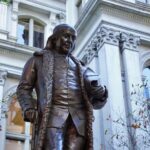
You’ll see a Benjamin Franklin statue and learn more about him, along with his connection to Boston Latin School. This is one of those stops where the guide’s personality can make a big difference. If the storytelling clicks, you’ll walk away with a clearer picture of why Franklin mattered beyond the “smart guy” label.
The time here is about 5 minutes, so watch your footing and listen closely—this is a stop you shouldn’t skim.
Old Corner Bookstore: Printing the Revolution
Next is the Old Corner Bookstore, described as America’s oldest commercial building. The tour highlights that the Midnight Ride of Paul Revere was published here.
This stop is a reminder that the Revolution wasn’t just fought with muskets—it was also fought with information. Newspapers, pamphlets, and printed stories helped news travel and helped people decide what to believe.
Quick heads-up: photos here can be tricky because you’ll be near other groups. If you want a clean shot, step slightly aside while your guide talks, then return for a photo after the stop.
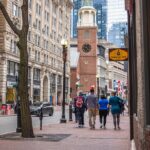
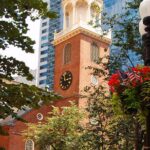
Old South Meeting House: The Tea Party Happened Here
Old South Meeting House is where Boston Tea Party events are tied to the place itself. This stop takes about 10 minutes, and admission is not included.
This is the big “if you want more depth” moment on the route. If you’re someone who likes to see inside historic rooms, you’ll probably want to pair this with the additional ticket. If you’re more of a street-level history person, the guide’s outside storytelling may be enough.
Either way, give this stop a little extra mental attention. The tea story is famous, but it hits harder when you’re standing in the room tied to the event.
The Oldest Standing Government Building in Boston
After Old South, you hit a stop noted as the oldest standing government building in Boston. Even without details given about its name here, the point is clear: you’re moving through the government spaces that shaped colonial decisions.
This is where the guide should connect the dots between public authority and public protest. If they do that well, the tour suddenly feels more “about systems,” not just single scenes.
Boston Massacre Site: A Protest That Became a Battle Cry
Then comes the Boston Massacre Site. You’ll hear about the massacre and protest that became a battle cry across the Revolutionary War.
The emotional weight of this stop depends on delivery. When a guide handles it well, you understand how quickly political conflict escalates when people feel they have no other option.
This is a longer-ish stop (about 10 minutes), so you can slow down your listening and really follow the narrative. If you’re traveling with kids or first-time history visitors, this is often the stop that holds attention.
Sam Adams Story: A Founding Father Thread
The route also includes a separate focus on the tale of Sam Adams. This matters because the tour isn’t only about the best-known names. Adams is often discussed as a political force, and this stop helps you understand the “why” behind the agitation.
I like this because it prevents the tour from becoming a one-note parade of familiar headlines.
Faneuil Hall Marketplace: Ending on a Loud, Public Place
Finally, you end at Faneuil Hall Marketplace, described as the most iconic historical attraction in Boston. This stop is about 5 minutes, but it’s a strong finish because Faneuil Hall feels public even today. It’s a place where speeches belong.
If you’re planning a self-guided walk right after, this ending helps. You can turn around and explore nearby streets with the stories fresh in your head.
The Guide Makes or Breaks It: What to Expect From the Storytelling
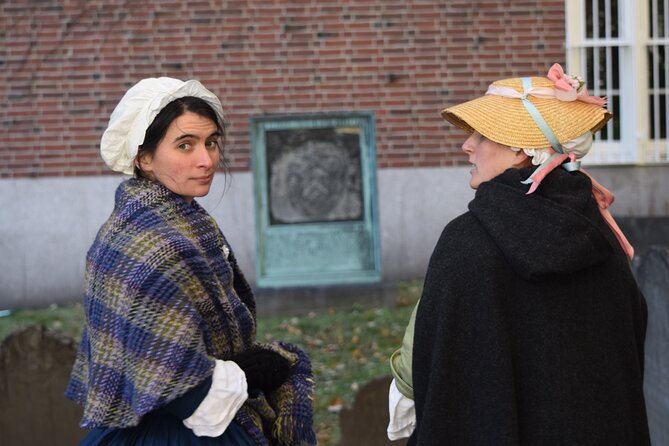
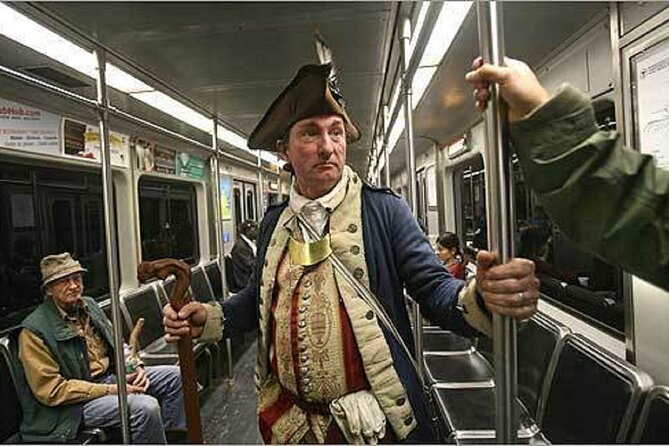
This tour’s engine is the guide—professional, costumed, and focused on American Revolution and colonial New England history. That’s the part that can swing your experience from excellent to merely okay.
The best tours tend to do two things at once:
- They keep the stories flowing between stops so you feel the connections.
- They explain enough detail that you don’t feel like you’re getting a highlight reel.
In the feedback you can rely on, guides such as Ben and Elizabeth get praised for being entertaining, friendly, and adding insight. Other names tied to strong experiences include Elaina, Catherine, Mark, Mrs. Palmer, and even a guide known as John Hancock. A common thread in the higher ratings is that the guide’s costume and performance helps people stay engaged, including families with kids.
Still, there are a few things to watch for:
- Some delivery styles lean more toward jokes than history. If you want straight lectures, you may not love that.
- Hearing can get harder when large groups crowd the same narrow spaces, even when the tour’s cap is 50.
If you’re the type who likes quiet facts, you can protect yourself by arriving with expectations. This is theater-plus-history, not a museum audio tour.
Practical Tips That Improve Every Stop
Here are the small choices that make a big difference on a walking tour like this.
- Wear shoes you can walk in for 2 km plus city detours. You’ll likely stand and shift positions often.
- Dress for all-weather Boston. The tour runs in all weather, so bring what you need to stay comfortable.
- Arrive a few minutes early. It gives you a calmer start and helps you get into the best spot.
- If you’re with kids or grandparents, choose a stop-based strategy. Let the guide know who needs easier pacing by staying near the front and moving together.
- At busy stops, focus on listening first. Photos come after the key moment, otherwise you’ll miss the explanation.
If you bring an iPhone or paper notepad, write down names like Benjamin Franklin or Sam Adams as they come up. Later, when you’re wandering on your own, it’s like the city has subtitles.
Who This Tour Fits Best
This is a good fit if you want:
- A structured way to understand Boston’s founding era without planning a complicated day.
- A walk that’s short enough to keep your energy for the rest of the trip.
- A guide-driven experience with personality.
It may be less ideal if you strongly prefer:
- Minimal comedy and maximum lecture.
- More time inside buildings rather than brief exterior stops.
- A tour that strictly centers on the words Freedom Trail throughout every minute.
Should You Book This Freedom Trail Walking Tour?
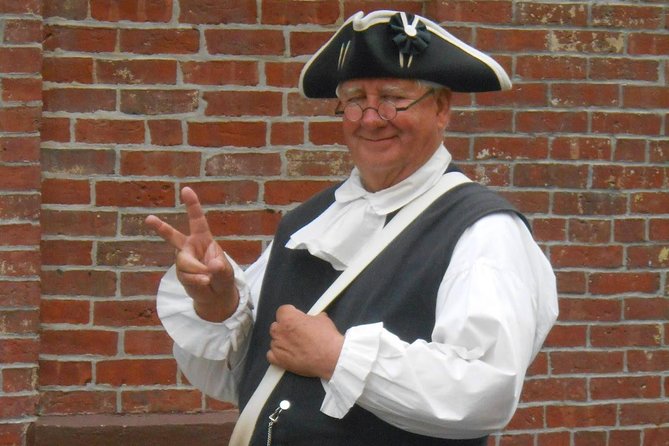
I’d book it if you want an efficient, story-led orientation to Boston’s revolutionary-era sites for $26, with most stops explained by a costumed guide and many locations free to approach. The route length and time are practical, and it ends in a place where you can keep exploring right away.
I’d think twice if you’re looking for a quiet, fully factual experience with no humor and lots of “museum-style” depth at each site. The theatrical tone and quick stop rhythm are part of the deal.
If you’re visiting for the first time and want the city to click, this tour is a strong start.
FAQ
How long is the Freedom Trail Walking Tour 250?
The tour runs for about 1 hour 45 minutes.
How much walking is involved?
The route covers approximately 1.2 miles (about 2 kilometers).
How much does it cost?
It costs $26.00 per person.
What’s included in the price?
You get a professional guide and guided Freedom Trail walking tour stories covering America’s Founding Fathers, the American Revolution, and New England’s colonial history.
Is admission included for every stop?
No. Old South Meeting House has admission not included.
What language is the tour offered in?
The tour is offered in English.
What’s the cancellation policy?
You can cancel for a full refund if you cancel at least 24 hours before the experience starts. If it’s canceled due to poor weather, you’ll be offered a different date or a full refund.