
REVIEW · BOSTON
Boston Tea Party Ships and Museum Admission
Book on Viator →Operated by Boston Tea Party Ships and Museum · Bookable on Viator
Boston tea turns into hands-on history. This live-guided experience uses actor-led storytelling to move you through the events of Dec 16, 1773, from the Museum to the harbor, with you literally throwing tea into the water.
I especially like the chance to board two authentically restored ships, the Beaver and the Eleanor, and feel how small, wooden, and real they are. Admission to the Boston Tea Party Ships and Museum is also included, and you’ll see the Robinson Half Chest display along with a multimedia film that connects the protest to the start of armed conflict. One drawback to plan around: parts of the experience are outdoors and there are stairs, so wear good shoes and dress for the weather.
In This Review
- Key things to know before you go
- A floating theater: stepping onto 18th-century tea ships
- Price, timing, and what feels like a bargain
- Meeting House: the night of Dec 16, 1773
- On the brig Beaver and Eleanor: throwing your own tea
- The Robinson Half Chest and the museum exhibits inside
- Let it Begin Here and the path from protest to war
- Abigail’s Tea Room: the easy, pleasant finish
- Small practical tips so your visit goes smoothly
- Who should book this tour (and who might not love it)
- Should you book this Boston Tea Party tour?
- FAQ
- How long is the Boston Tea Party Ships and Museum admission tour?
- What is the price per person?
- Is museum admission included?
- Where does the tour start?
- What time should I check in?
- Is the tour wheelchair and stroller accessible?
- What language is the tour offered in?
- When is the museum closed?
- Does the experience require good weather?
- Can I cancel for free?
Key things to know before you go
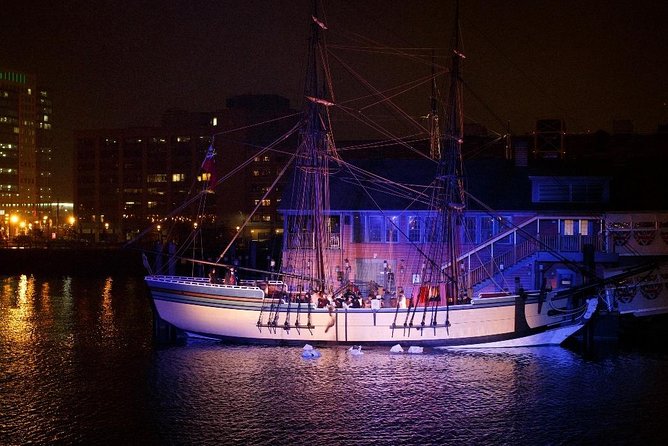
- You throw tea into Boston Harbor as part of the reenactment
- Two restored ships anchor the experience: the Beaver and the Eleanor
- Robinson Half Chest is shown inside the museum as one of the last tea-chest artifacts
- Let it Begin Here film adds multimedia storytelling tied to the Revolutionary timeline
- Abigail’s Tea Room gives you a calm, food-and-tea finish after the action
A floating theater: stepping onto 18th-century tea ships
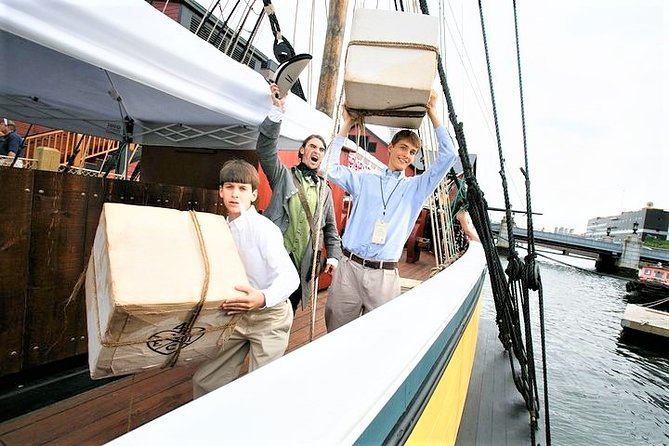
The first thing you notice is the format. This isn’t just a museum walkthrough with quiet signage. It’s a live, actor-led tour that keeps the story moving in order, so you understand how everyday decisions and British taxes snowballed into a night that changed American history.
The “ship museum” part is the real hook. You don’t just stand near a model. You board replica sailing ships and get pulled into the moment, from the ship setting to the hands-on reenactment. If you like history that uses your body as well as your brain, you’ll get what you came for.
You’ll also see a guided blend of traditional museum exhibits and performance-based explanation. That mix matters because it helps both adults and kids track what’s happening without turning the whole visit into a lecture.
You can also read our reviews of more tours and experiences in Boston.



Price, timing, and what feels like a bargain
At about $35 per person for roughly one hour, this is priced like an attraction, not a long sit-down museum day. The value jumps because admission to the Boston Tea Party Ships and Museum is included. So you’re not paying extra just to get into the building after the guided portion.
Also, the tour is designed to be short enough that you can fit it between other Boston stops. If you’re on a tight schedule, this “one main event” structure is a smart use of time.
The experience is offered in English, and it’s confirmed after booking subject to availability. In practice, that means you should still plan to arrive on time, especially since everyone needs to check in 15 minutes before the tour starts to avoid losing their seat.
Meeting House: the night of Dec 16, 1773
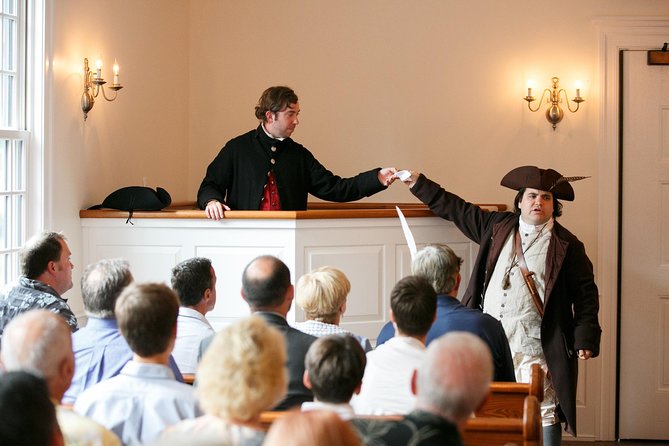
Your story starts with the lead-in to the Boston Tea Party, culminating on December 16, 1773. The tour frames the night as a turning point, and it does this by setting up the cause first, then stepping you through the actions that night.
At the Meeting House portion, you hear the account of what happened and why. Then you get ready for the interactive part, including the moment where you’ll join the patriots in the tea-dumping reenactment. That “set-up first, action second” pacing helps the whole thing make sense.
One more thing I like here: you’re not only learning facts. You’re learning the logic and pressure behind the protest—how colonists moved from public opposition to direct action when tensions boiled over.
On the brig Beaver and Eleanor: throwing your own tea
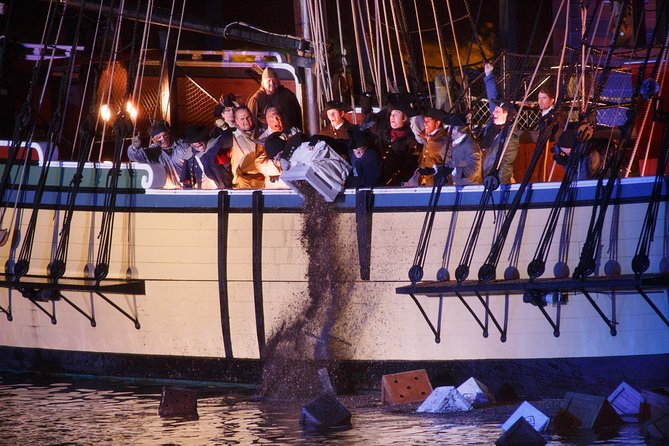
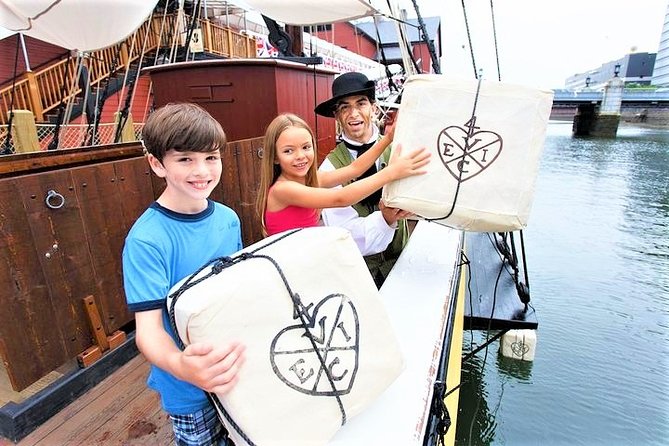
This is the part that most people talk about for a reason. You board two restored ships: the brig Beaver and the brig Eleanor. They’re part of the floating “stage,” and the guide uses the ship setting to explain what the event looked and felt like from the outside.
Then comes the moment you’ll remember: you throw some tea into Boston Harbor. That isn’t just a gimmick. It’s a physical action that turns the night into something you can picture clearly, instead of something you only read about.
If you’re traveling with kids, this action step is the attention anchor. If you’re traveling alone or as a couple, it still works because it turns the story into participation, not observation.
Practical note: because this portion is on boats and in harbor space, plan for movement, angles, and outdoor conditions. Good shoes help a lot. And if you’re sensitive to stairs or uneven footing, give yourself extra time and take it slow.
The Robinson Half Chest and the museum exhibits inside
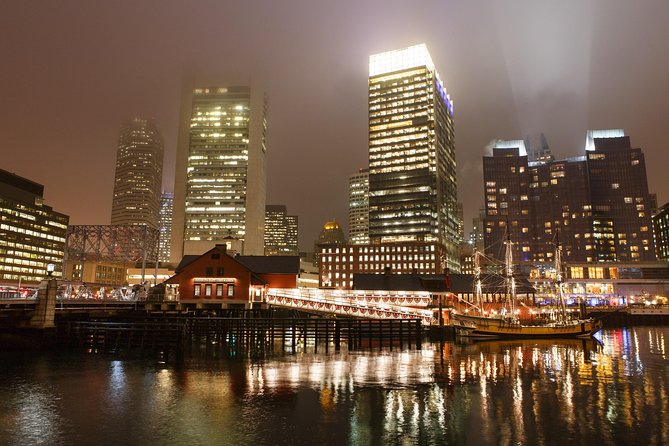
After the ship portion, the visit moves into the museum. This is where you slow down and see the artifacts and displays that give the story its weight.
The centerpiece is the Robinson Half Chest, presented as one of the only two remaining original tea chests dumped into Boston Harbor that night. Seeing it in person changes the scale in your mind. It helps you understand that this was not symbolism only. There were real wooden boxes, real quantities, and real political risk tied up in tea.
You’ll also encounter exhibits that keep the timeline clear—how events escalated toward open warfare. The museum section is where the tour becomes most useful for anyone who wants more than “the dramatic night.” You get context for the years leading up to it and the consequences that followed.
If you’re the type who likes to know what’s authentic versus reenacted, this museum stop is the reassurance. The tour doesn’t just recreate. It shows you what survives.






Let it Begin Here and the path from protest to war
A standout element is the multimedia film, Let it Begin Here. It’s built into the tour flow, and it’s used as a bridge between the Tea Party and the broader Revolutionary timeline.
The film places you in the story in a way that connects famous events: it involves Paul Revere’s midnight ride and then transitions to the moment associated with the Shot heard round the world. The goal is clarity. You understand how a protest in Boston links to a wider escalation that took the colonies into armed conflict.
You might also pick up interpretive details that go beyond the simplest classroom version of Revere’s role. In particular, the tour highlights that colonists still saw themselves as British, which affected how warning messages were framed and how Revere’s mission required secrecy.
The tone here matters. It’s not just stern history. It’s staged in a way that keeps you watching, then ties the story back to what the protests meant in the long run.
Abigail’s Tea Room: the easy, pleasant finish
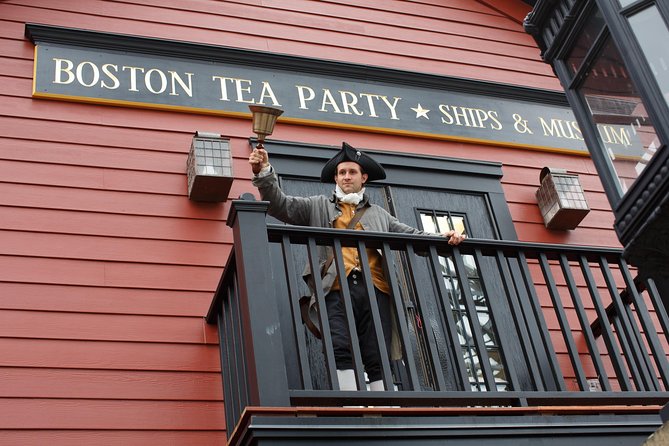
The tour ends with a stop at Abigail’s Tea Room. It’s a built-in wind-down after the action on the ships and the museum pacing.
You’ll be in a different mood when you reach this part. Earlier you’re moving, watching, and participating. Here, you’re seated, taking a breath, and turning the visit into a full experience rather than a one-and-done reenactment.
This is also a good time to reset before you head back out into Boston. If your day includes multiple stops, that small buffer helps.
Small practical tips so your visit goes smoothly
I’d treat this like a “do it in good weather” plan. The experience requires good weather, and part of it is outdoors, so check conditions before you go. Dress for wind and cool temps, even if the day starts mild.
Wear shoes you trust on boats and stairs. There are stairs involved, and one review specifically flagged that elders should be aware. Even if you’re young and nimble, you’ll enjoy the day more if you’re not constantly watching your footing.
If you’re relying on the schedule, respect the check-in rule: everyone must check in 15 minutes prior. If you arrive late, the tour may treat you as a no-show and reallocate seats.
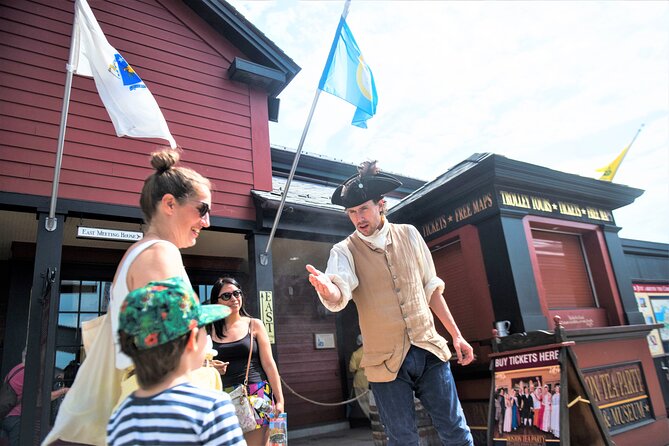
And if you love photos, you can plan ahead for quick snapshots at the character moments and ship edges. The cast stays in role, which makes the visual experience better.
Finally, know the closure dates. The museum is closed on Thanksgiving and Christmas Day and also closes for maintenance January 27 through February 5. If your trip falls in those windows, pick another time.
Who should book this tour (and who might not love it)
This tour is a great fit if you want hands-on history in Boston. It’s especially strong for families and for anyone who learns faster when they’re moving through the story rather than reading about it.
You should also consider it if you like theatrical guided tours. Several actors and guides are praised for staying in character and keeping the pace lively. Some sessions even mention standouts such as Oliver and Steve, so if you see names in the schedule or in-day announcements, that can be a good sign.
If you only want quiet museum time, this might feel a bit theatrical. There’s humor, performance energy, and participation. If that’s not your thing, you may prefer a more traditional, self-paced museum visit instead.
But if you can roll with a fun, structured experience, you’ll likely walk away with a clearer mental timeline: protest, escalation, and the jump from political protest to fighting.
Should you book this Boston Tea Party tour?
Book it if you want your Boston visit to include a memorable, participatory story tied to real artifacts like the Robinson Half Chest. For about $35 and roughly one hour, it’s a strong value because admission is included and the visit blends ships, museum exhibits, and multimedia storytelling.
Skip it only if you strongly dislike reenactments or you need a fully low-activity museum day. And if you’re traveling in cold seasons, plan for weather and stairs so you’re comfortable from the first harbor step to the final tea-room stop.
If your goal is to understand why that night mattered, while also having a good time doing it, this is one of the easiest yeses in Boston.
FAQ
How long is the Boston Tea Party Ships and Museum admission tour?
It runs for about 1 hour, approximately.
What is the price per person?
The price is $35.00 per person.
Is museum admission included?
Yes. Admission to the Boston Tea Party Ships and Museum is included.
Where does the tour start?
The meeting point is 306 Congress St, Boston, MA 02210, USA.
What time should I check in?
You must check in on-site 15 minutes prior to your tour time. If you don’t, your seats may be re-allocated.
Is the tour wheelchair and stroller accessible?
Yes. It is wheelchair and stroller accessible.
What language is the tour offered in?
The tour is offered in English.
When is the museum closed?
The museum is closed on Thanksgiving Day and Christmas Day. It is also closed for maintenance January 27 through February 5.
Does the experience require good weather?
Yes. It requires good weather, and if it’s canceled due to poor weather you’ll be offered a different date or a full refund.
Can I cancel for free?
Yes. You can cancel up to 24 hours in advance for a full refund. If you cancel less than 24 hours before the start time, the amount paid is not refunded.