
REVIEW · NEW YORK CITY
9/11 Memorial Museum Admission Ticket
Book on Viator →Operated by National September 11 Memorial & Museum · Bookable on Viator
Two flights down, history weighs on you. With mobile timed entry, you get direct access to the 9/11 Memorial Museum under the memorial reflecting pools, and I love how In Memoriam and the related exhibits connect names, artifacts, and first-person accounts into something you can actually process. The only drawback is that this is not a light stop: security checks and the emotional material can slow your pace more than you expect.
You can stay for as long as you want after your timed entry, but plan on about 2 hours if you want to walk calmly. The museum is wheelchair and stroller friendly, and service animals are allowed, which makes a big difference for families and anyone moving with extra gear.
Here’s the deal: you’re paying to enter a thoughtfully arranged space that helps you understand what happened and what changed afterward. Come prepared to feel a lot, and then be glad you came.
In This Review
- Key Things to Know Before You Go
- Getting a Timed Entry Ticket at the 9/11 Memorial Museum
- Where You Go: Memorial Pools First, Museum Below
- Security, Bags, and the Start of Your Self-Guided Visit
- In Memoriam: The Memorial Exhibition and the 1993 Tribute
- September 11, 2001: The Three-Part Story and the World After
- Your Pace: How Long to Spend and What Not to Rush
- What the Design Makes You Feel (and Why That Matters)
- Accessibility and Comfort Tips for a Two-Hour Plan
- Price and Value: Is $36 Worth It?
- Common Friction Points to Know Before You Go
- Should You Book the 9/11 Memorial Museum Ticket?
- FAQ
- How long does the 9/11 Memorial Museum visit take with this admission?
- Is the visit self-guided or do I need a tour guide?
- Is photography allowed inside the museum?
- Can I leave the museum and come back later using the same ticket?
- Are food and drinks included with the ticket?
- What are the rules for large bags like backpacks?
Key Things to Know Before You Go

- Mobile timed entry = direct access so you spend your energy inside, not waiting outside.
- The museum sits below the memorial pools you see the Twin Towers’ footprints from the start.
- Two major exhibits anchor your visit: In Memoriam and September 11, 2001.
- It’s self-guided at your pace with suggested timing, but room to linger.
- Security screening is airport-style and there’s no re-entry once you exit.
Getting a Timed Entry Ticket at the 9/11 Memorial Museum
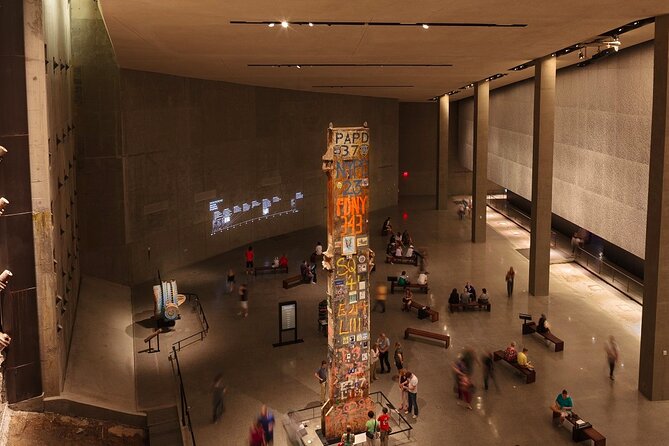
This ticket is built for one thing: getting you in. Instead of gambling on walk-up timing, you prebook a timed-entry admission and use a mobile ticket for entry. That matters in lower Manhattan, where schedules can get chaotic fast.
The museum also runs as a true in-house experience rather than a quick “look and leave” stop. Your admission guarantees entry, and you can stay as long as you want once you’re inside. So if you’re the type who needs extra minutes near certain artifacts or you want to replay the multimedia parts more than once, you’re not forced to rush.
Price-wise, it’s $36 per person. That’s not “cheap,” but you’re paying for admission to a world-class museum space that covers both the events of 2001 and the earlier 1993 World Trade Center bombing, plus the commemorative focus on the people lost that day. For many first-timers, it’s the single ticket purchase that gives the most context per hour.
You can also read our reviews of more tours and experiences in New York City.



Where You Go: Memorial Pools First, Museum Below
Your visit starts with the National 9/11 Memorial & Museum experience, and the location drives the tone. The museum is below the 9/11 Memorial reflecting pools, which mark the footprints of the Twin Towers. That means your first moments aren’t in a lobby; they’re in a place designed to ground your attention before you move indoors.
This is one of those sites where the layout is part of the message. You’re not just reading about history—you’re physically moving from the memorial space down into the museum’s exhibitions and multimedia displays. If you’re coming with family or friends who want the “what am I looking at?” moment, this flow helps.
Plan to arrive with a calm mindset. Even if you are only doing two hours, you’ll likely feel like time stretches as you move between remembrance and explanation.
Security, Bags, and the Start of Your Self-Guided Visit
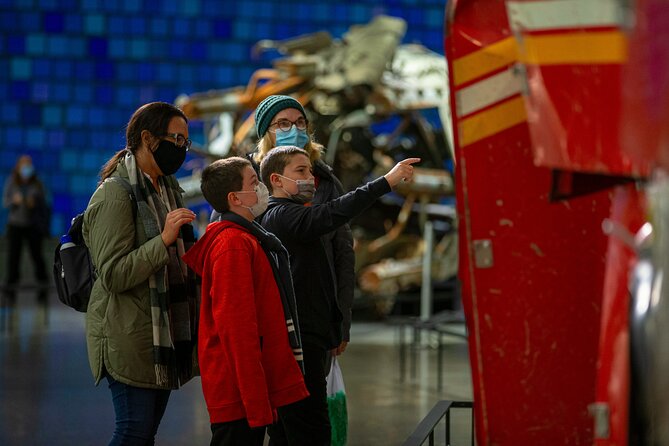
Once you enter the museum area, expect airport-style security screening. It’s the kind of check that can slow you down if you show up with a pile of stuff. You’ll also need to think about bags: large bags, including backpacks and large umbrellas, must be stored in the coat room if they fall under items deemed too large.
A couple more rules affect your comfort. There’s no re-entry allowed after you exit the building, so if you step outside for air or a photo, assume you won’t be able to come back in. In the exhibition spaces and theater, cell phones can’t be used for conversation, which helps keep the area respectful and quiet.
The good news is that this visit is self-guided. You’re not stuck with a fixed pace. You can follow your curiosity: names and artifacts first, multimedia next, or the historical context sections when you’re ready to zoom out.
In Memoriam: The Memorial Exhibition and the 1993 Tribute

Inside, your visit is anchored by a major memorial-focused exhibit called In Memoriam. This is the part many people find hardest to shake off, because it’s built around remembrance rather than just explanation. The exhibit honors the 2,983 people who were killed in 2001 and also includes recognition of those who died during the February 26, 1993 World Trade Center bombing.
What makes In Memoriam valuable is how it connects scale to personal reality. The museum’s focus on names and the commemorative intent makes it feel less like a timeline and more like a set of human stories you’re responsible to take seriously.
If you’re visiting with kids, this section can be a good place to let questions rise. You can keep answers simple at first, then go deeper when they ask. If you’re visiting as an adult, give yourself time. This isn’t a gallery you “get through.” It’s a space you absorb.
September 11, 2001: The Three-Part Story and the World After
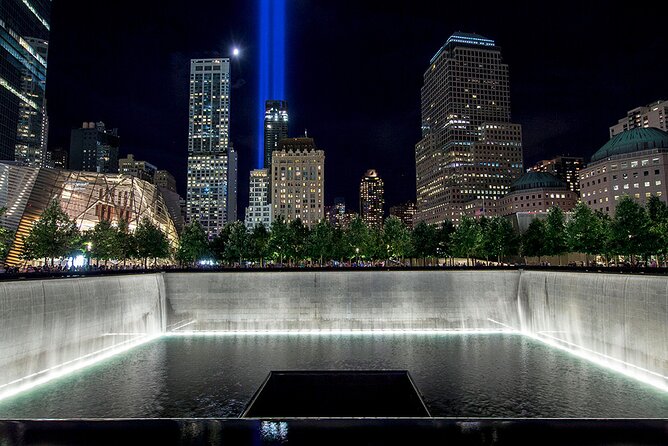
The other centerpiece is the exhibit September 11, 2001, described as a three-part exhibition. This is where the museum shifts from remembrance into structured storytelling, including analysis and context about the attacks.
The exhibit covers the day itself, but it also looks at the aftereffects—both locally and globally. That balance is worth your attention. A memorial helps you understand the human cost; the historical and analytical parts help you understand how the event changed systems, societies, and everyday life.
In practical terms, this is where you can slow down and build meaning. If you already know the basics of what happened, you’ll still likely find new angles through the way the museum groups information. If you’re newer to the topic, this section can work like a clear course of study, but in a human way rather than a textbook way.
One practical tip: don’t stack this exhibit right after a long travel day where you’re exhausted. Even if you can physically handle it, your brain may not process it the way you want.






Your Pace: How Long to Spend and What Not to Rush

The museum experience is suggested at at least two hours, and you can stay longer if you want. Many people stretch it to around three hours, especially if they slow down for multimedia or read more than skim.
I like thinking about timing in two layers:
- The minimum visit: about two hours if you want to cover both major exhibition areas and keep moving at a steady rhythm.
- The careful visit: closer to three hours if you want to pause in the memorial sections and still have time to take in the historical materials.
Don’t treat this like a checklist stop. The most common mistake is going fast, because the museum is large and you’re tempted to “get it done.” Instead, go with a mindset of I’m giving this my attention. That leads to a better experience.
Also, bring water plans. Food and drinks aren’t included in the ticket, so you’ll want to decide whether you eat nearby before or after.
What the Design Makes You Feel (and Why That Matters)
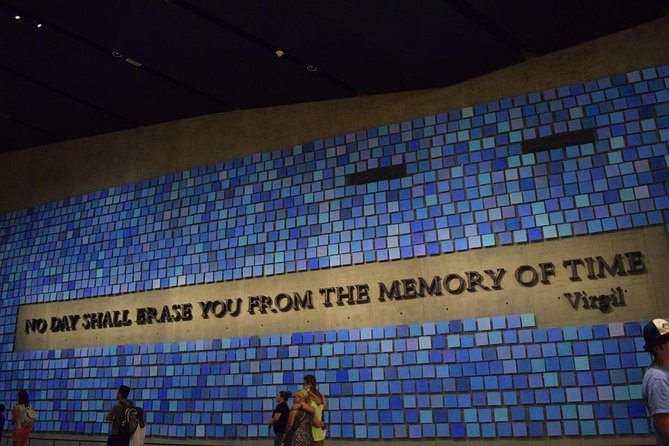
This museum is emotionally heavy, and that’s not a downside—it’s the point. The exhibitions include artifacts, multimedia, and first-person accounts that make the day feel real rather than abstract.
You’ll likely notice that the museum doesn’t try to shock you with spectacle. Instead, it uses artifacts, personal stories, and structured context to bring you to a hard understanding: what happened was both catastrophic and life-altering for millions.
That’s why it matters that you can visit at your own pace. If someone near you is rushing, you can still stop. If you need a moment to step back from a particular display, you can do that without worrying about a group schedule.
If you’re planning your day, place this stop where it won’t get squeezed. Don’t schedule it right before a late show or an early dinner reservation. Let your body catch up after you leave.
Accessibility and Comfort Tips for a Two-Hour Plan

The museum is wheelchair and stroller accessible, which is a big advantage for families and visitors who need more flexible movement. Strollers are especially useful to plan for if you’re visiting with small kids, since the museum layout and time needed can be more than you expect.
A few comfort considerations based on how the site works:
- Expect stairs and exhibit spaces that may feel like a lot if you’re carrying a heavy bag. Since large items have to go into storage, travel light.
- Since photography is permitted for private, non-commercial use only, you can still capture certain moments, but be mindful of the no-conversation cell phone rule.
- Plan for the emotional weight. This is less about physical strain and more about mental bandwidth.
If you’re sensitive to crowds, consider going in with patience. Timed entry helps, but it’s still a high-demand site.
Price and Value: Is $36 Worth It?
At $36 per person, the admission isn’t the kind of ticket you casually add at the last minute. But it is strong value when you think about what you’re buying.
You’re not just getting a memorial photo stop. You’re getting:
- Guaranteed admission through timed entry
- Access to major exhibits tied to both the 2001 attacks and the 1993 bombing
- A self-guided format that lets you go at your pace
- The chance to learn through artifacts, first-person accounts, and multimedia displays
Also, children ages 6 and under are free, which can make the overall value much better for families.
Not included: food and drinks. So for a fair budget, think of your day cost as ticket plus any meals/snacks you choose before or after.
Common Friction Points to Know Before You Go
This is one of those places where rules matter more than usual.
Here are the most likely “speed bumps”:
- No re-entry once you leave. So don’t step out thinking you’ll pop back in.
- Large-bag storage in a coat room. If you show up with big backpacks, you’ll spend time handling gear.
- Phone conversation restriction in exhibition spaces and theater. If you need constant connectivity, this is not that kind of museum experience.
- Extra requests for donations or optional add-ons can be part of the experience for some visitors. It doesn’t change your access to the core exhibits, but it can feel annoying if you’re already paying for admission.
None of these are deal-breakers, but they’re worth knowing so the day stays calm.
Should You Book the 9/11 Memorial Museum Ticket?
If you’re visiting New York and you want your stop in lower Manhattan to mean something, I think booking is the right move. Timed entry is a practical win, and the museum’s focus on both remembrance and context makes it worth more than a quick glance.
You should book if:
- You want a self-guided experience with time to linger
- You’re willing to spend about two hours (or longer if you slow down)
- You care about understanding the events and their lasting impact
You might want to think twice about booking if:
- You’re looking for a light, casual attraction
- You’re sensitive to emotional material and might feel overwhelmed
- Your schedule is so packed that you can’t slow down at the exhibits
Overall: if you can set aside a couple hours and treat the visit with care, this ticket is a meaningful, well-organized way to understand one of the most important moments in modern American history.
FAQ
How long does the 9/11 Memorial Museum visit take with this admission?
The experience is approximately 2 hours, and it’s suggested that you take at least two hours to wander the museum. You can stay longer once you’re admitted.
Is the visit self-guided or do I need a tour guide?
This admission is for a self-guided exploration of the exhibitions and multimedia displays. You set your own pace in the museum.
Is photography allowed inside the museum?
Photography is permitted for private, non-commercial use only.
Can I leave the museum and come back later using the same ticket?
No. There is no re-entry allowed after exiting the building.
Are food and drinks included with the ticket?
No. Food and drinks are not included in the admission ticket.
What are the rules for large bags like backpacks?
All visitors are screened, and large bags, including backpacks, may be subject to mandatory storage in the coat room.