REVIEW · SALEM
Best Salem Witch Trials Historical Walking Tour
Book on Viator →Operated by Salem Historical Tours, LLC · Bookable on Viator
Salem’s witch trials history lives in plain sight. This walking tour strings together the downtown places tied to 1692, so you don’t have to guess where anything was or what you’re looking at. I like that it mixes named locations with the human side of the story, including accounts focused on accusers and victims.
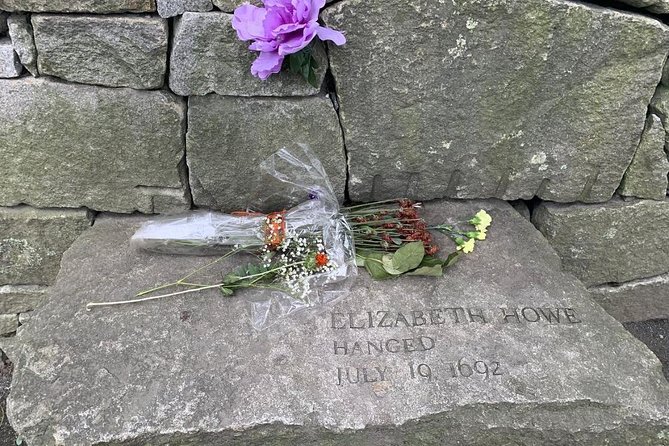
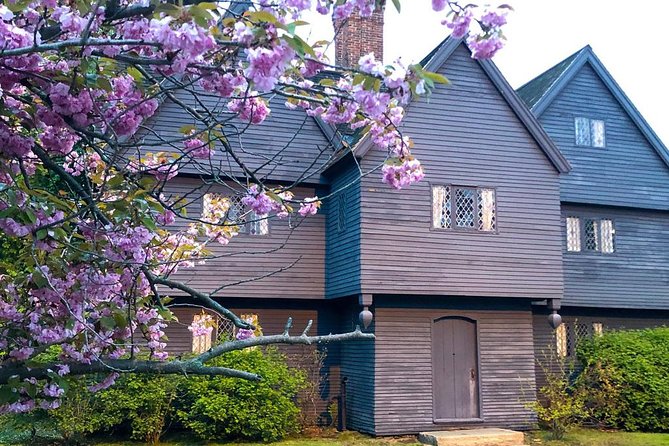
Two things I really like. First, the Salem Witch Trials Memorial is a powerful stop because the bench markers put names, dates, and details right in front of you. Second, the tour leans on the only 1660s-era building still directly linked to the trials: the Witch House, which helps the whole story feel less like theater and more like real history.
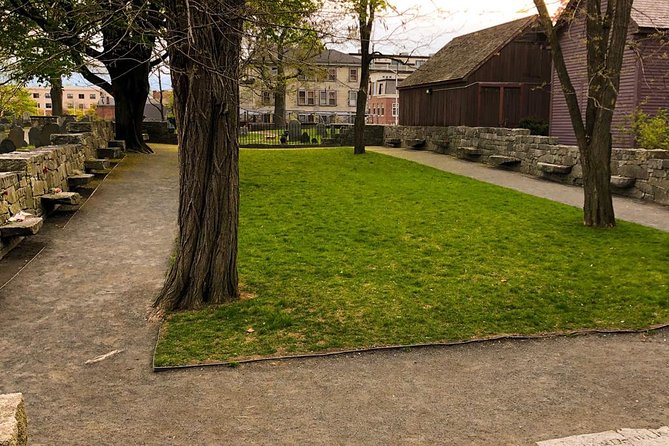
One consideration: a lot of original structures are gone, so you’ll spend time standing, listening, and using visual references for places that no longer exist. If you’re expecting to walk past every famous trial site building like it’s still 1692, you’ll want to set expectations before you go.
In This Review
- Key things to know before you go
- A 90-minute witch-trials walk that gets you oriented fast
- Meeting at Salem Historical Tours Office: quick start, easy follow-through
- Stop-by-stop: the memorial, church-meeting sites, and the Witch House
- Salem Witch Trials Memorial: names, dates, and symbolism you can’t unsee
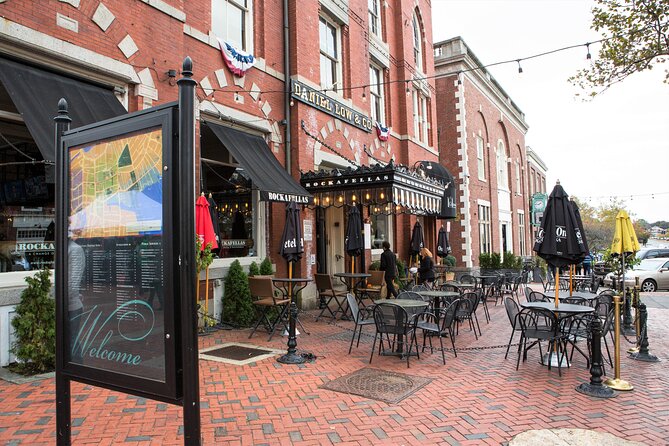
- The First Church / meeting house site at Rockafellas
- Joshua Ward House (Merchant Hotel) and George Corwin’s role
- The Witch House: the only surviving structure with 1692 ties
- From Sewall Street to courtroom sites: the jail and trial locations
- Salem YMCA on Sewall Street: Betty Parris in July 1692
- Turner’s Seafood at Lyceum Hall: Bridget Bishop’s land
- Witch Dungeon Museum: not 1692, but it shows how incarceration worked
- Essex Lodge / Masonic Building: the Witchcraft Court of Oyer and Terminer
- 50 St Peter St: where the witchcraft jail once stood
- The Elizabeth Montgomery statue: irony, pop culture, and a quick reset
- How the guide style shapes the experience (and why Bob is a name to watch)
- Price and value: what $30 buys you in real terms
- Who should book this tour, and who might want a different approach
- Should you book the Best Salem Witch Trials Historical Walking Tour?
- FAQ
- Where do I meet the guide?
- How long is the walk and how far do we go?
- What’s included in the $30 price?
- Is the tour in English?
- Does the tour run in bad weather?
- Is the tour accessible for people with mobility concerns?
- What is the cancellation policy for a full refund?
Key things to know before you go
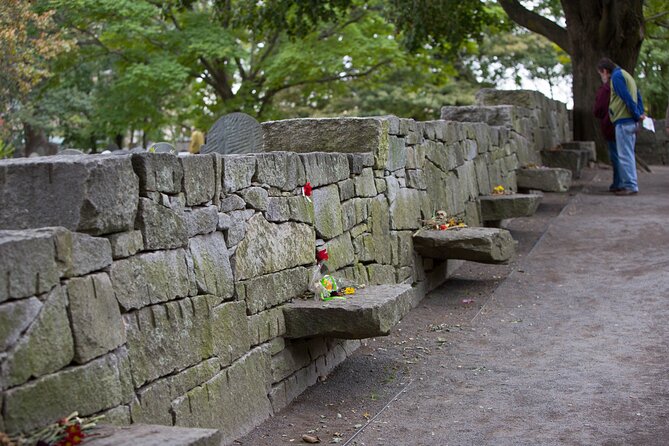
- Memorial-first approach: the tour begins with a dedicated tribute that spells out the victims’ names and what happened to them.
- The Witch House is the anchor: the guide takes you to the only surviving structure with direct ties to the 1692 trials.
- Downtown walking keeps it efficient: about one mile total, designed to fit into 90 minutes and start showing you Salem fast.
- You’ll hear specific roles and names: George Corwin, Judge Jonathan Corwin, Judge Hathorne, Stephen Sewall, Bridget Bishop, and Giles Corey come up.
- Not all sites are on the same ticket: some stops are free to view from the street; others don’t have admission included.
- Group size stays manageable: maximum group size is 40, which helps the guide keep control of the pace.
A 90-minute witch-trials walk that gets you oriented fast
Salem can feel like a maze if you arrive with only general knowledge. This tour’s real value is the tight route through the downtown core, so you end up with a map in your head: where the trial-related power centers were, where jails and court activity clustered, and where key figures lived or worked.
The whole experience runs about 90 minutes and covers roughly one mile. That length matters because it gives you enough time to learn the story without eating the whole day, and it keeps you free to add another Salem activity afterward.
You can also read our reviews of more tours and experiences in Salem.

Meeting at Salem Historical Tours Office: quick start, easy follow-through
You check in at the Salem Historical Tours Office at 8 Central Street. Tours depart at 10 am, 1 pm, and 4 pm, and you should show up about 15 minutes early so you can get placed before the group gets moving.
One small detail that makes a difference: the guide is easy to spot, holding a recognizable sign. That sounds minor, but in Salem’s crowded downtown (especially around October), it helps you avoid the classic start-of-tour scramble.
After the tour, you end back in downtown Salem. The guide can point you toward where you want to go next, which is handy if you’re building a short itinerary around lunch, museums, or the rest of the waterfront.
Stop-by-stop: the memorial, church-meeting sites, and the Witch House
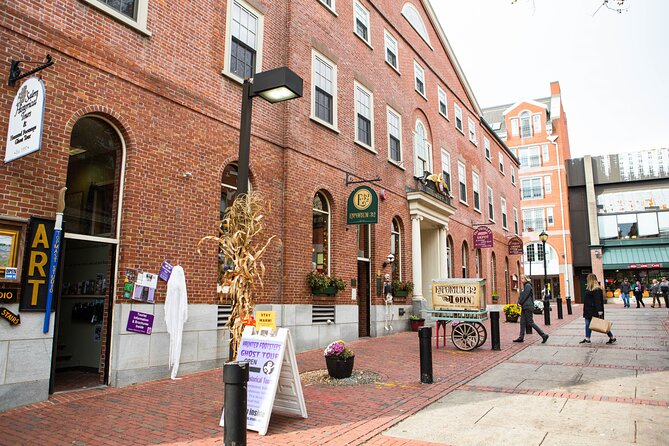
The pacing works like this: you start with the human cost, then you move through the places that helped make the tragedy possible.
Salem Witch Trials Memorial: names, dates, and symbolism you can’t unsee
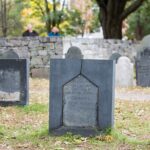
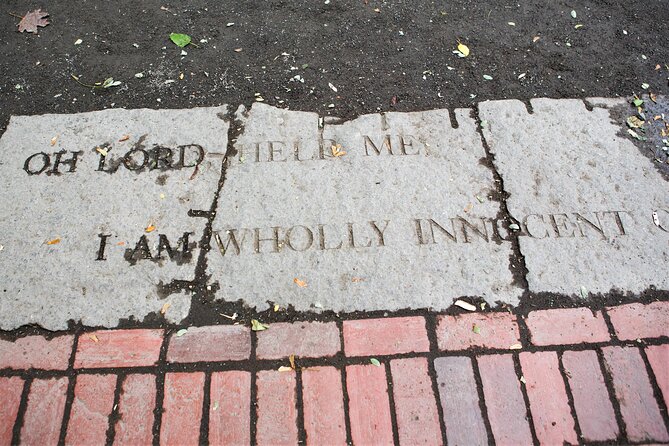
This is where the tour turns serious immediately. The memorial was dedicated in 1992 and uses bench-style markers for the 20 innocent victims from the 1692 Salem Witchcraft Trials. Each bench lists names, how people died, and the date.
What I’d tell you to do here: read slowly. It’s tempting to snap photos and keep walking, but the point of this stop is the opposite. The memorial forces you to connect the story to actual people instead of summaries and spooky captions.
The First Church / meeting house site at Rockafellas
Next comes a location that’s active today, which makes it feel oddly modern. The guide brings you to Rockafellas Restaurant, housed in the Daniel Low and Co. building. In 1692, that spot was tied to the First Church of Salem and served as the city meeting house during the trials.
The value of visiting here is perspective: the witch trials didn’t happen in some isolated corner. They unfolded in civic and religious spaces that townspeople recognized—and trusted. Even if you don’t go inside, the stop helps you picture how tightly the events were woven into everyday life.



Joshua Ward House (Merchant Hotel) and George Corwin’s role
Then you’re pointed at the site tied to George Corwin, connected to the high sheriff of Essex County in 1692. The location is now the Merchant Hotel, where his house once stood.
This stop is direct about what authority looked like on the ground. Corwin’s actions included signing arrest and execution warrants involving innocent people, and the guide explains that his power extended into taking personal property and torturing some people in his home.
If you only remember one thing from this tour, it should be this theme: the tragedy wasn’t just fear—it was administration.
The Witch House: the only surviving structure with 1692 ties
You finish the “core building” run at the Witch House. It’s the only remaining Salem structure with direct ties to the 1692 witch trials, and it dates to the 1660s. The guide connects it to Judge Jonathan Corwin, including the idea that he met with Judge Hathorne in the house to discuss who could be a witch.
This is the moment where history stops feeling abstract. When a building still stands, you can’t help but imagine the rooms, the conversations, and the confidence people had while making irreversible decisions.
From Sewall Street to courtroom sites: the jail and trial locations
After the Witch House, the tour shifts into where events moved: arrests, custody, and court activity. Some of these stops are dramatic by association even when the structure is gone, because the guide explains what stood there and who was connected.
Salem YMCA on Sewall Street: Betty Parris in July 1692
One of the most telling stops is the Salem YMCA, located on Sewall Street, named for judge Stephen Sewall. The guide ties this area to Betty Parris, who was moved here in July 1692, and connects it to the bigger start of the hysteria through her family and a cousin’s role.
Even if you don’t know Betty Parris’ story going in, this stop helps you understand how the panic spread outward rather than arriving fully formed.
Turner’s Seafood at Lyceum Hall: Bridget Bishop’s land
Then you’ll head to Turner’s Seafood at Lyceum Hall, a building on land that once belonged to Bridget Bishop and her husband Edward. The guide walks you through Bridget Bishop’s story—framed as the first woman executed in 1692—and the speed of the process: eight days from arrest to trial to execution.
This stop is uncomfortable in the way speed can be. It helps you see how quickly accusation became “proof,” and how little time people had to defend themselves.
Witch Dungeon Museum: not 1692, but it shows how incarceration worked
A brief reality check: the Witch Dungeon Museum is not directly tied to the 1692 trials. But it’s included because it helps explain the jail system conceptually—small cells like closets or phone-booth-sized spaces, plus the fact that prisoners had to pay for their own jail time.
You may also see a photo opportunity in the pillories (stocks). If you like a visual anchor, this is one of the easiest stops to remember because it makes the physical conditions harder to dismiss.
Essex Lodge / Masonic Building: the Witchcraft Court of Oyer and Terminer
The tour also brings you to the Salem Masonic Building – Essex Lodge area. The guide explains that the witchcraft court, called the court of Oyer and Terminer, was located on Washington Street in front of the present building, and that most trials were held there. Additional trials took place there in January 1693.
This stop adds a key detail about outcomes: even when a jury declared someone innocent, the judges could nullify the decision. That’s a turning point conceptually, because it shows the trial wasn’t just about evidence—it was about control.
50 St Peter St: where the witchcraft jail once stood
The final “place of confinement” stop is at 50 St Peter St. The guide points out that the witchcraft jail was located there, and although the jail structure is gone, the story comes through in the names. One of the most intense names mentioned is Giles Corey, the man crushed during an interrogation. The guide also explains that some prisoners died in jail.
If you’re sensitive to grim details, this is the part where you may want to pause and take a breath. The tour doesn’t hide the harshness, and it doesn’t try to make it cute.
The Elizabeth Montgomery statue: irony, pop culture, and a quick reset
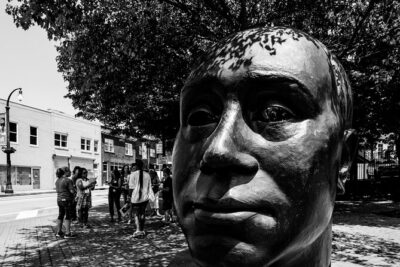
Right in the middle of the heavier material, you get a quick photo stop: the Bewitched statue of Elizabeth Montgomery. The guide connects it to Samantha Stevens and to the fact that episodes were shot in Salem.
This stop can feel ironic, and that’s the point. It’s also a helpful reset for your brain, because it gives you a moment of laughter in a place that has plenty of reason not to.
How the guide style shapes the experience (and why Bob is a name to watch)
The biggest variable on any walking tour is the person doing the storytelling. This tour uses a local, professional guide format, and the narration is what turns disconnected street corners into a connected timeline.
One guide name you might hear is Bob. When Bob leads, the praise you’ll see is about how he brings the 1600s to life and keeps the mood engaging without losing the seriousness.
Even when guides differ, the structure stays the same: you’ll hit the core locations, and you’ll get explanations for buildings that no longer exist. The tour also uses visuals to help you understand where older structures stood when you can’t see them today.
Price and value: what $30 buys you in real terms
At $30 per person for about 90 minutes, you’re paying mainly for access to interpretation: where to stand, what to look at, and how to connect the dots between names, institutions, and locations.
This is not a museum entry where you buy a ticket and sit still. It’s a guided orientation walk that places the Salem Witch Trials Memorial, the Witch House, and court/jail-linked sites into one route. That matters because self-guided Salem can be easy to get wrong, especially when so many structures are gone.
A practical note on value: some stops include free viewing, and some stops have admission not included. The Rockafellas stop is about the site’s history (not a meal deal), and places like the Witch House and Witch Dungeon Museum are not bundled into the base price. So if you plan to enter those add-on sites, budget for it.
Who should book this tour, and who might want a different approach
I’d send you on this tour if you:
- want a fast, focused way to understand the 1692 story without spending days researching
- like history explained through specific places and named people
- can comfortably walk about one mile and stand during frequent short stops
I’d think twice if you:
- need a fully step-by-step, nonstop timeline with every major event explained in strict order
- expect to walk to sites that require a much longer trek beyond the downtown core
- are very mobility-limited, because Salem sidewalks can be narrow and uneven with cobblestones and stairs
Should you book the Best Salem Witch Trials Historical Walking Tour?
If you’re trying to learn Salem Witch Trials history efficiently, I think this tour is a strong pick. It’s price-fair, it hits the memorial and the Witch House, and it spends its time on locations that make the story clearer rather than wider.
Book it if you want structure and guidance, especially for your first Salem visit. Consider skipping or pairing it with something else if you already know the basics and you want only deeply specialized details at every exact site. The route is designed to be doable, not to swallow your whole day.
FAQ
Where do I meet the guide?
Check in at the Salem Historical Tours Office at 8 Central Street, Salem, MA 01970. Arrive about 15 minutes early, and the tour departs at 10 am, 1 pm, or 4 pm depending on your booking.
How long is the walk and how far do we go?
It runs about 90 minutes and is about one mile in length, with frequent stops to view sites and hear information.
What’s included in the $30 price?
You get a guided Salem Witchcraft walking tour with a local professional guide. Individual site entry fees are not included for some stops, and food or other purchases like meals are not included.
Is the tour in English?
Yes, the tour is offered in English.
Does the tour run in bad weather?
Yes. It operates in all weather conditions, so dress appropriately for rain, cold, or heat.
Is the tour accessible for people with mobility concerns?
The tour can pose challenges for mobility and accessibility needs. You must be able to complete the one-mile walk within 90 minutes, and you’ll encounter narrow and uneven sidewalks, cobblestones, and stairs. If that doesn’t work for your needs, you may want to consider a different option.
What is the cancellation policy for a full refund?
You can cancel for a full refund up to 24 hours before the experience’s start time. If you cancel less than 24 hours before, the amount you paid is not refunded.