REVIEW · CHICAGO
Big Bus Chicago: Hop-On Hop-Off Sightseeing Tour, 24/48/72hr Pass
Book on Viator →Operated by Big Bus Tours - USA · Bookable on Viator
Chicago looks great from a double-decker bus, and this pass is a smart way to get oriented fast. I like the hop-on hop-off freedom (you can jump off, explore, then ride again) and the digital audio commentary that helps you connect the skyline dots. One thing to plan around: on colder days, a few folks report inconsistent heat upstairs, so dress for winter even if the lower deck is climate controlled.
This is the kind of tour you use like a tool, not a theme park ride. You’re buying convenience and a quick “big picture” run through downtown parks, museums, and waterfront views, then deciding what deserves your walking time.
In This Review
- Key Things That Make This Pass Worth Your Time
- The Big Picture: What You’re Really Buying for $45
- Entering The Loop: How Hop-On Hop-Off Works Day To Day
- Stop-by-Stop: What You’ll See and Why Each One Matters
- 1) Chicago Riverwalk: Your Warm-Up Point
- 2) Skydeck Chicago & Willis Tower: Big Views, Big Decisions
- 3) Millennium Park & The Art Institute of Chicago: The Classic Chicago Pair
- 4) Grant Park: Wide Open Space Downtown
- 5) Adler Planetarium: Science + Lakefront Energy
- 6) Field Museum of Natural History: Museum Campus Central
- 7) Chicago Architecture Center: Where the City’s Story Makes Sense
- 8) Navy Pier: The Waterfront Energy Check
- 9) The Magnificent Mile: Shopping Street, Skyline View
- 10) 360 CHICAGO / John Hancock Center: The Photo Spot Feeling
- 11) McDonald’s (River North): The Stop That Makes the Route Real
- Audio, Headphones, and That Reality Check About Winter
- Comfort on a Double-Decker: Choosing Lower Deck vs Upper Deck
- The Big Bus App: Your Real Secret Weapon for Timing
- Value Check: What’s Included vs What You’ll Still Pay For
- Practical Tips I’d Use to Make Your Day Go Smoothly
- Who Should Book This Big Bus Chicago Pass
- Should You Book It?
- FAQ
- How long does one full circuit of the Big Bus Chicago route take?
- What time do the buses run?
- How often does a bus arrive at each stop?
- Do I need to go to a central ticket office to board?
- Is the audio guide included?
- What’s included in the pass price, and what’s not?
- Is there WiFi on the bus?
- Are pets and luggage allowed?
Key Things That Make This Pass Worth Your Time
- A simple route with 11 major stops, built around the core downtown sights: parks, museums, river, and skyline lookouts
- Open-top upper deck + climate-controlled lower deck, so you can switch levels depending on weather
- Onboard digital commentary in multiple languages, with headphones and recorded narration that keeps you oriented
- Live bus tracking in the Big Bus app, so you can time your hop-ons instead of guessing
- 24-, 48-, or 72-hour flexibility, useful if you want one big loop plus a few targeted returns
- Drivers can add extra local color, and names like Donnie and Candace show up in standout experiences for added information
The Big Picture: What You’re Really Buying for $45
At about $45 per person, this pass isn’t about getting into attractions. It’s about getting around smoothly and learning what you’re seeing while you do it. That matters in Chicago, because distances add up and traffic can slow you down on your own schedule. For the price, you’re paying for a built-in “transport + commentary package” that helps you decide where to spend actual time.
The route covers classic downtown anchors: Millennium Park, Grant Park, the Magnificent Mile, and Navy Pier, plus big museum territory around the lakefront. Even if you only do one full circuit (about two hours), you’ll finish with a clear sense of the city’s layout and what you want to revisit.
Also, the pass runs on a practical operating window: the first bus departs at 10am and the last at 5pm. That’s a key detail for planning, especially in winter when daylight is limited.
You can also read our reviews of more tours and experiences in Chicago.



Entering The Loop: How Hop-On Hop-Off Works Day To Day
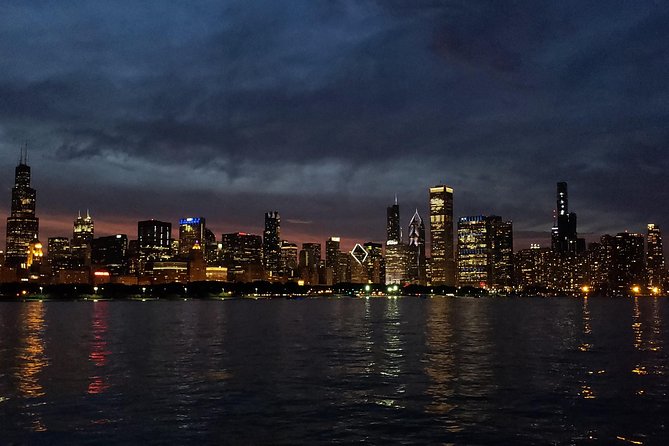
You’ll start at one of the designated stops, and you can hop off and back on at your pace. The route moves through 11 stops, and the service is frequent enough that you’re not stuck waiting long (the schedule is often described as buses arriving roughly every 30–45 minutes, and the general running pattern is hourly from each stop, but use the app on the day).
Two practical notes that reduce stress:
- Use the Big Bus app for stop locations and live bus tracking. This is especially helpful if you’re walking between neighborhoods or you’re not sure which side of a street the stop is on.
- Activation can be done either through the app (add booking reference, activate, then show the activated ticket) or by redeeming vouchers at Stop #1, Chicago Riverwalk (98 E. Wacker) or with the driver at any stop along the route.
If you want this to feel effortless, I’d treat the app like your schedule manager. When it’s cold, or when you’re carrying bags, that habit pays off.
Stop-by-Stop: What You’ll See and Why Each One Matters
1) Chicago Riverwalk: Your Warm-Up Point
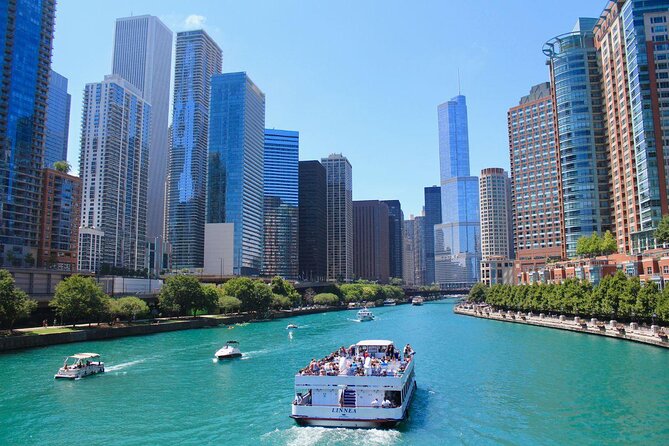
The tour begins at Chicago Riverwalk (98 E. Wacker Drive), across from Trump Tower. This is a strong first stop because you get instant context for Chicago’s story: river life, downtown architecture, and the idea that the city is built around moving water and big public spaces.
If you’re the type who likes to orient on day one, this is your best “starter scene.” It also gives you a place to activate your voucher if you’re using the in-person option.
2) Skydeck Chicago & Willis Tower: Big Views, Big Decisions
Next up is Skydeck Chicago and Willis Tower. This is where you start thinking about the skyline as a shape, not just a bunch of buildings. Even if you don’t plan to go up, it helps you understand where the city’s “vertical drama” lives.
The tradeoff: the skyline stop is a visual one, and the best part of the experience is getting the view from the bus and learning what you’re looking at, not paying for an attraction here (admissions aren’t included).






3) Millennium Park & The Art Institute of Chicago: The Classic Chicago Pair
Then you roll to Millennium Park and The Art Institute of Chicago. This section is one of the easiest ways to see why Chicago is famous for both public art and world-class museums.
I like that this stop pairs a lively outdoor park area with museum territory. If you hop off, you can do a short walk and still feel like you did something meaningful, even with limited time.
4) Grant Park: Wide Open Space Downtown
After that comes Grant Park near Hilton Chicago. Grant Park gives you breathing room, and from this part of the route you get a sense of how Chicago uses big green spaces to balance dense streets.
If you’re planning a return day, this stop is often where you’ll want time to linger. It’s also a good reference point for deciding whether you’ll walk to other spots later.
5) Adler Planetarium: Science + Lakefront Energy
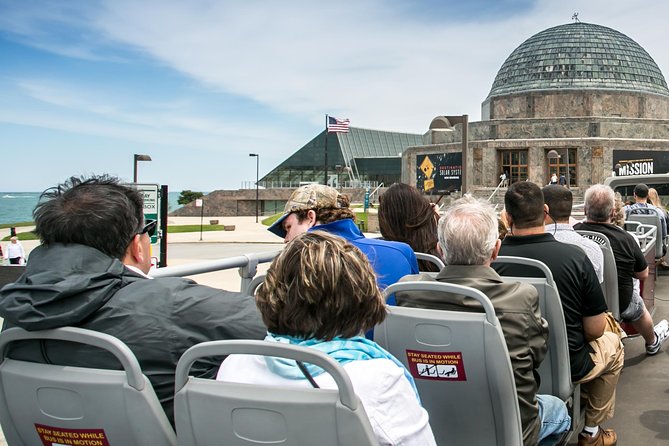
The Adler Planetarium stop lands you in museum campus territory by the water. This is a useful anchor if you’re traveling with kids, or if you simply like your Chicago experiences to include something hands-on.
Even without museum admission, you’ll get the location and skyline relationship. The lakefront area is where Chicago feels most “vacation-like.”
6) Field Museum of Natural History: Museum Campus Central
Next is the Field Museum and the Museum Campus zone. This is Chicago’s big museum land, so it’s perfect for a hop-off moment if that’s your style. If museums aren’t your thing, it still works as a landmark: you’ll remember it later when you plan routes on foot.
7) Chicago Architecture Center: Where the City’s Story Makes Sense
The route then hits the Chicago Architecture Center area. This is one of the stops that turns your ride from sightseeing into understanding. Chicago’s architecture isn’t random; it’s a way the city solved problems and showed off at the same time.
One practical tip: if you’re only doing one full loop, this is a good place to pay attention to the narration, because it helps the rest of downtown snap into place visually.
8) Navy Pier: The Waterfront Energy Check
Then you arrive at Navy Pier. If you want the most “Chicago vacation” feeling, this stop usually does it. It’s lively, easy to recognize, and it connects you to the lakefront.
The big idea here: even if you don’t buy any tickets for attractions, you can still use this stop to understand the waterfront layout and choose whether to spend time there outside the bus.
9) The Magnificent Mile: Shopping Street, Skyline View
Next: the Water Tower & the Magnificent Mile. This part is great for quick orientation because it shows you how downtown concentrates attention into a bright, pedestrian-friendly corridor.
It’s also a good stop to hop off briefly for photos or to get your bearings if you plan to walk later. The skyline and street rhythm come together here.
10) 360 CHICAGO / John Hancock Center: The Photo Spot Feeling
Then you reach 360 CHICAGO at the John Hancock Center. This is another “shape of the city” stop. It helps you connect skyline landmarks and understand Chicago’s skyline hierarchy: what dominates visually and where the lakefront sits relative to it.
11) McDonald’s (River North): The Stop That Makes the Route Real
The last stop listed is McDonald’s in River North. It sounds funny, but it’s actually helpful: using a recognizable marker makes it easier to locate the stop again on return days, especially if you’re walking from another attraction.
It also reinforces something useful: this tour is built for real-world navigating, not just symbolic landmarks.
Audio, Headphones, and That Reality Check About Winter
The bus includes professional digital commentary in multiple languages, with an option to use the headphones that many people find helpful. In the better experiences, audio keeps you from staring at buildings like you’re waiting for a power outage to end.
But there are clear, practical issues to know:
- Some people report headphones that weren’t great or audio that’s hard to hear at certain points.
- A few reports mention poor audio overall, and in at least one case the experience felt expensive for what you got.
- In colder weather, multiple reviews describe cold conditions upstairs, including reports of heat not working on at least one second bus.
So here’s my no-drama advice: plan to listen, but don’t rely on it being perfect in every seat and every weather pattern. Bring your winter layer discipline, and if you care about audio, try to sit where sound is easiest (or keep an eye on the volume controls mentioned in reviews).
On the plus side, some drivers go beyond the recording. Names like Felicia (praised for clear narration and humor) and Candace (praised for knowledge and speaking clearly) show up in the standout feedback. Even when you’re on the recorded track, that human extra touch can turn a standard ride into a better orientation session.
Comfort on a Double-Decker: Choosing Lower Deck vs Upper Deck
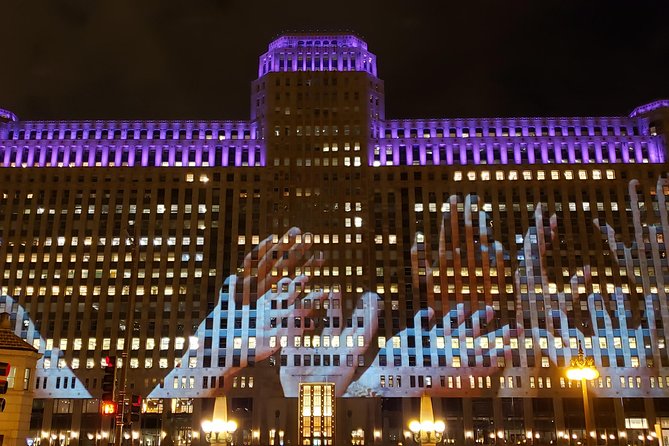
This tour runs double-decker buses with an open-top upper deck and a climate-controlled lower deck. That setup is a real advantage in Chicago because weather can swing hard.
In winter reports, people liked having a covered space to reduce wind and cold. Others still complained about cold seats or heat issues on certain buses. Translation: even with a covered lower deck, you should dress like you’re going outside. The bus helps, but it’s not a heated lounge.
Another comfort note: a few reviews mention cleanliness of windows and seat comfort. You can’t control that, but you can control your expectations. If you care about photography through glass, keep a few shots in mind as “best effort,” not guaranteed.
The Big Bus App: Your Real Secret Weapon for Timing
The pass leans on the Big Bus app for a reason. You’ll use it for:
- Stop locations (including a find-a-stop style function)
- City info
- Live bus tracking
This matters because hop-on hop-off only feels good when you’re not waiting forever. When reviews mention timing problems, the common fix is simple: check live tracking before committing to walking back to a stop.
Also, if you’re not sure where you are, the app’s stop-finding tools reduce the awkward “Where is the bus?” moment. A couple of people said they couldn’t find a spot and didn’t see buses, so the app is your best way to avoid that.
Value Check: What’s Included vs What You’ll Still Pay For
Included:
- Hop-on hop-off sightseeing on the open-top bus
- Professional digital commentary (multiple languages)
- Live bus tracking and city info via the app
- WiFi on board
- A lower deck that’s enclosed/climate controlled (with top deck open)
- Optional self-guided digital walking tours on selected topics (Chicago Architecture, Public Art, Chicago Riverwalk, Millennium Park)
Not included:
- Attraction admissions
- Hotel pickup/drop-off
So the value is strongest if you use the pass for what it does best: transportation + orientation + sightseeing learning while you roll through major districts. If your plan is mainly to “see everything” inside ticketed museums and observation decks, you’ll likely still spend extra money. That’s not a flaw; it’s just how the product is built.
Also, if you do multiple days with the 48- or 72-hour option, you can return to one or two neighborhoods and actually absorb them. That’s where the pass starts to feel like a deal, not just a ride.
Practical Tips I’d Use to Make Your Day Go Smoothly
- Start with one full loop so you don’t wander blindly. Two hours is enough to set your “next steps” list.
- Plan one or two hop-offs, not five. You’ll enjoy the time more and you won’t feel rushed by the last bus timing.
- Use the live tracking instead of relying on memory. Chicago streets change, and it’s smarter to trust the app.
- Bring headphones backup if you’re sensitive to audio quality. Some people reported headphone/audio problems, and a backup keeps you from losing the main benefit.
- Dress for weather even with the climate-controlled lower deck. Winter reports include cold upstairs and heat inconsistencies.
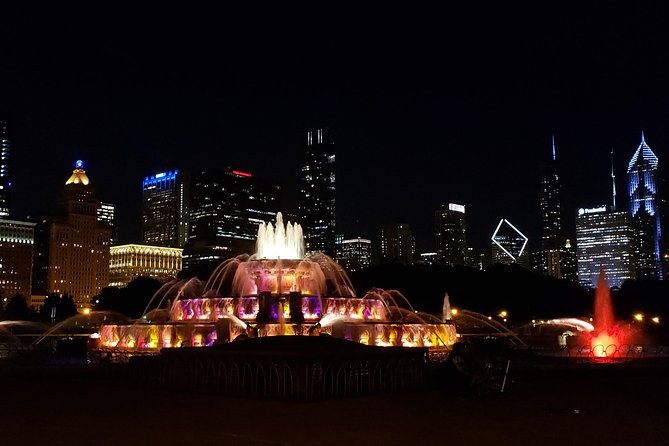
And yes, it can be a great photo ride at golden hour. Sunset views get mentioned for good reason, since Chicago’s glass and steel reflect light in a satisfying way.
Who Should Book This Big Bus Chicago Pass
This is a strong fit if you want:
- An easy first day orientation
- A low-effort way to cover downtown highlights in limited time
- Flexibility across 24, 48, or 72 hours
- A safe-feeling, straightforward sightseeing option that’s friendly for couples, solo travelers, and families
It’s also a good option if you like your city learning with a guide, even when the guide is digital. People describe feeling safe, and drivers are frequently praised for friendliness and helpfulness.
If you hate waiting or dislike any chance of weather-related discomfort, then you’ll want to plan your day carefully and use the app.
Should You Book It?
I’d book this if you want a reliable overview of Chicago’s core sights with flexibility and commentary built in. The price is reasonable for what you get, as long as you treat it as transport and orientation, not museum tickets.
Book it even more confidently if your trip has winter weather and you want options like a climate-controlled lower deck plus frequent hop-on stops. If your priority is only indoor attractions, you might skip the bus and build a walking/transit plan instead.
FAQ
How long does one full circuit of the Big Bus Chicago route take?
A full round trip takes about two hours if you do not get off at any stops.
What time do the buses run?
The first bus departs at 10am and the last bus departs at 5pm.
How often does a bus arrive at each stop?
Buses arrive approximately every 30–45 minutes.
Do I need to go to a central ticket office to board?
No. You can show a printed or electronic version of your ticket at the stops to board.
Is the audio guide included?
Yes. The tour includes professional digital commentary with multiple language options, and you’ll use the onboard setup to listen.
What’s included in the pass price, and what’s not?
Included is the hop-on hop-off bus tour, onboard commentary, live tracking via the app, WiFi, and the bus comfort features described above. Not included are admissions to attractions and hotel pickup/drop-off.
Is there WiFi on the bus?
Yes, WiFi is available on board.
Are pets and luggage allowed?
Pets are not allowed onboard except ADA service animals. Luggage is not permitted onboard.