REVIEW · CHICAGO
Chicago River: 1.5-Hour Guided Architecture Cruise
Book on GetYourGuide →Operated by Wendella Tours & Cruises · Bookable on GetYourGuide
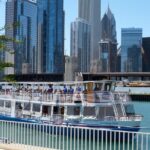
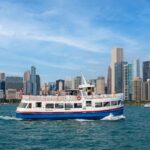
Skyscrapers look different from the river. This 1.5-hour Chicago River Architecture Cruise is built around the city’s architectural swing, a tradition that goes back to 1935, and it takes you along the main river plus the north and south branches while you learn how the skyline evolved. It runs year-round, so you’re not stuck waiting for perfect weather.
I love the open-air option for fresh views, and I also like knowing there’s a climate-controlled interior if the wind turns nasty. The expert guide style is a big part of the value too, and you may hear lively, funny delivery from guides like Elisa, John, Spearo, Alex, Lucas, Sarah, and Scotty D.
One possible drawback: deck seating is first-come, so if you want the best outside angles, you’ll want to arrive with a little cushion for cold, crowds, or both.
In This Review
- Key things I’d plan around
- Michigan Avenue to Lake Michigan: The river route that makes Chicago click
- Open deck-top or climate-controlled cabin: pick your comfort
- The landmark stops that matter (and what to look for)
- Marina City: boats, towers, and Chicago’s playful side
- Merchandise Mart: the imposing art deco anchor
- Tribune Tower and the Wrigley Building: early landmark swagger
- Willis Tower: skyline scale that photos can’t capture
- Chicago Board of Trade Building: old-world finance, river-front drama
- Aon Center: mid-century confidence
- NBC Tower and modern icons like Aqua
- Lake Point Tower: finishing the skyline loop
- Cash bar, Garrett’s Popcorn, and Chicago-style treats
- Photo moments: where to stand and what to grab
- How long is 90 minutes, really?
- Price and value: what $44 buys you
- Who should take this cruise, and who should skip it
- Quick heads-up before you go
- Should you book this Chicago River architecture cruise?
- FAQ
- How long is the Chicago River guided architecture cruise?
- Where does the tour start?
- Can I choose indoor seating or be on the open deck?
- Are drinks and snacks included in the price?
- Are pets allowed on board?
- Is there a discount for young children?
Key things I’d plan around
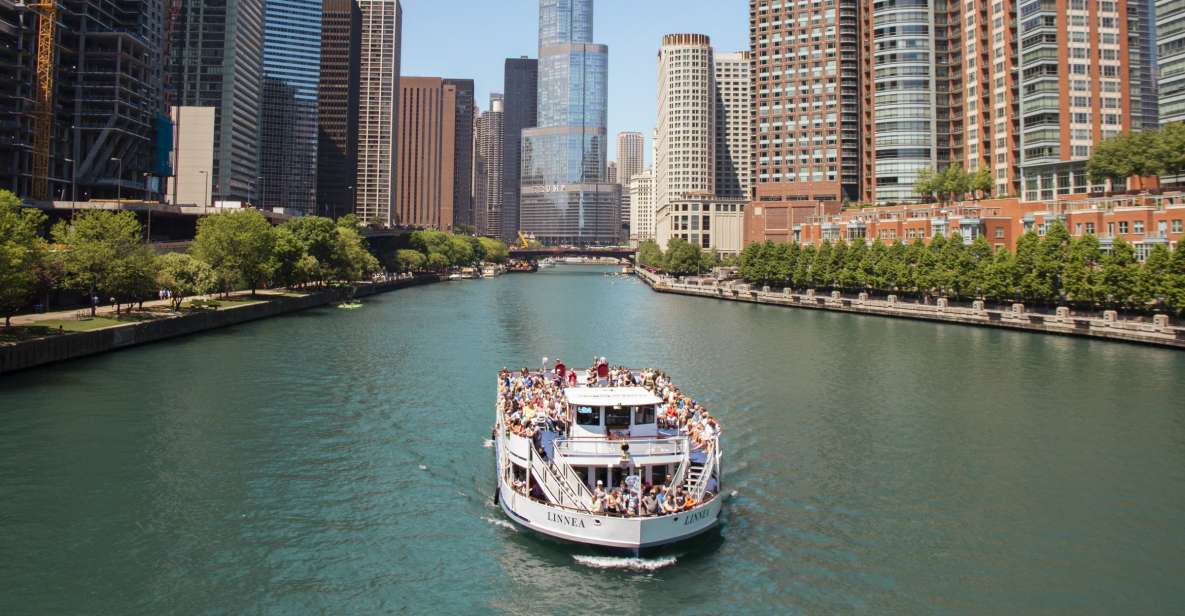
- Two comfort zones on one cruise: open deck-top spots plus a climate-conditioned interior
- A route that hits the skyline from multiple angles: main branch, then the north and south branches, then back toward Lake Michigan
- Big-name Chicago landmarks you can actually see up close: from the Wrigley Building and Tribune Tower to Willis Tower and Aqua
- Guide-driven storytelling with humor and clarity: the kind of narration that keeps you moving building to building
- Food and drinks are easy to handle: Garrett’s Popcorn and local beer/spirits are available via a full-service cash bar
Michigan Avenue to Lake Michigan: The river route that makes Chicago click
If you’ve only seen Chicago from sidewalks or photos, this cruise helps your brain put it all together. The boat starts near the Michigan Avenue (DuSable) bridge, then heads up the main branch of the river, passing key areas like Wolf Point before it continues along the north and south branches. The payoff is that you’re not stuck with one view—your perspective changes as the boat threads through downtown and turns back toward the Chicago Riverwalk and onward toward Lake Michigan.
I like this format because it’s still short enough to fit into a busy day, but it’s long enough to feel like you’re getting the full arc of the river-city relationship. Chicago’s architecture is often explained in terms of style or era. On the water, it becomes practical: you see why certain buildings face the river, why the river mattered for commerce, and how the skyline’s “shape language” evolved.
The cruise is also built for day-to-day reality. It’s designed to run in different seasons, with inside seating available when the temperature drops. That matters, because the river can feel colder than the lakefront depending on wind and time of day.
You can also read our reviews of more tours and experiences in Chicago.
Open deck-top or climate-controlled cabin: pick your comfort
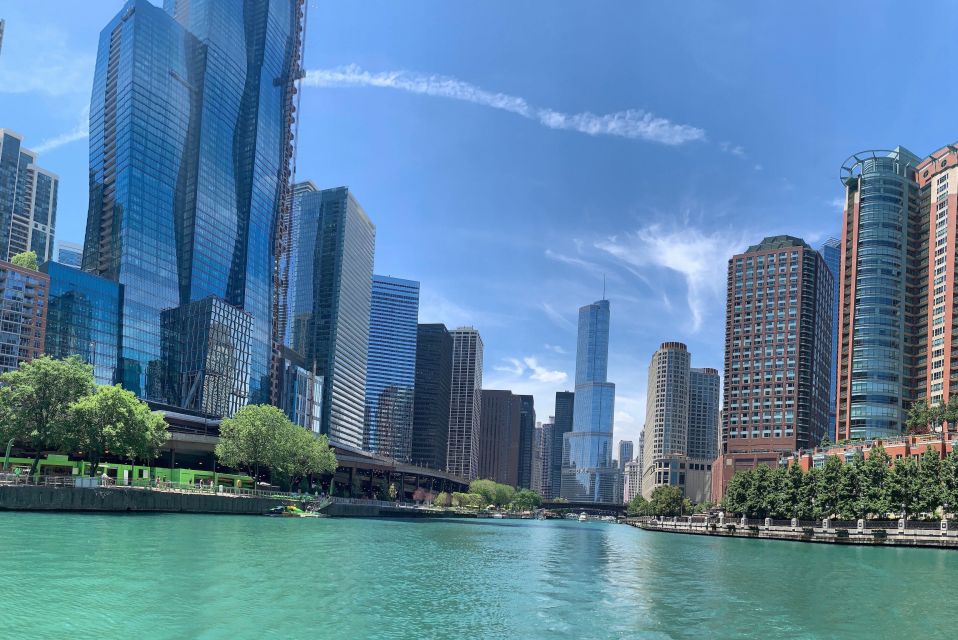
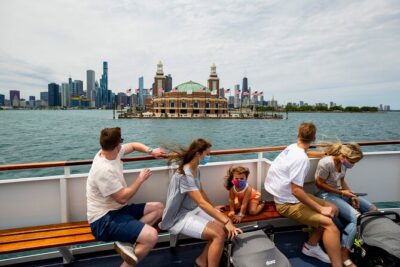
This is one of the smartest parts of the experience, because your comfort can change over 90 minutes without ruining your view. You can choose outside deck-top seating for fresh air and skyline drama, or switch to the climate-conditioned interior when you want to stay warm and keep listening clearly through the wind.
On chilly departures, guides often make it easier to manage the temperature—so you’re not stuck freezing to death just to keep your camera pointed at Willis Tower. If you run cold, treat the inside cabin like your base. Step out when the boat aligns with a photo-friendly stretch, then warm back up.
A small logistics note that can affect your enjoyment: deck seats are first-come, first-served. If you care about being outside for every major landmark shot, plan to arrive early enough to settle in before the boat fills. If you’re fine with mixing inside and outside views, you’ll have an easier time staying comfortable.
Also worth knowing: the vessel has restrooms (with diaper-changing tables), so you don’t have to time your trip around “bathroom panic.” That sounds small, but on a tight, 90-minute window, it can make the whole experience feel smoother.
The landmark stops that matter (and what to look for)
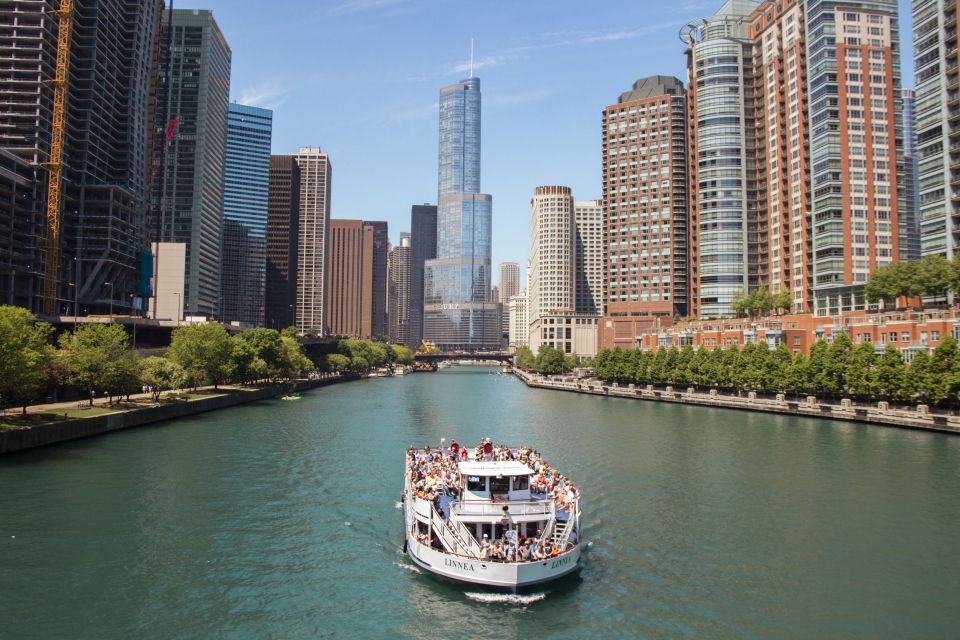
This cruise is packed with buildings you’ve probably seen in pictures, but the water angle makes them easier to read. You don’t just look at the skyline—you get close enough to understand the “why” behind the forms.
Here’s how to treat the major highlights as you go, and what to watch for.
Marina City: boats, towers, and Chicago’s playful side
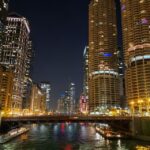
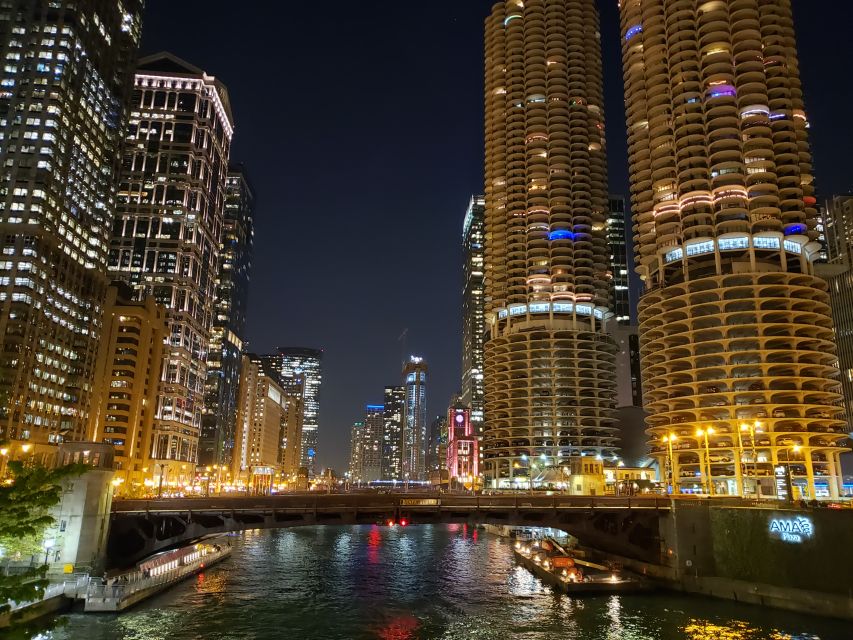
As you move along the river, you’ll pass Marina City, the pair of circular residential towers that look like something from a futuristic sketch. It’s the kind of building that tends to get overlooked when people talk only about downtown skyscrapers. From the water, it feels more human—like Chicago is showing off without taking itself too seriously.
Merchandise Mart: the imposing art deco anchor
You’ll see the Merchandise Mart, a major art deco presence that reads as weighty and commercial. From the river, it’s not just “a big building”—it’s a statement about how Chicago tried to brand itself as a center of trade and industry. Pay attention to the geometry and that stepped, sculpted look typical of the era.
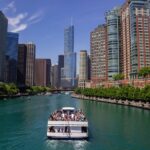
Tribune Tower and the Wrigley Building: early landmark swagger
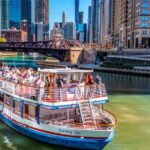
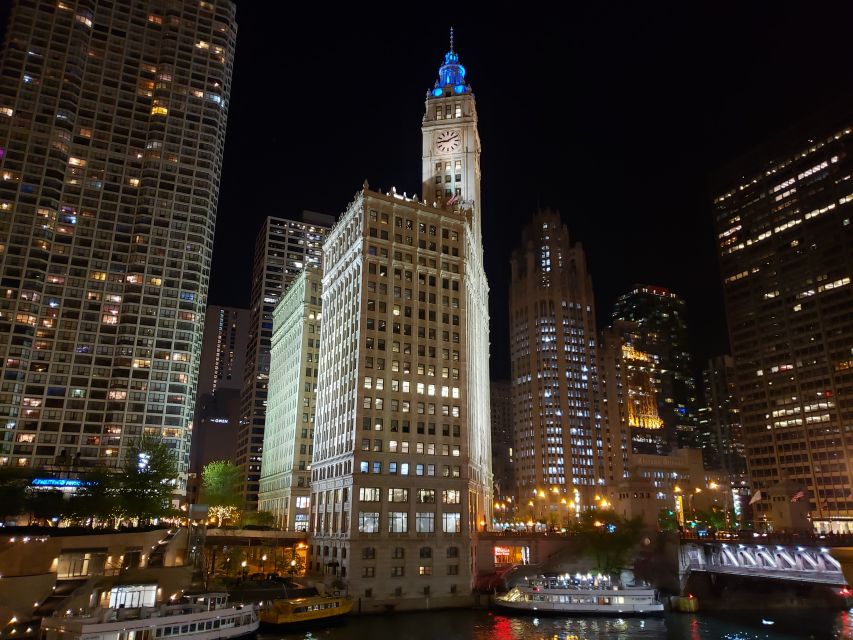
Two of the most recognizable historic names along the river are the Tribune Tower and the Wrigley Building. These show up because the river was (and still is) one of the fastest ways to see Chicago’s ambition concentrated in one place. When you spot them, look for the way the details catch light—historic towers often feel more dramatic from the water because you’re seeing their faces at a moving angle.
Willis Tower: skyline scale that photos can’t capture
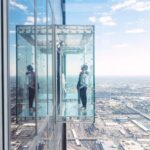
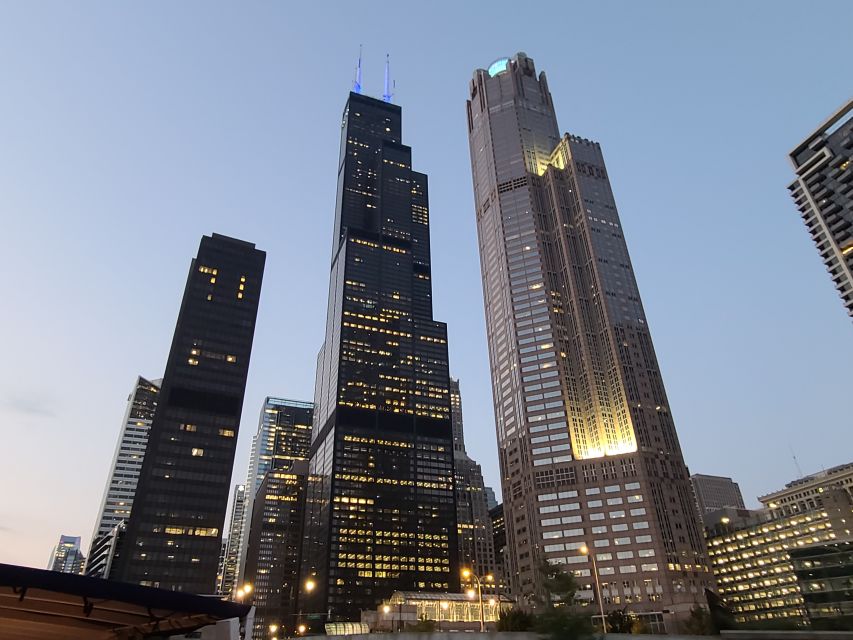
The Willis Tower (formerly the Sears Tower) is the moment a lot of people lean forward. Even if you know it’s tall, the river changes how tall it feels. The building’s mass dominates the view, and the surrounding downtown grid suddenly looks arranged around it.
Chicago Board of Trade Building: old-world finance, river-front drama
The Board of Trade Building is one of those stops that rewards patience. From the boat, you can see how it fits into the downtown layer, and it helps you connect “architecture” to a city that built its identity through business.
Aon Center: mid-century confidence
The Aon Center brings you into a different architectural mood—clean lines and an era that looks confident about its own future. From this section of the route, you’ll start to feel how Chicago’s styles stack over time instead of replacing each other.
NBC Tower and modern icons like Aqua
The boat route also puts you near NBC Tower and later past newer, more sculptural structures like Aqua at Lakeshore East. Aqua is the kind of building that looks better up close: the curves make it feel kinetic, and the river perspective lets you see the design as something you’d want to walk around, not just photograph.
If you spot Trump Tower, Nuveen, or the Vista Tower area as you ride, use them as quick markers of Chicago’s recent shifts toward sleek silhouettes and contemporary massing. You’re essentially doing a visual timeline from the water.
Lake Point Tower: finishing the skyline loop
Toward the end of the cruise, you’ll see Lake Point Tower, which helps close the loop between downtown density and the lake-facing world. It’s a good reminder that Chicago’s identity isn’t only “tall buildings.” It’s also how those buildings relate to the open water nearby.
Cash bar, Garrett’s Popcorn, and Chicago-style treats
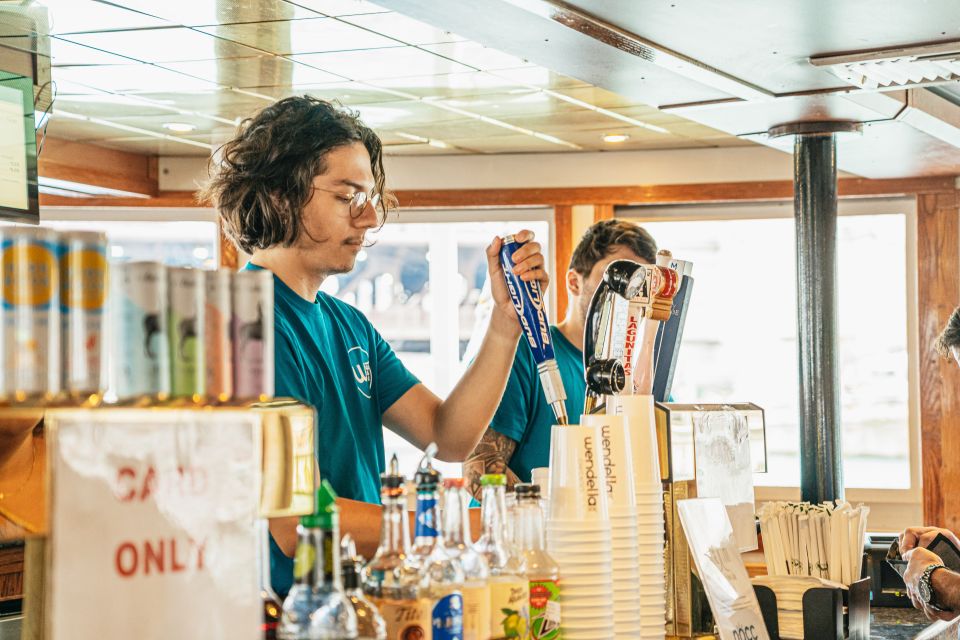
If you’re thinking about food and drink, this cruise keeps it simple. Beverages and snacks are not included, but the boat offers a full-service cash bar with local products, including local beer and spirits. You’ll also find Garrett’s Popcorn available onboard.
You can also bring your own non-alcoholic beverages and food. That’s useful if you travel with dietary needs or you just want to grab something before boarding and spend your onboard money on a cold drink of your choice.
One reason this matters for value: a 90-minute cruise is a short window. Having snacks and a bar means you don’t have to plan a separate meal just to keep your energy up.
Photo moments: where to stand and what to grab
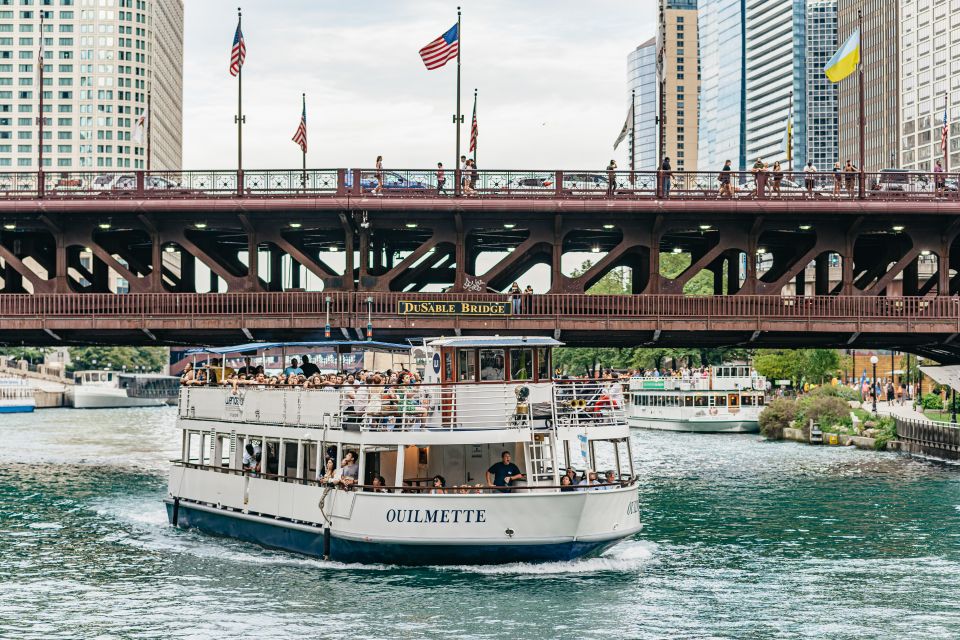
This boat is built for selfies and quick shots, not just slow sightseeing. They even mention photo opportunities like a stop for pictures at the Grand Staircase at the front of the boat, plus the option to pose near the stern or bow for skyline backdrops.
For the best results, don’t treat photography like a single moment. Treat it like a schedule:
- Step outside when you see a landmark face up toward you.
- Then step back inside if wind or temperature starts messing with your enjoyment.
- Use your phone’s panorama mode or wide lens for the big skyline stretches, especially when the boat is moving between river branches.
If you’re sensitive to hearing over outdoor wind, you’ll probably get clearer narration by spending part of the time inside. That trade-off—sound for air—adds up quickly on a short cruise, so plan to switch rather than force one setup for the whole ride.
How long is 90 minutes, really?
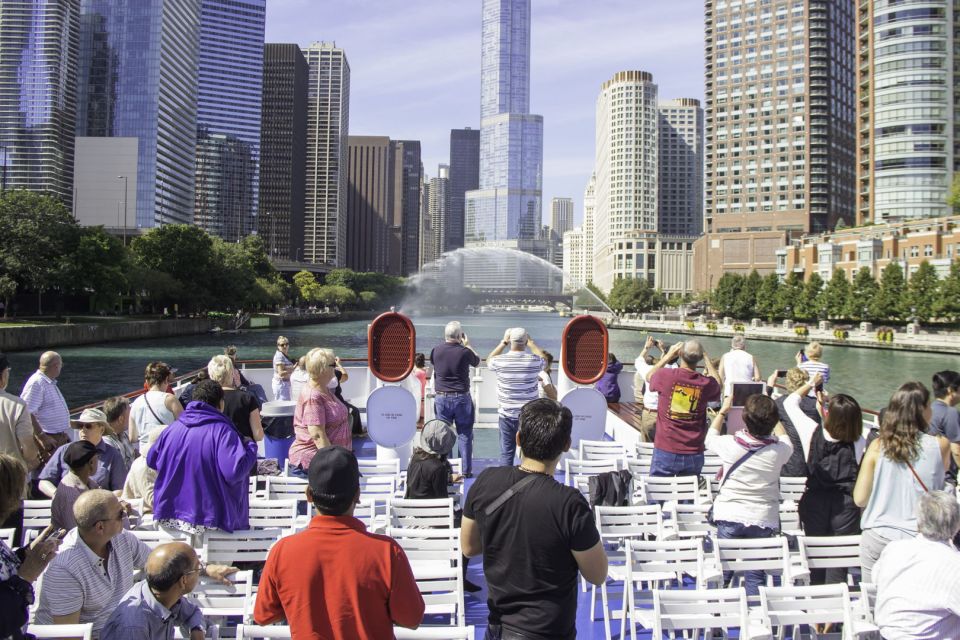
Ninety minutes sounds like a quick spin, and it is. But on this route it feels efficient because the boat keeps moving while the guide stacks architectural points in order.
You’ll cover:
- the main branch up past key zones,
- the north and south branches,
- and the return glide near the Riverwalk toward Lake Michigan.
That’s why it works well for people who want a “top highlights” experience without committing to half a day. It’s also a good pairing with other Chicago stops along the lake and downtown. You’ll come off the boat with a stronger mental map, which makes your next walk feel less random.
Price and value: what $44 buys you
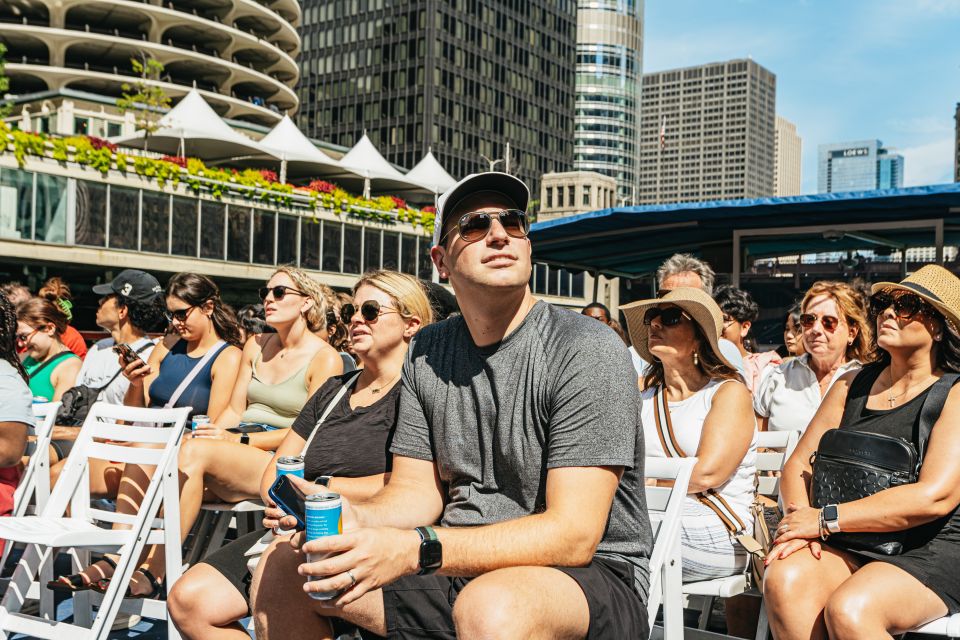
At $44 per person for about 90 minutes, you’re paying for a guided boat ride with a live narration component plus the onboard comfort setup (open deck and climate-controlled interior). You’re not paying just for transportation. You’re paying for the ability to connect what you’re seeing with why it matters.
Here’s how I think about the value:
- You’re seeing multiple skyline clusters in one go.
- You get expert explanation while you’re in motion, instead of trying to piece the story together later from guidebooks.
- You can stay warm and keep listening through the colder parts of the cruise.
Since beverages aren’t included, budget a little extra if you plan on using the cash bar. If that’s not your thing, you can keep costs down by bringing your own non-alcoholic drinks and snacks.
Who should take this cruise, and who should skip it
This cruise is a strong fit if you want:
- an easy “first architecture” experience in Chicago,
- lots of famous buildings in a short time,
- and a balance of sightseeing plus narration.
It can also work well for families, since the ship has onboard restrooms and diaper-changing tables. Children under 3 are free, which helps for younger travelers.
You might skip it if:
- you’re very sensitive to cold and want to remain outside for the entire time,
- or you assume it’s a quiet, sit-and-stare kind of ride. It’s guided, and the focus is on seeing and learning as the boat moves.
Quick heads-up before you go
A few rules and practicalities can prevent minor annoyances:
- No pets are allowed, assistance dogs are allowed.
- Bags are subject to search.
- You can bring non-alcoholic food and drinks, but beverages/snacks are otherwise available for purchase onboard.
- The cruise doesn’t allow weapons or sharp objects, and it bans alcohol and drugs.
Should you book this Chicago River architecture cruise?
If you’re in Chicago for the first time, or you want a fast way to understand why the skyline looks the way it does, I think this is an easy yes. The mix of famous landmarks, a guided explanation, and the comfort choice of open deck-top vs. climate-controlled interior makes it feel like a smart use of time, not just another tourist activity.
Book it if you want to:
- get your bearings fast,
- see classic names like the Wrigley Building, Tribune Tower, and Willis Tower,
- and add a guided architectural storyline to your city day.
Skip it only if you’re hunting for something offbeat or slow. This cruise is focused. It’s designed to hit the hits, keep moving, and teach as you go.
FAQ
How long is the Chicago River guided architecture cruise?
The cruise runs for 90 minutes.
Where does the tour start?
The closest check-in point is near 400 N Michigan Avenue, Chicago, and it’s associated with the Brainlab Training Center – Chicago meeting area.
Can I choose indoor seating or be on the open deck?
Yes. You can access both the open deck and a climate-conditioned interior deck, and choose based on comfort.
Are drinks and snacks included in the price?
No. Beverages and snacks are available to purchase onboard. There is also a full-service cash bar.
Are pets allowed on board?
Pets aren’t allowed, but assistance dogs are allowed.
Is there a discount for young children?
Children under 3 years of age are free.