REVIEW · CHICAGO
Chicago Architecture Center River Cruise aboard First Lady
Book on Viator →Operated by Chicago Architecture Foundation & Chicago's First Lady Cruises · Bookable on Viator
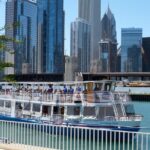
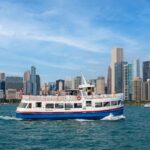
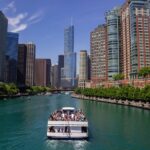
Skyscrapers make a lot more sense from water. This Chicago River cruise on the Chicago’s First Lady pairs live narration with real views of landmarks like Marina City and the Willis Tower—so the skyline stops being random tall buildings and starts being a story. I especially love the docent-led commentary, which makes architecture and engineering feel human, and I love that you can duck into the climate-controlled lower deck when the wind cuts through. One thing to plan for: boarding is general admission first come, and there’s no elevator access to the dock.
This is also a smart value if your time in Chicago is tight. At about 1 hour 30 minutes, it functions like a fast orientation—booked often and multiple start times are offered—so you can recognize what you’ll later see on land. It’s $57 per person, and what makes it feel worth it is that you’re paying for a live guide plus comfortable time on the water, not just a scenic ride.
In This Review
- Key highlights worth lining up for
- Getting oriented fast on the Chicago River
- The dock at 112 E Wacker Dr: logistics that save stress
- Onboard comfort: what you’ll actually feel on the water
- What you learn from the river’s story
- From Navy Pier to the “return to the city” idea
- Trump International and the idea of buildings in conversation
- Mies van der Rohe and modern structure on the river
- The engineering flex of 150 North Riverside
- Office headquarters and the business rhythm along 100 N Riverside Plaza
- Willis Tower, the Sears legacy, and Midwest size logic
- Chicago Mercantile Exchange and the river as a financial spine
- Chicago Tribune Freedom Center and the river’s modern meaning
- The docent experience: what makes the ride feel worth it
- Timing, weather, and your best side of the boat
- Extra value: the $5 Chicago Architecture Center discount
- Should you book the Chicago Architecture Center River Cruise on First Lady?
- FAQ
- How long is the Chicago Architecture Center river cruise on Chicago’s First Lady?
- Where do I meet for the cruise?
- Is there live commentary on board?
- What onboard amenities are included?
- Is seating assigned?
- Can I bring luggage or a stroller?
- Are pets allowed?
Key highlights worth lining up for
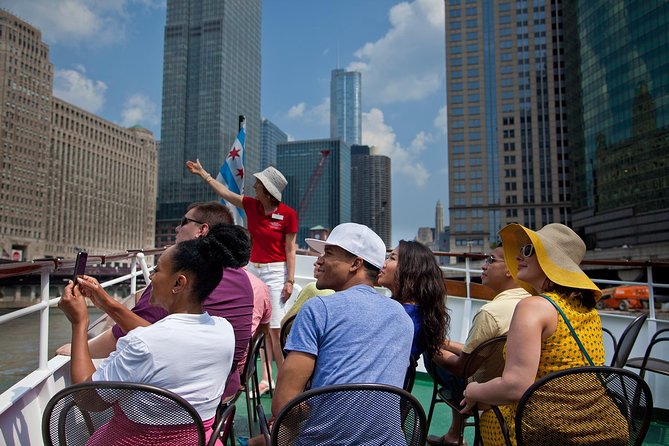
- A 90-minute architecture lesson with big-name landmarks along the Chicago River
- Live docent commentary that connects buildings to the city’s past and present
- Top deck open air plus a climate-controlled lower level for comfort
- First-come seating and no dock elevator means early arrival matters
- A $5 discount toward Chicago Architecture Center admission with your cruise ticket
Getting oriented fast on the Chicago River
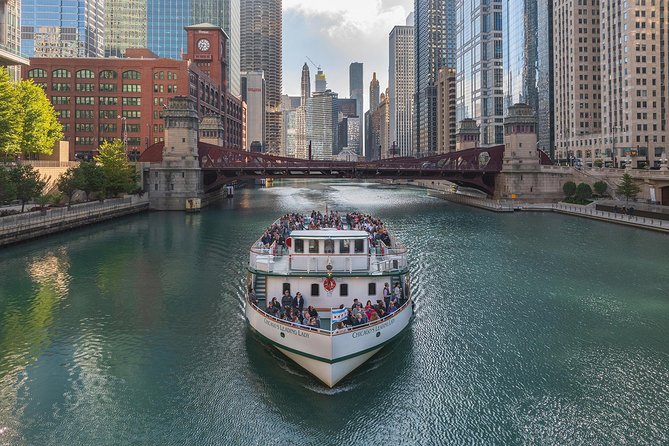
If you’re trying to see Chicago in a short time, this cruise is a practical cheat code. In about 1 hour 30 minutes, you get a moving panorama of what shapes the city: skyscrapers, bridges, and riverfront redevelopment. You also learn the why behind the wow, which is the difference between snapping photos and actually understanding them.
Think of it like this: Chicago is a city where buildings talk to each other. From the river, you catch those conversations—how modern glass sits beside older industry, how plans were built for shipping and business but later repurposed for public life. Even if you know nothing about architecture, the docent keeps it clear and grounded.
It’s also timed well for a first day. I like doing something like this early because it helps you spot patterns later. You start seeing clues—materials, height changes, and design themes—when you’re walking around.
You can also read our reviews of more tours and experiences in Chicago.
The dock at 112 E Wacker Dr: logistics that save stress
The meeting point is at 112 E Wacker Dr, right by the Chicago Riverwalk. The entrance is street level on the northeast corner of Michigan Ave. and Wacker Dr, and it’s roughly three blocks north of Millennium Park—close enough that you can plan to arrive on foot or by tram.
Plan to arrive 30 minutes before departure. This matters because boarding is first come, first serve. Seats are general admission, and the dock has no elevator access, so you’ll want time to get settled without rushing.
If you’re driving, the closest parking option listed is LAZ Parking Garage at 111 E Wacker Dr, directly across from the stairway to the dock. There’s a fee, so treat it like a convenience add-on, not a bargain.
Also keep the security rules in mind: there’s no luggage storage on board. If you’re traveling light, fine. If you’re not, leave your bags at your hotel.
Onboard comfort: what you’ll actually feel on the water
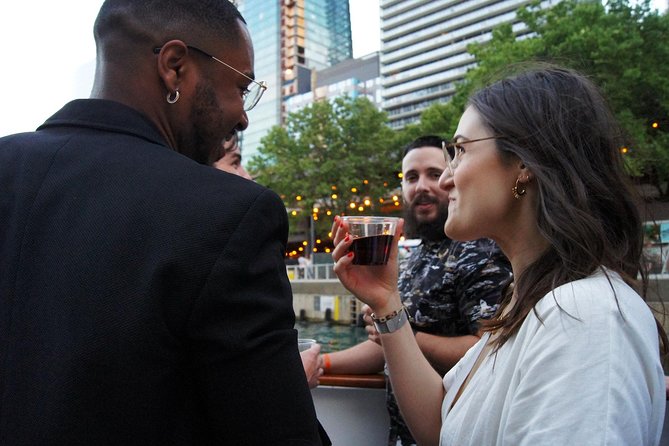
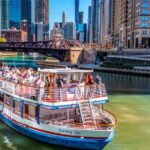
The boat gives you two ways to experience the river. The top deck is open-air, and the lower deck is enclosed and climate controlled. If weather turns chilly—or the sun feels like it has its own opinion—you can switch decks without ruining the views.
Restrooms are available onboard, and there’s a practical tip: they close 15 minutes before the end for safety. If you’re the type who hates being late, plan for that window near the finish.
Seating is general admission, but the vibe is more relaxed than you’d expect. The ride is designed for comfort, and the boat includes a restroom and an enclosed option, so you’re not stuck freezing on the upper level the whole time.
Bring a cap or sunglasses, because sun angles can interfere with views from time to time. On a wide river like this, glare can hit at exactly the worst moment for photos.
What you learn from the river’s story
The cruise is anchored by the Chicago River itself, and the narration starts there for a reason. The river isn’t just scenery. It’s a working corridor that has gone through industrial growth, transportation shifts, and later revitalization—mirroring Chicago’s own reinventions.
This first stretch sets the frame for everything that follows. You start hearing how different buildings weren’t just chosen for looks. They were built for business needs, city growth, and later, changes in how people wanted to live and spend time downtown.
This is where the cruise feels like more than a sightseeing spin. You’re learning the logic behind the skyline: why certain areas developed when they did, and how new design choices responded to older ones nearby.
From Navy Pier to the “return to the city” idea
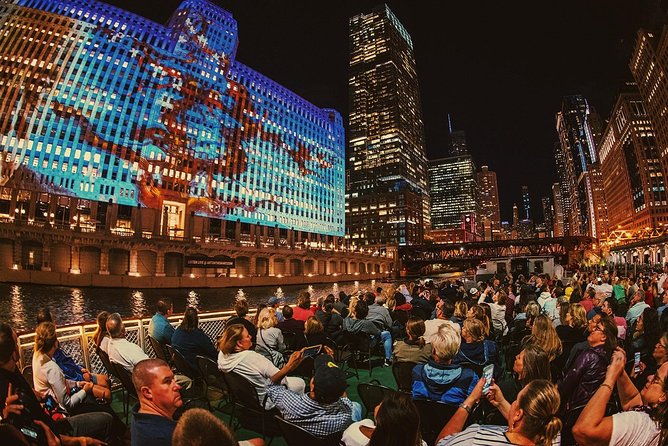
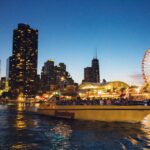
One of the biggest surprises from the water is how clearly you can see adaptive reuse. Navy Pier is a great example. You’ll view it as Chicago’s hallmark of turning old purposes into new entertainment and public space.
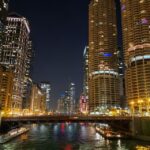
Then comes Marina City, and the docent story adds context that’s hard to pick up from the sidewalk. When architect Bertrand Goldberg imagined Marina City, it wasn’t just a cool concept—it was an urban experiment. The goal was to pull middle-class Chicagoans back into the city after years of suburban migration. From the river, you can see why this matters: the design is right in the flow of where people are, not tucked away.
If you like design with a point behind it, Marina City is one of the most satisfying moments of the cruise.
Trump International and the idea of buildings in conversation
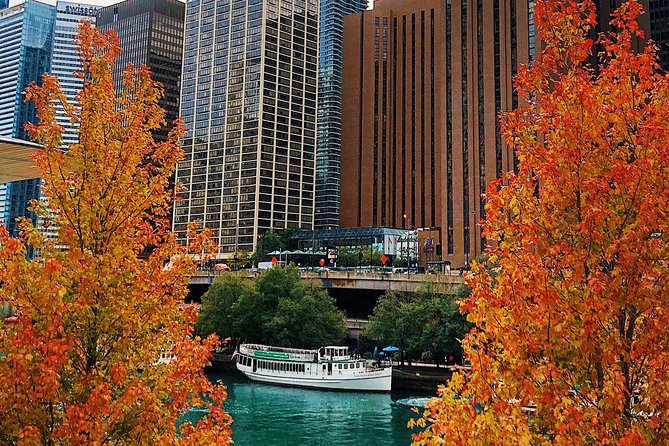
You’ll also pass the Trump International Hotel & Tower, and the narration adds a useful layer. It’s not only about shiny glass and steel. The guide focuses on how the building reflects and responds to its surroundings.
That theme—buildings reacting to neighboring structures—keeps popping up throughout the cruise. You start noticing how the river corridor acts like a gallery. Even when you’re looking at very different styles, they’re placed within the same urban frame.
Mies van der Rohe and modern structure on the river
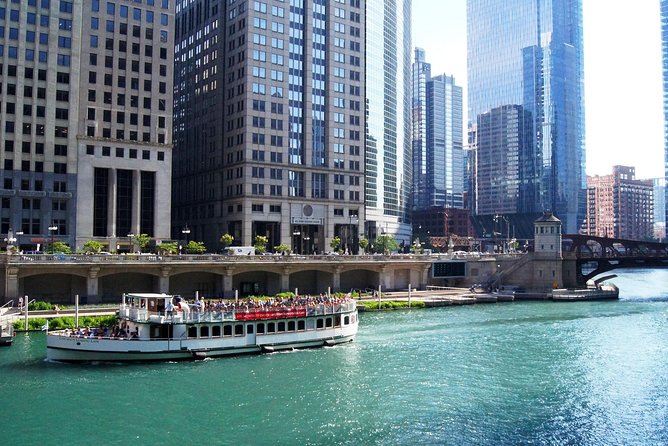
A standout name in the story is Ludwig Mies van der Rohe. On this stretch of the Chicago River, you’ll see one of the last American projects he designed. The result is bold and spare in the way only true Modernism can be: powerful lines, strong presence, and a feeling of precision.
For me, this part works because the docent doesn’t treat architecture like a museum label. Instead, the explanation helps you notice how Modern design shaped Chicago’s riverfront identity and how it changed what people expected from skyscrapers.
The engineering flex of 150 North Riverside
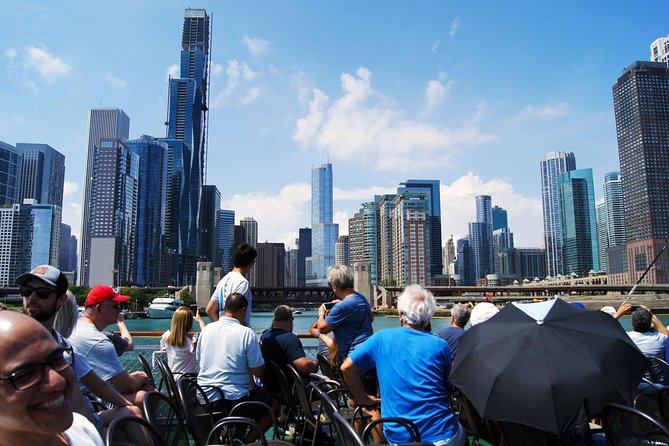
If you like buildings with “how did they do that?” energy, the cruise gives you that. You’ll view 150 North Riverside, a project described as gravity-defying.
Even if you don’t get every technical term, you’ll understand the intention. Chicago likes engineering that reads as confident. From the river, you can judge scale and placement in a way that photos on land often flatten.
Office headquarters and the business rhythm along 100 N Riverside Plaza
The cruise also includes sights tied to big business on the riverfront, including Boeing International Headquarters at 100 N Riverside Plaza. This is a reminder that Chicago’s river isn’t just about landmarks. It’s about the daily city machine—workplaces, logistics, and the office ecosystem that keeps the skyline alive.
Hearing the building in context helps you connect dots later. When you walk past office towers on land, you’ll remember how the river corridor concentrates that power.
Willis Tower, the Sears legacy, and Midwest size logic
When you see the Willis Tower (formerly the Sears Tower), the narration goes beyond naming it. You’ll learn that for nearly 25 years after completion, it held the title of tallest building in the world.
Then the cruise turns the spotlight to something very Midwest: the idea that size matters. At its completion, it was described as the largest building in the world and also served as Marshall Field’s wholesale warehouse. That detail is a perfect example of what makes this cruise valuable. You’re not just watching a skyscraper; you’re learning how Chicago’s biggest buildings changed roles as the city changed.
If you’re thinking, sure, architecture is cool, but what’s it for? This section answers it.
Chicago Mercantile Exchange and the river as a financial spine
Another important stop is the Chicago Mercantile Exchange Building at 20 S Wacker Drive. The docent frames it as part of the river’s business backbone—where finance and trade helped drive Chicago’s growth.
From the water, the scale reads differently. You get a stronger sense of how these structures line the corridor and how they look when seen straight on by river traffic.
Chicago Tribune Freedom Center and the river’s modern meaning
Near the end of the cruise route, you’ll see the Chicago Tribune Freedom Center. The narration ties it into the broader idea that the riverfront keeps reinventing itself. It’s not frozen in a single era.
Even if you don’t care about journalism history, it helps you understand a pattern: the buildings along the river are not one uniform style. They’re layers—built for different eras, later reinterpreted by the public.
The docent experience: what makes the ride feel worth it
The biggest reason this cruise gets high marks is simple: it’s live. You’re listening to Chicago Architecture Center docents, not a canned audio track. That matters because the guide can steer the story. They highlight design choices, explain why buildings were placed where they were, and keep the group moving through the skyline with context you can use later.
In particular, the cruise style is often praised for being both engaging and clear. Some of the standout names called out include Cynthia, Laura, Amy, Nick, Mark, and Russell. The common thread is delivery—energetic pacing and explanations you can follow even if you’re brand new to Chicago architecture.
If you want photos, the narration also helps you know where to look. You’ll learn what you’re seeing and why it matters. That makes it easier to frame the shot instead of just pointing your camera at tall buildings.
Timing, weather, and your best side of the boat
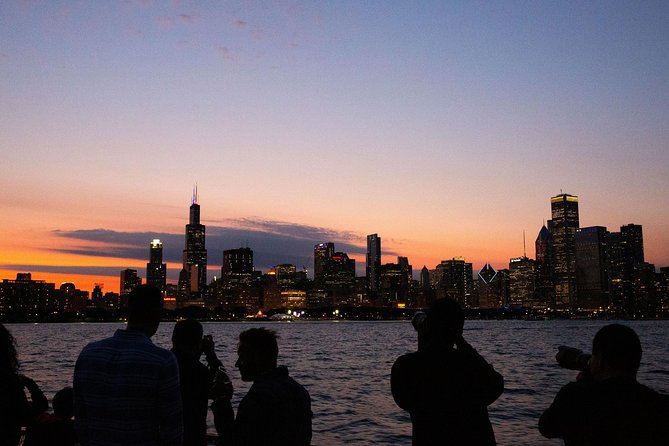
You’ve got multiple start times, so choose based on your comfort. Daytime tends to be easiest for sharp skyline photos. If you prefer a calmer mood, evening departures can feel more atmospheric—especially once the light changes along the river corridor.
Weather is not a deal-breaker. Sailings run in all weather, and the boat gives you options: open-air upstairs and enclosed, climate-controlled space below. Dress for the wind on the top deck, even in seasons when you think you’ll be fine.
Storage is limited by rules: no luggage aboard. That means your day gets simpler if you travel with a small bag. You’ll want your essentials accessible—phone, camera, water, and anything you need to stay comfortable.
Also note the boat has a maximum size of 250 people. It’s not a tiny secret boat, but it’s big enough to run smoothly without feeling like a school gym.
Extra value: the $5 Chicago Architecture Center discount
If you plan to visit the Chicago Architecture Center afterward, there’s a perk. Your river cruise ticket can unlock $5 discounted admission per person to the Chicago Architecture Center—just ask and show your cruise ticket. This is a nice way to turn a good day on the water into a longer learning session on land.
It’s not required, but it’s a smart add-on if architecture is your thing.
Should you book the Chicago Architecture Center River Cruise on First Lady?
I think you should book it if you want a fast, high-impact Chicago orientation. For $57 and about 90 minutes, you’re paying for live interpretation, major riverfront landmarks, and onboard comfort options—not just a scenic ride. It’s especially useful early in your trip when you’re still building your mental map.
I’d pause before booking if you hate crowds and hate first-come seating. Since boarding is general admission and the dock has no elevator access, you’ll want to arrive on time and plan around stairs. It also isn’t recommended for children under 12, though kids who can handle the ride with an adult are part of the experience.
If your schedule is tight, this cruise is one of the most efficient ways to connect Chicago’s architecture to the city that created it. Book at least a week ahead if you can, and treat it like your skyline primer—then go enjoy the city with your new context.
FAQ
How long is the Chicago Architecture Center river cruise on Chicago’s First Lady?
It’s approximately 1 hour 30 minutes.
Where do I meet for the cruise?
The cruise departs from 112 E Wacker Dr at the Chicago Riverwalk dock. The entrance is street level on the northeast corner of Michigan Ave. and Wacker Dr.
Is there live commentary on board?
Yes. You’ll have live commentary from a docent guide during the cruise.
What onboard amenities are included?
Restrooms are available on board, and there is a climate-controlled lower level. Drinks and light snacks are not included (a full bar is available for purchase).
Is seating assigned?
No. Seating is general admission and boarding is first come, first served.
Can I bring luggage or a stroller?
Luggage can’t be brought on board and there’s no luggage storage at the dock. Strollers are allowed, but children must be removed from strollers before boarding and strollers are folded and stored in the salon.
Are pets allowed?
No, pets are not allowed. Service animals are allowed.