REVIEW · COCOA BEACH
Bioluminescence Night Kayaking Tour of Merritt Island Wildlife Refuge
Book on Viator →Operated by BK Adventure · Bookable on Viator
Glow-in-the-dark water feels like science fiction. I love the light-pollution-free quiet of the Merritt Island wetlands and the way your guide helps you understand what you are seeing as the water lights up; the main drawback is that wind or rain can shut plans down, and the booking is non-refundable.
This is a simple, hands-on night outing: about 90 minutes on the water, all gear included, and a maximum group size of 8. I also like that you do not need to be a pro kayaker to join, but you do want a moderate physical level for paddling after dark.
The tour runs in English, and it works well for families with kids who can paddle and follow directions. It also allows service animals, which matters if you rely on one.
In This Review
- Key things that make this tour worth your time
- Night Kayaking on Merritt Island: Why the Glow Happens Here
- Haulover Canal meeting point: gear-up, get oriented, then go
- The 90-minute plan: what happens on the water after dark
- The guide makes it real: learning the phenomenon on the water
- Wildlife and sky effects: dolphins, manatees, and star-filled quiet
- Price and value: what $75 really buys you
- Weather and wind: the main reason people feel split
- Comfort and skills: who should book, and who might feel stressed
- Tips that help you get the best glow without guessing
- Should you book this bioluminescence kayaking tour?
- FAQ
- How long is the bioluminescence night kayaking tour?
- What does the tour cost?
- Where does the tour meet, and where does it end?
- What is included in the price?
- Is the tour offered in English?
- What is the group size?
- Are children allowed?
- Are service animals allowed?
- Is the tour refundable if I cancel?
Key things that make this tour worth your time
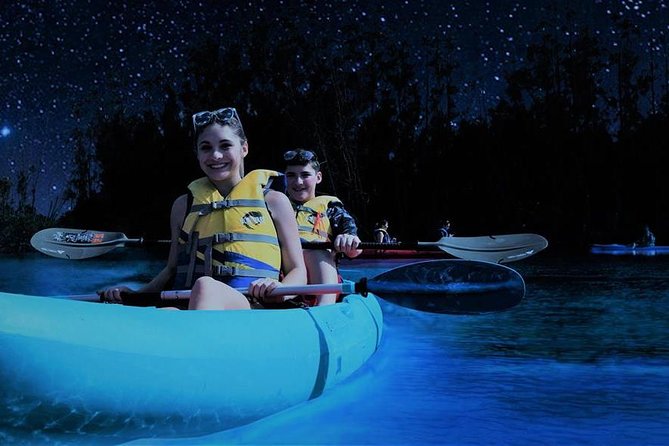
- Banana River bioluminescence viewing with the lights kept low for better glow
- Small groups (max 8), which helps you get more attention during safety and spotting
- All equipment included: kayak, paddle, and life jacket
- Guides steer you to the best dark-water spots for plankton glow
- Night-sky bonus on clear evenings, plus chances to see dolphins and manatees
Night Kayaking on Merritt Island: Why the Glow Happens Here
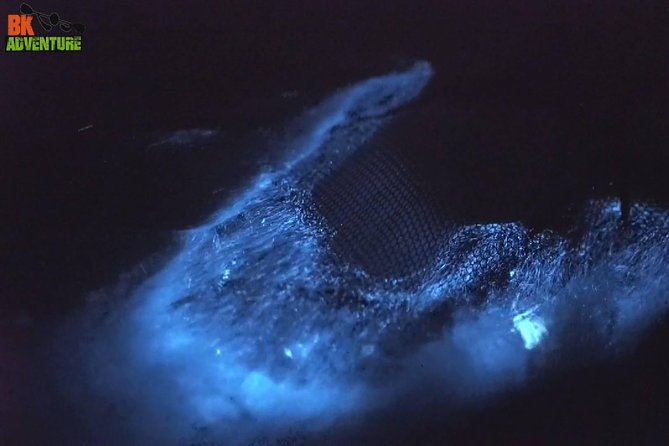
Bioluminescence kayaking is one of those rare nature shows that feels both magical and oddly practical. The glow comes from tiny plankton (and related organisms) that light up when the water gets disturbed—like when your paddle moves through it. On the Banana River side, the key ingredient is darkness. Less light pollution means the glow looks stronger, and the night sky can actually look like a night sky.
I like this tour’s pitch because it is not just about seeing a pretty color in the water. It is about getting you into the right conditions at the right time, with a guide who understands how to manage a dark-water kayak trip safely. When it works, it is peaceful in a way that daylight tours rarely match.
The other side of the coin: bioluminescence is not a guarantee every single night. Conditions like wind and rain can make viewing harder, or cause delays. If you are the type who needs a sure thing, plan with flexibility in mind.
You can also read our reviews of more tours and experiences in Cocoa Beach.
Haulover Canal meeting point: gear-up, get oriented, then go
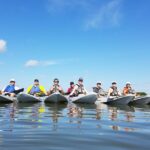
Your tour starts at the Haulover Canal Kayak Launch in Mims, Florida, and it ends back where you started. The meeting flow is straightforward: you meet your guide and small group, then get set up with your kayak, paddle, and life jacket. This is a big deal for value, because you are not paying for rentals elsewhere, and it keeps the whole experience focused on the kayaking.
Once everyone is outfitted, you get familiar with how your kayak handles. On a night paddle, that matters more than you might think. Reviews point out that some people can feel a little stressed if they are not used to being close to other kayaks, especially when the group tightens up in narrow areas.
If you are comfortable in a kayak, you will likely settle quickly. If you are not, the best move is to take your time in the first stretch, listen closely to your guide, and keep your movements smooth. Night water adds friction, not just darkness.
The 90-minute plan: what happens on the water after dark
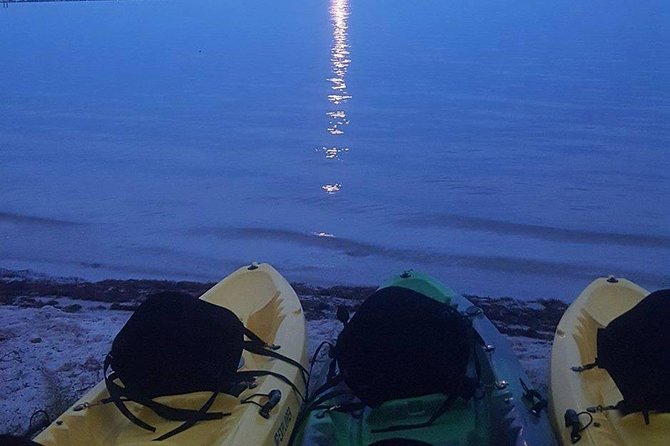
The tour lasts about 1 hour 30 minutes, and the schedule is built around one goal: paddle through protected wetlands with the best odds of seeing bioluminescence. While it is not presented as a long multi-stop expedition, you can think of it in stages.
Stage one: settling in and getting the rhythm
You start by paddling away into the refuge area. This is when the guide helps you get your bearings and encourages you to watch the water as it responds to motion. Expect the glow to show up most clearly when you create movement—paddle strokes, not just staring at still water.
Stage two: wetlands paddling with guided spotting
The protected wetlands are the heart of the experience. You are away from major light sources, which helps the glow pop. Your guide also keeps an eye on safety, because it is dark and other kayaks are nearby. The guide’s job is to put you where you have a better chance, then manage the group so it stays calm and controlled.
Stage three: the viewing finale
Near the later part of the trip, the guide typically aims for the best spots. That is why the group size matters: with fewer people, your guide can guide attention and help you reposition without chaos.
The biggest “gotcha” is crowded routes. Even with a maximum group of 8, if everyone is paddling to see the same thing, kayaks can bump. One review described some bumping on the path, and another mentioned it can feel stressful if you are less experienced. The good news is that a competent guide can usually reduce the worst of that with clear instructions.
The guide makes it real: learning the phenomenon on the water
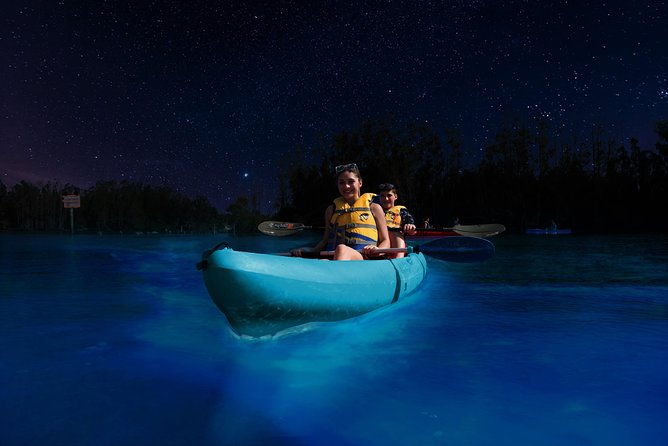
This tour’s guides are not just there for safety—they are there to explain the phenomenon in a way you can use. The best experiences come when the guide helps you notice patterns: where the glow appears, what kind of movement triggers it, and how the wetland environment supports what you are seeing.
Names that came up in glowing reports include Faith, Brea, Seven, and also Leslie and Leo. Across those different guide styles, the common thread is energy and clarity. Faith was specifically called out for being hilarious, while Brea and Seven were praised for being knowledgeable and for giving small groups frequent chances to see the bioluminescent organisms close-up.
That is a big value point. If you go alone, you might find glowing water by luck, but you will not get the same interpretation or the same strategy for maximizing visibility. Here, the guide helps turn a random nature moment into an experience you understand.
Wildlife and sky effects: dolphins, manatees, and star-filled quiet
Bioluminescence is the headline, but the night package can include extra wildlife. Reviews mention dolphins appearing in the moonlight, and people also reported hearing manatees come up for air. Even when you do not see a specific animal, you still get that night-water effect: quieter senses, more attention to sound, and a stronger sense of the wetlands being alive.
Clear weather can also mean a better look at the stars. One description highlighted breathtaking stars, and another noted that during a wind delay, the waiting time included a rocket launch sighting. That rocket moment is not something you should plan your expectations around, but it does explain why some groups end up smiling even if the water trip shifts due to wind.
One practical note: wildlife sightings are never fully controllable. So use wildlife as a bonus, not the reason you book.
Price and value: what $75 really buys you
At $75 per person, this is priced like an activity tour, not a budget rental. The value comes from a few things you do not have to source yourself:
- All taxes, fees, and handling charges are included
- A professional guide runs the experience
- Your kayak, paddle, and life jacket are provided
For a 90-minute guided night kayak, the math is basically: convenience plus equipment plus guide expertise plus a rare setting (wetlands away from strong light pollution). If you tried to recreate it independently, you would still need the boat, the safety gear, and the know-how to choose the right dark-water conditions.
Is it worth it if the night is windy or rainy? That is where expectations matter. The tour is non-refundable and cannot be changed for any reason, so the risk is on you if weather cancels or delays viewing. If you have a flexible schedule and you are okay with the possibility of a plan shift, the price can feel reasonable for how special the output can be.
Weather and wind: the main reason people feel split
This tour can be a home run, but weather is the swing factor. Conditions like wind and rain can affect whether you go out and how clear viewing is. Reviews include at least one very frustrated experience tied to a weather delay and a long wait, with no refund—only rain checks. That is a hard pill if you are visiting from far away and you have only one night window.
Even good nights can be affected. Wind can also change how the group moves and how close kayaks end up, which can affect comfort for less experienced paddlers.
My practical advice: if you are traveling in from out of town, build in a little schedule cushion. If you have to be somewhere the next day, ask yourself how you would feel about losing that money if the weather does not cooperate.
Comfort and skills: who should book, and who might feel stressed
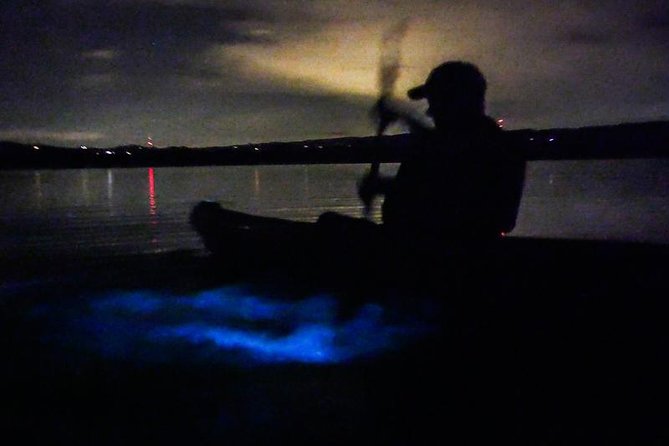
The tour is marketed as suitable for all levels, and it includes equipment and a guide. Still, night kayaking changes how challenging it feels. Two themes show up in experiences: some people love the calm; others feel stressed if they are new to kayaking or if the group is crowded.
Here is the honest fit:
- Best for: people who can follow instructions, paddle consistently, and stay relaxed in the dark
- Good for families: with kids who can handle a night activity and stay with the group
- Proceed with caution if: you are very new to kayaking and you do not handle close quarters well
Also, the tour asks for a moderate physical fitness level. That does not mean you need athletic strength, but it does mean you should be prepared to paddle and remain steady.
Tips that help you get the best glow without guessing
You do not need special gear because the tour provides the kayak, paddle, and life jacket. The biggest “tips” are about mindset and how you use the water.
- Watch for glow when you move: plankton glow is tied to water disturbance, so your paddle strokes matter.
- Let the guide pick the spot: the guide will take you to areas for ideal viewing, which beats random searching.
- Stay calm if kayaks bunch up: if you are less experienced, smooth paddling and listening reduce bumps and stress.
- Go for clear conditions when possible: clear weather is tied to better dark-sky viewing, and it generally helps visibility of the glow.
If you come in expecting a steady, bright glow all night no matter what, you might end up disappointed. If you come in knowing the trip is partly about conditions, you will be more likely to enjoy whatever the night gives you.
Should you book this bioluminescence kayaking tour?
I think you should book if you want a rare night nature experience and you are okay with the reality that weather controls the outcome. The best version of this tour delivers exactly what you want: dark-water bioluminescence, guided spotting, and an easy-to-manage outing in a small group with full equipment support.
Skip it or schedule carefully if you cannot afford weather risk. The non-refundable nature plus the chance of wind delays can hurt if you are flying in for one night or leaving the next day. Also, if close-quarter kayaking makes you nervous, you may want to go into it with a calm plan: listen, move slowly, and expect the guide to manage the group.
If you do have flexibility and you like stars, quiet water, and the thrill of seeing plankton glow up under your paddle, this one can feel like a small slice of Florida magic you will talk about for a long time.
FAQ
How long is the bioluminescence night kayaking tour?
It lasts about 1 hour 30 minutes.
What does the tour cost?
The price is $75.00 per person.
Where does the tour meet, and where does it end?
You meet at the Haulover Canal Kayak Launch in Mims, FL 32754, USA, and the activity ends back at the meeting point.
What is included in the price?
All taxes, fees, and handling charges are included, along with a professional guide and the kayak, paddle, and life jacket.
Is the tour offered in English?
Yes, the tour is offered in English.
What is the group size?
This activity has a maximum of 8 travelers.
Are children allowed?
Children must be accompanied by an adult.
Are service animals allowed?
Yes, service animals are allowed.
Is the tour refundable if I cancel?
No. The experience is non-refundable and cannot be changed for any reason.