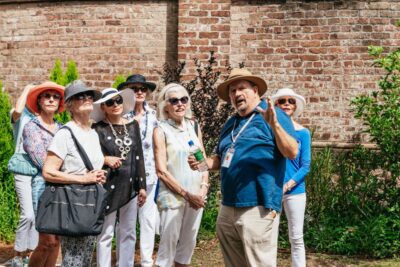
Two neighborhoods, four bites, and old stories. This small-group tour links Chinatown street life with Little Italy classics, pairing dim sum and dumplings with pizza and cannoli. A historian guide adds the how-and-why behind the places you walk through.
I like two things most: the focus on family-owned spots and the tight 15-person cap, which makes it feel like a real conversation, not a cattle chute. One caution: you’re getting four set tastings, not an endless food crawl, so if you want heavy portions, plan to eat again after.
In This Review
- Key things to know before you go
- Where this tour starts—and how the 2-hour rhythm works
- Chinatown: dim sum and dumplings with a street-level backstory
- Crossing into Little Italy for pizza, cannoli, and the neighborhood myths
- The tastings: four stops that actually help you decide what to eat next
- Family-owned focus: what it means for your experience
- Price and value: is $99 worth it?
- Lunch vs. dinner: which time slot makes more sense?
- Getting the most out of it: a practical checklist
- Who this tour fits best
- Should you book this Chinatown and Little Italy food tour?
- FAQ
- How long is the tour?
- How many food tastings are included?
- Is the tour offered at lunch and dinner times?
- Where does the tour start?
- What is the group size limit?
- Can I cancel for a full refund?
Key things to know before you go
- Four tastings plus coffee or tea keeps the pace “walk, taste, learn,” not just sightseeing
- Historian-led stories connect food customs to the people who built these neighborhoods
- Chinatown + Little Italy hits the icons with dim sum, dumplings, pizza, and cannoli
- Small group size (max 15, often described as even tighter) means more attention from your guide
- Lunch or dinner timing lets you pick the slot that fits your day
- Guide energy matters—I’ve seen how different guides (like Diego, Ben, and Tom) can make the walk feel personal
Where this tour starts—and how the 2-hour rhythm works
You meet at 119 Baxter St in Chinatown, and the tour loops back to the same spot at the end. The total time is about 2 hours, so you should expect a brisk walking schedule with short stops.
This is a mobile ticket tour. Bring your phone, and keep an eye out for your exact start time so you’re not chasing the group through side streets.
Good shoes help. You’ll be on uneven sidewalks and narrow blocks for most of the experience. If you hate walking, this may feel like too much. If you’re fine with a solid city stroll, it’s a great way to cover a lot without feeling rushed.
You can also read our reviews of more tours and experiences in New York City.



Chinatown: dim sum and dumplings with a street-level backstory
Chinatown starts things off on Baxter Street, then you move through the neighborhood’s winding blocks with your historian guide. The vibe is practical and real—small storefronts, community life, and food that’s clearly part of daily routine.
You’ll sample local dishes such as dim sum and dumplings during the Chinatown portion. Think of the tastings as a guided sampler: you get to try a few flavors and textures, then learn how food traditions grew where the community settled.
What I like here is that the stories aren’t generic. You learn the neighborhood’s origins and how customs shaped everyday eating. Your guide may also connect food choices to what people needed and brought with them when they arrived—so the bites start to make sense beyond taste.
A small drawback to keep in mind: Chinatown food can be fast-moving and crowded. If you’re sensitive to tight spaces or strong smells, take it in stride. The payoff is that you’re tasting in places that feel like they belong to the neighborhood, not set up for visitors.
Crossing into Little Italy for pizza, cannoli, and the neighborhood myths
After Chinatown, you head nearby to Little Italy, where the tone shifts from hustle to something more romantic on the street corners. Your guide weaves in stories about the people who shaped the area, including New York mafia crime tales.
You’ll get tastings of iconic foods like pizza and cannolis. This is where you can test your own cravings: does the cannoli feel crisp and sweet? Does the slice taste like the version you’ve imagined from movies—or like something more grounded?
A heads-up based on what I think matters for your expectations: pizza can vary a lot by shop and dough style. Some people come away wowed; others find it just average. I’d treat it as a classic stop on a tasting route, not a guaranteed religious experience for pizza snobs.
The best part of Little Italy on this tour is how the guide connects food with identity. You don’t just learn what Italians ate—you learn why certain foods became symbols, and how the neighborhood’s story folded into the broader city.
The tastings: four stops that actually help you decide what to eat next
This tour includes four different food tastings total, plus coffee and/or tea. That’s a real benefit in New York, where it’s easy to burn time and money chasing the next place with the longest line.
I like the structure: you taste, you listen, then you taste again. It keeps you from feeling like you paid for trivia and got a crumb. It also makes it easier to choose dinner later, because you’ll discover which styles you preferred—dumplings vs. dim sum, cannoli vs. something else, and so on.
Should you expect to be stuffed? Sometimes yes, especially if you don’t have a huge appetite before you start. But the tour is designed as a tasting walk, not a full sit-down meal. If you’re coming hungry from a long travel day, you may end up wanting a proper dinner right after—especially if you’re a bigger eater.
One smart move: plan a light snack before the tour if you know you eat fast. That way, the tastings feel like highlights instead of damage control.
Family-owned focus: what it means for your experience
A big theme here is the emphasis on family-owned businesses and neighborhood spots rather than generic tourist counters. In practice, that usually means tastings are served with less performance and more routine. You get to experience how locals actually buy and share food.
This also changes how the tour feels. Instead of a script about food, you’re walking through real community spaces. Your guide’s historian angle then turns those spaces into a story you can remember, not a list you forget.
The other advantage: you leave with names of places you might not find on your own. You’ll still need to do your own follow-up research, but the first shortlist is already built for you.






Price and value: is $99 worth it?
Let’s talk money in plain terms. At $99 for about 2 hours, you’re paying for three things at once: guided history, a small group experience, and four tastings plus a drink.
For me, the value lands best if you meet two conditions:
- You enjoy walking and listening for a short burst of time
- You want someone to point you to good food without spending your whole day figuring it out
If you’re mainly after a “maximum food per dollar” experience, you might feel that four tastings isn’t enough. A few people have commented that the bites felt a bit like snacks for the price, and that one dish (pizza) didn’t hit the mark for them. That’s the tradeoff: this tour is about the mix of food and neighborhood storytelling, not about quantity-only eating.
Still, the overall score is high, and the repeated praise tends to focus on guide quality and the quality of the stops. If you show up ready to taste and learn, $99 can feel reasonable for what you get.
Lunch vs. dinner: which time slot makes more sense?
You can choose a lunch or dinner time. That’s not a small detail in New York.
Pick lunch if you want your evening free for shows, rooftop views, or a second food stop without rushing. Pick dinner if you like the idea of tasting your way through the neighborhoods and then continuing the night elsewhere.
Either way, the walk is the same length. So choose based on your day, your energy, and when you actually want to eat.
Getting the most out of it: a practical checklist
This tour works best when you treat it like a guided walk, not a restaurant hopping mission.
Here’s what helps:
- Arrive a few minutes early at Baxter St so you don’t miss the start moment
- Wear comfy shoes because the pace is active
- Come with curiosity. The best “wow” moments come from the story links between the food and the neighborhood
Guide personalities can matter a lot. I’ve seen praise for guides like Diego, Ben, Tom, and Ryen, with people calling out how they blend history, fun tidbits, and clear explanations. If you click with your guide’s style, the tour can feel like chatting with a knowledgeable friend who just happens to know where the good dumplings live.
If you run late due to a cab or transit hiccup, don’t assume you’re doomed. In some cases, guides have shown extra patience. Still, treat it as last resort, not a strategy.
Who this tour fits best
You should consider this tour if you:
- Want to see two neighborhoods in one outing without a self-made route
- Like a guided connection between food and place
- Prefer smaller groups (this one caps at 15)
It’s also a good choice if you’re visiting for the first time and want a fast way to get your bearings. Chinatown and Little Italy can feel like two different worlds, and walking through both with a historian guide helps you understand why they look and taste the way they do.
If you travel with a big appetite and strict cravings, you may still enjoy it—but you’ll want a backup dinner plan. Think of the tour as your cultural sampler, not your final meal.
Should you book this Chinatown and Little Italy food tour?
I’d book it if you want a tight, high-signal experience: four tastings, coffee or tea, and a walking history lesson that stays attached to what you’re eating. The small group size and the family-owned focus make it feel grounded.
I would hesitate only if your top priority is “as much food as possible for the money.” This tour is built around set stops and short tastes. You might walk away satisfied, but you might also want to grab a full meal after, especially if you’re used to bigger portions.
If you like good planning more than guessing, this one is a smart use of time in New York.
FAQ
How long is the tour?
The tour is about 2 hours.
How many food tastings are included?
The tour includes four different food tastings, plus coffee and/or tea.
Is the tour offered at lunch and dinner times?
Yes. There is a choice of lunch or dinner tour times.
Where does the tour start?
You start at 119 Baxter St, New York, NY 10013.
What is the group size limit?
The tour has a maximum of 15 travelers.
Can I cancel for a full refund?
Yes. You can cancel for a full refund if you cancel at least 24 hours before the experience’s start time.