REVIEW · BOSTON HARBOR
Boston: City Cruises Whale Watching Cruise
Book on GetYourGuide →Operated by Boston Harbor City Cruises · Bookable on GetYourGuide
Whales off Boston can feel unreal. This cruise turns a simple harbor ride into a high-speed hunt for humpbacks, fins, and minke whales, guided by Naturalists from the New England Aquarium.
I really like the setup: outdoor viewing decks for spotting spouts and breaches, plus a climate-controlled cabin with big windows when the wind bites. The on-board commentary also makes the trip feel productive, not just scenic.
The main drawback to plan for is motion sickness—the experience is not suitable for everyone, and some conditions can get choppy. Also, even with indoor space, it can feel cold out on deck, so bring layers and don’t rely on one warm spot.
In This Review
- Key things that make this whale cruise worth it
- How the Boston Harbor location shapes your whale-watching odds
- Boarding on a high-speed boat: fast access, real comfort trade-offs
- Naturalists from the New England Aquarium: why the narration changes the whole trip
- Passing Castle Island and Boston Harbor Islands: a scenic warm-up that still helps
- The real highlight: 1.5 hours at the Gerry E. Studds/Stellwagen Bank sanctuary
- Which animals you’re actually looking for (and how to spot them)
- Humpback whales
- Fin whales
- Minke whales
- White-sided dolphins
- Comfort and practical tips: what to bring and what to plan for
- Price and value: how $80 stacks up for a guided whale-watching outing
- Who should book this Boston whale cruise (and who should rethink it)
- Should you book the Boston whale watch from Long Wharf?
- FAQ
- Where do I meet for the Boston whale watching cruise?
- How long is the cruise?
- What whale species can I see?
- Is the cruise wheelchair accessible?
- Are snacks and drinks included?
- What should I bring for the trip?
- Is it okay if I get motion sickness?
Key things that make this whale cruise worth it
- Naturalists from the New England Aquarium guide what you’re seeing, not just where to look
- Outdoor decks + indoor windows mean you can switch locations as weather changes
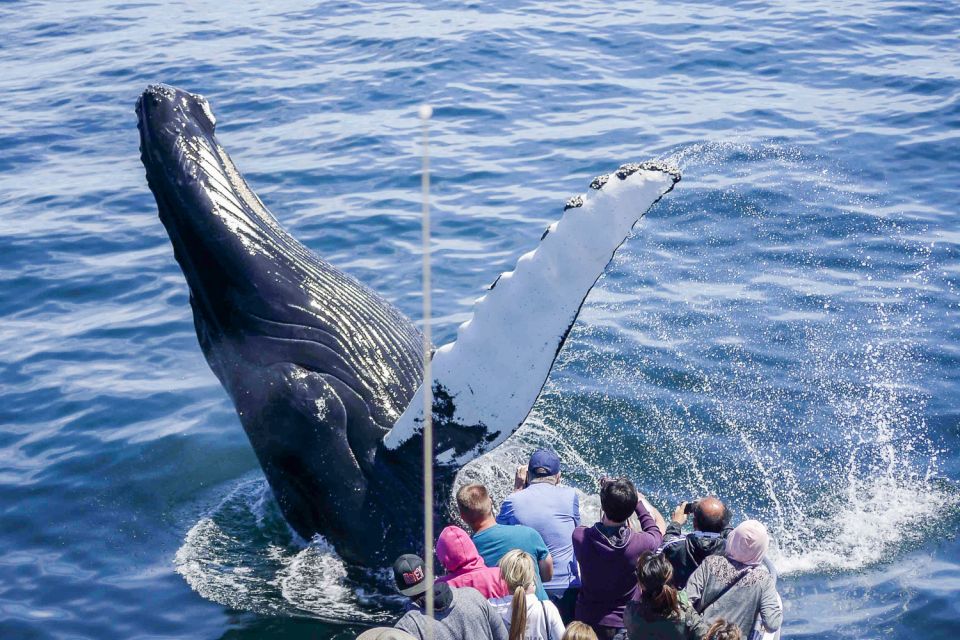
- Stellwagen Bank sanctuary whale watching gives you a focused 1.5-hour window
- High-speed, comfortable boat helps you reach the best viewing zones faster
- Real wildlife variety: humpbacks, fins, minkes, and white-sided dolphins are all on the radar
- Extra attention to comfort like snacks/drinks for purchase and tips that help with sea sickness
How the Boston Harbor location shapes your whale-watching odds
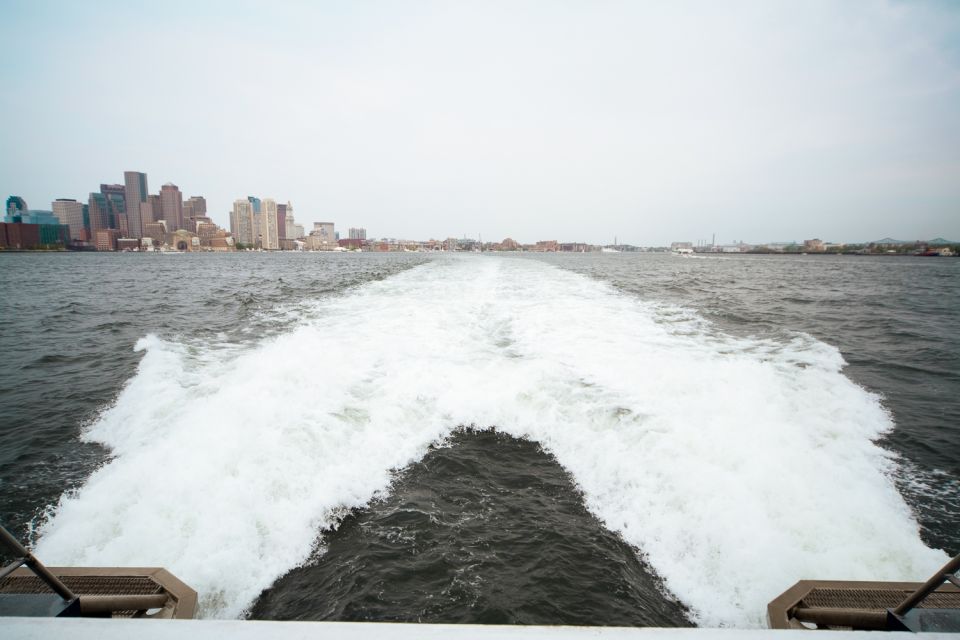
Your cruise starts at Boston Harbor City Cruises – Long Wharf, specifically at One Long Wharf, found between the Long Wharf Marriott Hotel and the New England Aquarium. The area is easy to find, and once you scan your voucher, you’re quickly moving from city sidewalks to open water.
What matters here is how whale watching works in real life: you’re not guaranteed a whale sighting at the exact moment you step on the boat. The cruise plans for a targeted whale-watching stop, but the time it takes to reach whales can shift. That’s why you should plan for the experience to run closer to 3.5 to 4 hours, even if the listed duration is about 3.5 hours.
If you’re tight on timing in Boston—say, you must catch a train right after—buffer your schedule. I’ve found whale watching punishes rushed itineraries, because the ocean decides the tempo.
You can also read our reviews of more tours and experiences in Boston Harbor.


Boarding on a high-speed boat: fast access, real comfort trade-offs
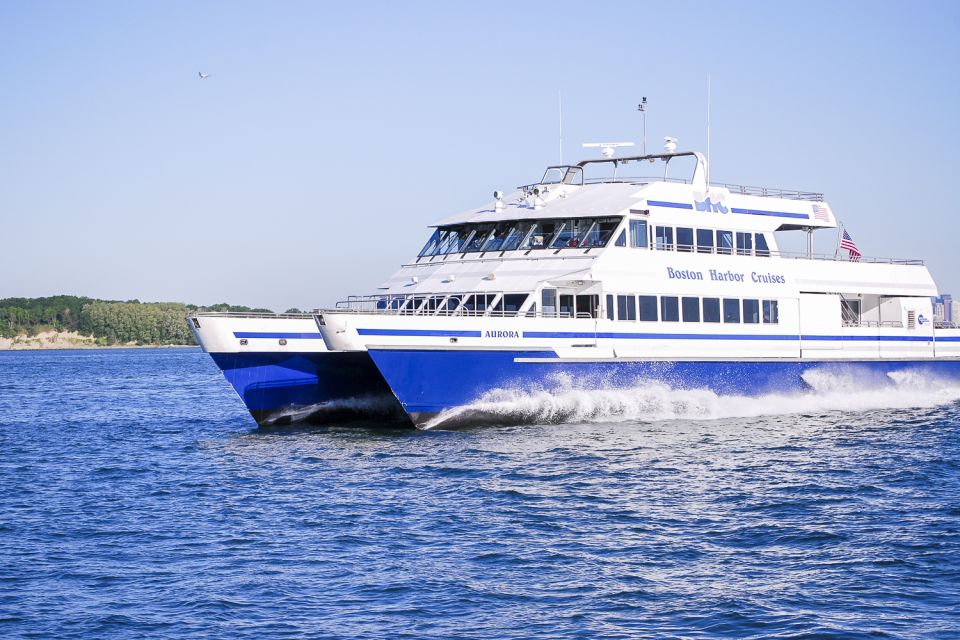
This is a high-speed boat, and that’s a big part of the appeal. High speed means you spend less time bouncing around in the harbor and more time in the area where the Naturalists expect whale activity. You’ll also appreciate the capacity for viewing: you can rotate between the outdoor deck and the climate-controlled cabin.
Inside, you get cushioned seating with tables, plus state-of-the-art sound and video systems that support the Naturalists’ explanations. Outside, you’re closer to the action, with open air for scanning spouts and watching larger behavior from multiple angles.
Here’s the trade-off: a fast ride can also mean faster changes in motion. If you’re sensitive, don’t ignore the warning. The boat can be choppy at times, and that’s when comfort stops being theoretical and becomes practical.
Naturalists from the New England Aquarium: why the narration changes the whole trip

The best part of this cruise isn’t just seeing whales. It’s understanding what you’re seeing while it’s happening.
The on-board Naturalists from the New England Aquarium provide expert commentary—spotting guidance, species behavior, and how whale actions relate to feeding and diving. This kind of interpretation turns a quick sighting into something you can track, even when the whales are briefly visible.
Two names come up in feedback frequently: Colin and Eman. You may or may not get the same guide, but it’s a good sign that the crew style is consistent—clear explanations, confident spotting, and real enthusiasm for marine life.
Also, I like that the Naturalists help you learn the language of whale watching: spouts, breathing patterns, and how posture can hint at a dive. When you know what to watch for, you waste less time staring into the distance like it’s a lottery ticket.
Passing Castle Island and Boston Harbor Islands: a scenic warm-up that still helps
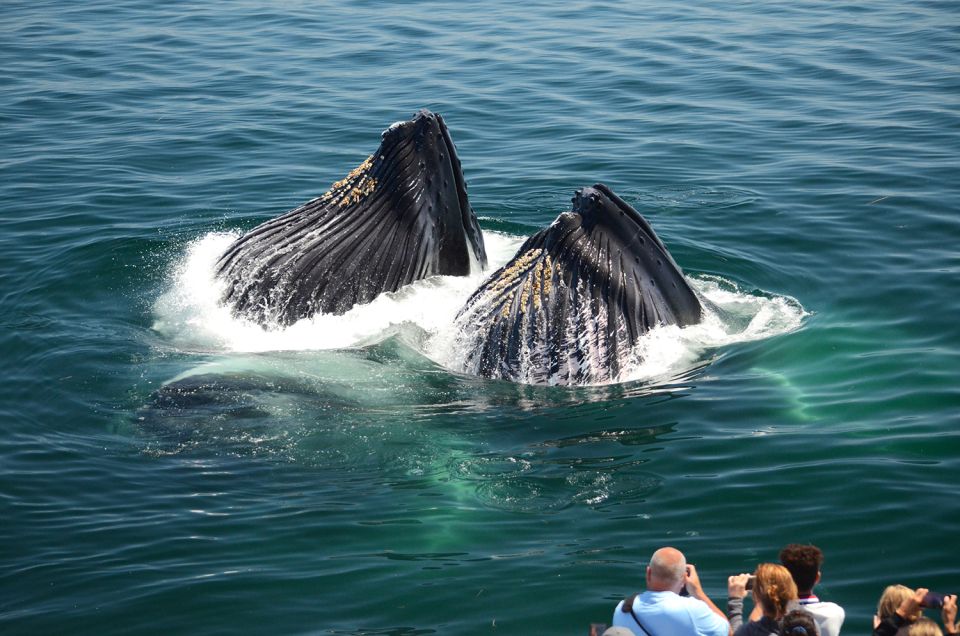
Before the dedicated whale-watching stop, the route includes passes by Castle Island and Boston Harbor Islands National and State Park. At first glance, this sounds like filler time. In practice, it’s part of what makes the cruise feel like a full outing, not a quick jaunt.
That stretch also helps you get your bearings. You learn where the best sight lines are on your boat, and you can adjust between decks as conditions shift. If you’re bringing a camera or binoculars, this is your chance to set up before you’re fully committed to whale-spotting.
One more practical point: it’s easier to stay patient during the hunt when you’re still enjoying the route. The harbor and islands give your eyes something to do while you wait for the sanctuary segment to begin.
The real highlight: 1.5 hours at the Gerry E. Studds/Stellwagen Bank sanctuary
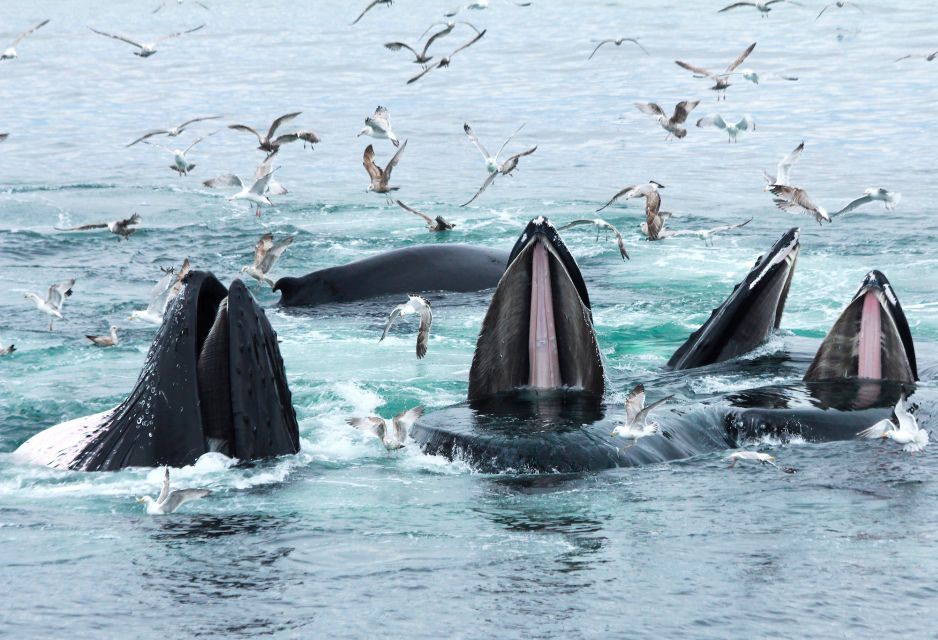
Your primary whale watching happens at Gerry E. Studds/Stellwagen Bank National Marine Sanctuary. That’s where the cruise focuses on spotting whales, and you get about 1.5 hours of whale watching.
That time block is important. Whale watching isn’t like a zoo schedule where you see the next animal on cue. It’s about patience: scanning, tracking a spout line, watching for surfacing, and hoping for more than one appearance.
In the best cases, you get extended viewing as the crew positions the boat for good sight lines. Feedback also highlights that the captain can turn the boat to give each side a chance to see activity—so if you’re only glued to one window or one side of the deck, you might miss the moment when a whale breaches on the far side. My advice is simple: be ready to shift where you stand or sit when the crew calls something out.
Which animals you’re actually looking for (and how to spot them)
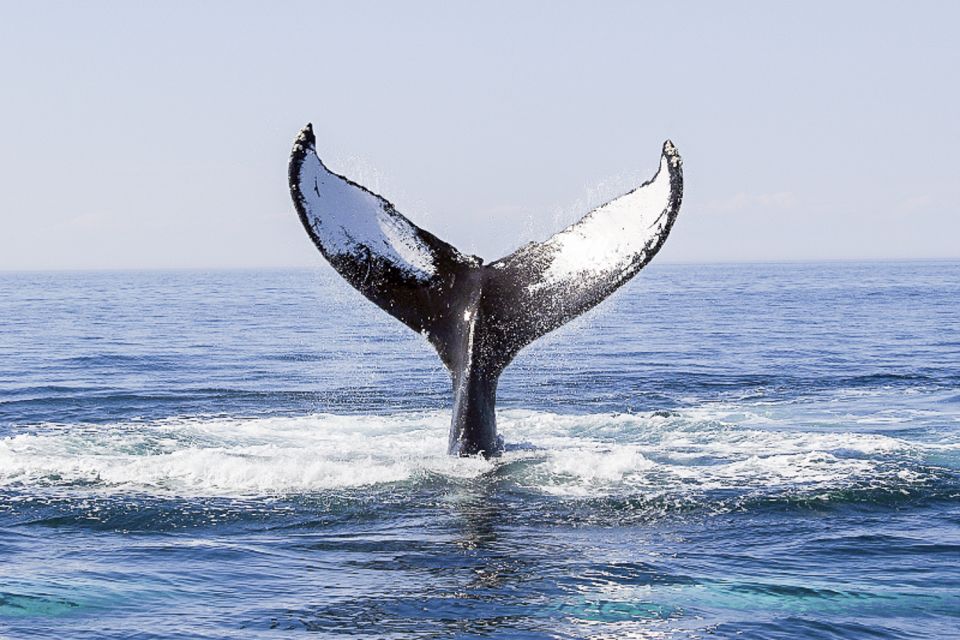
The cruise targets several species, including humpback, fin, and minke whales, plus white-sided dolphins. On a good day, you’ll see more than one type of wildlife.
Here’s what to watch for, in plain terms:
Humpback whales
Humpbacks are known for the way their backs arch out of the water when preparing for a dive. The scientific name listed for this cruise is Megaptera novaeangliae. When you see a tall, curved body before a descent, you’re often looking at that setup moment.
Fin whales
Fin whales are among the largest in the ocean, and they can look different than humpbacks at a distance. The cruise info notes adult length in the range of 45 to 70 feet and a heavy adult weight, so if you spot a large, solid whale compared to smaller shapes, fin whales are one of the main possibilities.
Minke whales
Minke whales are sleek and smaller in profile compared to the giants, and they’re described as the most abundant whale species in the world. If you see a quick, smaller baleen whale-like shape that doesn’t stay as long as the giants, minkes may be in the mix.
White-sided dolphins
These dolphins are described as a North Atlantic species in waters just south of New England and north to Norway. They’re known as playful mammals, and the cruise info emphasizes feeding on single prey like squid—different behavior than whales that feed on large numbers of small fish.
Also keep your eyes open for other wildlife. Some feedback includes sightings like seals and even a shark. The point: don’t only chase whales. The ocean likes to surprise you.
Comfort and practical tips: what to bring and what to plan for
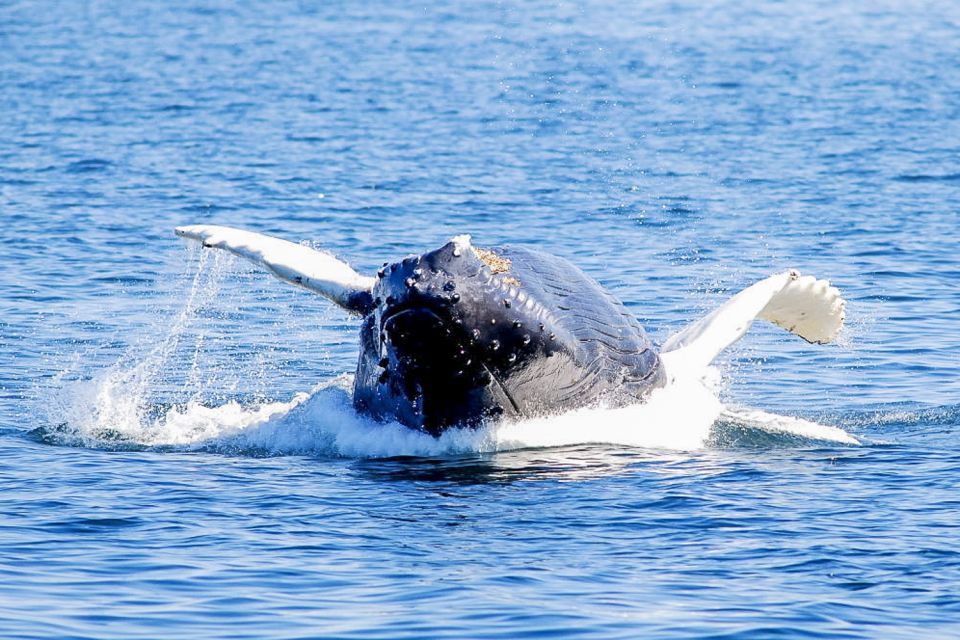
This is mostly an outdoor-and-windows experience, so weather matters. The cruise gives guidance on what to bring: comfortable shoes, sunglasses, a sun hat, camera, sunscreen, a jacket, weather-appropriate clothing, and binoculars.
I’d add a simple strategy. Dress in layers you can manage quickly. Even if the cabin is warm, the deck will feel colder when the wind is up, especially on the way out or back. One common theme in feedback is that the boat can feel chilly in closed areas, so don’t count on perfect heating once you’re indoors.
If you’re prone to sea sickness, treat that seriously. The experience is explicitly not suitable for people with motion sickness. Feedback also mentions things like sea-sickness wristbands and even ginger sweets offered to help. Those help some people, but the bigger point is prevention beats cure. If you’re unsure how you react to boat motion, bring protection and plan to stay where motion feels least intense.
Finally, snacks and drinks are available for purchase on board. That’s nice for morale, but plan your expectations: you might have to wait at the snack area at busy moments. If timing matters for you, don’t make food the centerpiece of your plan—make it a bonus.
Price and value: how $80 stacks up for a guided whale-watching outing
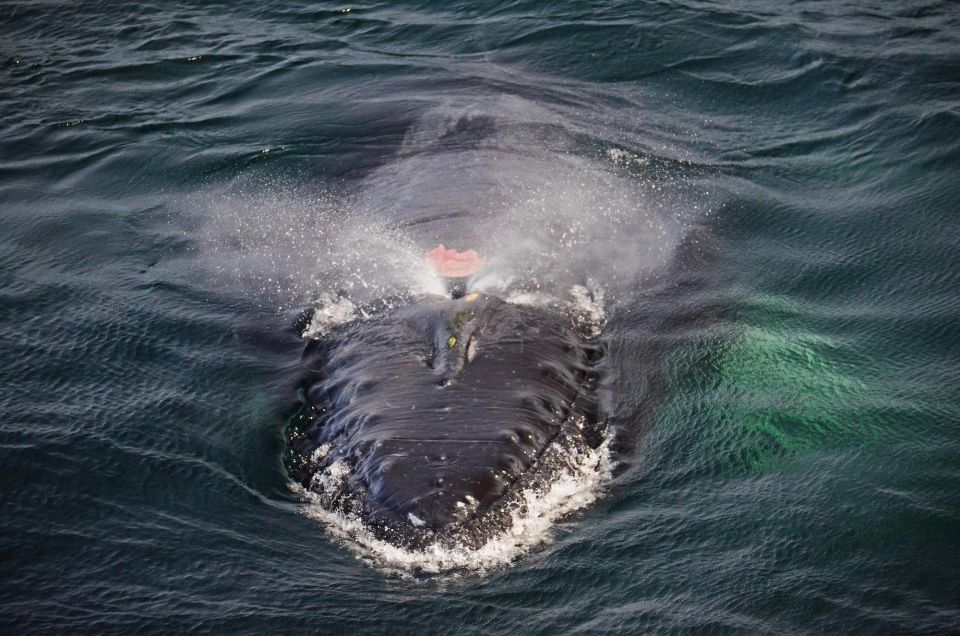
At $80 per person for about a 3.5-hour outing, this isn’t a bargain, and some people do feel the price is steep. But there’s real value in what’s included: a comfortable, high-speed boat, outdoor and indoor viewing, professional Naturalist guidance, and the structured time at a designated sanctuary area.
What you’re paying for is not just the ride. You’re paying for:
- better chances through faster travel to the viewing zone
- expert interpretation once you find whales
- access to multiple viewing environments on the same boat
- a guided experience designed for wildlife spotting, not just sightseeing
In other words, the value is strongest when you care about learning and spotting—not only when you want a quick thrill.
If you’re the type who can enjoy waiting and scanning for the unexpected, the cost can feel fair. If you’re looking for guaranteed whale sightings or short and simple entertainment, you may feel like the price is too high for what’s essentially an ocean gamble.
Who should book this Boston whale cruise (and who should rethink it)
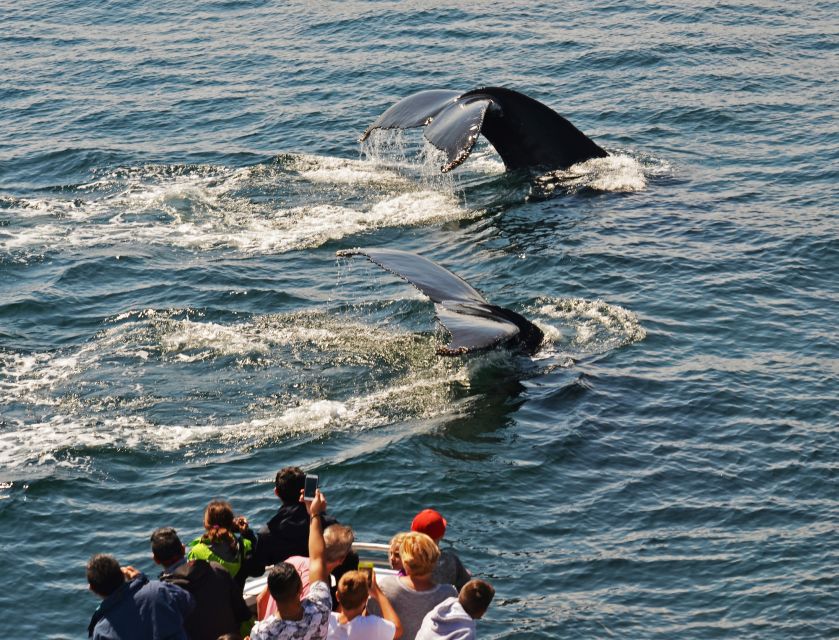
This cruise fits best if you:
- want guided whale watching with Naturalist commentary
- like to switch between outdoor deck and indoor windows depending on weather
- enjoy photography and binocular scanning during a dedicated whale-watching window
- have the patience for an encounter that can’t be forced
You should rethink it if you:
- deal with motion sickness easily, since it’s not suitable for that group
- dislike cold outdoor air (bring layers anyway)
- need a fully predictable, minute-by-minute schedule, since whale locations can extend travel time
It’s also a strong choice for families who want education built into the trip. Feedback includes kid-friendly extras like books and coloring sheets, which can help younger travelers handle the waiting time.
Should you book the Boston whale watch from Long Wharf?
I think this is a smart booking if you’re visiting Boston and you want one real nature excursion that’s guided, not random. The New England Aquarium Naturalists are the engine of the experience, and the boat layout helps you actually see wildlife instead of just listening to a story from below deck.
Book it if you can handle wind, bring warm layers, and commit to staying flexible with timing. Skip it or plan carefully if motion sickness is a concern.
If you’re on the fence, I’d decide based on two questions: Do you want to learn while you watch, and can you tolerate some rougher ocean moments? If the answer is yes, this cruise has a strong shot at delivering a memorable Boston bucket-list day.
FAQ
Where do I meet for the Boston whale watching cruise?
You depart from Boston Harbor City Cruises at Long Wharf, at One Long Wharf, located between the Long Wharf Marriott Hotel and the New England Aquarium.
How long is the cruise?
The duration is listed as about 3.5 hours. The average trip is typically 3.5 to 4 hours.
What whale species can I see?
You can look for humpback, fin, and minke whales, along with white-sided dolphins. Other wildlife may also be spotted.
Is the cruise wheelchair accessible?
Yes, it is wheelchair accessible.
Are snacks and drinks included?
Food and drinks are available for purchase on board, rather than included automatically.
What should I bring for the trip?
Bring comfortable shoes, sunglasses, a sun hat, a camera, sunscreen, a jacket, weather-appropriate clothing, and binoculars.
Is it okay if I get motion sickness?
No. This experience is not suitable for people with motion sickness.